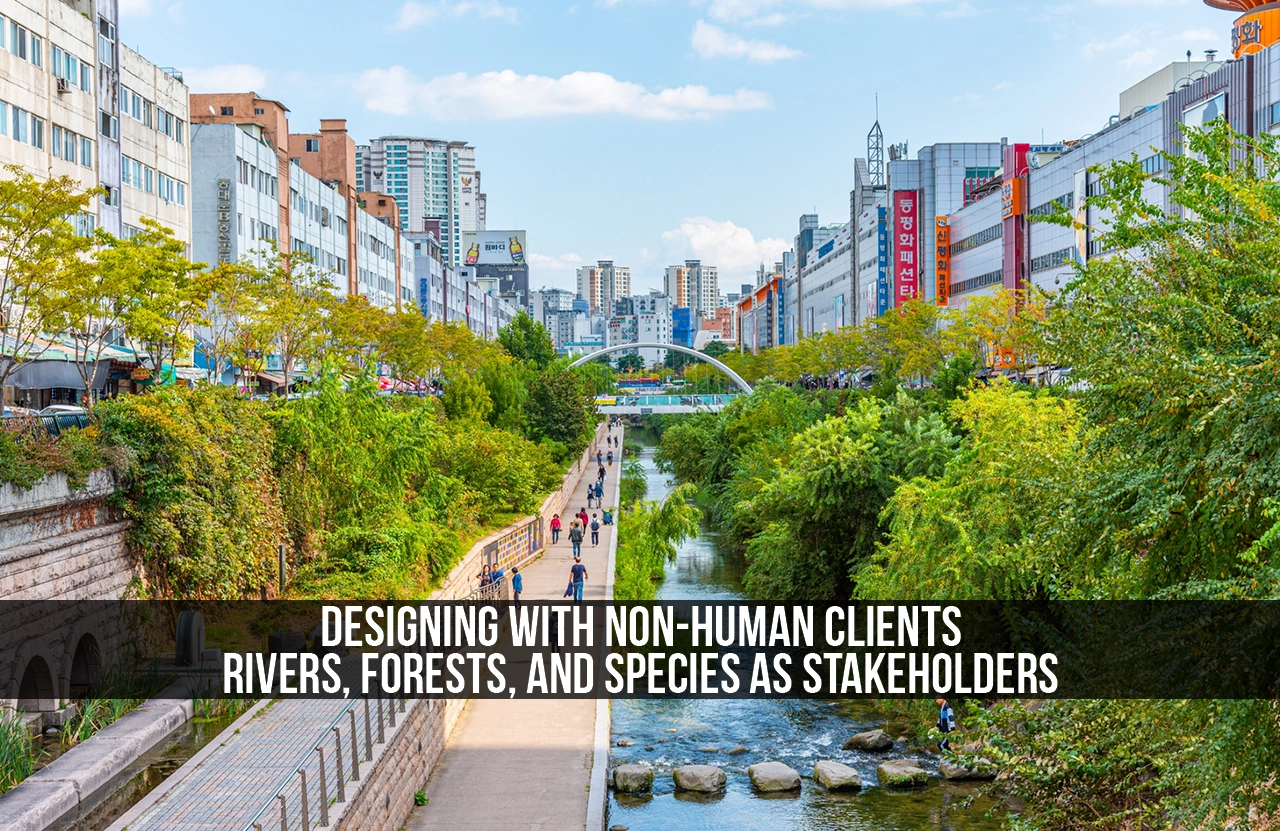
For many decades, architecture has mainly focused on addressing human needs and requirements. The built environment has been taken as a space for shelter, work, and safety for human beings. In this process, decisions often prioritize construction efficiency, economic feasibility, and human comfort. However, such human-centered approaches overlook the impact that built environments have on natural systems and other forms of life.
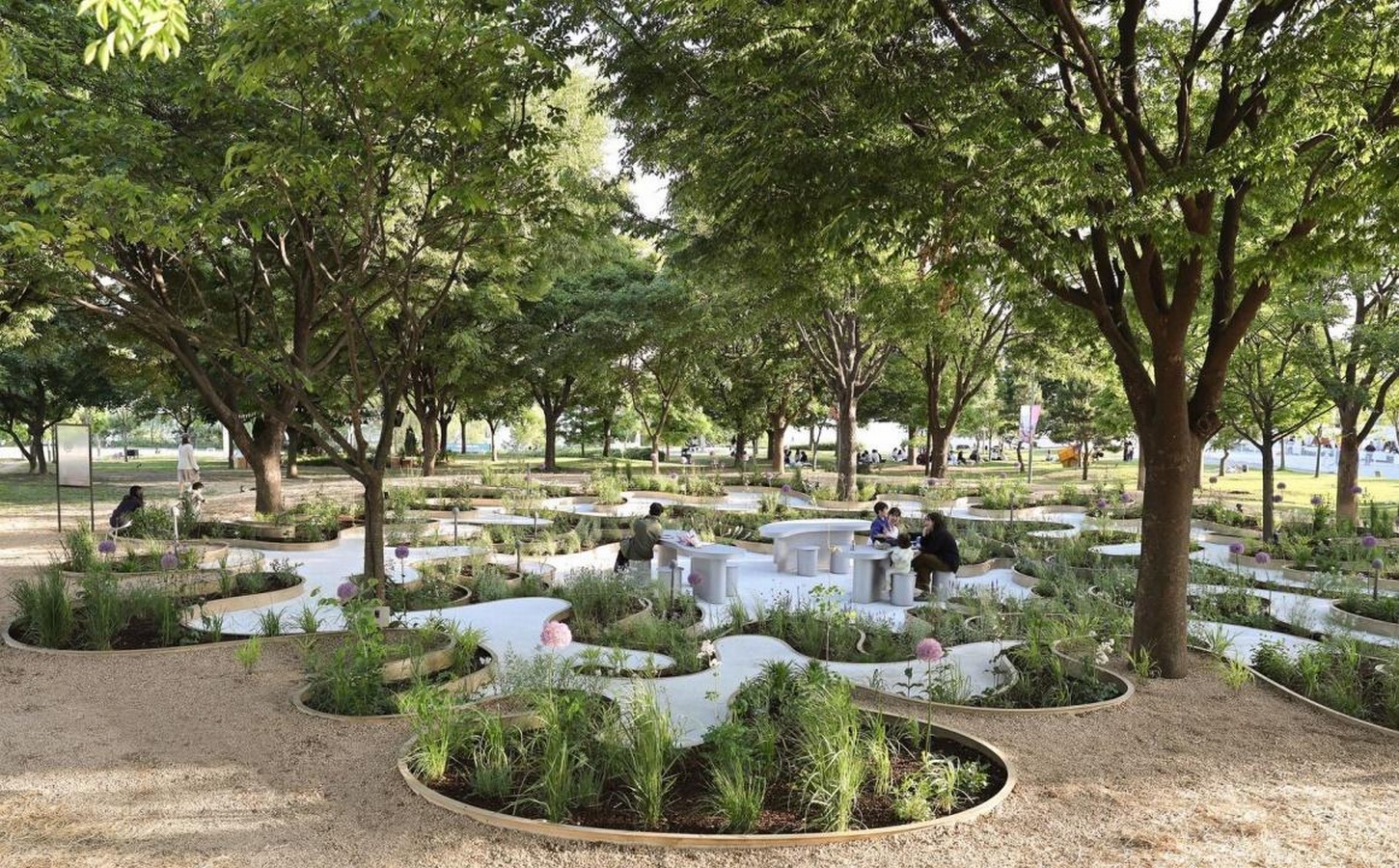
While architecture is designed for humans, it is constructed at the cost of non-living resources and ecological systems. Rivers are redirected, forests cleared, and habitats might be fragmented to accommodate urban areas. In environmental crises, global warming intensifies, and it becomes increasingly necessary to reconsider how design interacts with ecosystems. This understanding encourages architects to expand the idea of stakeholders beyond humans and consider rivers, forests, and species as participants in the design process.
Designing cities with non-human clients represents a transformative approach in architecture and urban planning. By incorporating ecological systems into place making strategies, designers can harness ecosystem services that support more resilient, livable, and sustainable cities (Rethinking Place making: An Ecosystem Approach Centering Non-Human Stakeholders). Adopting a more inclusive approach to design that recognizes both ecosystems and urban environments flourishes. This perspective protects biodiversity, enhances the resilience and sustainability of cities, while improving overall human well-being.
The Under looked Stakeholders
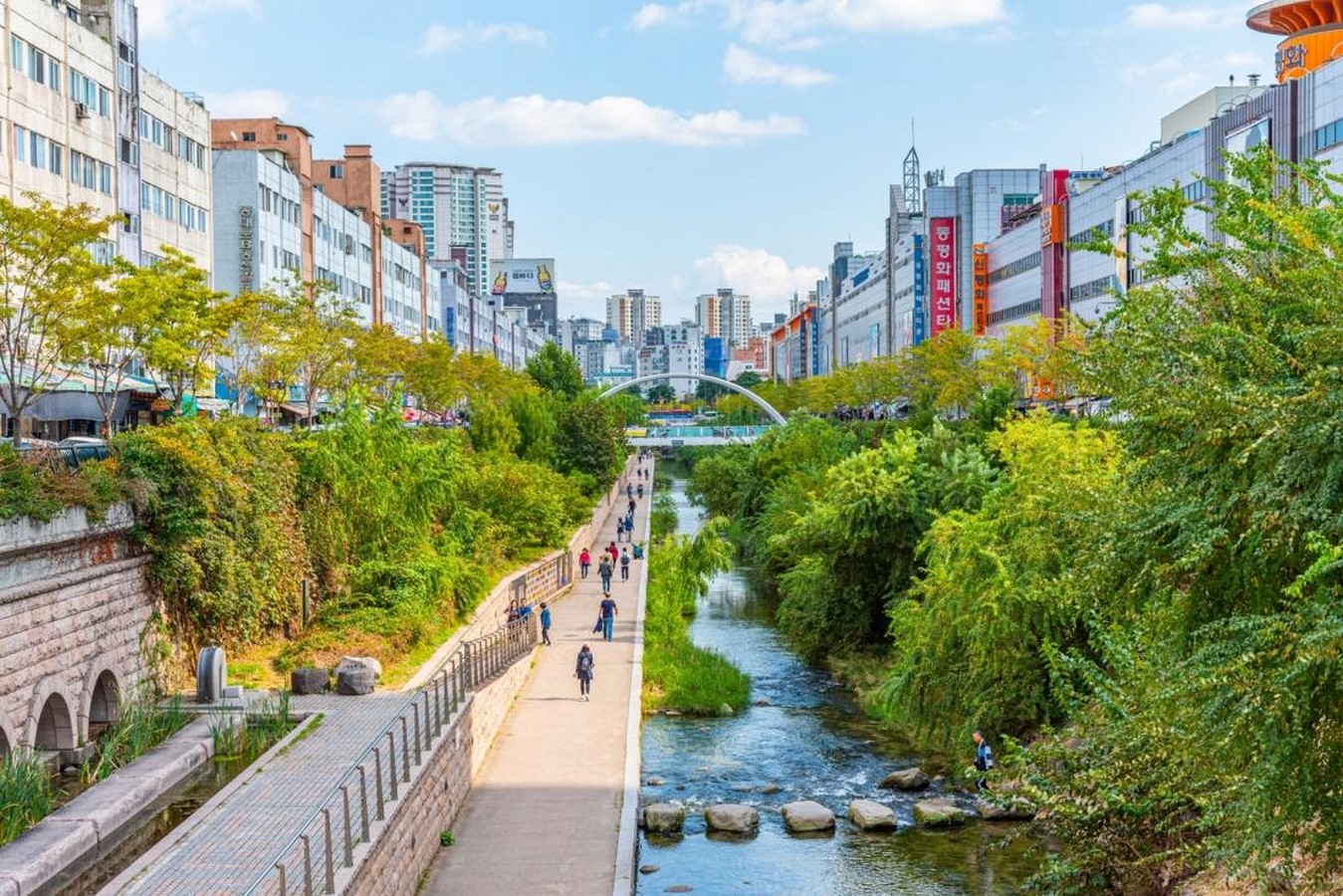
In conventional design processes, it’s rarely considered the vast range of non-human life that coexists within our environments. Yet the world we inhabit is also home to flora, fauna, plants, insects, pollinators, microorganisms, and urban wildlife. Natural systems such as soil, rivers, groundwater, and forests are equally essential components of ecological balance.
All of these elements plays a vital role in maintaining healthy ecosystems. Forests regulate climate and support biodiversity, rivers sustain water cycles and habitats, and pollinators contribute to food production and ecological stability. When these natural systems are ignored or disrupted, cities become more vulnerable to environmental risks such as flooding, extreme heat, and ecological degradation. ()
Non-human stakeholders provide numerous ecosystem services that directly benefit urban populations. Green spaces improve air quality, vegetation reduces urban heat island effects, and access to nature contributes to psychological well-being and mental health. Recognizing these contributions highlights the importance of designing environments that support ecological systems alongside human needs.
Designing with Ecosystems
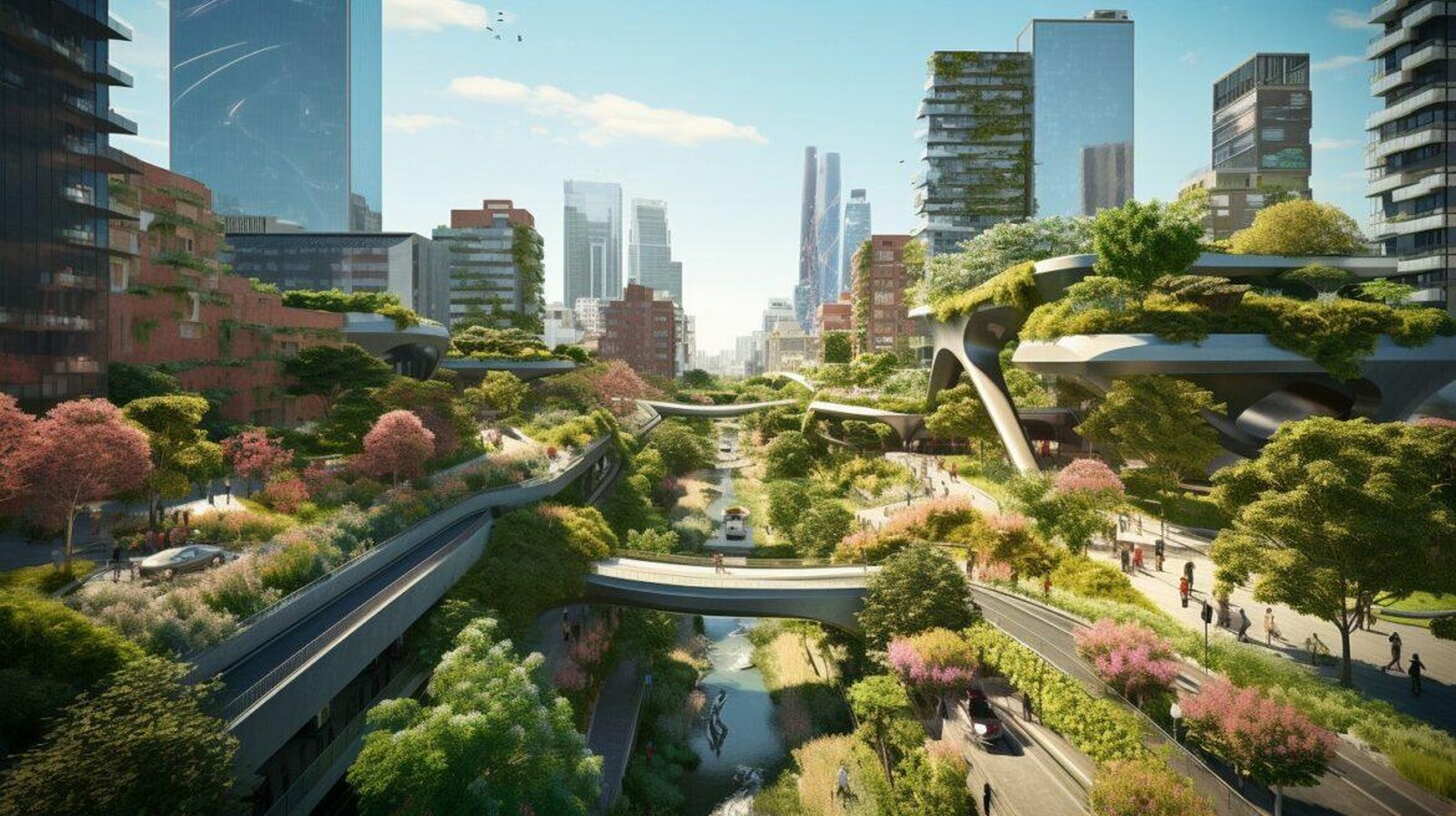
Successful projects that integrate non-human stakeholders into design often prioritize ecological processes as fundamental components of the built environment. Several strategies have emerged as effective approaches for achieving this goal.
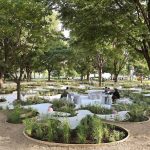
First, prioritizing biodiversity as a core design element, integrating native vegetation and habitat structures into urban landscapes.
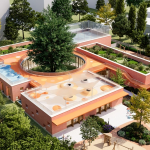
Second, the urban landscape mimics natural systems and processes. Nature-based solutions, such as regenerative landscapes, green roofs and wetlands that replicate ecological functions that regulate the natural cycles.
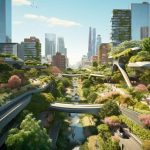
Third, habitat connectivity is essential for maintaining biodiversity. Wildlife corridors, ecological bridges, and interconnected green spaces allow animals and insects to move across fragmented urban environments.
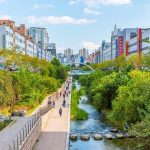
Finally, integrating blue–green infrastructure can help manage water resources while supporting ecosystems.These strategies combine vegetation with water management systems that address urban infrastructure needs and ecological sustainability.
Challenges and Strategies
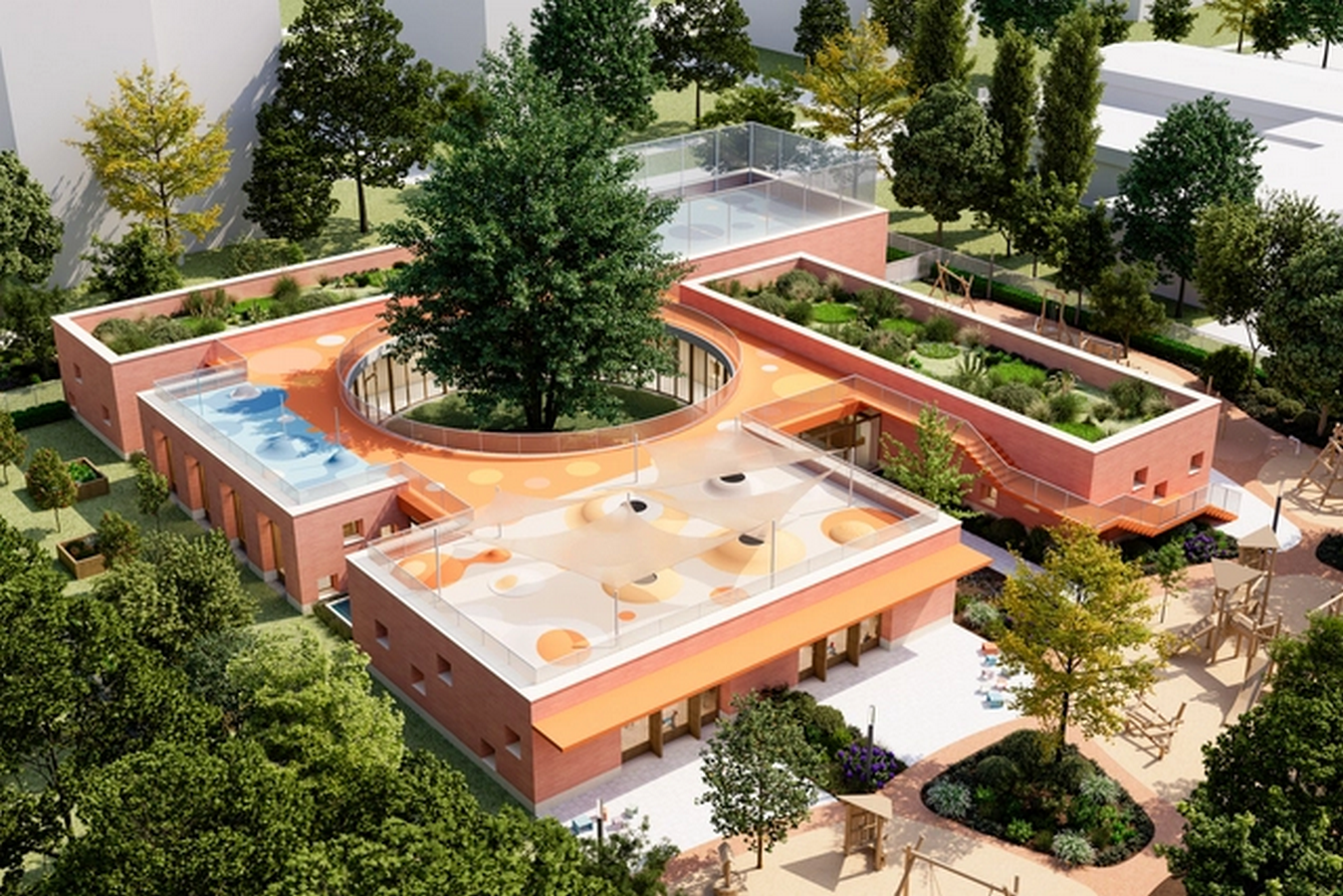
Despite its benefits, an ecosystem-based approach to design faces several challenges. Architectural and planning traditions have historically been shaped by human-centered priorities, making it difficult to integrate ecological perspectives into established design frameworks. Balancing human development needs with ecological preservation requires new methods, collaborations, and evaluation systems.
Several strategies can support this transition. Conducting comprehensive ecological surveys and habitat assessments before design begins helps identify existing environmental conditions and biodiversity patterns. Ecosystem mapping can also help designers understand the ecological value of natural elements within a site.
Collaboration across disciplines is also important, such as involving ecologists, environmental scientists, and biologists in the design process, which enables the design to incorporate ecology into spatial planning. Long-term monitoring and adaptive management strategies grant resilience through the evolving nature of the urban environment.
These approaches reflect an emerging shift toward ecosystem-centered place making, where design processes recognize the interconnected relationships between built environments and natural systems (Rethinking Place making: An Ecosystem Approach Centering Non-Human Stakeholders).
Multispecies Design and the More-Than-Human Perspective
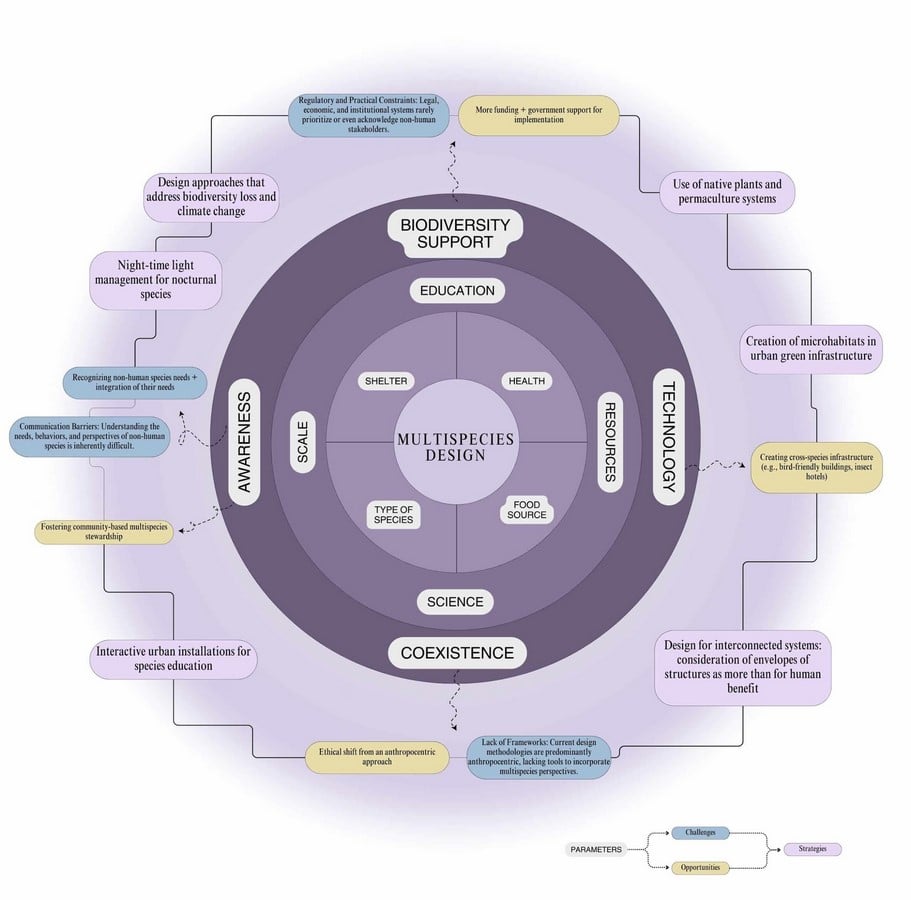
In recent years, concepts such as multispecies design and more-than-human fits- the post-human have gained attention in architectural discourse. These approaches widen and deepen the “self” in prioritizing human centered perspectives.
Multispecies design challenges the assumption that the built environment exists solely for humans and questions “what would it mean to design with and for other species, too?” It encourages architects to consider the lived experiences of non-human beings within urban environments. For example, integrating native plants and permaculture systems into urban landscapes can support pollinators, birds, and small mammals while also improving environmental quality for human residents.
Technology is also contributing to this transformation, where it gives access in exploring cross-species infrastructure, such as bird-safe building façades, amphibian tunnels, and wildlife corridors that allow animals to move safely through human-dominated environments. Multispecies design represents an ethical shift to promote coexistence between humans and other forms of life. where it demonstrates how innovation can support ecology rather than disrupting it.
Moving forward, when environmental challenges continue, it’s clear that the future of architecture requires a broader understanding about design service. Designing with non-human clients and recognizing them as participants requires architects to reconsider the relationship and the given emphasis between built environments and natural ecosystems. It encourages a more holistic approach that values coexistence, ecological integrity, and shared environments.
By integrating more-than-human perspectives into place making strategies, designers can contribute to urban environments that are inclusive, sustainable, and ecologically balanced. Ultimately, designing for the future means designing for all forms of life.
References:
Design+Posthumanism Network (n.d.) Designing for multispecies commons: Ecologies and collaborations in participatory design. Available at: https://designandposthumanism.org (Accessed: 21 February 2026).
IAAC (n.d.) Designing for more than humans: Exploring multispecies futures in a changing climate. Available at: https://www.iaacblog.com (Accessed: 21 February 2026).
More-than-Human Participatory Approaches for Design (n.d.) Method and function in making relations. Available at: https://www.researchgate.net (Accessed: 21 February 2026).
Rethinking the Future (n.d.) Rethinking placemaking: An ecosystem approach centering non-human stakeholders. Available at: https://www.re-thinkingthefuture.com (Accessed: 21 February 2026).