Cities between Memory and Change
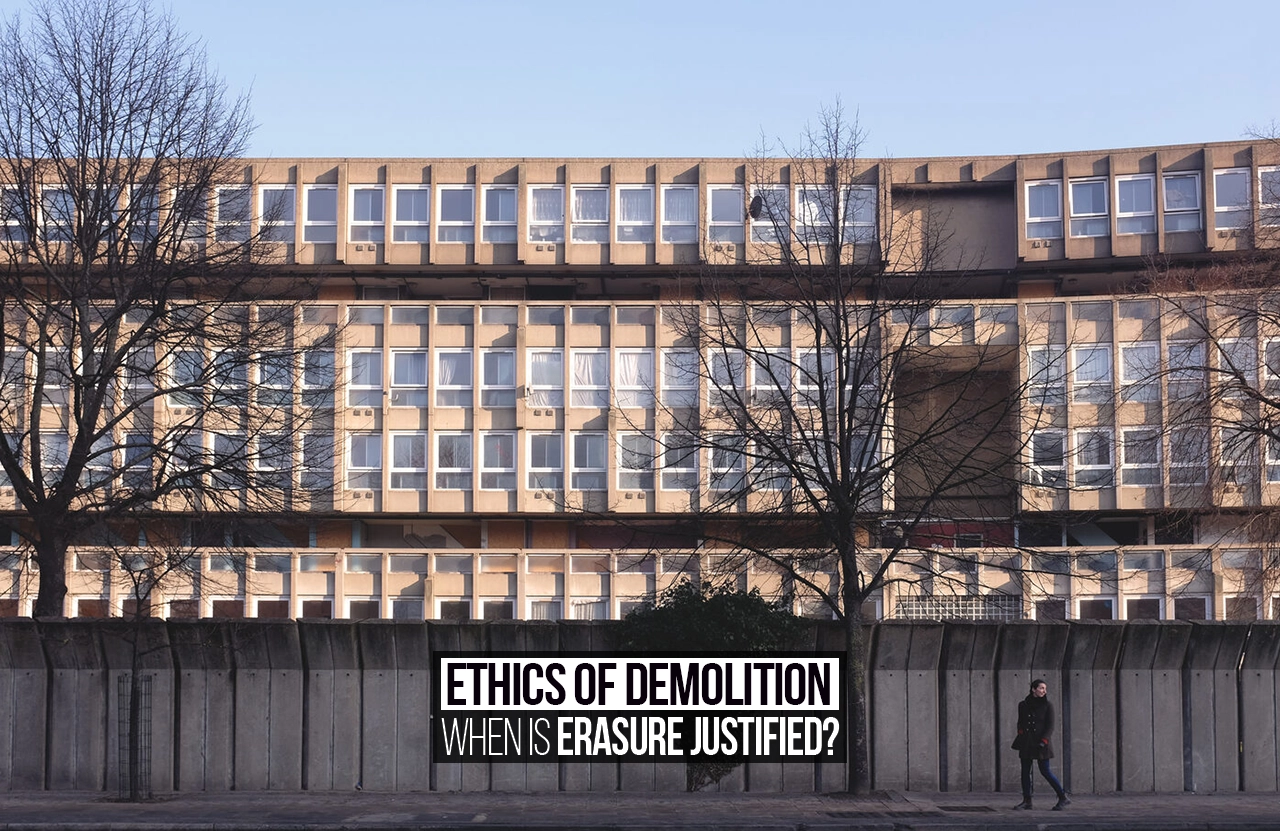
Cities are living organisms. They grow, transform, and continually adapt to accommodate new needs, technologies, and populations. In this ever-changing urban landscape, buildings inevitably age, become obsolete, or obstruct development. This raises an important and often uncomfortable question for architects, planners, and communities alike: When is it ethically acceptable to demolish a building?
Demolition is not merely a technical act of removing a structure. It represents the erasure of history, memory, and cultural identity embedded within the built environment. Every building, whether grand or modest, carries stories of the people who used it and the time in which it was built. Therefore, deciding to demolish a building involves more than engineering or economic considerations; it requires ethical reflection and responsibility.
For architects and urban designers, the debate surrounding demolition has become increasingly complex. While cities must evolve to accommodate modern demands, the loss of architectural heritage and the environmental consequences of demolition cannot be ignored. The ethics of demolition, therefore, lie in finding a balance between progress and preservation.
Demolition as a Tool for Urban Growth
Throughout history, demolition has played a significant role in shaping cities. Urban expansion, infrastructure development, and changing functional needs often require the removal of existing structures. In rapidly growing metropolitan regions such as Mumbai, older buildings are frequently replaced by taller and denser developments to accommodate increasing populations.
From a practical perspective, demolition can sometimes be unavoidable. Buildings may become structurally unsafe, technologically outdated, or incapable of supporting modern functions. In such cases, redevelopment may provide improved infrastructure, better living conditions, and enhanced public spaces.
For example, urban redevelopment projects often replace dilapidated housing with safer residential complexes. Similarly, new transport systems, hospitals, and educational institutions sometimes require the clearing of existing sites. In these situations, demolition may serve a greater social and urban purpose. However, the ethical challenge lies in ensuring that such decisions are not driven solely by economic profit or convenience.
The Loss of Cultural Memory
While demolition can enable urban progress, it can also lead to the irreversible loss of cultural heritage. Historic buildings are physical records of a city’s past, reflecting its architectural traditions, craftsmanship, and social history. When such structures disappear, a part of collective memory disappears with them.
One of the most frequently cited examples in discussions about demolition ethics is the destruction of Pennsylvania Station in the 1960s. The monumental Beaux-Arts railway station was demolished to make way for a modern complex, sparking widespread public outrage. The event became a turning point in the global heritage conservation movement, demonstrating how demolition can trigger debates about the value of historic architecture.
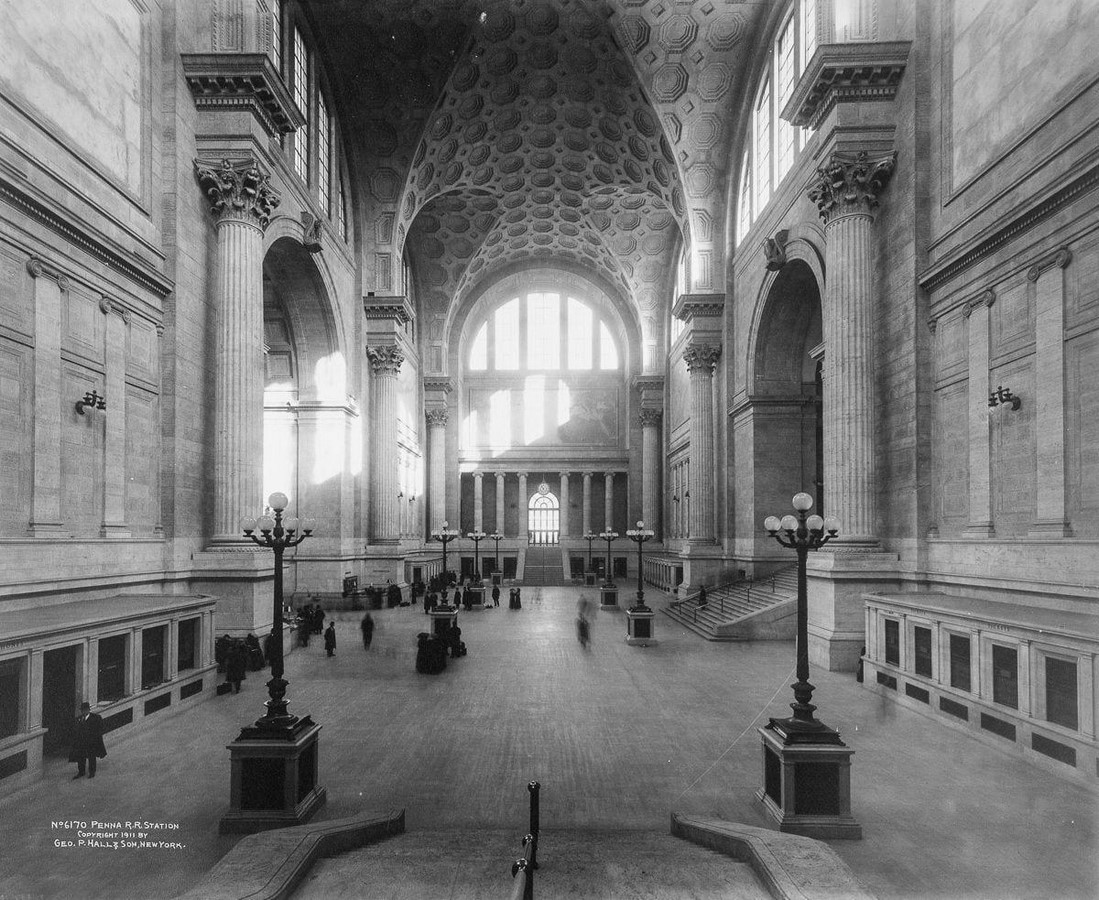
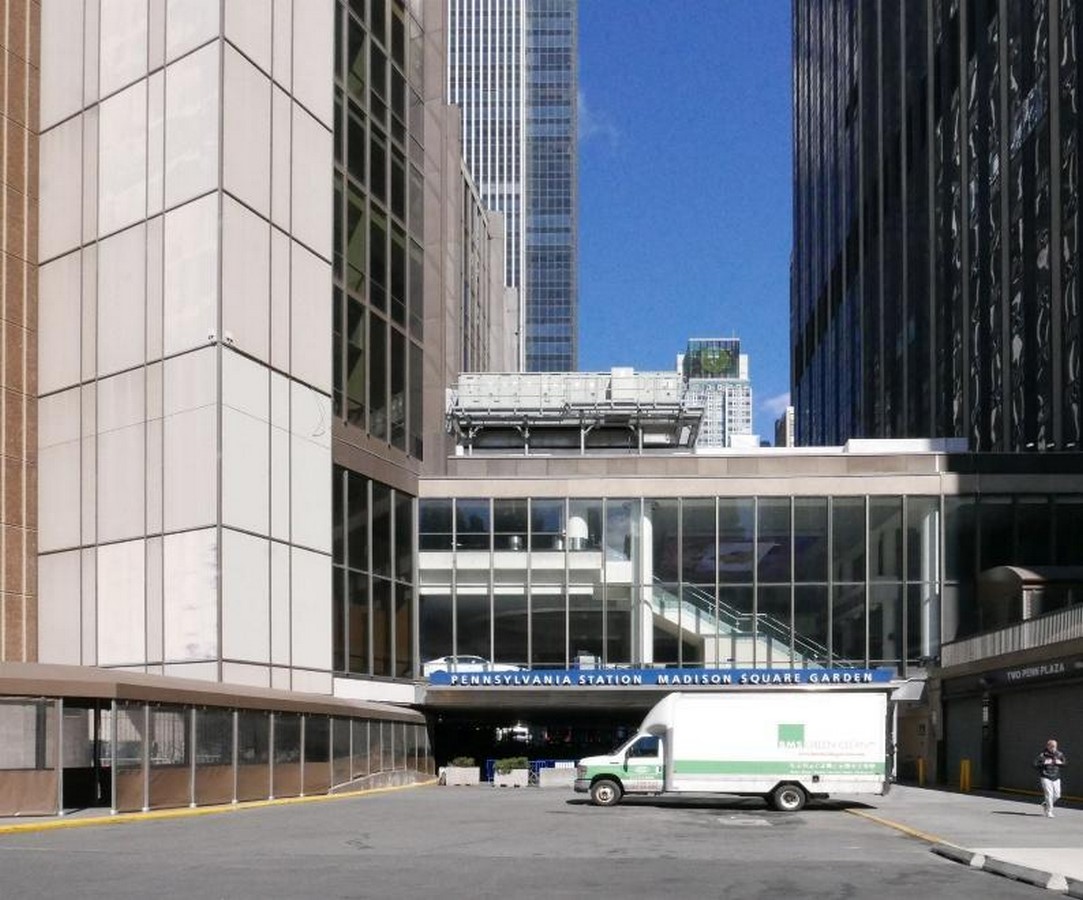
The old waiting room, once the largest indoor public space in New York City, is now a parking lot.
This example highlights a crucial ethical question: should economic development justify the destruction of culturally significant buildings?
In many cases, once such buildings are demolished, their architectural character and historical significance can never be recreated.
Environmental Consequences of Demolition
Another important dimension of demolition ethics relates to environmental sustainability. The construction industry is already one of the largest contributors to global carbon emissions. Demolishing buildings generates enormous quantities of construction waste and discards valuable materials that require significant energy to produce.
Existing buildings contain what architects call embodied energy-the total energy consumed during the production of materials, transportation, and construction processes. When a building is demolished, much of this energy investment is lost.
Moreover, demolition produces large volumes of debris that often end up in landfills, contributing to environmental degradation. In the context of the current climate crisis, this raises critical ethical questions about whether demolition should be considered the default solution for ageing structures. Instead of demolition, architects are increasingly encouraged to explore adaptive reuse, renovation, and retrofitting as sustainable alternatives.
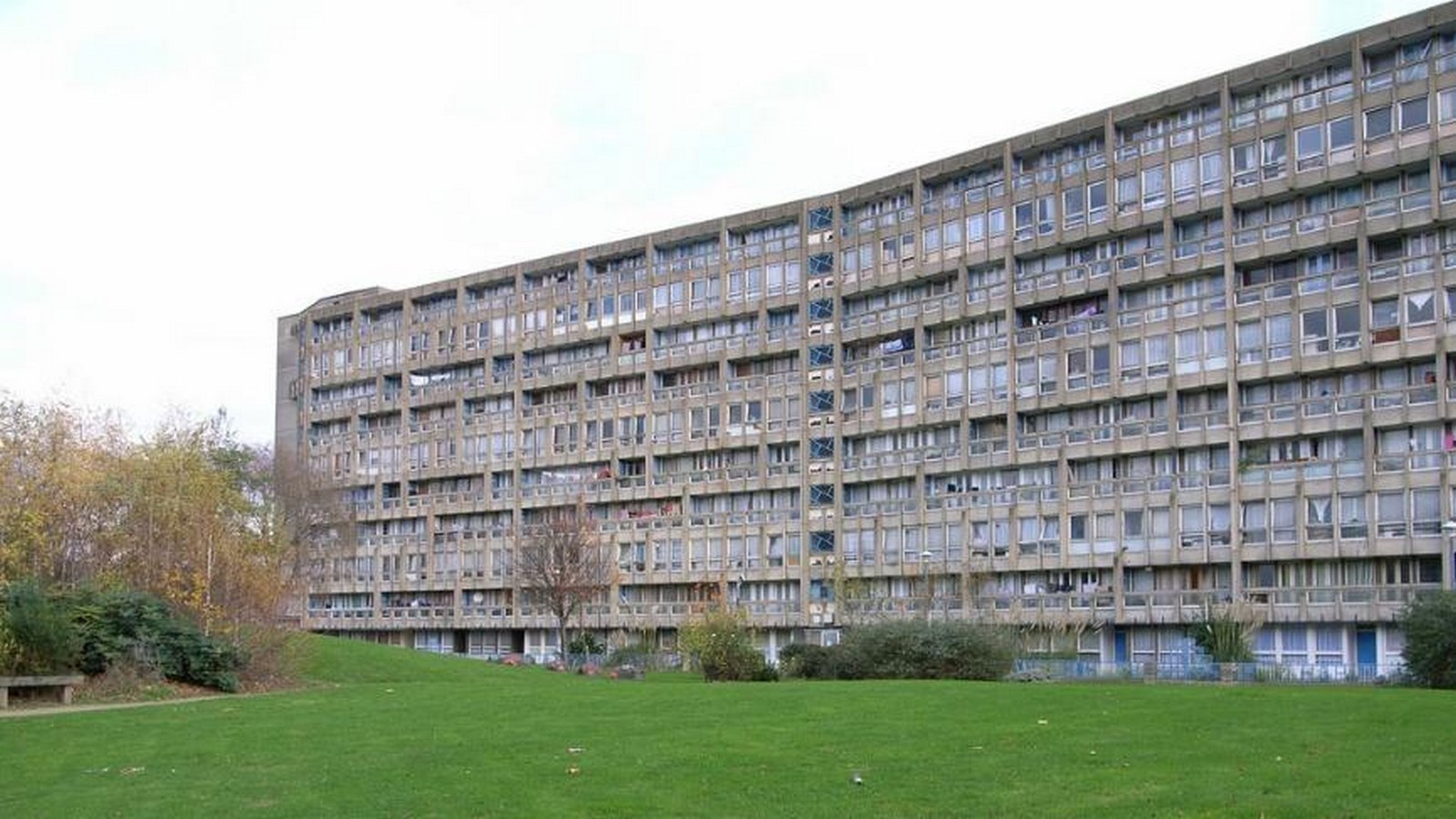
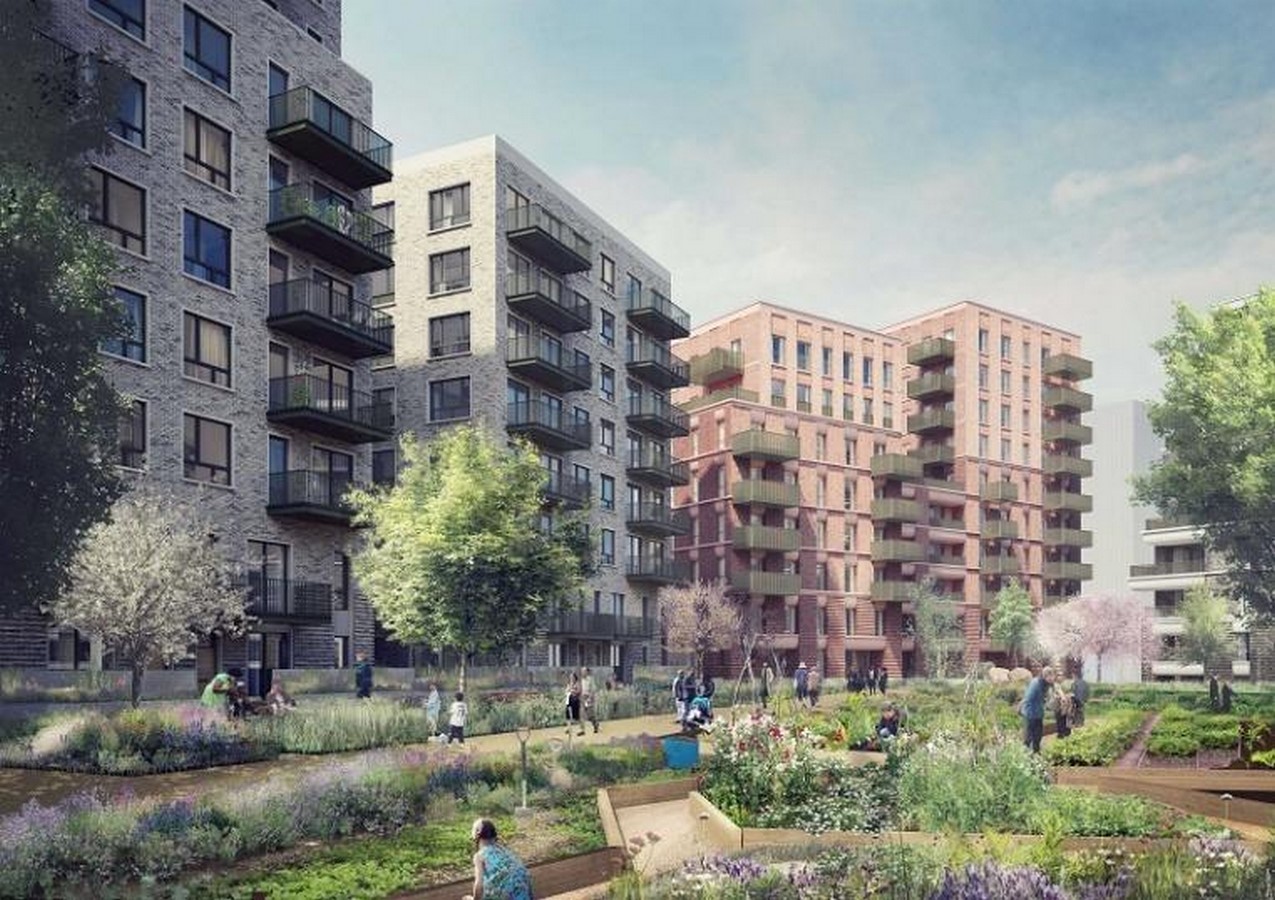
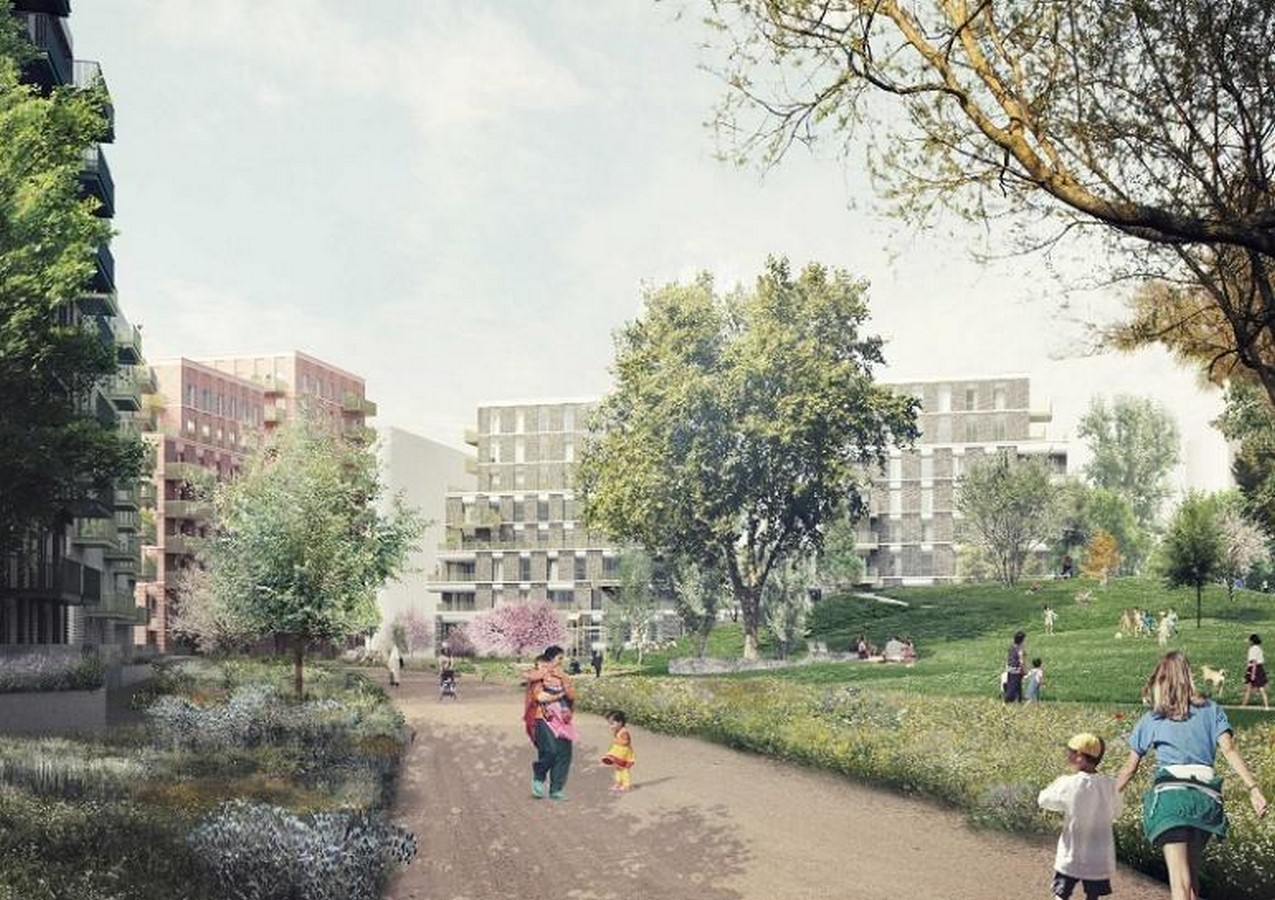
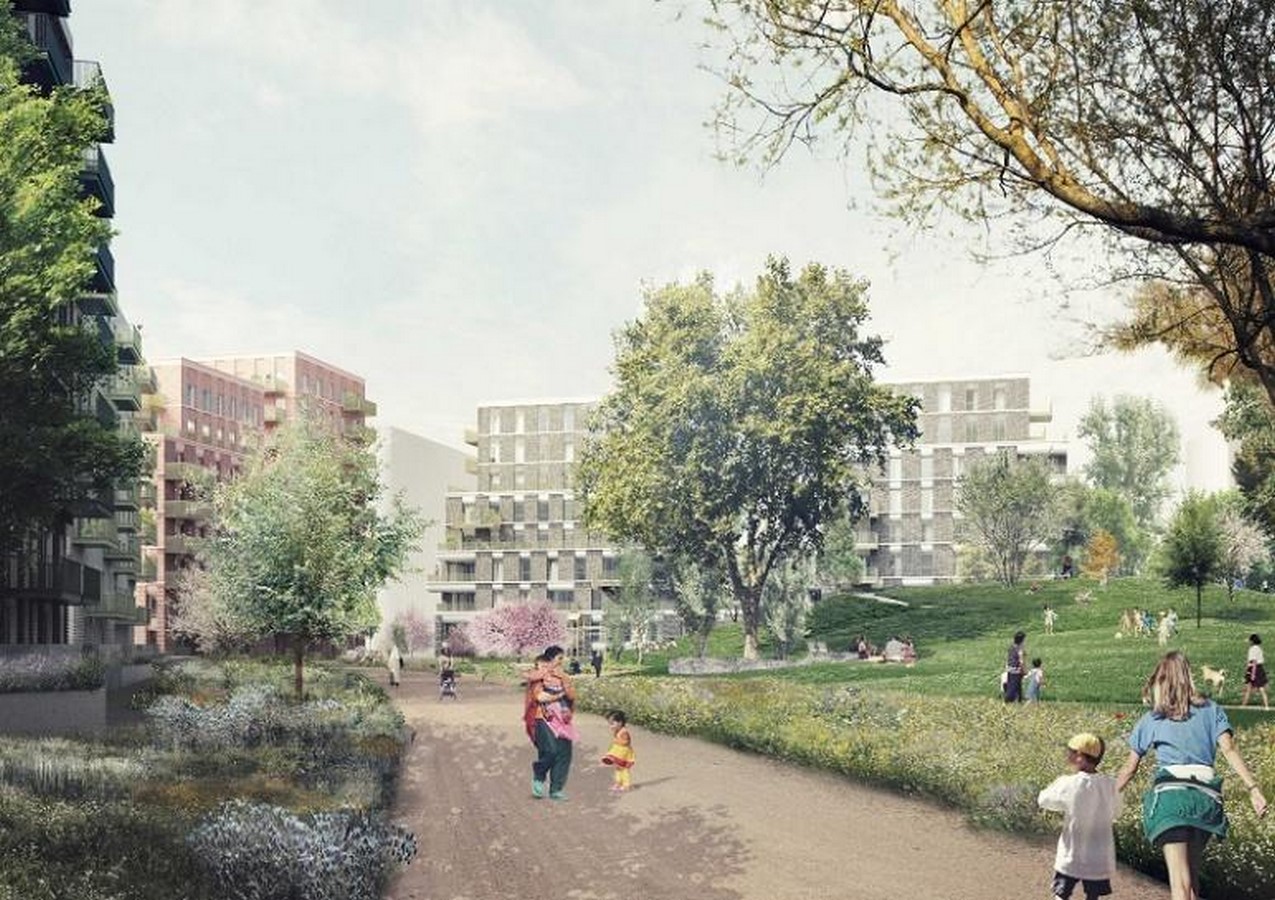
Adaptive reuse has emerged as one of the most responsible approaches to addressing the ethical dilemmas of demolition. Rather than erasing existing structures, adaptive reuse transforms them for new purposes while preserving their architectural identity.
A widely recognised example of adaptive reuse is Tate Modern, which was converted from the former Bankside Power Station into one of the world’s most prominent contemporary art museums. The project demonstrates how existing buildings can be creatively reinterpreted instead of being demolished.
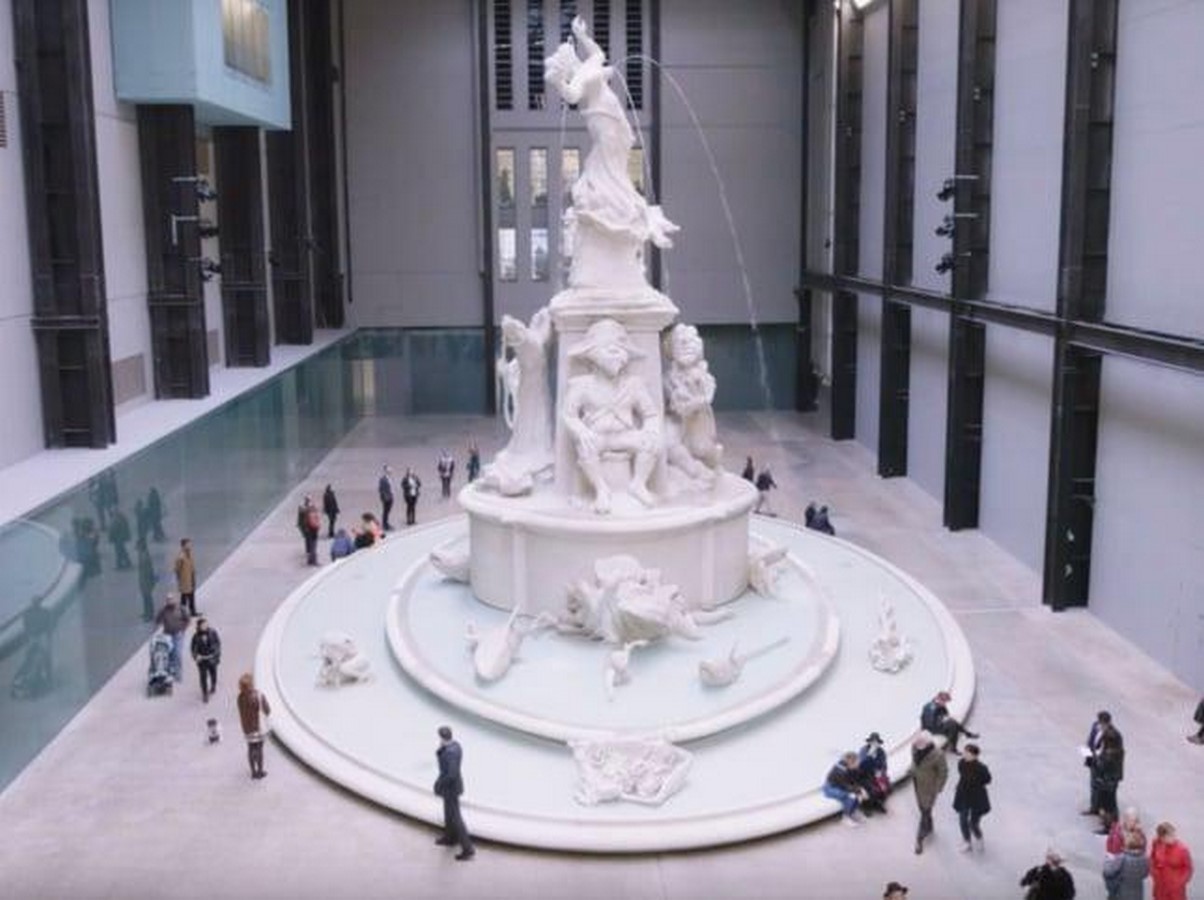
Adaptive reuse offers several advantages. It preserves historical character, reduces construction waste, and maintains a tangible connection between past and present. At the same time, it allows cities to adapt to changing social and functional needs. For architects, such projects present exciting design opportunities, as they involve working with existing structures while introducing new spatial experiences.
Social and Community Considerations
Beyond architectural and environmental concerns, demolition also affects communities. Buildings often hold emotional value for residents who associate them with memories, traditions, and everyday experiences. When such structures are demolished, communities may feel that their identity and history are being erased.
Urban redevelopment projects sometimes displace local populations or replace familiar neighbourhoods with anonymous high-rise developments. This raises ethical questions about whose interests are being served by demolition decisions.
Ethical demolition practices, therefore, require meaningful engagement with communities. Public consultation, transparent decision-making, and careful evaluation of social impacts are essential steps in ensuring that demolition does not undermine the cultural fabric of a place.
When Is Erasure Justified?
Despite these concerns, there are circumstances where demolition may be ethically justified. Buildings that pose significant structural hazards or cannot be reasonably repaired may need to be removed to ensure public safety. Similarly, some structures may lack historical significance and may not be suitable for adaptive reuse.
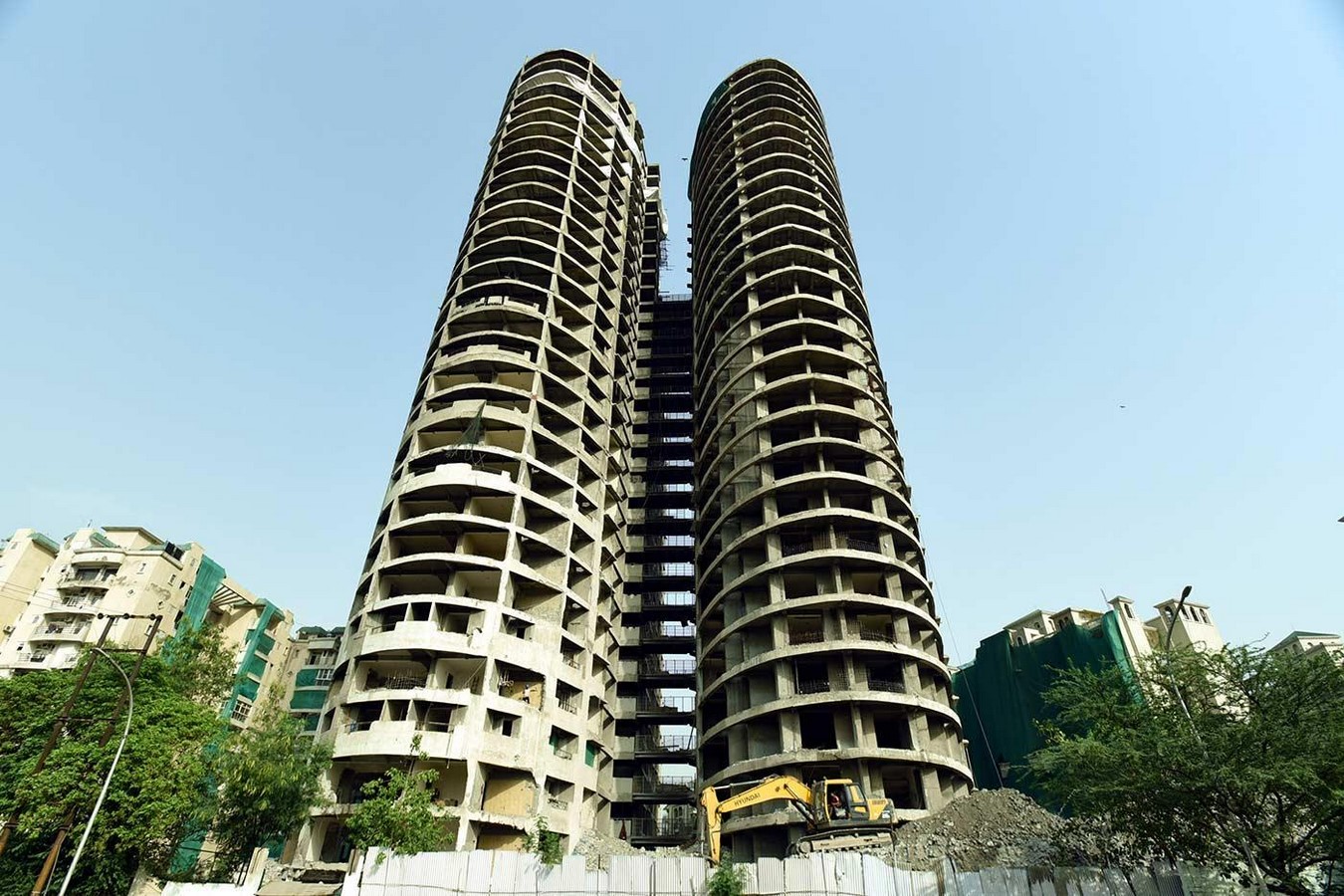
In such cases, demolition may be acceptable if it leads to developments that provide substantial benefits to society, such as affordable housing, improved public infrastructure, or environmental restoration.
However, ethical decision-making requires architects and planners to carefully evaluate alternatives before choosing demolition. The question should not simply be “Can we demolish?” but rather “Should we demolish?” This shift in perspective encourages more responsible and thoughtful approaches to urban transformation.
The Architect’s Responsibility
Architects play a crucial role in shaping the ethical framework surrounding demolition. As professionals responsible for designing and managing the built environment, they must balance the demands of development with the need to preserve cultural and environmental values.
This responsibility entails advocating for sustainable design practices, exploring opportunities for adaptive reuse, and promoting awareness of the importance of architectural heritage. Architects must also collaborate with planners, historians, and communities to ensure that demolition decisions are informed and sensitive.
Ultimately, the ethics of demolition remind us that architecture is not merely about constructing new buildings. It is also about respecting what already exists and understanding the significance of the built environment in shaping human experiences.
Policy and Governance in Demolition Decisions
Beyond architects and developers, government policies also play a crucial role in shaping demolition practices. Urban planning regulations, heritage protection laws, and environmental guidelines influence whether a building can be demolished or must be preserved.
Many cities now maintain heritage listing systems that identify structures with historical or architectural value. Such policies aim to protect culturally significant buildings from unnecessary demolition. At the same time, planning authorities must carefully balance conservation with the need for urban development.
Transparent regulatory frameworks help ensure that demolition decisions are not solely driven by market pressures. Instead, they encourage a more balanced approach that considers cultural significance, environmental impact, and long-term urban sustainability.
Learning from the Past to Build the Future
The debate around demolition also encourages architects to rethink the way buildings are designed in the first place. If structures are created with adaptability in mind, they can evolve over time instead of becoming obsolete.
Design strategies such as modular construction, flexible interiors, and durable materials allow buildings to accommodate changing functions without requiring complete demolition. This approach aligns with the broader principles of sustainable architecture and circular design.
By designing buildings that can adapt to future needs, architects can reduce the likelihood of demolition and contribute to more resilient urban environments.
Demolition represents one of the most powerful and controversial acts within the practice of architecture. While it can enable urban growth and modernisation, it also carries the risk of erasing valuable cultural heritage and contributing to environmental harm.
The ethical challenge lies in recognising that every building embodies layers of history, memory, and material resources. Before choosing demolition, architects and planners must carefully evaluate whether preservation, renovation, or adaptive reuse might offer more responsible alternatives.
Cities will inevitably continue to evolve, but their transformation should not come at the cost of losing their identity. By approaching demolition with thoughtful consideration and ethical awareness, architects can ensure that urban development respects both the past and the future.
References:
https://myleszhang.org/2020/08/07/old-new-york-penn-station/
https://www.boweryboyshistory.com/2021/01/destruction-penn-station-one-entered-city-like-god-one-scuttles-now-like-rat.html
https://www.livemint.com/news/india/story-of-noida-twin-towers-what-led-to-demolition-of-supertech-building-11661591676634.html