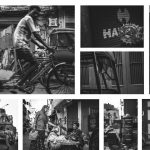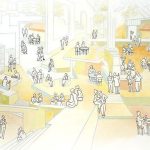
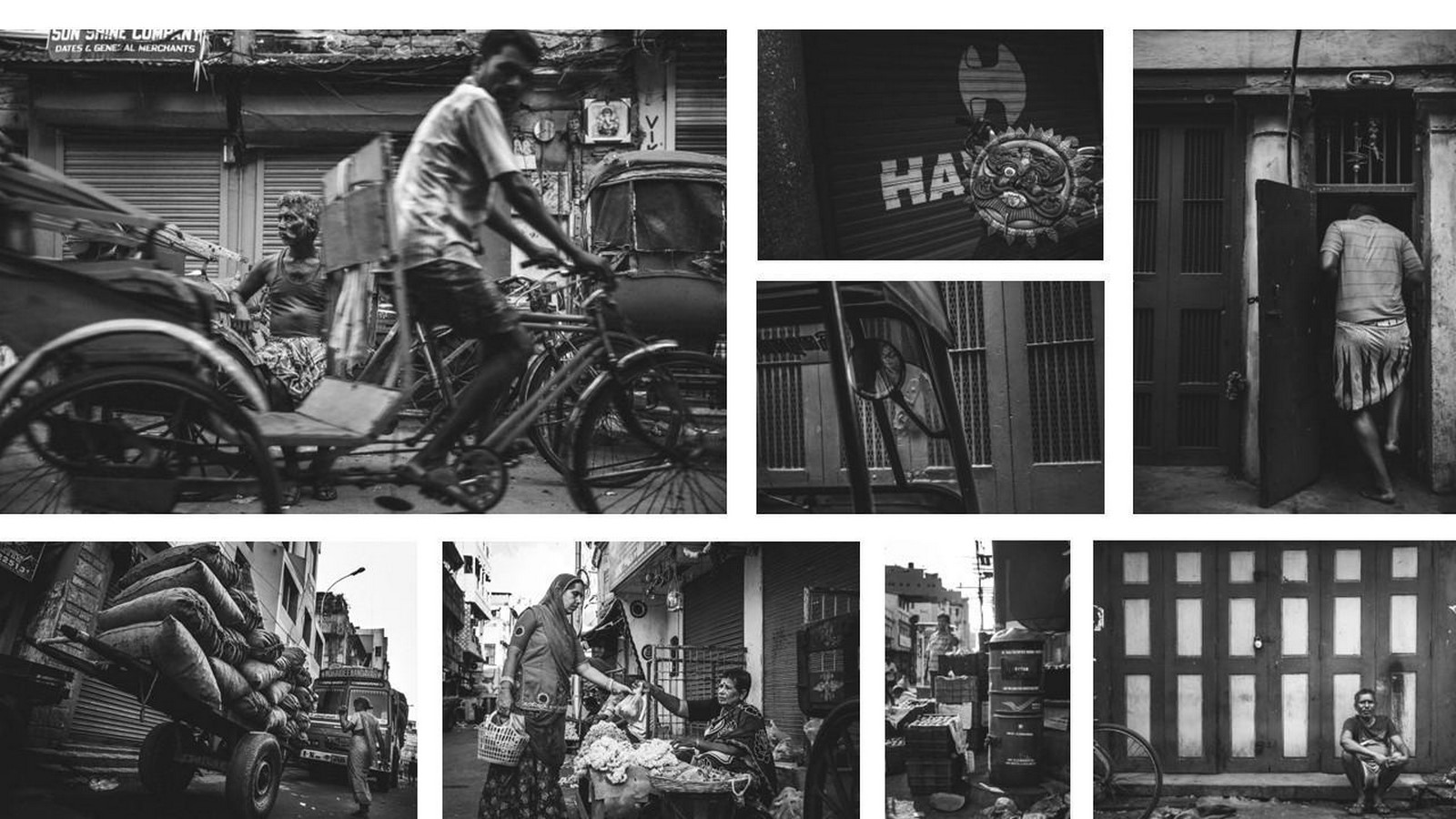
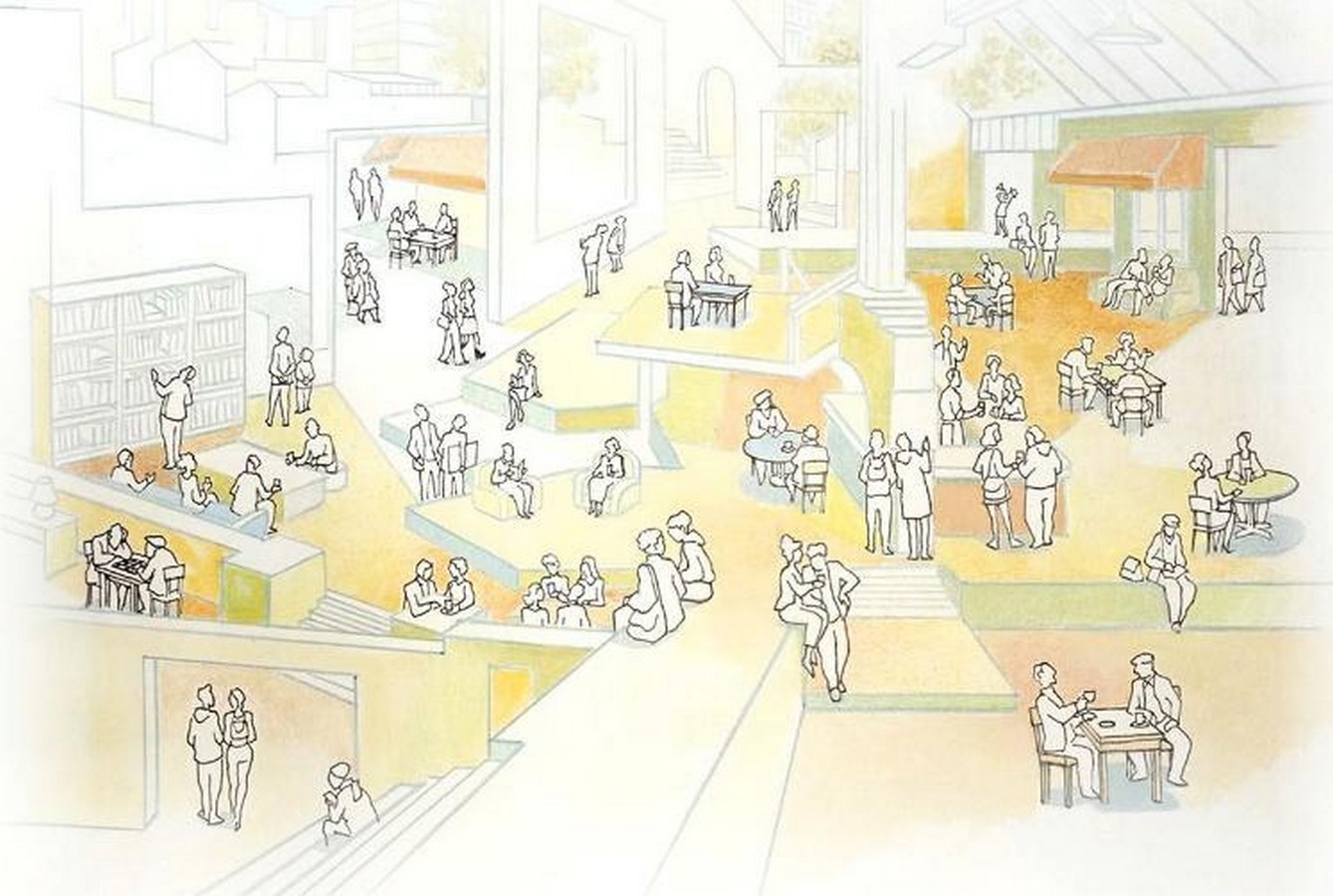
In developed countries, we often lament the lack of third spaces, but in India, a particular kind of third space abounds. It is free, accessible and is everywhere. Yes, they are the streets. People here do not treat streets as merely functioning luminal spaces for transit and movement; instead, they claim them as vibrant public realms. To get a glimpse, it starts from as basic as uncles chatting in their undershirts and lungis, aunties gossiping over filter coffee, fruit and jewellery sellers spreading wares across sidewalks, kids playing, women drawing kolams at dawn, cycle rickshaws weaving with stacked loads, tea stall owners pouring endless chai, and workers idling. This is not about any pristine infrastructure. Streets can be chaotic, dirty or poorly maintained; rather, this is about culture, the culture of taking up space.
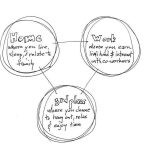
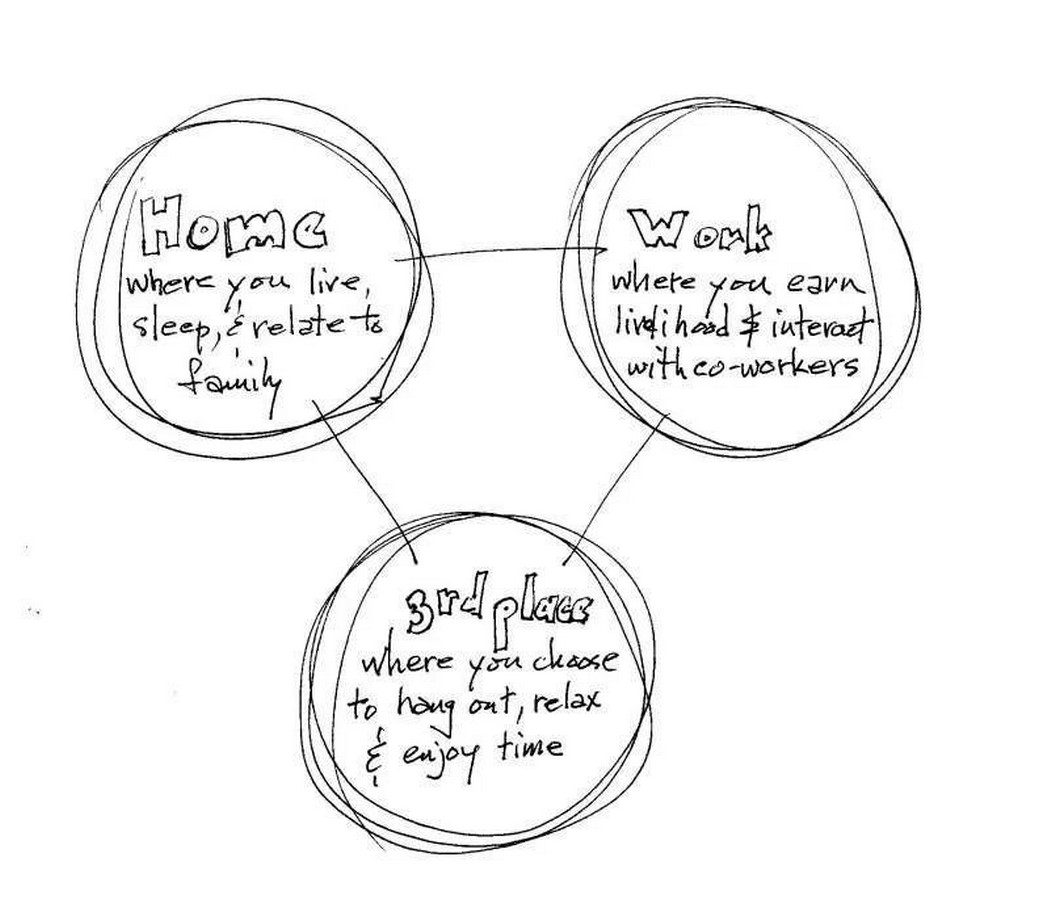
Ray Oldenburg’s framework in The Great Good Place (1989) defines third places as informal gathering spots beyond the home (first place) and work (second place), such as cafes, parks, or libraries, that nurture equality, conversation, and democracy through low-barrier access and steady social flow. In Chennai, these streets evolve further as dynamic galleries, where murals and graffiti transform concrete facades into living artworks. The street-as-gallery integrates street art with Indo-Saracenic, colonial, and modern built forms, amplifying the vitality of third spaces through architectural regeneration and cultural dialogue.
Historical Roots
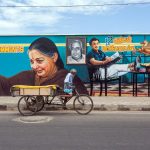
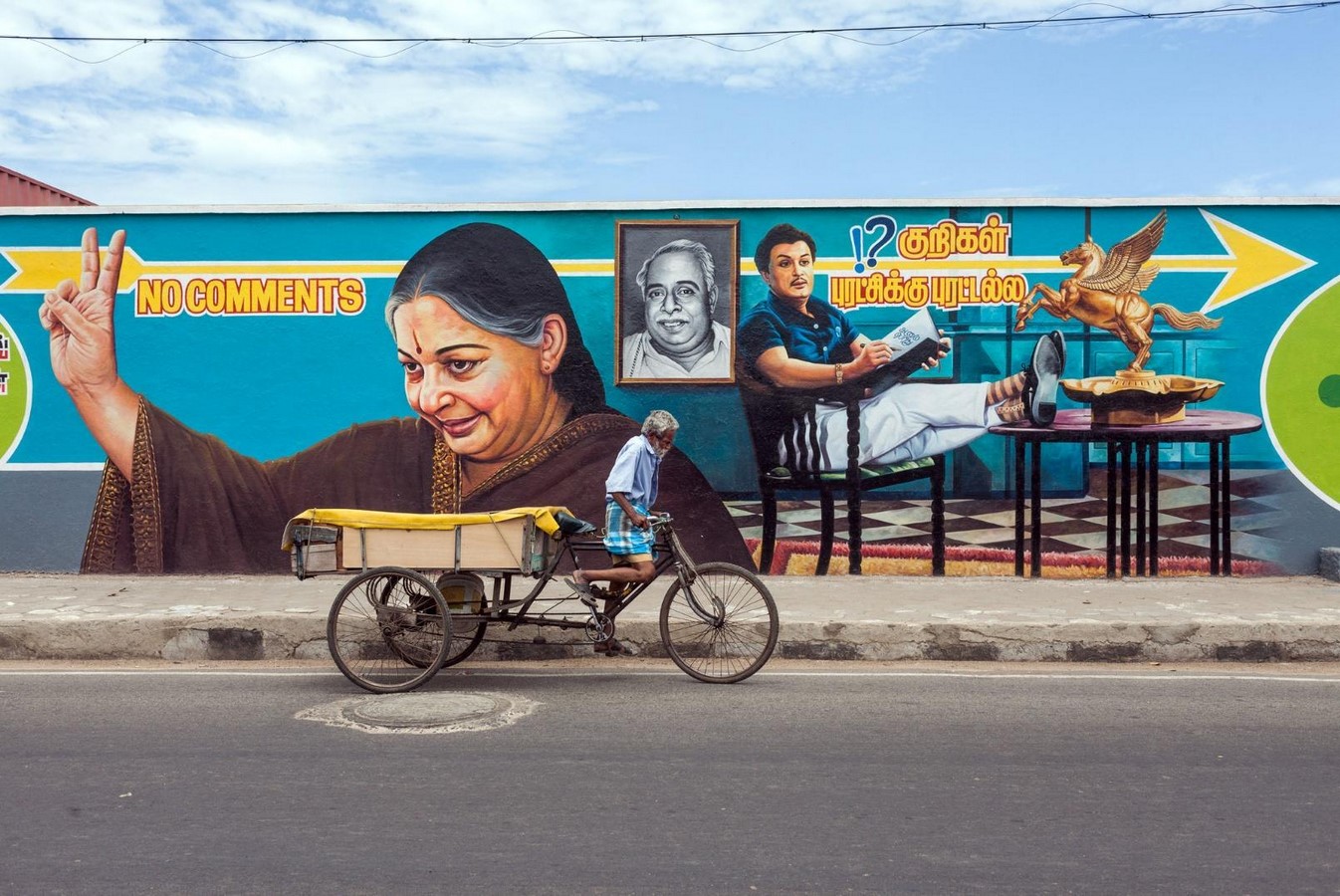
The walls of Chennai surely do talk through art, which traces back to the early days of street art brimmed with bold Tamil slogans, billboards of national icons like Mahatma Gandhi, larger-than-life-size portraits of politicians, cutouts of film stars like Rajinikanth and even paintings of deities like Shiva and Hanuman. These artworks evoke a sense of nationalism and cultural pride, transforming mundane facades into communal billboards that draw the crowd’s attention during elections, film releases or festivals. These historic walls, once roaring with slogans and superstars, laid the irreplaceable foundation for Chennai’s Street as Gallery, proving art has always been the city’s voice, rallying its people across eras.
Everyday Kolams
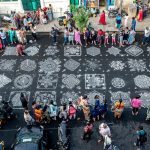
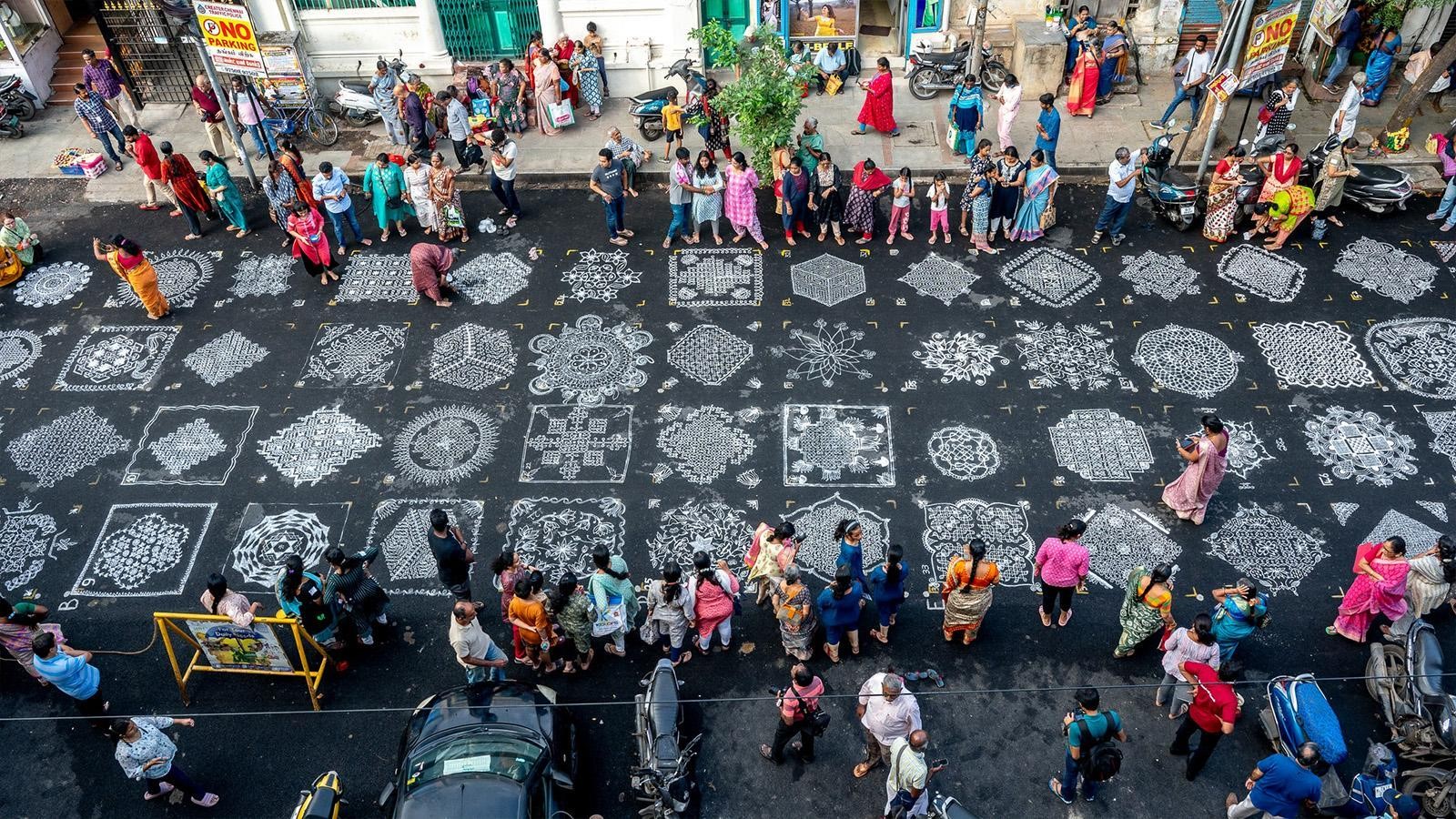
First glimpse of Tamil traditional art form emerges from Chennai’s streets, with the intricate kolams done by rice flour meticulously drawn by women at the thresholds in neighbourhoods like Mylapore, a ritual rooted in ancient Tamil tradition. During Margazhi (December-January), the designs along the North Mada Street transform temple lanes into vibrant open-air galleries with massive chikku (dot) and padi (line) kolams depicting festive motifs. This daily, impermanent street art of the dawn-lit lanes of Mylapore is the purest form of Street as a gallery acting as a precursors that even inspire the contemporary muralists. This ritualistic impermanence fuels the third-space vitality, sparking neighbourly admiration and a way to a place-making strategy which acts as a living bridge between ancient tradition and today’s vibrant urban canvas.
Chennai’s slum as a walk-in Art Gallery
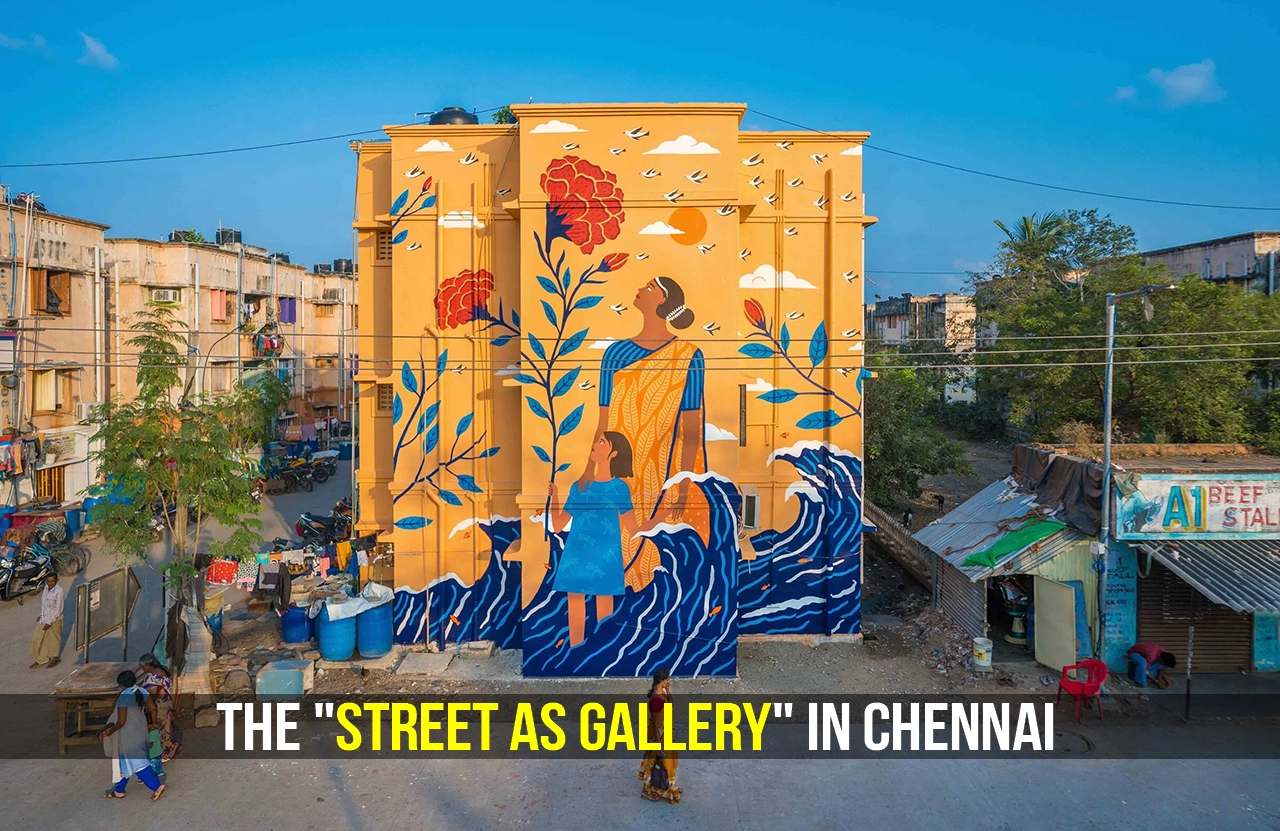
Chennai’s Kannagi Nagar is now dubbed as the first public “art district” pioneered by St+art India Foundation along with Asian Paints. Kannagi Nagar is one of the largest resettlement areas for 80,000 marginalised residents displaced by slums, and the 2010 Tsunami was battling poverty, unemployment, and crime stigma. Co-founder Guilia Ambrogi notes the facade’s potential and the area’s bad reputation and curates one of the largest art districts in the country. Previously, if googled, Kannagi Street would have pages and pages of news reports on crime, people getting stabbed, and violence of some kind or another. St+art murals beautified paan-stained walls, drawing visitors and curated tours that rebranded it as an Instagrammable destination.
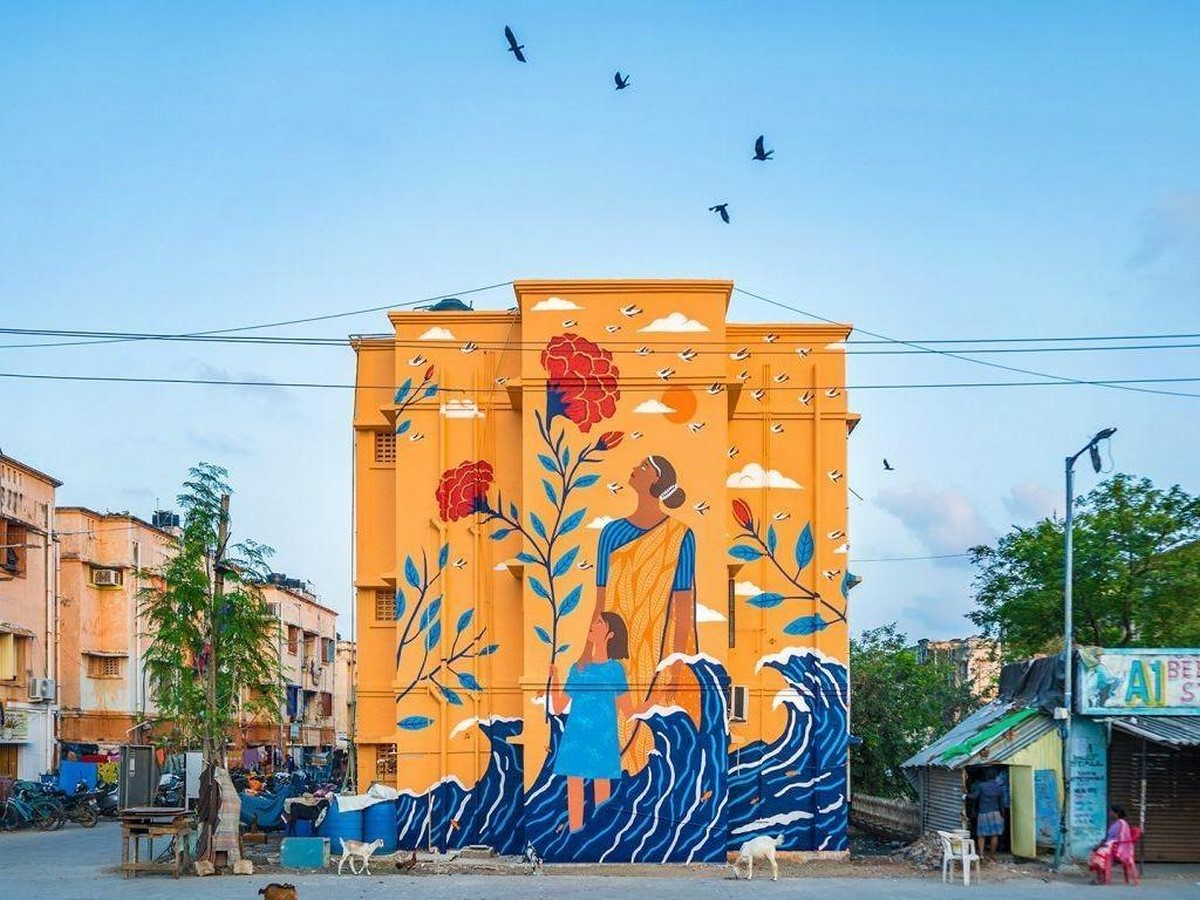
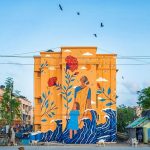
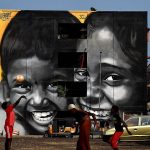
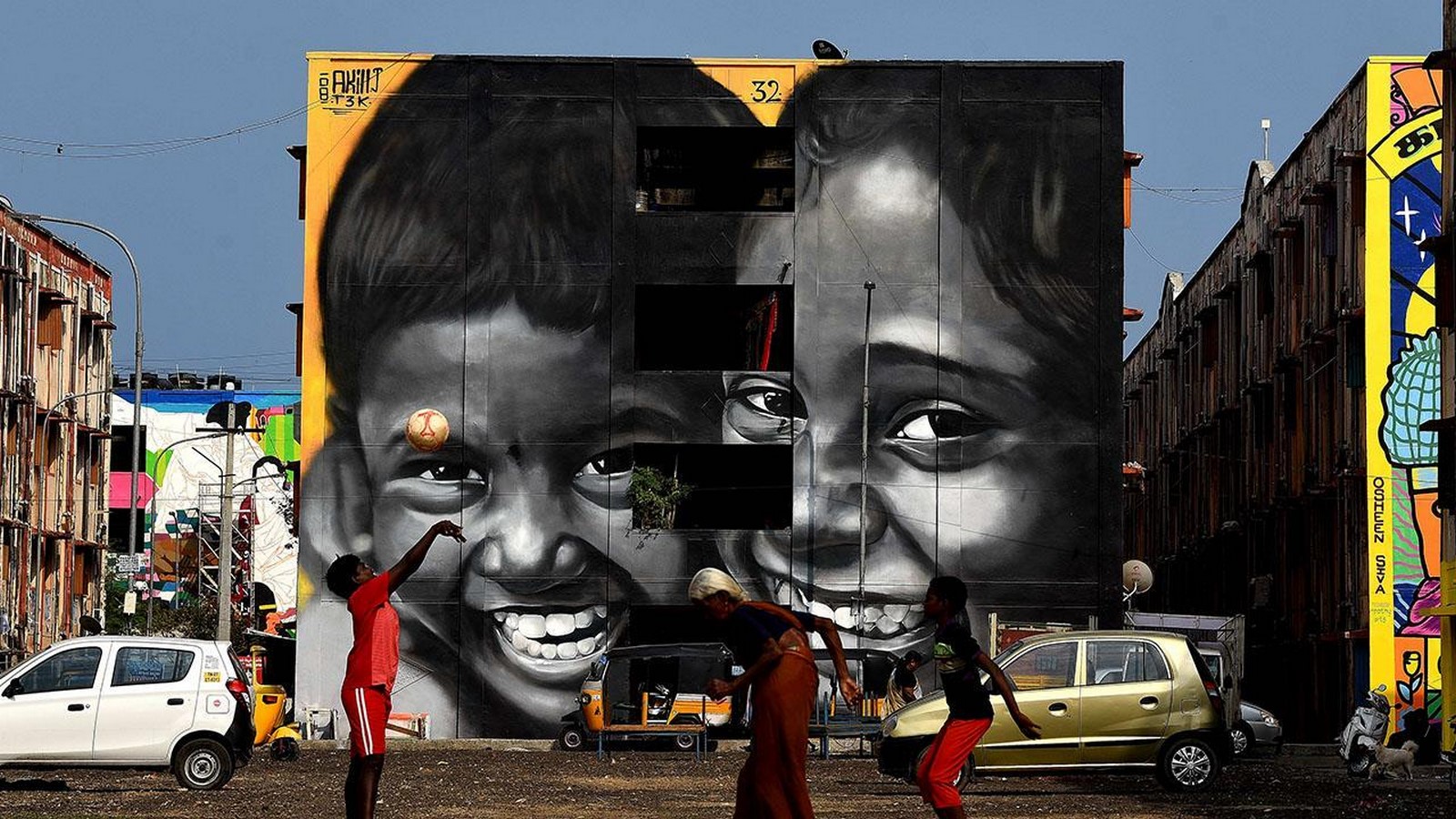
At first glance, it is a clear grid of rectangular blocks, which, when turned to their edges, bloom with splashes of colours on their facades today. This aligns with Chennai streets as a gallery ethos, transforming utilitarian signage into public intervention. The uniform apartment blocks are adorned with vibrant murals like Antonyo Marest’s New Door, A-Kill’s Sisters, and Osheen Siva’s Protectors and Providers. Kannagi Art District shifted from a crime-ridden stigma to a mural haven through perceptual and communal transformation, not direct eradication. The splash of paint may not be able to change the crime rate, but it is definitely helping transform Kannagi Nagar into a more socially acceptable space.
Expanding the canvas beyond Art
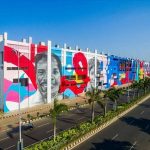
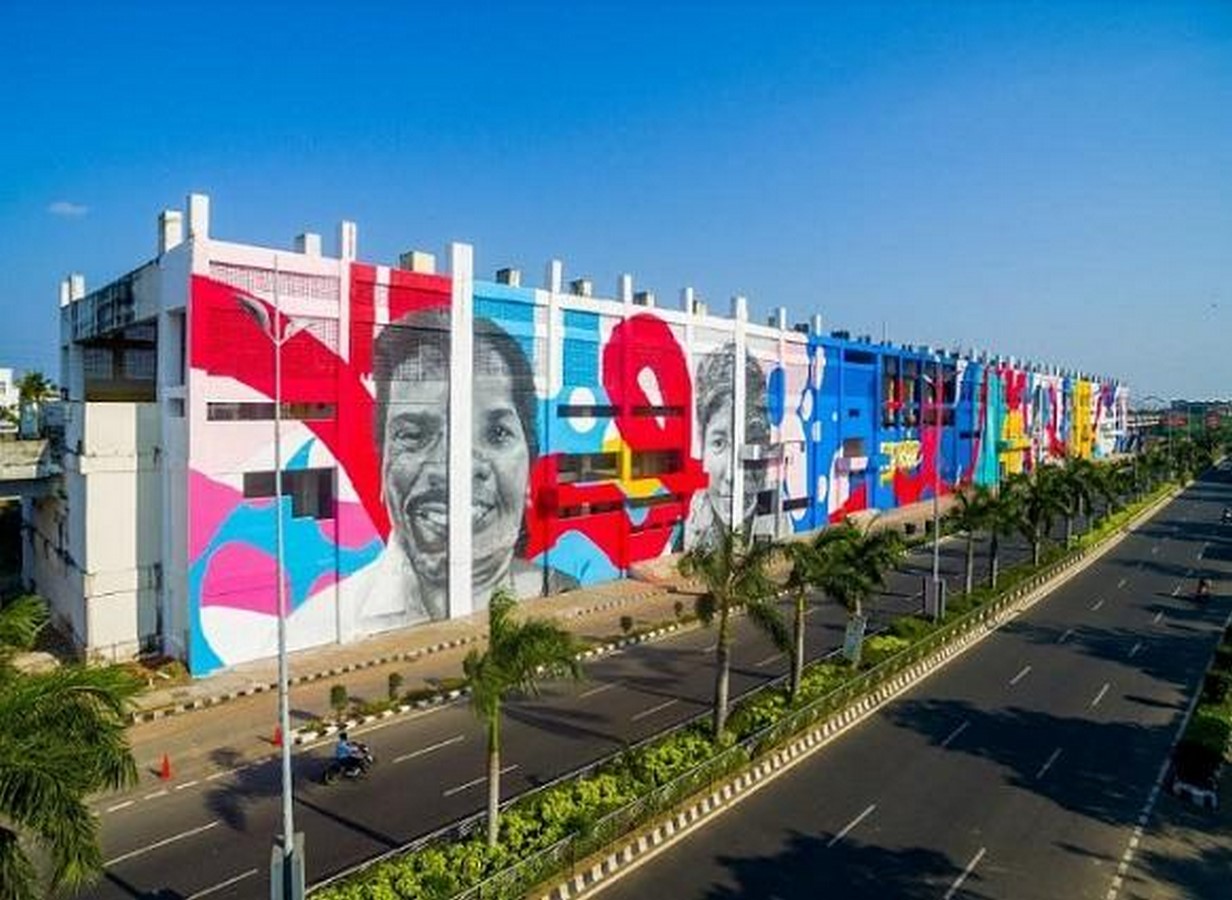
Marina Loop Road in Nochikuppam fosters community cohesion and coastal tourism, drawing crowds to underused beachfronts for economic upliftment beyond aesthetics. Wimco Nagar pillars with North Chennai’s fishing, Rippon building vicinity walls featuring Tamil icons like Kannagi statue, George Towns historic trade streets with colonial facades office prime blank walls for heritage-themed murals reviving “lost glory” amid bustling markets and Indira Nagar Railway Station in Chennai hosts India’s largest panoramic mural, “We Are” to destigmatize AIDS, sparking health awareness among daily commuters.
Looking ahead, Chennai street galleries could pioneer architecture, technology and culture responsive to climate and equity. Murals with reflective paints might mitigate urban heat islands on exposed facades, while participatory projects involve residents in co-designing walls, democratising urban form. Chennai can lead in architectural innovation, where every wall does not just stay as a backdrop but a co-author of the city’s future. These initiatives exemplify placemaking by aligning perfectly with heritage conservation and urban design passions onto infrastructure, enhancing identity and belonging in Chennai’s dense urban grid.