Architecture has never been a singular thing. It is not merely the buildings we inhabit or the spaces between them; it is a discipline that shapes human behaviour, influences emotions and dictates our comfort in said spaces. The past is evidence that architecture has evolved through distinct movements like Brutalism, Postmodernism and many others, each of which represented uniform visions of their era.
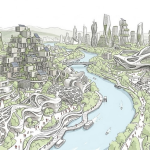
The future however may not follow the same pattern. Rather than being characterised by one dominant style or ideology, the architecture of tomorrow is likely to be fragmented, diverse and constantly evolving. Some parts of it will gravitate towards sustainability, others might favour technology and automation, while some continue to prioritise standardisation and efficiency. Many approaches might overlap, creating entirely new possibilities that are difficult to fathom today.
Designing Human Behaviour
Studies suggest that people spend more than 70 per cent of their time indoors. This means that the spaces we inhabit influence our mood and behaviour the most. The priorities of architecture however have continuously shifted in response to societal needs. Few could have imagined that the COVID-19 pandemic would highlight the importance of indoor air quality, natural ventilation and breathable spaces that support both physical and psychological health.
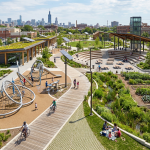
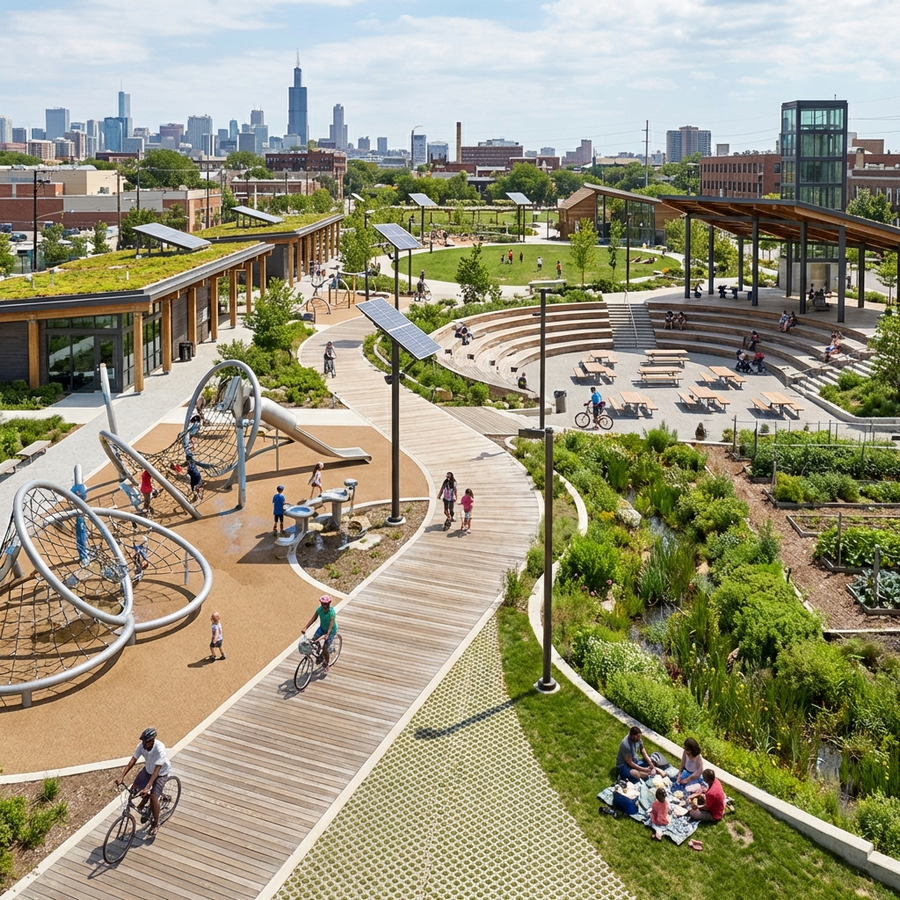
As society becomes increasingly digital, architecture faces new responsibilities; creating spaces that encourage meaningful interaction. Parks, plazas, community centres and public spaces are no longer just amenities; they are essential tools that maintain the social connections in an increasingly virtual world.
The Rise of Standardisation
The growing demand for faster and cheaper construction has accelerated the adoption of modular and prefabricated building systems. These methods offer significant advantages, including reduced construction time, lower material wastage and improved efficiency.
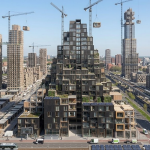
However, standardisation presents a very predictable challenge. Repeated modules and forms can create environments that feel increasingly similar, regardless of location or culture. It helps in improving overall efficiency but weakens the community’s sense of place.
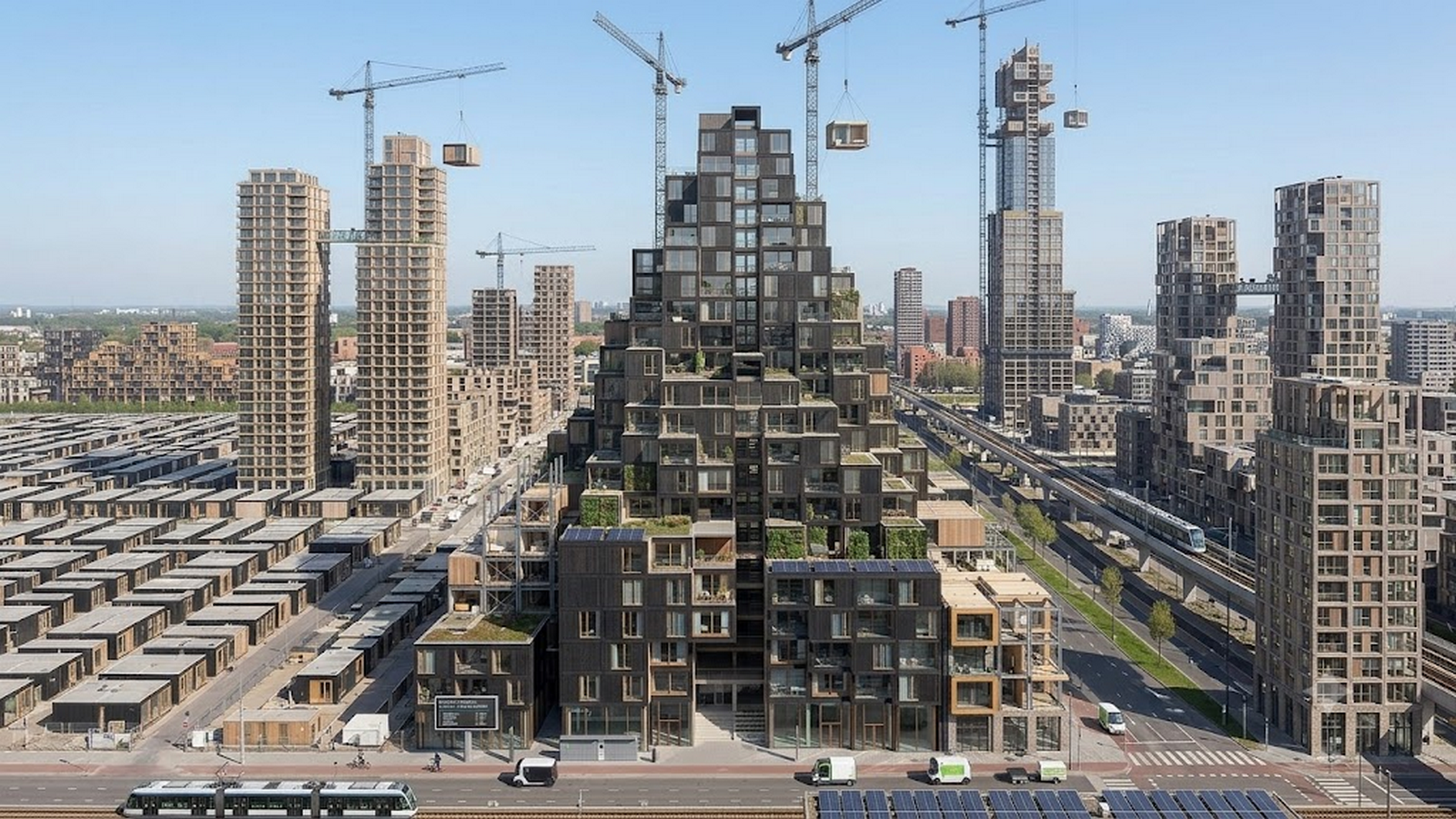
This approach is highly valuable in situations such as mass housing and post disaster reconstruction, where time and practicality are of the essence. Yet for cultural and communal spaces, architecture must strive for something more profound than efficiency alone.
Sustainability as Necessity
For upcoming generations, climate change and environmental degradation will not be emerging concerns but realities they will have to confront. Consequently, sustainability will cease to be an optional consideration but become the fundamental purpose behind much new construction.
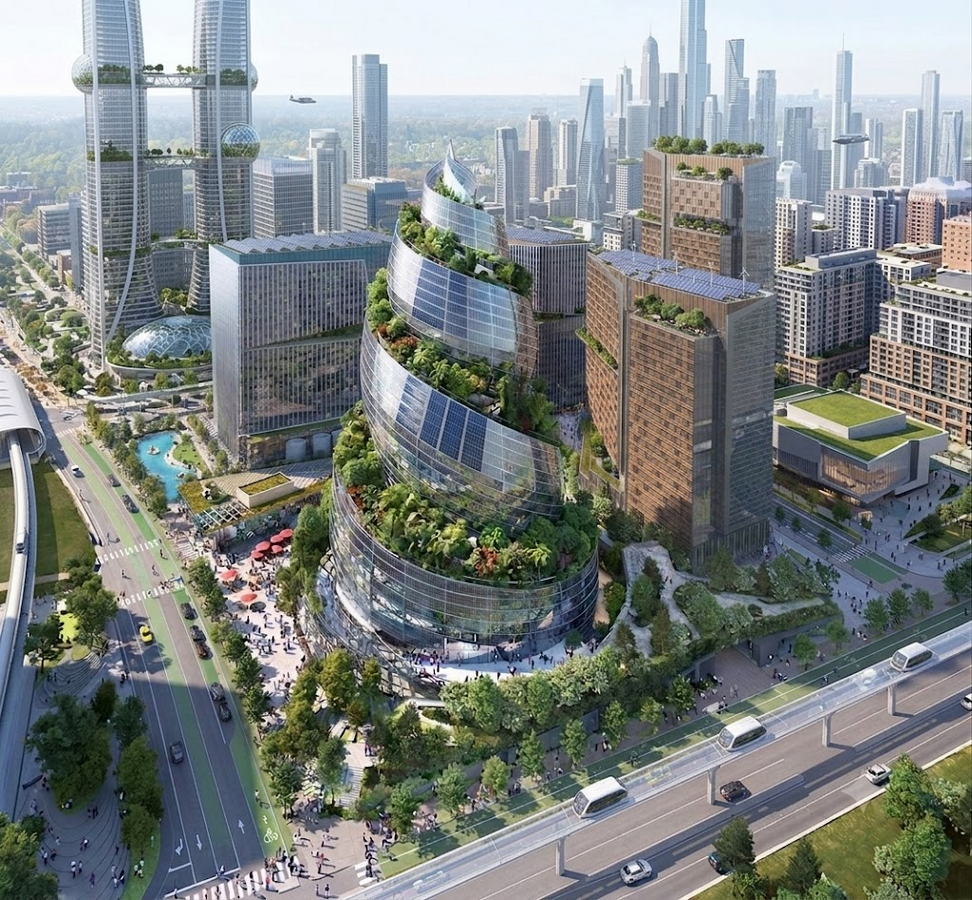
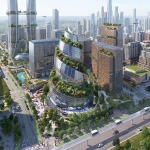
The shift is already underway. Green building frameworks like LEED and GRIHA are encouraging more responsible design practices, while renewable energy systems, low-carbon materials and passive environmental strategies are becoming the new norm. The next stage of this evolution might be the emergence of self-reliant buildings which are capable of generating energy, harvesting water, reducing waste and adapting to changing environmental conditions. Interestingly this has led to inclusion of once overlooked vernacular architecture. Traditional climate-responsive techniques are being re-examined and integrated into contemporary design solutions.
Technology as the Power Partner
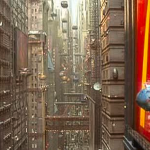
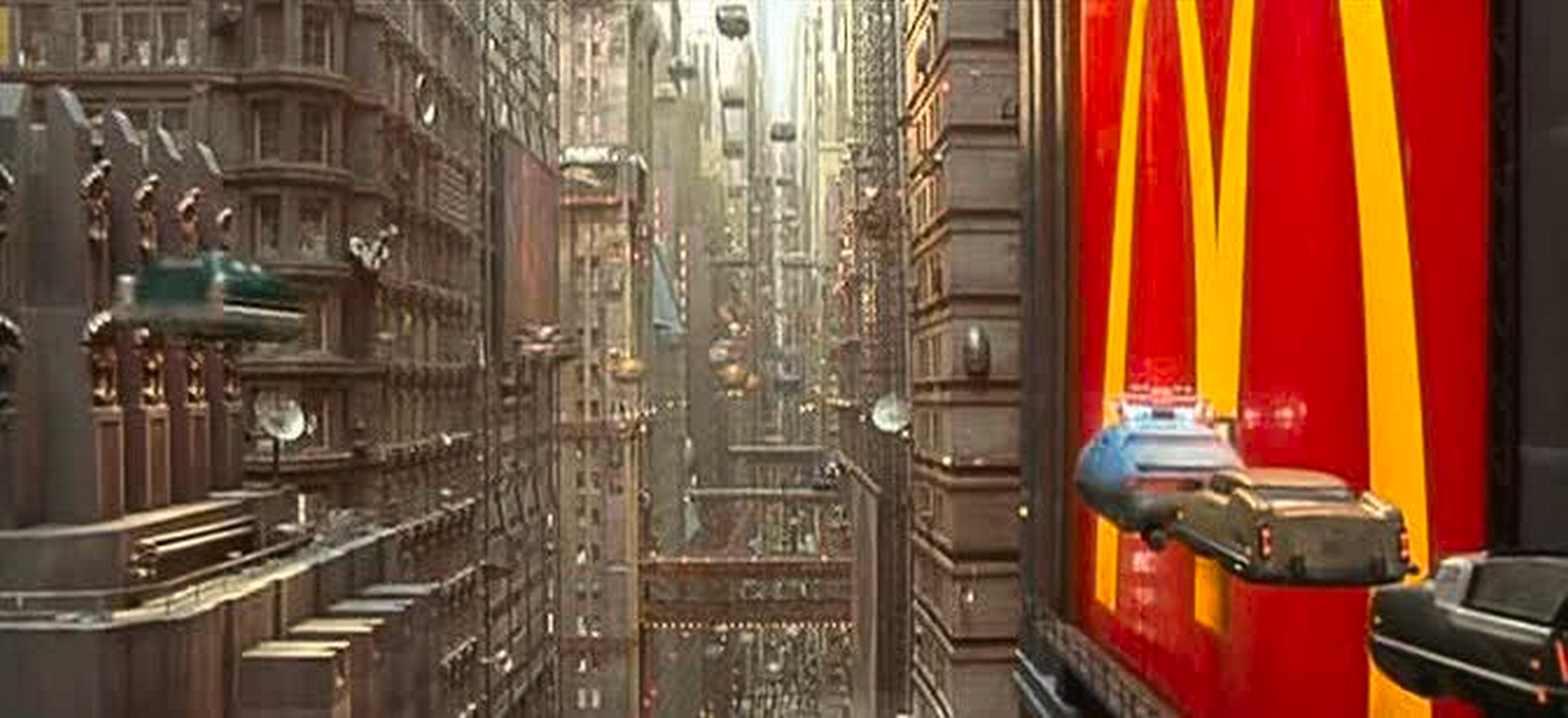
Popular science fiction often imagines future cities as prisons of glass and steel with unwavering heights and self assembling buildings. The reality however tends to be more subtle. Technology’s contribution may not always be what we see but what happens behind the scenes. Advanced simulations, digital twins and artificial intelligence will enable designers to test designs against countless real-world scenarios before construction begins. This helps in identifying errors earlier, enabling resources to be used more efficiently and buildings that perform better throughout their life cycle.
Emerging technologies like 3D printing, robotic construction and generative design will become increasingly common. Their purpose will be to conserve one of the most valuable resources of the future: time. These technologies, which are considered a replacement for architects, will assist them by generating alternatives, analysing performance data and exploring creative possibilities that would otherwise be taxing to develop.
Preserving Craft and Human Identity
As construction becomes increasingly automated, architecture must guard against losing its human-centered design and character. The pursuit of efficiency should not come at the expense of meaning. Buildings are ultimately designed for people and their success is rooted in how it caters to the human needs and experiences.
This is where traditional craftsmanship remains invaluable. Stone carvers, woodworkers, artisans and local craftspeople possess generations of knowledge acquired through trial and error. Their understanding of materials, construction and cultural expression is so vast that it cannot be replicated merely through algorithms or digital modelling. Future buildings will benefit most when technology and craftsmanship work together rather than compete.
A Future Worth Living In
The future of architecture is unlikely to be defined by a single style, movement or philosophy, instead it will reflect the diversity of the people it serves. Architecture is likely to become more experiential, focusing not only how spaces function but also on how they make people feel.
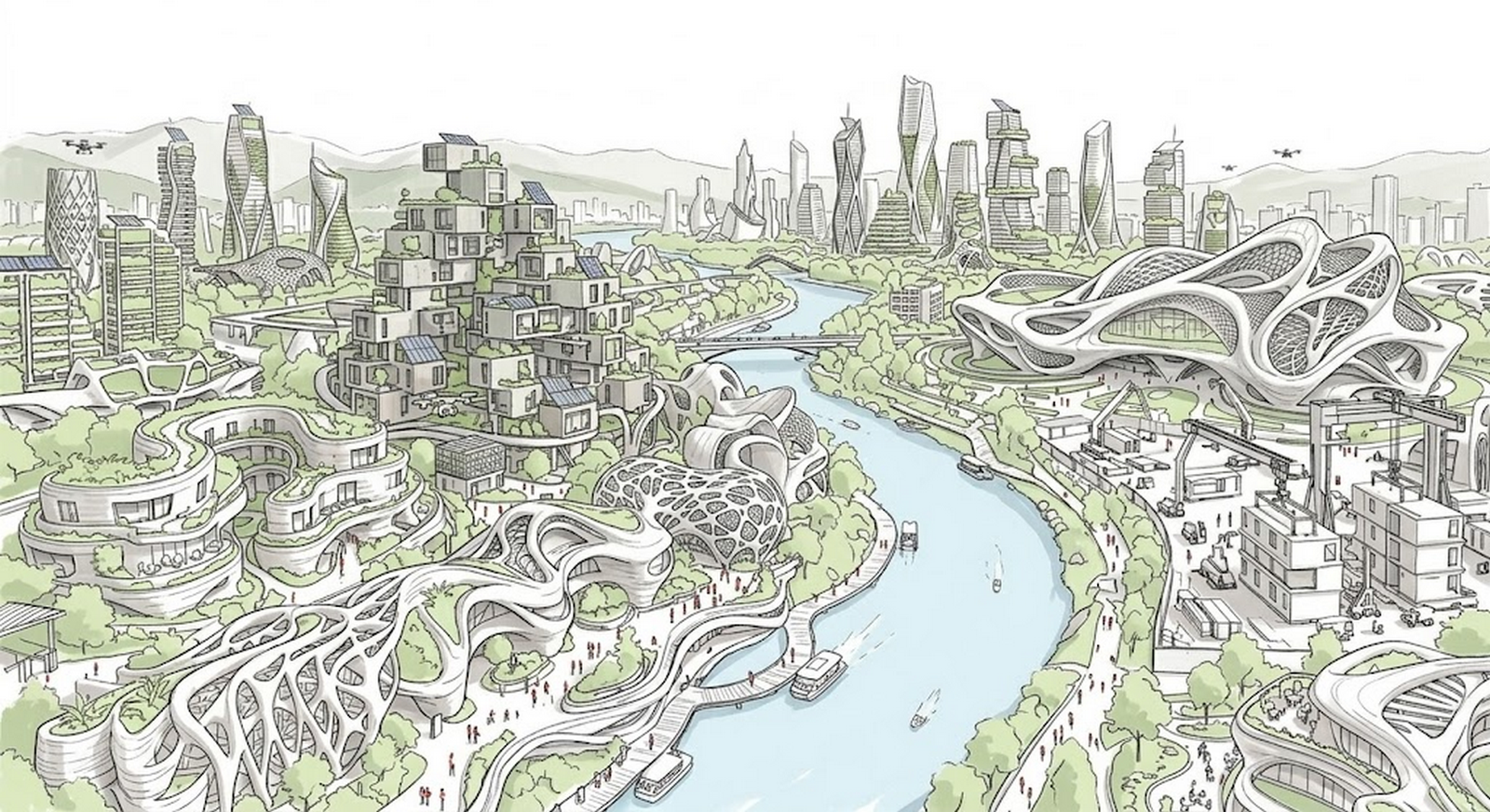
While methods of design and construction transform dramatically, the fundamental purpose of architecture remains unchanged: to improve quality of human life. To do this, the tools may evolve, materials may be introduced and forms may become unfathomable, but the central question will remain the same: Who are we building for, and why?
In architecture, as in life, the only constant is change. The future will not belong to a single vision but to countless possibilities and designs that we cannot even imagine today.