Architecture defines and shapes human existence. Imagining a world without architecture allows us to understand its fundamental role in civilization, identity, and progress. From ancient caves to modern cities, built structures are not merely shelters- they organize our lives and reflect our values. Without architecture, life would be radically different, underscoring its necessity in human society.
This transition from mere survival to the desire for permanence marks the birth of true architecture. It was not just about the physical enclosure, but a profound psychological shift: moving from being a reactive occupant of the environment to an active shaper of it. This capacity to modify our surroundings transformed the landscape from a passive backdrop into a deliberate arena for human interaction, hierarchy, and cultural expression. By carving out specific zones for ritual, storage, and sleep, early humans moved beyond the ‘biological’ and entered the ‘architectural’ epoch of history.
Before Walls: The Biological and Social Baseline
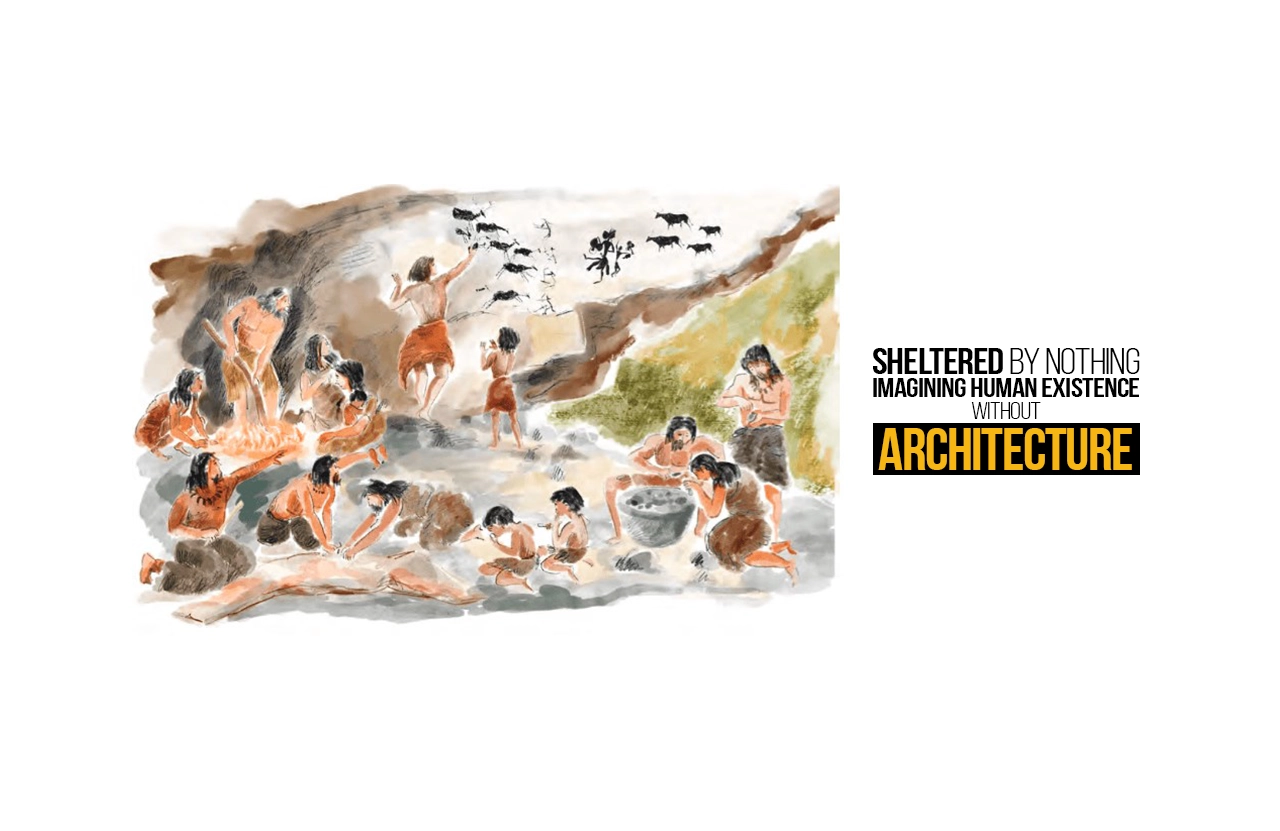
To grasp life without architecture, we must look back. Early humans moved often and needed shelter for protection. They found safety from nature and animals by using trees and rocks instead. This was an alternative lifestyle.
What really made people different from animals was that they wanted to stay together as a civilization and build a lifestyle around it. They wanted to leave an impression of themselves on the world, unlike any other species. If humans had never constructed anything, they wouldn’t have left something for the generations to come and witness. If we look at any other species, we do not find such patterns. None other than humans have achieved such feats: constructing something that has sustained their generations for years, and will continue to do so for years to come.

Architecture and civilization, the chain of dependencies
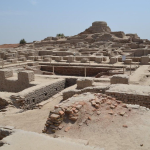
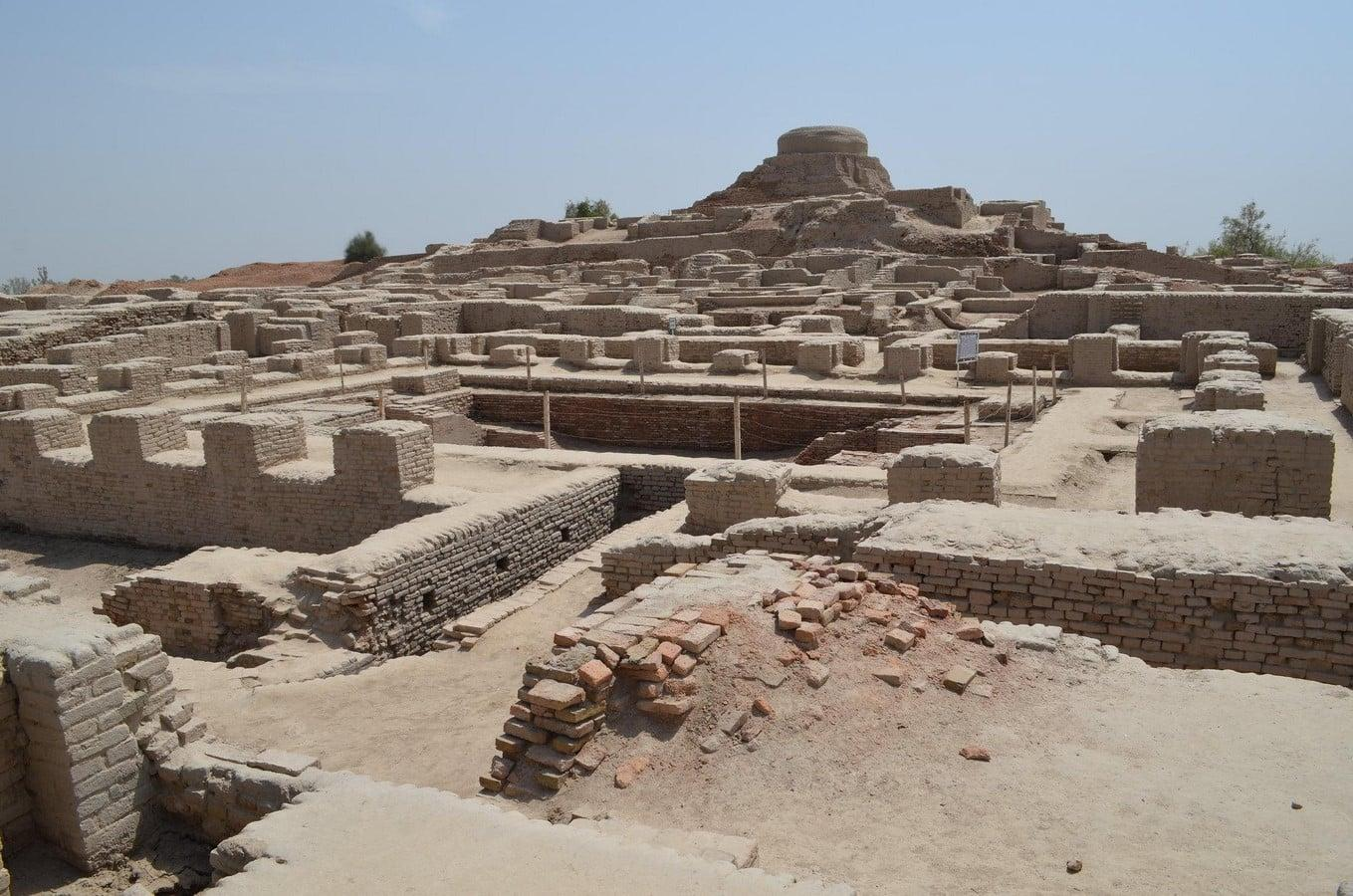
Architecture is closely tied to the development of our society. When humans started to farm, they required shelters that would store their food. This led to the construction of spaces that can serve this purpose. Eventually, these needs increased, and hence the need for such shelters grew. What started as something that could protect them from natural calamities or natural dangers, now started to save and protect what they were building, what they were farming, and what they were hunting.
And then eventually, spaces started to develop, and their organization started to come up. And that is how towns and cities developed. When towns and cities came up, they needed government and social rules. All of these things are inevitably connected to architecture. Without built forms, we would not have a lot of things that we have today that we take for granted.

Identity, thoughts, and the loss of shelter
Architecture is not just about building things, building places, building areas to inhabit, but instead it is about organizing the lives of people and their living, their memories, their lives. Built structures help us remember people, help us remember memories. These spaces help us feel connected to a bigger entity, a bigger community, and make us remember that we are living a lifestyle that is governed by spaces that were built because of architecture.
Imagine what it would have been like having a town where there is nothing built, no buildings, no shelters, no intervention of architecture, plants just growing randomly, no edging to them, no thought behind the growth of population, nothing to sustain, nothing to increase the quality of their lives.
Architecture not only shapes our physical environment but also deeply affects our emotional well being. The idea of “Biophilic Design” discusses the subconscious inclination of humans towards nature and nature- like forms and designs. Built spaces that mimic natural forms and/ or have literal nature incorporated within them have proven to have multiple positive effects on the occupant. A space without these nurturing environments incorporated within would lack the sense of peace and protection, therefore potentially leading to higher cortisol levels.
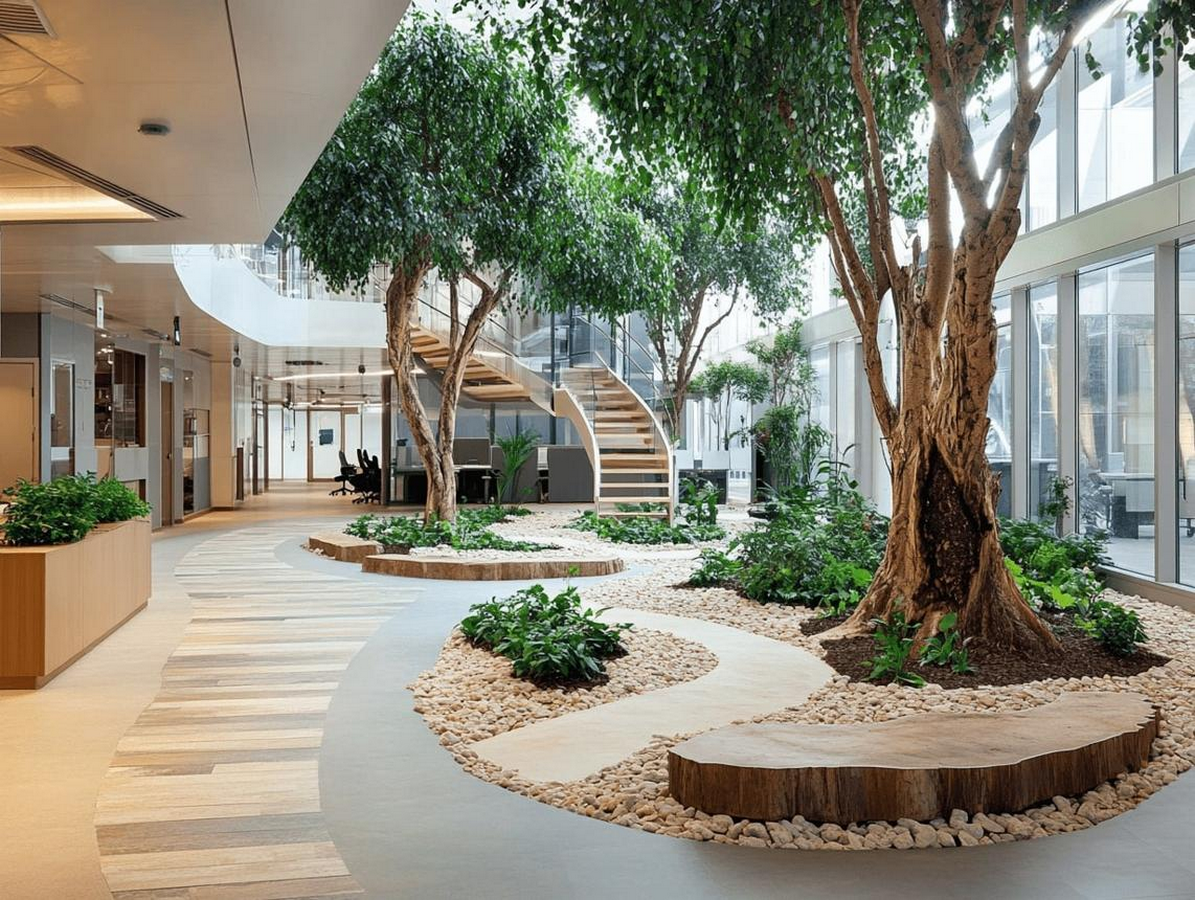
Adaptation, what might have developed instead if architecture were not there?
If we imagine a scenario in which architecture had not been developed, how would humans have organized themselves? How would they have lived? They might have developed a relationship with nature and learnt to live in harmony with it. They might have developed social rules and different ways of governing themselves.
There are examples of cultures that have developed in this way. Some people have always been nomads, moving from place to place and living in tents or other temporary shelters. These cultures have developed their unique architectural styles that are adapted to their way of life. Human existence without architecture might have led to an environmentally conscious way of living.

Architecture as a Mirror: What Its Absence Reveals
Thinking about what life would be like without architecture can help us understand the importance of buildings in our lives. Every building reflects the values and beliefs of the people who built it. It can tell us about the political context in which it was built. Human existence without architecture would make it harder to understand and critique the political systems we have today.
Architecture can also be used as a form of communication between members of the community. These places such as public squares, temples, streets, museums, and other organizations do not only exist physically; they serve as a means of communication that help shape the ways in which the community lives and develops. Architecture helps people engage in activities and events within the community in order to shape our future or simply socialize with one another. People get a chance to communicate through these architectural spaces.
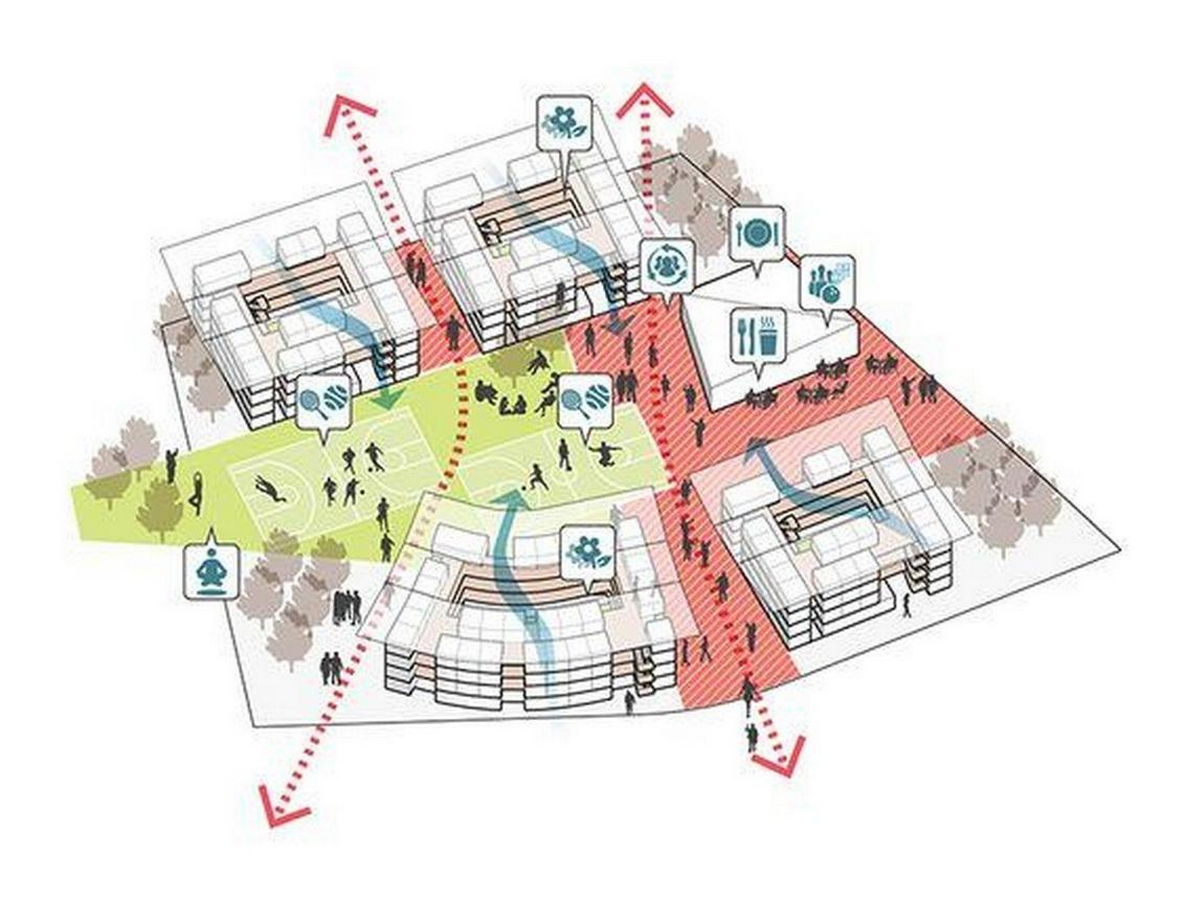
Architecture affects behavior through subtle cues on movement, interaction, and reaction. The size of a room, the light that enters into it, and the materials used to construct it all contribute to the mood and behavior of people inside. Monumental buildings induce a sense of awe and solidarity, while small rooms induce relaxation and contemplation. Without architecture, our interactions with the environment would be less stable and transient.
Imagining existence without architecture helps us understand what architecture really is. It is not about buildings but about how we express ourselves, our memories, and our communities. A world without architecture would be a different world. It would be a world without many of the things we take for granted today.
From Physical to Virtual Architecture
In today’s world, the concept of architecture is evolving from merely being something tangible. If there were no buildings, it could be said that humans may express their spatial sense within purely digital environments. In today’s day and age, digital systems perform the role of physical constructions, acting as spaces for human interaction, collaboration, and storage of memories. Social networks, virtual meeting platforms, and e-commerce websites function as intangible architectural systems that structure the actions and social interactions of humans. They have several common elements of physical architecture including hierarchy, access, interaction, and identity. This indicates that architecture is more than just a tangible entity; it is the way humans structure their experiences. This means that if there were no physical buildings, humans will continue to make structured spaces, just in different mediums.