An Architectural Testimony of Faith, Structure & Devotion
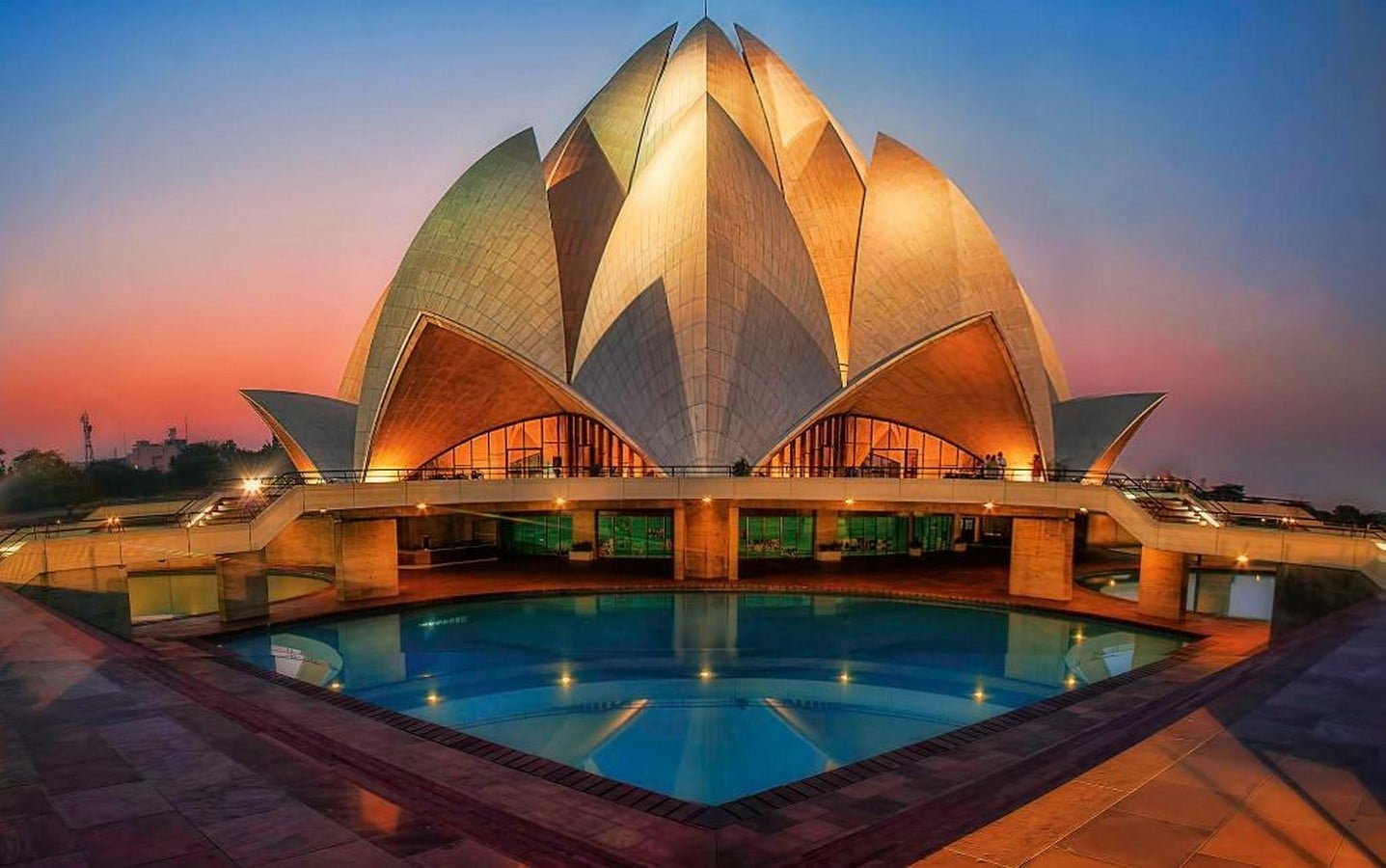
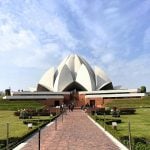
The Lotus Temple was designed by a visionary Iranian-American architect named Fariborz Sahba. It is located in the heart of India, its capital. More precisely, the Bahapur region of South Delhi. Remembered as an astonishing piece of expressionist architecture that blends architectural brilliance with spiritual intent.
The Lotus Temple is also known as the Baháʼí House of Worship. It represents purity, peace, harmony amongst mankind, and the unity of all religions. A clear reflection of the Baháʼí faith’s principles and its reasoning, which went on to become the root intention behind its construction. This study will explore the reasoning, logic, and mechanics behind Fariborz Sahba’s design.
The Engineering Behind Its Eccentric Silhouette
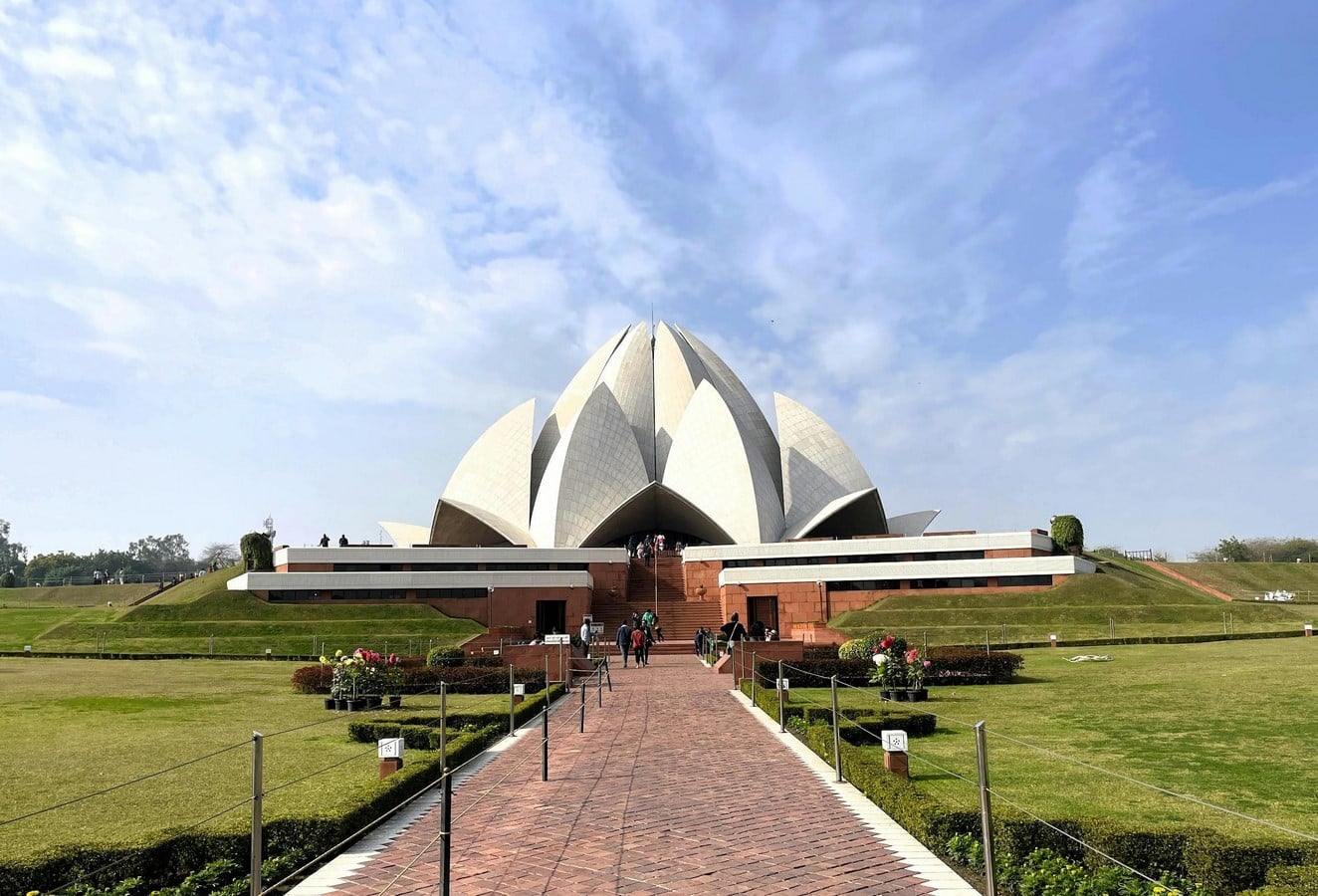
The Baháʼí community approached Fariborz Sahba to bear the responsibility of being the architect for this monument in 1976. The work began in late 1977, with some reports suggesting 1978 as the start and that the foundation stone was cast in April 1980. The construction was completed by November 1986, but the inauguration was hosted in December 1986. The site became officially accessible to the general public in January 1987.
The Flint & Neil partnership served as consultants for the structural elements and design for 18 months. The construction contract was given to ECC Construction Group of Larsen & Toubro Limited. It cost around $10 million for the whole operation. The building is stated to be reaching approximately 34.27 metres in height with an occupancy capacity ranging from 1,300 to 2,500 people. Major parts of the funds needed to buy this land were donated by a fellow Baháʼí follower, Ardishír Rustampúr, who gave up his entire life savings for this project.
Beyond The Visible: A Debrief on a Blooming Bud
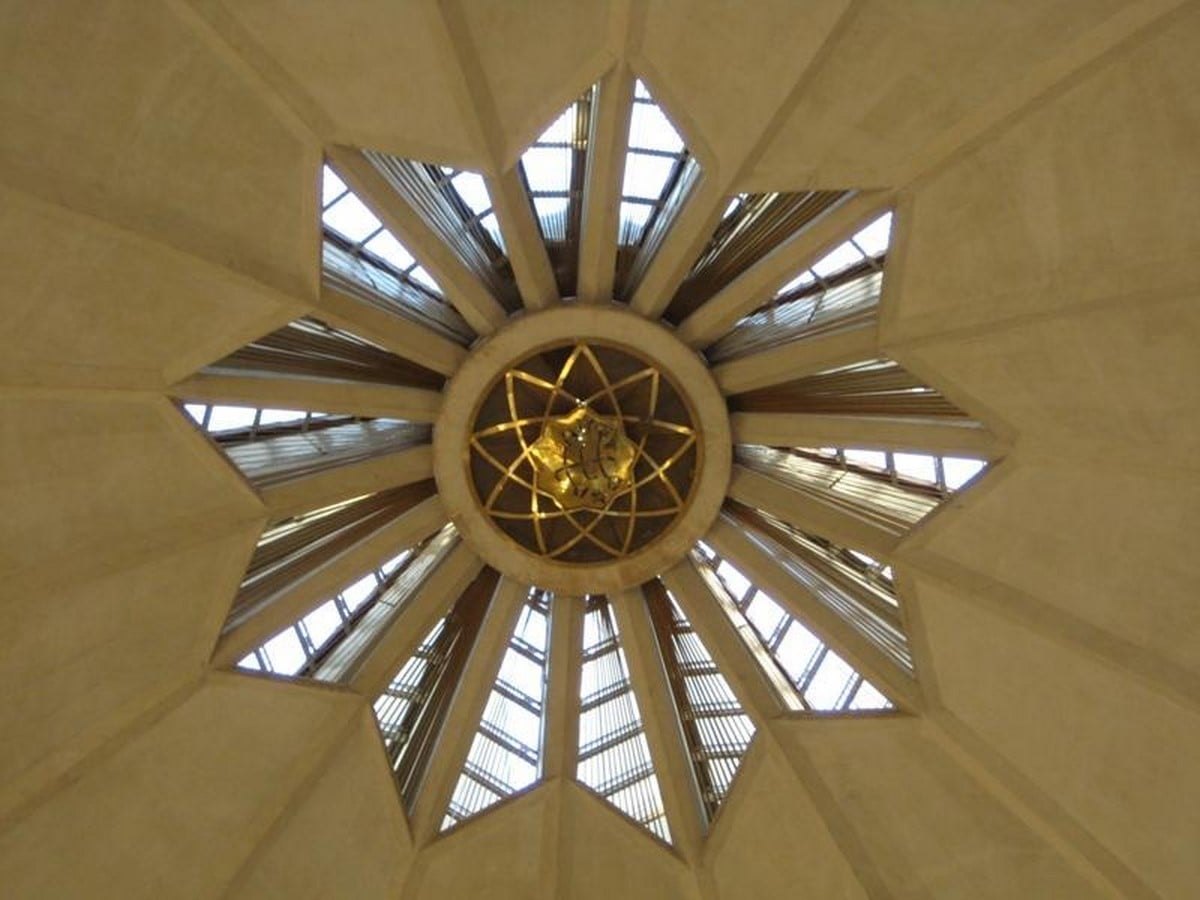
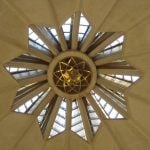
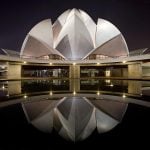
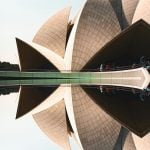
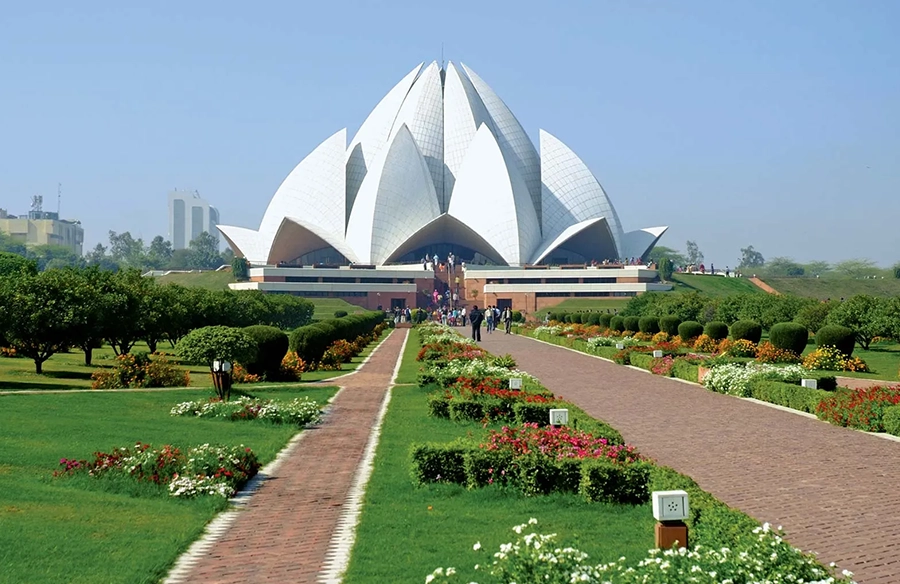
The structure follows a common theme of revolving around the number 9, the same as the rest of the Baháʼí Faith’s architecture. It is indeed not a coincidence. The reason behind this repetition is its spiritual significance. Number 9 is generally considered sacred in the Baháʼí Faith, representing completeness. The building is made of 27 free-standing petals in the initial stage of blooming. In sets of three, each consisting of 9 petals, the innermost leaves are blooming upwards to partially meet at the top with enough space to allow the interior to breathe. Since it is partially exposed at the top, a glass and steel roof was built as a precaution to protect the hall from rain, but still allow natural light inside. The outermost petals open outwards and form the nine entrances all around the annual hall.
Hidden Mechanics of The White Lotus
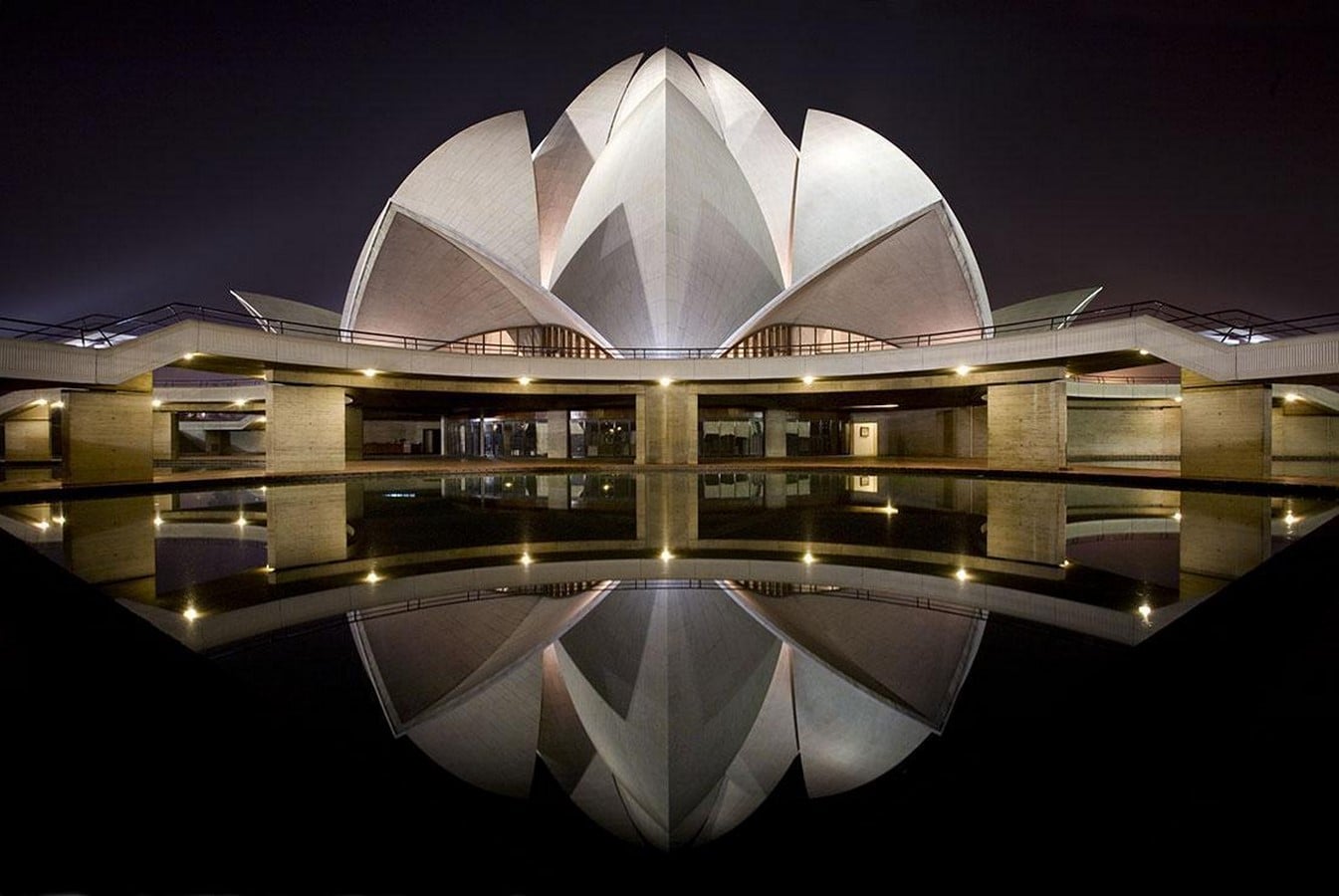
The 10,000 square metres of white marble required for this excellence were brought in from Greece specifically and cut with precision to fit the structure’s geometric profile. The complexity of the curved petals and shells is supported with a stainless steel anchoring system to uphold its unique form and delicate silhouette. The engineers and architects managed to achieve a significant feat of using reinforced concrete thin shells, which were merely 6cm to 12cm thick and clad with marble. Outside the temple, the bridges and stairs on each side lead towards the nine surrounding pools.
A Self-Cooling Sanctuary
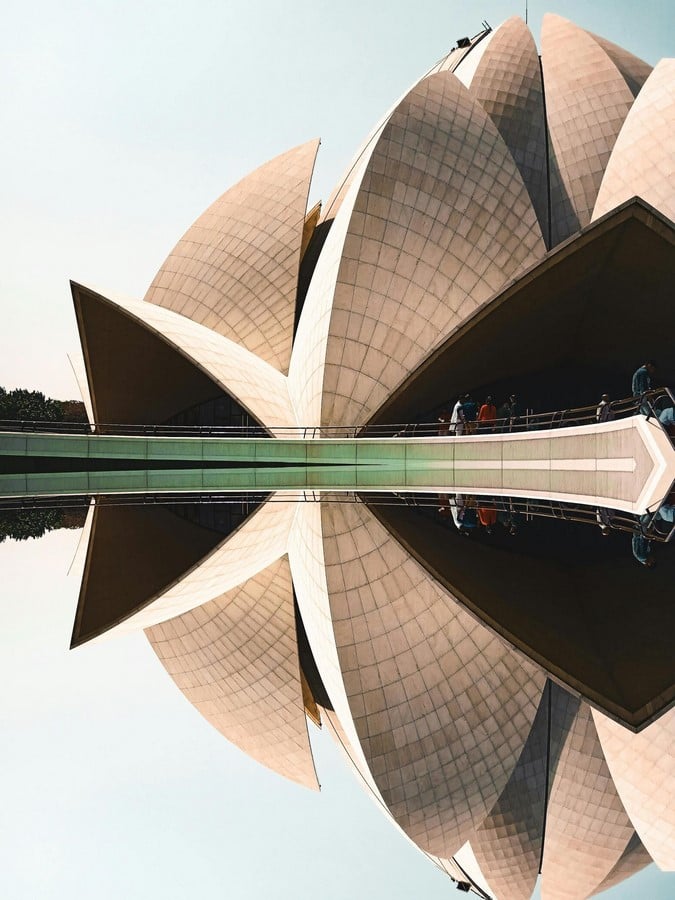
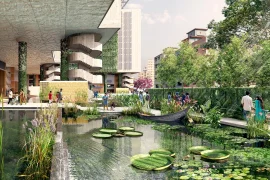
The surrounding 9 pools enhance the serenity of the Lotus Temple. Apart from the visual implications of a lotus floating on water, the nine pools were placed strategically to utilise evaporative cooling. Cold breezes pass over the water before being drawn into the sanctuary. Regulating the temperature from inside and supporting natural ventilation without excessive air-conditioning, which could disrupt the stillness of the prayer hall, incorporating nature’s aid even in the scorching heat of Delhi.
The Inspiration Behind the Lotus’s Creation
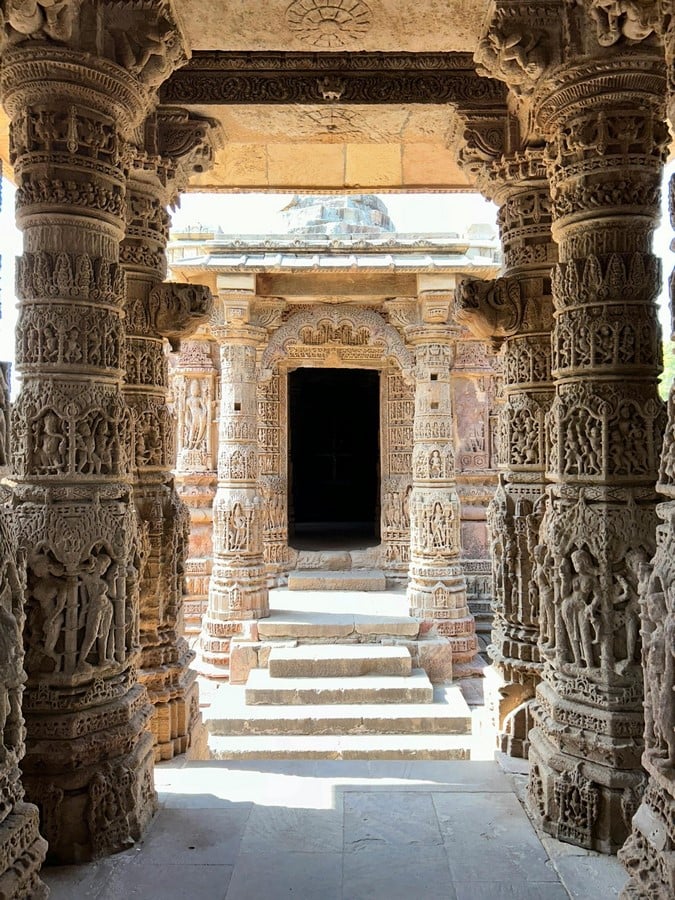
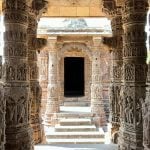
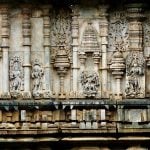
After accepting the offer from the Baháʼí council, Mr Fariborz Sahba visited India to understand and explore its rich and diverse culture. That’s when he experienced the beauty of architecture in its raw form and the significance of symbolism in every element. India’s architectural footprints from history suggest that monuments weren’t built solely for the purpose of carving pillars out of stone. They were flooded with deep artistic and meaningful insight. Each wall was built beyond human perception. Showcasing their commendable craftsmanship, which celebrated their cultural heritage, worship, and philosophy.
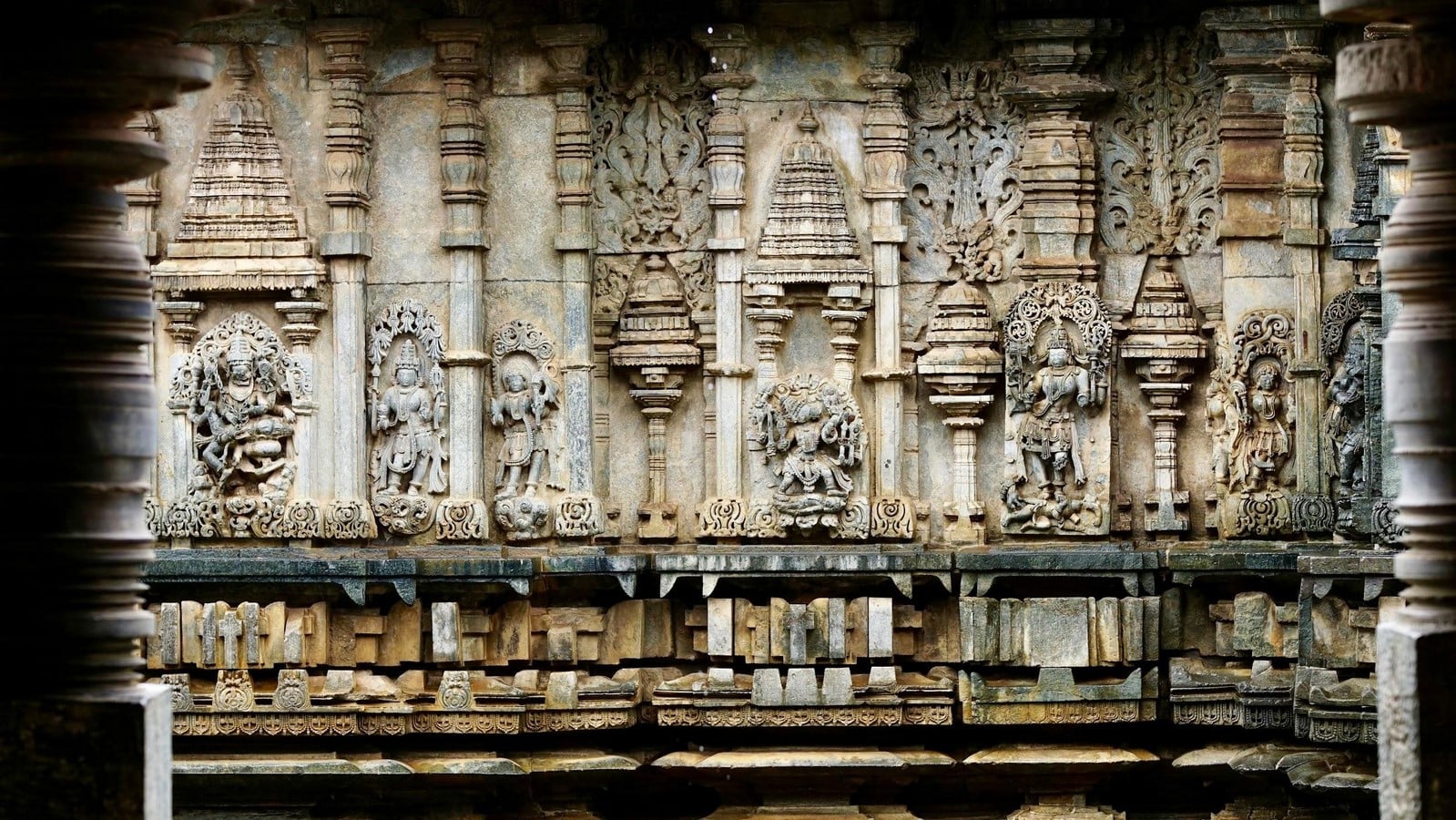
He took inspiration and studied the essence of belonging between its people and their culture. As a result, the design used was a lotus: a symbol recognised across religions for purity, wisdom, and peace. Unlike usual traditional practices, this temple doesn’t have any idols or altars in its hall. The Lotus Temple’s tranquil atmosphere encourages a pleasant and peaceful state of mind, whilst wearing light, enlightenment, and silence as its ornaments.
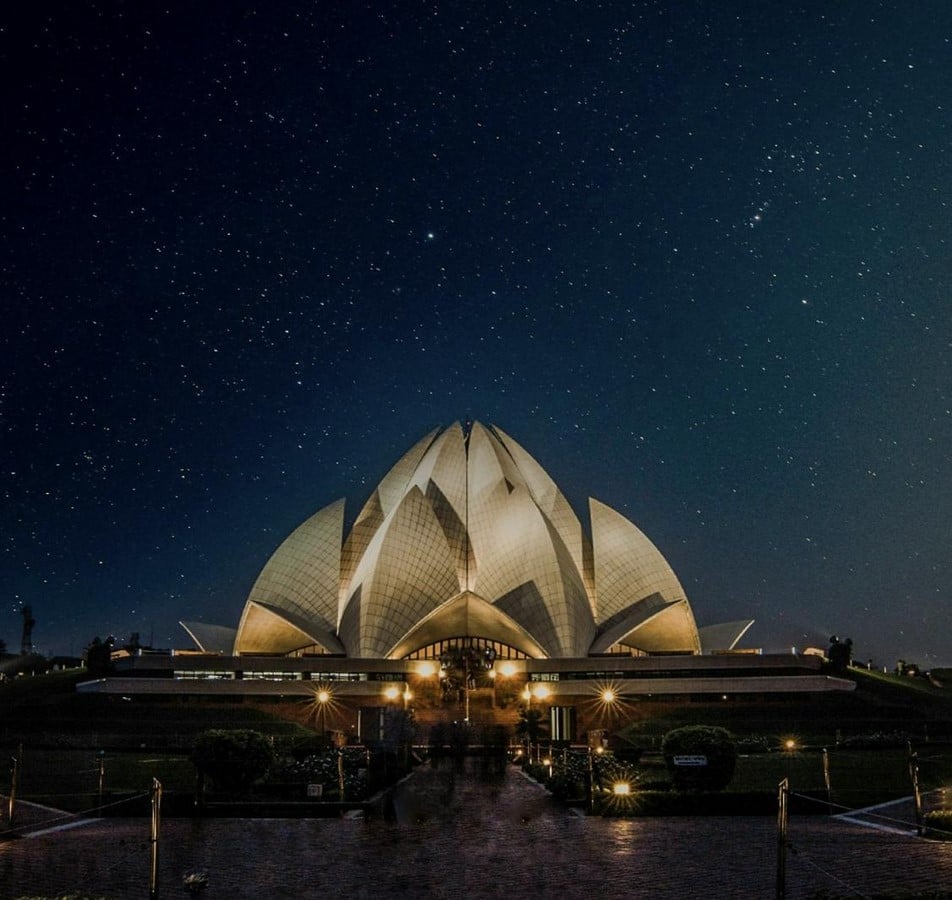
The Lotus Temple surpasses its role as a local landmark by standing as a global testament, a mix of complex geometry and spirituality. Attracting a whopping amount of tourists every year. Its cultural impact is immense: the “open-arms” philosophy that excludes traditional religious practices by welcoming all, despite their differences. It has been recognised and praised by various prestigious institutions, including the Institution of Structural Engineers (UK), which honoured the temple with the Award for Excellence in Religious Art and Architecture. This universal appeal has transformed it into one of the most visited religious sites in the world. Even surpassing one of the world’s 7 wonders, the Taj Mahal, with a surplus of 4.5 million visitors annually in the early 2000s. It also holds a Guinness World Record of being India’s most visited religious place, with statistics suggesting more than 10,000 tourists per day.
Citations/References:
(2025) Bahá’í House of Worship, New Delhi. Available at: https://bahaihouseofworship.in/ (Accessed: 03 May 2026).
Bahga, S. (2025) Lotus Temple: A symbol of excellence in modern Indian architecture, World Architecture Community. Available at: https://worldarchitecture.org/articles/cvcmg/lotus_temple_a_symbol_of_excellence_in_modern_indian_architecture.html (Accessed: 03 May 2026).
Lotus Temple (2026) Wikipedia. Available at: https://en.wikipedia.org/wiki/Lotus_Temple (Accessed: 03 May 2026).
Lotus Temple, Delhi (no date) Lotus Temple, Delhi | District Magistrate South East | India. Available at: https://dmsoutheast.delhi.gov.in/tourist-place/lotus-temple-delhi/ (Accessed: 03 May 2026).