Architecture makes a lasting impact, even when it is not grand or imposing. Designing everyday spaces is one of the challenging aspects of the field. Ordinary environments, though often overlooked, quietly shape our routines and memories. The design of a bus stop, staircase, or neighbourhood cafe subtly influences our moods and movements, adding depth to daily life.
Public spaces are central to human existence. They foster curiosity, nurture growth, and give each community its own personality. Spaces like sidewalks, street corners, grocery stores, parks, and bus stops bring people together and enhance their everyday experiences of living in a neighbourhood.
Bus Stops
Architecture is more than just monumental skyscrapers on city skylines; it thrives in the design of everyday spaces. A bus stop, for instance, may be considered a totally utilitarian addition to a city’s landscape, yet it becomes a stage for everyday life. These humble structures are catalysts for urban connection, civic pride, and community spirit. As micro-landmarks, they shape how we walk through the city and influence both transit flow and our sense of safety.
Bus stops become informal gathering places where people pause, share a moment, and, for a brief moment, become each other’s comfort. They often mirror the character of their neighborhoods. Despite linking the city together, bus stops are often ignored and seen as afterthoughts. Yet these spaces merit thoughtful design and a careful eye for detail.
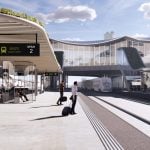
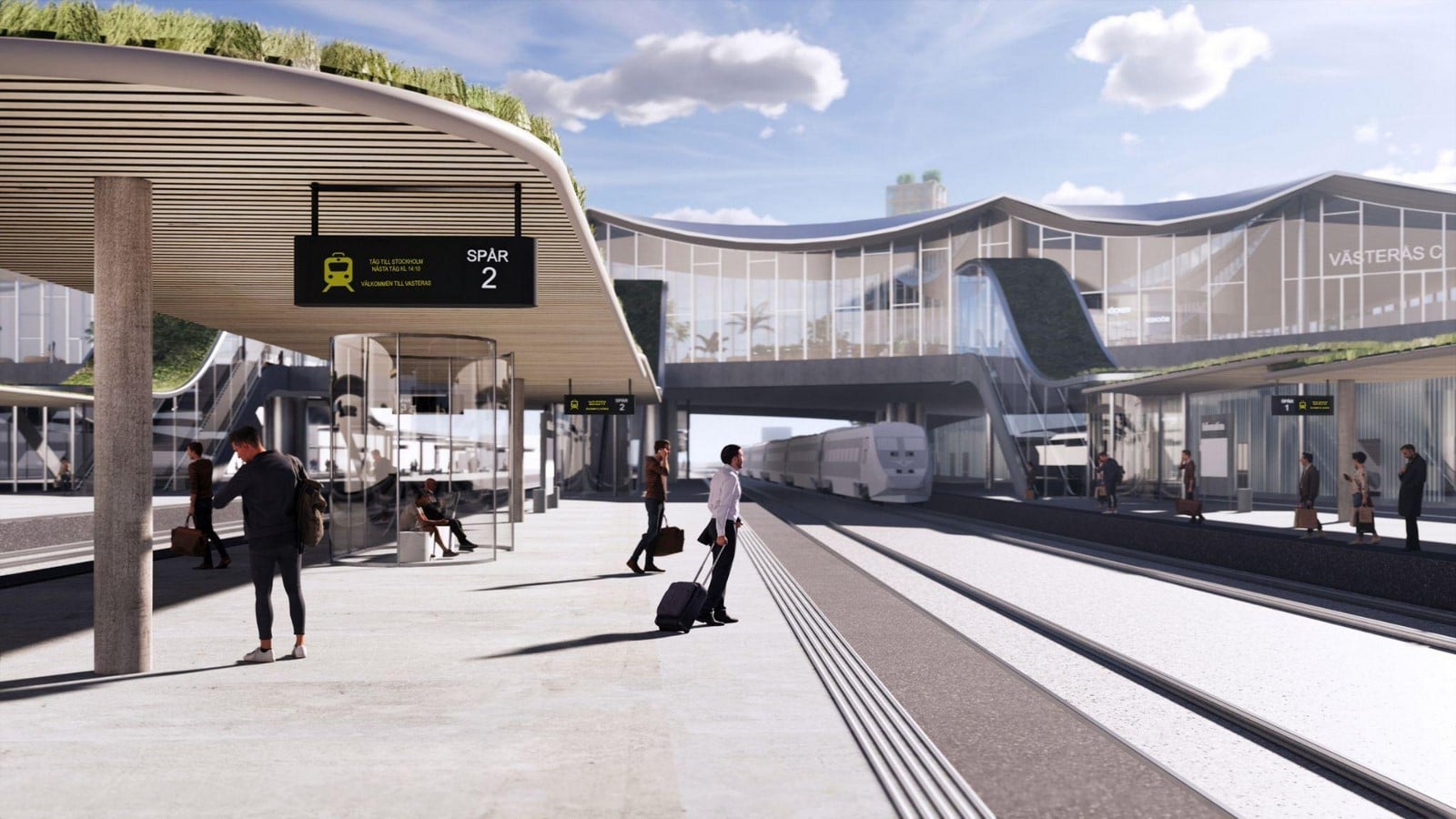
For example, Västerås Travel Center by Bijarke Ingels was “designed as a piece of social infrastructure, shaped for the flow of people and public life,” according to the architect. “We wanted to celebrate movement and create a welcoming, warm, and transparent mobility hub that becomes an important social and economic node, redefining the city’s infrastructure and landscape.”
Staircase to Heaven
The staircase is another hidden architectural treasure that often slips by unnoticed. More than just a means of moving between levels, it can stand as a work of art. Acting as both a route and a visual focal point, a staircase can completely transform a space. The design of a staircase also tends to define the overall spatial organization and therefore affects the flow of movement in a space.
The importance of staircases in architecture goes back thousands of years. They symbolize divine ascent when incorporated in ancient Egyptian temple architecture. The Mesopotamians created endless staircases in their religious monuments, such as Ziggurats, reflecting an ascent to the heavens. In more democratic settings, such as Greece and Rome, staircases were used in public architecture, including amphitheaters, to provide access and enhance visual connectivity.
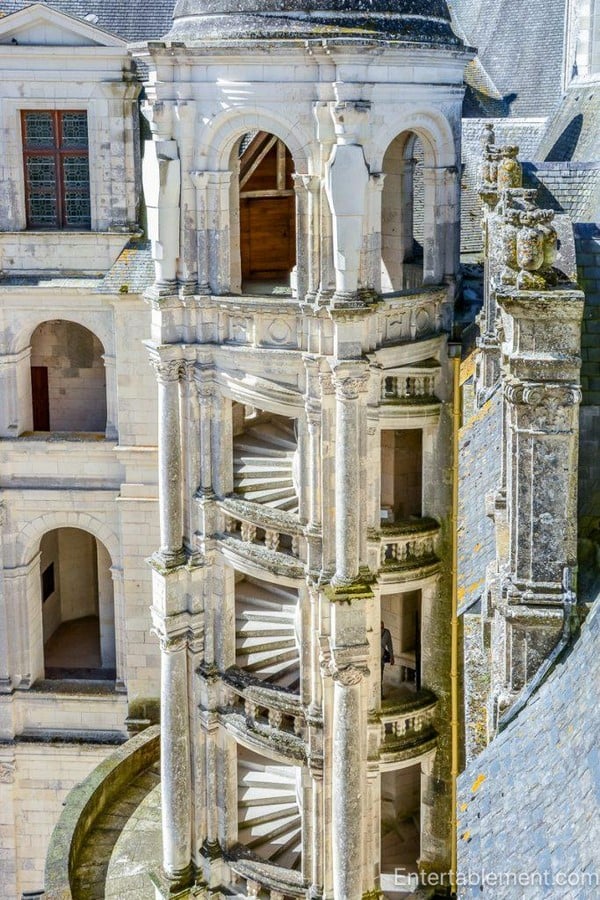
With the unfolding of the Renaissance, the staircase became an artistic expression. One example of this can be seen in the double-helix staircase at the Château de Chambord, which is attributed to Leonardo da Vinci. It is the perfect balance between beauty and engineering magnificence. In the Baroque era, grand staircases in palaces and mansions were designed to create dramatic entrances, symbolizing wealth and prestige.
In more modern times, staircases have become a visual language for architects to express their creativity. Advances in technology have enabled the construction of stairwells such as floating, spiral, and cantilevered staircases. Architects such as Zaha Hadid and Frank Lloyd Wright have redefined the staircase as a key component of spatial storytelling, blending form and function.
Street Corners
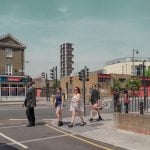
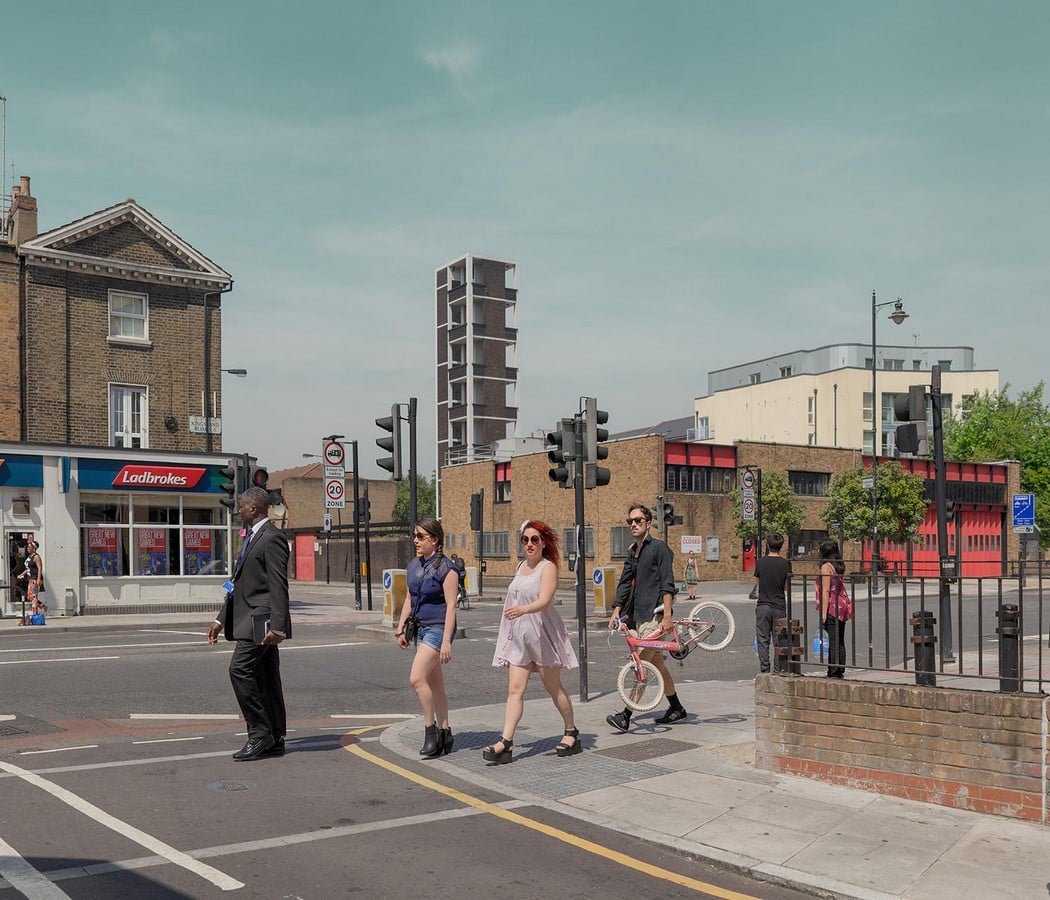
To experience a city is to experience its streets. At the heart of urban life is the street corner. As opposed to public squares, which are intentionally designed as gathering spaces, corners emerge naturally where streets intersect. Street corners are the fundamental points of movement and connection within a city. As Albert Camus observed, “All great deeds and all great thoughts have a ridiculous beginning. Great works are often born on a street corner or in a restaurant’s revolving door.”
Designing active street edges means getting rid of inactive or underutilized spaces where vibrant public life should thrive. The areas where buildings meet the sidewalk should be used in a way that prioritizes people-centric use of spaces such as communal gathering areas, courtyards, building entrances, cafés, or seating. These elements create a welcoming intersection between private development and the public realm, encouraging interaction, activity, and a stronger sense of place. Urban corners, hence, become the best representation for the need to reorient and reinvent our cities such that they become building blocks of our neighborhoods.
The Language of Space: How Ordinary Architecture Speaks
It is easy to overlook spaces we merely pass through, but when you look closely, you realize these spaces enrich the character of a city and a space. The most unexpected things happen when you stand at a bus stop, pass a street corner, or simply walk up the staircase to your apartment. Without these mundane architectural elements, we would not be able to exist as effortlessly as we do.