Architects are explorers. Their curiosity leads them to different quests. Each journey reveals a spring of wisdom and brings a change in perspective. This wisdom translates into an understanding that the built environment is more than a habitat. It is an experience. The thoughts raise several questions, who built this, what was on their mind when they constructed it and what were they trying to convey? However, there is no single answer.
When Globalisation Changed the skyline
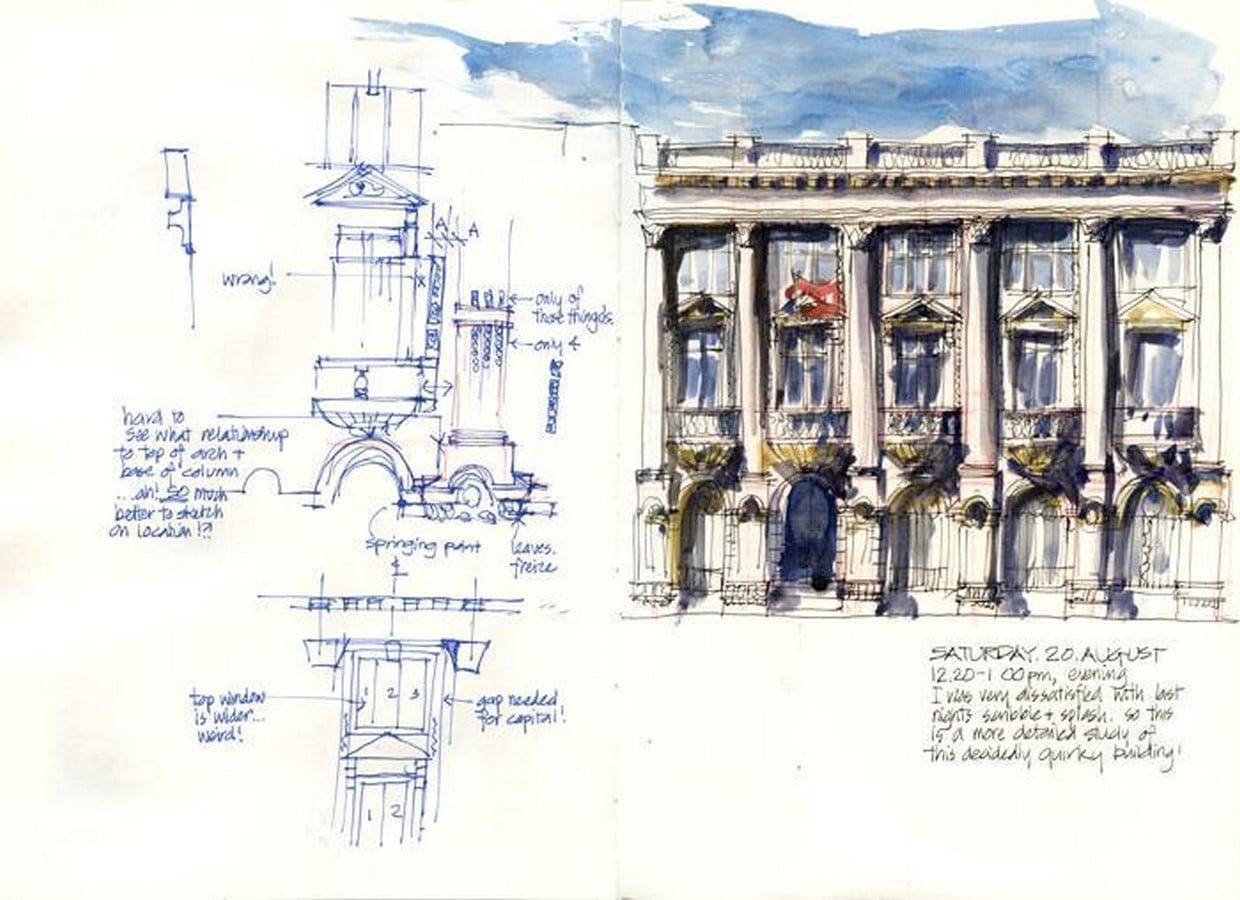
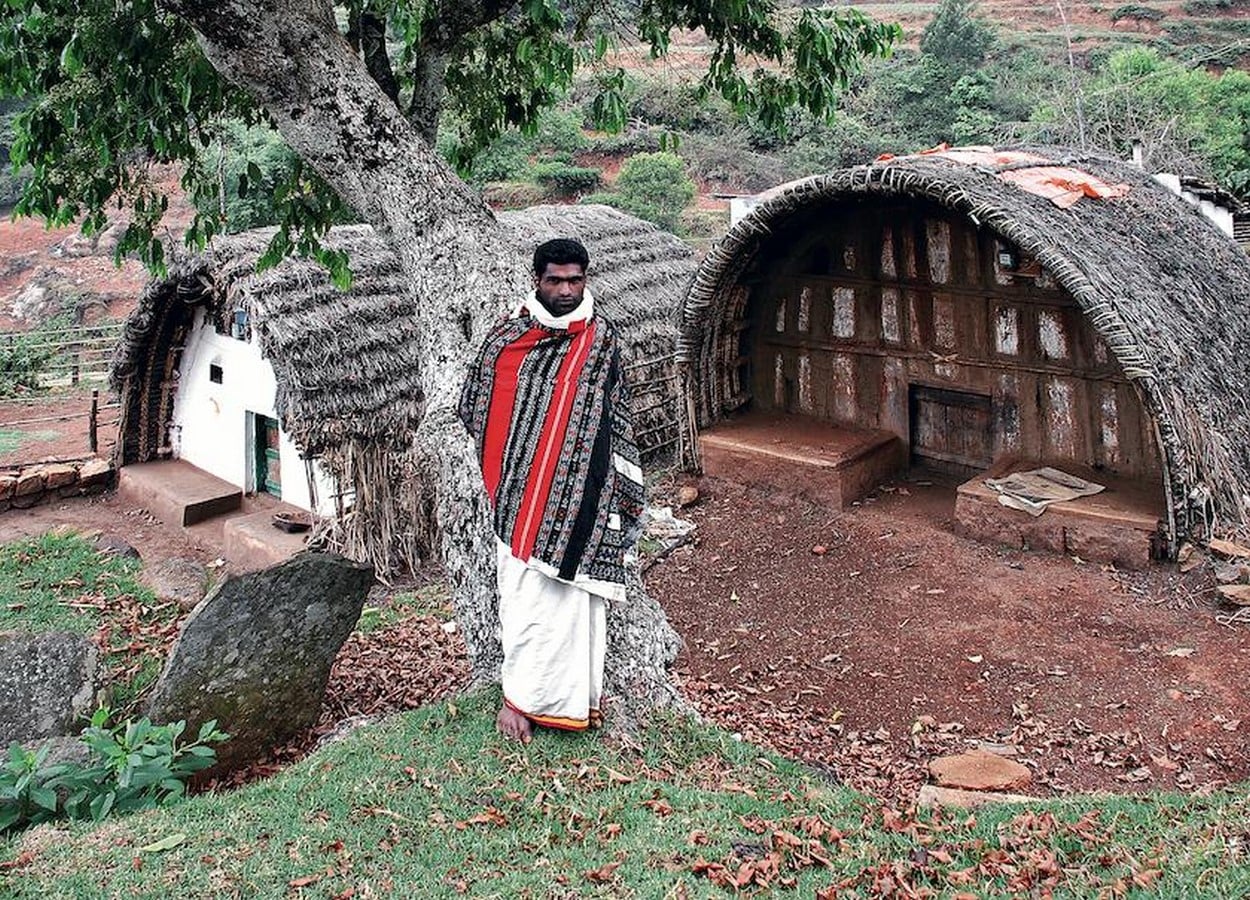
There is a before and after. Those who enter the labyrinth of the built environment sense the exact moment the illusion breaks. That is when a building ceases to be something one simply enters, one that in a deliberate sense speaks to its occupant. Contrary to popular belief, architectural education begins with understanding the indigenous and vernacular. Vernacular architecture is the oldest form of design on earth. It teaches us how to strike a balance between man and nature.
For much of the latter half of the twentieth century, that argument was largely abandoned. The glass curtain wall became the default language of corporate ambition. The guild was fascinated with this newfound building design. Globalization helped spread knowledge. Soon, flying into any major city between the late 20th and early 21st century, one could glance at the skyline and identify the decade of construction almost without reference to location. Vancouver became the city of glass. Turns out, Industrialization has an aesthetic.
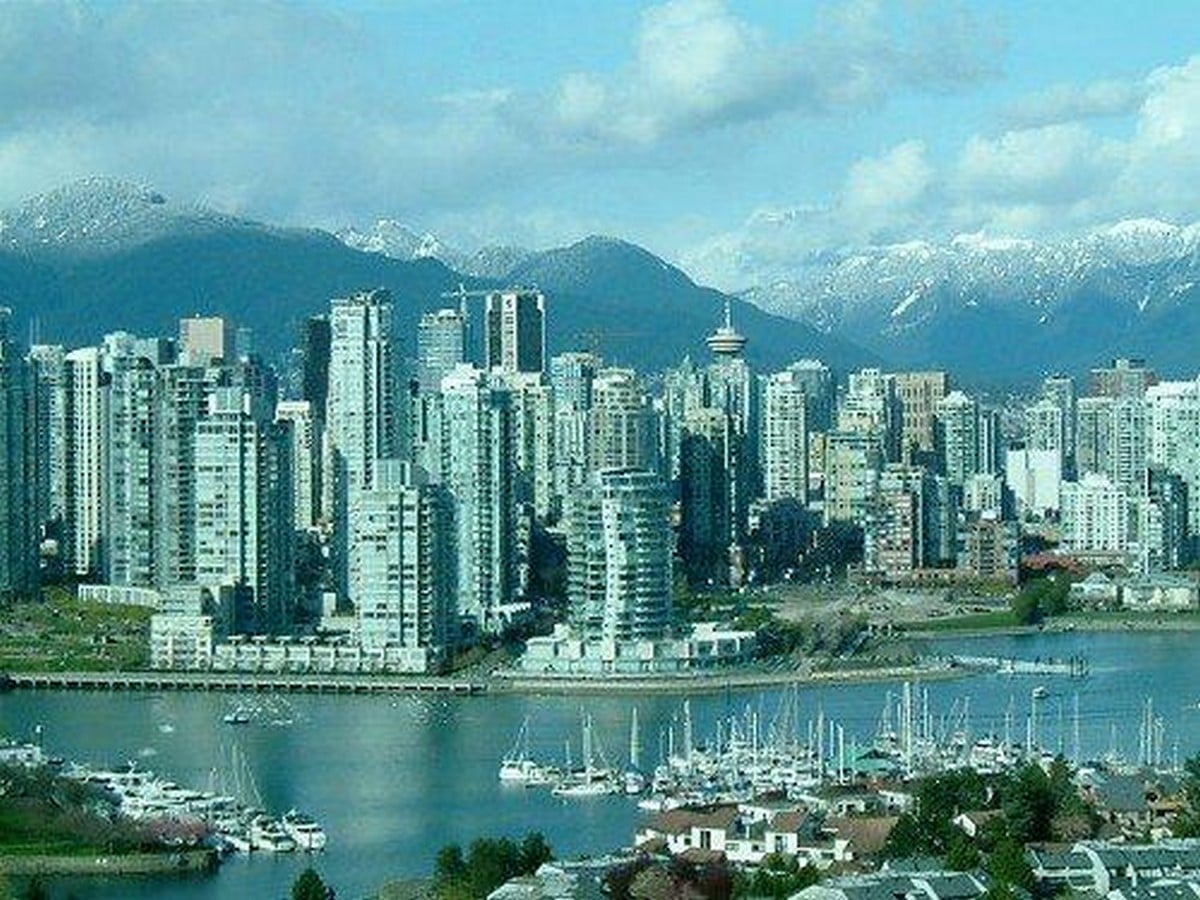
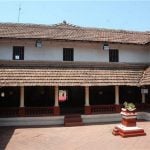
Consequently, contemporary architecture is often implemented in cities without adequate consideration for climatic conditions. Global temperatures are rising. There are greater land utilization and loss of natural habitat. (Nasiri, N. and Rahbar, N. (2026) The new generation realizes the need for change. In the pursuit of answers, they are led to the humble south Indian home. It has many names. Nalukettu in Kerala, Chettinad mansions of Tamil Nadu, Guthu Mane in Karnataka, and Manduva Logili in Andhra Pradesh. Simple rectilinear layouts with a central courtyard open to sky.
How the Vernacular Inspires
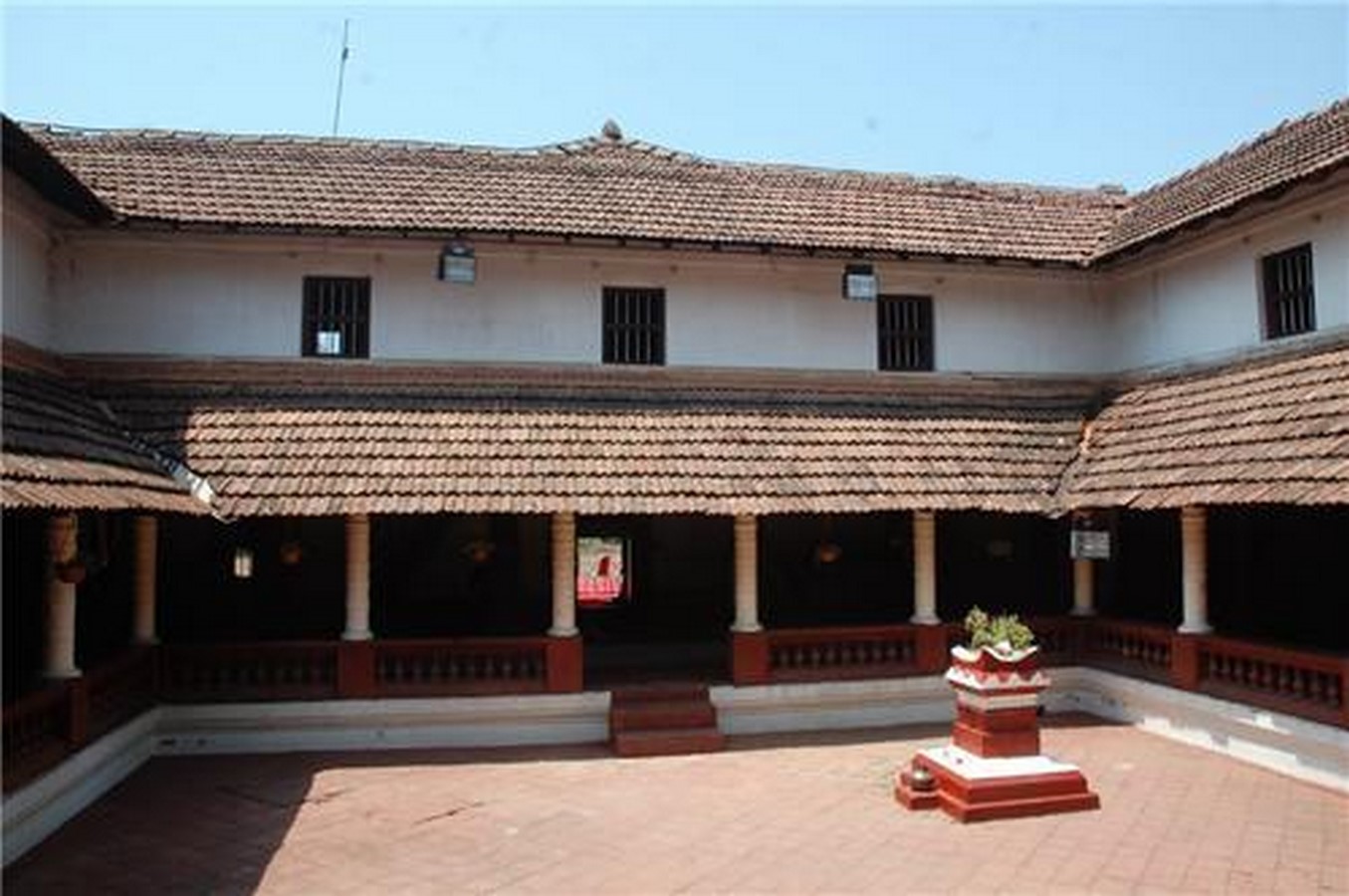
As exploration continues, observing their architecture reveals a profound masterclass in human adaptation and environmental harmony. One notices how every material and layout was dictated by the necessity of survival and respect for nature. The kitchen is positioned in relation to the prayer room, and the courtyard functions as a gathering space during summer evenings. Further observation reveals the relation between space and culture. This is intertwined in its urban fabric. Every community has its own spatial culture. It is most visible in public spaces. Markets, ghats, village commons, and temple precincts are where cultural identity and architectural intention meet most candidly. In the 21st century however, what has been lost in the process is the civic space where meaningful architecture can happen. (Harvard Design Magazine. (2025))
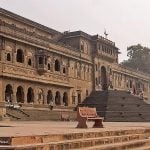
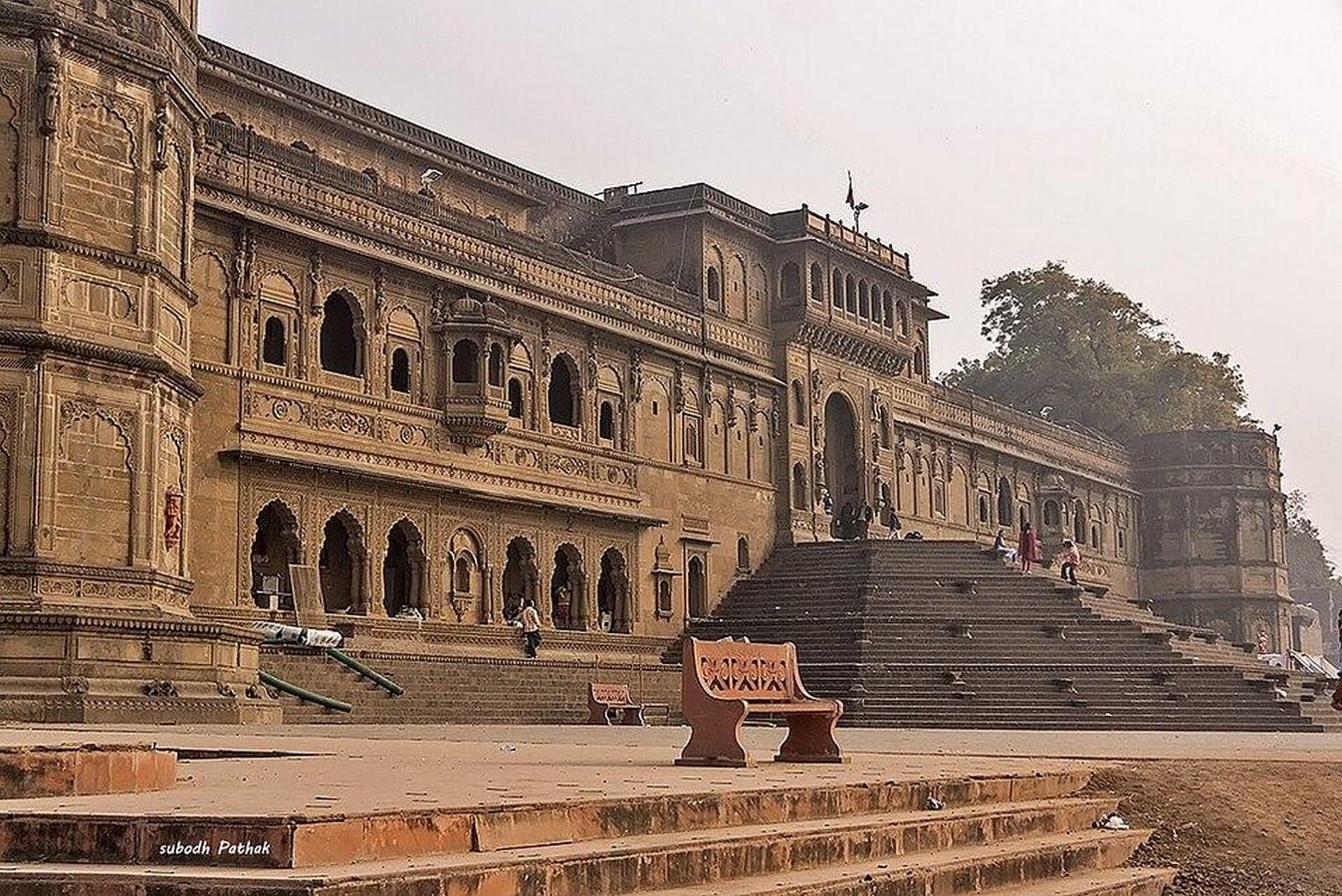
Consider the riverfront ghats of Maheshwar. Designed to have multiple functions these stepped structures that descend to the water’s edge became the forefront of cultural revival. There is no single-use logic here. The ghat resists the contemporary planning instinct to assign a space one clear programme and optimize it accordingly. This change comes, first, from the understanding of climate-responsive logic and second, from the collective identity of a public space.
The explorer comes to a crossroads. Do they follow the status quo? There are new standards of living. Urbanization has also provided advancement in building technology. Is the thought of a built environment planned to use ancient wisdom and modern techniques idealistic? Harvard Design Magazine. (2025)
“Great Things are not done by impulse, but by a series of small things brought together”.
– Vincent Van Gogh
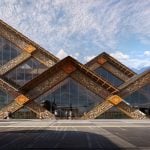
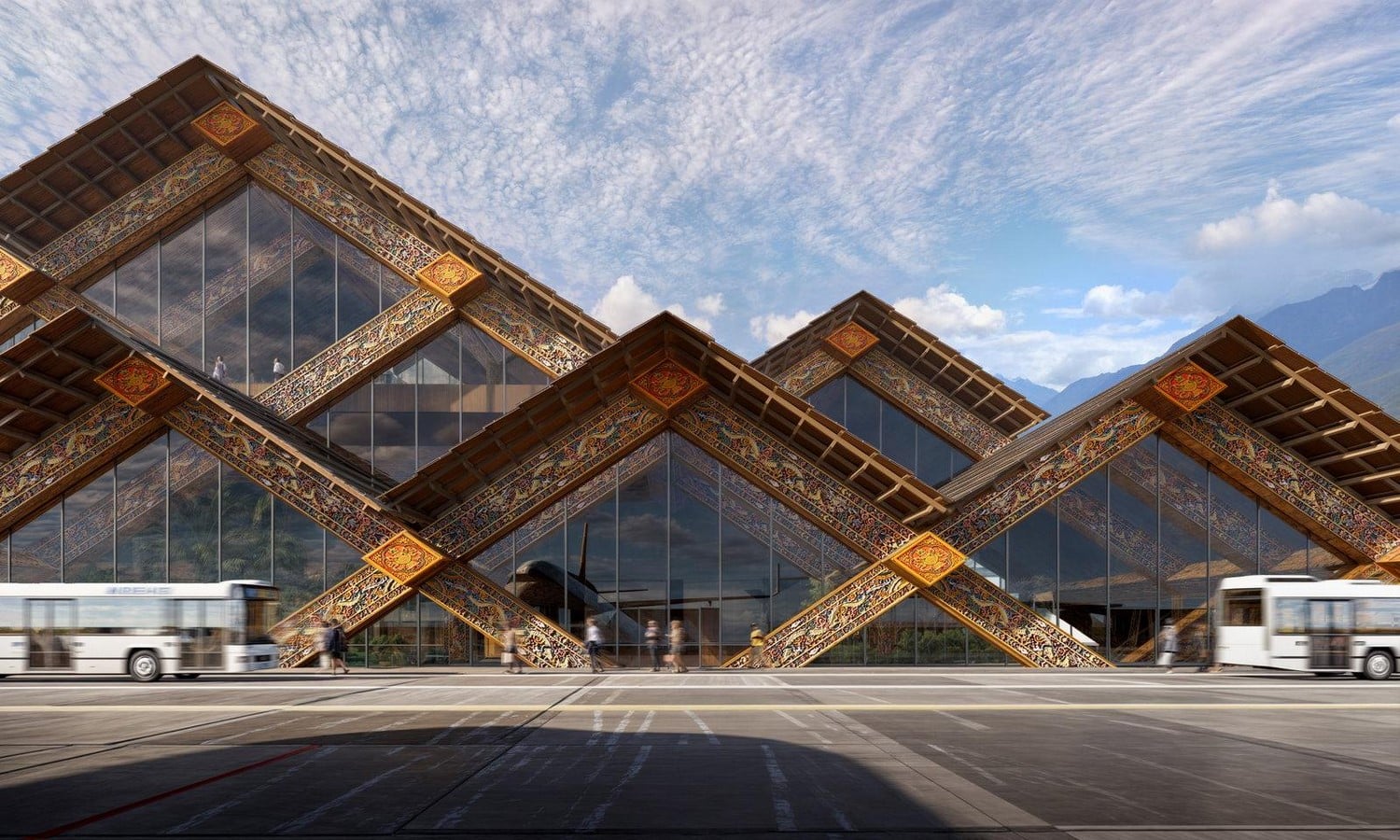
With its roots in vernacular techniques, contemporary architecture is evolving. The need for sustainability has brought back humble brick, courtyard, mud and lime. Firms like Wall makers, Masons ink studio and many more are changing perspectives on the use of locally sourced brick and mud construction. (Nambiar, S. (2023). Their designs blend natural materials with contemporary techniques seamlessly. BIGs proposal for the Gelephu International airport in Bhutan is a case study on modern spaces shaped by cultural narrative. Set to open in 2029, the airports diagrid structure is inspired from the Himalayas featuring locally sourced timber handcrafted by Bhutanese artisans. (BIG | Bjarke Ingels Group. (2025).
A Changing World
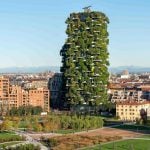
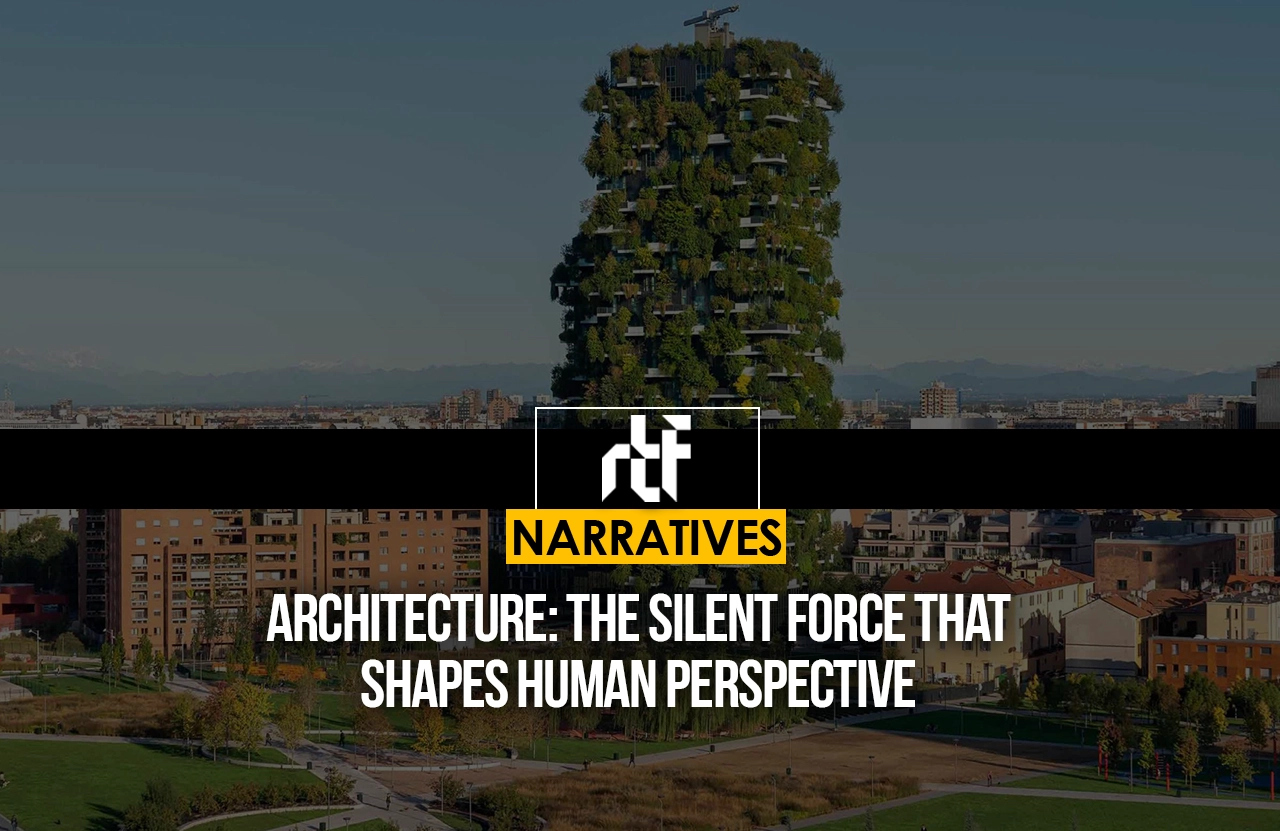
There are new quests. Contemporary tall buildings have begun to reintroduce the question. How can one strike a balance between the natural and manmade. The Bosco Verticale in Milan layers biodiversity onto a residential tower. The Jewel Changi Airport in Singapore transforms an airport into a biodiverse landscape. The paradigm shift is reading architecture as the material record of how a community understood itself and its place in the world. With changing dynamics of the global economy and techniques in building construction, architecture’s limits are being challenged. The skyscraper began a new era of buildings. Each mightier than the one before it led to architects finding creative solutions to make them unique.
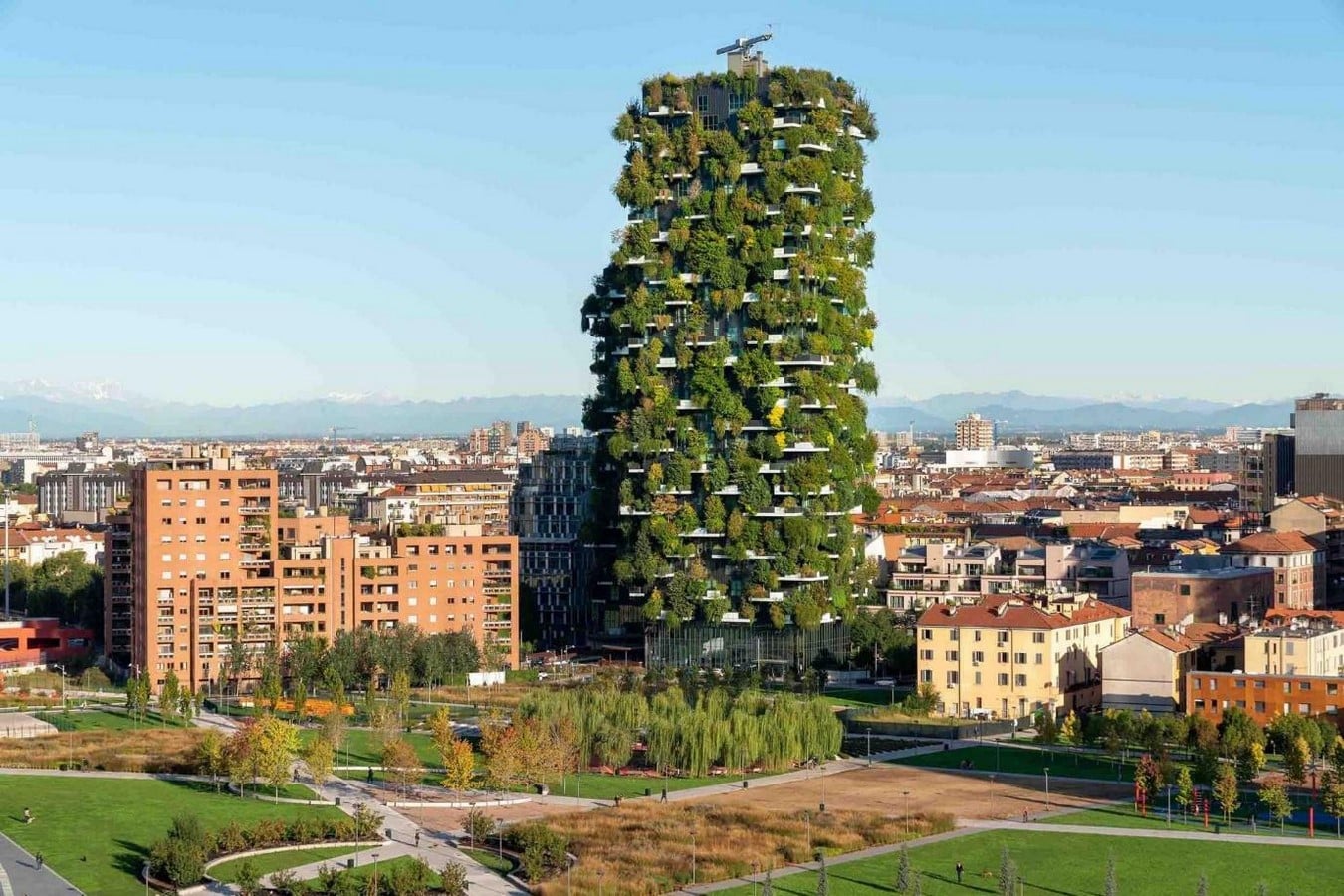
Each architect has the ambition to make a difference. Every journey provides a fresh insight into how architecture reshapes the way society perceives itself about it. One space seems to invite conversation, the other disappears in the background. The brief is not followed blindly. It is challenged by asking whom it is for and what that community already knows about living well in a place. This is as true on the forty-second floor of a mixed-use tower as it is in a village of mud-brick houses.
This evolution is incomplete, and perhaps necessarily so. Every generation of architects inherits the unfinished work of reconsidering what the profession is for.
CITATIONS:
- Nasiri, N. and Rahbar, N. (2026). A systematic review of thermal comfort in vernacular underground architecture of hot and arid Climates: Emphasizing Iranian Case studies. Energy and Buildings, 353, p.116937. doi: https://doi.org/10.1016/j.enbuild.2025.116937.
- Harvard Design Magazine. (2025). Reading Architecture in an Era of Globalization. [online] Available at: https://www.harvarddesignmagazine.org/articles/reading-architecture-in-an-era-of-globalization [Accessed 14 Jun. 2026].
- BIG | Bjarke Ingels Group. (2025). Gelephu International Airport | BIG | Bjarke Ingels Group. [online] Available at: https://big.dk/projects/gelephu-international-airport-20769.
- Nambiar, S. (2023). Five Firms Spearheading Mud Architecture in India – indiadesignid.com. [online] indiadesignid.com. Available at: https://indiadesignid.com/five-firms-spearheading-mud-architecture-in-india/.