Architecture isn’t just the aesthetics of walls, windows, structures or anything. It’s the design of well-being and livelihood. Architects design a home considering lots of aspects, such as sun position, wind flow, orientation of the fenestrations and even Vaastu. Thus, architecture not only influences these factors but also shapes the daily activities, which balance human comfort and aesthetics. These minute details often go unnoticed, yet they bring both visual and physical comfort. When the body anthropometry aligns with the proportions of the furniture, comfort naturally follows.
Why should an architect consider these factors? It’s just a home; even an engineer can do it right? These questions often arise among those who generally believe architecture has little to do with space design, and it won’t influence daily well-being. But here’s the truth: only an architect can design a well-spaced home or workspace or any design which blends comfort with aesthetics. This is how the space of a building can affect the minds of people. A good design can lift up the mood, while having the space stuffed up without any design can be suffocating. He also talks about the actual purpose of architecture, which is beyond walls because it involves psychological behaviour and well-being (De Botton, 2006).

Sunlight as a Morning Alarm
After a long day with loads of heavy thoughts, the bedroom feels just right to take off the heavy thoughts. While the dawn meets the sky, slowly the sunrays meet the bedroom through a fenestration. The way the window opens up to the sky in the proper direction, attracting sunlight and air into the bedroom, is its way of greeting “Good Morning”.
The scene itself is soothing, isn’t it? If the openings are not in the proper orientation, the space may receive harsh sunrays and little air, making it feel suffocated. Cross ventilation allows the air to circulate through the space evenly, which makes the users feel relaxed even in hot summers. Later, moving to make the first meal of the day shouldn’t feel like anything but calm and comfortable. Moreover, kitchens and sunlight have a great connection; proper orientation of the window or balcony near the kitchen makes the light and ventilation enter the space, creating a sense of calmness. That comfort comes from the combination of light, air and atmosphere. The sunlight that enters or the breeze that travels in the room gives a pleasant feel. He implied the space can be a good sensory experience if used well (Rybczynski, 1986).
Ergonomics: The comfort of Movement
While waking up in the morning, pushing off the blanket, and stretching the body in a congested bed might feel irritating, right? In a hurried morning, while making a meal in the kitchen, which doesn’t have a proper work triangle and proportion, one might feel more tense and irritated, right? In a bathroom, the shower height, the washbasin, the commode proportions- everything matters. If every furniture proportion is aligned with the body anthropometry, then the comfort follows naturally.
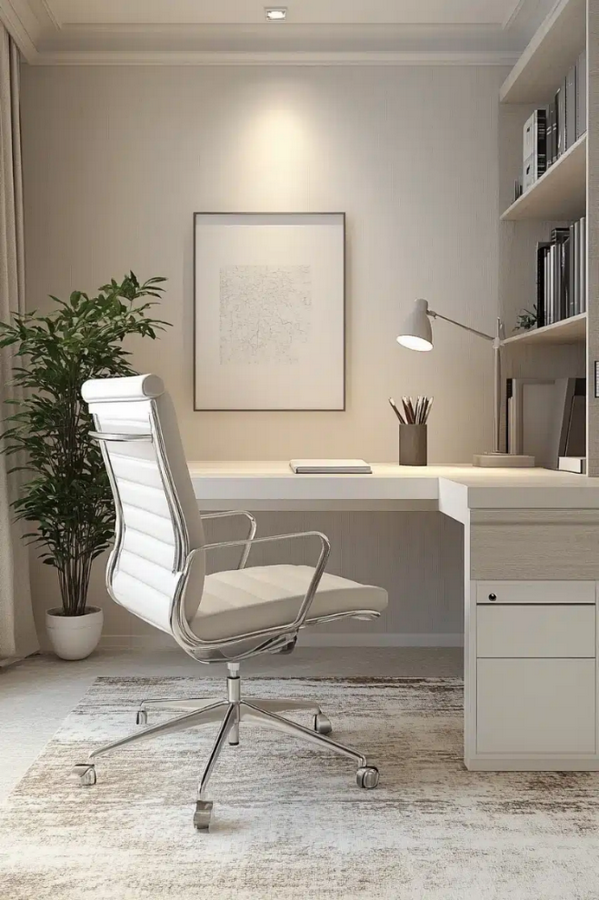
After crossing a bustle of traffic and arriving at the workspace, one often feels a combination of stress and frustration. And there, the desk feels welcoming. The chair that aligns properly with the spine and the desk that is at a proper height to rest hands while the PC is at eye level feels comfortable. These cannot be noticed but felt, and it’s only possible with ergonomics. Design quality depends on human proportions; the height of furniture, which aligns with the human body’s anthropometry and the comfortable movements around the room, which define a perfectly ergonomical space. Using ergonomic designs can ease the mind, reduce stress and allow peacefulness naturally (Panero and Zelnik, 1979).
The invisible emotional design
Ever thought about why a person feels a certain kind of emotion in a particular space? Each individual has different perspectives and would feel different emotions in a space. This emotional response often depends on how the space interacts with the senses through its light, texture, sound, colour and proportion. For instance, within a home, gentle daylight and ventilation create calmness that grounds the mind, whereas the same principles in a workspace uplift focus and productivity. This is how design changes the way a person feels within a space. Similarly, the colours, the textures, and the orientation, size and placement of the fenestrations- each and every minute detail- will influence the way the user feels within the space.
The influence of design extends beyond the walls of the home or workspace. The surroundings, the streets, and the nearby parks where people stop by influence daily life. A shaded pathway and a well-lit street feel relieving and safe. In a park, a bench under a tree becomes a pause on a hurried day. When spaces create comfort, the unseen foundation of productivity follows. Architecture communicates through the senses, like the texture, sound and light. These senses create an environment which is calm and comfortable, resulting in mental balance. It allows people to think with clarity and feel safe inside the walls built with care and understanding (De Botton, 2006).

The Unseen Influence of Good Design
Architecture quietly shapes daily life in subtle ways that often go unnoticed. Every space, whether a home, workplace, or street corner, influences how people move, think, and feel. When design works in harmony with light, air, sound, and proportion, it connects with human emotions and transforms ordinary routines into moments of comfort.
The mood of a space helps to maintain emotional balance, allowing architecture to reflect and soothe the human mind (De Botton, 2006). Every detail, from the height of a counter to the reach of a shelf, contributes to comfort and ease (Panero and Zelnik, 1979). The most successful designs often pass unnoticed, as their beauty lies in how naturally proportions, materials, and purpose come together. True elegance exists in the subtle details that turn daily life into a seamless experience (Rybczynski, 1986). Thoughtful design therefore does more than serve a function; it nurtures emotion and becomes a quiet companion to everyday life, helping the mind to align harmoniously with its surroundings.
Bibliography:
Botton, A. de (2008) The architecture of happiness. New York, N.Y: Vintage International.
Panero, J. and Zelnik, M. (1979) Human Dimension & Interior Space: A Source Book of Design Reference Standards. New York: ‘Whitney Library of Design’, an imprint of ‘Watson-Guptill Publications’.
Rybczynski, W. (1986) Home: A short history of an idea. New York: Penguin Books.