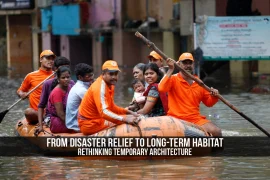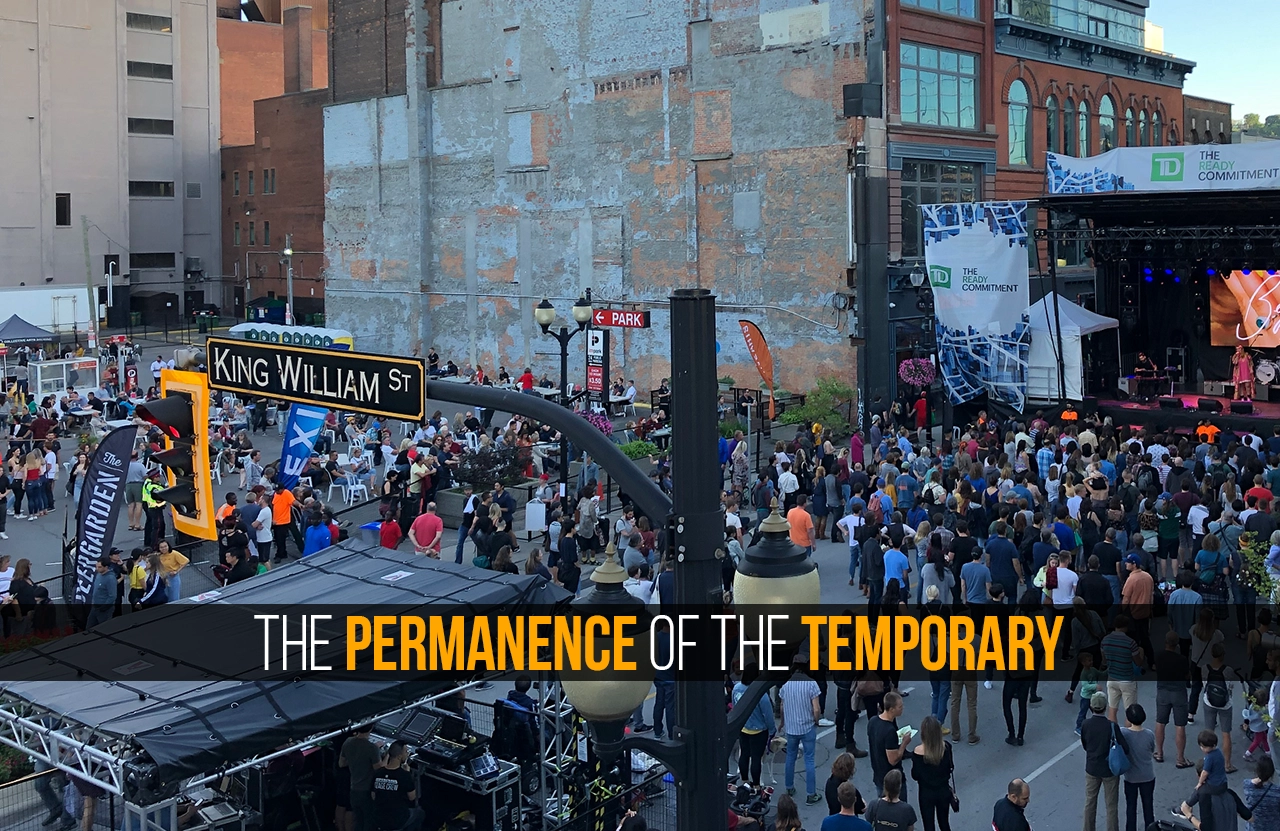
Temporary structures have recently become an important part of the urban fabric as quick bottom-up approaches have proven successful in bringing people together. Despite being regarded by some as band-aid solutions, these community-led approaches have emerged as an alternative to top-down urban development. Mostly initiated and supported by the local community, they have often proved so successful that the temporary is made permanent. The flexibility and creativity of these measures, while being contextual to the site, speak to how urban interventions can move past rigid grids to fluid spaces connecting the people and the environment.
Temporary structures that become permanent through time
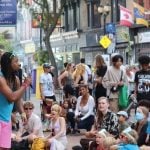
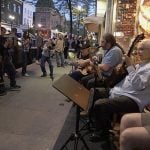
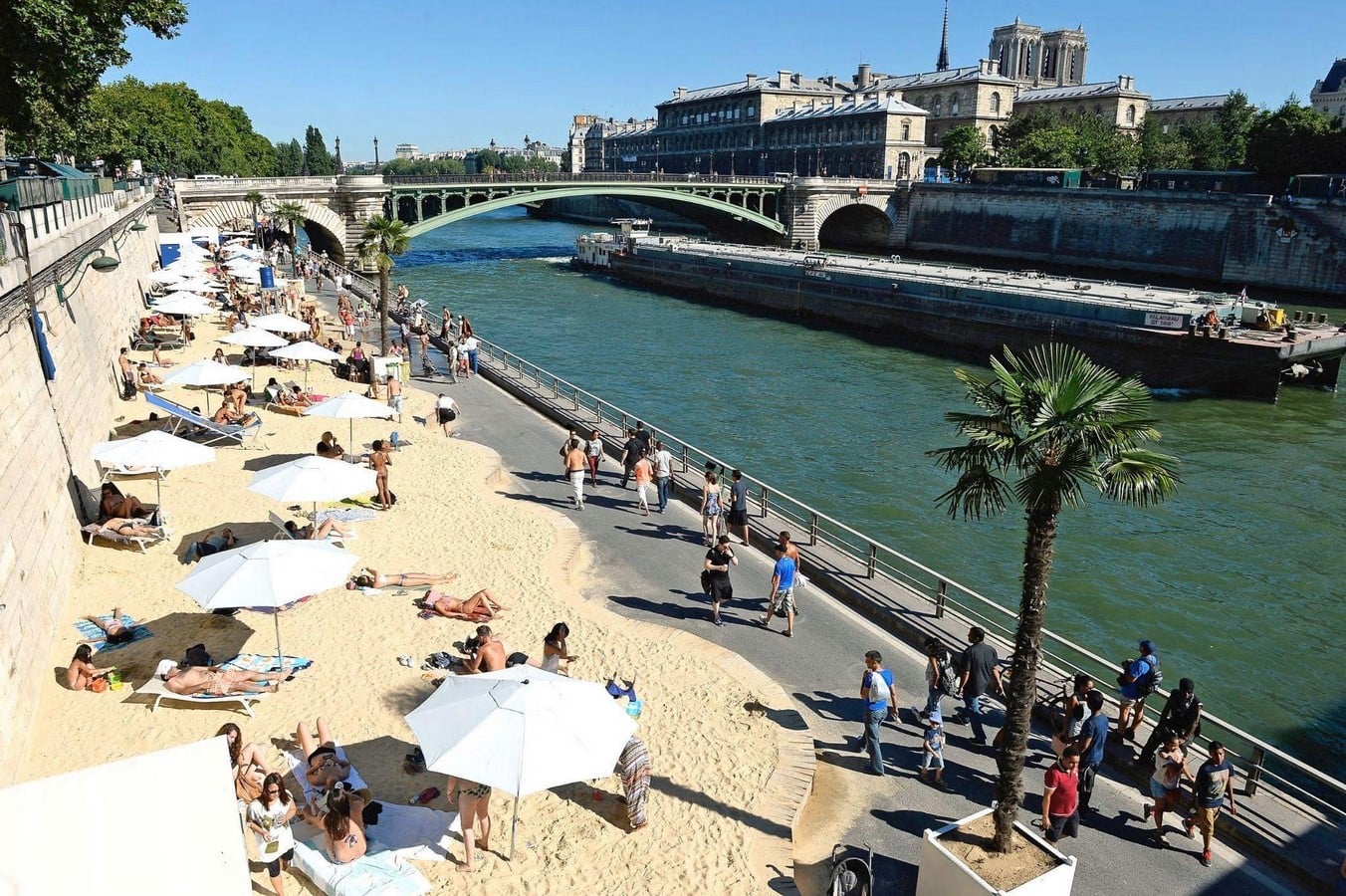
The assumption of permanence simply meaning lasting through just space is questioned, as tactical urbanism events have become cyclical, lasting through time. Pop-ups and street festivals are held in yearly cycles, drawing people in with the festivities. Here, art becomes the rejuvenator of community and the city, capable of revitalising once-struggling parts of cities. Hamilton, Canada, was given a second life by the community after the fall of the once lucrative steel industry. A group of local changemakers and businesses hosted the city’s art scene on James Street by closing it off and returning it to the people. Art becomes accessible and has been declared an event to celebrate, bringing people together. Art Crawl has had positive effects on the economy by generating revenue and revitalising once downtrodden parts of the city.
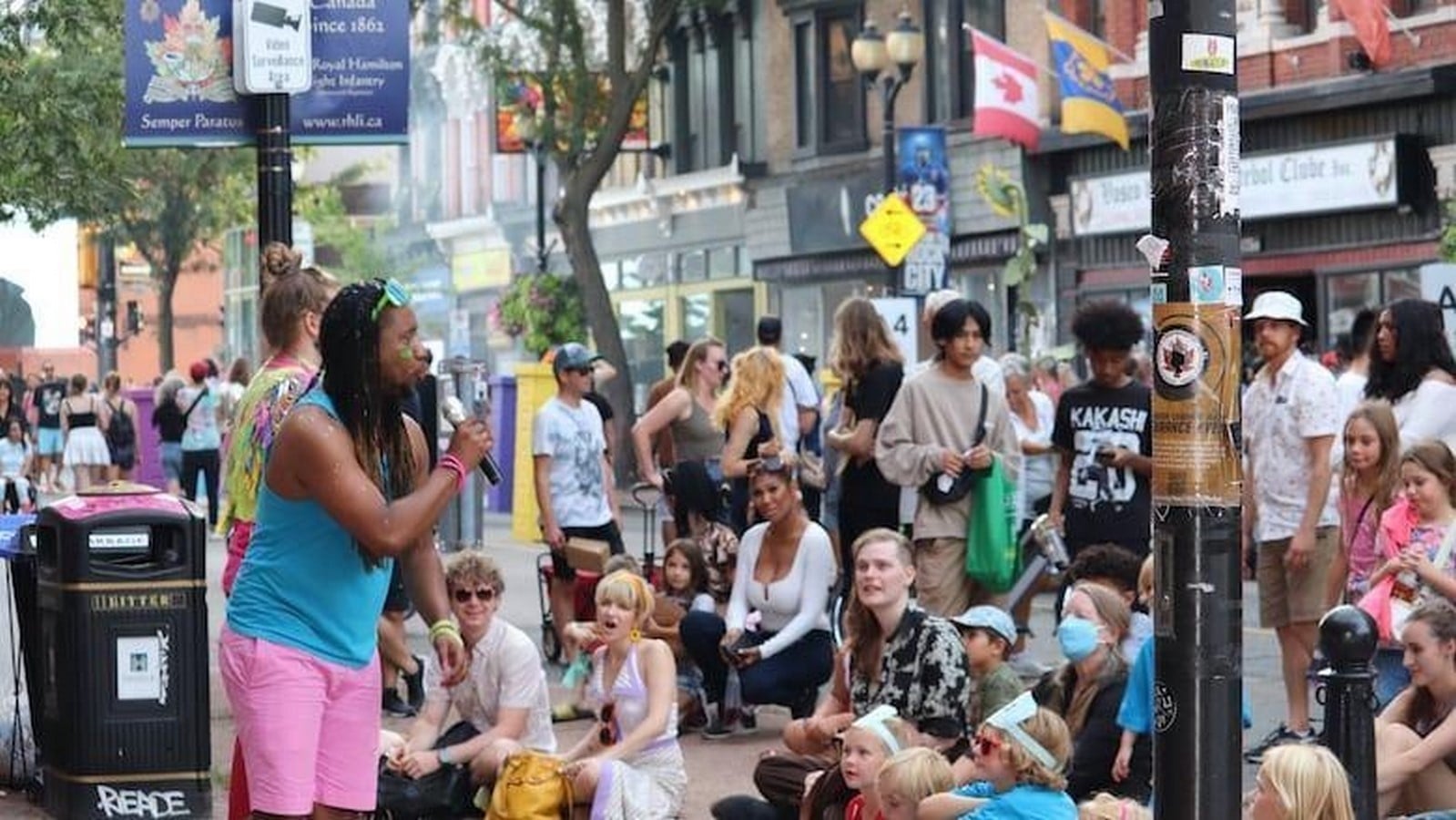
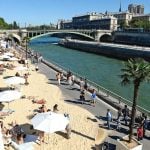
One of the more famous examples of such cyclical placemaking is Paris Plages. Paris witnesses people flock to the riverbanks during July and August in an effort to beat the heat and socialise. Arising out of a need to keep people cool during hot summers, the banks of the River Seine are transformed into artificial beaches complete with water sports, live music, and much more. It has proved immensely successful since its first launch in 2002 and continues to this day. The places are designated as pedestrian-only, protecting the people and providing an element of safety. Over 4 million visitors enjoy the beaches every year, creating urban renewal of underused areas of the bank. The continued success of Paris Plages speaks to the permanence of such pop-up events, which achieve more than community- it has the power to renew an entire city and its economy.
Parklets: A parking space turned social shelter
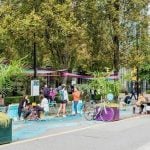
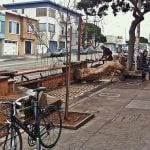
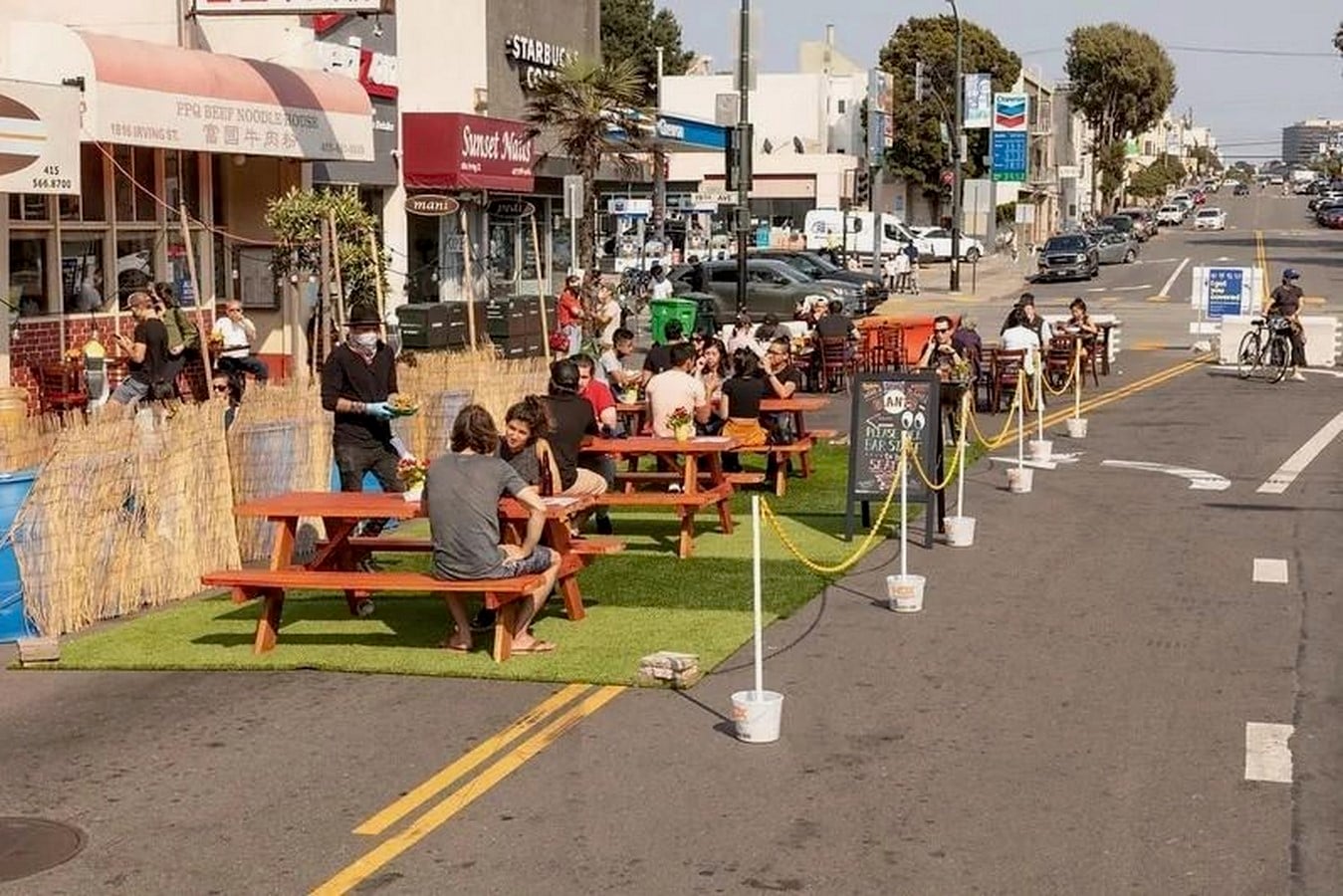
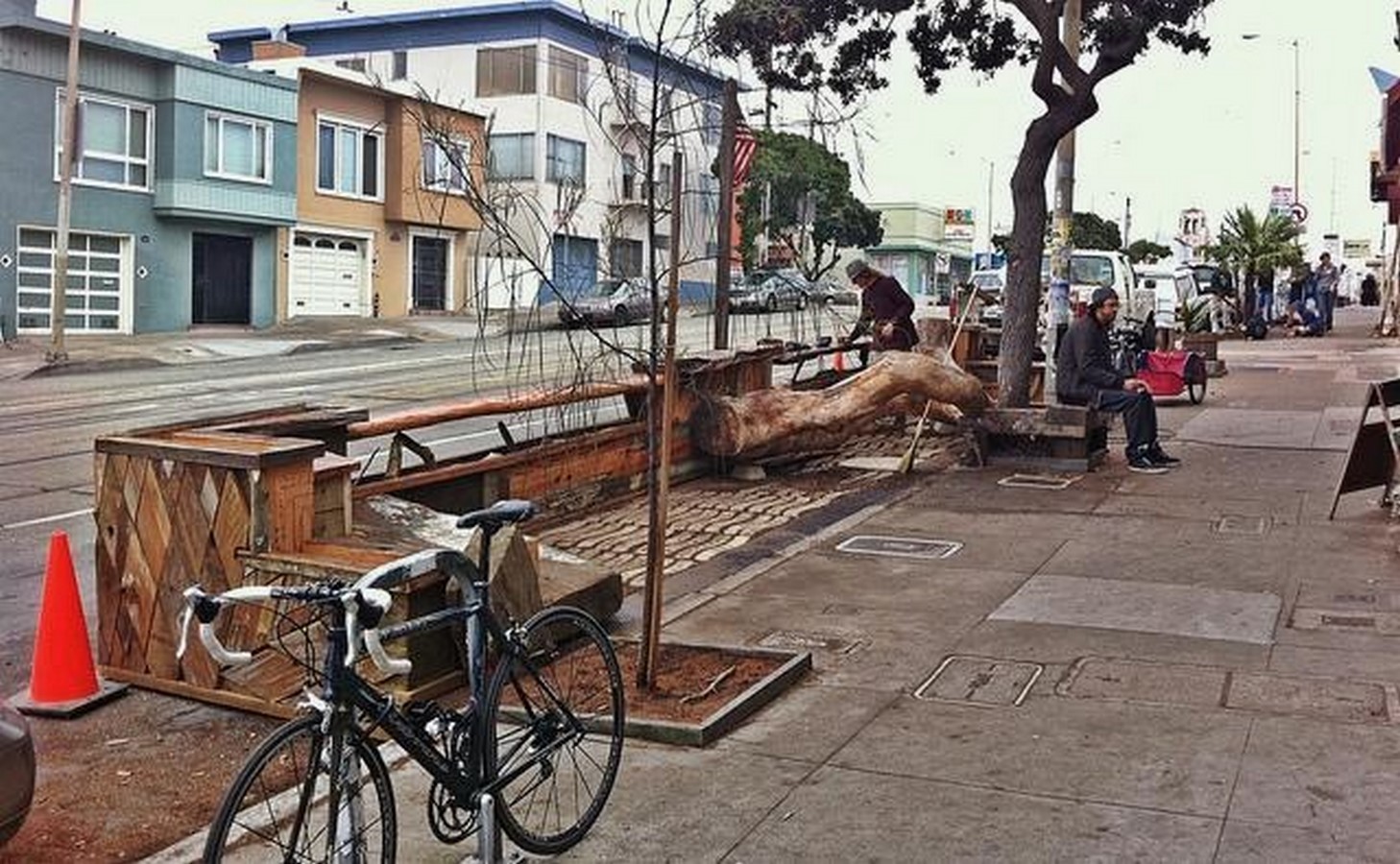
Permanent structures also mean those fixed in time and place. So many urban spaces have been swallowed up by cars. These concrete blocks seldom benefit the people or the ecology of the place. The lack of community gathering spaces is evident in the sparse sidewalk dominated by parking spaces and asphalt roads. Parklets have emerged as an effort to take back spaces from vehicles. Weaving together public seating and greenery into a space of a single car park, parklets are transformative public spaces initiated by the community. These parklets also provide business to local vendors by providing visibility and increased foot traffic. This creates a sense of ownership and shared responsibility over it, ensuring maintenance and use.
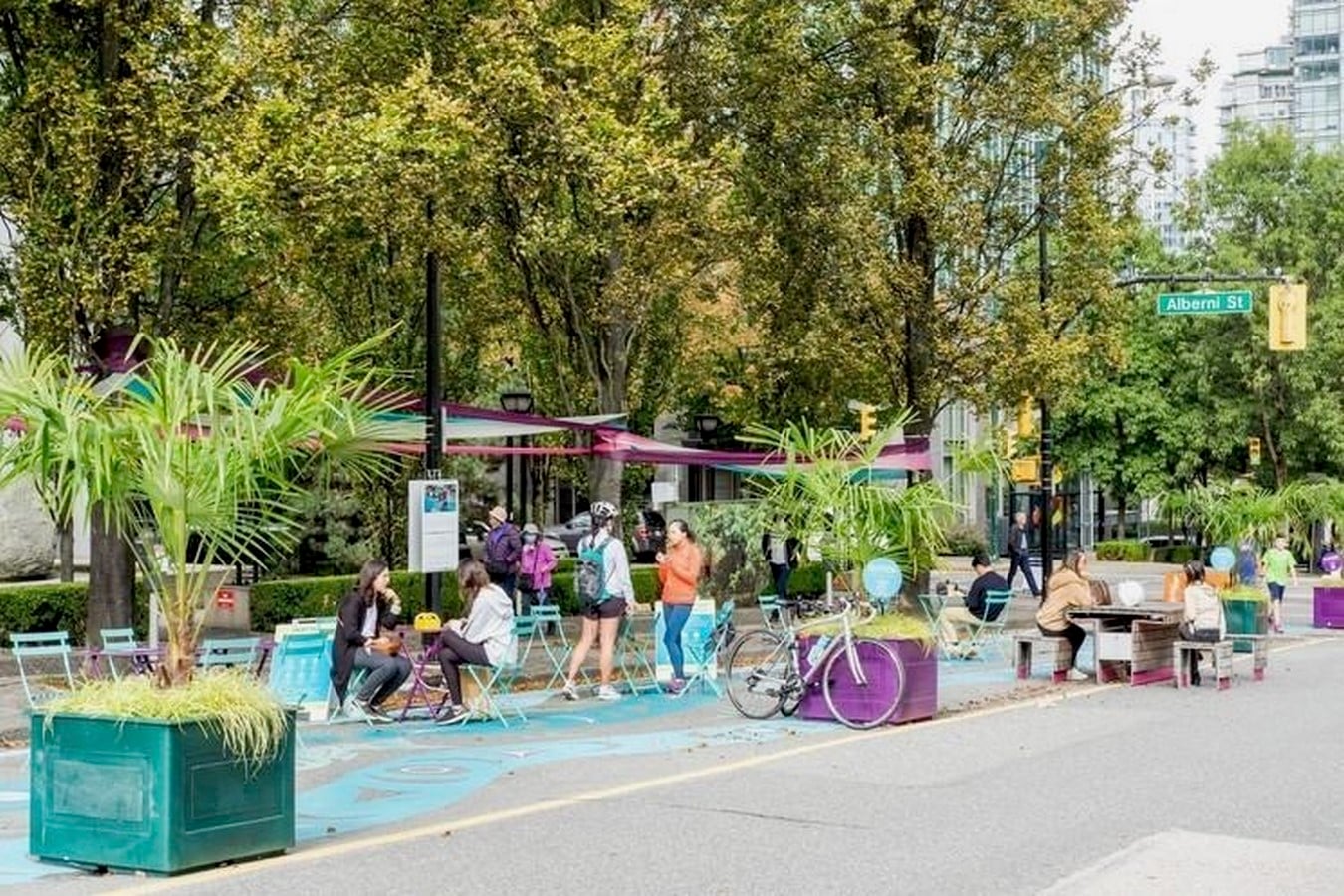
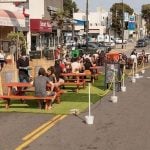
The success of these parklets is better exemplified by San Francisco’s Parklet Programme. Beginning in 2010, the city has transformed curbs into places of community and greenery. Parklets have increased revenue for local businesses and made it much more enjoyable to be a pedestrian in the city. The positive effects of the parklets have fostered a deep appreciation and responsibility, ensuring their spread and continued usage. The city has made the process of creating a new one simpler by creating a manual with detailed instructions on the full process, from design to application. The joint efforts by the government and the people have aided in transforming San Francisco into a pedestrian-friendly city with boosts to the local economy.
How has temporary turned into permanent?
Permanence is redefined not by rigidity, but by fluidity. Beyond the economic and social benefits, the flexibility of these bottom-up approaches is precisely what makes them successful. By focusing on revitalising open public places, these interventions truly become accessible to all. They sometimes centre around the street, a public space taken over by vehicles, and return it to the people. The location of these interventions plays a bigger role than imagined, as seen in Paris Plagues with the artificial beaches in the heart of the city. The simplicity of these interim structures aids their flexibility. Parklets have a do-it-yourself nature, allowing them to ‘pop up’ anywhere. Art Crawl closes off a street to return it to the people.
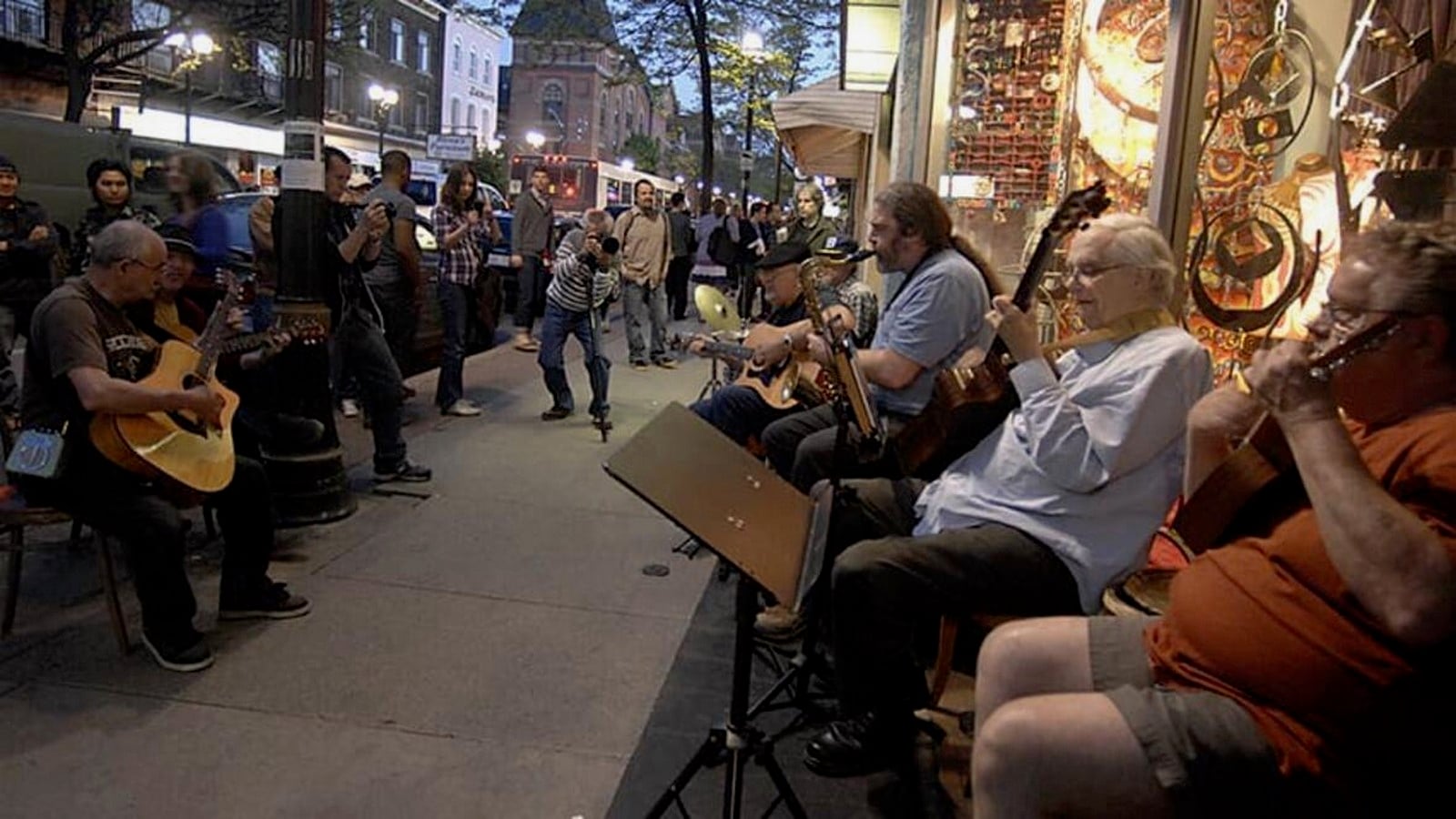
In all of these cases, the government takes a step back, allowing the community to take ownership. The process of creating and maintaining these temporary structures is made easier, as seen in San Francisco’s Parklet Programme, where the detailed manual is easily accessible. The Paris Plagues may be an initial initiative by the government, but the people who turn up year after year take responsibility for the riverbanks. Hamilton’s Art Crawl is initiated and maintained by the local people and has now become a festival. The community is enabled to feel ownership over their structures, leading to their better maintenance. People are brought together by much more than a physical space. The feelings of ownership and pride bind them, allowing them to care for each other and their place.
The influence of the interim seems to outlast the structure, so much so that it has become permanent. These bottom-up approaches are successful because they place the people at the heart of the design. People take ownership and initiative, which builds community while addressing the need for more public spaces in the city. The structures are also maintained by the community, leading to continued feelings of ownership. The relatively uncomplicated method of design and construction is also an important factor in its popularity. The permanence of the temporary is achieved by the community that it builds and which it builds.
References:
- Sümeyye Okumus (2025). Ephemeral Architecture: The Lasting Power of the Temporary. [online] PA | Architecture & Technology. Available at: https://parametric-architecture.com/ephemeral-architecture-the-lasting-power-of-the-temporary/.
- Stevens, Q. and Dovey, K. (2022). Temporary and Tactical Urbanism. New York: Routledge. doi:10.4324/9781003284390.
- Pps.org. (2025). The Lighter, Quicker, Cheaper Transformation of Public Spaces. [online] Available at: https://www.pps.org/article/lighter-quicker-cheaper..
- M, M. (2025). The Role of Tactical Urbanism in Transforming Cities. [online] INJ Architects. Available at: https://injarch.com/the-role-of-tactical-urbanism-in-transforming-cities/.
- Free, P. (2025). The History of Paris Plages – And What to Expect This Summer. [online] Paris Free Walking Tour. Available at: https://freewalkingtour.fr/the-history-of-paris-plages-and-what-to-expect-this-summer.
- NACTO (2013). Parklets. [online] National Association of City Transportation Officials. Available at: https://nacto.org/publication/urban-street-design-guide/interim-design-strategies/parklets/.