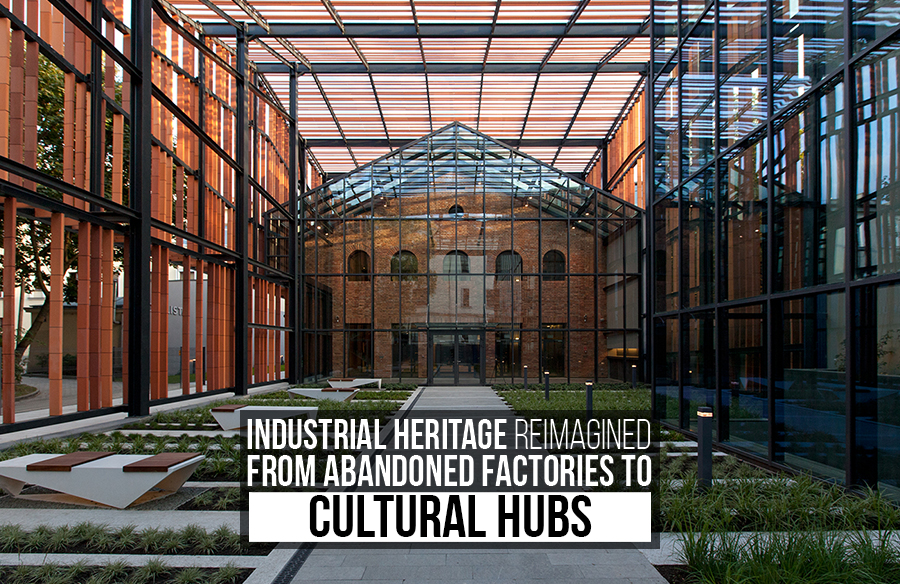
Industrial sites have been crucial to cities, shaping economies and identities. Today, many factories, mills, and warehouses lie idle. Within Architectural History, these sites are more than obsolete structures; they record industrial innovation, labour movements, and community life. The challenge is to preserve their essence while giving them a new purpose. Reimagining these spaces as cultural hubs preserves collective memory, ensuring industrial heritage remains part of urban narratives. By repurposing these sites, we breathe new life into Architectural History, honouring the past while fostering creativity and community engagement. This approach safeguards our industrial legacy for future generations, integrating it seamlessly into contemporary urban life
Adaptive Reuse as Cultural Transformation
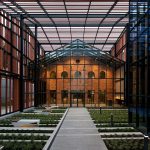
Adaptive reuse is crucial in Architectural History, allowing old industrial buildings to take on new community-focused roles. By converting warehouses into art galleries or mills into performance spaces, architects blend past and present. Original features like exposed brickwork and steel beams are retained, alongside modern amenities. This approach is environmentally responsible, reducing waste and carbon. It also revives underused districts, sparking urban regeneration. Within Architectural History, such projects preserve heritage while introducing modern utility. The result is a vibrant blend of old and new, making these spaces culturally and socially relevant, and breathing new life into neglected areas.
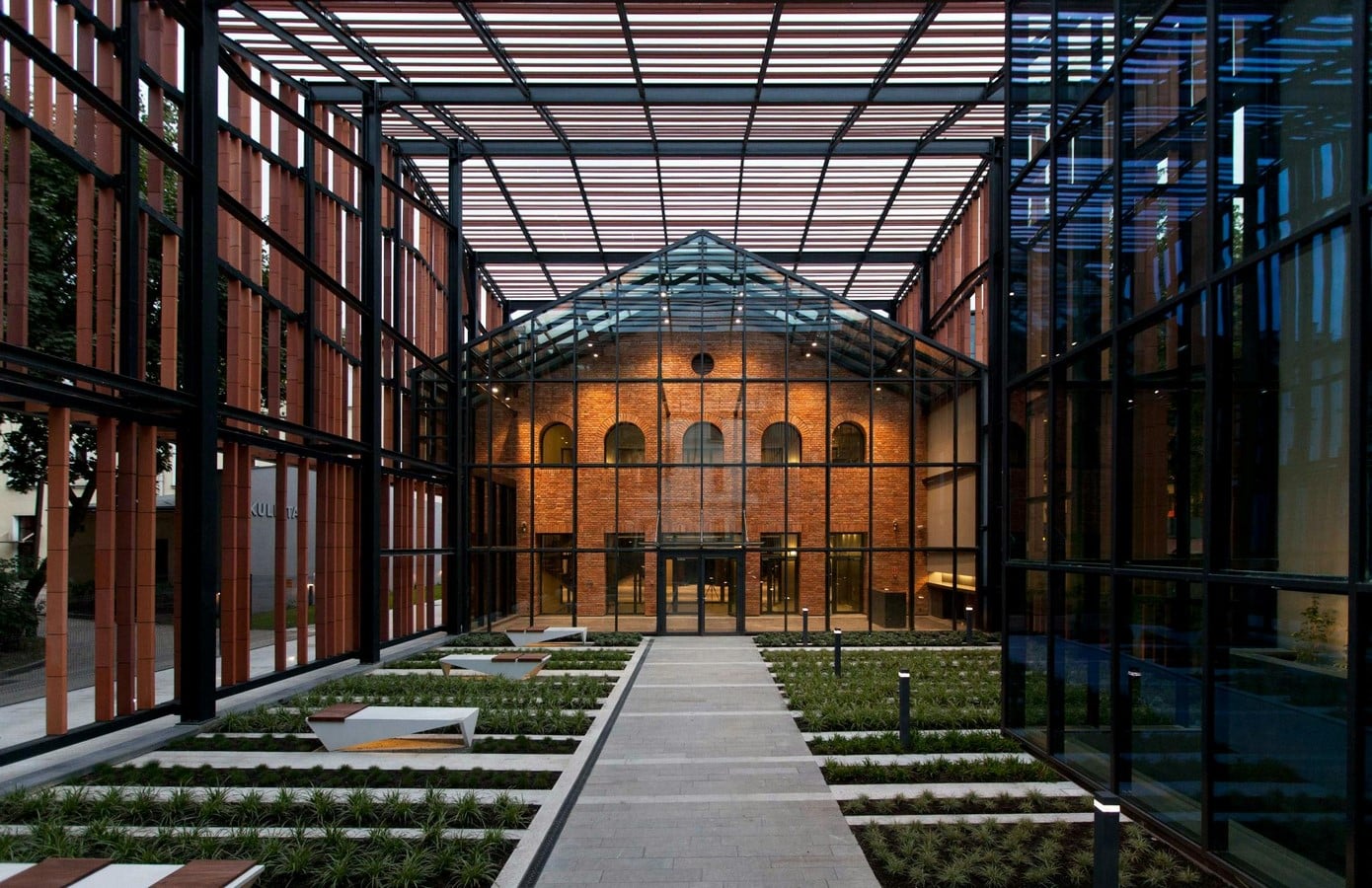
Case Studies: Global Inspirations
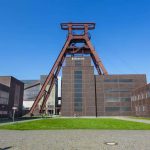
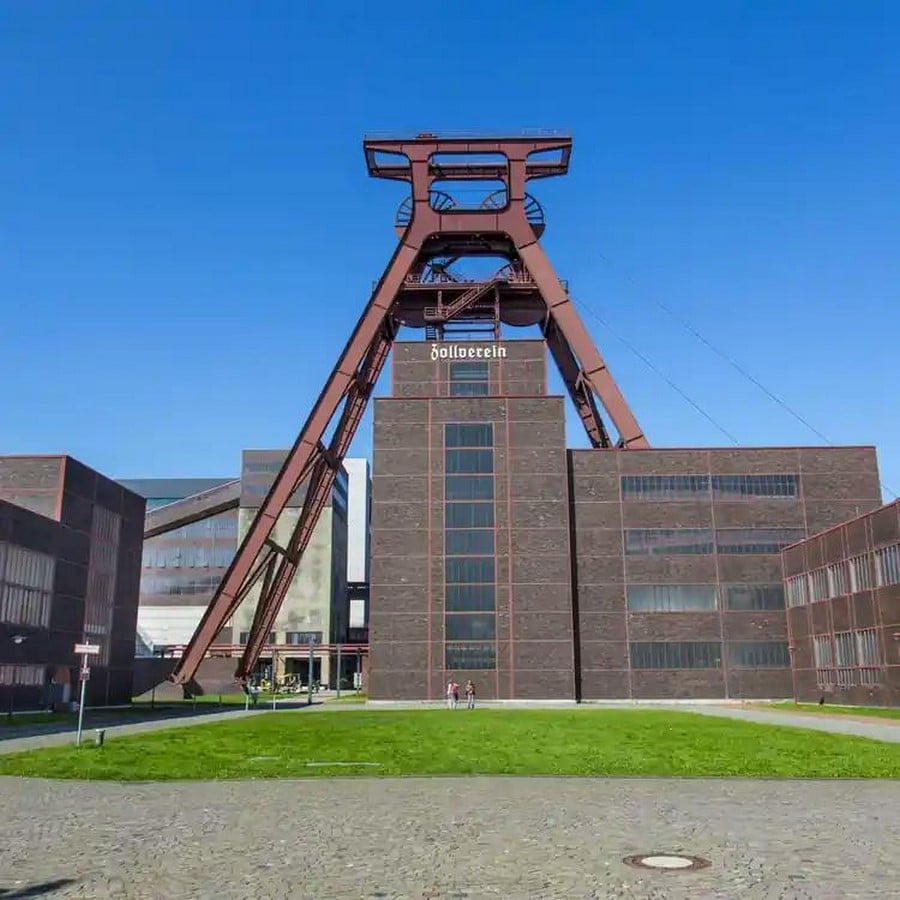
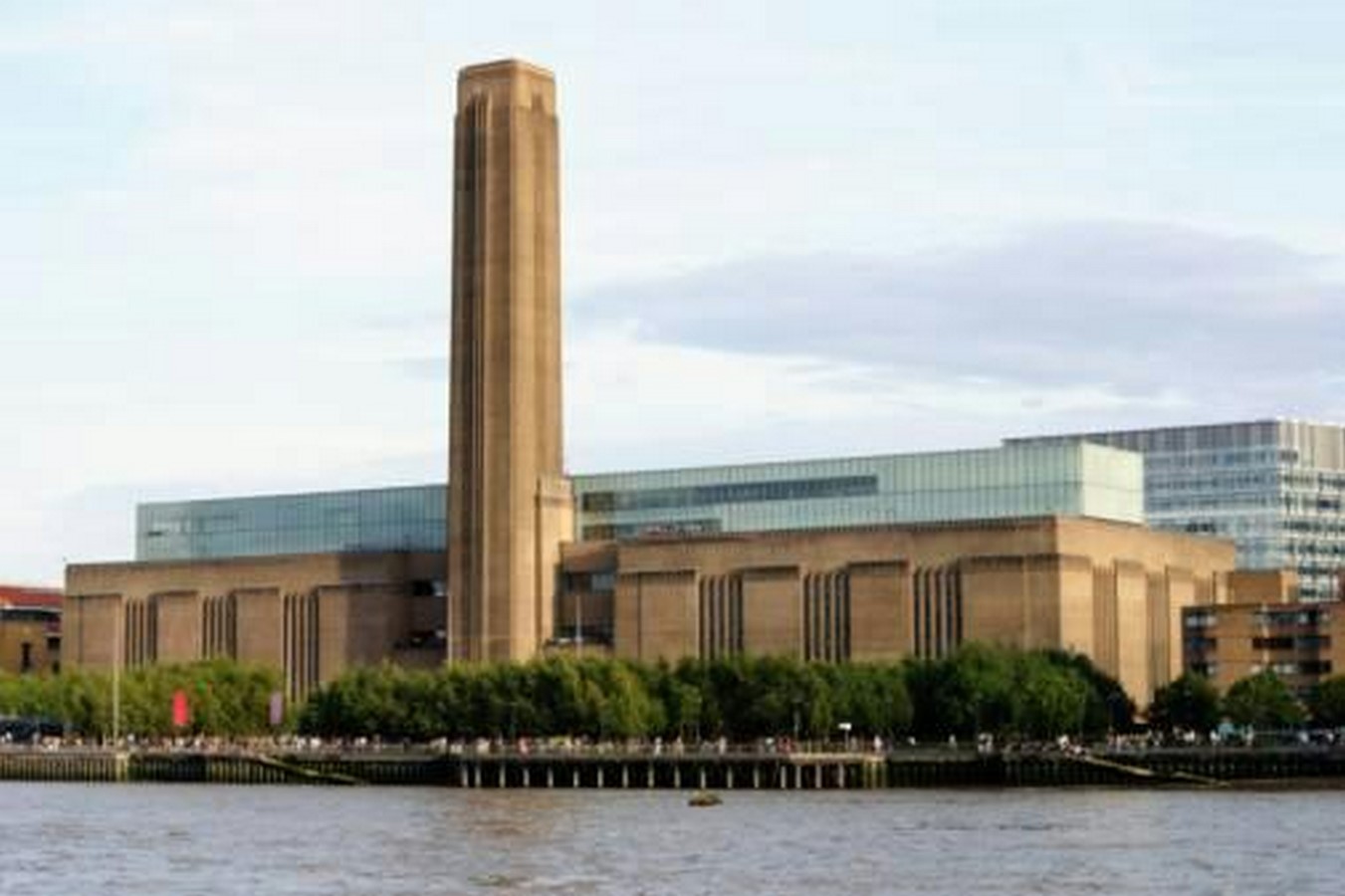
Cities worldwide showcase the potential of architectural history in cultural regeneration. The Tate Modern in London, a former power station, is a prime example. In Germany, the Zollverein Coal Mine Industrial Complex in Essen has been transformed into a UNESCO World Heritage Site, featuring museums and cultural venues. These projects respect the industrial past while adding contemporary cultural identity. Within architectural history, such repurposing breathes new life into heritage sites. These examples demonstrate that industrial sites can become cornerstones for tourism, education, and community pride when done thoughtfully, preserving the past while fostering modern creativity and cultural engagement.
The Social and Economic Benefits
Reimagining industrial heritage as cultural hubs has benefits beyond architectural preservation. In Architectural History, such projects foster social cohesion, attract tourism, and boost local economies. Community engagement ensures spaces reflect local needs, such as creative studios or public performance areas. Economically, they revitalise neglected districts, increasing property values and offering employment opportunities. Socially, they create spaces where art, history, and public life intersect, strengthening civic identity. By preserving industrial heritage, we also preserve community narratives. Within Architectural History, these projects demonstrate the value of heritage in shaping vibrant, connected communities that celebrate their past while embracing the future.
Balancing Preservation and Innovation
Adaptive reuse celebrates Architectural History, but poses challenges. Balancing authenticity with modern functions is complex. Over-renovation can erase historical character, while underinvestment may compromise safety. Architects navigate heritage guidelines, building codes, and sustainability requirements. Integrating modern systems into old structures demands creativity and skill. Successful projects blend design innovation with respect for the original industrial fabric. Within Architectural History, this balance preserves the past while embracing the future. By preserving heritage, we honour the original structure’s spirit while making it functional for modern needs, ensuring a sustainable and culturally rich legacy for generations to come.
A Future for the Past
Transforming abandoned factories into cultural hubs keeps industrial heritage alive in urban landscapes. Within Architectural History, these projects show cities can evolve while preserving their past. Adaptive reuse enables communities to honour their industrial roots while creating inclusive, sustainable spaces. As urban land becomes scarce, reimagining existing structures is crucial for heritage conservation and future city-making. By preserving industrial heritage, we lay the foundation for vibrant, connected urban futures. In Architectural History, such projects demonstrate the value of heritage in shaping thriving cities that celebrate their past while embracing innovation and progress, ensuring a sustainable future for generations to come.
Citations:
Bullen, P. and Love, P. (2011) ‘Adaptive reuse of heritage buildings’, Structural Survey.
Casella, E.C. and Symonds, J. (2005) Industrial Archaeology: Future Directions. New York: Springer.
Conejos, S., Langston, C. and Smith, J. (2013) ‘AdaptSTAR model: A climate-friendly strategy to promote built environment sustainability’, Habitat International.
Jones, S. and Graves-Brown, P. (2013) Cultural Heritage and the Contemporary Past. London: Routledge.
Plevoets, B. and Van Cleempoel, K. (2019) Adaptive Reuse of the Built Heritage: Concepts and Cases of an Emerging Discipline. London: Routledge.
Rodwell, D. (2007) Conservation and Sustainability in Historic Cities. Oxford: Blackwell Publishing.
Sudjic, D. (2016) The Edifice Complex: How the Rich and Powerful Shape the World.
UNESCO (2023) Zollverein Coal Mine Industrial Complex in Essen.