Architecture and Generation Z are closely linked. Gen Z, born from 1997 to 2012, is tech-savvy, cares about social issues, and is aware of the environment. Architecture shapes their lifestyles,…
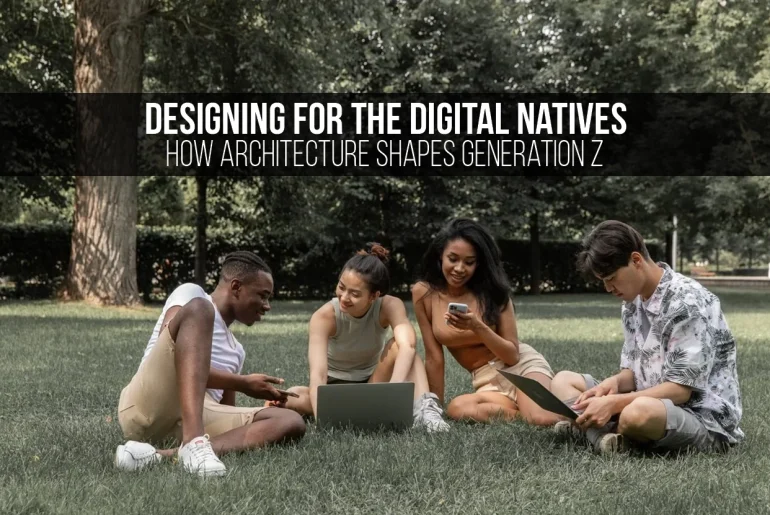


Architecture and Generation Z are closely linked. Gen Z, born from 1997 to 2012, is tech-savvy, cares about social issues, and is aware of the environment. Architecture shapes their lifestyles,…

The Brutalist (2024) is more than just a survival story; it explores how buildings shape our character and memories. A Holocaust survivor rebuilds his life in post-war America through architecture.…
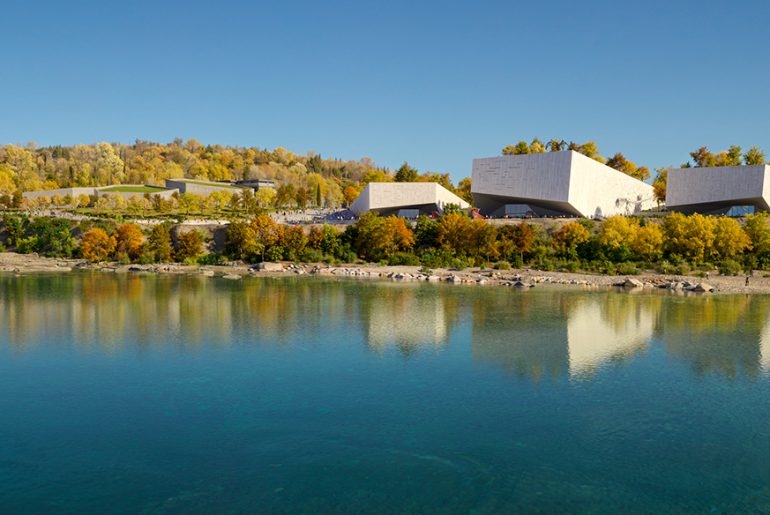
Montenegro has a rich history, with many different cultures leaving their mark on the land. The Ministry of Montenegro has announced the winner of an international competition for a new…
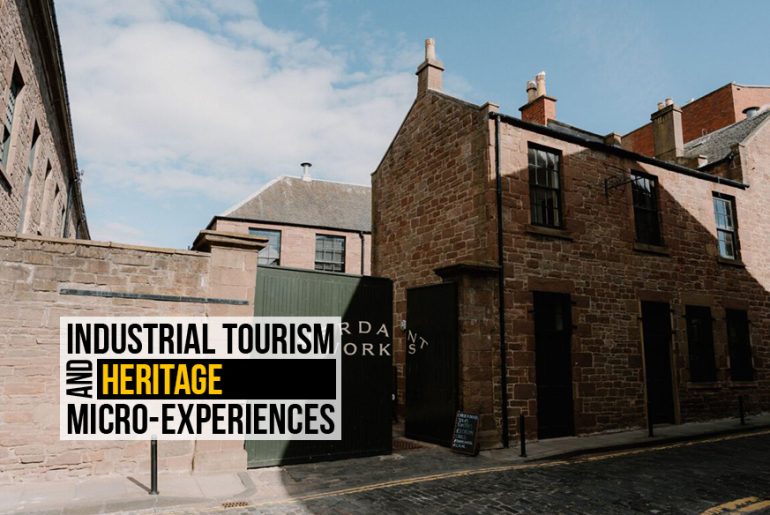
Industrial Tourism breathes new life into historic industrial sites, transforming them into interactive destinations that showcase a region’s heritage. By offering guided tours, hands-on workshops, and immersive museums, visitors can…
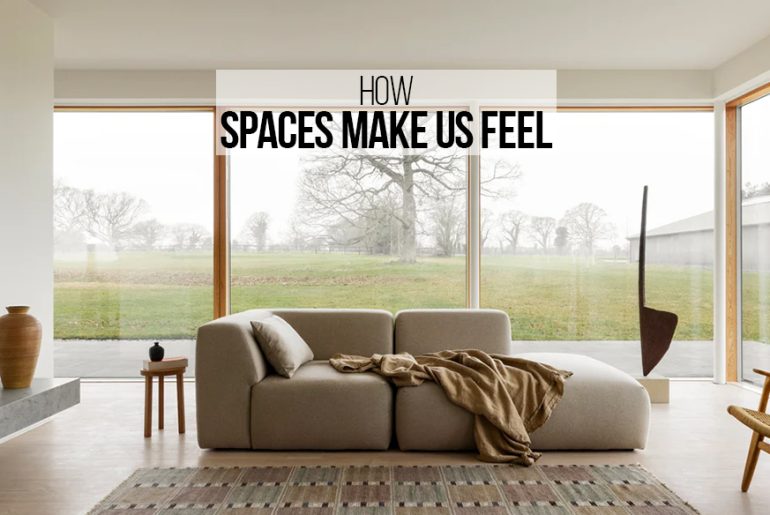
Spaces are never silent; they whisper stories, evoke memories, and shape emotions. The dim serenity of a chapel or the bright buzz of a community plaza can profoundly impact our…

Industrial sites have been crucial to cities, shaping economies and identities. Today, many factories, mills, and warehouses lie idle. Within Architectural History, these sites are more than obsolete structures; they…
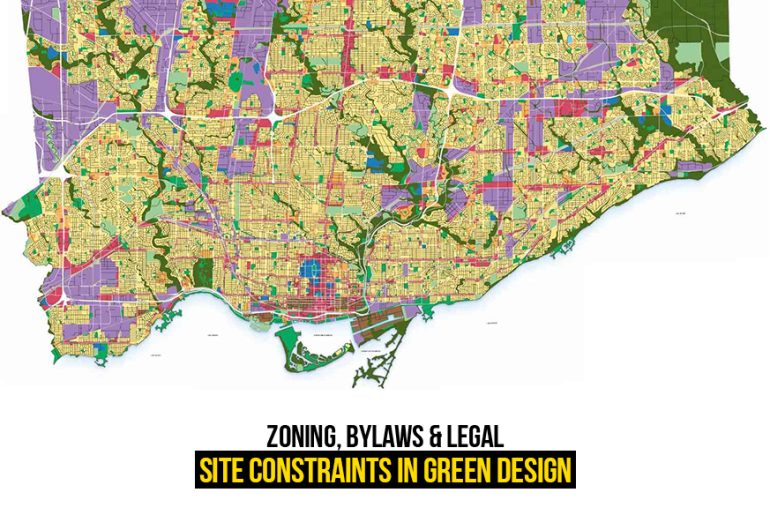
Green Design is about creating buildings that are good for the environment. But it’s not just about being eco-friendly, there are many rules to follow. Zoning laws and bylaws say…

Rem Koolhaas and Madelon Vriesendorp’s book “Exodus, or the Voluntary Prisoners of Architecture” is a thought-provoking work. Published in 1972, it blends design, fiction, and satire. The story follows people…

The Need for Smarter Mobility Cities are struggling to provide good transport due to growing populations and pollution. A smart transport system can help. It uses technology like data analysis…

Napier Museum is also known as the Government Art Museum, it is one of the oldest art and natural history museums. In the capital city of Kerala lies a gem…

Gentrification is the transformation of urban neighbourhoods through investment and redevelopment, often resulting in the displacement of lower-income residents. At the heart of this transformation is architecture. The design of…

Spatial injustice is not merely an abstract concept; it manifests in the form of slums, disconnected transit, marginalised peripheries, and gentrified cores. Decades of policy neglect have reinforced these patterns…