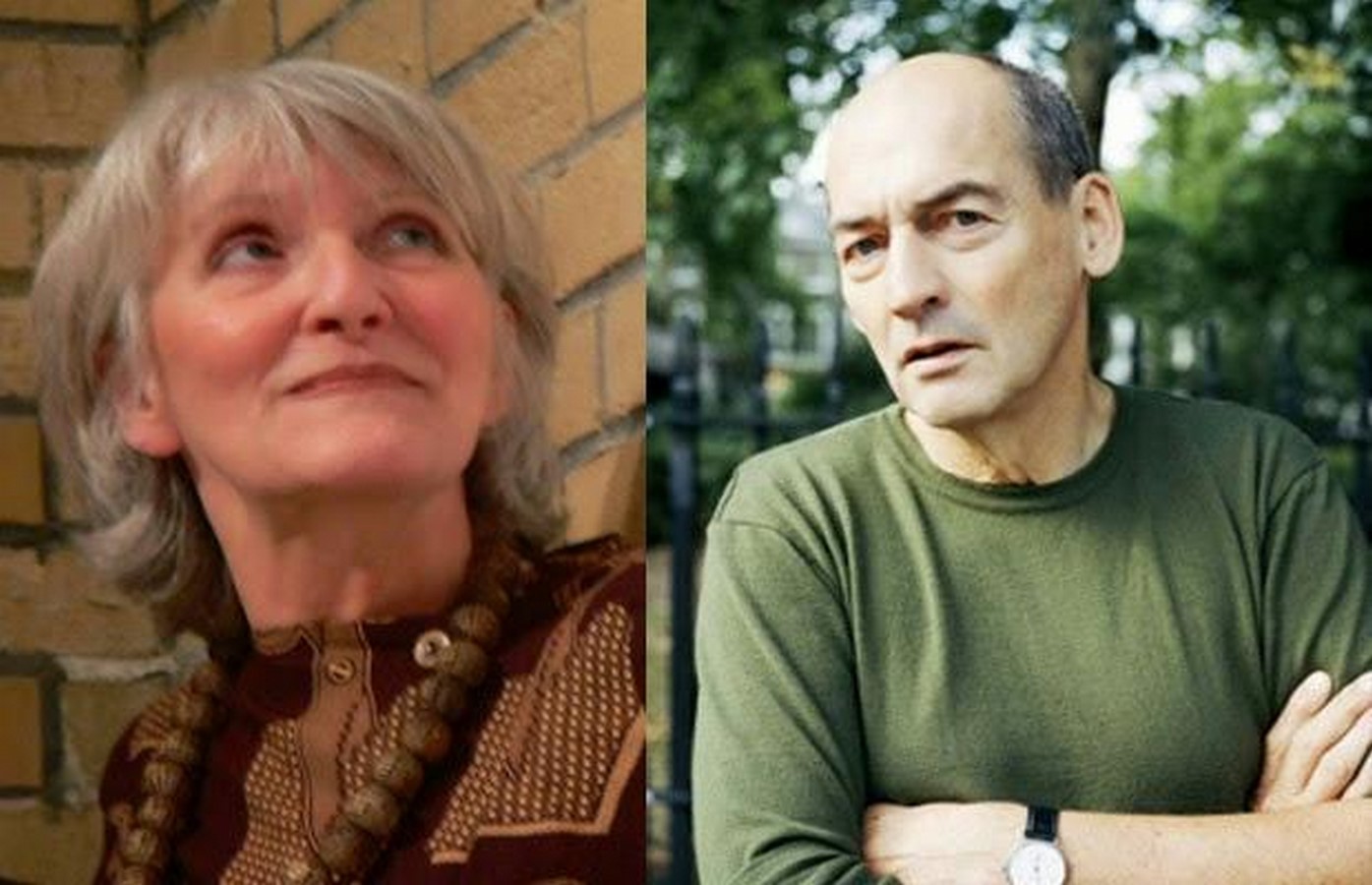
Rem Koolhaas and Madelon Vriesendorp‘s book “Exodus, or the Voluntary Prisoners of Architecture” is a thought-provoking work. Published in 1972, it blends design, fiction, and satire. The story follows people trapped in a long architectural strip through London. Rem Koolhaas and Madelon Vriesendorp explore the psychological power of architecture. Through surreal visuals and storytelling, they challenge conventional thinking about cities and confinement. Rem Koolhaas and Madelon Vriesendorp’s work questions the role of architecture in shaping society. By presenting a fictional scenario, they highlight the impact of design on human behavior. This book is a commentary on the relationship between architecture and society.
A Radical Thought Experiment in Architectural Fiction
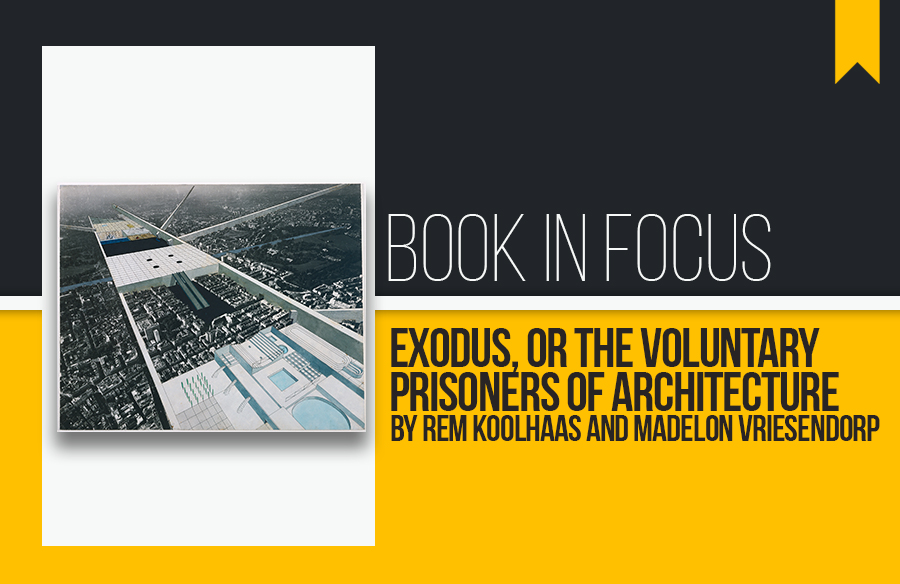
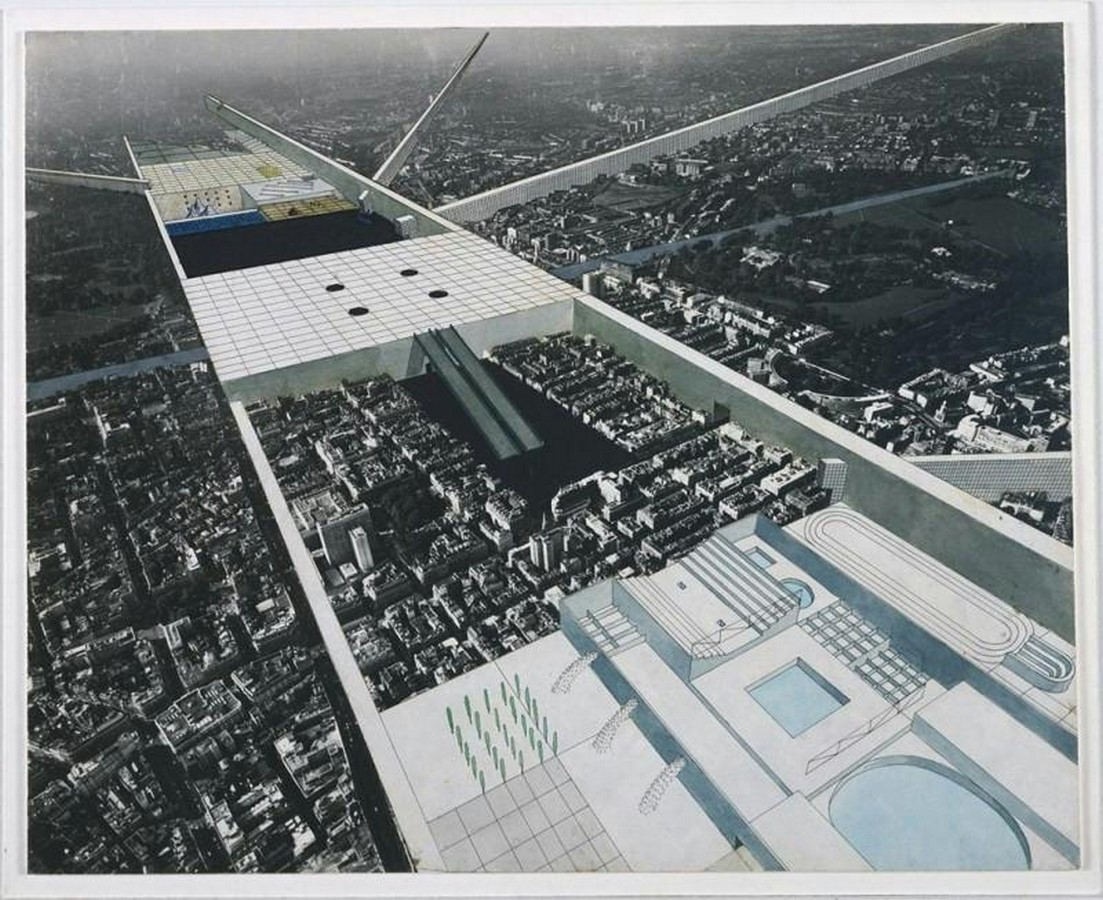
Rem Koolhaas and Madelon Vriesendorp’s “Exodus” is a radical thought experiment. The city is broken, and the solution is a linear structure dividing London’s urban fabric. People enter and stay inside, where life is controlled by architecture. This storyline critiques and proposes a space where citizens choose to be contained. Rem Koolhaas and Madelon Vriesendorp combine narrative and theory, creating a visually stimulating and intellectually demanding world. Their work shows how architecture can impose psychological control. By weaving together ideas and visuals, Rem Koolhaas and Madelon Vriesendorp build a compelling case. Their unique approach makes “Exodus” a thought-provoking read. Rem Koolhaas and Madelon Vriesendorp’s innovative blend of fiction and theory continues to inspire.
The Power of Visual Storytelling
Rem Koolhaas and Madelon Vriesendorp’s “Exodus” stands out due to its powerful visuals. Vriesendorp’s illustrations, including collages and surreal sketches, are key to the narrative. They convey emotions and ideas beyond words, provoking thought and reflection. These images show architecture’s impact on human behavior, choices, and desires. Rem Koolhaas and Madelon Vriesendorp’s work highlights architecture’s non-neutrality. One iconic image features a wall slicing through London, symbolizing disruption. Through visuals, they convey architecture’s influence on society. Rem Koolhaas and Madelon Vriesendorp’s innovative approach makes “Exodus” a thought-provoking read. Their blend of visuals and narrative continues to inspire new perspectives on architecture’s role in shaping human experience.
Themes and Takeaways
Rem Koolhaas and Madelon Vriesendorp’s “Exodus” explores key themes that foreshadow Koolhaas’ later work. The book touches on urban contradictions, hyper-programming, and architecture’s role in society. It critiques modernist purity, embracing an ironic attitude towards architectural utopias. Main themes include architecture as a psychological tool, voluntary confinement, and the role of myth-making in design. Rem Koolhaas and Madelon Vriesendorp question architecture’s purpose: is it for liberation or control? The book masterfully explores this tension, leaving readers to ponder the true role of architecture. Rem Koolhaas and Madelon Vriesendorp’s work challenges conventional thinking, offering a thought-provoking commentary on architecture’s impact.
Accessibility and Complexity
Rem Koolhaas and Madelon Vriesendorp’s “Exodus” is a complex read that demands attention and imagination. It’s a treasure trove of ideas for architecture and urbanism students, but its fragmented format and abstract theory may frustrate some readers. With patience, the book unfolds like a conceptual puzzle worth assembling. It’s ideal for those interested in architectural philosophy, urban politics, or speculative design. Rem Koolhaas and Madelon Vriesendorp’s genius lies in forcing readers to think beyond physical structures and explore design’s deeper meaning. Their work challenges conventional thinking, offering a thought-provoking commentary on architecture’s impact. Rem Koolhaas and Madelon Vriesendorp’s innovative approach makes “Exodus” a valuable resource for those willing to engage with its complexities.
Why it matters
Rem Koolhaas and Madelon Vriesendorp’s “Exodus” remains relevant today. Cities are divided by class, technology, and climate barriers, making the idea of voluntary imprisonment relatable. Gated communities and digital echo chambers echo the book’s themes. The authors predicted people would trade freedom for comfort and order, especially in architecturally designed spaces. Rem Koolhaas and Madelon Vriesendorp’s work offers a lens to critique our urban present. Their visionary ideas continue to resonate, helping us understand the complexities of modern cities. By exploring the trade-offs between freedom and comfort, Rem Koolhaas and Madelon Vriesendorp’s work stays timely and thought-provoking. Their book is a valuable resource for understanding urban issues.
Conclusion: A Challenge to Readers and Designers
Rem Koolhaas and Madelon Vriesendorp’s “Exodus” is an architectural provocation that pushes boundaries. Blending fiction, graphics, and polemic, it’s a thought-provoking read. Although challenging, the book is important, forcing introspection and ethical consideration. It dares architects to think critically about design’s impact. Rem Koolhaas and Madelon Vriesendorp warn about controlled environments’ seductive power. Their work reminds us that design is never neutral, and the best architecture raises questions rather than providing answers. By exploring complex themes, Rem Koolhaas and Madelon Vriesendorp’s book offers valuable insights. It’s a must-read for those interested in architecture’s role in shaping society. Their innovative approach continues to inspire and challenge readers.
Citations:
Koolhaas, R., & Vriesendorp, M. (1972) Exodus, or the Voluntary Prisoners of Architecture. London: Architectural Association.