Industrial Tourism breathes new life into historic industrial sites, transforming them into interactive destinations that showcase a region’s heritage. By offering guided tours, hands-on workshops, and immersive museums, visitors can experience the stories of workers, industries, and communities that shaped the area. This approach preserves architecture, machinery, and cultural heritage while stimulating local economies. Industrial Tourism combines Architectural History with engaging experiences, fostering cultural appreciation and economic growth. With the global Industrial Tourism market projected to grow significantly, reaching $4.5 billion by 2032, this unique tourism sector is set to continue its upward trend, promoting regional identity and sustainability
Defining Industrial Tourism
Industrial Tourism transforms industrial spaces into engaging destinations, offering insights into past economic growth drivers. Gone are the days of static displays; today’s Industrial Tourism features interactive experiences like craft demos and augmented reality reconstructions. Visitors can explore restored machinery, gaining hands-on understanding of industrial processes. By incorporating industrial archaeology, these experiences become even more authentic. This blend of tangible artefacts and engaging interpretation makes Industrial Tourism a compelling tool for cultural storytelling. With its growing popularity, Industrial Tourism now showcases manufacturing heritage, technological innovations and craftsmanship, attracting diverse audiences worldwide
Case Study: Verdant Works, Scotland
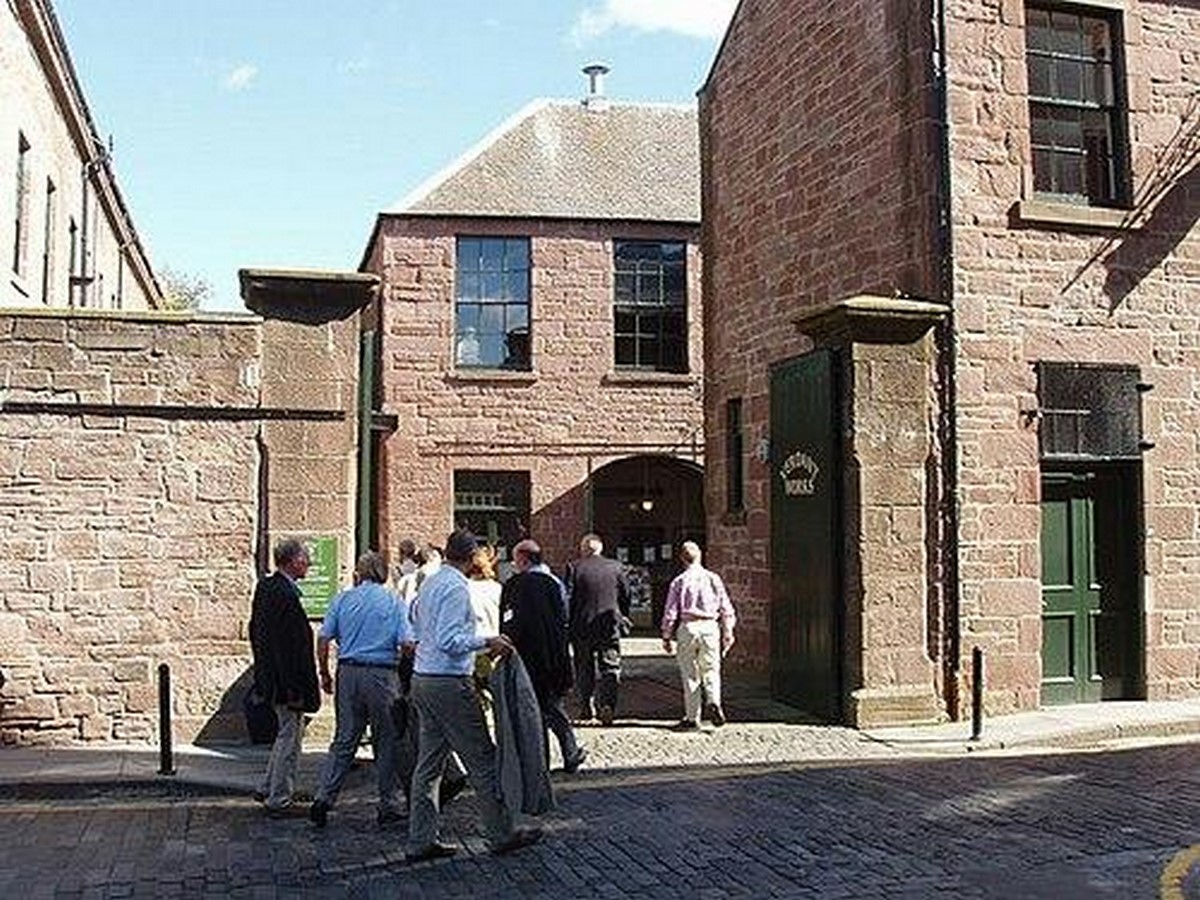
Verdant Works in Dundee exemplifies Industrial Tourism done right. This restored jute mill museum immerses visitors in Dundee’s industrial history, showcasing original looms and recreated workshops. Interactive displays bring the past to life, while demonstrations and personal accounts from former workers provide a deeper understanding of the industry’s impact. By preserving the site’s architecture and incorporating authentic artefacts, Verdant Works creates a living, breathing experience. Industrial Tourism thrives here, revitalising a local landmark and attracting global visitors. With its rich history and engaging exhibits, Verdant Works demonstrates the power of Industrial Tourism in preserving cultural heritage and promoting local identity, making it a must-visit destination
Case Study: Blaenavon Industrial Landscape, Wales
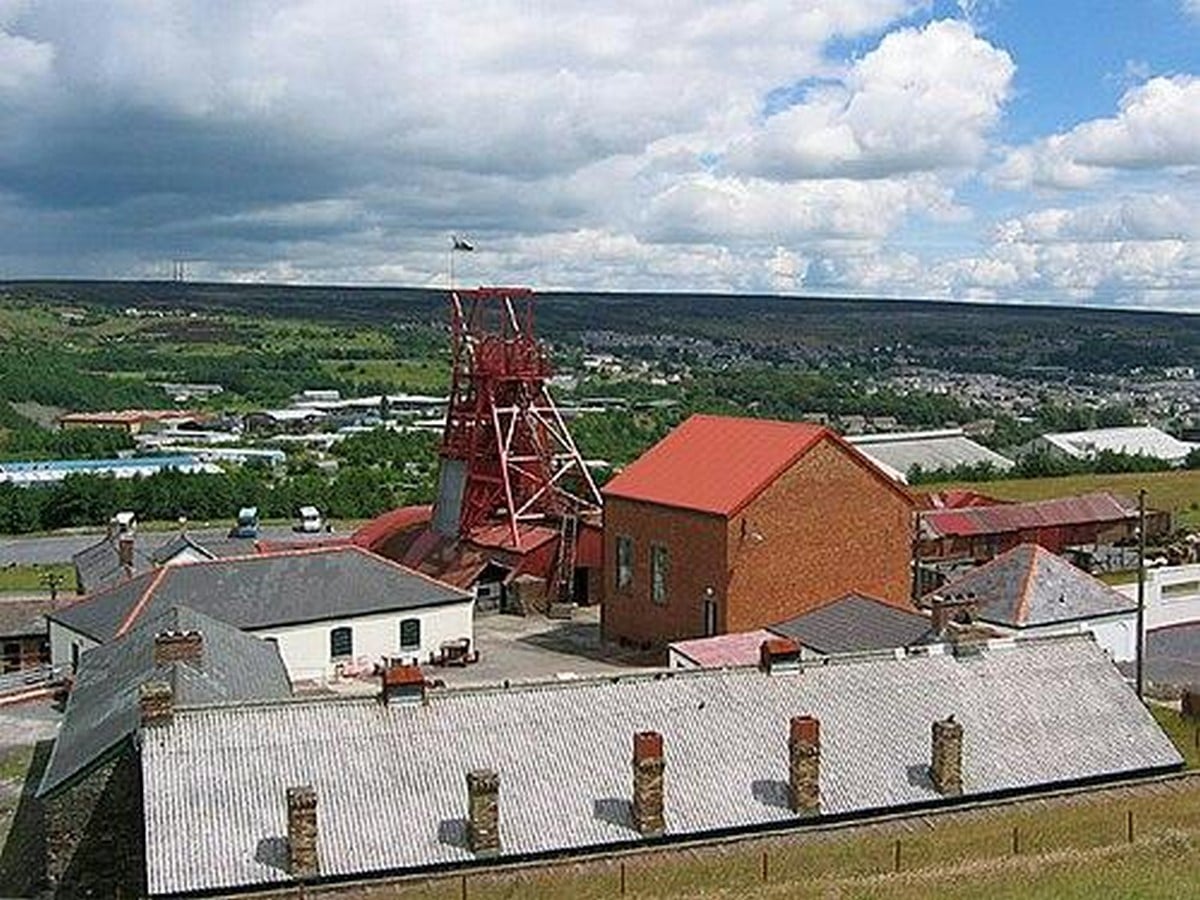
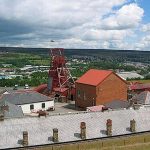
Blaenavon Industrial Landscape, a UNESCO World Heritage Site, showcases Industrial Tourism by incorporating multiple heritage elements. Visitors can explore the Big Pit National Coal Museum, historic ironworks and preserved workers’ housing, gaining insight into the lives of industrial workers. By descending into actual coal mines and participating in guided walks, tourists experience the technological achievements and social histories of the community. Industrial Tourism thrives in Blaenavon, offering an immersive and educational experience that highlights the connections between industrial processes and community life. This site demonstrates the potential of Industrial Tourism to promote cultural understanding and appreciation, making it a must-visit destination for history enthusiasts and industrial heritage fans
Socio-Economic Impact

Industrial Tourism benefits local communities by creating jobs, attracting investment, and stimulating businesses like hotels and restaurants. It also fosters civic pride by celebrating industrial achievements and identity. However, projects must balance commercial viability with heritage preservation. Over-commercialisation can undermine authenticity, while underfunding limits accessibility. A sustainable Industrial Tourism strategy prioritises long-term maintenance, community involvement, and heritage-sensitive development. By doing so, Industrial Tourism can ensure that both cultural and economic benefits endure, providing a lasting legacy for local communities and promoting a deeper understanding of their industrial heritage and history. This approach supports thriving local economies and preserves cultural identity.
A New Chapter for Industrial Heritage
Industrial Tourism breathes new life into industrial heritage, blending preservation with interactive experiences that engage modern audiences. Sites like Verdant Works and Blaenavon demonstrate the potential for abandoned factories to become cultural hubs with global appeal. Guided by industrial archaeology, community involvement, and sustainable planning, Industrial Tourism safeguards history while stimulating local economies. By honouring the past, Industrial Tourism inspires future generations and showcases the value of industrial heritage. With its unique blend of history, culture, and education, Industrial Tourism proves that the machinery of the past can indeed power the cultural engines of the future, fostering a deeper appreciation for industrial legacy.
Citations:
Guerra, T., Moreno Pacheco, M.P., Araújo de Almeida, A.S. & Vitorino, L.C. (2022) ‘Authenticity in industrial heritage tourism sites: Local community perspectives’, European Journal of Tourism Research
Montenegro, Z., Marques, J. & Sousa, C. (2023) Understanding the Concept of Industrial Tourism: A Systematic Review of the Literature, Sustainability
UNESCO (n.d.) Blaenavon Industrial Landscape, UNESCO World Heritage Centre.
Wikipedia (2025) Verdant Works.