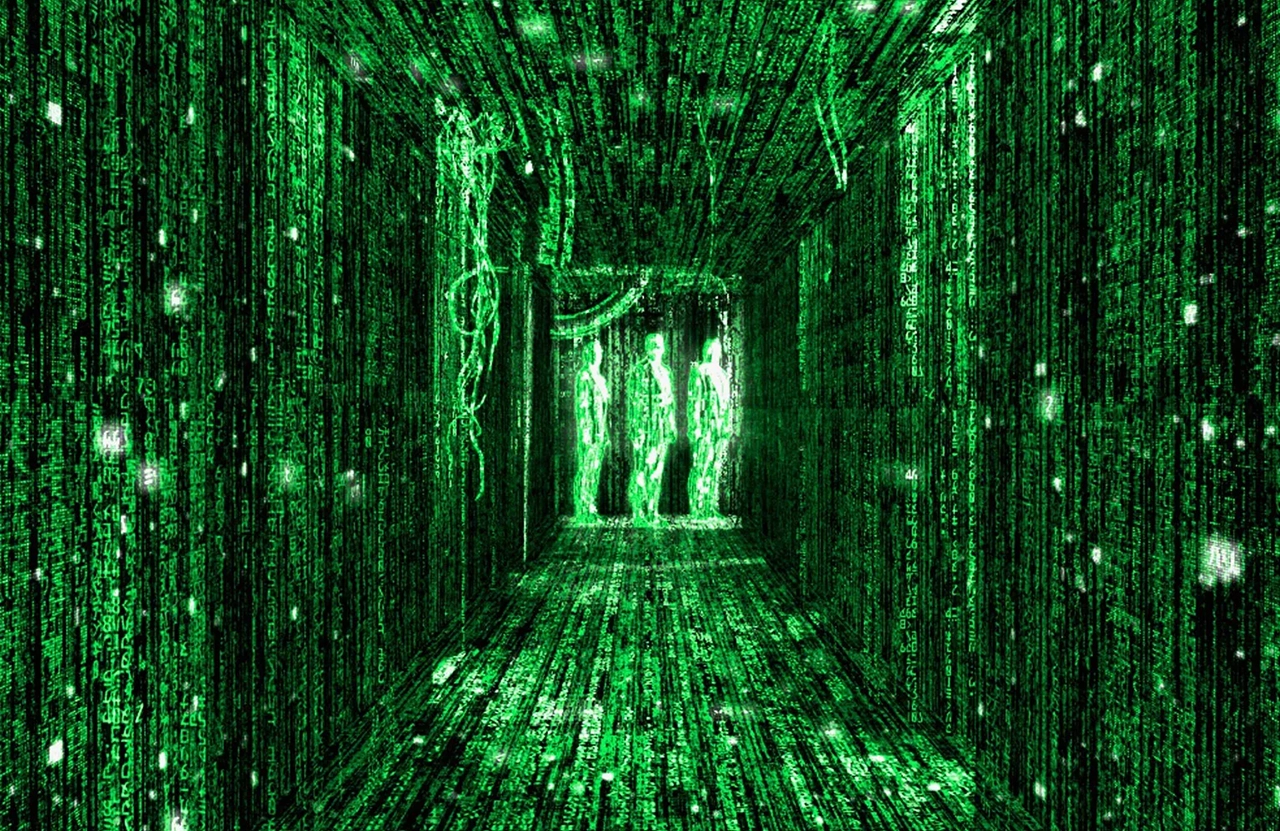
The Matrix (1999) is a science fiction film that interestingly weaves together philosophy, technology, and action. Residing in a dystopian future, the protagonist Neo discovers that the reality he perceives is a simulated reality controlled by intelligent machines. The film’s themes of realism, control, and perception are wise lessons for architects and designers. The film’s narrative is intricately woven into its architectural settings, making it a very rich subject to consider from the way spaces can affect human behaviour and perception of reality. This paper examines the architectural elements in The Matrix and their implications for contemporary design practice without reference to plot or twists.
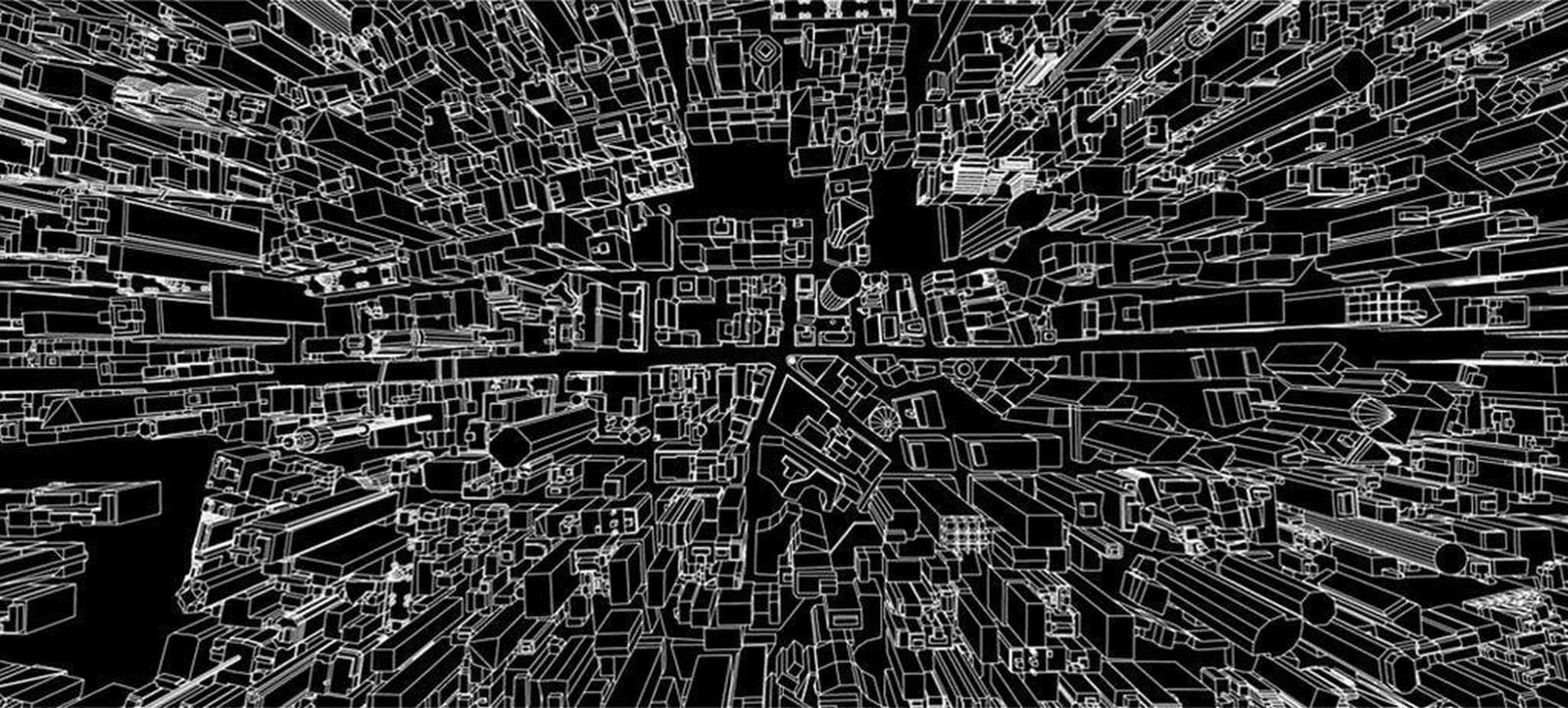
The Matrix as a Constructed Reality
The core of The Matrix is simulated reality—a world constructed by machines for the deception of human minds. The architecture of the Matrix is designed to duplicate the world but with subtle, artificial elements that betray its nature. From a design point of view, the Matrix operates as an allegory for how architecture can shape and inform human perception and behaviour. Since, in the movie, the virtual world is constantly being manipulated by machines, there is potential for architecture that would hold positions of authority over the way people experience their environment.
That spatial manipulation in the Matrix – where, for instance, the environment may be switched at will to perform that gravity-defying bullet dodging – serves to illustrate how architecture can be a potent manipulator of human perception. Architecturally speaking, spaces are designed to elicit certain emotional and behavioural responses. For example, the design of a hospital can be intended to calm patients, while the architecture of a corporate office can be designed to increase productivity or convey power (Huisman, 2016). The Matrix challenges viewers to consider how the built environment, even in a virtual world, can dictate actions and influence thought.
The key takeaway for designers: The Matrix teaches that architecture’s role extends beyond form and function and can shape human experience, psychology, and behaviour in ways that can either constrain or liberate.
Dystopian Architecture and Urban Decay in the “Real World”
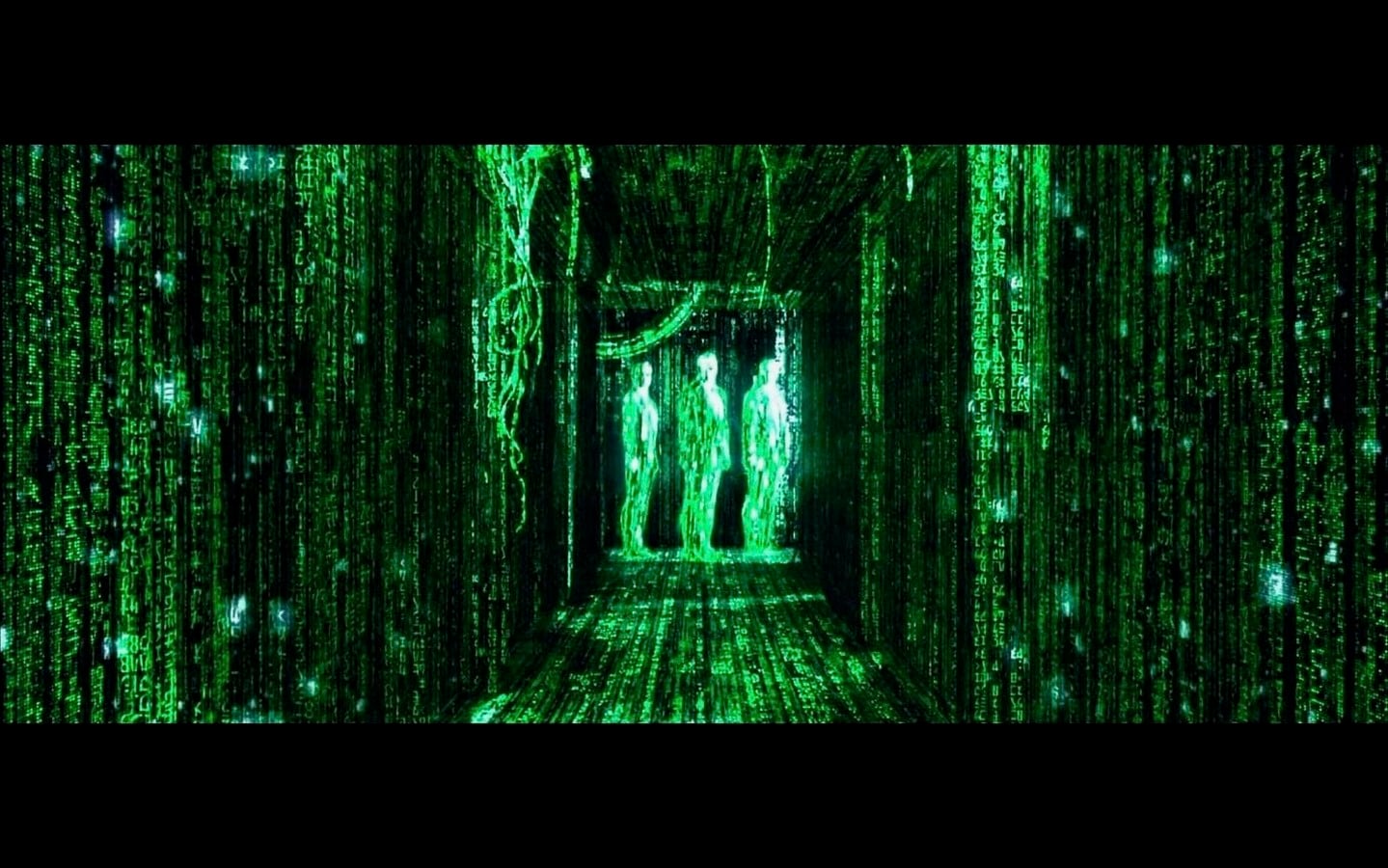
In strong contrast to the manipulated ideal of the Matrix movie, the real world of that film exists as a dystopian landscape of urban decay, ruin, and isolation. This world contrasts sharply with the polished and controlled realms within the Matrix. From these come desolate cityscapes, crumbling buildings, and the air badly polluted, physically manifesting this collapse of society. Architectural decay in The Matrix resonates with themes of a failed society and failing cities, ideas that mirror modern worries over such issues as environmental degradation, resource depletion, and overpopulation (Bourne, 2014).
The ruins in the “real world” stand as a space of abandonment, from the sleek, manicured environments designed for control in the Matrix. The environment decays, and a sense of desolation reflects a world ravaged by neglect and disrepair. These elements of urban design accentuate the failure of both human society and its built environment and critique starkly and harshly the current practices of urban planning in terms of growth and development in preference to long-term sustainability.
The key takeaway for designers: The Matrix would thus call architects to meaningful considerations over the future effects of urban sprawl and neglect. The decaying city in the movie acts almost as a lesson, underlining the importance of sustainable design that takes into account the span of years plus the vitality of urban space.
Iconic Architecture and Action Sequences: The Role of the Urban Landscape
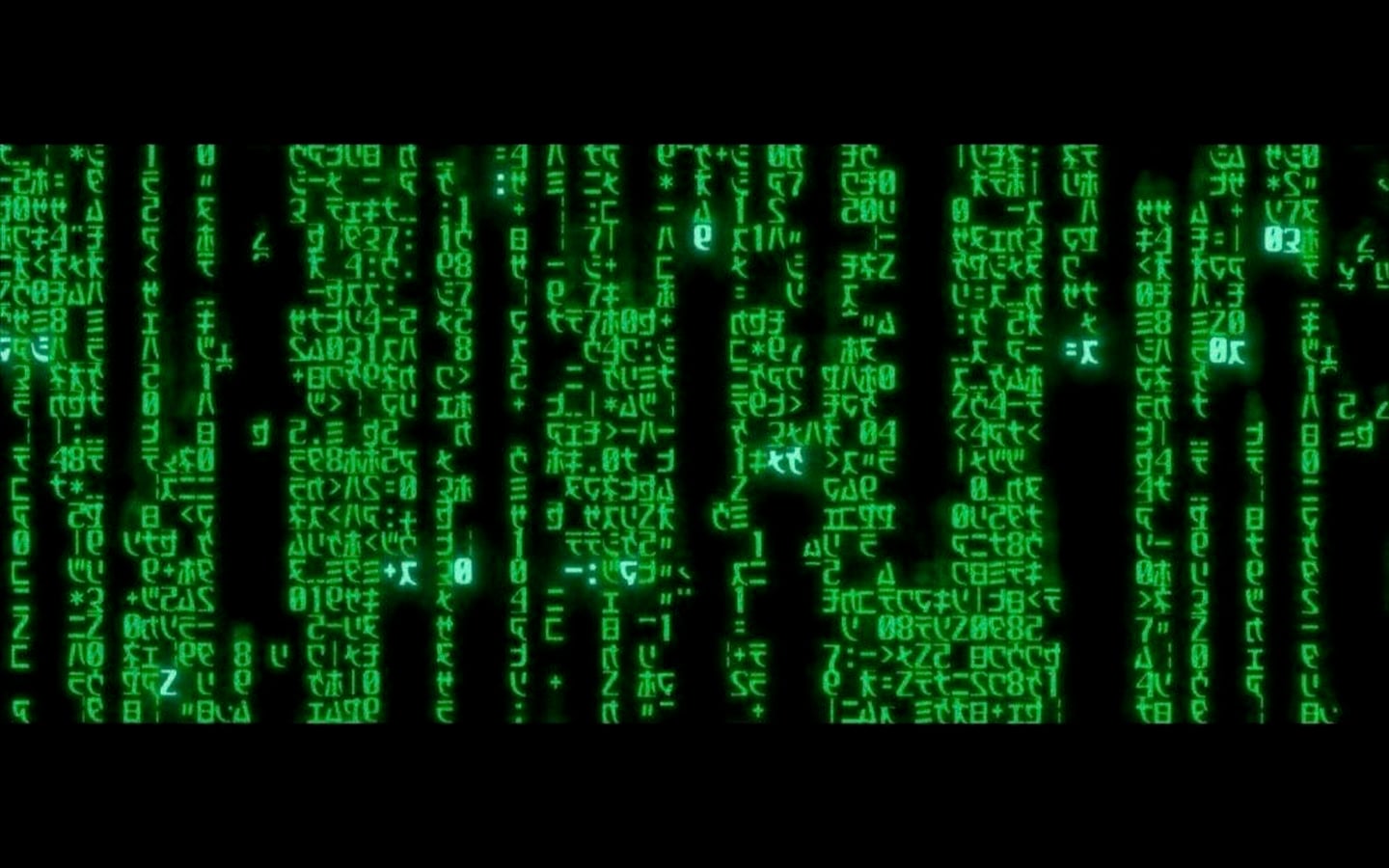
One of the most impressive things about The Matrix is its employment of action sequences in connection with the architecture of the city. Iconic scenes – such as the rooftop chase and the slow-motion bullet-dodging fight through the air of a sterile office building – transform architectural spaces into active participants within the narrative. The film shows how architecture can provide an integral part of the action, moving the pacing, tension, and stakes of a scene. The use of space in action films can enhance the viewer’s experience by using the environment as a tool for character development and dramatic effect (MacDonald, 2019).
The rooftop scenes in particular showcase the urban grid as a stage for movement and escape. The sharp angles and rigid geometry of the city’s built environment provide both an obstacle and a tool for the characters’ actions. By doing so, the structure in The Matrix plays the role of a dynamic power, giving it the power to determine choices and actions in the movie. Secondly, the usage of slow motion and dramatic angle shots in the film underlines the need for spatial awareness to evoke feelings of action and movement.
The key takeaway for designers: Architects can learn from The Matrix how to design spaces that do more than simply house activities—they should create environments that facilitate or challenge movement, shaping experiences in dynamic ways. Architecture can be a tool to enhance dramatic storytelling, whether in action films or real-world environments.
The Matrix as Metaphor for Human Behavior in Space
As Neo learns to manipulate the Matrix environment in the film, it is thus an exploration of human behaviour and how human beings interact with and perceive their built environment. Neo is on a journey of awakening as he comes to learn that the physical boundaries of the simulated world are not fixed but can be twisted according to his will. This can be interpreted as a commentary on how architecture and space can influence human behaviour and perception.
Architectural design often subtly attempts to influence behaviour. For example, public spaces can invite or discourage particular behaviours: socializing or loneliness. In The Matrix, how Neo can change an environment somehow resonates with how humans adapt to and/or manipulate spaces for their purposes. As the design of spaces becomes more fluid and dynamic in the digital world of the Matrix, it raises questions about the potential for real-world architecture to similarly empower individuals.
The key takeaway for designers: The Matrix allows the practice of fluid, adaptive design that enables human beings to mould space to their will. Architects learn how spaces can be limiting or expansive, and designs that empower open mobility, interaction, and creativity.
Architecture of Control: Surveillance and Surveillance Spaces
Another central theme in The Matrix is surveillance. The simulated world of the Matrix is essentially built to control human minds and monitor them at all times through the machines that command the Matrix. In this world, surveillance pervades every aspect, and buildings and spaces are a part of the system that controls the movements of humans. Buildings and areas in the Matrix impose limitations on people’s movements; in this regard, surveillance is used as a means of exercising domination over people.
Similarly, the real-world city in The Matrix is a playing space for power dynamics at play. Spaces occupied by the characters are often under constant surveillance by higher powers, be it machines controlling the Matrix or agents searching for rebels. In one sense, The Matrix reminds viewers of how architecture could be used as an instrument of social control and surveillance.
The key takeaway for designers: Architects can draw lessons from The Matrix, the potential for surveillance architecture—spaces that enable control and the ethical implications of designing environments that limit privacy and freedom. A vital role for designers should be, first and foremost, about transparency and the promotion of human autonomy in the practice of architecture.
Architecture as Tool to Shape Reality
The Matrix serves as a philosophical exploration of reality and a visual masterclass on how architecture can shape human experience. From virtual spaces shrouding perception to the crumbling nature of urban landscapes that symbolise the end of a sociological system, architecture profoundly shapes our world in the most positive or negative ways. In this sense, the Matrix is helpful for designers in that it teaches how space can influence behaviour, how architecture can empower or restrain human activity, and how our environments reflect societal values and ideas. For architects, this means thinking not only about housing activities in built spaces but perhaps much more importantly about how built spaces can influence human action, shape human emotions, and change perceptions of reality.
Whereas The Matrix presents a dystopian vision of the future, it gives room for designers to ponder over the ethics of spaces we induct. We, as architects, can design spaces that uplift or constrain human experience. In this sense, The Matrix is a potent reminder that architecture is never neutral-it is always closely intertwined with the realities we create for ourselves and others.
References:
Bourne, S. (2014). The role of architecture in shaping societal collapse: A critique of urban planning practices in dystopian narratives. Architectural Journal, 22(3), 45-59. https://doi.org/10.1177/2333058414537740
Huisman, S. (2016). Environmental psychology and the design of meaningful spaces: Influences of space on human behaviour. Journal of Urban Design, 19(4), 514-532. https://doi.org/10.1080/13574809.2016.1166729
MacDonald, J. (2019). Spatial design in action: Architecture as a tool for cinematic storytelling. Architecture and Film, 27(2), 74-85. https://doi.org/10.1016/j.arch.2019.03.005
Wachowski, L., & Wachowski, A. (Directors). (1999). The Matrix [Film]. Warner Bros. Pictures.
Nickname. (2018, June 29). Blue Pill City – the architecture of perception / e-zeppelin. E-zeppelin. https://e-zeppelin.ro/en/blue-pill-city-the-architecture-of-perception/
Part 1: MATRIX Philosophy and Cinematography – ERIC KIM. (2018, June 6). https://erickimphotography.com/blog/2018/06/06/part-1-matrix-philosophy-and-cinematography/