Architecture and Urban Design are integral components of Urban Development. The ever-evolving field of future design and innovation lays the foundation for upcoming sustainable trends essential for creating resilient cities, balancing urban growth and managing problems that urban designers might encounter in the coming years. Earlier Urban Development was a concept that dealt with growing cities. Now the horizon is vast and complex. The impact of future design determines not only the management of urban sprawl and large metropolitans but also the intricate issues within the cityscape. Urban development is a work in progress with numerous ingredients in just the right amount at the right time making it dynamic and intriguing.

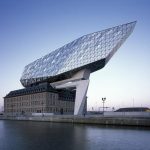
In the times when the narrative of Urban Design or Future Design strategies revolved only around infrastructure development, the city fabric yearned for larger structures that could become a new landmark. Cities were mostly organically developing with a lack in urban planning and Transport Planning. Although new Buildings with Modern Designs were coming up, the basic layering ideology was to just increase infrastructure built of concrete and glass. Often designers, architects and engineers failed to realize the need for a deeper perspective of problem-solving approaches that were the true essence of future design like sustainable inputs, transport and drainage planning, mixed-use developments, place-making, public-open spaces, adaptive reuse, innovative and resilient design solutions, affordable housing and more. In recent times all these ideas are being realized and many new design dialogues are staged alongside action being taken towards a brighter and better urban morphology.
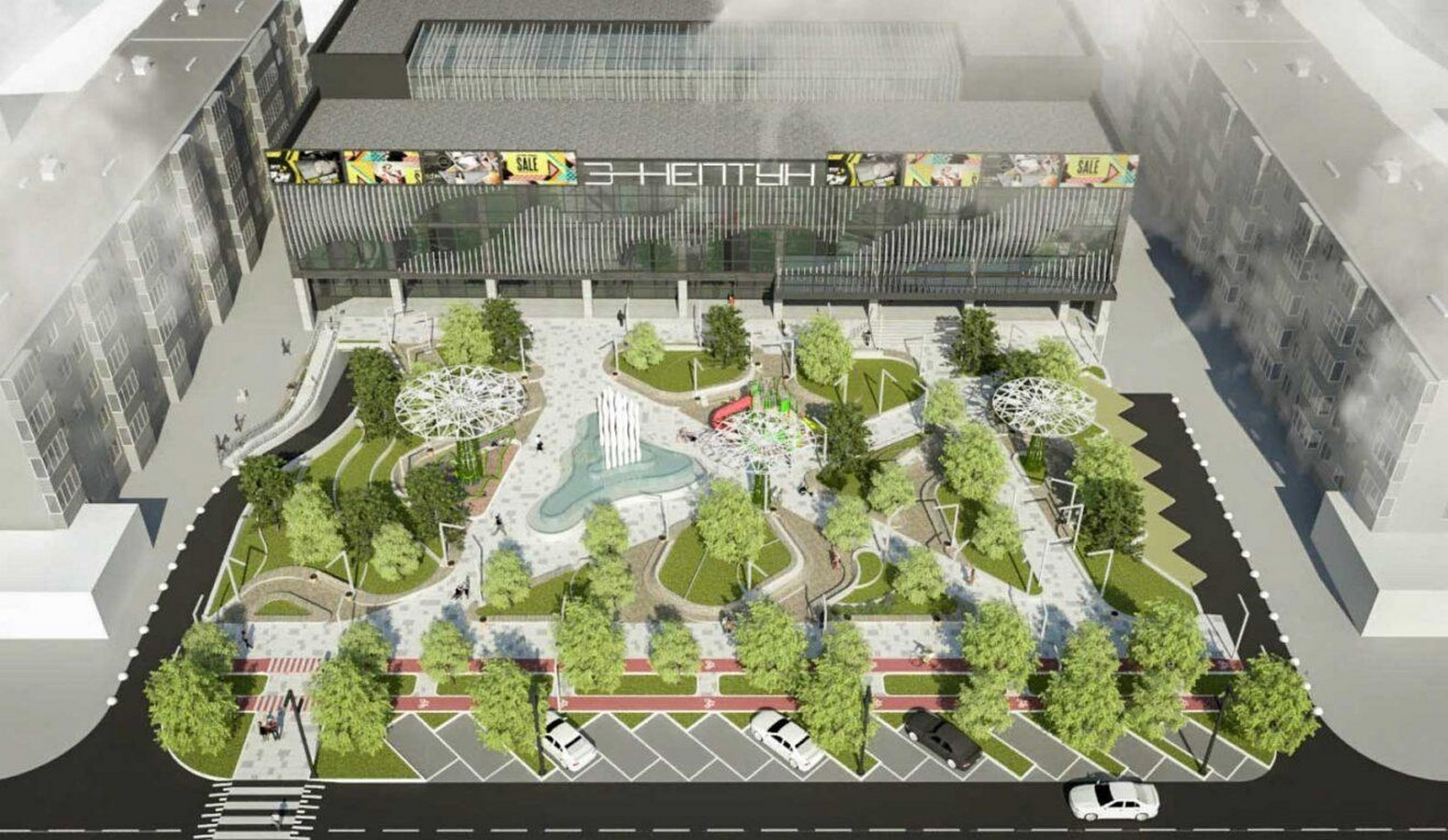
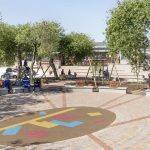
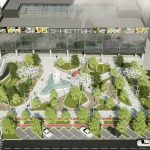
Landscape Architecture and the design of open spaces create a balance between natural and man-made. It brings a sync between the open and indoors. Public landscape and place-making are crucial for future design providing life to dull enclosed spaces. Studies show that these spaces have greater impacts on social and ecological well-being and hence have become key elements in urban development projects.
Green pockets and place-making designs are interactive and energy-efficient. These spaces are inviting and job-generating, boosting economic growth. It decreases the carbon footprint contributing towards a Greener Sustainable and healthier future. The inclusive nature of such projects is heart-warming and reassuring to the community. It celebrates people and promotes cultural exchange alongside serving the environment. Integrated with Green buildings with Green roofs, Solar Energy surged operations, and locally sourced materials, these future design practices honour the past as well as invest in urban development of forthcoming times.
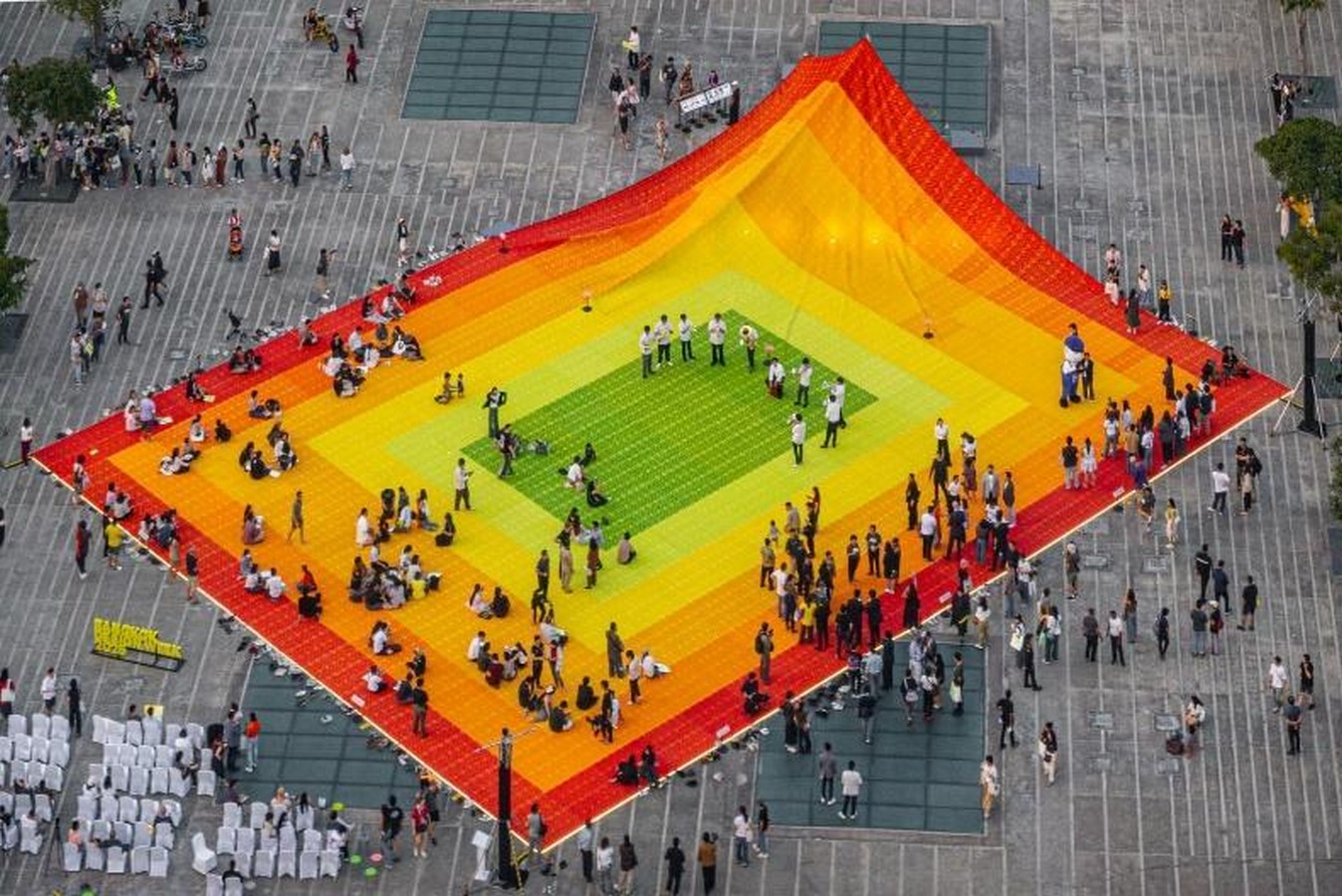
Technology and Innovation have contributed to a major shift in the perspective of any urban design and planning process. New innovative self-healing and energy-efficient construction materials and techniques have set new standards in the world of design that are not only aesthetically pleasing but immensely resilient. In recent times professionals have been very equipped to achieve noteworthy shifts in data-driven planning and analysis strategies that result in better accuracy to the needs and wants of the public.
Cities these days are turning into smart cities where automation is highly used. It defines the city’s needs, controls traffic congestion and can also make an impact on the air quality by enhancing real-time traffic flow. Waste Management systems also contribute immensely to good urban development and management. Public space illumination is another major factor that when optimally utilized can save energy and investment. Innovative alterations in the degree of illumination of pedestrian and vehicular circulation paths can create safe communities while cutting excessive energy consumption.
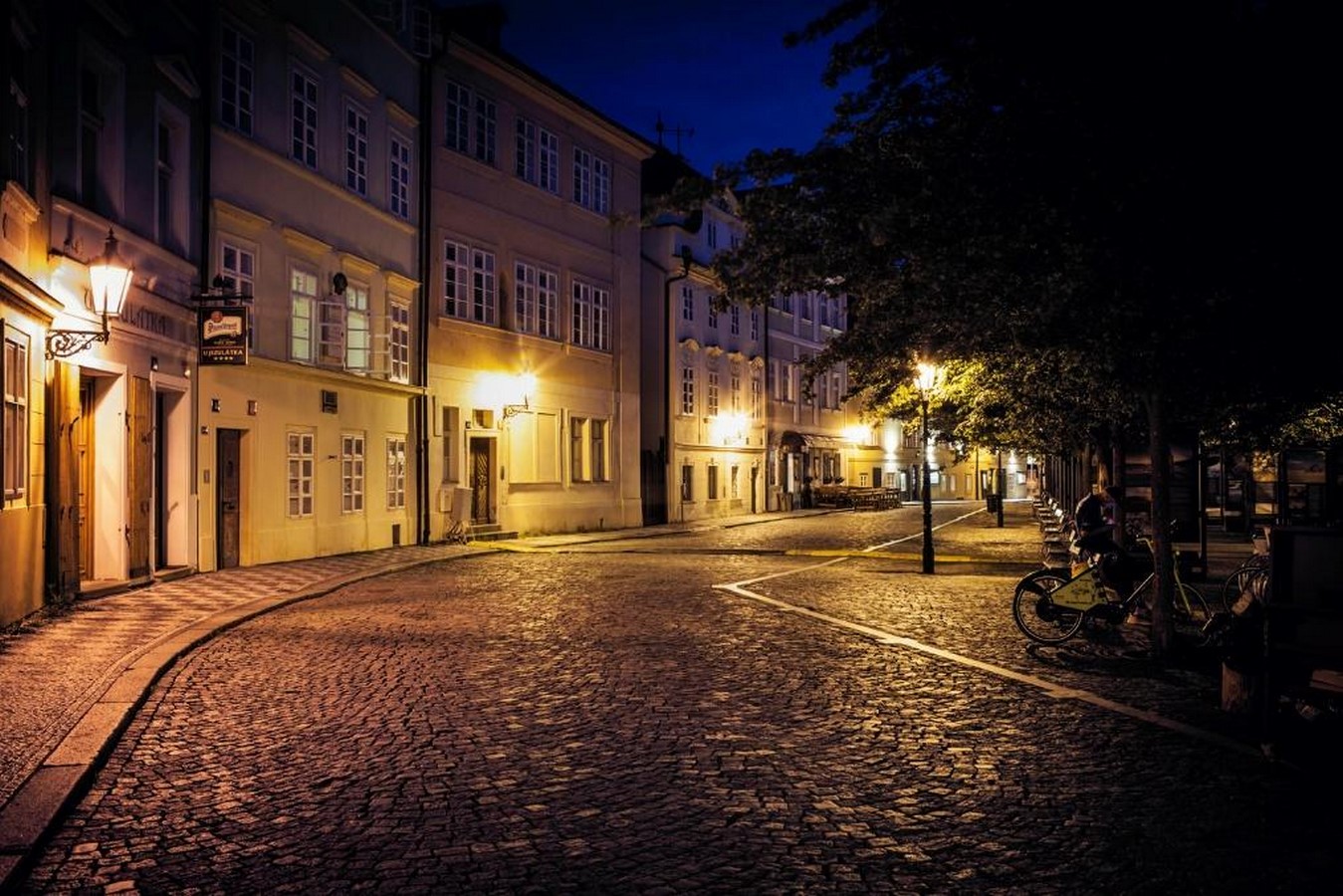
Urban Spaces experience Chaos and Sprawl if not designed and managed well. With future design has come fresh zoning and planning strategies used by designers and planners to remove social – segregation, and promote inclusivity with affordability. Mindful zoning and planning within cityscapes create ease of movement and a clearer understanding of functionality at different times of the day that foster a hassle-free operation of the city at all times.
Mixed-use buildings, especially high-rise buildings save the land and leave room for open spaces. Affordable housing allows all citizens to respectfully uplift their living standards controlling disorganization and mismanaged cluttering in the urban realm. Adaptive reuse also imparts life and a sense of continuity with the past while saving energies and resources contributing to a future with sustenance and abundance.
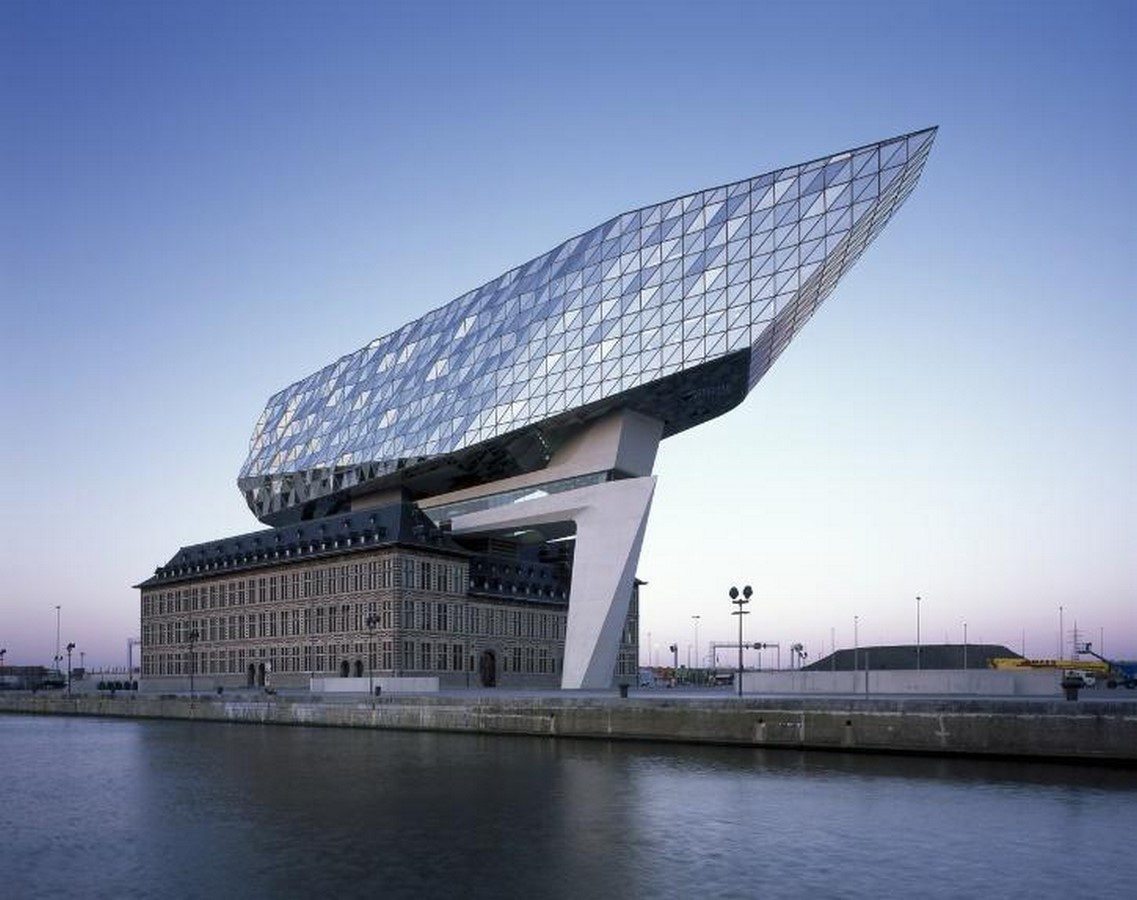
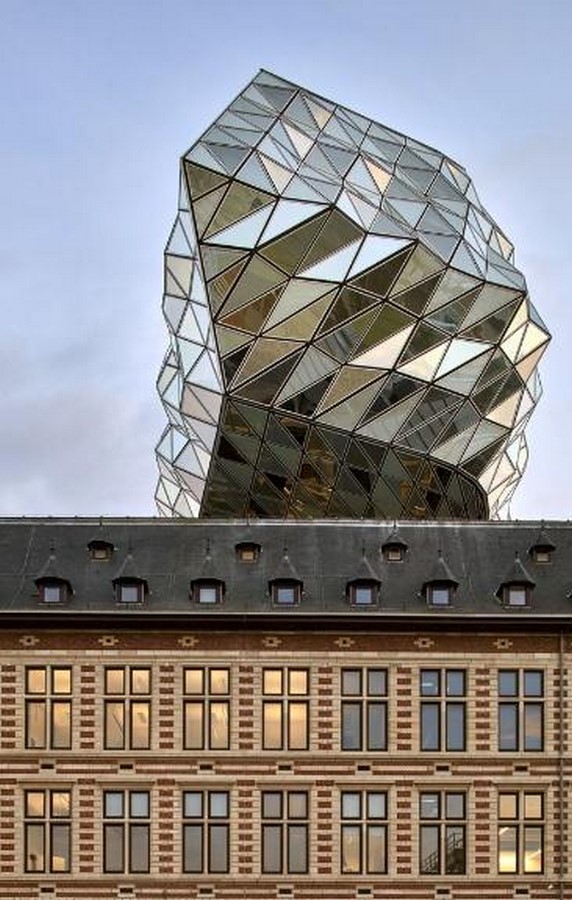
Overcoming Urban Design Challenges with Effective Implementation of Public Policy
The burning argument in urban development ethos has always been wistfulness v/s course of action. It is probably the greatest challenge in creating a living space that people aspire for. To achieve the intended it is crucial to first identify the problem, create its solution and most importantly create Public Policies for its proper implementation.
Future design prospects exhibit the involvement of all stakeholders with cordial implementation and periodic addressing and amendments in public policies with the changing needs of the hour. Creating more platforms for awareness of notable urban development with experts from the industry engaging in urban policy making can create a great difference in the way cities turn out and function in the future.
What holds in the future lies in what action is taken today. The growing and effective practice of rational future design strategies is likely to create urban spaces with an emphasis on renewable energy, sustainability, community inclusivity and resilience. The need for open spaces and housing shall increase and thinking of new ideas to achieve harmonious integration of all and its implementation through forward-thinking policies shall create new possibilities in Urban Development.
Reference:
- Anon, (2023). The Future of Urban Planning for Growing Population. [online] Available at: https://www.prasoon.design/the-future-of-urban-planning-how-cities-are-adapting-to-a-growing-population.
- Powell, T.J. (2023). The Future of Cities: Addressing Urban Design and Public Policy Challenges. [online] Medium. Available at: https://medium.com/@thomasjpowell/the-future-of-cities-addressing-urban-design-and-public-policy-challenges-da9ab9c7fe66.
- Urban Design lab. (2023). The Future Of Urban Design: Trends And Challenges. [online] Available at: https://urbandesignlab.in/the-future-of-urban-design-trends-and-challenges/?srsltid=AfmBOoqQTXBwNOPzVET8dV79RNqiYjShOBEZvph_0IGeEuRPPyVtmMPb [Accessed 24 Feb. 2025].
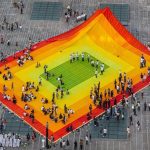
- ArchDaily. (2025). Mega Mat Installation Bangkok Design Week / MVRDV. [online] Available at: https://www.archdaily.com/1027050/mega-mat-installation-bangkok-design-week-mvrdv?ad_source=search&ad_medium=projects_tab [Accessed 24 Feb. 2025].
- ArchDaily. (2020). Gallery of The Safety of Light: A Short History of Light in Public Spaces – 4. [online] Available at: https://www.archdaily.com/998418/the-safety-of-light-a-short-history-of-light-in-public-spaces/641c316d5e7a1335a0a038ce-the-safety-of-light-a-short-history-of-light-in-public-spaces-photo [Accessed 24 Feb. 2025].
- ArchDaily. (2020). Gallery of Antwerp Port House / Zaha Hadid Architects – 22. [online] Available at: https://www.archdaily.com/795832/antwerp-port-house-zaha-hadid-architects/57e4155de58ecebef8000c37-antwerp-port-house-zaha-hadid-architects-photo [Accessed 24 Feb. 2025].