The Building That Had Too Many Hands to Count
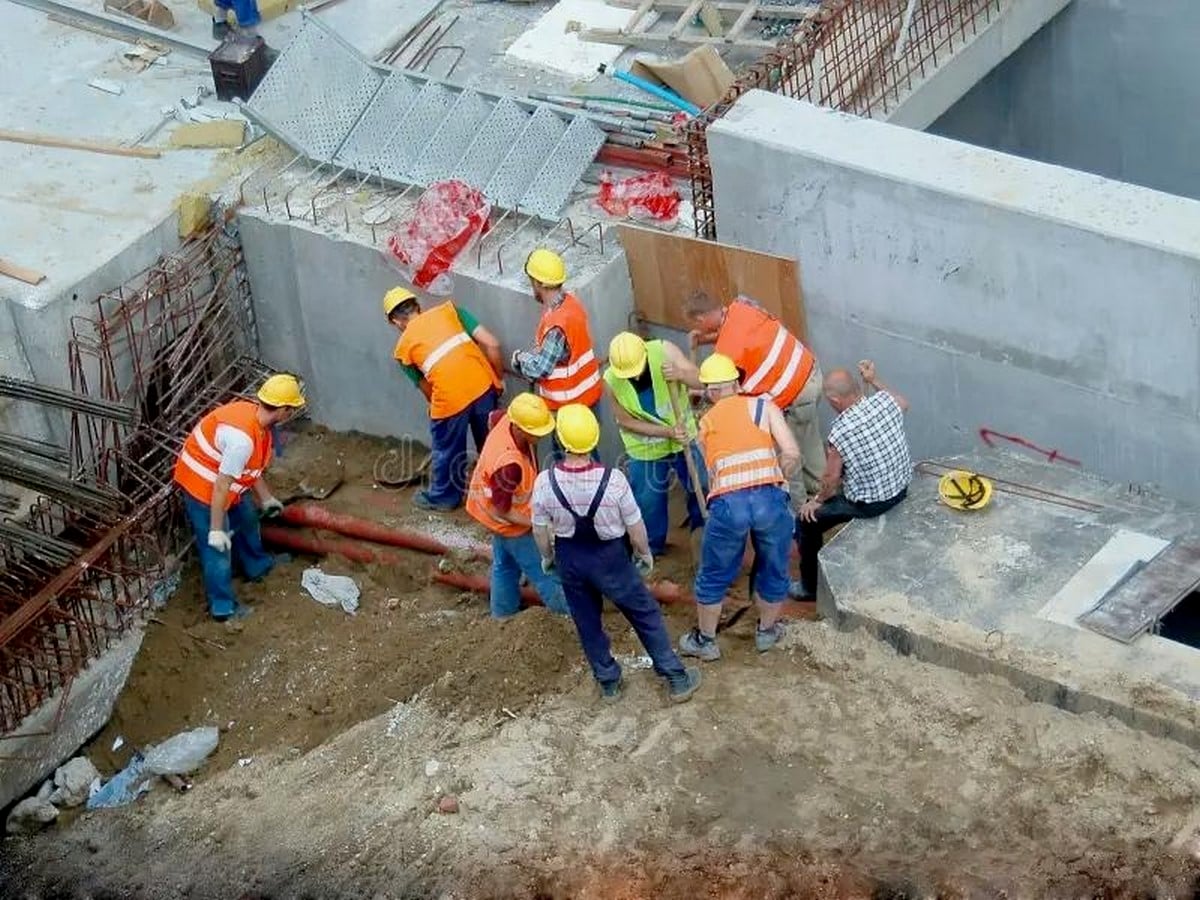
The ribbon is cut. Cameras flash. A celebrated architect steps forward, smiling as the crowd applauds another masterpiece. Newspapers publish a familiar headline: “The latest creation of a renowned Architect”. Yet somewhere behind that photograph, an engineer is checking structural calculations for the final time. A landscape architect is ensuring that rainwater drains into bioswales instead of city streets. Craftspeople are polishing stone by hand, contractors are coordinating impossible schedules, and hundreds of workers are transforming drawings into reality under changing weather and shifting site conditions. Before asking who designed a great building, perhaps a better question is this: Can architecture ever truly belong to a single person?
The Rise of the Architectural Celebrity
The idea of the starchitect emerged alongside globalisation, media culture and the increasing desire for cities to distinguish themselves through iconic buildings. Signature forms became as valuable as the building itself. Publications celebrated visionary designers, while interviews and documentaries reinforced the image of the lone genius sketching revolutionary ideas that transformed skylines.
This narrative is compelling because people naturally enjoy stories with singular heroes. Yet architecture rarely follows that script. Every celebrated project evolves through countless conversations, revisions, negotiations, regulations, technical challenges and collaborative decisions. What appears to be the effortless vision of one starchitect is usually the result of hundreds, sometimes thousands of contributors working towards a common goal over several years.
Drawings Are Only the Beginning
A concept sketch may begin with one architect, but a building truly begins to exist only when many disciplines intersect. Structural engineers determine whether dramatic cantilevers can actually stand. Environmental consultants refine daylight, ventilation and thermal comfort. Building services engineers integrate electrical, plumbing, fire safety and mechanical systems without compromising the design. Digital modellers coordinate conflicts long before construction starts, while contractors continually solve practical problems that drawings alone cannot predict.
Even the smallest detail often represents collective expertise. The elegant facade admired by visitors might owe its performance to facade consultants, material scientists, manufacturers, fabricators and installers working in perfect coordination. In this sense, the starchitect becomes less of a solitary creator and more of a conductor guiding an orchestra whose music depends entirely on every individual performer.

The Invisible Designers We Rarely Credit
Walk through any remarkable building and notice what cannot easily be seen. The carefully restored brickwork reflects generations of masonry knowledge. Timber joints reveal the precision of skilled carpenters. Stone carvings preserve traditional craftsmanship that no computer can replicate. Indigenous builders often understand local climate, materials and construction techniques far better than imported expertise.
These contributors rarely appear on magazine covers, despite shaping the building’s identity as profoundly as the lead design. The myth of the starchitect unintentionally overshadows these voices, reducing architecture to authorship instead of collaboration. Yet buildings acquire meaning precisely because they absorb the intelligence, culture and experience of many people whose names may never appear on the project plaque.

Even Icons Are Stories of Collaboration
Many of the world’s most admired buildings are remembered by a single famous name, but their creation tells a different story. Behind every celebrated museum, airport, cultural centre or skyscraper stand multidisciplinary consultants, project architects, urban planners, sustainability experts, contractors, fabricators, clients, public agencies and local communities. Design evolves through workshops, technical reviews, mock-ups, cost revisions, regulatory approvals and continuous negotiation between vision and reality.
The public often remembers the architect because history prefers recognisable personalities. However, architecture itself remembers collaboration. Every successful project demonstrates that excellence emerges not from isolated brilliance but from collective intelligence. The celebrated starchitect may provide direction, yet the building becomes possible only because countless specialists continuously refine, challenge and improve that original vision.
The Client Writes Part of the Story Too
Architecture does not exist without someone willing to imagine, fund, question and support its creation. Clients influence priorities, budgets, timelines and ambitions. Communities shape projects through consultation, feedback and lived experience. Local governments establish regulations that protect safety, accessibility and environmental performance. Even after construction finishes, users continue redesigning buildings by adapting spaces to evolving needs.
This shared authorship becomes especially visible in public architecture, where schools, hospitals, libraries and civic spaces succeed only when they respond to real people rather than architectural spectacle. The starchitect may capture public attention, but the everyday success of a building depends upon those who occupy, maintain and transform it throughout its lifetime.
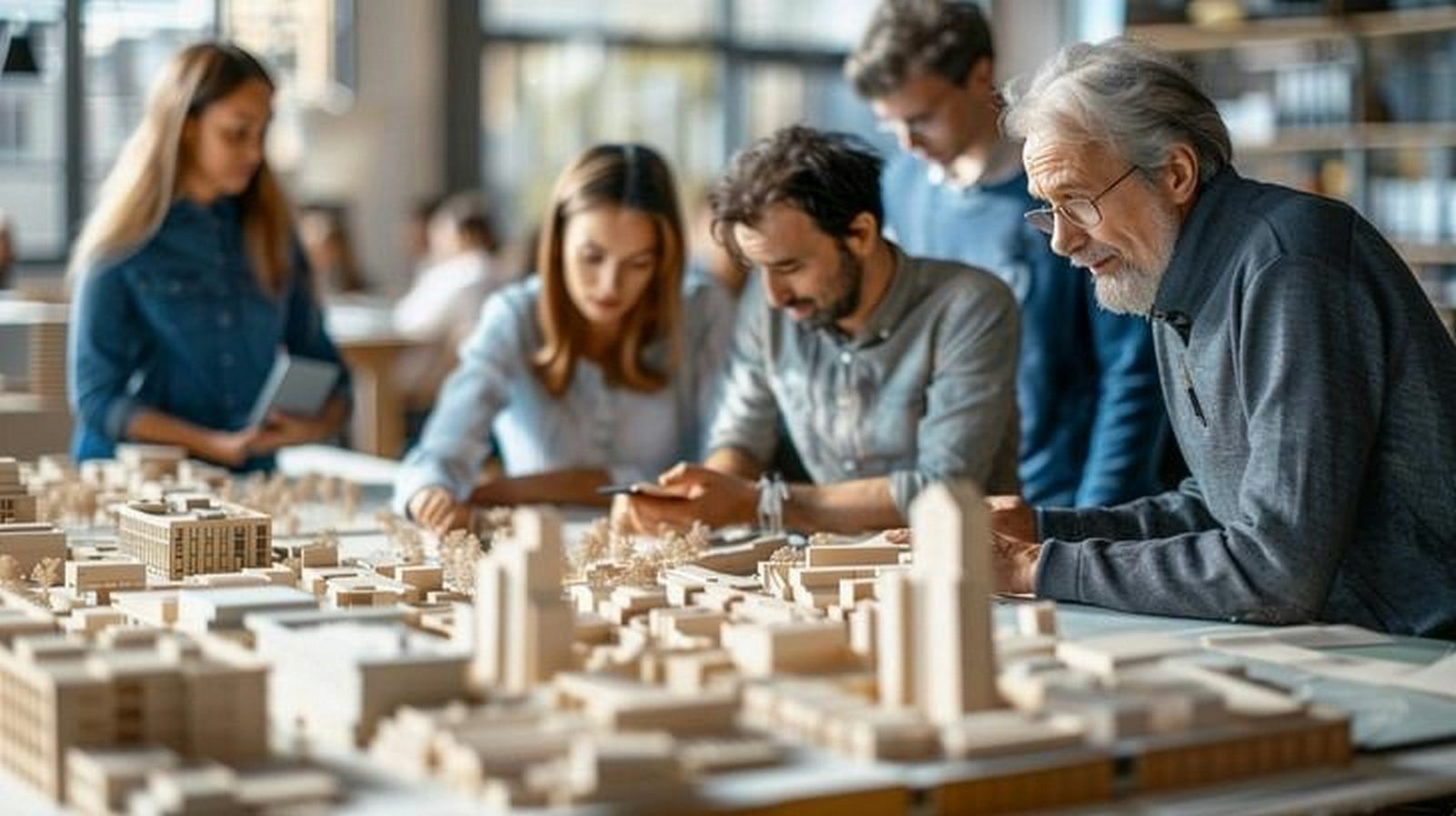
Rethinking Success in Architecture
Perhaps architecture has celebrated individual genius for too long. In an age shaped by climate change, digital collaboration, material innovation and increasingly complex urban challenges, the future demands cooperation rather than heroism. Buildings today must balance sustainability, resilience, cultural identity, affordability, technology and human wellbeing, objectives that no single professional can master alone.
The next generation of architects may therefore find greater value in becoming exceptional collaborators instead of isolated visionaries. The most meaningful projects will not simply bear the signature of a famous starchitect, but will reflect the collective intelligence of diverse teams working with humility and shared purpose. When we finally begin celebrating every hand that shapes architecture, from designers and engineers to craftspeople, contractors, clients and communities, we may discover that the greatest buildings were never monuments to individual brilliance. They were always monuments to collaboration, reminding society that architecture is strongest not when one voice is heard the loudest, but when many voices learn to build together.
References:
ArchDaily. (2023). Collaborative Design and BIM Workflows in Contemporary Practice. Available at: https://www.archdaily.com
Frampton, K. (2020). Modern Architecture: A Critical History. 5th ed. London: Thames & Hudson.
Kolarevic, B. (2015). Architecture in the Digital Age: Design and Manufacturing. New York: Taylor & Francis.
Pallasmaa, J. (2012). The Eyes of the Skin: Architecture and the Senses. 3rd ed. Chichester: Wiley.
Sennett, R. (2008). The Craftsman. London: Penguin Books.
Till, J. (2009). Architecture Depends. Cambridge, MA: MIT Press.