Urbanization and infrastructure growth are rapidly transforming the demand for advanced spaces. To meet these evolving needs, advanced construction systems and modern technologies have been adopted throughout the sector. As a result of these advancements and increased demand, the sector now requires a more planned and organized system to manage vast requirements and accelerate project timelines. Modern construction is no longer just about building structures—it is about planning, coordinating, and delivering projects efficiently, safely, and sustainably. As a result, professional project management services are now a core requirement for successful development across residential, commercial, and industrial sectors.
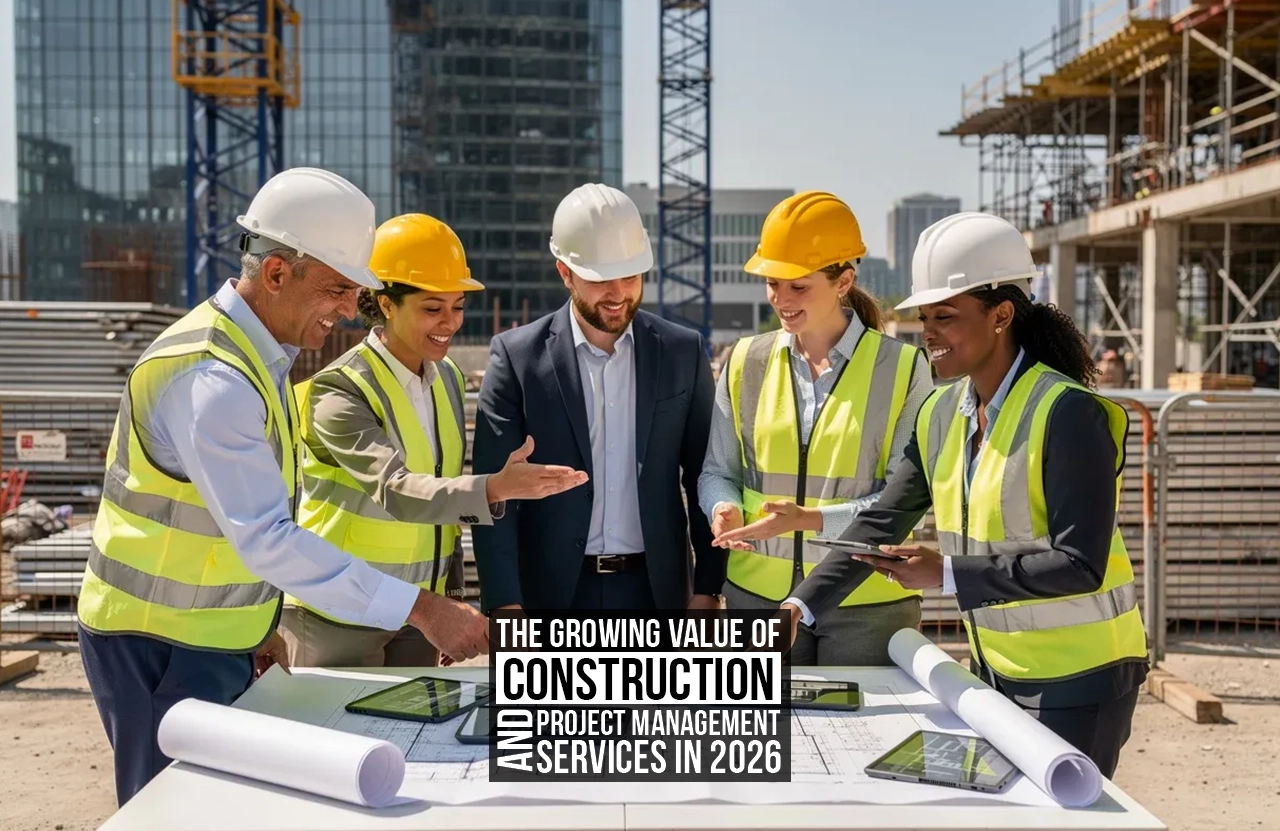
The growing demand for professional project management consultancy stems from the evolving nature of modern projects, which now involve multiple stakeholders and increased complexity in both construction methods and technology. These factors make dedicated project management essential.
Increasing Complexity of Modern Construction Projects
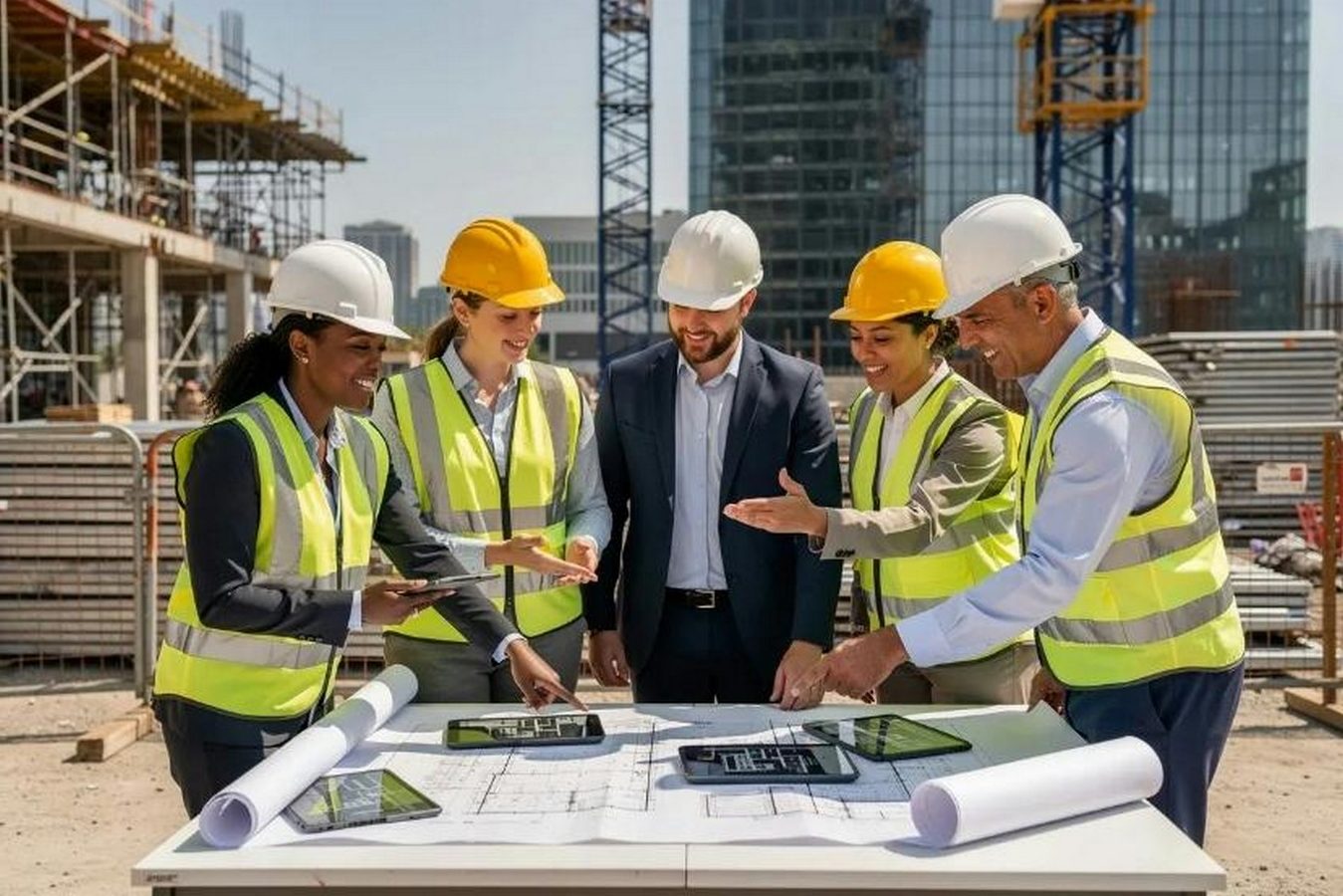
The primary reason for the increasing value of construction and project management is the increasing complexity of construction projects. Contemporary developments involve multiple stakeholders, including architects, engineers, contractors, and clients; all these stakeholders should work in close coordination, as these projects have strict deadlines and financial constraints, leaving little room for error. The risk of collapsing the project is quite high in order to maintain accuracy and timeline; such an organization needs to be on its toes and manage the project well.
Cost and Time Efficiency
Cost and time efficiency are now essential for successful construction projects. Rising material and labor costs make precise budgeting and strategic resource allocation crucial. Construction and project management services set clear cost frameworks, forecast expenditures, and optimize resource use throughout each phase. By creating detailed schedules and structured workflows, they provide clarity and control over complex timelines.
Advanced software and management methodologies further enhance efficiency. Tools such as Building Information Modeling (BIM), Primavera, MS Project, and real-time tracking platforms support accurate planning, visualization, and stakeholder coordination. Methods like Critical Path Method (CPM), Lean Construction, and Agile-based workflows help identify delays, reduce waste, and boost productivity. These technologies enable project managers to monitor progress, make informed decisions, and respond quickly to challenges.
As a result, delays, rework, and cost overruns are significantly minimized. The combination of digital tools and systematic management ensures smoother execution, timely delivery, and financial control, making cost and time efficiency a major advantage of professional construction management in 2026.
Technology Integration in Construction Management
The rapid integration of advanced tools has significantly affected the construction industry and management practice in 2026. The BIM modeling tool has made it easy to detect clashes and errors . It allows detailed 3d visualization, which helps all stakeholders to better understand the design and organize resources before construction begins. Similarly, cloud-based platforms and real-time data systems improve communication and ensure seamless collaboration among architects, engineers, and contractors.
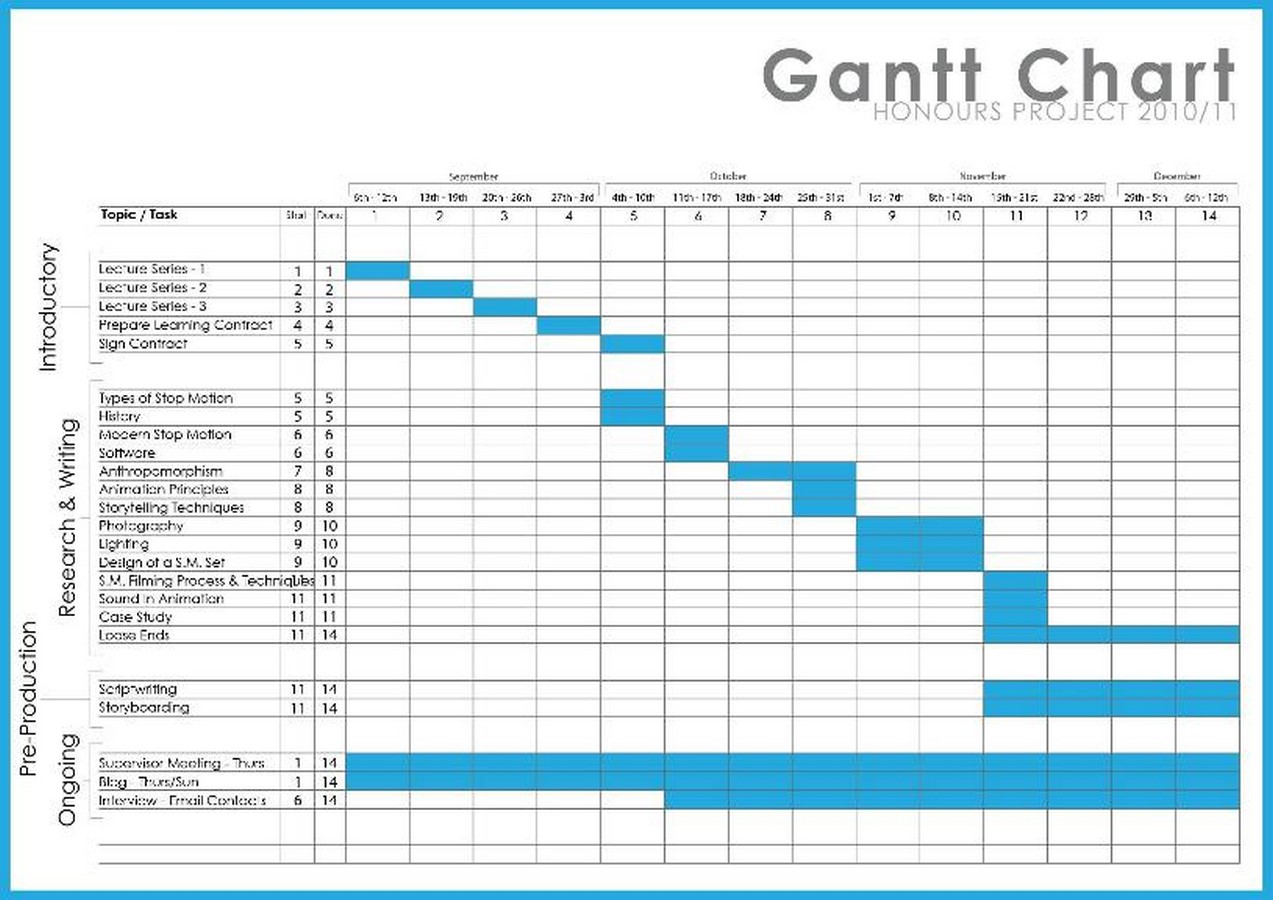
In addition to this Artificial intelligence (AI), data analytics and automation has strengthened project efficiency. Gantt chart helps in tracking the progress , deadlines , also break down the task this help in easy record keeping and timely supervision . As the project progresses, managers update the chart to reflect actual progress, making it easier to compare planned versus achieved milestones. This not only helps in identifying delays at an early stage but also allows for timely adjustments in scheduling and resource allocation. Thus, Gantt charts act as an effective tool for monitoring, recording, and managing construction projects in a structured and efficient manner.
Sustainability and Green Construction
Sustainability has become a major concern in 2026 construction industry,With rapid growing awareness of environmental impact there are strict guideline and rules that needs to be followed also slight shift to adopt green building strategies, energy efficient system. Here the construction and project managener plays crucial role of integrating these system in the project from initial planning stage that proves beneficial for all. All these requires careful planning and coordination till implementation stage, here project management consultancy aligns all resources monitorthe usageand minimize the wastewith effiecient planning techniques.
“Planning is the art of turning intention into direction.”
So as said every sector need a proper planning and organization before starting , to end it successfully and with right intent. The project management and construction management teams are like medeators that turns efforst of designers contractor labors , client to well achieved success through constant planning and monitoring . By ensuring effective planning, coordination, and execution, project management not only enhances productivity and quality but also enables the successful delivery of projects within defined constraints. As the construction industry continues to evolve, the role of project management will remain essential in shaping efficient, resilient, and future-ready built environments.
References-
- https://pmplaybook.substack.com/p/the-future-of-project-management-975
- https://www.deloitte.com/us/en/insights/industry/engineering-and-construction/engineering-and-construction-industry-outlook.html