For decades humanity reserved the Moon as a canvas of myths, a calendar for harvests and a nocturnal companion which adorned the dark sky as a luminous sphere. Folklore, songs, poems, stories surrounding the moon are common through many cultures and civilizations. Nevertheless, this spatial entity gained a new meaning when humans started exploring beyond earth: space. In this tiny milky way galaxy exists a small ecosystem, our solar system, within this system exists our earth. Our little earth has a companion: The Moon.
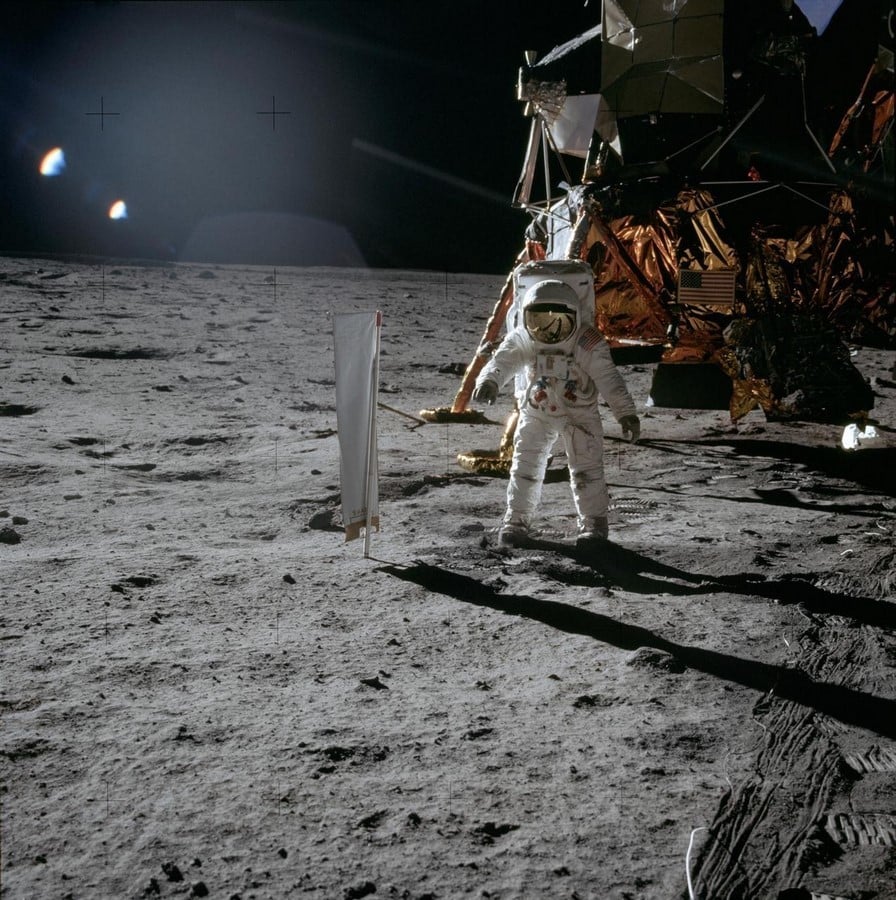
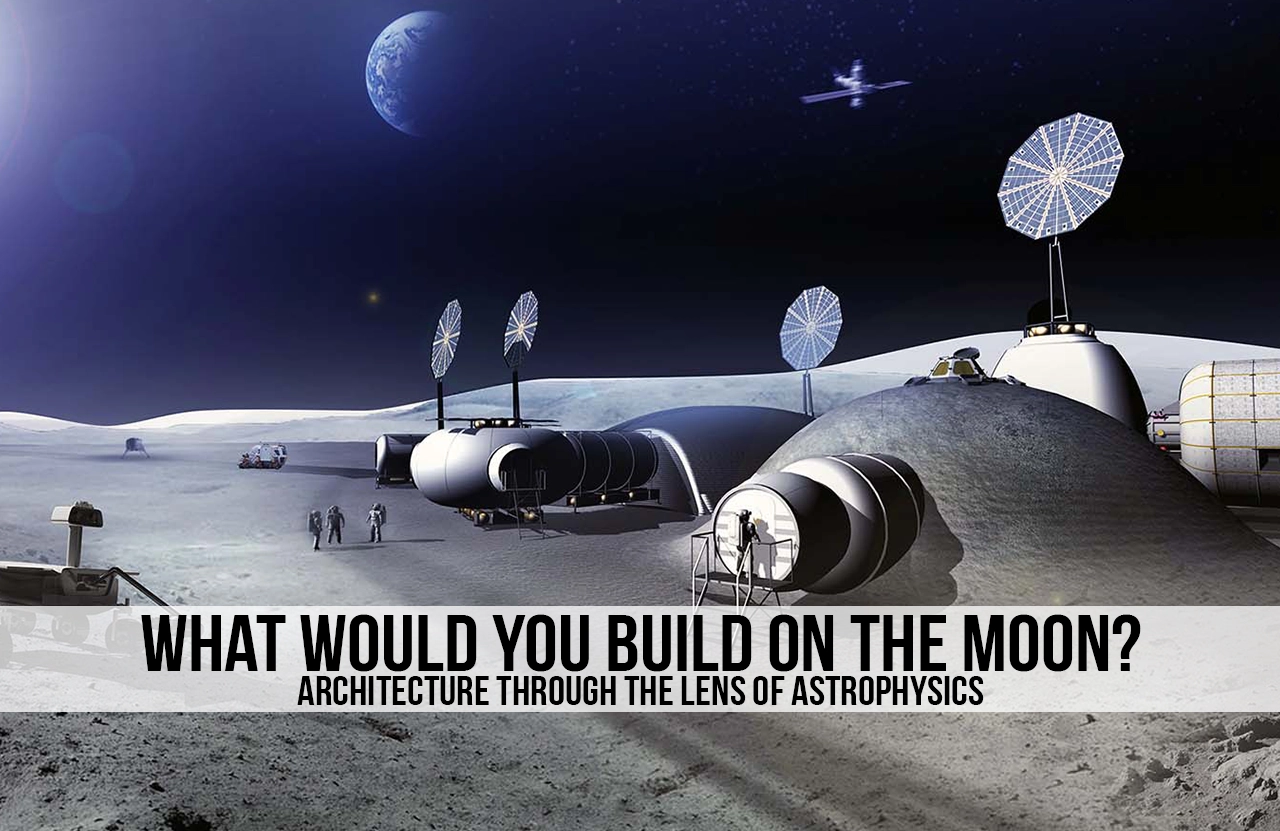
With the advancements in space technologies and the exploration of the moon, its surface was studied, thermodynamic extremes were recorded, each and every dynamic was thoroughly observed, studied and recorded, landmark discoveries were made by the space technological institutions around the world. The moon which once was a mythical character in the stories became a reality worth exploration. Today, as we stand on the precipice of a new era: the permanent settlement, designing a lunar outpost isn’t merely an exercise in civil engineering or science fiction; It is architecture entirely dictated by astrophysics.
Two Spheres, One Reality: Space Architecture
At first glance, architecture and astrophysics seem like two different realities which never coincide. On one hand, where architecture is grounded, literal, and concerned with creating human spaces on Earth, astrophysics is vast, theoretical, and focused on the laws governing the universe. However, when these two distinct fields collide a vast reality emerges: Space Architecture.
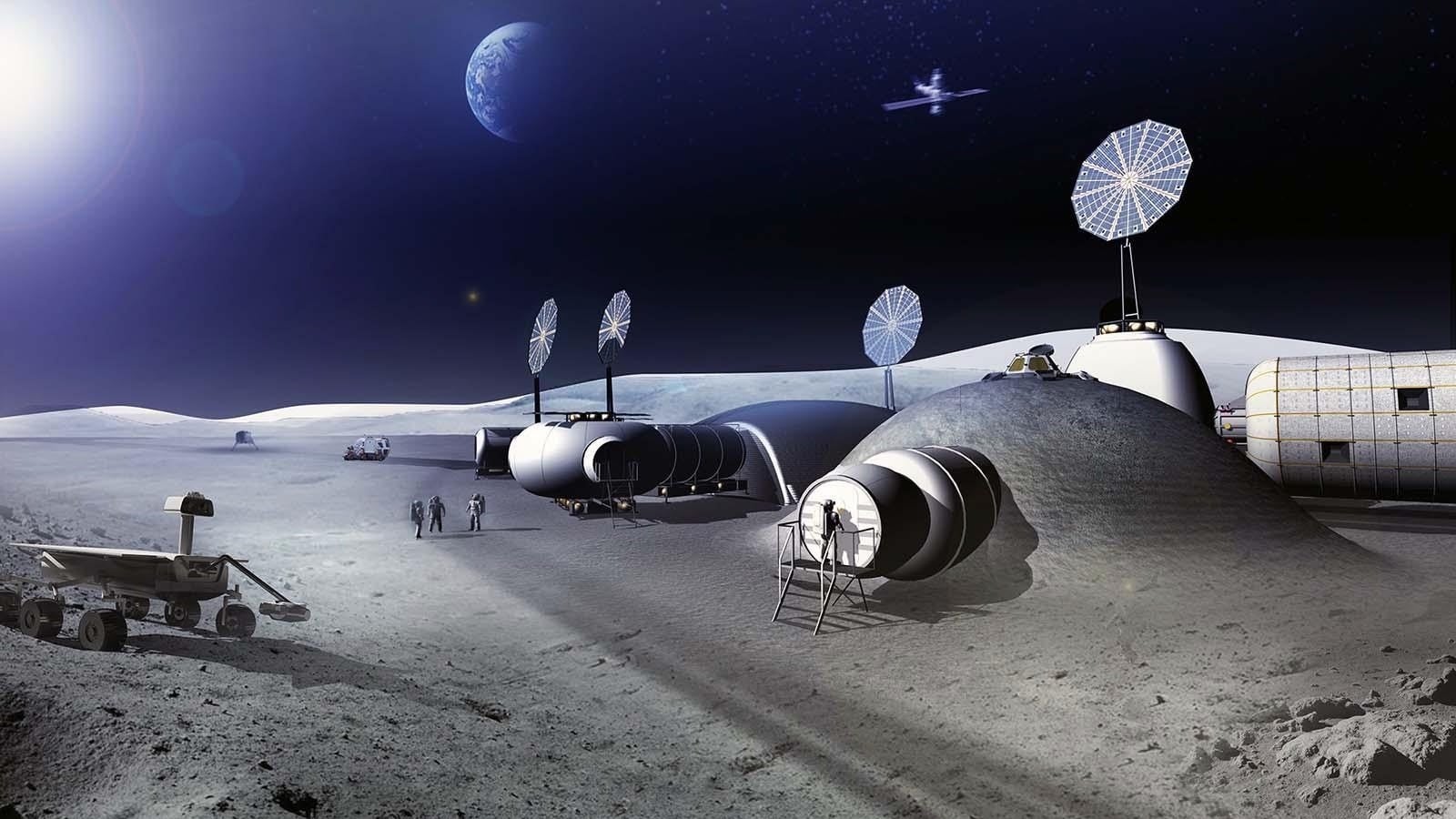
The specialized practice of designing and engineering human-inhabited environments in outer space, bridging the gap between physics and design is what ‘Space Architecture’ can be termed as. Unlike terrestrial architecture, whose entire focus is on managing downward gravitational loads and climatic variations, space architecture is about designing structures beyond the earth’s environmental sphere. Space stations, lunar habitats, and Martian outposts are some examples of spatial architectural theories. This discipline of construction goes beyond mere survival shelter; it incorporates human factors engineering, using dynamic lighting, acoustic dampening, and biophilic design to sustain the mental health and cognitive function of astronauts living in extreme isolation adhering to the surface that’s nothing like the one we are habituated with. Deep analytical experimentation in terms of both design and astronomy is required when architecture in space is theorized.
Lunar Construction: A new approach towards design
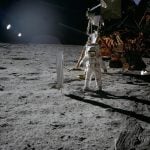
The Moon’s surface is directly exposed to the harsh vacuum of space, lacking a substantial atmosphere and a protective magnetosphere. To design for the Moon, we need to deeply understand all anomalies about its brutal environment. Earth has a magnetic field that shields us and protects us from different harmful rays but on the moon, this protection is lacking, and the radiation level is lethal. A structure there must deal with this radiation and act as a protective armour. Further, without an atmospheric blanket, the moon’s environment will fail in the distribution of heat, which can lead to extreme weather conditions. The lunar surface often interacts with the micrometeoroid rain that can travel at velocities exceeding 20km/s resulting in pebble sized space debris rain. Due to this the structure needs to be hyper durable and redundant.
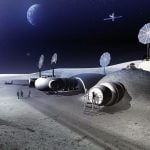
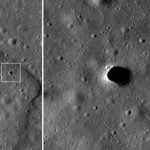
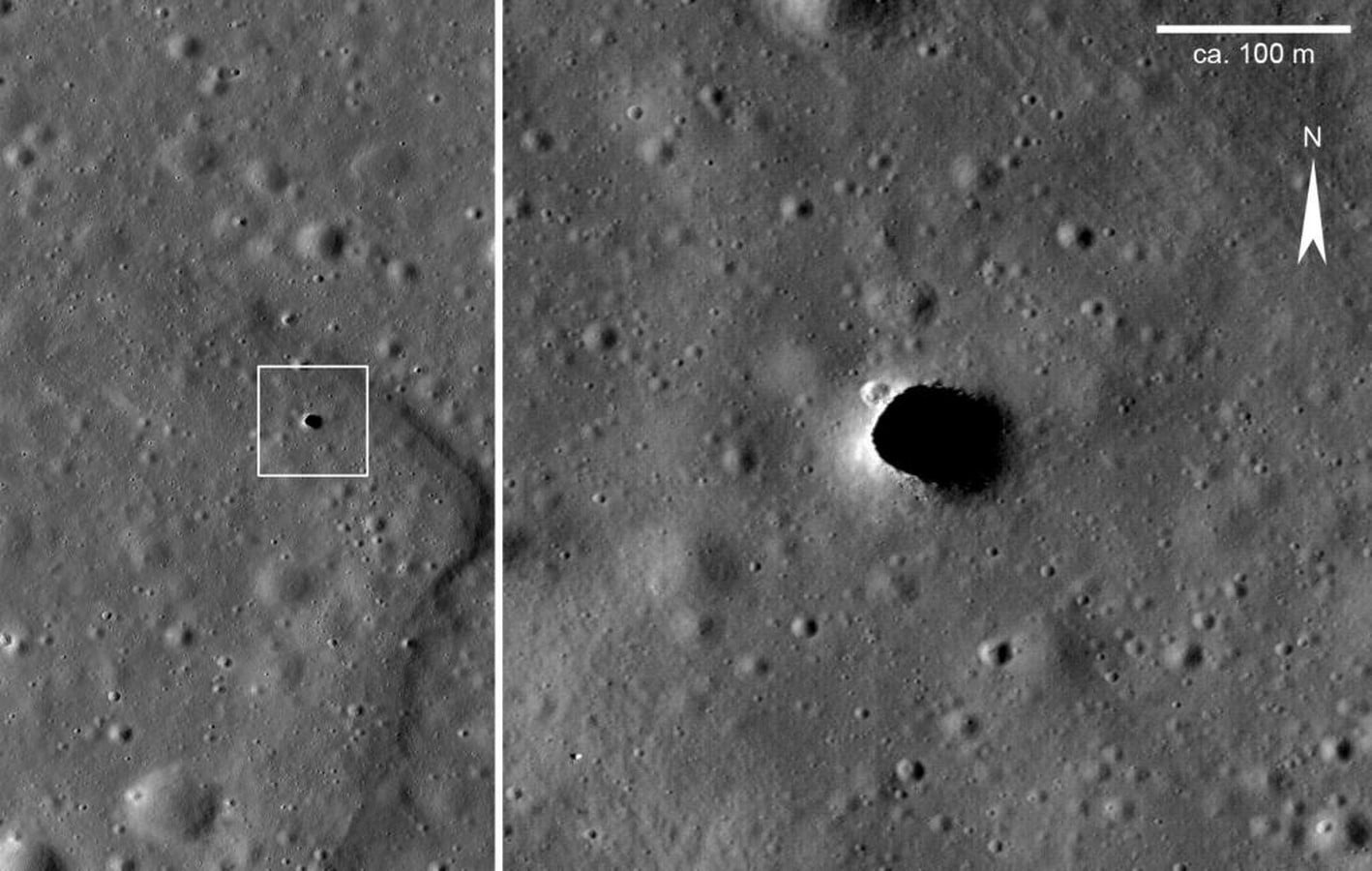
According to some research and recent studies through gravitational anomalies and radar mapping it has been discovered that billions of years ago, active volcanism carved massive subterranean highways beneath the lunar seas (Francesco Sauro, 2020). These observations led to the speculation that these lunar lava tubes represent the ultimate real estate. Perhaps, the most functional architectural solution provided by astrophysics is to avoid building on the surface altogether and aiming for these lava tubes. These lava tubes on the lunar and Martian surfaces turned out to be 100 and 1000 times bigger than those found on earth (Nadjejda, 2020). These underground caves are large enough to swallow Earth’s large cities and hence by nesting habitats inside these natural basalt bunkers, architects gain built-in protection against all the anomalies in the environment of the moon: Cosmic Radiation, Micrometeoroid impacts and even the extreme thermal fluctuations.
With these natural underground caverns, an architect’s next challenge would be the choice of materials. Shipping conventional construction materials would be economically as well as technologically challenging. It would require thousands and millions of dollars to launch a kilogram of cement into deep space. Further, the techniques of construction which are used on Earth would fail on the lunar surface leading to heavy wastage. To avoid this havoc, lunar architects must rely on a material which is already available on the surface of the moon. Therefore, the primary construction material for a lunar construction will be lunar regolith (Big.dk, 2020), the fine, sharp dust covering the Moon’s surface. It is rich in silicon, iron, magnesium, and aluminium oxides, and can be transformed via automated 3D printing and sintering.
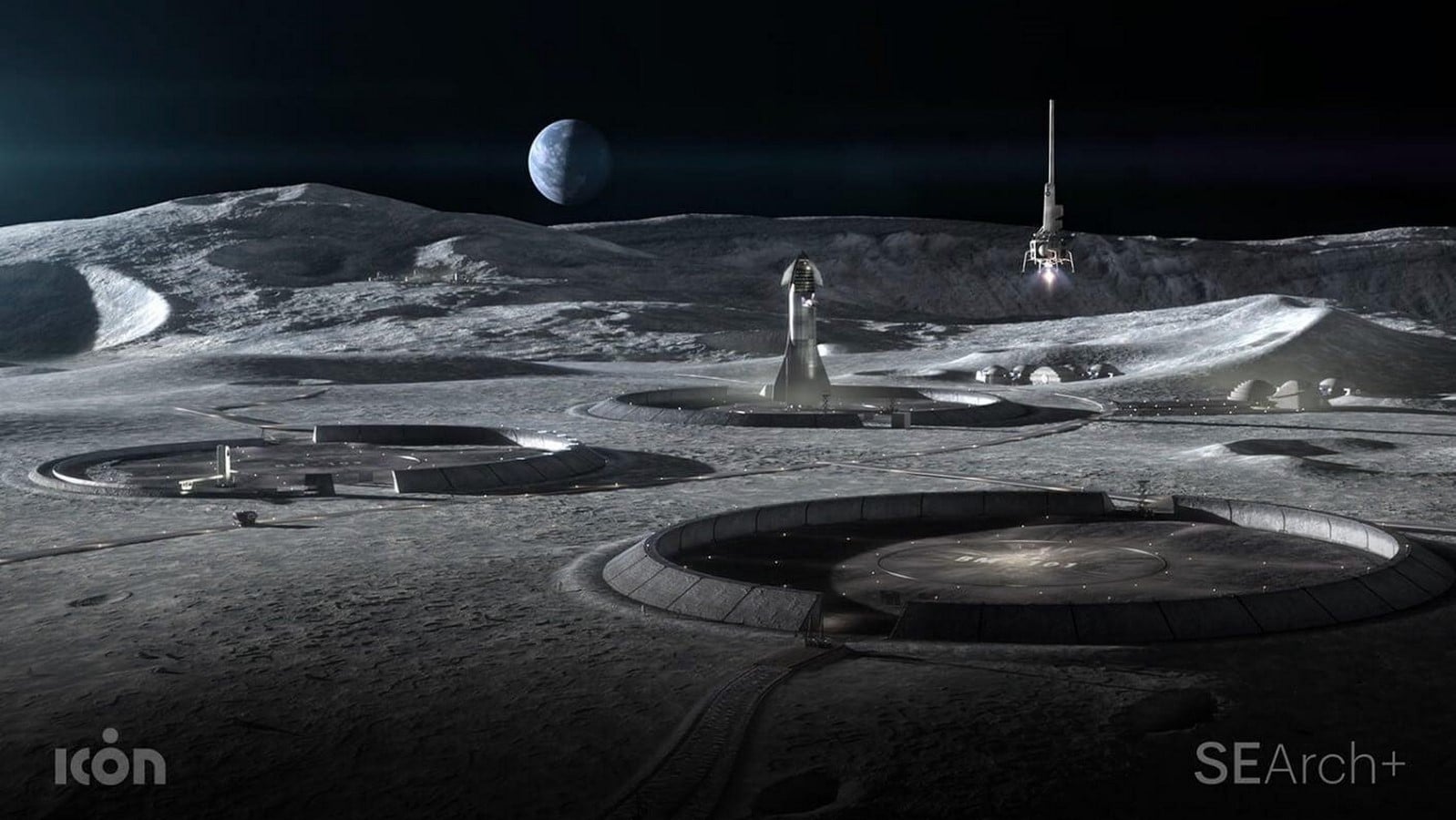
Lunar Architects can use concentrated microwaves or solar lasers by which the autonomous rovers can melt lunar regolith, fusing the jagged dust grains into solid, interlocking structural bricks or continuous shells. These 3D-printed regolith shells can serve as thick outer crusts, absorbing cosmic radiation, withstanding thermal shocks, and decelerating micrometeoroids before they can breach the pressurized living quarters. (Listek, 2025)
With the use of these new technologies and in-situ materials as an alternative to the conventional method of constructions on earth, the lunar architects can successfully build a structure on the blank lunar canvas.
The isolated satellite: A challenge for architects
The moon seems really close to us homo-sapiens but in reality, we are very far away from this isolated cosmic entity. The whole surface of this satellite is secluded, with just large craters and moon dust. Humans function according to the Earth’s circadian rhythm; any minor disturbances can take a negative toll on our mental and physical health.
Architecture is not just mere structural engineering, rather it’s a curation of human emotions and their surroundings. But, on the moon, the psychological effects of isolation, the monochrome grey landscape, and the absence of a natural day-night cycle can lead to severe mental health challenges. Hence, it becomes the duty of the lunar architects to leverage biophilic designs including dynamic lighting, creating green spaces as a part of vital infrastructure and an illusion of horizon. These minute features will make their design more effective and efficient creating a balance between technology and survival.
The dilemma of design: What and where to build?
Unlike the Earth’s surface, we have the entire surface of the moon to build a structure but, determining the most efficient location on the surface can work as a gamechanger.
Permanently facing away from Earth, the Lunar Far Side is entirely shielded from our planet’s noisy ionosphere and anthropogenic radio pollution. It is the most radio-quiet environment in the inner solar system. Therefore, building a structure here is the most effective. This observation efficiently solves the first predicament of where on the surface an architect should build this lunar structure but that leads to the very next one: ‘What is to be built?’
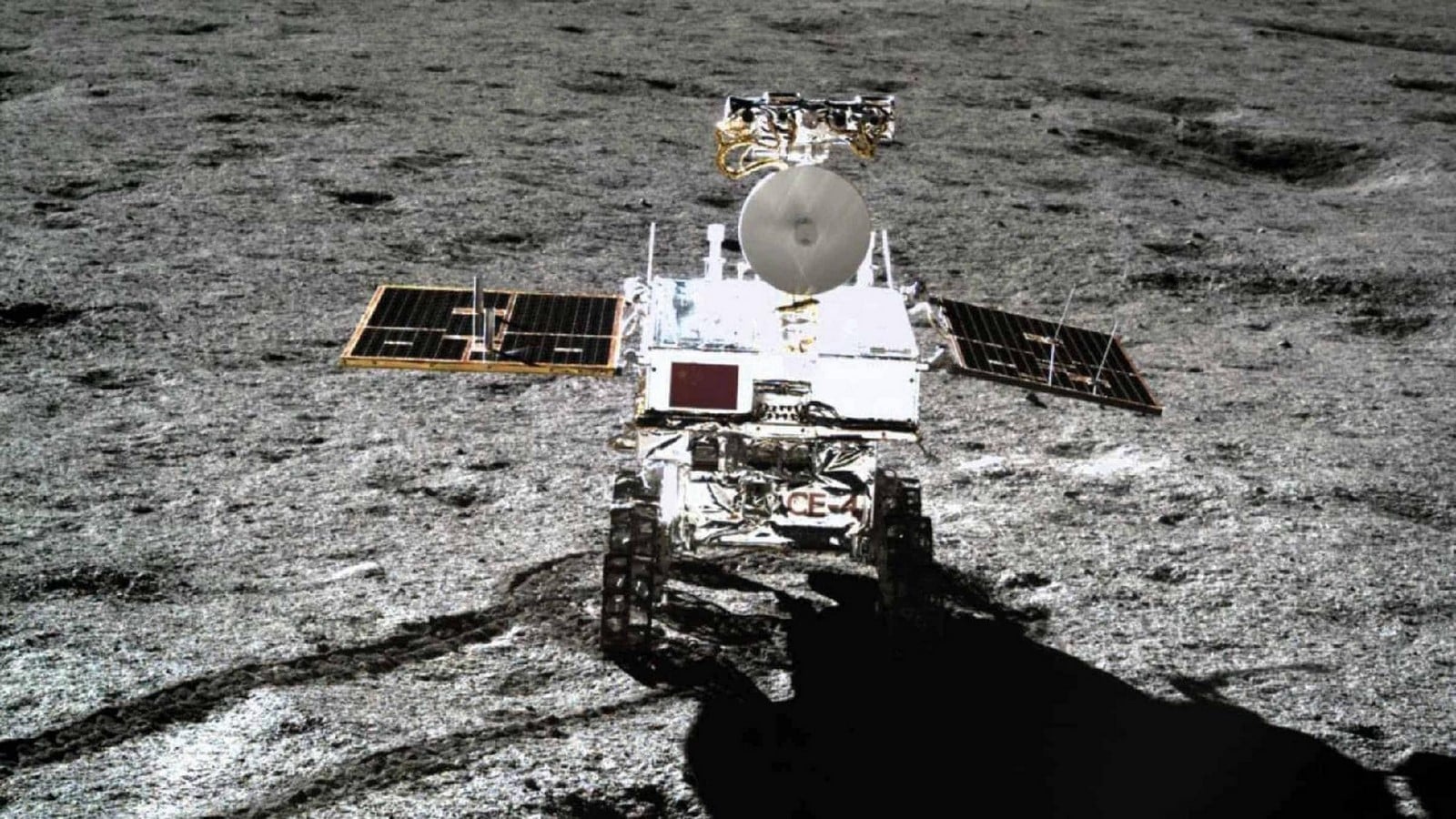
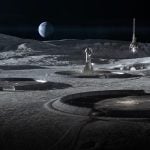
With all observations and the data acquired about the mystic moon, one can reach a very mindful conclusion: the moon is inhabitable for now. Even if we want to settle on the surface of the moon, it would take us decades or even centuries. The most intelligent construction on the lunar surface would be an Observatory for the astronauts. A low-frequency radio telescope array stretching across vast craters, utilising the natural topography of the land, can be built around it. Unhindered by an atmosphere or terrestrial radio interference, these lunar observatories will help peer into the cosmic “Dark Ages,” capturing the earliest signals of star formation and mapping the universe with unprecedented clarity. With these discoveries, we would be able to unravel the deeper secrets of the universe.
Architecture on the Moon requires a profound paradigm shift. It forces us to abandon our terrestrial hubris and follow the physics of the cosmos. Every choice of geometry and luminance array must be earned through a strict negotiation with vacuum, radiation, and gravity. Looking through the lens of astrophysics, lunar architecture will become a symbiotic extension of the cosmos. It will be a testament to human ingenuity that is capable of building stars into homes.