Prologue: The Intertwined World
The boundary between the material reality of the built environment and the metaphysical realm of human narration is a porous threshold of constant exchange. It has been posited that the real world and the STORIED/ FICTIONAL world are not mutually exclusive; rather, they intertwine and are fundamentally constitutive of each other. This ontological entanglement suggests that our perception of “place” is never merely a result of physical coordinates or tectonic assemblies, but is instead an ongoing synthesis of history, fiction, lived experience, myth, and anecdote.
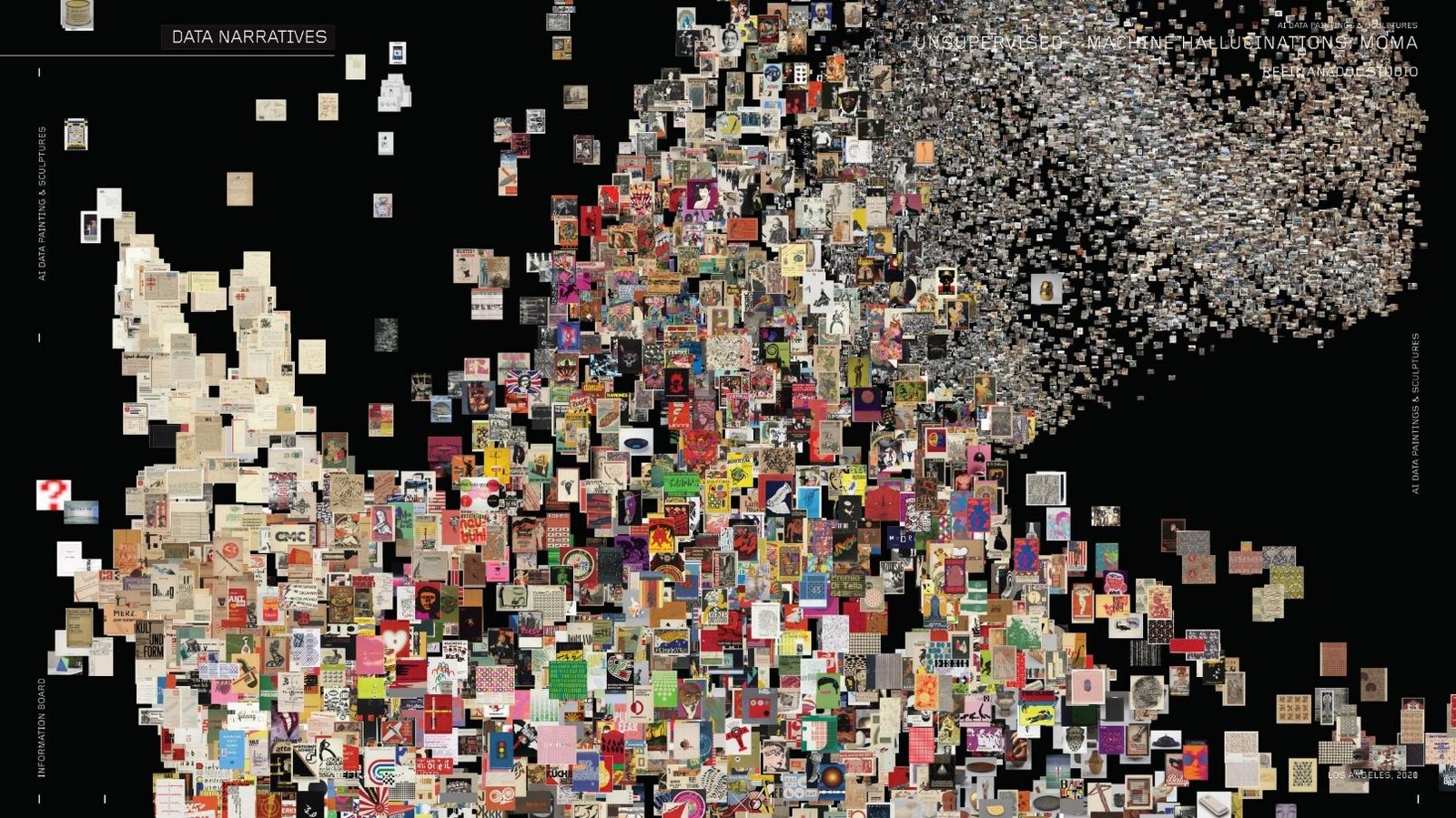
Stories serve a profound structural purpose: they tell of origins, explain causalities, mark the boundaries of what is knowable, and provide a vehicle for exploring the territories that lie beyond the immediate horizon of the visible. As individuals and societies remember, interpret, plan, and dream through these narrative lenses, they give both real and imaginary form to the inherent transience of human experience. In the contemporary architectural landscape, the synthesis of the real and the storied world generates a complex ensemble of spatial narratives and images that define collective memory and place-making.
I. The Social Production of Spatial Imaginaries
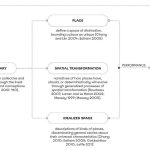
The interrogation of space must begin with the acknowledgement that it is a sophisticated product of social relations, continuously reproduced through the flux of lived experience. Central to this is the Spatial Imaginary, the cognitive framework, both collective and individual, that governs how we perceive and conceive of our surroundings.
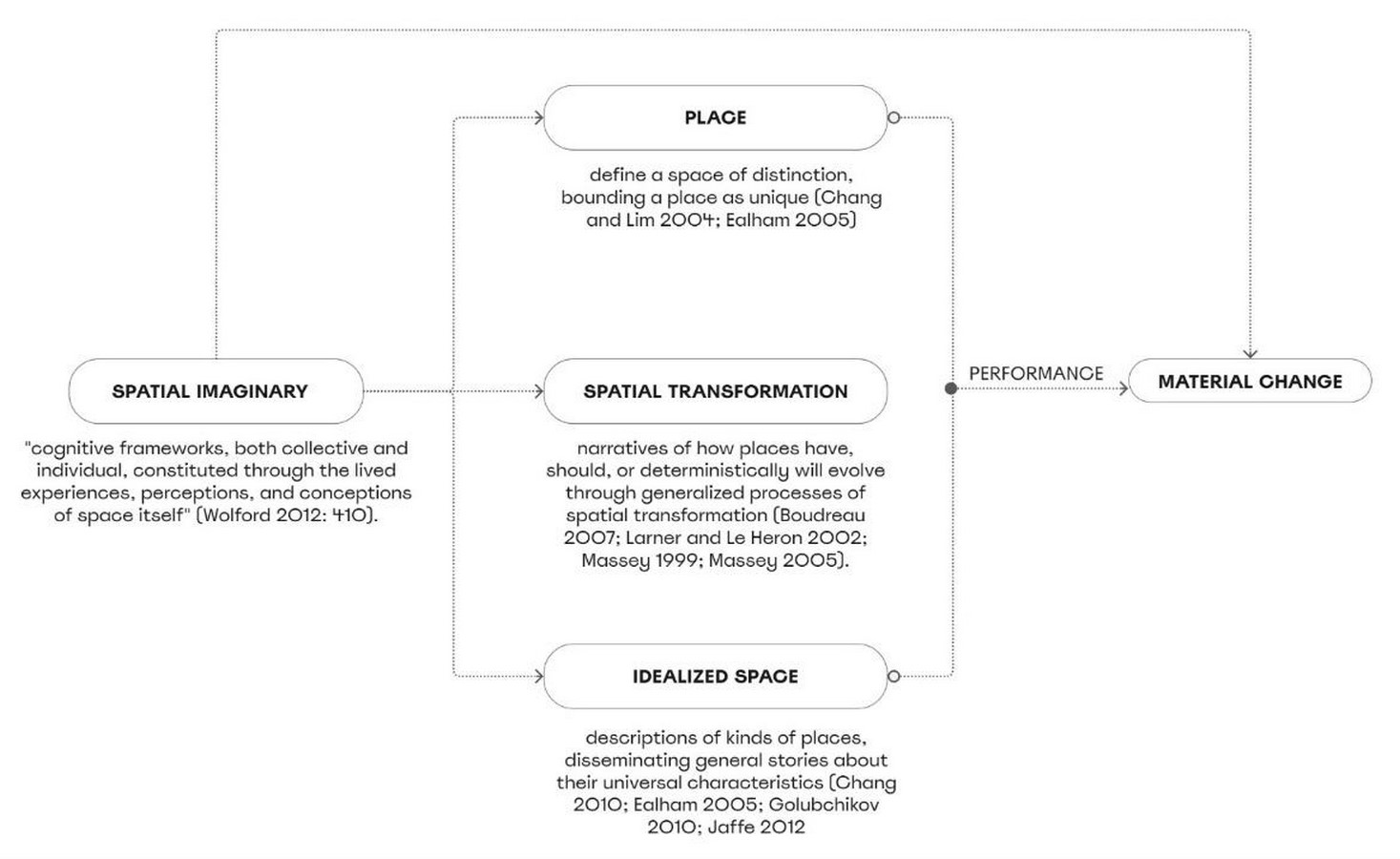
This conceptual shift, inaugurated by Henri Lefebvre, established that space is a social product in itself. It is not produced once and for all; it is continuously reproduced through a dynamic field of negotiations between material conditions, symbolic meanings, and the collective imaginaries of those who dwell within it. In architectural discourse, this reorientation demands a move beyond the objectified form of the built environment to explore the invisible infrastructures of thought, memory, and desire that underpin structural reality.
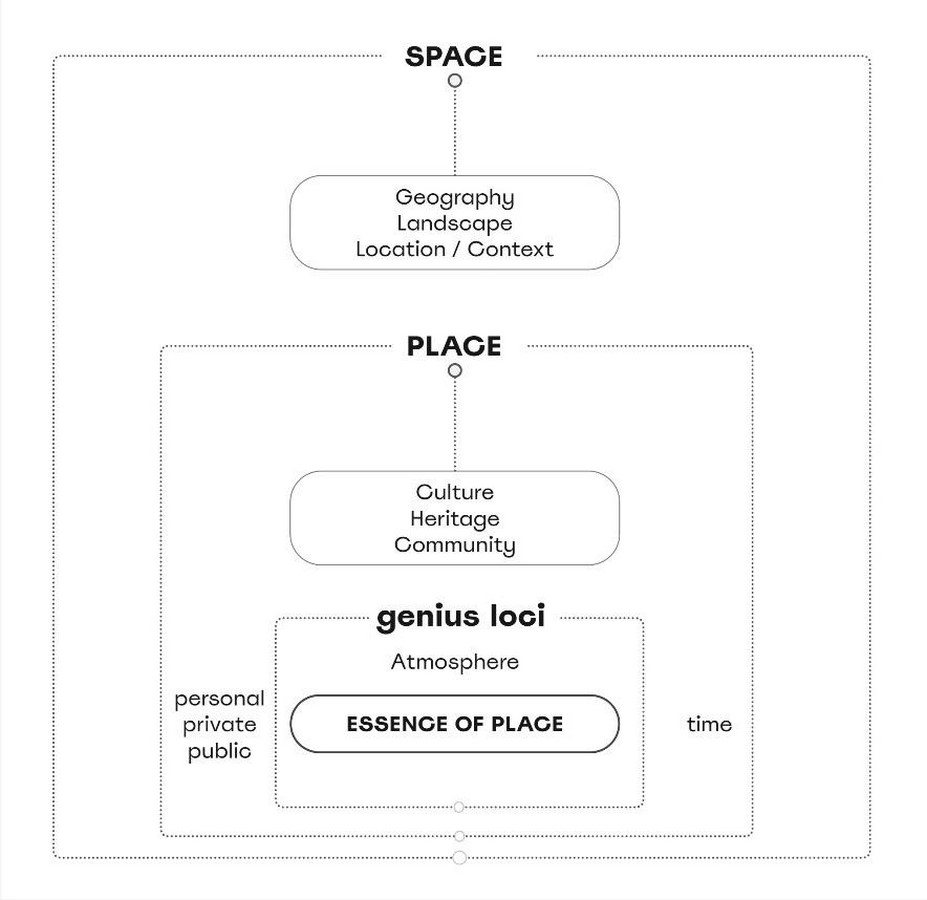
To anchor these imaginaries into reality, architecture must engage with the Genius Loci, the “spirit of place” that defines a space of distinction. As the diagram suggests, the transition from an Idealized Space to a tangible Place occurs through the act of Performance. This performance is the ritualized way we inhabit, walk through, and interact with our environment, turning “abstract space” into a unique, bounded entity.
II. The Living Narrative: Micro-Cultures and Ritualized Space
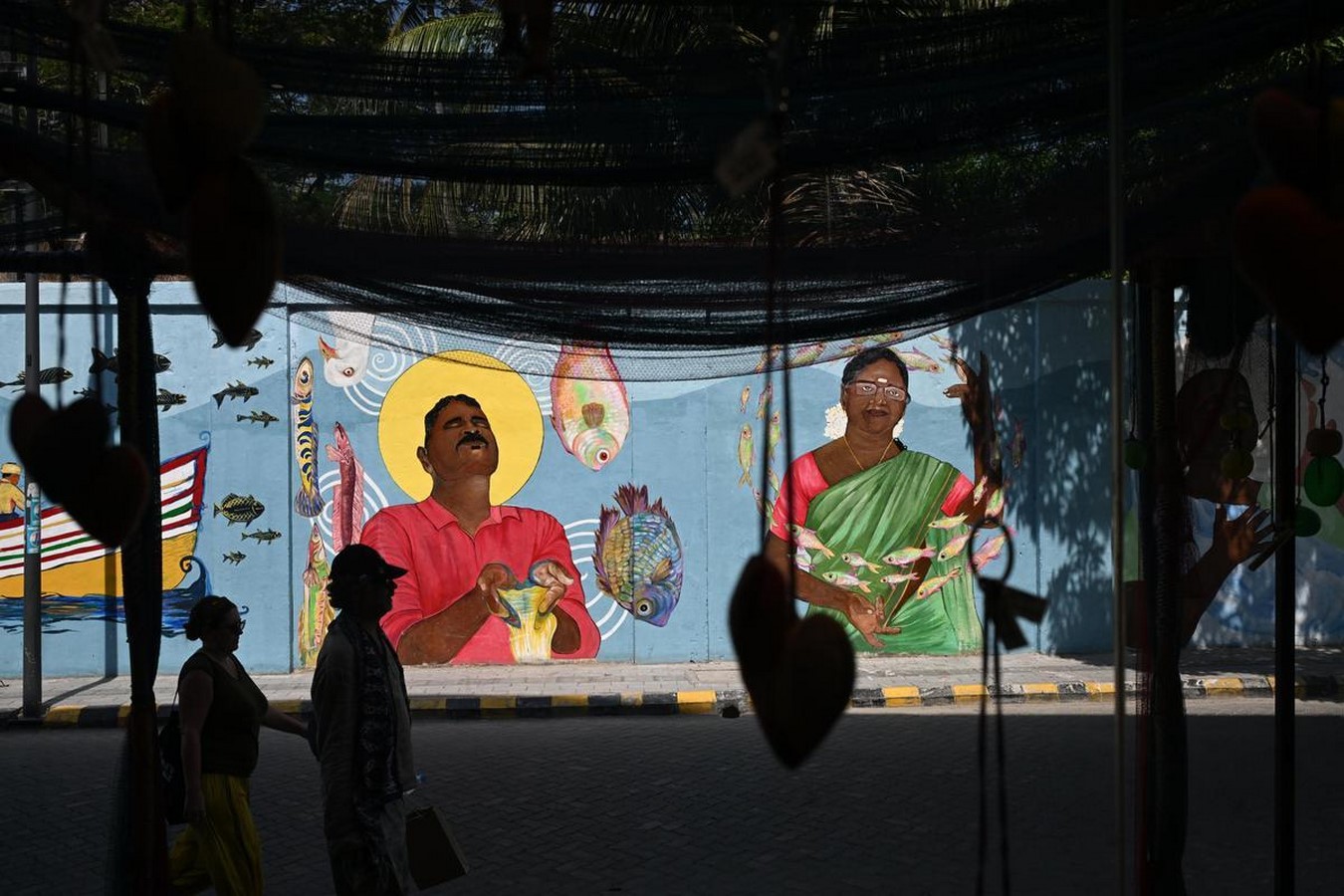
Culture, as a way of life, often lingers quietly within gestures, rituals, and the subtle rhythms of everyday existence. These micro-worlds, often overlooked, carry the deepest imprints of belonging and memory. It is here, in these lived and performed spaces, that culture continues to unfold as a living narrative.
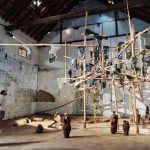
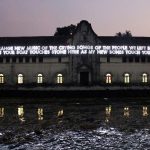
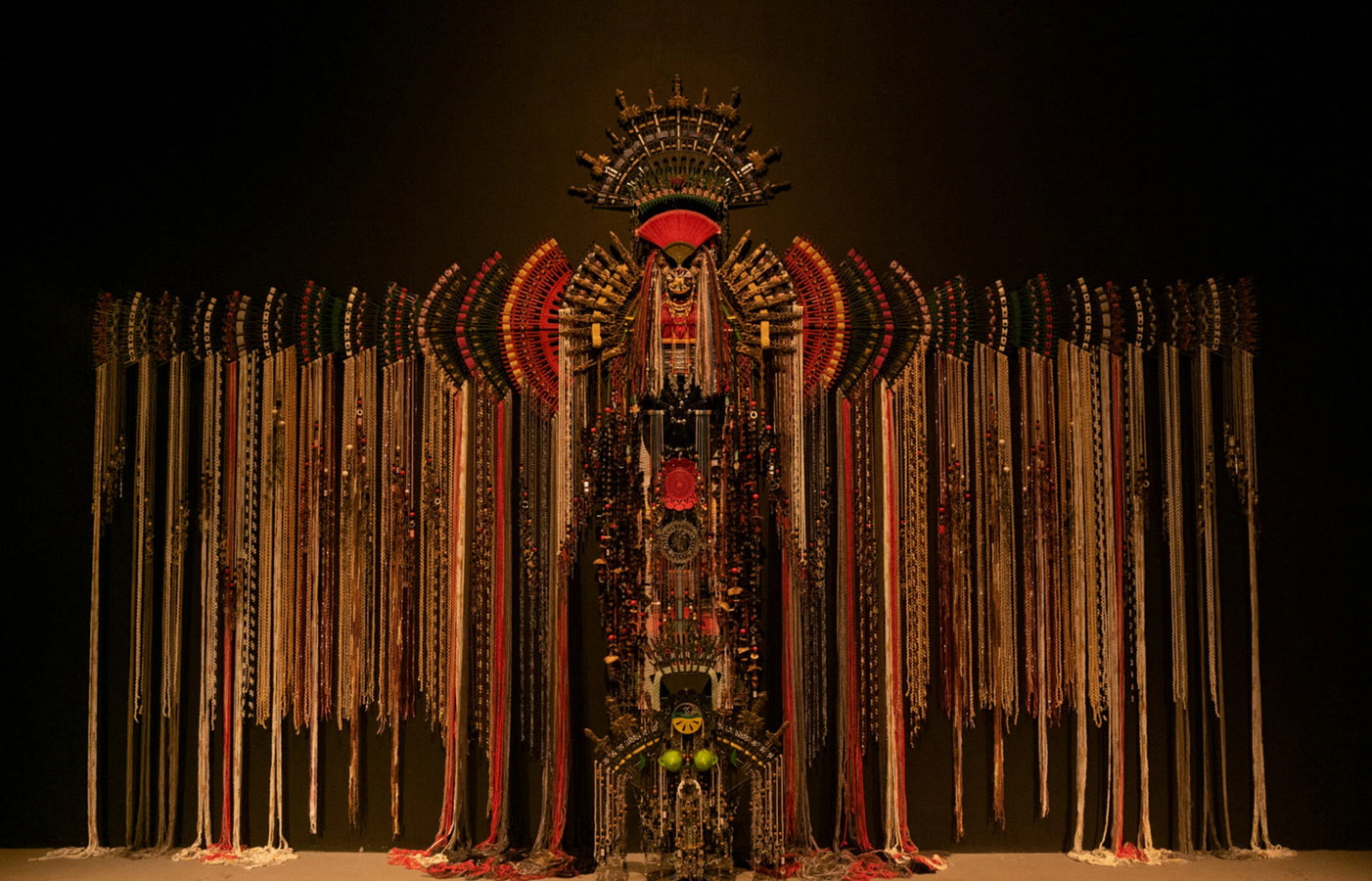
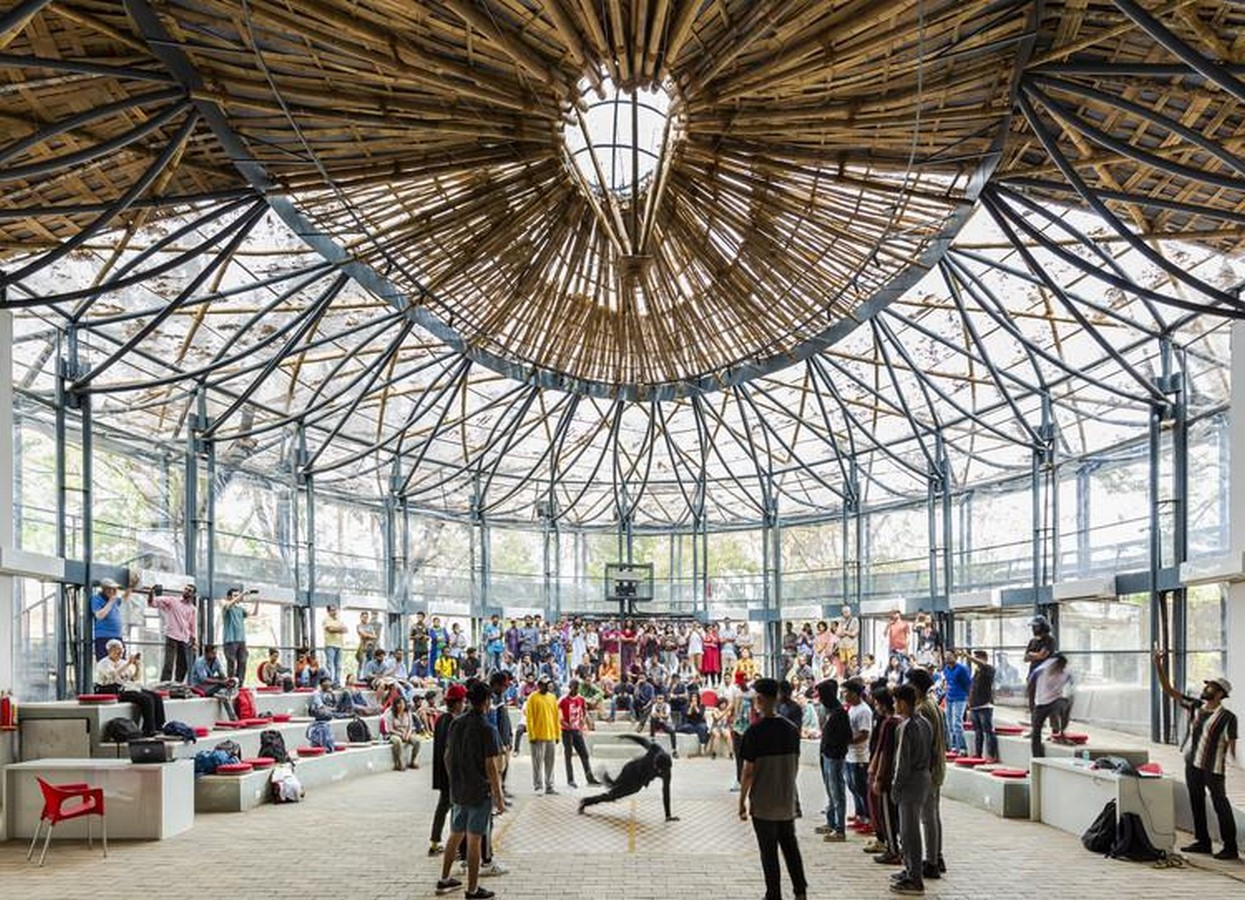
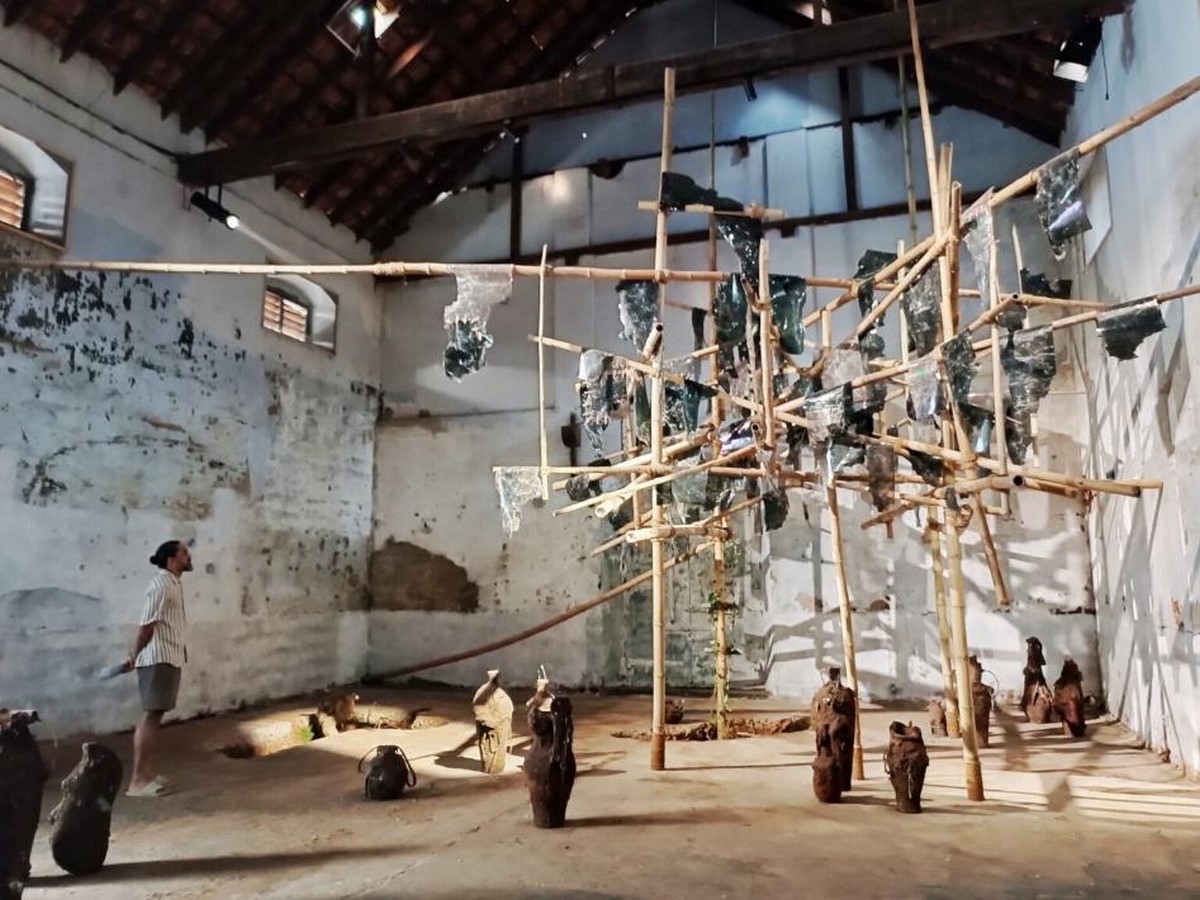
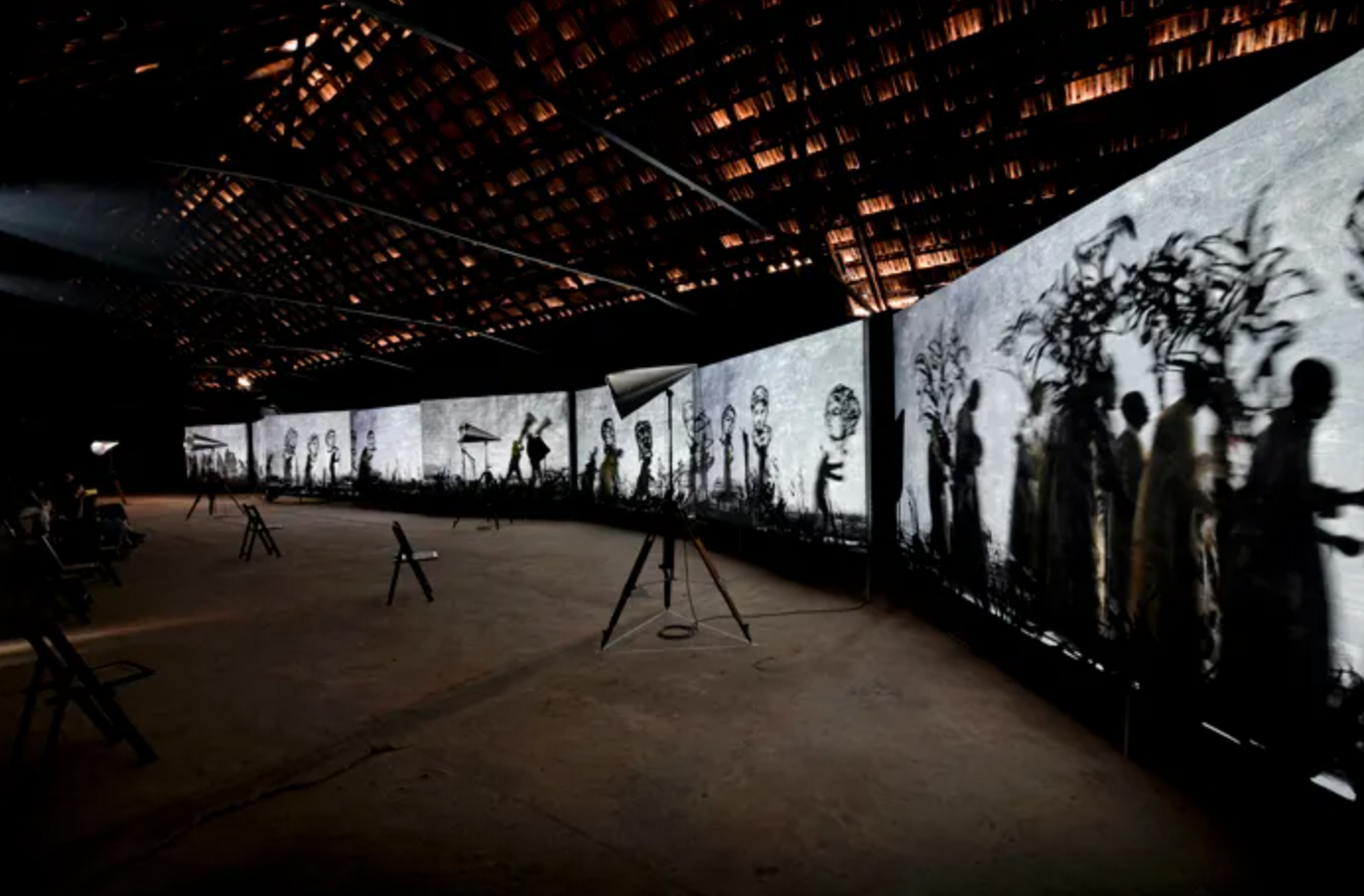
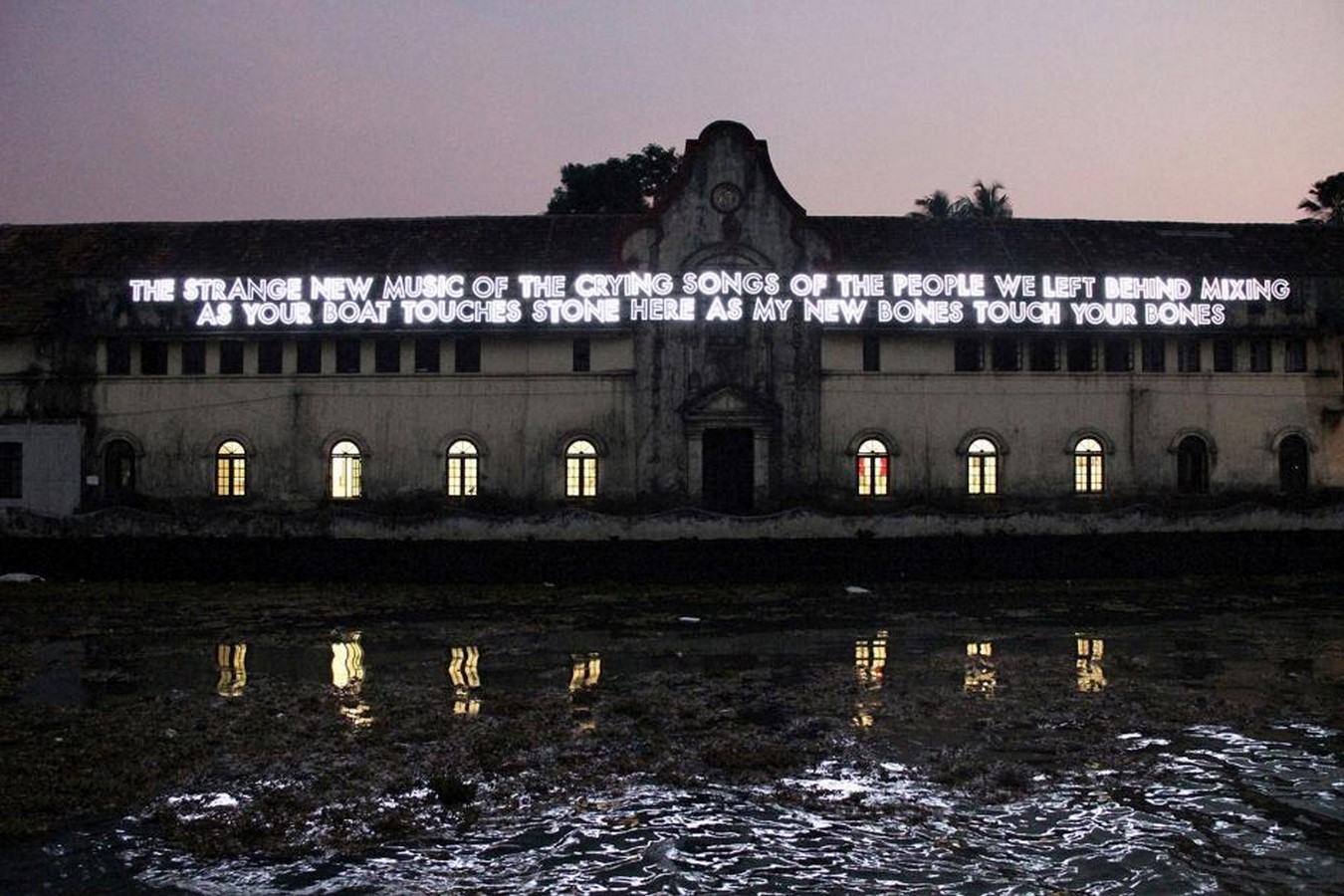
The Kochi-Muziris Biennale acts as a vital node in this narrative, where decaying warehouses and colonial ruins are reimagined as a canvas for contemporary reclamation. By layering avant-garde art over centuries of maritime history, Kerala has initiated a profound redefinition of culture, transforming the city into a dialogue between its cosmopolitan past and a visionary future. It is a beautiful synthesis of spatial storytelling, where the act of wandering through the streets becomes a way to experience the city as a living, breathing story that is both remembered and newly imagined.
Similarly, in the coastal town of Kulasekarapattinam in Thoothukudi district, the Kulasai Dussehra unfolds as a collectively re-imagined and evolving narrative anchored by the community around the centuries-old Mutharamman Temple, the epicenter of this Vijayadasami or Dussehra celebrations.
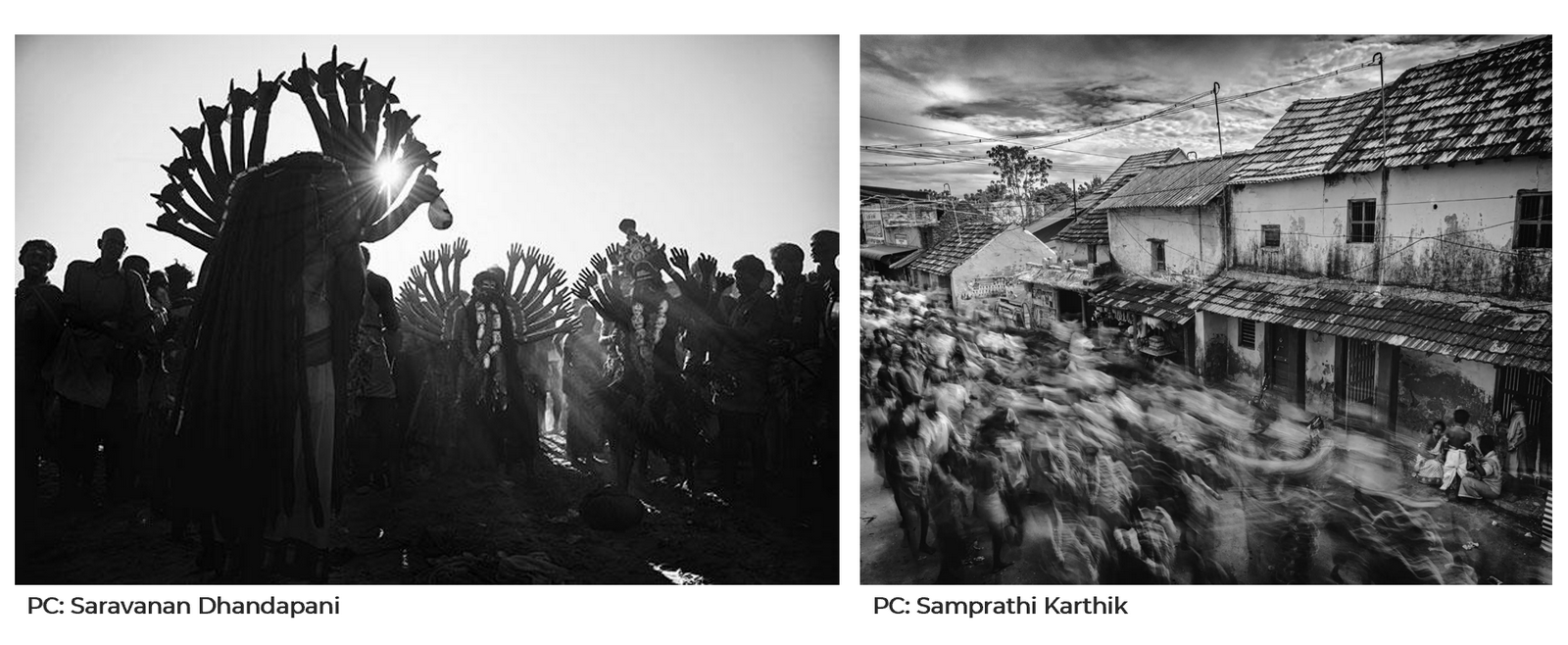
For ten days, the town transforms into a ritual theatre where thinnai thresholds, aging facades, and everyday streets are reclaimed by performance, devotion, and spectacle. Processions of idols of deities, adorned with intricate decorations and carried on elaborately decorated chariots, embodied rituals, music, and dance rooted in local folklore animate the landscape, turning domestic space into a shared cultural stage, where memory, belief, and celebration converge into a living, performative continuum.
III. The Crisis of Sameness: Junkspace and the Spectacle
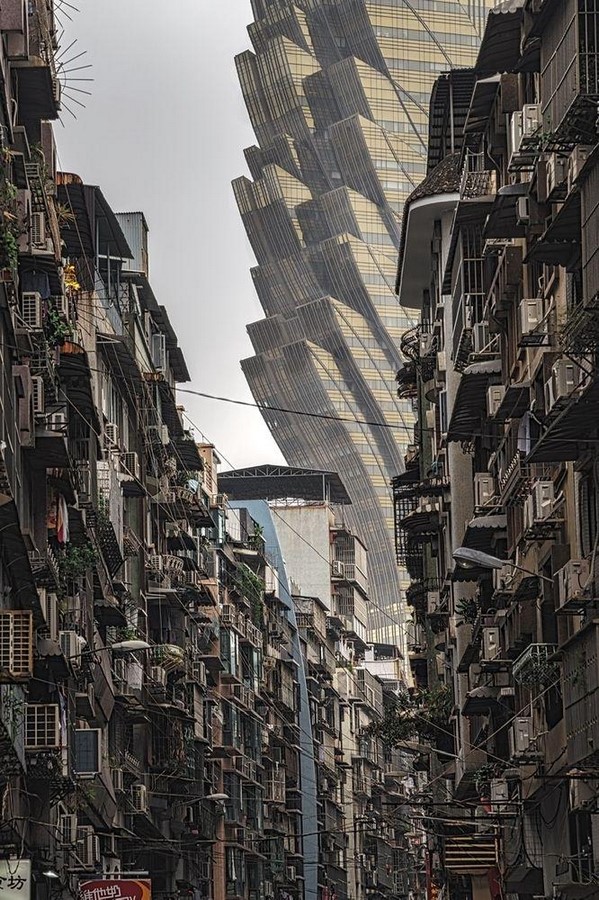
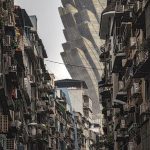
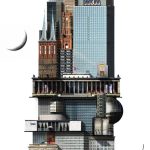
As digital culture and globalization layer new, stimulated images over traditional terrains, the “society of the spectacle” risks erasing the very contextual nuances that give a place its soul. When architecture becomes a mere commodity of the present, it loses its ability to tell original stories, resulting in a “sameness” that flattens the world’s cultural diversity.
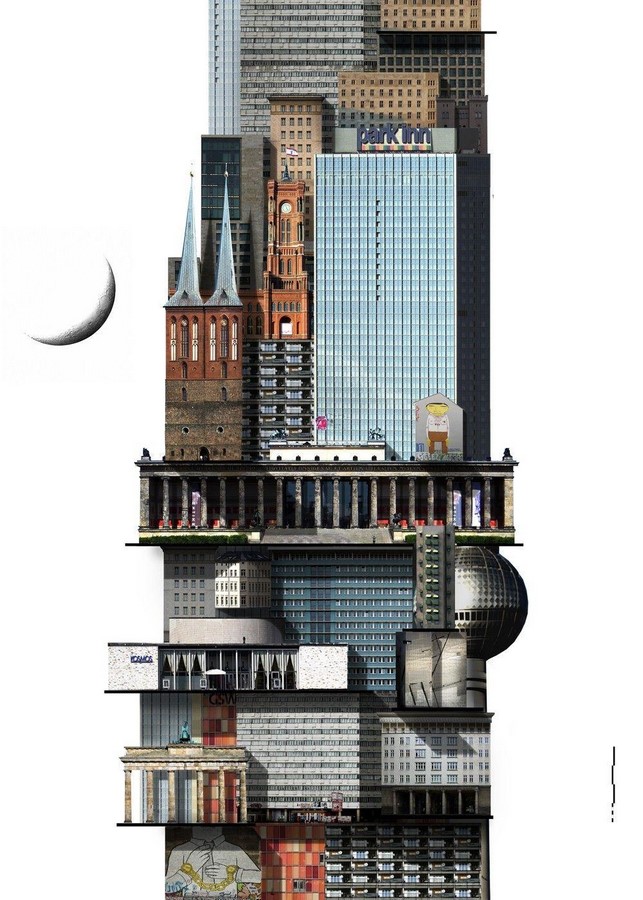
IV. Reclaiming the Collective Memory
Major disruptions, like disasters or rapid modernization, break our linear sense of time, forcing a community’s collective memory to either “stretch” to bridge the gap between a lost world and a harsh new reality, or “loop” back to a specific ancestral point to find safety. This creates isolated spatio-temporal patterns, where a group of people begins living in a “bubble” of time and meaning that is disconnected from the globalized, sterile present. Architecture’s role is to step into these invisible bubbles, using design to reveal these hidden loops of memory and provide a physical platform where a community can re-integrate its past myths into a self-aware, livable future.
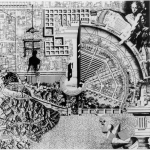
For Rossi, the city is a repository of urban artifacts that persist through time, holding the ghosts of past rituals even as their functions change.
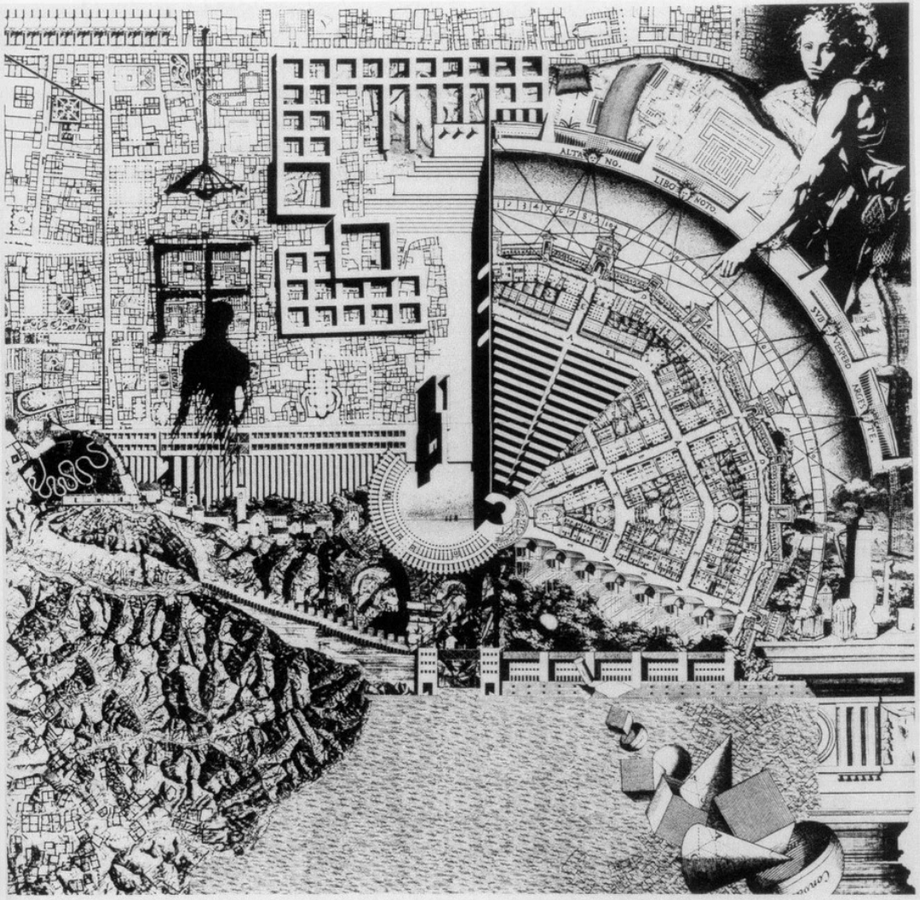
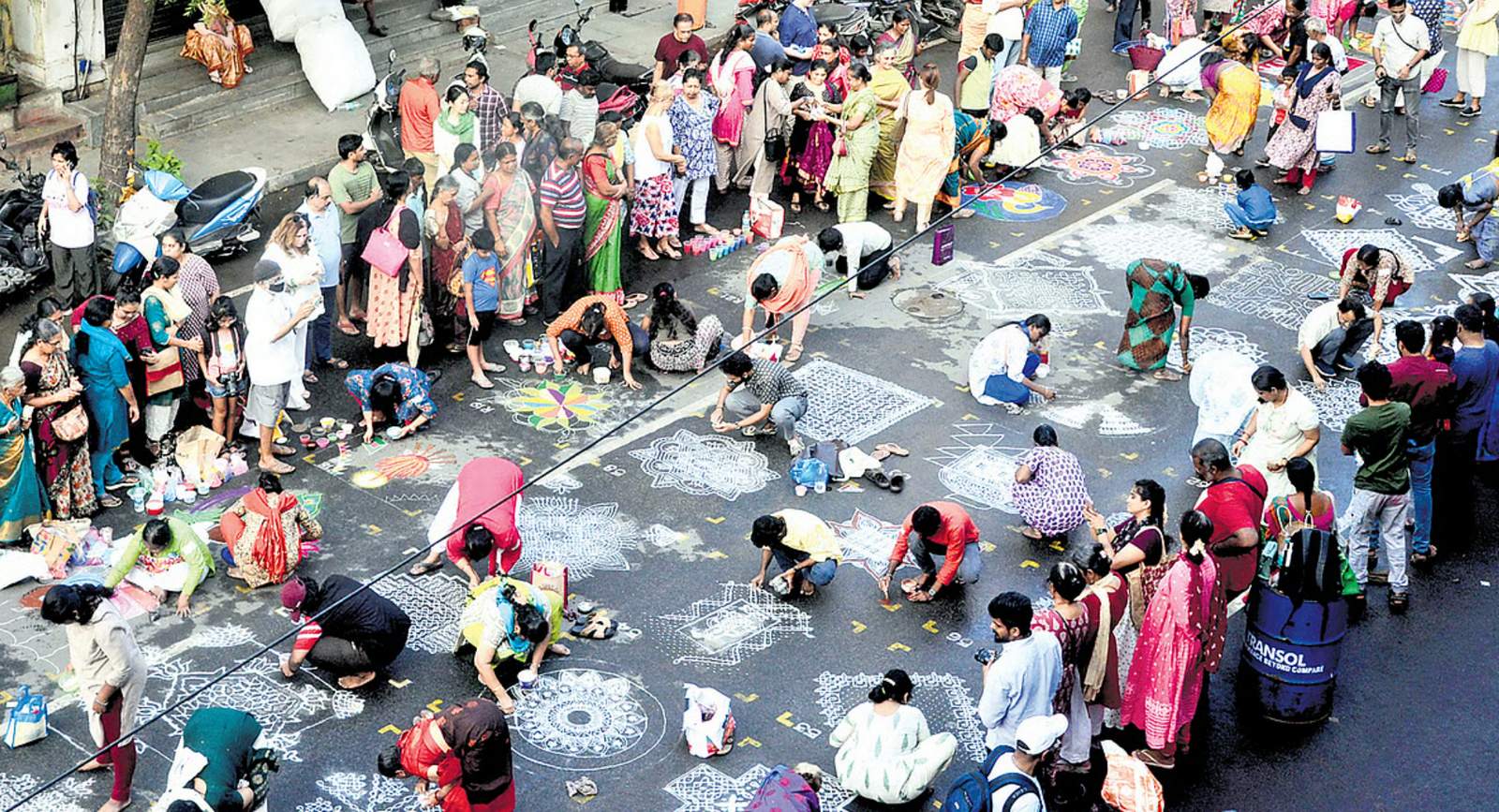
When we treat the city as a palimpsest, we move beyond Henri Lefebvre’s critique of “abstract space”, the sterile, top-down planning of modernization, and instead embrace “lived space.” This is the space of the inhabitant, where the mundane walk becomes a political act of storytelling.
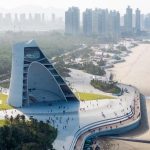
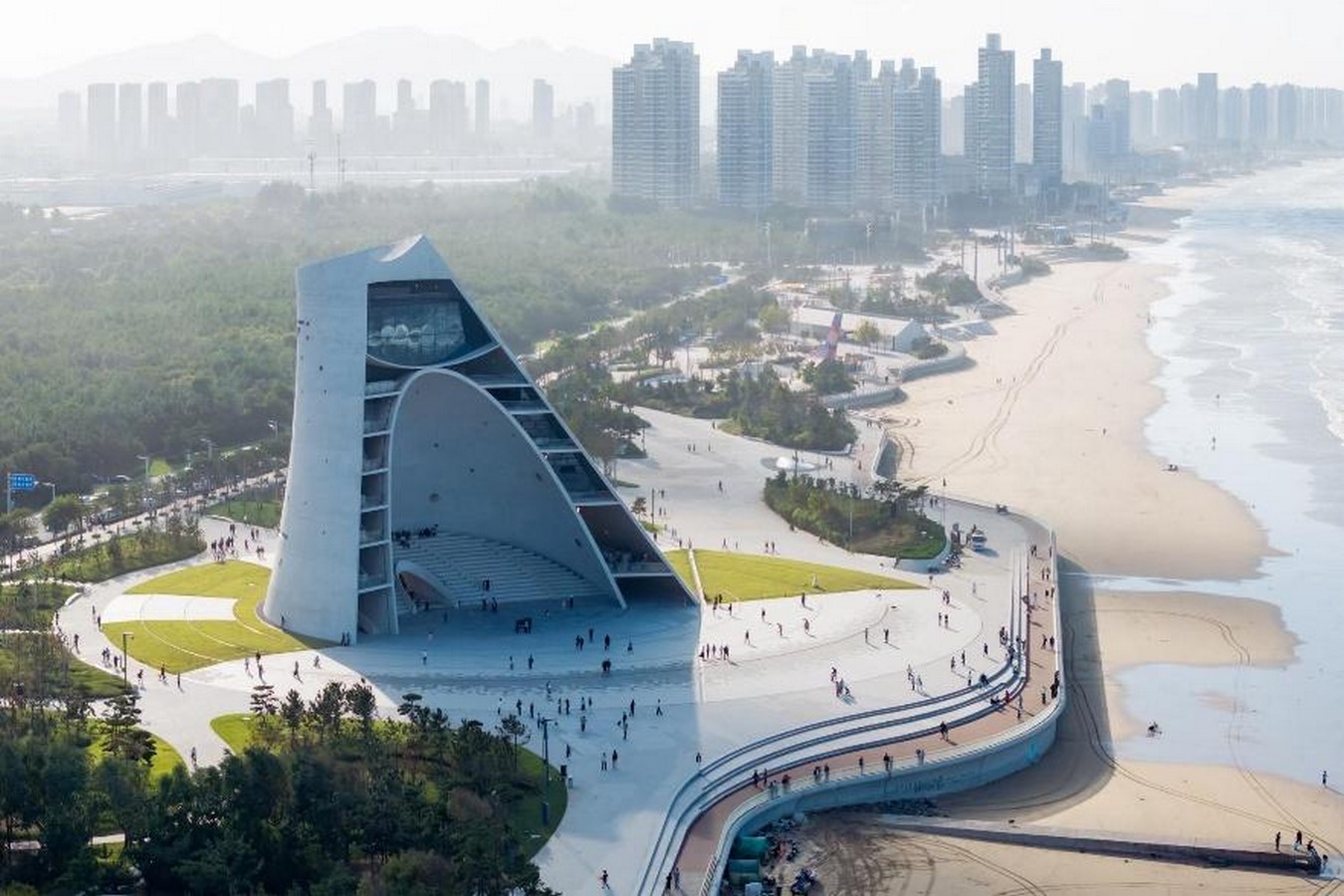
Rooted in Yantai’s legacy as a cradle of ancient sun worship, the Sun Tower by OPEN Architecture acts as a celestial instrument for the modern era. Designed to capture the sun’s shifting path, the tower reawakens a spiritual bond with the natural world while providing a soulful anchor for the new urban district. Facing the horizon, its concave shell serves as a monumental sound collector, absorbing and amplifying the rhythmic voice of the ocean to create a truly immersive communal experience.
Epilogue: The Ambiguous Horizon of Culture
Is culture dead? If we look only at the sterile “Junkspace” of our globalized glass towers and the hollow simulations of digital life, the answer might feel like a haunting yes. We are living in an era of sequels and reboots, a “Society of the Spectacle” that threatens to flatten our specificities into a single, homogenized landscape.
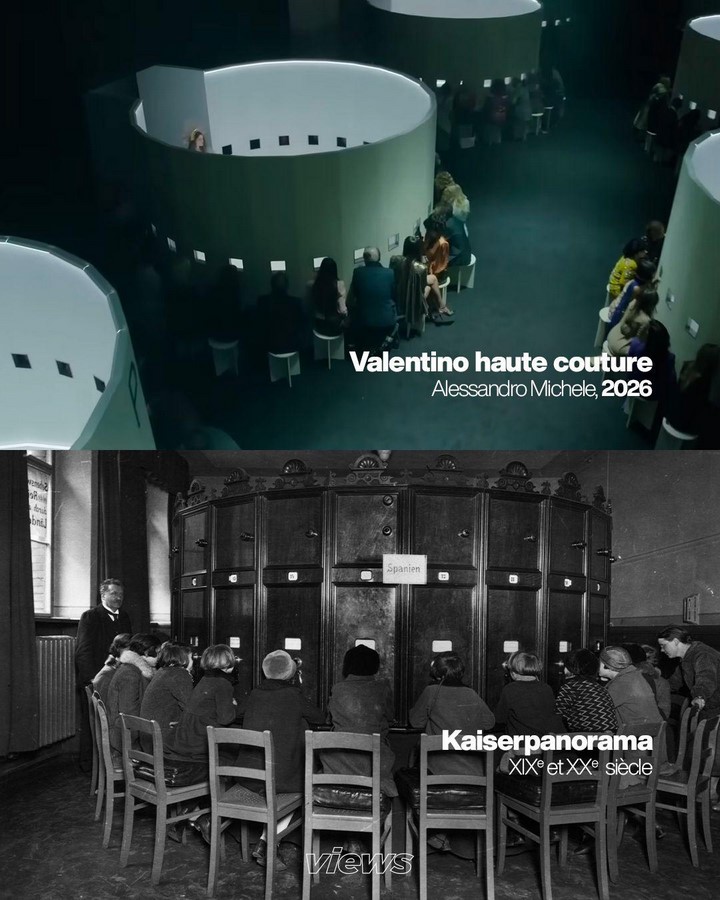
Yet, the evidence of our own senses tells a different story. Culture is a breathing force; it persists in mundane acts of being that suddenly feel mystical, whether in the vastness of a paddy field, along the rhythmic shores of the ocean. Like a decaying warehouse in Kochi that suddenly feels like a portal to another world, culture is a rhizomatic existence, a stubborn refusal to be erased, thriving in the cracks of the modern machine, waiting to be re-inscracked into the spaces we inhabit today.
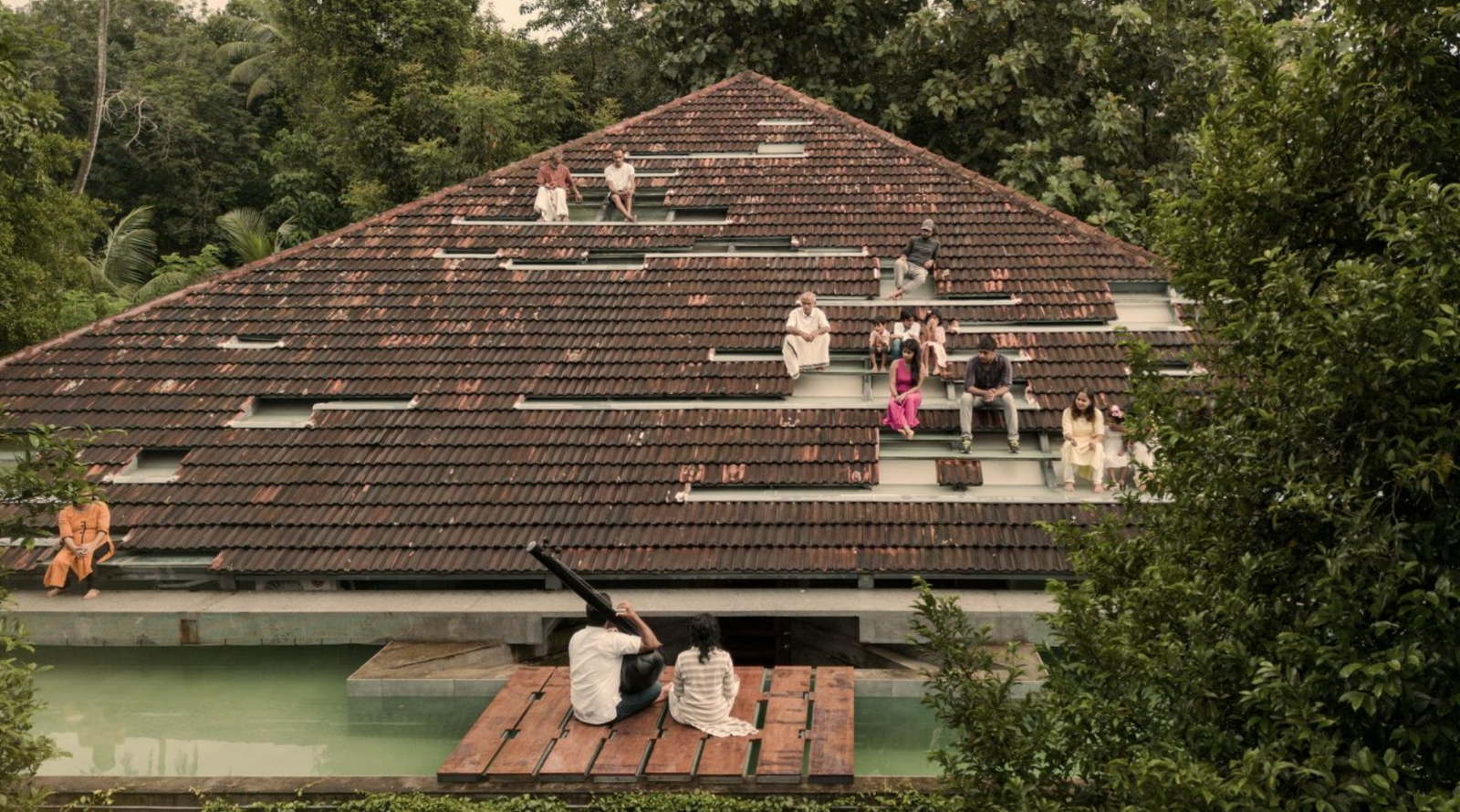
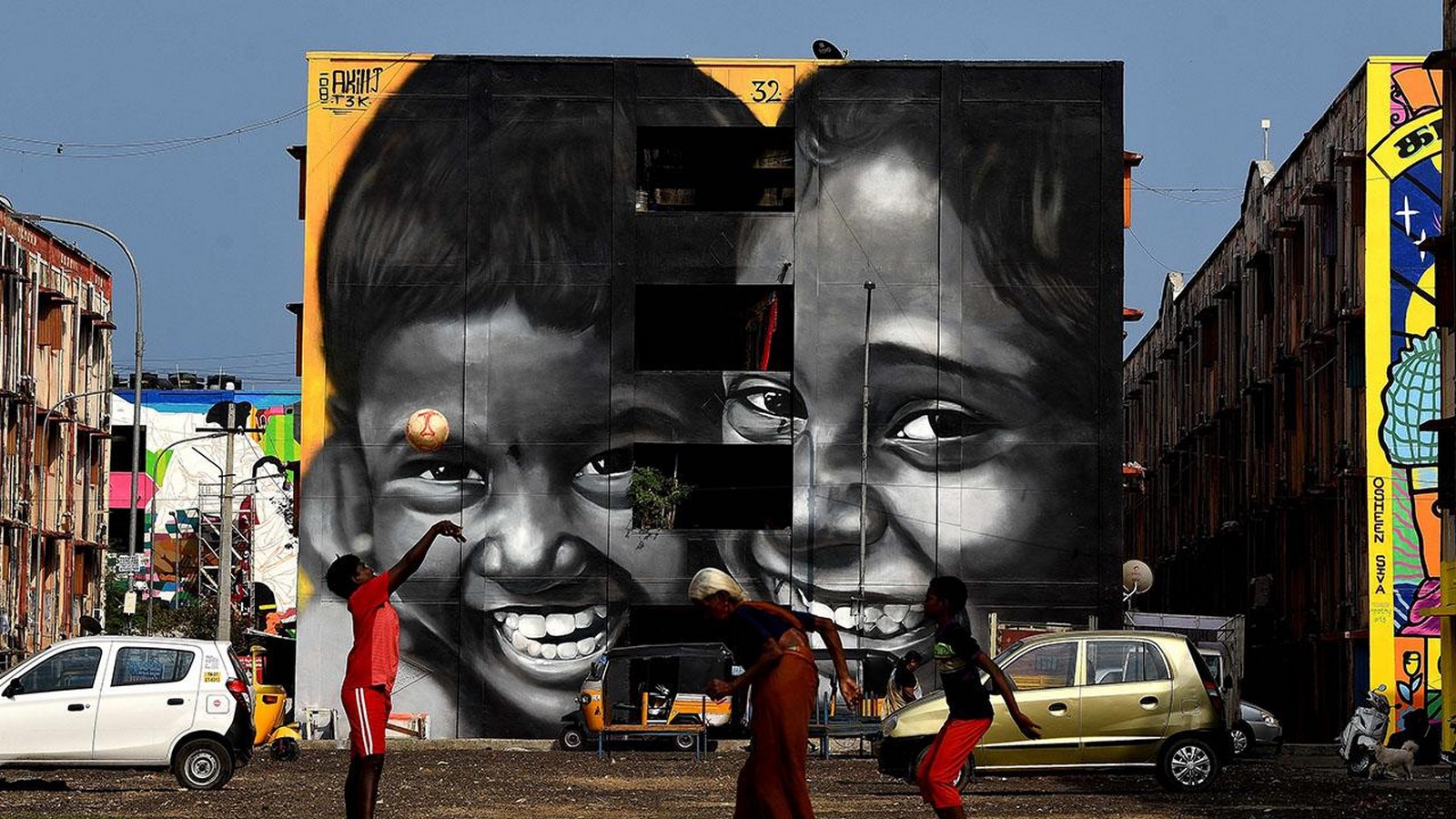
In the end, architecture is a profound cultural and political act of defiance. To speak of “spatial imaginaries” is to reclaim our right to dream the city as much as we build it. By choosing what to carry forward and what to anchor, we move from preservation to meaningful re-interpretation. Culture persists as something continually re-animated through use, memory, and imagination. The city, then, remains alive only when its stories are actively re-inscribed into the spaces we inhabit.
Reference:
- Lefebvre, H. (1991). The Production of Space. [online]. Wiley. Available at: https://www.wiley.com/en-us/The+Production+of+Space-p-9780631181774
- Debord, G. (1955). Introduction to a Critique of Urban Geography. [online]. Situationist International. Available at: https://www.cddc.vt.edu/sionline/presitu/geography.html
- Koolhaas, R. (1978). Delirious New York: A Retroactive Manifesto for Manhattan. [online]. Monacelli Press. Available at: https://www.monacellipress.com/products/delirious-new-york
- Augé, M. (1995). Non-Places: Introduction to an Anthropology of Supermodernity. [online]. Verso. Available at: https://www.versobooks.com/products/2120-non-places
- Rossi, A. (1982). The Architecture of the City. [online]. MIT Press. Available at: https://mitpress.mit.edu/9780262680431/the-architecture-of-the-city/
Images:
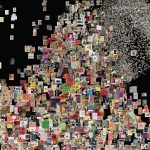
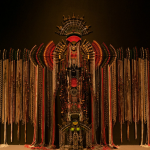
- Machine Mallucinations ©Refik Anadol
- The Spatial Imaginary: Relationship to Place, Transformation, and Idealized Space ©Matheney, A., Anguelovski, I., Kotsila, P., Sekulova, F., & Oscilowicz, E. (2024)
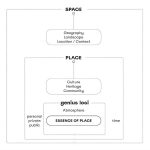
- Interplay of Space, Place, and Genius Loci ©Iva Lokas, Relja Petrović, Ivana Rakonjac (2023)
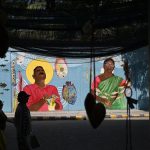
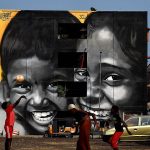
- A Mural by the Fearless Collective ©Thulasi Kakkat
- Installation view at the Kochi-Muziris Biennale ©Kochi Biennale Foundation
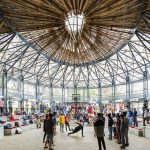
- KOODAARAM Kochi-Muziris Pavilion / Anagram Architects © Suryan/Dang
- Installations of KMB ©Rakesh Dheeran
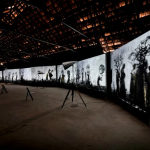
- Installation view at the Kochi-Muziris Biennale ©Kochi Biennale Foundation
- Aspin Wall, Kochi © Robert Montgomery
- Kulasai Dasara in Kulasekarapattinam, Tuticorin district
- Utopia or Dystopia ©Yuya Takahashi
- The Architectural Expression of a City ©Mark Jason Warren
- Aldo Rossi, La città analoga, 1976 ©Aldo Rossi
- Kolam and Rangoli contest at the Mylapore Festival ©newindianexpress.com
- Sun Tower, Yantai, China ©Iwan Baan
- Valentino by Alessandro Michele ©’Specula Mundi’ Haute Couture 2026 Show
- The Nisarga Art Hub, Wallmakers, Kerala ©Syam Sreesylam
- “Sisters” by Indian artist Aqueel aka A-Kill ©St+art India, Chennai