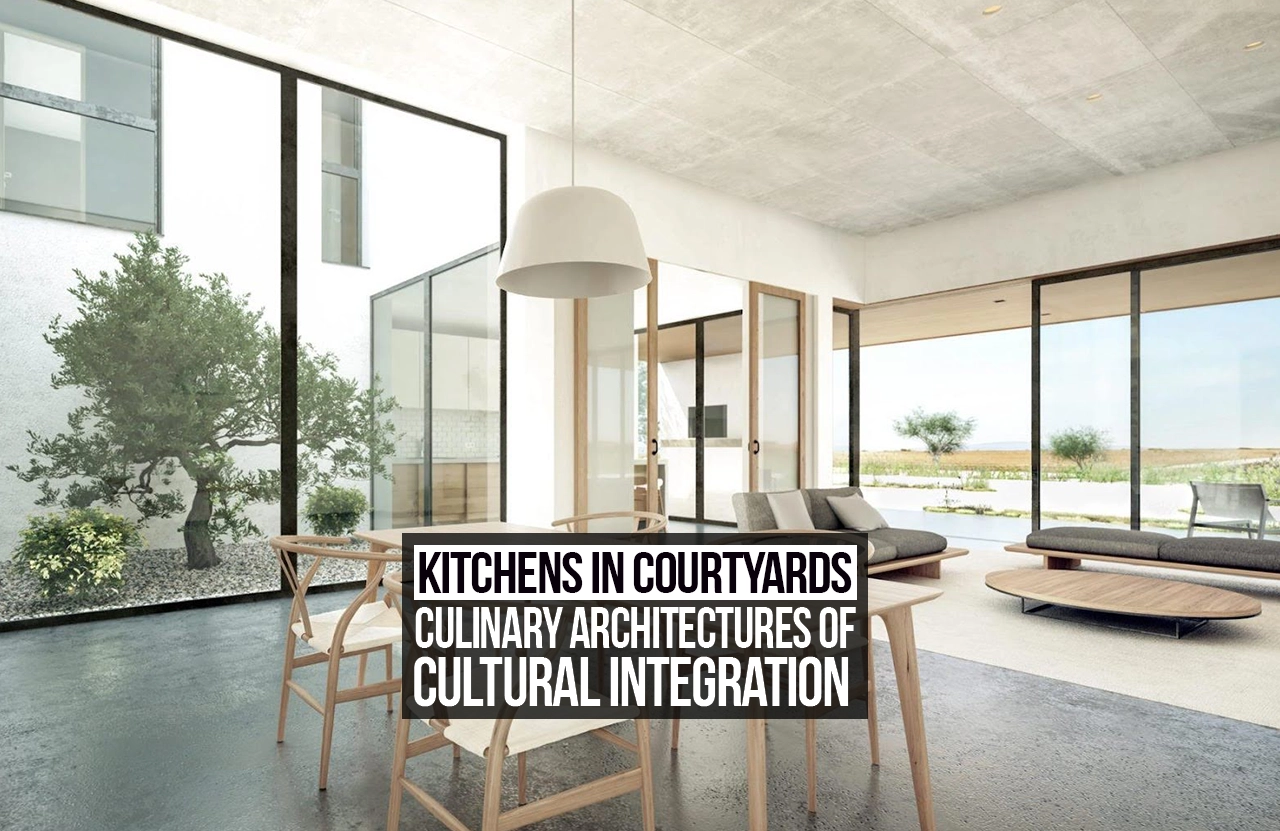
In many homes, the kitchen is not just a room where food is prepared. It is where the day begins and often where it ends. Conversations happen while cutting vegetables, tea is shared without planning, and stories pass quietly from one generation to another. In many cultures, people naturally gather around the kitchen, not because it is designed as a social space, but because life happens there. When this kitchen opens into a courtyard, the space slowly becomes something more than functional. Cooking moves outdoors, smells travel, voices echo softly, and the home starts to breathe.
Courtyard kitchens allow everyday domestic life to unfold in a shared way. Elders sit nearby while children play, neighbours stop by, and meals become collective moments rather than isolated routines. These spaces blur the line between inside and outside, private and shared. The architecture does not force interaction, but it allows it to happen naturally. In a time when homes are becoming more closed and individualised, kitchens in courtyards quietly bring people back together. They show how food, space and culture are deeply connected, and how simple design decisions can support social bonding, memory and belonging without making it feel intentional or staged.
Kitchen Facing the Courtyard: A Private Residence in Madrid
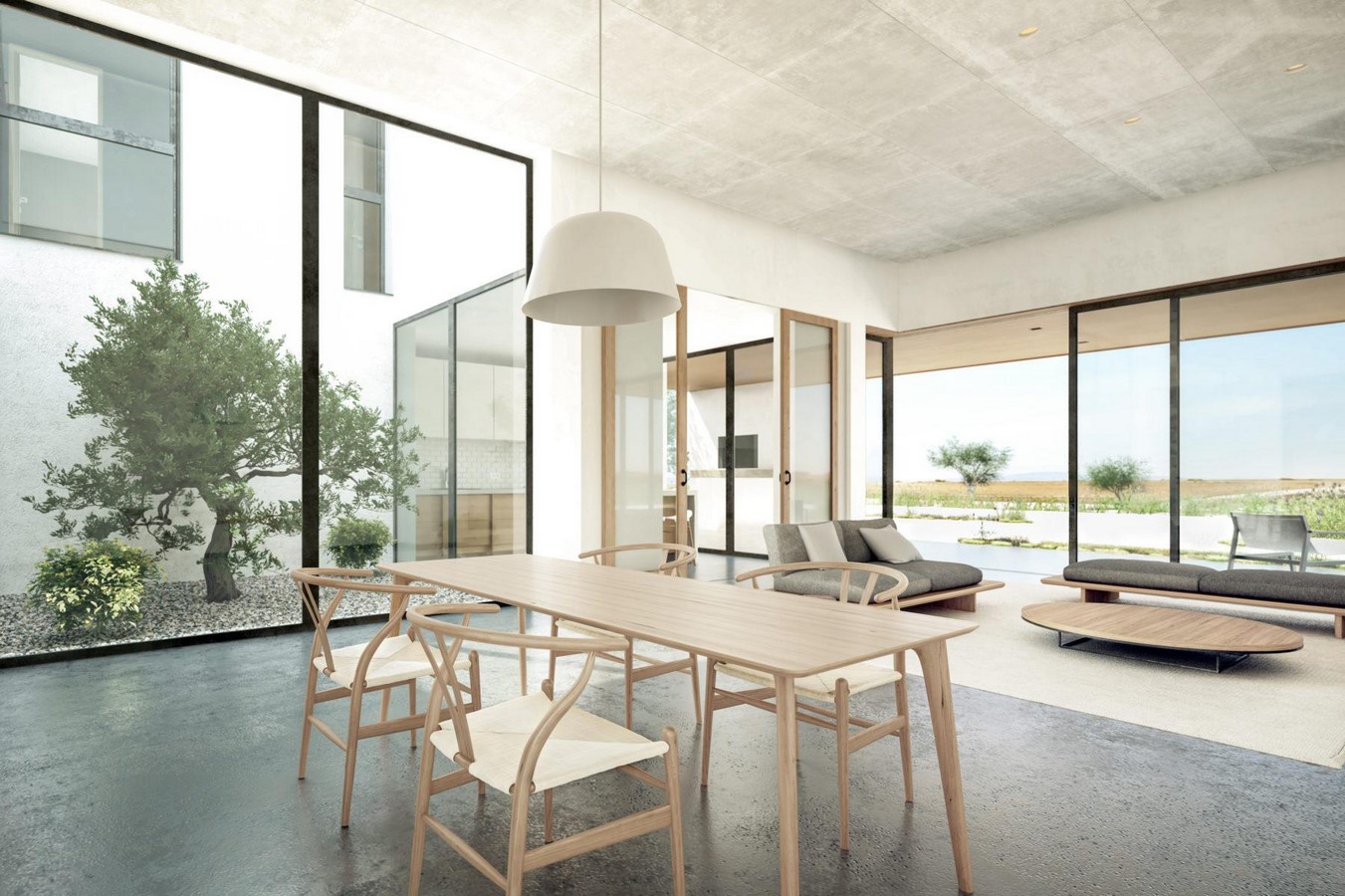
In this private residence in Madrid, the kitchen is not treated as a back-of-house service space. Instead, it opens directly towards the courtyard, becoming one of the most lived-in areas of the house. The moment cooking begins, the house also begins to respond. Light enters through the courtyard, air moves naturally, and the act of cooking becomes connected to everything around it. The kitchen here does not isolate the person cooking. It places them at the centre of everyday life (AQSO, n.d.).
The courtyard acts as a soft pause between inside and outside. While cooking, one can look into the courtyard, notice the changing light or feel the air shift during different times of the day. This visual and physical connection reduces the sense of enclosure that kitchens often suffer from in urban homes. Instead of artificial ventilation or constant lighting, the courtyard supports the kitchen naturally. This relationship improves comfort but also creates a subtle social connection, where food preparation is visible, shared and acknowledged within the household (AQSO, n.d.).
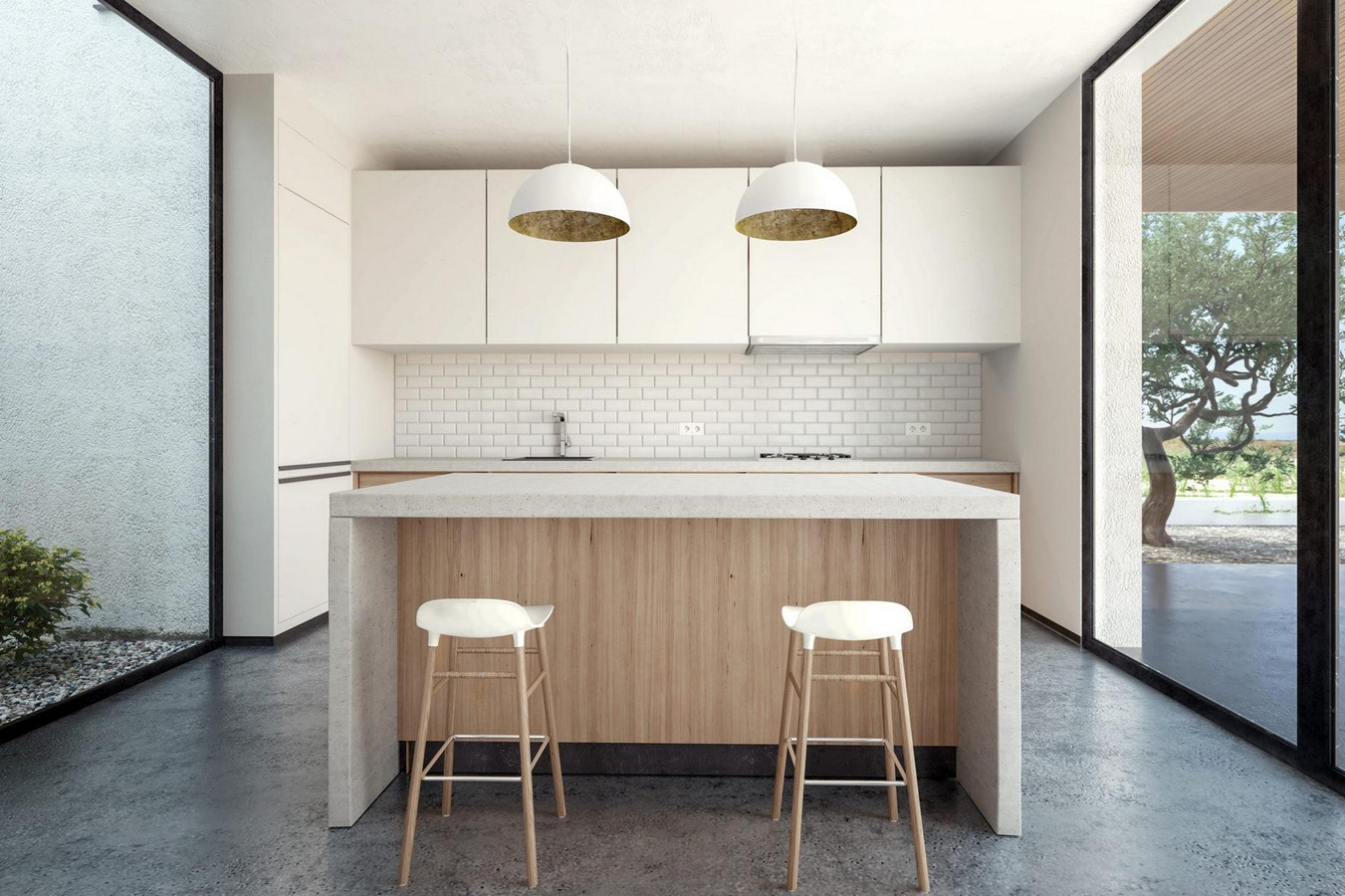
What makes this space culturally significant is how it redefines domestic roles. The kitchen is no longer hidden or separated; it becomes a shared zone that connects different members of the family. Conversations move easily between the courtyard and the cooking space. Children, elders and guests remain visually connected even while performing different activities. In this way, architecture quietly supports social integration. The design shows that when kitchens face courtyards, cooking transforms from a private task into a collective experience, strengthening relationships through everyday routines rather than formal gatherings.
A Threshold Between Cooking and Living: Vernacular Courtyard House
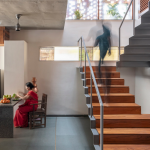
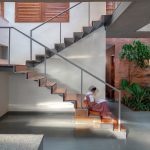
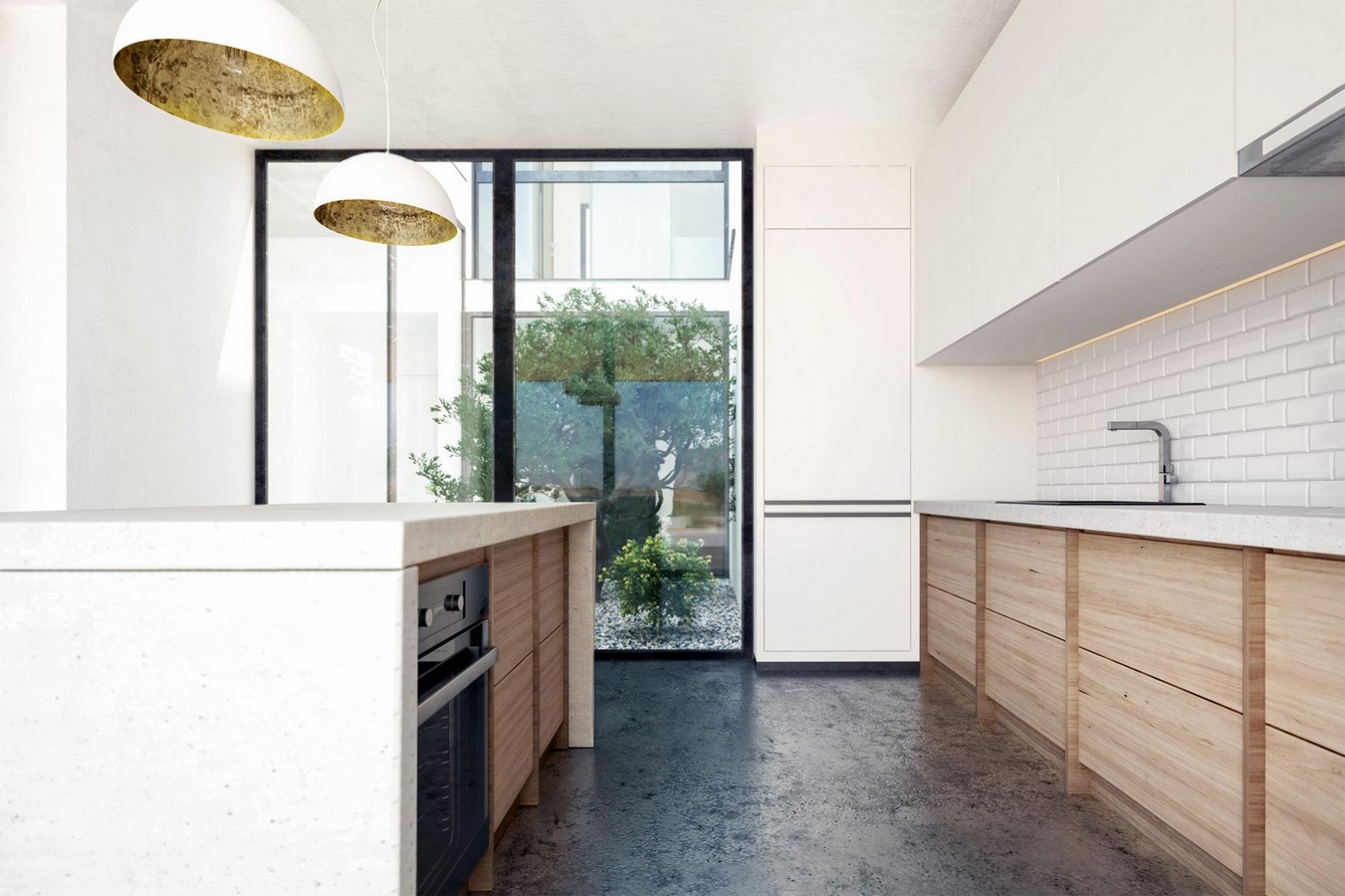
In this courtyard house inspired by vernacular architecture, the kitchen sits close to the heart of the home rather than at its edges. It is positioned as a threshold space, neither fully private nor fully public. Cooking here happens alongside daily movement. People pass through, pause, talk, or sit nearby while food is being prepared. This arrangement reflects traditional living patterns where kitchens were never isolated rooms, but social anchors within the house (The Architects Diary, n.d.).
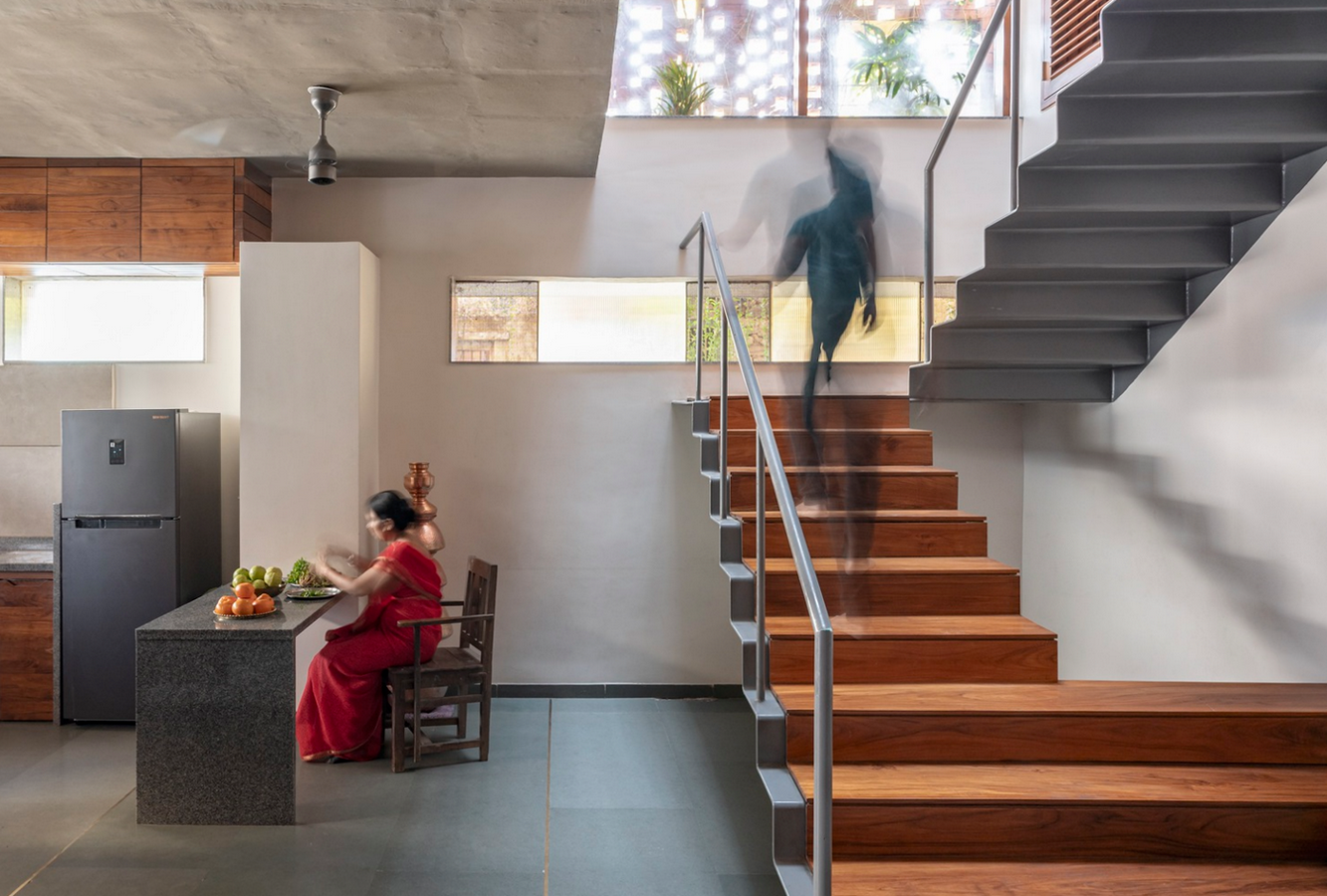
The courtyard plays a strong role in shaping how the kitchen is used. Smoke, heat and smell escape naturally into the open space, reducing the need for mechanical systems. Sunlight enters indirectly, creating a softer and more comfortable working environment. The kitchen benefits from this balance. It stays connected to nature while remaining functional. Such spatial relationships were common in vernacular homes, where climate, culture and daily rituals shaped design decisions long before modern technology became dominant (The Architects Diary, n.d.).
What stands out is how the kitchen supports intergenerational interaction. Elders may sit near the courtyard, children move freely around the space, and cooking becomes something observed and shared rather than hidden. Knowledge, recipes and habits pass naturally through everyday interaction. Architecture here does not force social bonding, it simply allows it to happen. The kitchen becomes a cultural bridge, connecting generations through routine acts of preparing and sharing food. This project reminds us that traditional spatial wisdom still holds relevance, especially when designing homes that value togetherness over separation.
A Hidden Garden Within: The Garden House, Calicut
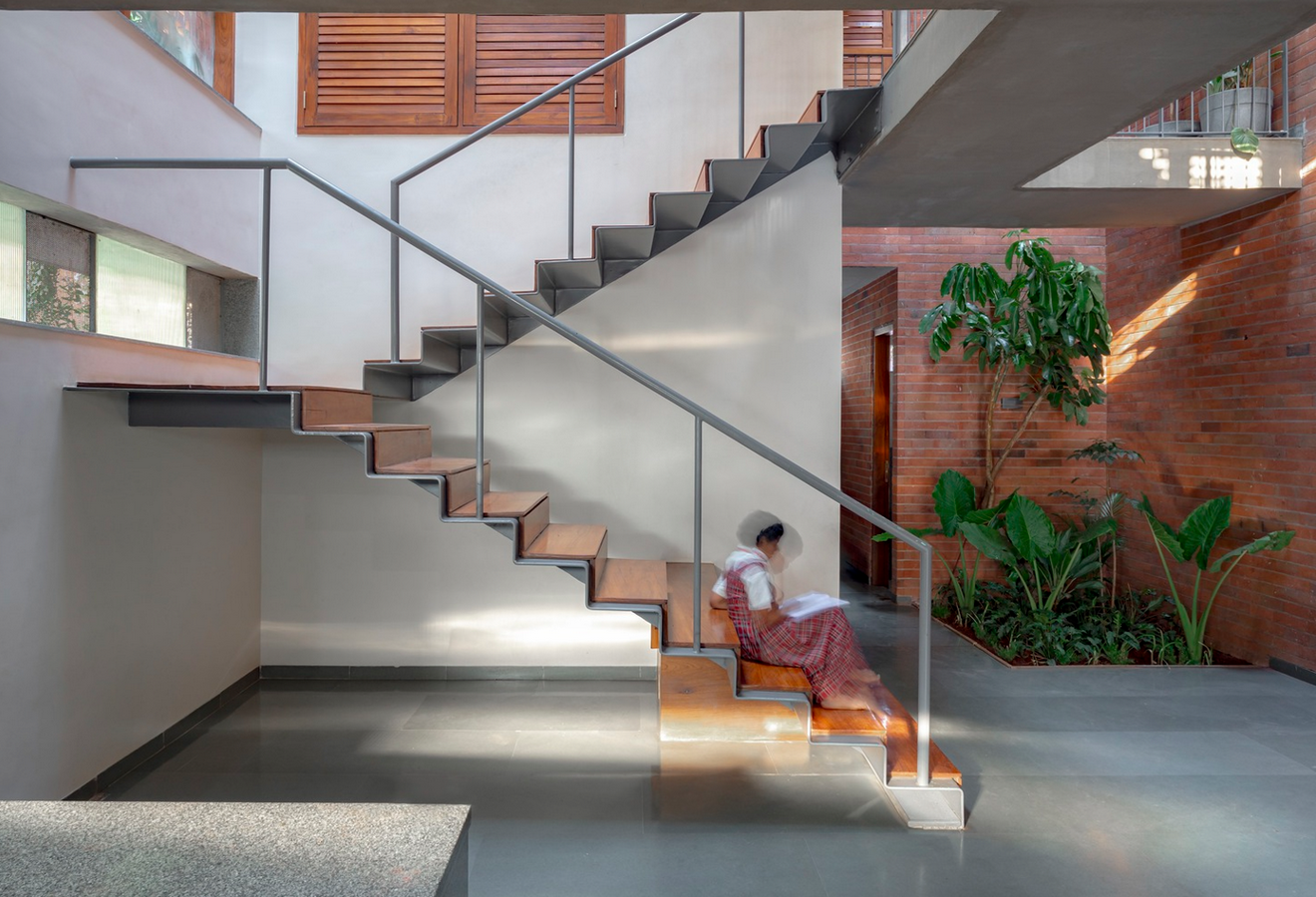
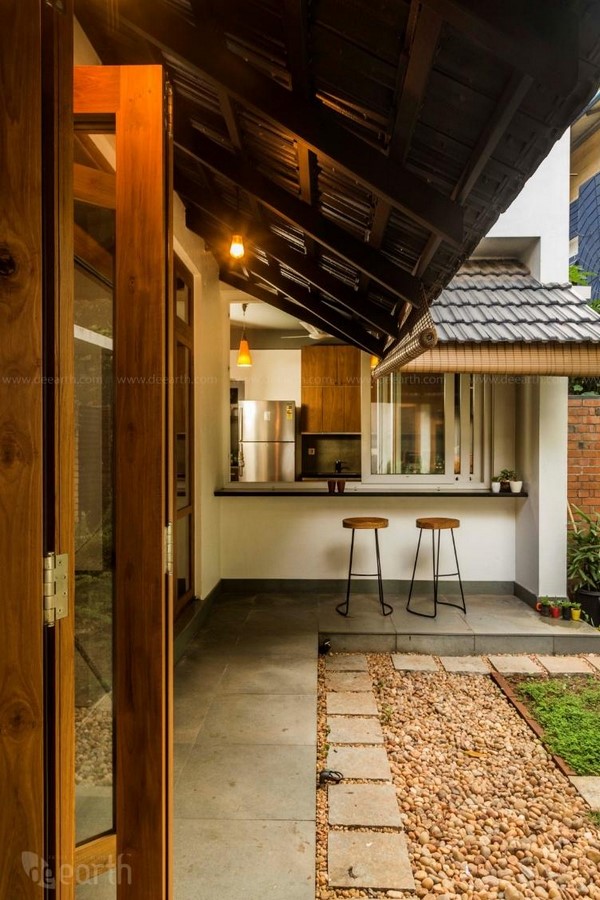
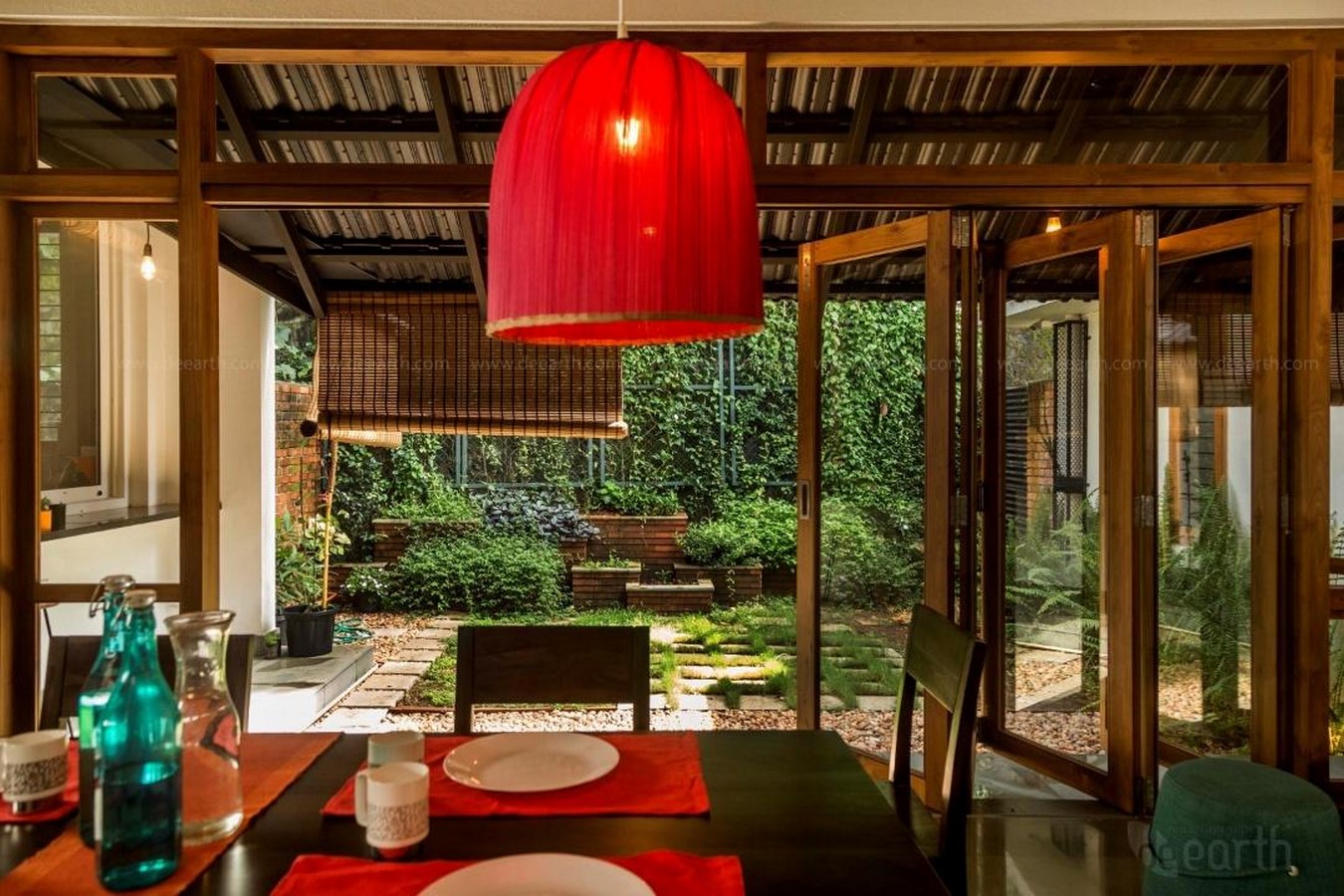
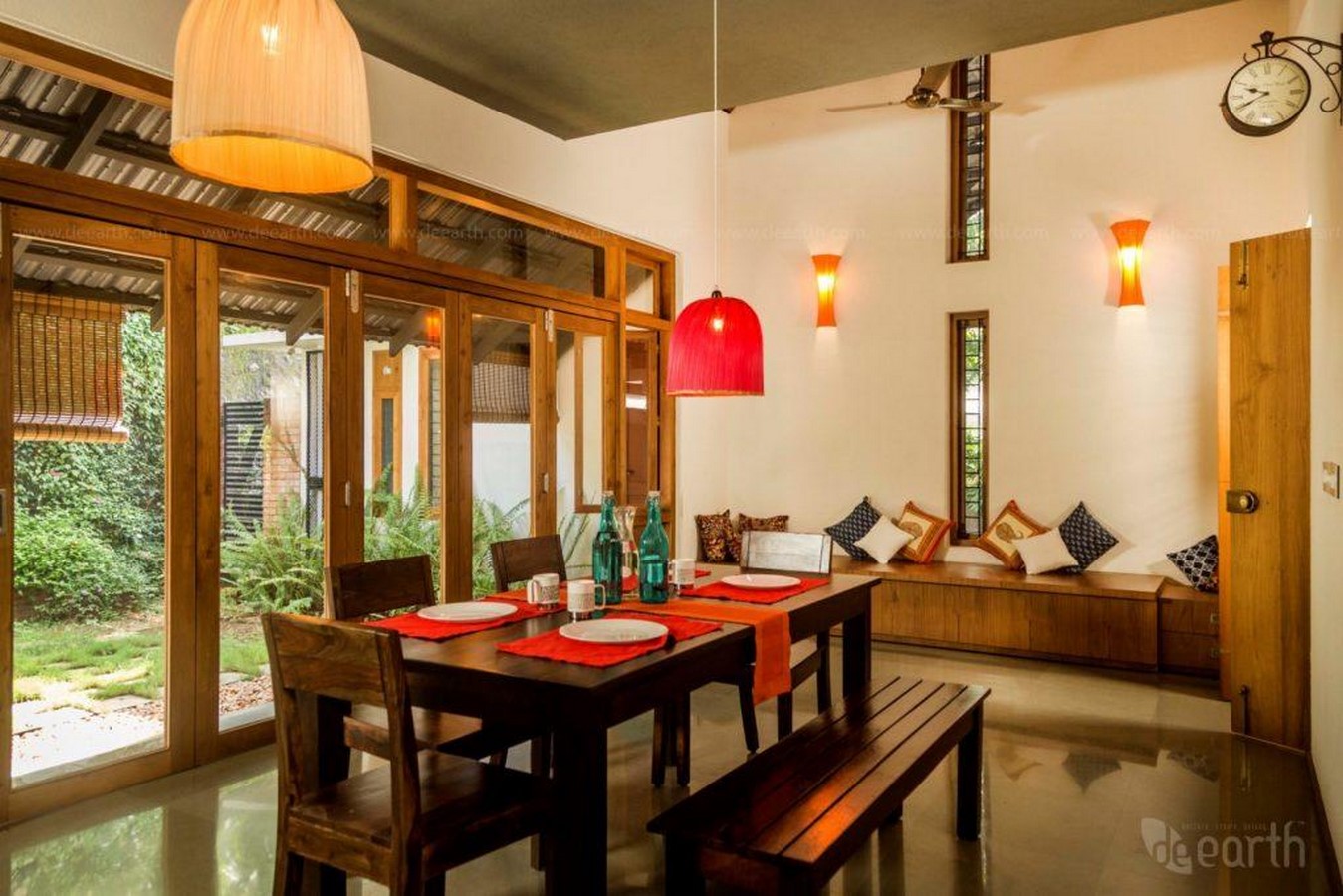
In the Garden House at Calicut, the kitchen is not treated as a closed room meant only for cooking. It sits close to a small internal garden, making daily activities feel lighter and calmer. The courtyard here is simple and secure, yet it becomes an important part of everyday life inside the house (The Architects Diary). When someone is cooking, they are not cut off from the rest of the home. Light, air and greenery stay connected to the kitchen space.
This house shows how a courtyard can quietly support cooking and family interaction. The garden allows natural ventilation and helps release heat, which is very important in Kerala’s humid climate (The Architects Diary). More than performance, it changes how the kitchen feels emotionally. Cooking happens with a view of plants, movement of leaves and filtered daylight. These small connections make everyday routines feel less stressful and more grounded.
Instead of designing the kitchen as a separate functional zone, this house allows it to become part of shared living. People move between spaces easily. Conversations continue while cooking. The courtyard does not demand attention, but it supports daily life silently. This is where architecture gently connects food, space and people without forcing interaction. (The Architects Diary)
Conclusion:
Kitchens in courtyards are not just about design or aesthetics. They are about how people live together. When cooking spaces open into courtyards, something simple happens. People don’t feel separated while cooking. Smells travel, conversations continue, and daily routines become shared moments. These spaces quietly connect generations, cultures and habits without needing any special effort.
Across different houses and contexts, courtyards allow kitchens to breathe. They bring light, air and nature closer to food and people. Whether it is a small family meal or a larger gathering, these spaces support interaction in a natural way. They are not loud or dramatic, but they stay present in everyday life.
In a time when kitchens are often pushed to corners or closed behind walls, courtyard kitchens remind us that food has always been social. Architecture here does not try to impress. It simply allows people to stay connected. And sometimes, that is enough to make a house feel complete.
Bibliography:
AQSO Arquitectos (n.d.) Private Residence in Madrid.
https://aqso.net/work/1705phv-private-residence-in-madrid/
The Architects Diary (n.d.) Courtyard House Inspired by Vernacular Architecture.
https://thearchitectsdiary.com/this-courtyard-house-design-draws-inspiration-from-vernacular-architecture-a-threshold/
The Architects Diary (n.d.) Garden House, Calicut – De Earth.
https://thearchitectsdiary.com/garden-house-calicut-de-earth/
Kuriakose, B. (n.d.) Courtyard: Beauty and Functionality.
https://www.bennykuriakose.com/post/courtyard-the-beauty-and-functionality
Springer (2025) Domestic spatial relationships and cultural integration.
https://link.springer.com/article/10.1007/s43995-025-00231-z