Today, the field of sustainable design is aided by data, modeling, certification, and performance metrics. But despite this technical sophistication, there is often a difficulty in linking sustainable facilities in a meaningful way with people. It may not always be about innovation; it may be about communication. Numbers can explain, but stories convince. Hence, storytelling becomes an important instrument in expressing sustainable purpose in human language.
Architecture has long been a narrative medium in itself because every sections and elevation has its own story of space as it is imagined, inhabited, and transformed over the years. Architects can use the techniques of stories like plots, characters, and conflict to communicate, legitimize, and deconstruct sustainable design practices because stories can make the practice of sustainability an experienced issue rather than mere technical measures.
Architecture as Narrative
The concept of sustainability was an afterthought in this regard, as architecture has historically told the tale of climate, culture, and values. The architectural forms in India, which included courtyard homes in Chettinad, step wells in Gujarat, and slanted-roof homes in the Western Ghats, were telling the story of sustainability long before it was called “sustainable design.”
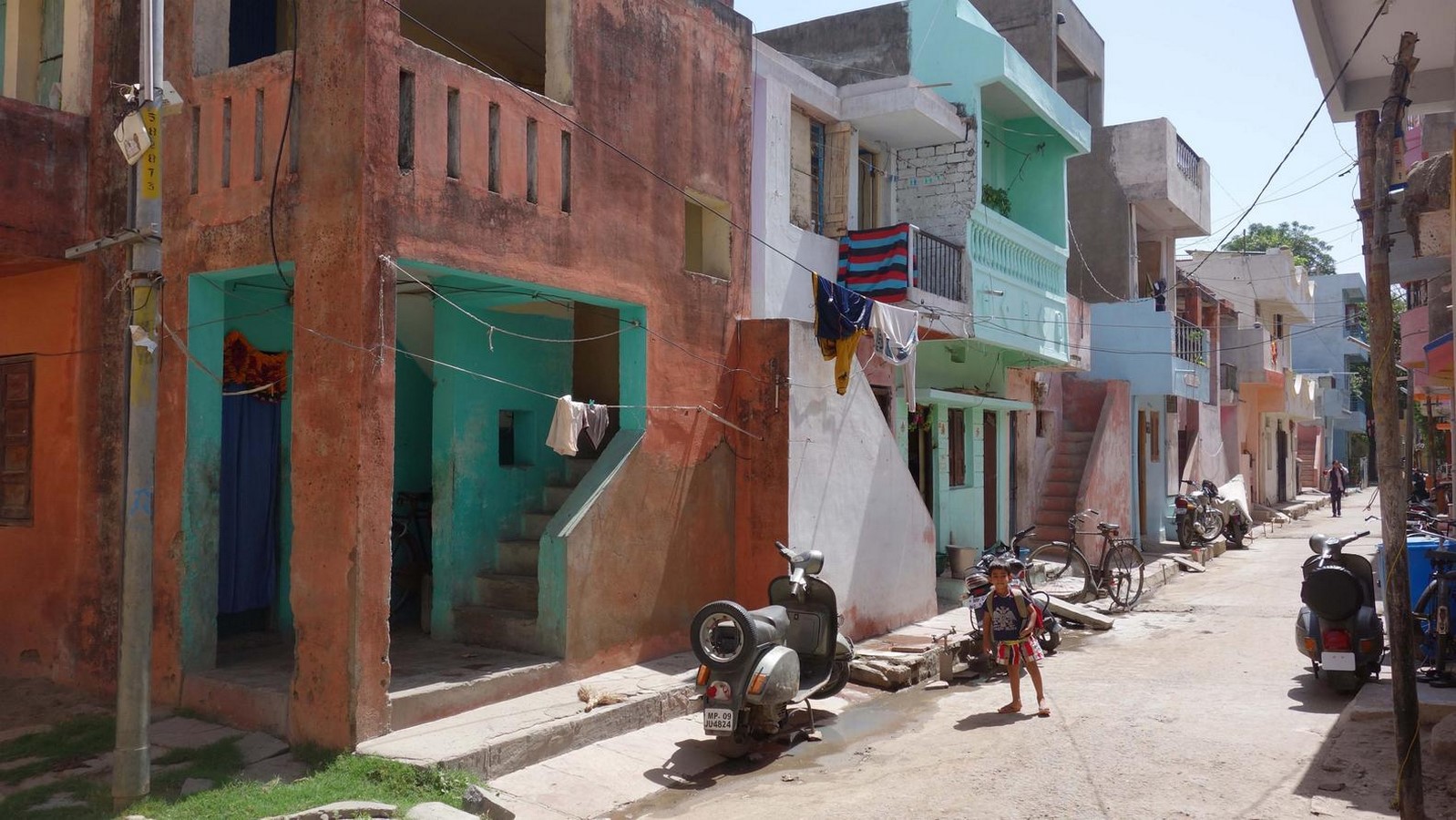
Today, the best form of sustainable design is often condensed into ratings and checklists. These are necessary, but they never tell the why of the design. Storytelling fills this gap because it contextualises sustainability. When architects use a story to contextualise sustainability as the solution to a particular place, it becomes more pertinent and credible.
Plot: The Journey of a Sustainable Building
“Action-packed” or “conflict-driven” is the only genre for all ongoing projects. Usually, the reader begins with “challenge” and builds towards “adaptation.” The hero will often begin with “crisis” before overcoming “disaster.” The
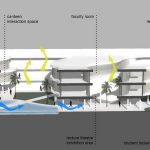
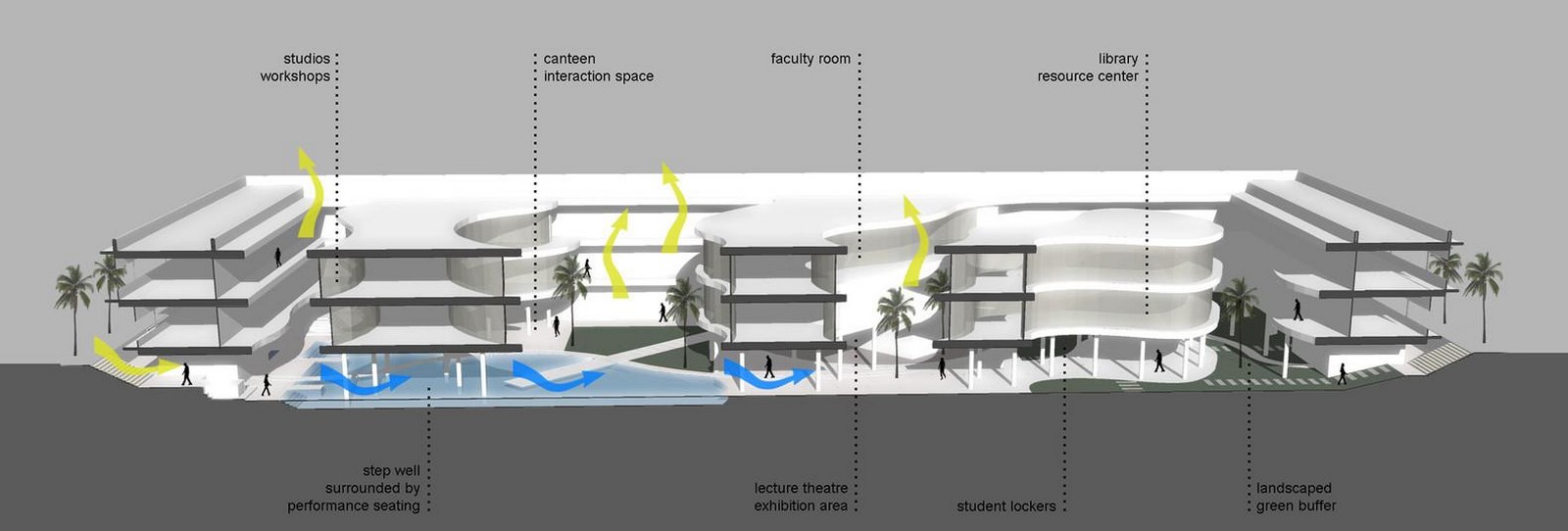
One exemplary work is Pearl Academy of Fashion, Jaipur, by Morphogenesis. There exists a massive amount of sand and sunlight. The architects deal with this through shaded courtyards, a double skin facade system inspired from jaalis, and evaporation cooling. Sustainability does not remain a slogan but a story that unfolds through the “section” and “experience” offered by this structure.
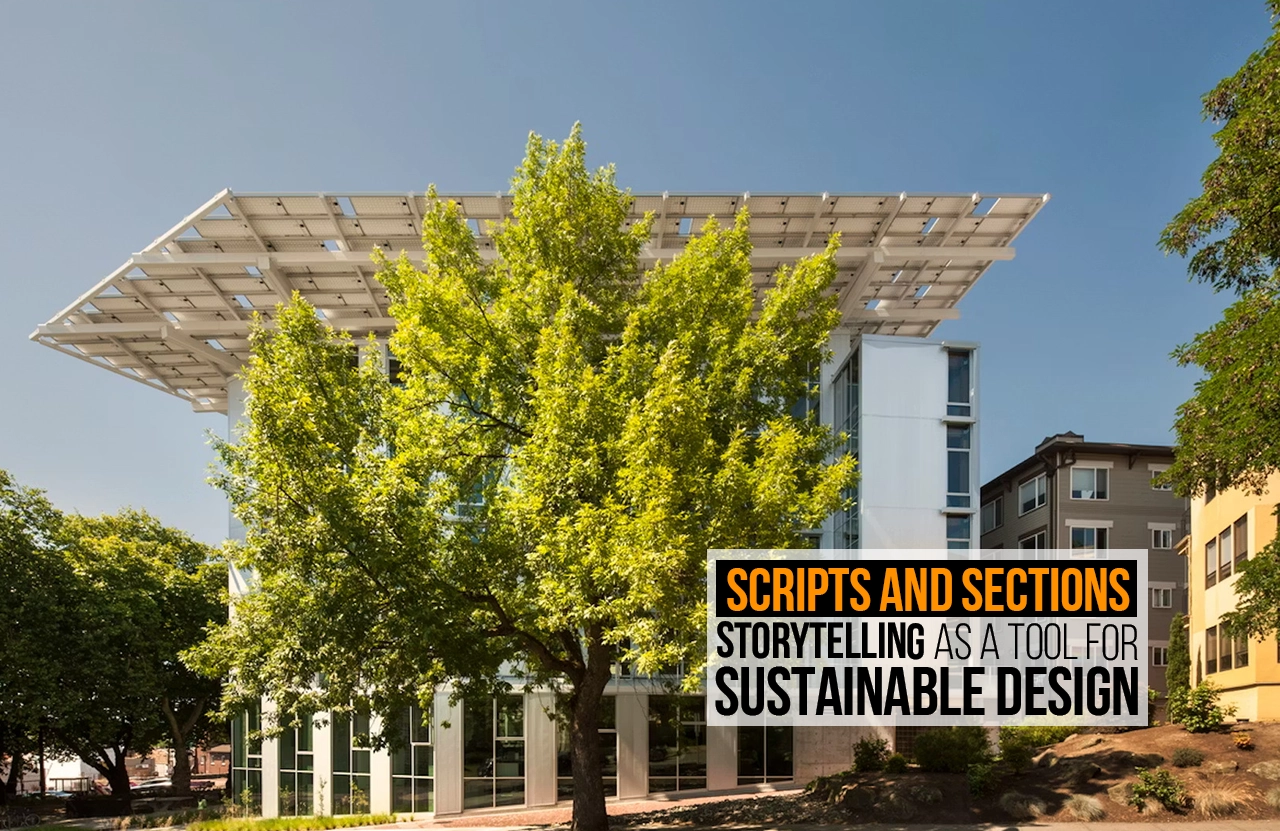
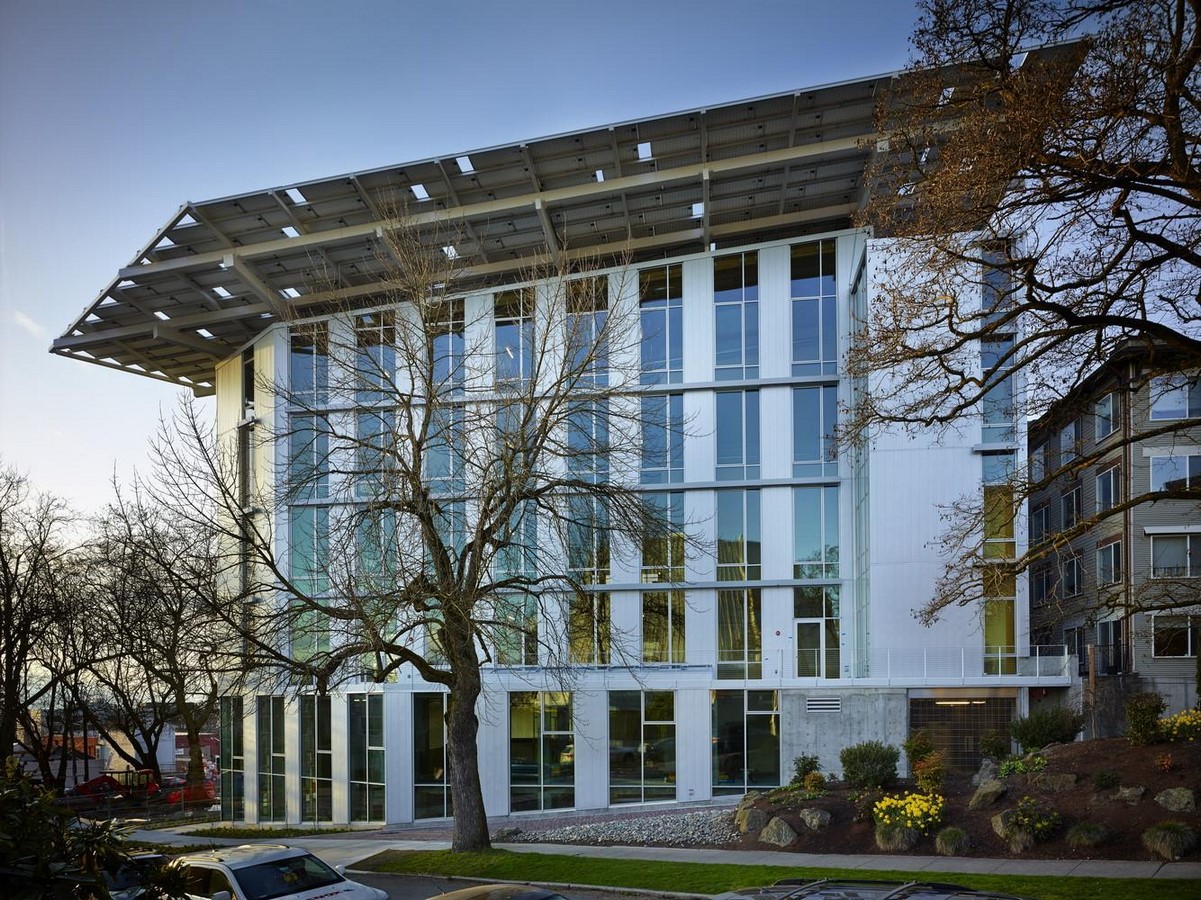
Likewise, the Bullitt Center in Seattle, referred to as one of the greenest office buildings globally, attempts to follow a storyline on Net Positive Performance as well. The underlying theme in this case can be established on the basis of energy independence, water autonomy, and material transparency. Again, every sustainability solution represents a body of a larger storytelling on regenerative architecture.
By establishing the process of Sustainable Design rather than the end-state, architects have made environmental accountability easier to understand.
Conflict: Where Sustainable Design Is Tested
Every project hits snags, and architecture is no different. Stuff like money, looks, or rules can clash with green goals. Like, cost is always a big topic when you talk about being green. The Indira Paryavaran Bhawan in New Delhi, which is the first net-zero energy building for the Indian government, proves that spending a bit more upfront can save tons of energy down the road. This project shows why it makes sense to pick green options instead of considering them a fancy add-on.
Also, there are struggles between how a building works and how it looks. Take glass buildings, for example; wanting that clear, see-through vibe can make it tough to keep the temperature just right inside. But if designers tell you the story behind their work, they can point out these trade-offs, and you can decide if a building is truly sustainable or just looks that way.
Facing these conflicts head-on makes green designs more real and avoids all that fake green hype.
Scripts and Sections: Drawing as Narrative
Architectural drawings? They tell stories! When it comes to sustainable design, sections often give you way more info than plans.
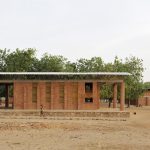
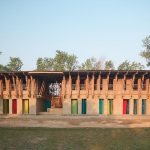
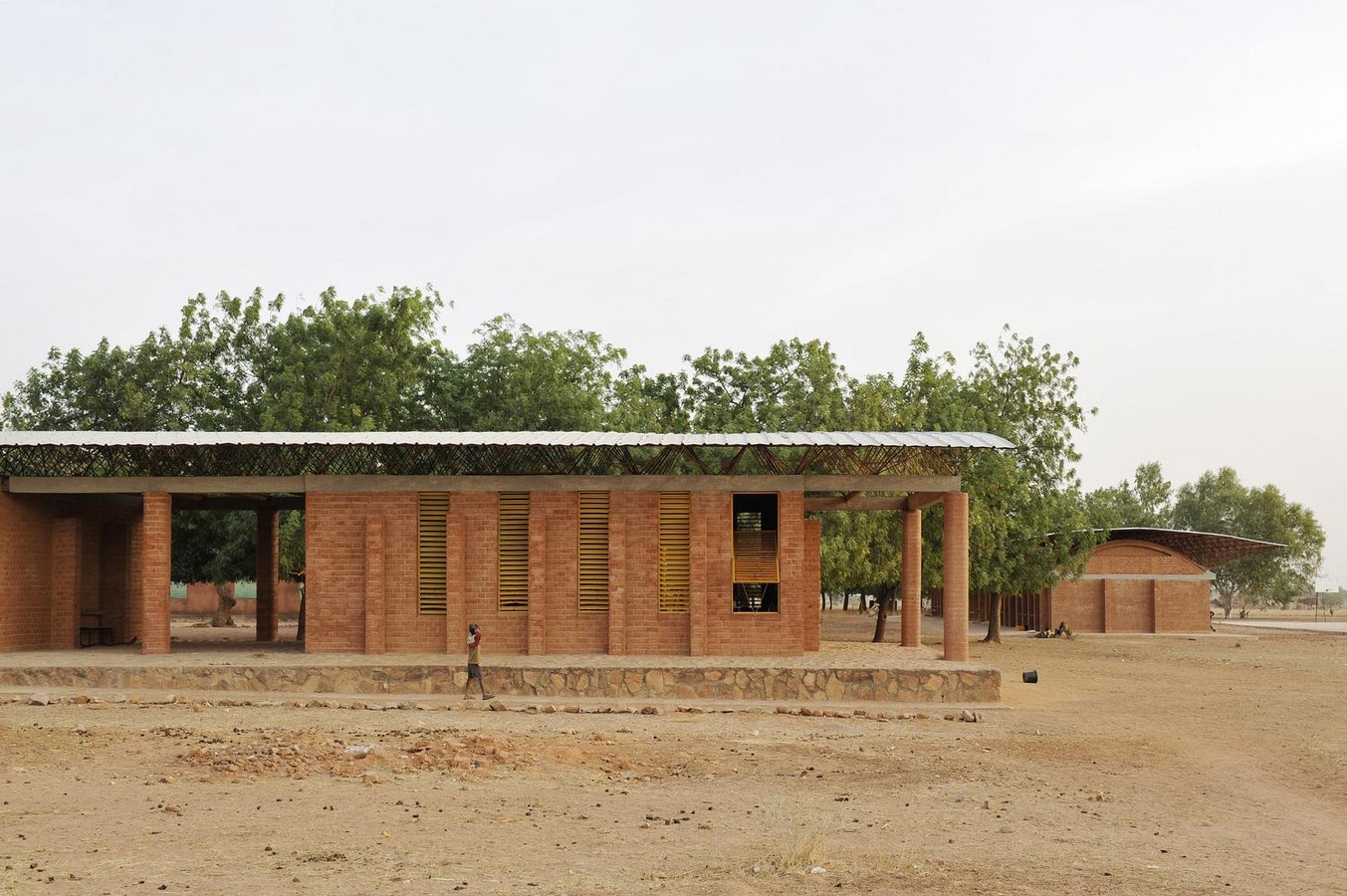
Take Francis Kéré’s Gando Primary School. A section drawing shows how air flows, how heat gets out, and how the community got involved in building it. The roof, air gaps, and layers of materials aren’t just tech stuff – they’re like words in a story, explaining how the building deals with the weather.
Same with the Pearl Academy. Sections there show how shading, heat control, and airflow work. Technical stuff makes it easy to understand stories. Diagrams? Think of them as storyboards, showing how environmental processes happen so clients and people using the building can easily get it.
If architects see drawings as stories instead of just paperwork, sustainable design becomes clear, convincing, and sticks with you.
Storytelling as Communication and Advocacy
Communication is a major challenge for green design. Clients might not like new ideas, and communities could be wary of solutions they didn’t ask for. Storytelling makes sustainability relatable, as people can see how it fits into their lives.
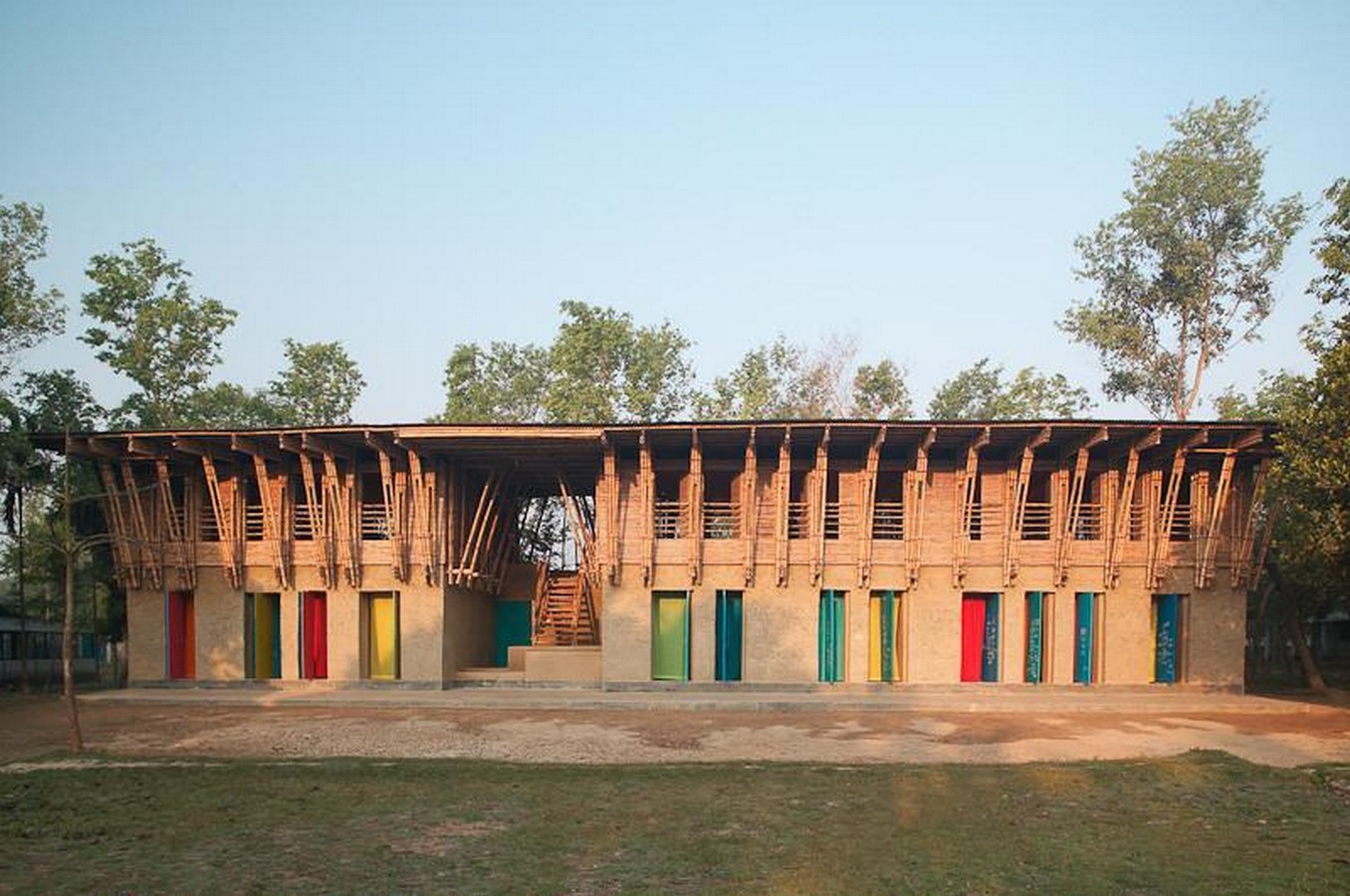
When people share stories and work together, housing projects, renovations, and community projects do better. After people move in, their stories show how they live in and change the spaces. This keeps the green design going long after building is done.
These stories give feedback, so designers can learn and make their next projects even better.
Critiquing Sustainable Design Through Stories
Storytelling lets you look at things critically. It lets you question projects that are technically sound but might fail people or the environment later on. Stories can show who is gaining from sustainable designs and who isn’t.
By asking whose story we’re hearing—and whose story is not present—designers can match sustainable design with what’s right, fair, and just, instead of just looking at how well something seems to work.