Cultural architecture bridges history, identity, and the needs of today’s society. It is not just about building buildings but about creating stories, stirring emotions, and instilling a sense of belonging. With globalization speeding up and different cultures intermingling, architects are looking for new ways to design cultural spaces that honor tradition while embracing the future. These facilities are increasingly adding edge technology, greenery, and interactive environments to their folds, revolutionizing how individuals interact with their heritage. From artificial intelligence-based design propositions to adaptive reuse concepts and blended cultural landscapes, the field of cultural architecture is changing in exciting ways. Here are some of the most significant strategies in cultural architecture today that are reshaping the experience of and approach to culture. This article considers some of the most compelling strategies in contemporary cultural architecture.
Contextual Integration and Adaptive Reuse
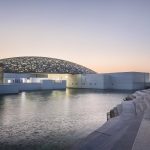
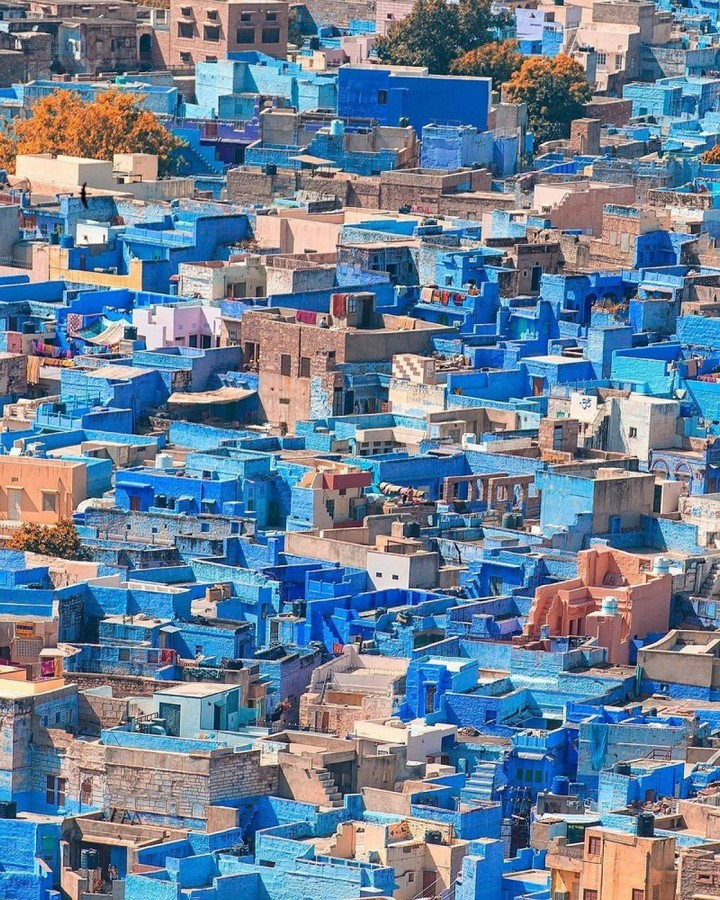
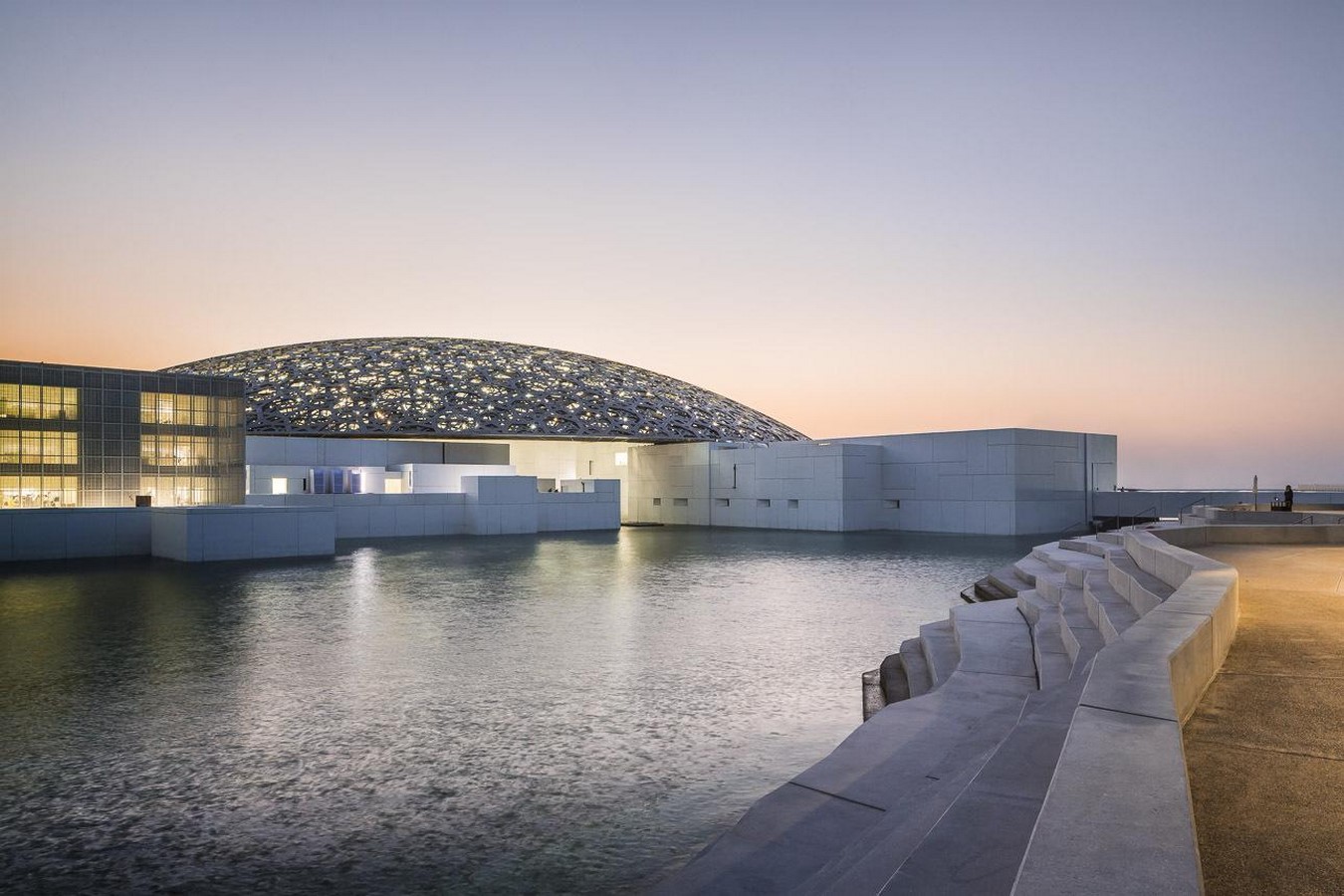
Contextual integration remains one of the most important principles in cultural architecture. Architects design spaces that speak to their environments, blending nicely with local landscapes, materials, and traditions. The Louvre Abu Dhabi is a prime example, designed by Jean Nouvel, which includes a geometric dome inspired by the traditional Arabic and creates a light play reminiscent of palm frond canopies.
Instead of demolishing structures, adaptive reuse is reusing existing buildings to cater to new cultural functions. This approach is sustainable because it maintains historical narratives with contemporary needs. An example is the Tate Modern in London, which converted a Power Station in Bankside into an iconic art museum while maintaining industrial heritage and giving it a new purpose.
Technology and Digital Fabrication
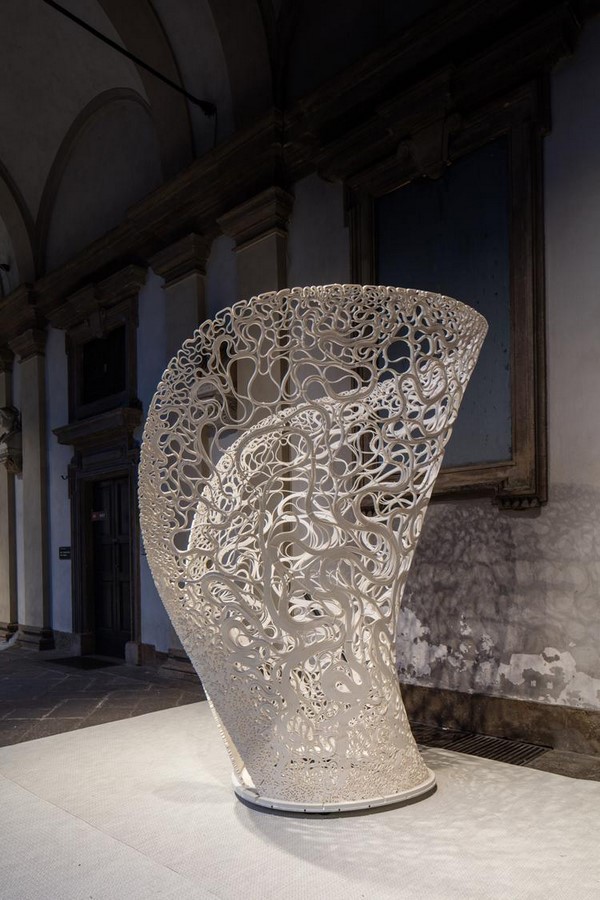
Digital technologies like parametric design and 3D printing have transformed cultural architecture, enabling architects to design complex, site-specific buildings with accuracy. Zaha Hadid Architects‘ work, for example, frequently utilizes sophisticated digital modeling to produce fluid, organic forms that defy traditional architectural conventions. Parametric design, 3D printing, and artificial intelligence (AI) have become digital tools to transform cultural architecture, providing architects with the ability to design complex, site-specific buildings with accuracy. Design software powered by AI allows architects to produce optimized plans and material utilization, while 3D printing allows for the creation of intricate, organic geometries with less waste. Virtual and augmented reality (VR/AR) are also increasingly important in both the design and user experience, enabling architects and visitors alike to engage with spaces in entirely new ways.
Sustainability and Eco-Conscious Design
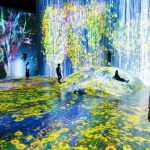
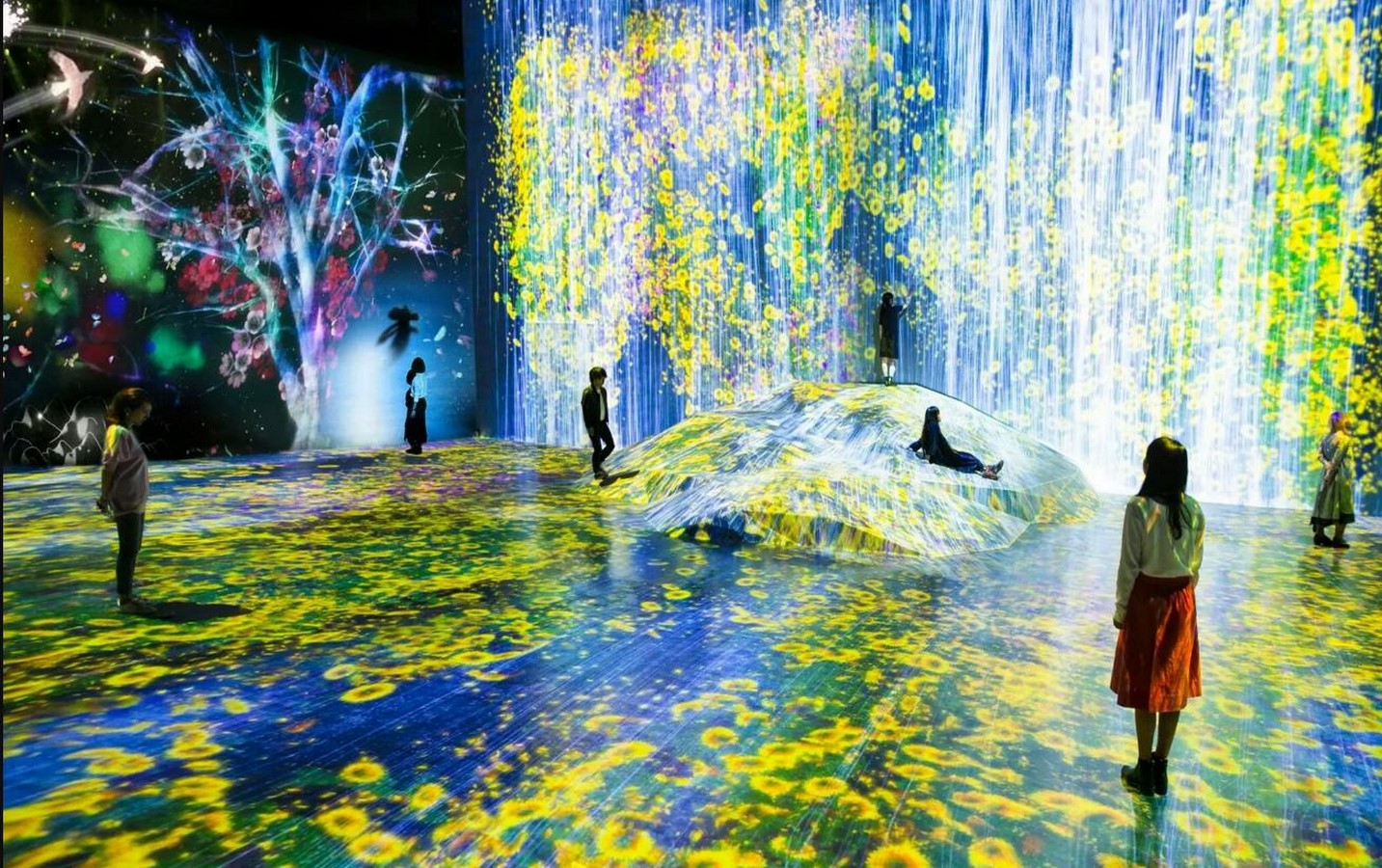
Cultural institutions are adopting green architecture to reduce environmental impact. Sustainable strategies include passive cooling, solar panels, rainwater harvesting, and locally sourced materials. The Green School in Bali exemplifies this approach, using bamboo construction to create a culturally rooted yet ecologically responsible learning environment. Contemporary cultural architecture focuses on interaction, enabling people to engage with the space dynamically. Museums and galleries include augmented reality (AR), immersive exhibitions, and flexible floor plans to maximize visitor experience. The Mori Building Digital Art Museum in Tokyo is a good example, providing constantly evolving digital environments that react to the movement of visitors.
Hybrid Cultural Spaces
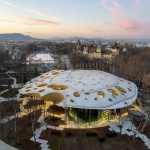
Defying the boundaries between disciplines, hybrid spaces combine art, performance, education, and community activities into a single location. They facilitate interdisciplinary collaborations and offer multifunctional spaces that adapt to societal needs. Such spaces include The Shed in New York, an adaptive cultural facility with a retractable shell that reconfigures to host a variety of artistic performances, exhibitions, and events. Another example is Budapest’s House of Music, where open-air and indoor spaces for concerts, music education, and exhibitions are combined into one architectural concept.
The incorporation of smart technology, including modular robotics and self-adjusting space reconfiguration, continues the theme of these spaces being adaptable. Environmental control systems utilizing artificial intelligence fine-tune acoustics, lighting, and temperature by the activity and use of the space, optimizing performance parameters. Virtual reality and augmented reality installations within hybrid cultural spaces enable the public to be immersed in digital narrative, reconstructed history, and interactive displays, continuing to widen the boundaries of cultural experience.

Emphasis on Cultural Identity and Storytelling
Architects are increasingly turning to storytelling in architecture, employing the medium of architecture to tell cultural history. Indigenous architecture, for instance, utilizes symbolic motifs and traditional methods to retain and showcase heritage. David Adjaye’s National Museum of African American History and Culture in Washington, D.C., reflects this ethos in its form taken from Yoruban crown buildings.
The evolution of cultural architecture demonstrates an ongoing dialogue between past and future, tradition and innovation. By integrating advanced technologies, sustainability, and immersive experiences, contemporary cultural spaces continue to redefine how communities interact with their heritage. As architects push boundaries, cultural architecture remains a powerful medium for expression, identity, and societal progress. The future of cultural architecture exists in its potential to promote inclusivity, accessibility, and active engagement, rendering cultural spaces more significant and transformative in the future.
Citations:
- Koirala, S. (2016). Cultural context in architecture. SSRN Electronic Journal. https://doi.org/10.2139/ssrn.3730930
- Yin, Q. (2012). When culture meets architecture. Design Media Publishing Limited.