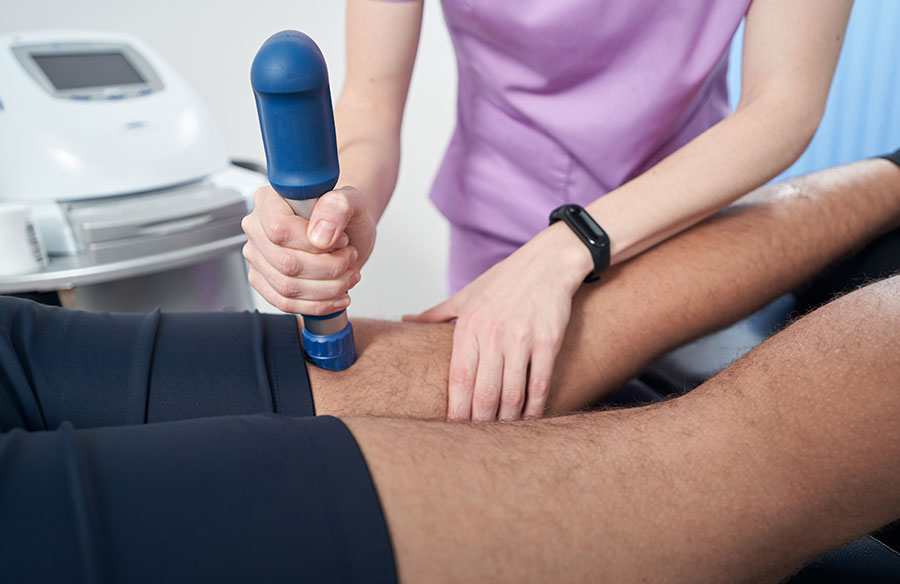
If you have ever sustained an injury on your hamstring, tendon or elbow, your doctor recommended you for shockwave therapy. This therapy is also known as Extracorporeal Shockwave Therapy (ESWT), meaning it occurs outside the body. This technology and concept came about when sound waves were discovered, which were there only to focus on gallstones and kidneys.
Here is an overview of how shockwave therapy works as a treatment procedure, the kind of conditions that it can treat, and its benefits.
What Is Shockwave Therapy?
Shockwaves are produced by a machine and delivered to the affected area through a handheld device that is much more similar to an ultrasound wand. Say no more to painkillers because shockwaves can treat chronic conditions. The purpose of shockwave therapy is to trigger the natural healing process that is in our bodies.
People who have gone through shockwave therapy feel better than before. This session usually takes less than 5 minutes, is usually done 2 or 3 times a week and goes on for six weeks or less, depending on the physician’s recommendation.
How Does Shockwave Therapy Work?
Shockwave therapy is not just for anyone. This therapy is there to help people with chronic tendinopathy who have not responded to any other treatment. It only happens when you have strained yourself so much or as a result of sports.
During your first visit to the hospital, your physiotherapist will let you know whether you are the perfect candidate for the therapy. Also, you will be educated about your condition and the following steps to take.
Can Everyone Receive Shockwave Therapy?
Although the exceptions are few, most people suffering from injuries sustained on their hamstring, tendon or elbow can have this treatment. In addition, people suffering from plantar fasciopathy can also receive shockwave therapy treatment.
However, certain assessments must be carried out before the treatment exercise, whereby medical practitioners would be able to offer sufficient advice on this.
Functions of Shockwave Therapy
Shockwave therapy functions in two main ways. The first function is that it causes controlled microscopic damage to the tissues inside the body, thereby increasing the metabolism and blood circulation in the affected area, thus activating the natural healing response.
The second function is to desensitize the nerve endings, thus reducing the pain you might feel. Other shockwave uses include stimulating cells that produce connective and new bone tissues, which help break down kidney stones. You might not be comfortable during the therapy, but the intensity can be adjusted to make you feel more comfortable.
Conditions That Shockwave Therapy Can Treat Effectively
Shockwave therapy reduces swelling, inflammation and pain by releasing the inflammatory mediators from the cells that modulate the affected area’s immune system. Tiny vibrations in the tissue are caused by the sound waves breaking up the inflammatory cells, thus making you heal.
This treatment is very safe compared to other treatments like surgery. And although it has its risks and complications, the risk is temporary. This is why many patients are advised to be treated with shockwaves, especially when they do not want to deal with side effects that might be caused by treatment.
Excess buildup of calcium in your body may calcify your body tissues. This condition causes pain and is mainly built up in the foot. Shockwave therapy will help dissolve and break it down while the lymphatic system clears the dissolved calcified tissue.
Healing Period
During shockwave therapy, new collagen production is promoted, strengthening tissues and fastening the healing period. Collagen is one crucial protein that provides support and strength for injured tissues. When you have an injury, the number of collagens increases to repair and replace the damaged tissues and prevent any more damage.
Shockwave therapy promotes healing and stimulates blood flow by ensuring that oxygen and nutrients are delivered to the affected areas. New blood vessels can be created to boost blood flow and fasten the healing process.
When Should You Use Shockwave Therapy?
You may have a soft tissue injury or tendinopathy that has declined other types of treatment; then, you are free to try shockwave therapy. Although, only trust qualified medical professionals to help you with this treatment.
However, you should not do this therapy if you are pregnant, have a bone tumour, or have a metabolic condition. Additionally, if you have an open wound or a nerve disorder, it’s not advisable to undertake shockwave therapy. Having read this blog post, you are now well acquainted with the functions and benefits of shockwave therapy and how it works.