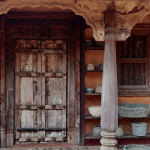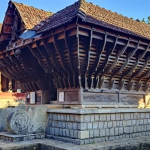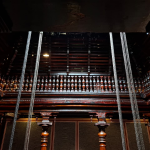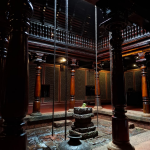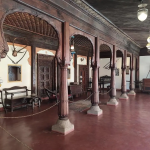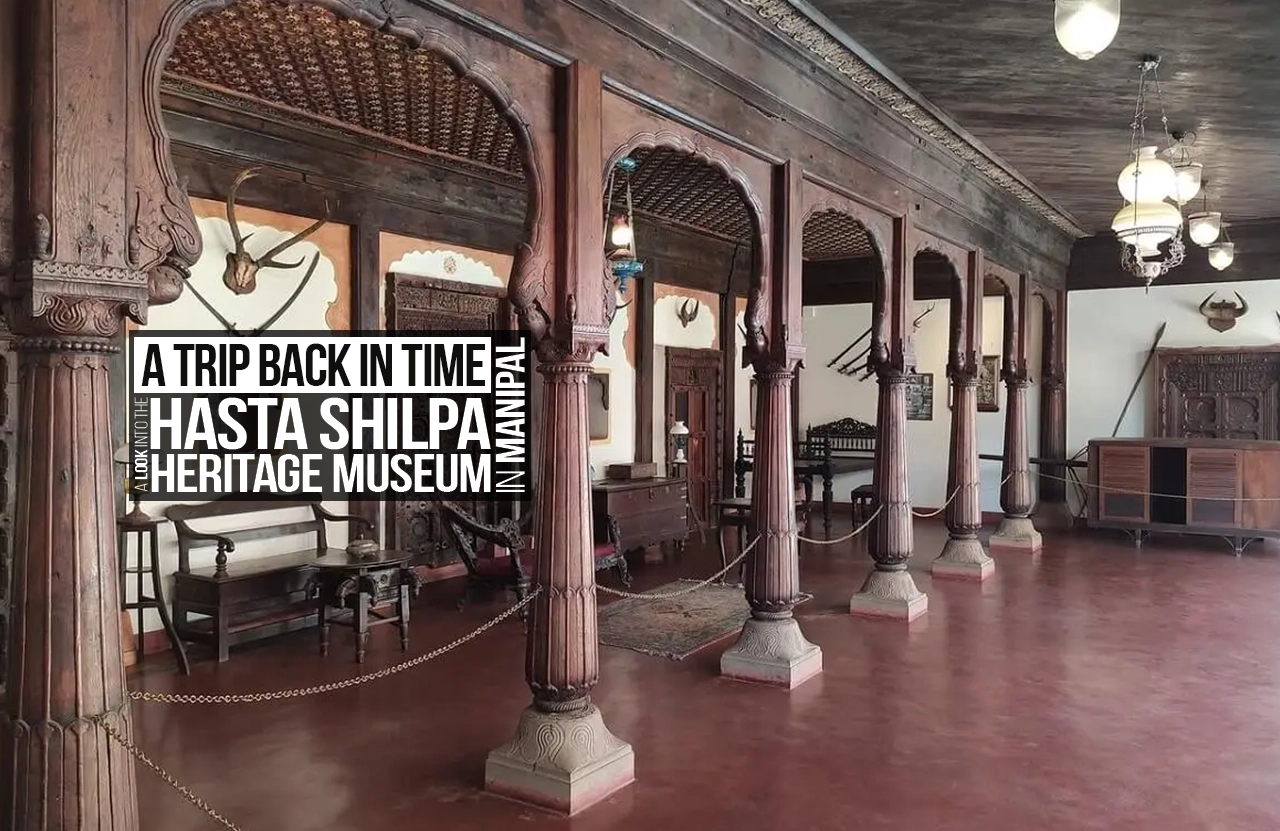
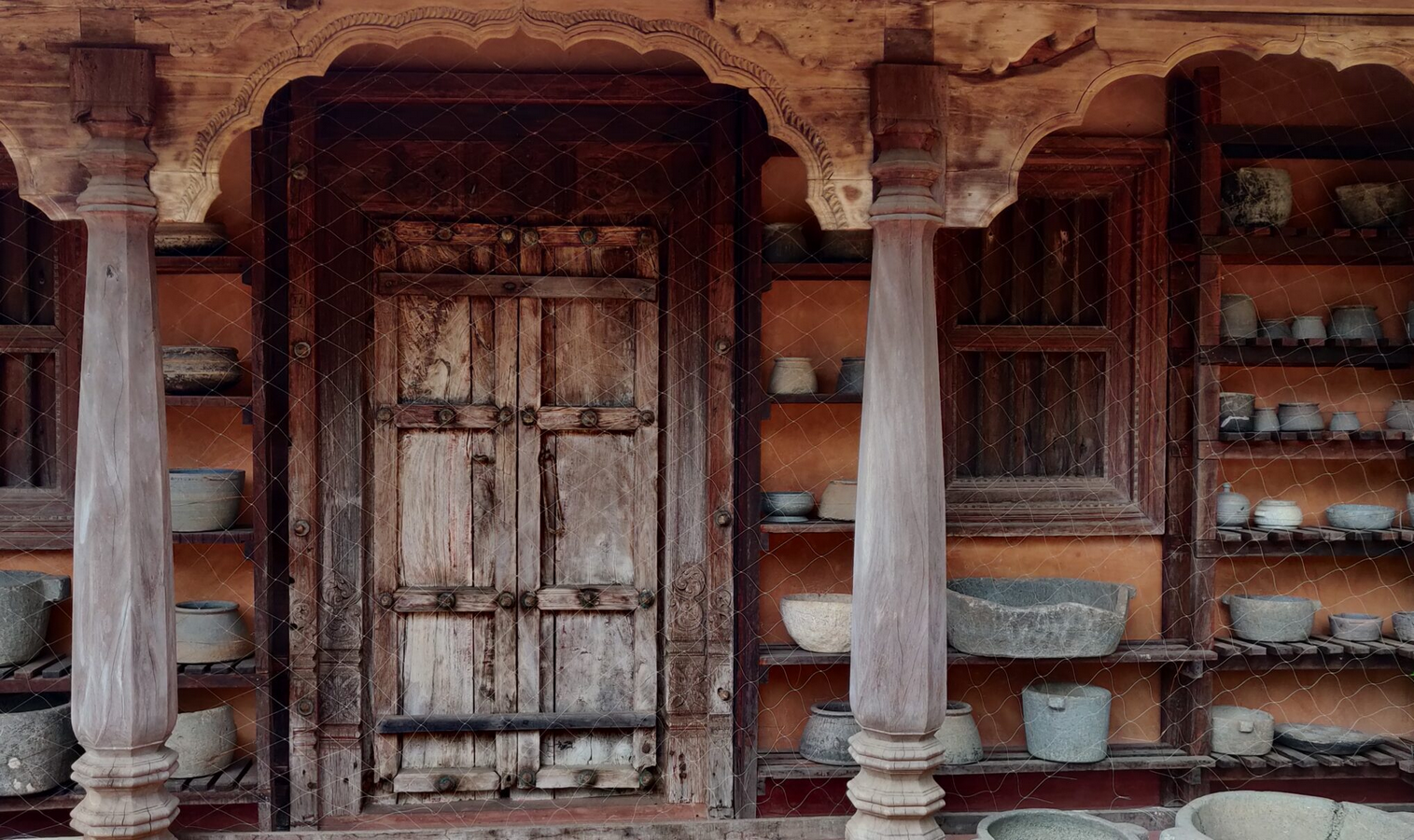
Nestled in the inner roads of Manipal, Karnataka, an open-air living museum lies in wait. Established in 1997 and still an active centre of heritage restoration, Hasta Shilpa offers a beautiful view of traditional Indian buildings, showcasing vernacular art and architecture not just from Karnataka but also from Kerala, Maharashtra, Tamil Nadu, and the Bastar region of Chhattisgarh. But the museum is not just a collection of buildings; it is a prominent example of reuse and restoration in the modern context.
Origins and Vision of the Heritage Village
The village was established in 1997 by Udupi resident Vijayanath Shenoy as a passion project–and as a way to exhibit the region’s rich heritage. This falls under the Hasta Shilpa Trust, a non-profit, public charitable trust registered with the Government of Karnataka, with a clear aim: to rescue, document, and restore old structures and artefacts that may otherwise be destroyed or lost. The museum serves its purpose not just as a tourist attraction, but more importantly, as an educational and research resource to preserve the culture and history within for both visitors and locals alike to learn about.
Efforts to build the heritage village initially began with the late Mr Shenoy seeking demolished or neglected structures across Karnataka and nearby areas. Often, this meant old houses or just temple parts, carved doors, pillars, or other elements that were being sold off as scraps. In the early stages, these parts were incorporated into his own private residence, slowly creating a cultural archive within his home–with fragments of a different time and place coexisting in a single setting. However, as this collage grew, the limits of the restoration became increasingly evident, and Mr Shenoy realised he needed to preserve entire structures rather than just their individual parts.
Walking Through the Six-Acre Micro-Settlement
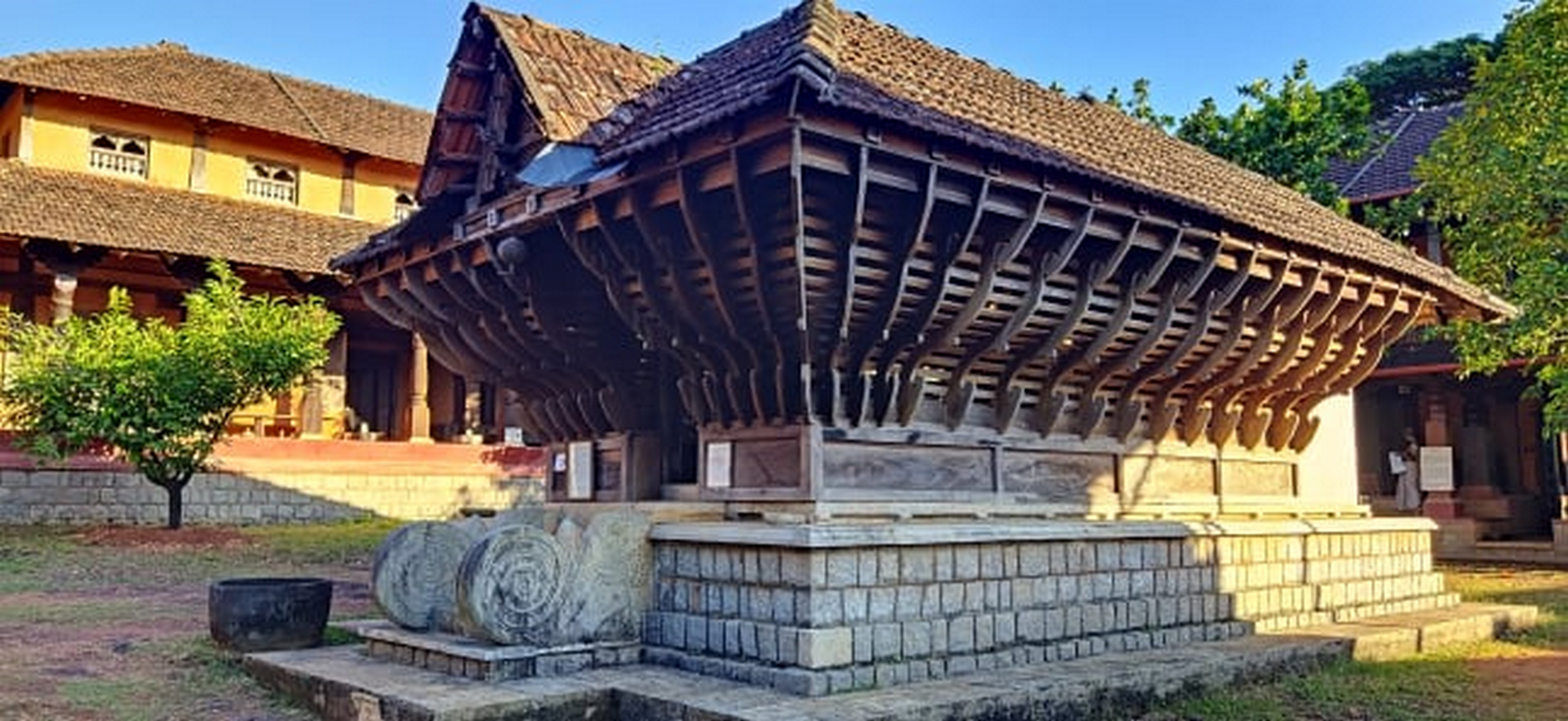
Once this realisation was reached, the identification of buildings at risk and needing to be saved from demolition, or that could not be maintained, was undertaken. After intensive documentation of each building, the negotiations for the relocation began–compliance with the law, rights to dismantle the structures, and reconstructing them on a site of roughly 6 acres in Manipal. Here, the buildings are arranged in a village-like cluster that visitors can walk through and explore organically, rather than in a traditional museum with galleries and exhibitions.
Buildings are arranged around streets, shrines, small public gathering spaces, courtyards, and indoor spaces. The heritage village intends to be a walkable settlement that mimics traditional patterns of gathering and movement. With this, the fragmented collage of culture and heritage slowly developed into a village of more than 28 complete structures, including traditional homes, temples, mahals, halls, and even some tribal dwellings.
Staging Lived Heritage Inside the Building
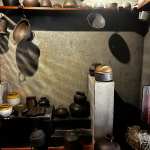
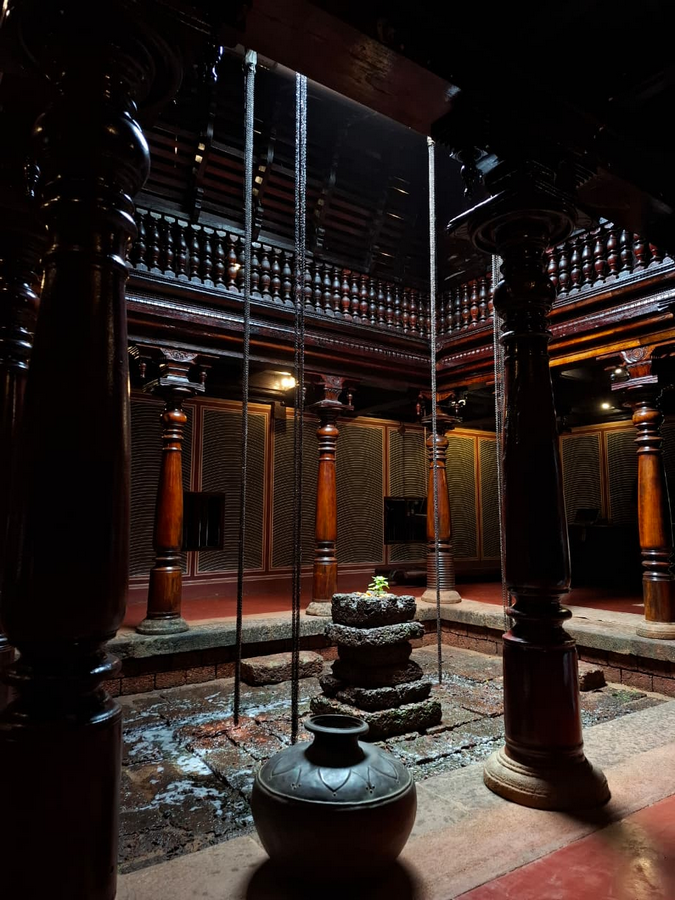
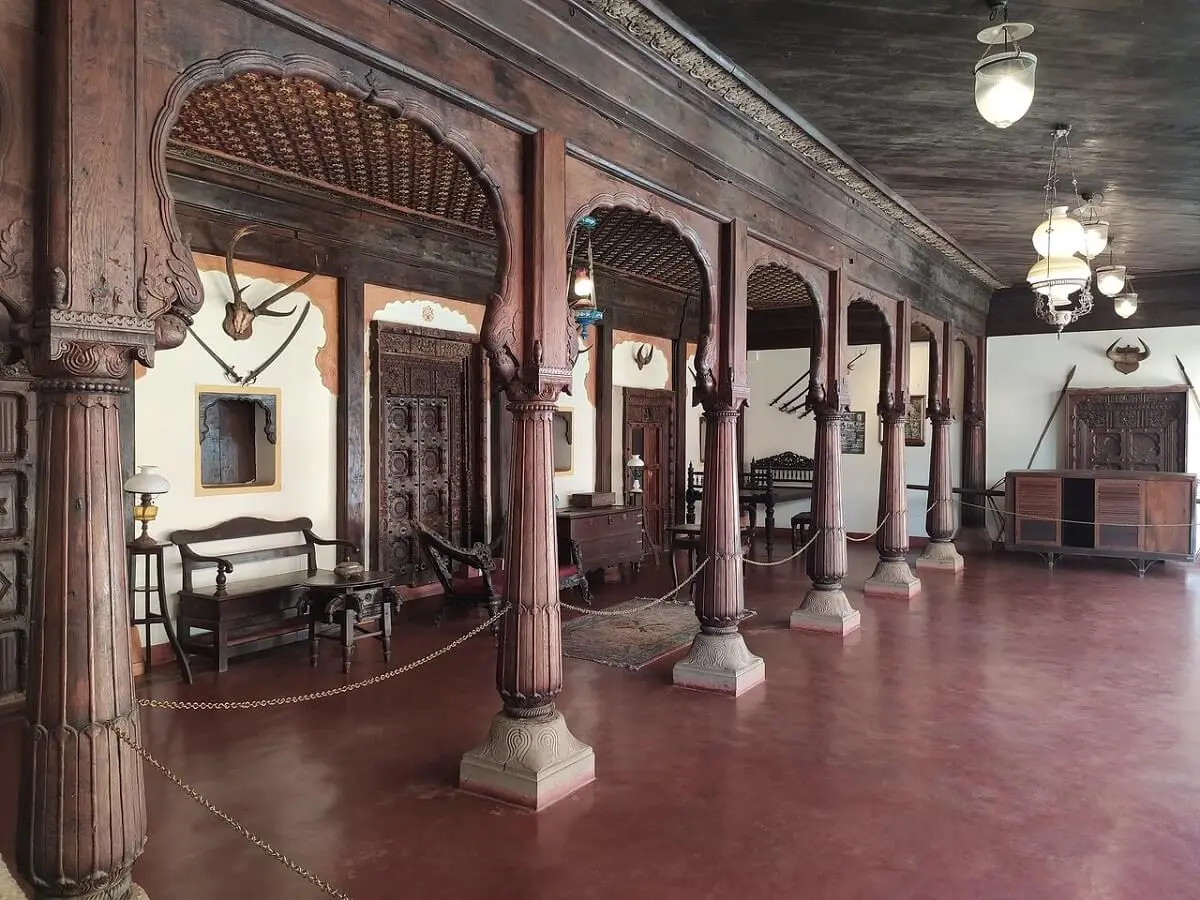
The variety of buildings, particularly their scales and functions, offers a glimpse into the different socio-economic backgrounds of the people who would have moved through the museum’s spaces. A brief study of each, specifically the residential buildings, shows how a family would move through the home over the span of a day: where the utensils are stored, where they would gather for meals, where they would cook, sleep, rest, and pray.
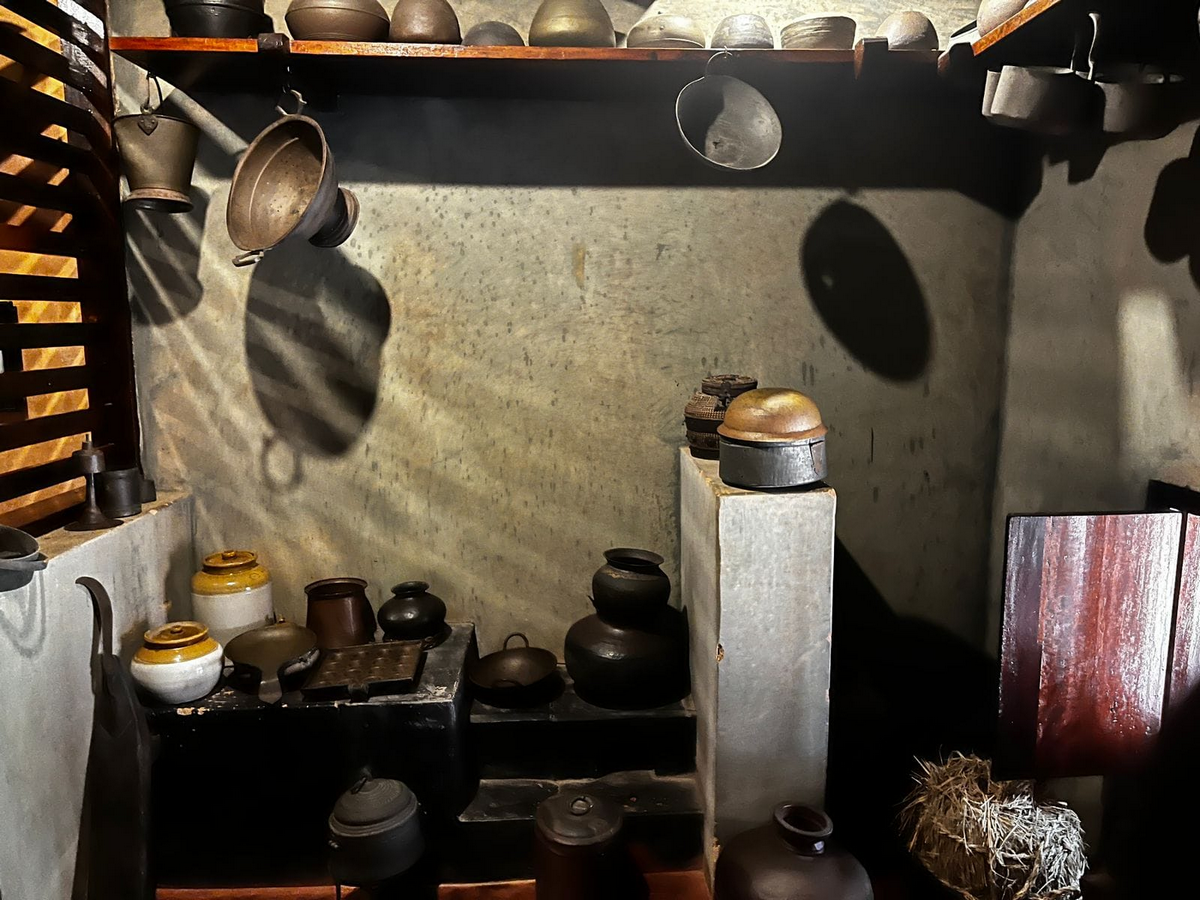
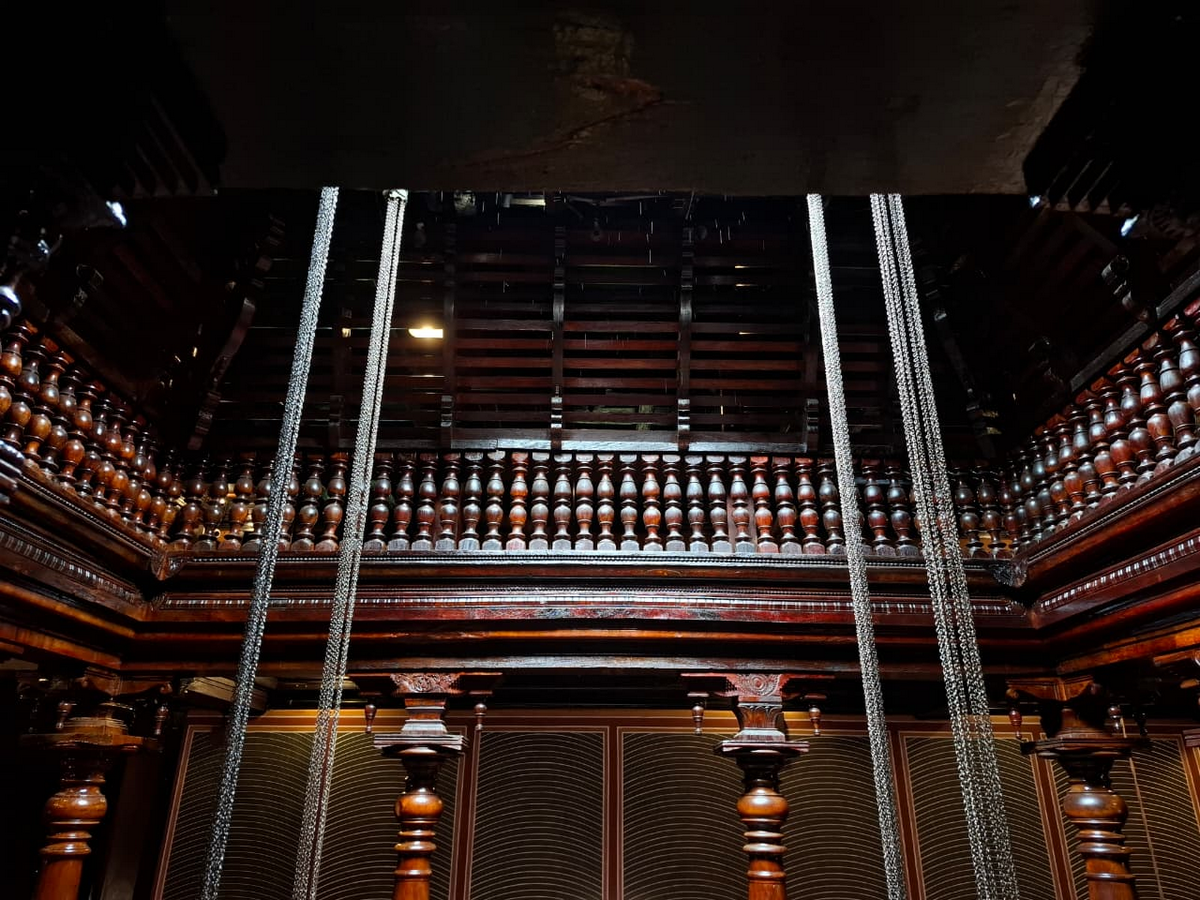
For example, Kunjur Chowki Mane is a 19th-century Kerala-style residence with architectural styles originating in the 15th century. The complexity of the heritage within the residence is clear, and you can see the grid-inspired spatial planning, which distinctly separates each room by function. The beauty of the museum is that, within each space, you can see elements rescued and restored, placed as they would have been more than 200 years ago.
These elements and designs allow visitors to immerse themselves in these buildings and connect with the art and architecture on a deeper level–understanding the rituals, routines, and social practices.
Relocation-Based Conservation and Its Broader Implications
While this method of relocation and then restoration is an innovative and effective way to preserve the buildings and their cultural significance, the process itself is long and intensive. Pre-demolition, there are months of studying, measuring, and documenting before the restoration team actually intervenes. Additionally, there is a detailed manual for reconstruction after the move and an archive of the structure or item’s original state.
As for the dismantling, structures are taken apart from the top to the bottom, and components are carefully archived with numbers; the original materials–like timber, stone, brick, plaster, and terracotta–are preserved as much as possible. Post this, the reassembly occurs in reverse, from the bottom up, with the necessary elements replaced or repaired using traditional craft and materials, avoiding modern elements wherever possible.
The overall method used in Hasta Shilpa isn’t in situ conservation, but rather the transplanting of buildings that would otherwise be lost to redevelopment or neglect. Since this is not a conventional method of restoration, it does reframe the question of authenticity. Hasta Shilpa, as a heritage village, emphasises material, craft, and experiential authenticity rather than treating the original location as a non-negotiable aspect of conservation. The physical location is not wholly discarded, though. Instead, there is a reinterpretation in which various times and places coexist in this micro-settlement; the loss of the original location is weighed against the preservation of other elements that would otherwise be destroyed.
A Template for Future Heritage Reuse
Hasta Shilpa’s prioritisation of vernacular architecture is a model for craft-led and documentation-driven conservation, especially in a rapidly evolving context. The village presents a unique museum experience that highlights not only the architecture but also the nuances and artefacts that shaped daily life in the eras for which it was built. There is a strong emphasis on the cultural aspects of these structures rather than on the aesthetics of vernacular styles.
The discourse of relocation further clarifies that this conservation is not just technical but also ethical. There is clear attention to detail throughout the entire restoration process. It is an intensive intervention and a last-resort preservation method that does not aim to be casual or commercial. There is intention behind each carving, brick, and pillar placed on-site.
The organisation and founding of Hasta Shilpa provide a framework for innovative thinking, allowing the preservation of the cultural fabric and memory while demonstrating that the best course is to move these buildings rather than lose them entirely. It invites professionals to consider this as part of a broader approach to modern-day restoration and conservation, especially when urban settlements are growing so rapidly and are unable to protect their heritage areas.
Of course, there is also debate over the scale of structures that can be moved, and later over the space required to preserve multiple large structures, but Hasta Shilpa’s framework invites the discourse to properly consider protecting these structures before falling back on the last resort of relocation.
References:
- Hasta Shilpa Heritage Village (n.d.) Virtual Tour Guide of Heritage Village [PDF]. Available at: https://www.heritagevillagemanipal.org/assets/files/Virtual-TourGuideofHeritageVillage.pdf [Accessed 18 July 2026].
- Hasta Shilpa Heritage Village (n.d.) Vision and Mission. Available at: https://www.heritagevillagemanipal.org/Vision%20&%20Mission.html [Accessed 18 July 2026].
- LBB (2021) Go on a date with history at this village museum in Manipal. Available at: https://lbb.in/bangalore/hastashilpa-heritage-museum-manipal/ [Accessed 18 July 2026].
- Manipal The Talk (n.d.) Cool places to visit around Manipal. Available at: https://freshers.manipalthetalk.org/articles/cool-places-visit-around-manipal [Accessed 18 July 2026].
- Outlook Traveller (2023) All about the Hasta Shilpa Heritage Village Museum in Manipal. Available at: https://www.outlooktraveller.com/experiences/heritage/all-about-the-hasta-shilpa-heritage-village-museum-in-manipal [Accessed 18 July 2026].
- The Hindu (2024) Open-air heritage museum at Manipal in Karnataka features life-size homes from across peninsular India. Available at: https://www.thehindu.com/news/national/karnataka/open-air-heritage-museum-at-manipal-in-karnataka-features-life-size-homes-from-across-peninsular-india/article68181407.ece [Accessed 18 July 2026].
- Udupi Tourism (n.d.) Hasta Shilpa Heritage Village, Manipal. Available at: https://www.udupitourism.com/explore/heritage/hasta-shilpa-heritage-village-manipal [Accessed 18 July 2026].