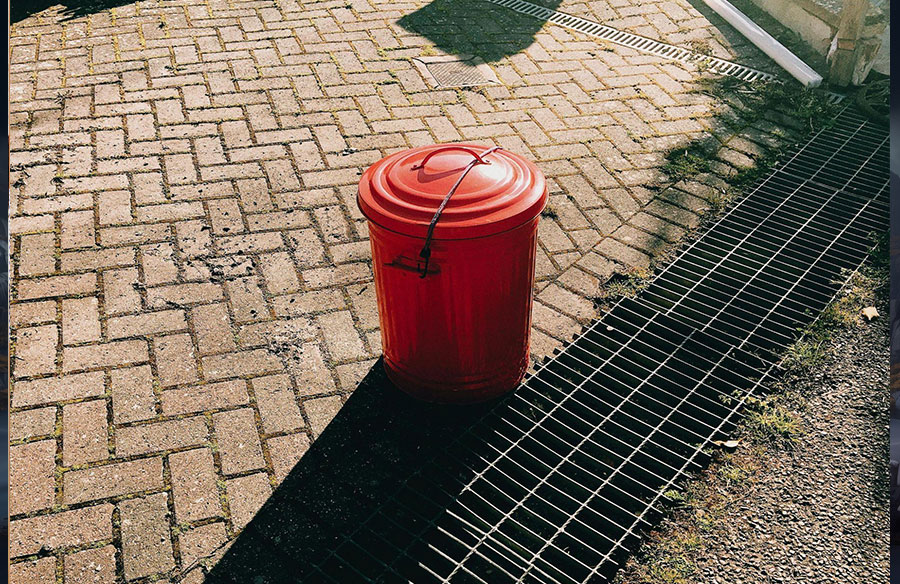
In today’s world of unpredictable weather patterns and increased urban development, resilient outdoor design has become a crucial element of sustainable landscaping. A well-designed outdoor space is more than just a beautiful backyard or manicured front lawn, it’s a functional system that can withstand heavy rainfall, manage water efficiently, and protect the foundation of homes and properties. At the heart of this resilience is modern landscape drainage.
Whether you’re a homeowner in a flood-prone suburb or a property manager looking to prevent costly water damage, understanding the principles behind landscape drainage design can help you future-proof your outdoor spaces. In this article, we’ll explore the latest trends and practical techniques that are shaping the future of landscape drainage, from French drains to smart water-routing systems, and how professionals are incorporating them into modern landscaping projects.
The Rising Importance of Landscape Drainage
Drainage might not be the most glamorous aspect of landscaping, but it’s easily one of the most critical. Poor drainage can lead to water pooling, foundation erosion, basement flooding, mold growth, and the death of valuable plants. This is especially true in regions like Barrington Hills, where soil conditions and sloped terrains can exacerbate water retention problems. Homeowners looking for long-term solutions often turn to specialists for Barrington yard drainage systems that go beyond surface-level fixes.
Traditional drainage relied heavily on gutters and sloped surfaces. But modern landscaping now embraces holistic systems that work in harmony with both the natural environment and the architectural design of the home. Today’s solutions don’t just move water away, they reuse it, slow it down, or integrate it into the ecology of the yard itself.
Signs You Need a Drainage Upgrade
Before diving into design solutions, it’s important to recognize the warning signs of an inadequate drainage system. These include:
- Persistent puddles after rainfall
- Soil erosion or washed-out mulch
- Water stains or damp spots in basements
- Dead patches of grass or plants
- Cracks in foundation or walkways
Ignoring these signs can lead to severe structural issues over time. Homeowners often don’t realize they have a drainage problem until they notice water damage, by then, repairs can be costly.
Core Components of Modern Drainage Systems
Let’s break down some of the most effective tools and methods used in contemporary drainage design:
1. French Drains
A staple of many suburban properties, French drains are gravel-filled trenches that redirect water away from sensitive areas using perforated piping. They’re ideal for yards with persistent flooding or heavy runoff.
2. Dry Creek Beds
These decorative drainage solutions mimic the appearance of a natural streambed. Made with rocks and native plants, dry creek beds manage stormwater while enhancing curb appeal, making them popular with eco-conscious homeowners.
3. Catch Basins
Installed at low points in the yard, catch basins collect water and debris before diverting it into a drainage pipe. They’re a great option for properties that collect water near patios, driveways, or lawn edges.
4. Rain Gardens
These shallow, plant-filled depressions absorb and filter stormwater runoff. Not only do they mitigate drainage issues, but they also provide pollinator-friendly habitats and boost local biodiversity.
5. Permeable Pavers
Instead of forcing water to run off hard surfaces, permeable pavers allow it to seep into the ground. They reduce surface flooding and recharge groundwater, a method strongly supported by modern green infrastructure initiatives like those from the U.S. Environmental Protection Agency (EPA).
Designing Drainage That Blends with Aesthetics
One of the main concerns homeowners have is how to incorporate drainage without sacrificing visual appeal. Fortunately, innovation in materials and techniques has made it easier than ever to create drainage systems that are both effective and attractive.
For example, rain gardens can be designed to complement a home’s architecture using ornamental grasses, shrubs, and seasonal flowers. Dry creek beds can be built to double as garden focal points or integrated into stone pathways. Even French drains, once purely functional, can be subtly disguised beneath decorative gravel or turf.
The key lies in working with experienced professionals who understand how to blend form and function. Landscape designers today use digital tools like CAD software and 3D modeling to plan efficient drainage routes while optimizing visual harmony.
Drainage and Climate Adaptation
With climate change driving more extreme and frequent rainfall events, resilient drainage design isn’t just a luxury, it’s a necessity. Cities and counties across the country are revising stormwater codes and incentivizing green infrastructure to combat the risks of urban flooding.
Homeowners who invest in smart drainage now are better positioned to meet future regulations and protect their property’s long-term value. Whether through rain barrels, swales, or advanced filtration systems, the future of landscaping will be defined by how we manage and respect water.
Choosing the Right Partner for the Job
If you’re considering a drainage upgrade, it’s important to work with a company that specializes in holistic, sustainable solutions. Look for professionals who assess your entire property — not just the problem area — and who offer long-term plans rather than temporary fixes.
Make sure they evaluate:
- Slope and grading of your yard
- Soil composition
- Current runoff patterns
- Proximity to foundation or hardscapes
- Compatibility with plants and landscaping features
Investing in a customized drainage system doesn’t just fix current problems — it enhances property usability, protects your home’s structure, and increases resale value.
Final Thoughts
Modern landscape drainage is about more than managing puddles or preventing flooded basements. It’s about designing outdoor environments that are beautiful, functional, and built to withstand a changing climate.
By combining timeless drainage methods with new eco-conscious technologies, today’s landscapers are empowering homeowners to take control of their outdoor spaces. And in areas like Barrington Hills, where seasonal storms and sloped properties pose recurring challenges, partnering with a local expert can make all the difference.
If you’re ready to transform your outdoor space into a resilient, water-smart haven, start by exploring the most reliable Barrington yard drainage solutions available in your area.