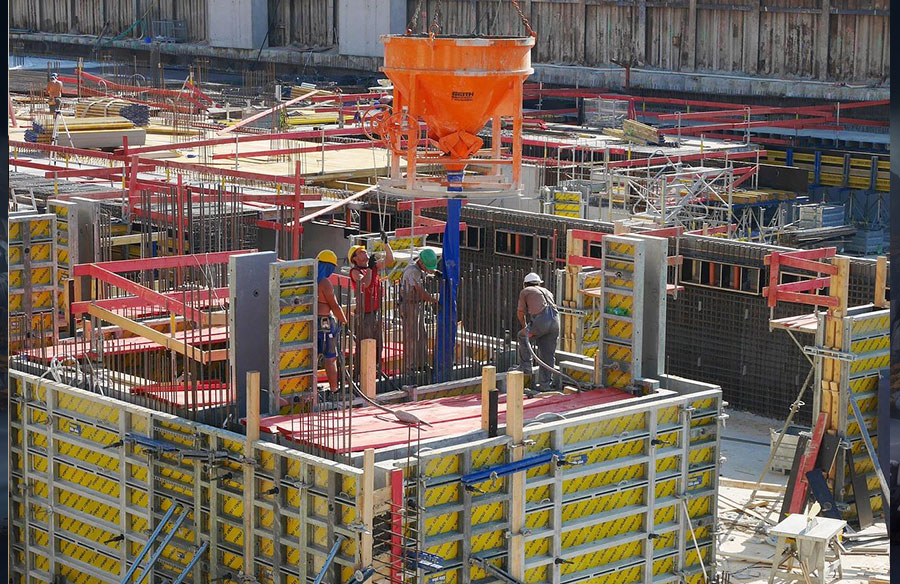
Urban landscapes across the United States are constantly evolving. As cities grapple with the challenges of aging infrastructure, shifting demographics, and housing shortages, the role of private capital in urban renewal is becoming more important than ever. Among the most influential mechanisms driving this transformation are 1031 exchanges and the surge in passive real estate investment. Together, they are shaping the way cities grow, adapt, and revitalize.
What Is a 1031 Exchange?
A 1031 exchange, named after Section 1031 of the Internal Revenue Code, allows real estate investors to defer paying capital gains taxes when they sell a property, as long as they reinvest the proceeds into another like-kind property. This provision was designed to encourage reinvestment and promote economic growth. Over time, it has evolved into a critical tool for wealth building and real estate portfolio expansion.
The benefits of 1031 exchanges are clear: investors can continuously upgrade their assets without a heavy tax burden, developers can recycle capital more efficiently, and communities often see the revitalization of older or underutilized buildings. By keeping money flowing into real estate projects, 1031 exchanges fuel redevelopment in both established and emerging urban areas.
Surgeons and Professionals Entering Real Estate
Traditionally, real estate investing was reserved for developers, large institutions, or seasoned investors. However, the landscape is changing. High-earning professionals, such as physicians and surgeons, are increasingly seeking alternative ways to grow their wealth outside of the stock market. The rise of syndications and real estate funds has made it easier than ever for these individuals to participate without becoming full-time landlords.
This trend has opened the door for niche strategies like passive real estate investing for surgeons, which allows medical professionals to deploy their capital into income-generating assets while staying focused on their careers. These passive investments often leverage tools like 1031 exchanges to optimize returns and reduce tax exposure.
The Role of Passive Capital in Urban Renewal
Passive capital refers to funds invested by individuals or groups who are not actively involved in the day-to-day operations of a real estate project. In urban development, this capital often comes in the form of real estate syndications, opportunity zone funds, and private equity firms.
When channeled into the right projects, passive capital can drive major improvements in neglected areas. Developers use these funds to acquire distressed properties, renovate aging apartment buildings, or even build new mixed-use developments that include affordable housing, retail, and community space. In many cases, these projects would not be possible without the financial backing of passive investors who believe in long-term value creation.
Cities like Detroit, Nashville, and Phoenix have seen waves of transformation thanks to this influx of capital. Old factories become lofts, crumbling buildings become modern offices, and entire neighborhoods are reborn. The result is not just a higher return on investment for stakeholders but also a higher quality of life for residents.
1031 Exchanges and the Domino Effect on Communities
The power of a 1031 exchange lies not only in tax deferral but also in its ability to create a chain reaction. When one property is sold and reinvested into another, that next project often requires renovation, tenant improvements, or even complete redevelopment. This cycle triggers jobs, supports local suppliers, and raises surrounding property values.
Consider an investor who sells an aging retail strip center in a declining suburb and uses a 1031 exchange to buy into a new multifamily development in a downtown revitalization zone. This capital movement stimulates economic activity, reduces blight, and repositions land use toward modern needs. Cities struggling with obsolete zoning or poor walkability can now attract a younger, more mobile population thanks to such strategic developments.
Mitigating Risk in a Changing Market
Of course, real estate investment comes with risks. Rising interest rates, inflation, and regulatory hurdles can all affect the success of a project. However, 1031 exchanges offer a strategic hedge by enabling investors to shift away from underperforming assets and into properties with better long-term prospects.
For passive investors, the key to reducing risk lies in due diligence and partnering with experienced operators. A solid track record, transparent reporting, and a well-researched investment thesis are all essential elements of a strong sponsor. Platforms that cater specifically to professionals, such as those targeting doctors or surgeons, often vet projects thoroughly before offering them to their investor base.
By aligning with seasoned developers and sponsors, passive investors can benefit from both the potential upside of urban revitalization and the downside protection of strategic asset management.
The Tax Advantage That Keeps Capital Moving
It is hard to overstate how powerful the tax deferral from a 1031 exchange can be. Real estate appreciates over time, but so do taxes. Without a 1031, each sale would trigger a potentially large tax bill, disincentivizing reinvestment. With a 1031, investors can continuously “trade up,” gaining access to more valuable properties and better markets.
This strategy is particularly valuable to professionals looking to build generational wealth. Over time, the tax liability can be completely avoided through what’s known as a “step-up in basis” at death, effectively wiping out decades of gains for heirs. Combined with the ability to invest passively, this creates a powerful vehicle for wealth transfer and legacy planning.
How Urban Areas Benefit
From a city’s perspective, attracting private capital is essential to maintain economic vitality. Public funding for infrastructure, housing, and community development is often limited. Private developers, backed by passive investors, can fill this gap.
Cities can incentivize this process through zoning updates, expedited permitting, or tax abatements. In return, they benefit from improved neighborhoods, increased tax revenues, and better living conditions for residents. 1031 exchanges encourage ongoing reinvestment rather than one-time sales, which aligns perfectly with long-term urban planning strategies.
Some critics argue that real estate development can lead to gentrification and displacement. While this concern is valid, the solution lies in inclusive development. With thoughtful planning and community engagement, passive capital can uplift underserved areas without pushing out longtime residents. It’s a delicate balance, but one that forward-thinking developers and municipalities are starting to get right.
Looking Ahead: A New Era of Investment and Impact
As we move into the next decade, the combination of tax-efficient strategies like 1031 exchanges and the democratization of passive investing is likely to shape the future of cities in profound ways. Professionals across all fields, including healthcare, law, and tech, now have access to real estate opportunities that were once the domain of large institutional players.
Urban revitalization is no longer just a government or developer effort. It’s a collective push fueled by smart policy, creative finance, and individual investors who want their money to matter. Passive investing is not just about returns. It’s about impact, legacy, and building something that lasts.
Whether you are a seasoned investor or a first-time participant, understanding how to leverage tools like 1031 exchanges can open new doors—not only for your portfolio but for the future of the cities we call home.