Every building has a point at which it refuses to be the architect’s property.
It takes place in silence. In a classroom, a student chooses where to sit-on which bench and in which row. An elderly visitor is afraid at an unfamiliar entrance. The room gets stuffy, so someone opens a window. A worker pulls the blinds to escape the afternoon glare and to achieve the required comfort. We also heard that employees are resigning from the organization because they were uncomfortable and could not sit at that place to work. These tiny, nearly insignificant aspects rarely make an appearance in architectural publications, but they convey more about a structure than any award citation or accolade could.
Architecture is frequently evaluated based on what is visible, such as the building’s form, inventiveness, colour scheme, or presence in the skyline. Human experience, however, is measured differently and can be understood if we try to be in the user’s shoes. It is found in comfort, ease, memory and belonging. A building may satisfy every rule and regulation, by-laws, achieve impressive environmental targets and attract widespread admiration, still leave the people who use it feeling uncomfortable, exhausted, excluded or disconnected. When that happens, the failure is rarely unnoticeable. It slowly becomes part of daily life.
Possibly, this is the biggest architectural conundrum. Buildings are designed considering people, but surprisingly it is easy for people themselves to disappear somewhere in between the concept sketch and the completed structure.
When Buildings Fail to Function as Organic
Every project begins with an optimistic vision. Architects respond to complicated briefs, negotiate planning policies and regulation, manage budgets and resolve technical challenges, all while trying to create something very meaningful out of it. Architecture is a profession built on problem-solving and imagination, creating something that people can express through their comfort, feelings, and emotions. Yet once construction is complete, the building enters a world that no plans and sections can fully predict. Individuals rarely use spaces exactly as designers thought of it to be used, and the intent of the space is always left behind. Communities, companies, and families all establish their daily life that can only be preserved as a memory in the user’s heart rather than neatly depicted in sketches and diagrams. While buildings that fight these changes frequently feel outdated long before the end of their lifespan, those that are made to adapt to them typically stand gracefully.
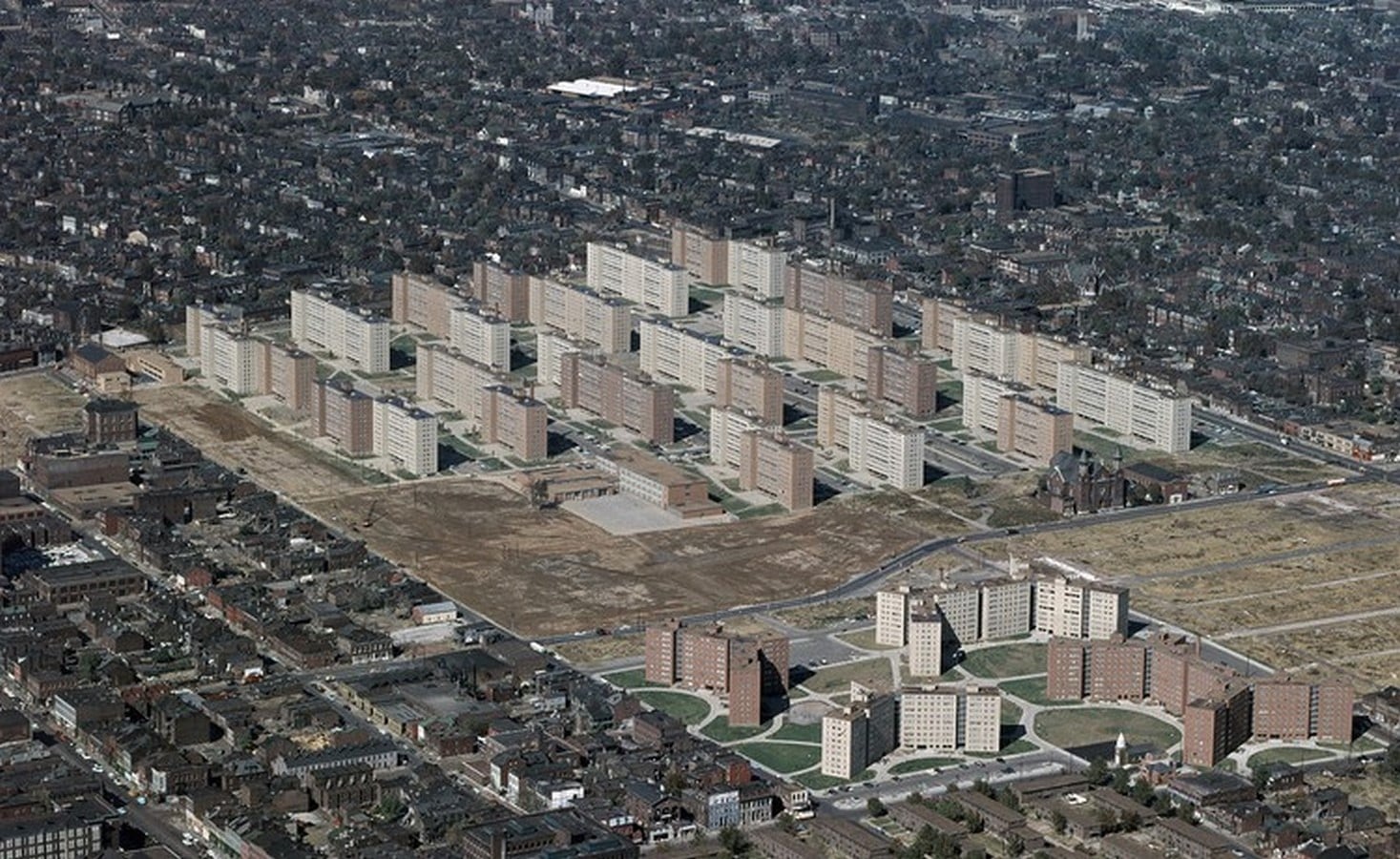
Engineering errors or structural flaws are certainly linked to architectural failure. Many flaws are actually far subtler. Rather than whether a structure survives, they have an impact on people’s emotions. It can be seen in the historic Pruitt-Igoe Housing Complex located in St. Louis. It embraced many of the planning concepts of its era and was recognised as a grandiose modern development during the post-war housing crisis. However, many people found it difficult to live peacefully inside the housing due to non-user-friendly architecture such as its lengthy hallways, remote circulation areas, and dysfunctional common areas. Its downfall cannot be traced to design only, as scholars correctly mentioned; social issues, policy choices, and economic disparities all had a major impact on it. However, the project continues to serve as a powerful example depicting that, in housing, the quality of life inside the space matters as much as the construction of the structure.
The same lesson can be found in similar cases. Anxiety can be increased in hospitals due to complicated layouts even before treatment has started. Offices with glass facades allow plenty of natural light, but their occupants frequently struggle with glare and heat gain issues. During summer months, schools that neglect natural ventilation may unintentionally cause occupants to lose focus. None of these structures have experienced structural failure, but the user comfort failure.
A Building More Than Its Appearance
Architecture never stops at the site boundary or a building line.
Every new structure that is built contributes to broader urban development. It affects the squares where people congregate, the streets they walk on or drive, and the microclimate. A building’s exterior is way more important.
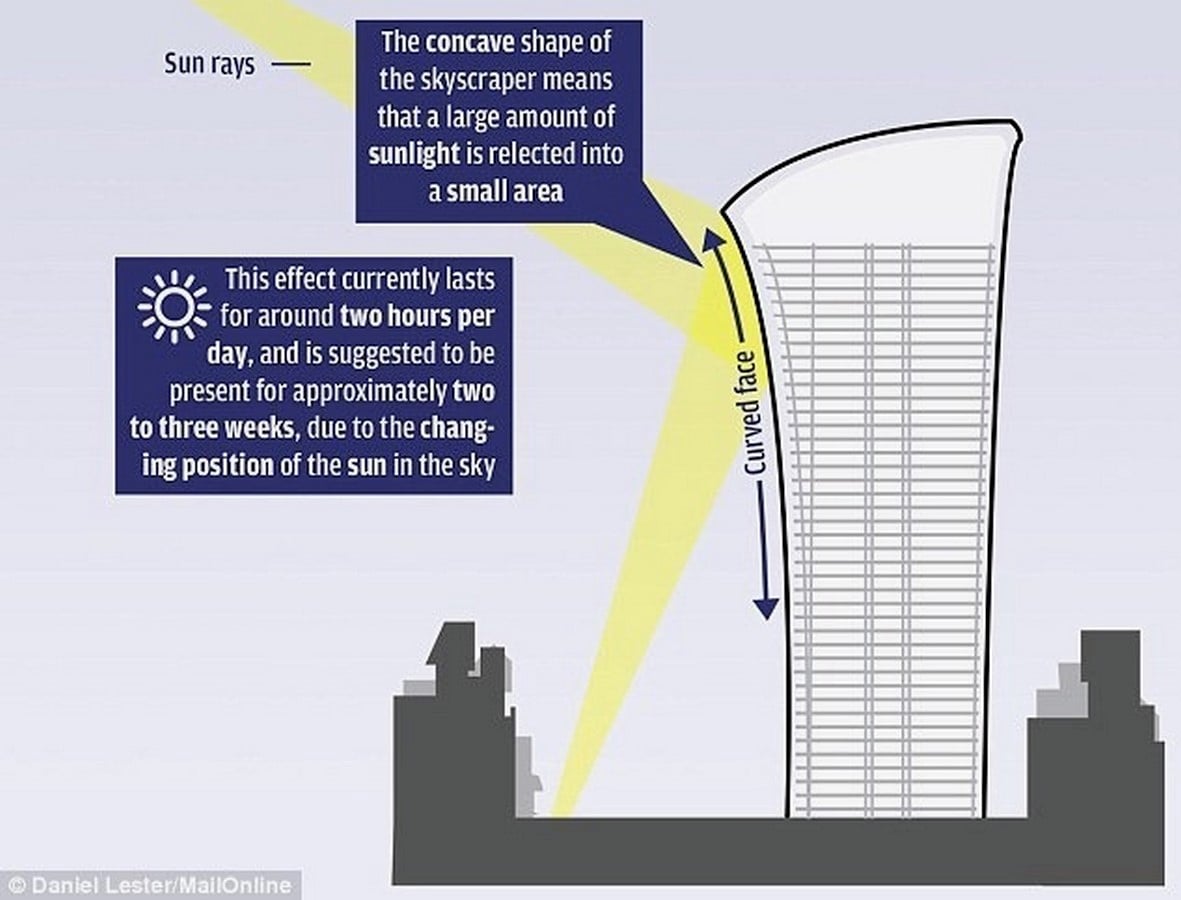
The Walkie Talkie, located at 20 Fenchurch Street in London, is one of the best examples to understand how a building can affect the microclimate surrounding the structure and also human comfort. It soon became one of the city’s most recognizable skyline features thanks to its unique curved facade. However, acknowledgment came with criticism. The building was awarded the Carbuncle Cup in 2015, which honours the least successful new construction in Britain that too due
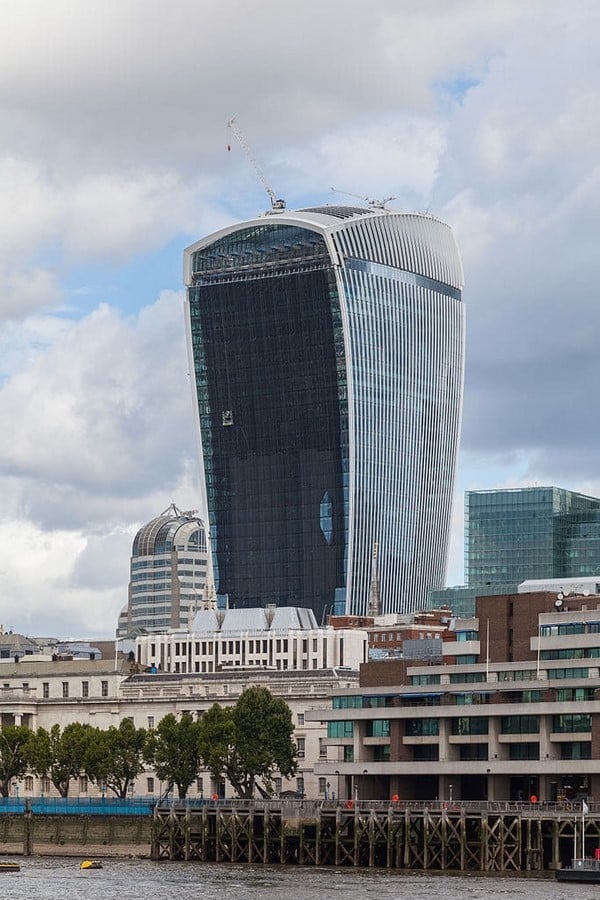
to it was impacting the surroundings and the human experience around the space as well. Its shiny glass façade, which acts as a concentrating point for sunlight to get reflected onto surrounding streets and causes uncomfortable temperatures and melting the cars, melting the Tar of the road, was the main source of criticism. What was supposed to be an expressive architectural gesture unintentionally altered the public’s experience.
More such projects have been stopped, listening to the lives but just to the walls. The occupants of a building are never the only ones who suffer discomfort; they have an impact on adjacent public areas, pedestrian comfort, and neighbourhood character. A beautifully glazed façade may improve the city’s skyline, but if it takes away from street life, a major part of architecture’s duties has been overlooked. Cities are always remembered for how they feel on foot rather than how they seem from a distance.
Beyond Awards and Perfect Photographs
A meticulously planned moment is captured in architectural photography. The furniture is seamless, the lighting is ideal, and every surface looks brand-new. Although these pictures are clearly lovely, they just tell a glimpse of a building’s history.
Children run through hallways that were supposed to be silent. To offer more living space, residents enclose their balconies, whether it is legal or illegal. Workers reorganize furnishings to accommodate shifting work schedules. Sunny benches stay vacant in the café during summer hours. These are not indicators of improper use of the space; these indicate that individuals are making changes in what has been designed as ideal for that particular space to suit their lifestyles and comfort. Maybe designers should take care of these factors in these daily tweaks. Users act as reviewers as they make visible what drawings are unable to. They highlight a building’s strengths and weaknesses.
The Impressions Buildings Leave After
If somebody asks someone to describe a building that stands out from all others, they probably won’t start with the building’s budgets, construction, or structural grid. Rather, they will recall how it made them feel, how they feel connected to that space. They may remember a cool breeze coming inside the space due to cross-ventilation comforting them, the peace of a shaded courtyard on a hot afternoon, the warmth of morning light entering a library like a ray of light. On the other hand, people might recall the annoyance of confusing circulation, the exhaustion brought on by continuous noise due to a library placed at the roadside and not acoustically treated, or the unease of waiting in a veranda facing an opening to the west in the late afternoons. Although these experiences are hard to quantify, they have a greater impact on how we relate to design than many measurable performance metrics. Because it lets life unfold organically, good architecture is frequently overlooked. On the other hand, poor architecture is a constant reminder of its existence.
Learning Through Failure
No building is made in ideal circumstances. Every project involves some or the other compromise in terms of budget, material standards, client expectations, building methods, and other practical constraints. One faces the risk of overlooking the circumstances surrounding a building’s conception when examining it just in retrospect.
Because of this, architectural failure should be carefully considered rather than blamed. Information not available during the design phase is frequently obtained through long-term observation, user interactions, and post-occupancy assessments. A building continues to teach long after it is completed. The profession gains strength when it sees those lessons as opportunities rather than humiliations. Listening after construction may be one of the most helpful design techniques available to architects.
Designing for Lives That Continue to Change
Assuming that people don’t change is perhaps the biggest error architecture can make.
Communities evolve. Families develop together with us. Technology has altered how people communicate, work, and learn. Climate warming is raising the expectations for comfort and resilience. It is often difficult for structures based on assumptions to remain relevant over an extended period of time. Therefore, rather than being only a technical strategy, designing for adaptability is an acknowledgment of the dynamic character of human life. Flexible design, large public spaces, and adaptable buildings– all of which will undoubtedly be sustainable structures are far more likely to benefit future generations.
Award-winning designs and famous landmarks don’t always include the most important architectural lessons. They come from commonplace settings like homes, businesses, hospitals, classrooms, and city streets most of the time. Projects like London‘s Walkie Talkie building and the Pruitt-Igoe Housing Complex are still spoken about because they highlight a basic but constant reality: drawings and pictures can never fully convey the spirit of architecture. People are the ones who experience it.
Every structure has two stories to tell. One is the narrative that architects were expected to present. The people who live there, work there, and experience it daily eventually craft their own narrative. When ambition and empathy coexist, when design listens as intently as it communicates, and when those two tales come together, the most successful architecture may be found.