It is impossible to overestimate the value of well-designed outdoor areas for encouraging social connection and cooperation in a society that is becoming more digital, where youngsters are frequently engrossed in screens and virtual interactions. In order to create landscapes that encourage meaningful interactions among youngsters, landscape design is essential. Landscape architects and designers can create outdoor areas that promote socializing, teamwork, and cooperation by carefully considering the developmental requirements and interests of young people. This article investigates ways in which landscape design might improve children’s outdoor play and social interaction. We can build outdoor spaces that spark children’s imaginations and promote the growth of crucial social skills by including a variety of play zones, gathering areas, cooperative play structures, nature-based components, open-ended materials and involving kids in the design process. This article explains some key principles and strategies to enhance social interaction and collaboration in children’s outdoor spaces through landscape design:
Providing a variety of Play Zones
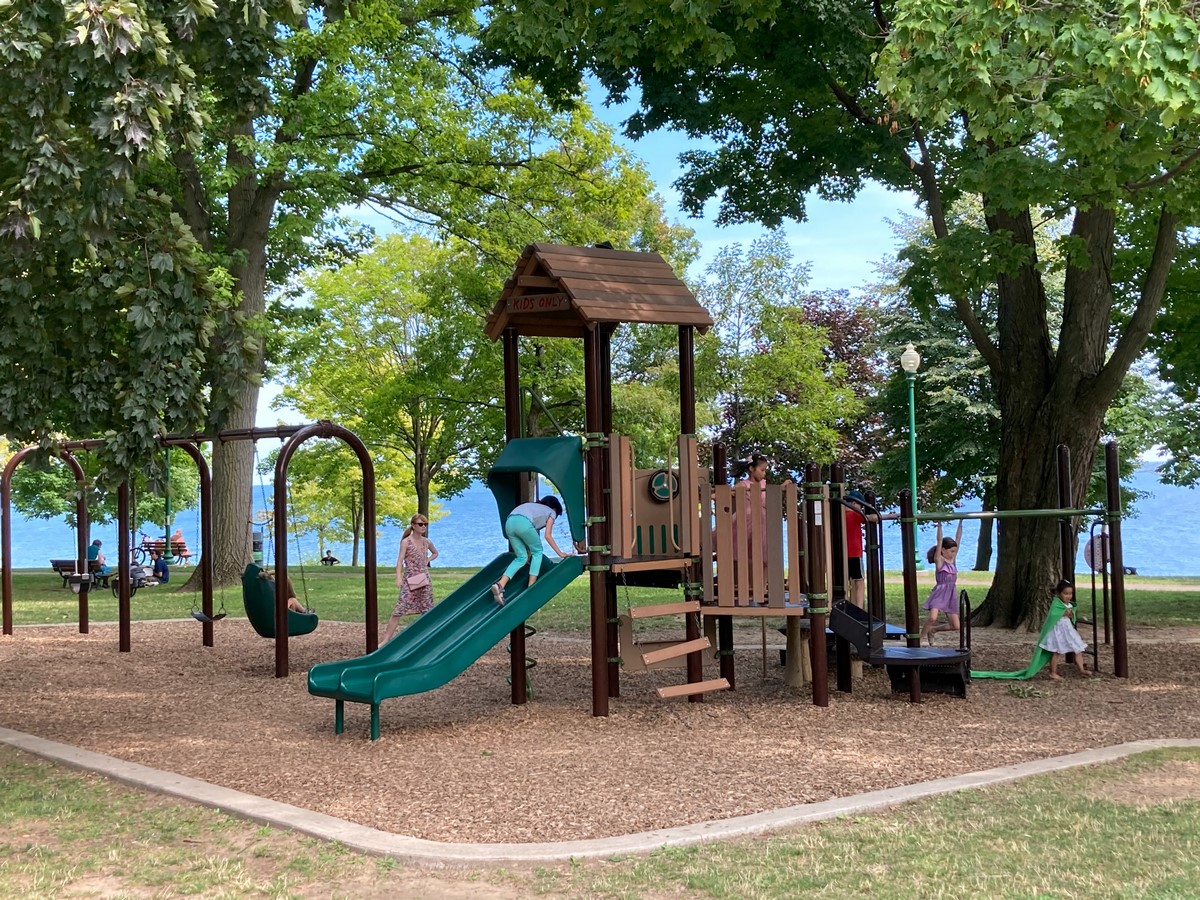
Children’s outdoor spaces must have a variety of play areas to promote social interaction and teamwork. Let’s envision a vibrant outdoor environment with a pretend kitchen where children can engage in imaginative play, creating and acting out stories. Children are encouraged to participate in cooperative play, collaboration, and friendly competition in active zones equipped with climbing walls and sports fields. Sensory play spaces incorporate sandboxes and water features, providing children with opportunities to explore their senses and collaborate on sensory-rich adventures. Additionally, serene contemplation areas tucked away in cozy nooks or natural corners facilitate quieter dialogues, encouraging children to interact on a deeper level. This well-planned arrangement of play areas celebrates children’s diverse interests, promotes interaction, and nurtures a spirit of cooperation.
Creating Gathering Spaces
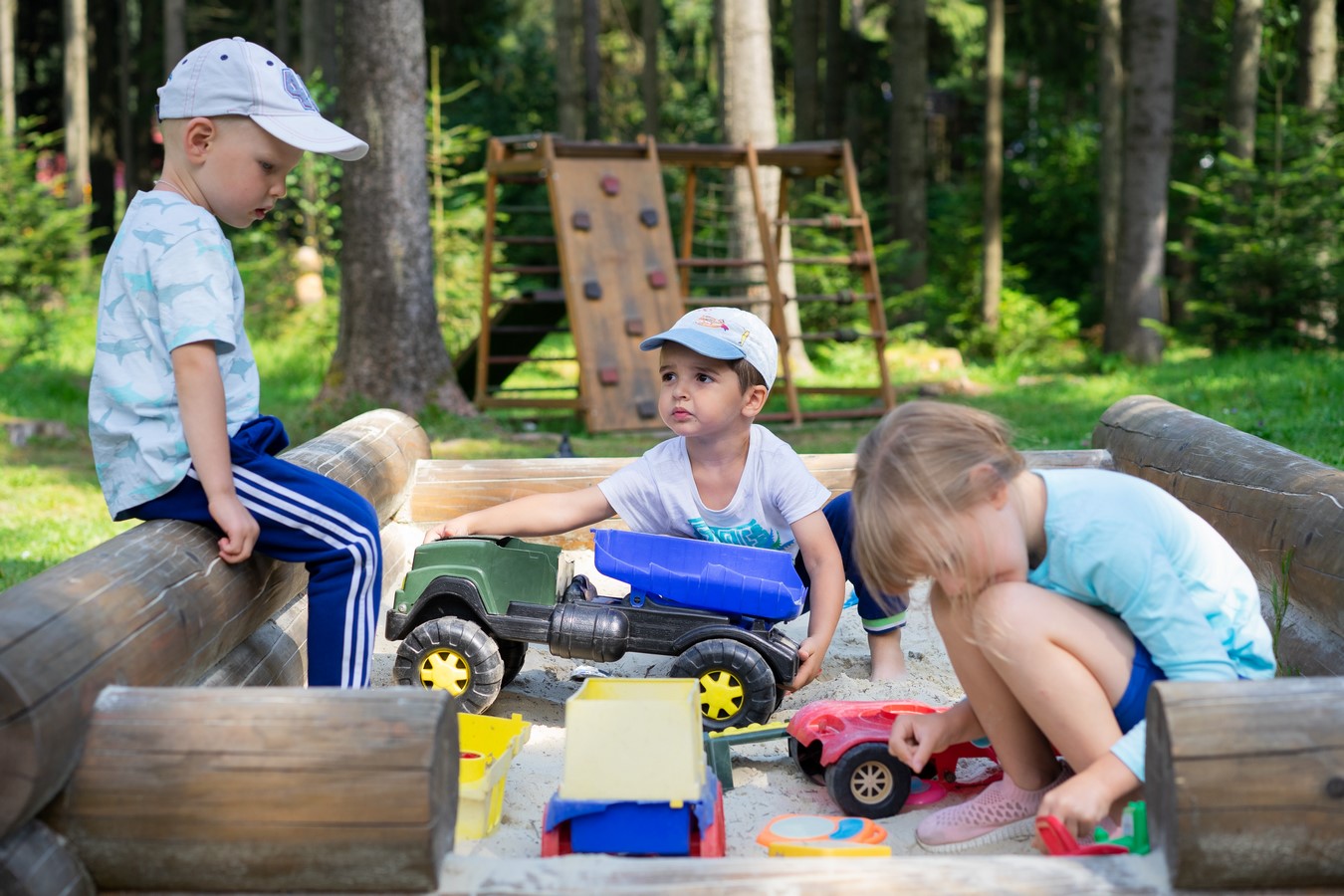
Creating warm meeting places is crucial for encouraging youngsters to collaborate and engage in social interaction. Let’s imagine spaces like a lively dining space nestled in the lush embrace of nature, where cheerful laughter flutters through the air like the delicate wings of butterflies. Artfully entwined circular areas that create the illusion of a mosaic, representing interconnected souls. These inviting spaces beckon children to gather, fostering a strong sense of community and shared experiences. Transforming into vibrant hubs within the outdoor environment, they become catalysts for forging relationships, sharing ideas, and bringing group aspirations to life. Each step draws children closer, enveloped by their surroundings, igniting their innate desire to interact, collaborate, and create enduring memories.
Incorporating cooperative play structures

Incorporating cooperative play structures into children’s outdoor spaces is essential for encouraging social interaction and teamwork. These structures foster activities that encourage children to play together and cooperate on a specific task (“Cooperative Play Ideas for Kids – Soft Surfaces”). They will begin to learn how to interact with others, follow instructions and prepare themselves for the next stages of education.A climbing structure where young ones can ascend together, filling the air with joyful laughter as they conquer new heights as a group. Expansive play equipment is designed for collaborative activities, where children must cooperate, communicate, and coordinate their movements to overcome challenging obstacles and achieve shared objectives. These play areas serve as vibrant settings for cultivating friendships, fostering a sense of unity and teamwork. Children who engage in cooperative play develop crucial social skills that extend beyond the playground, such as the value of active listening, compromise, and interdependence on others.
Including pathways and circulation systems in design
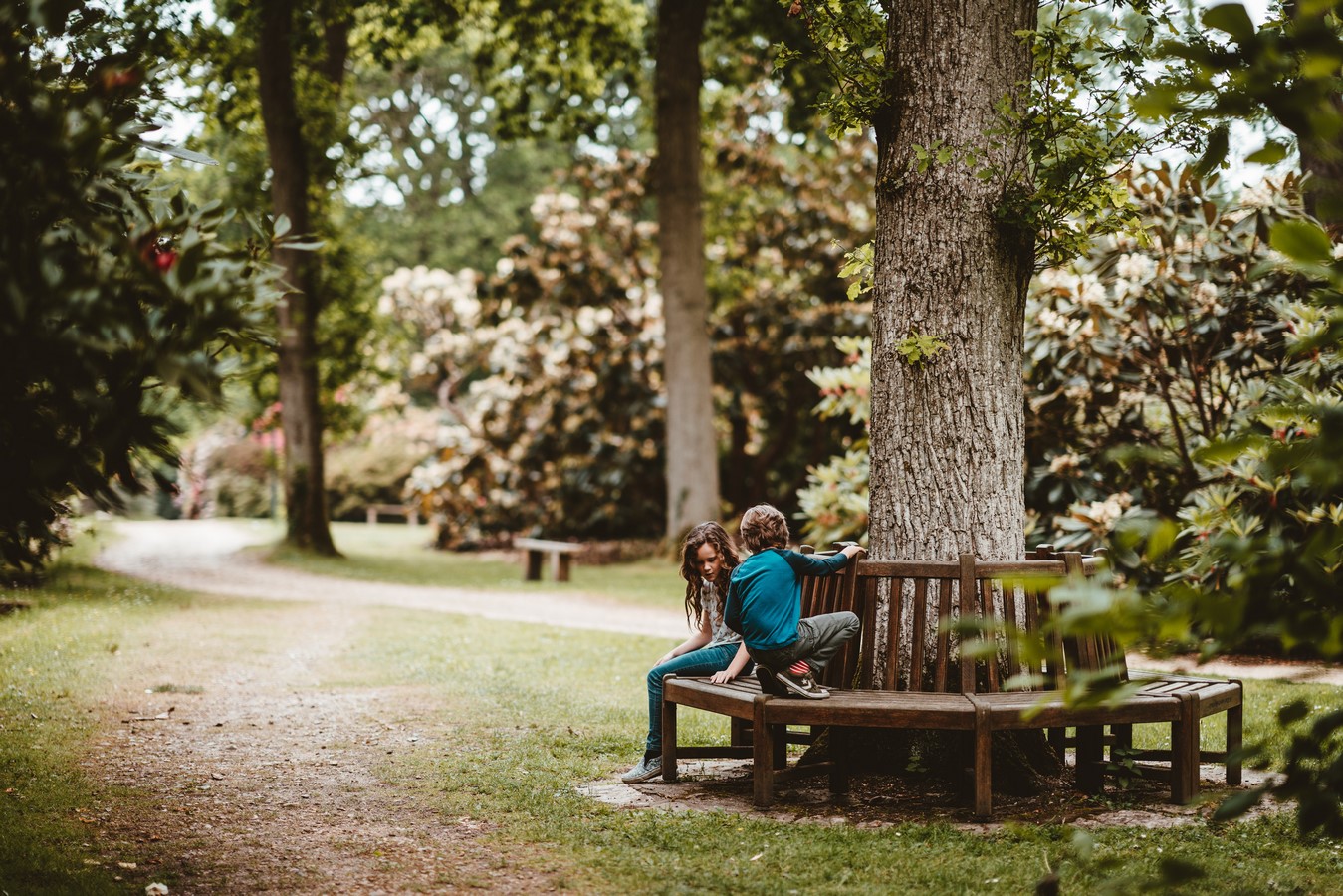
To establish engaging and accessible outdoor areas for children, carefully planned routes and circulation systems are essential. Some might have wide-open green spaces, wooded areas, and gardens, whereas others may mostly utilise a paved area or pathways (“The Outdoor Environment: Designing for Learning”). These paved areas meander and curve across the terrain, inviting young explorers to discover and explore. Natural encounters occur when paths intersect, fostering conversations and social engagement. These thoughtfully designed pathways serve as guiding routes, seamlessly connecting different play areas and enticing children to explore and interact with the diverse outdoor features. By strategically organizing circulation patterns, a setting is created that encourages social interaction and teamwork, as children cross paths, exchange ideas, and embark on joint adventures. These pathways evolve into dynamic channels of communication, fostering a sense of cohesion and camaraderie. Children who traverse these meticulously crafted trails engage in collective discoveries, forging friendships, creating lasting memories, and laying the foundation for group activities in these natural settings.
Designing with Children
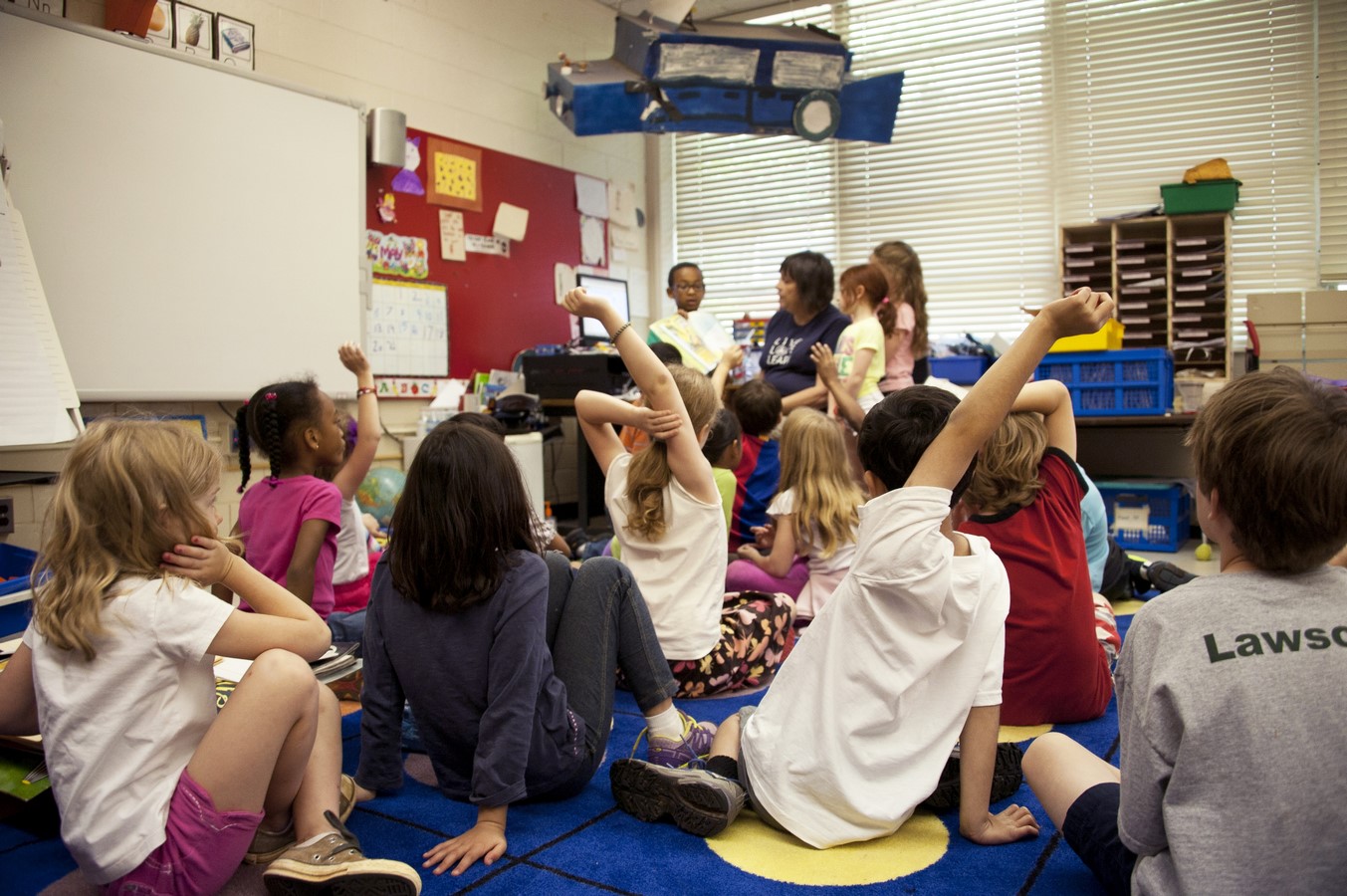
An essential aspect of designing outdoor spaces that genuinely cater to children’s needs, interests, and imaginations is the active involvement of children in the design process. This collaborative journey ensures that children’s voices are heard, their ideas respected, and their creativity acknowledged right from the initial planning stages. Workshops and brainstorming sessions provide a platform for children to eagerly contribute their visions through vibrant drawings, captivating stories, and innovative concepts. Natural outdoor classrooms designed with those principles in mind are environments that stimulate children’s creativity and enhance their learning opportunities (Kiewra ,70). Designers and architects skillfully translate these inputs into tangible elements within the outdoor spaces, ensuring that the final design reflects and nurtures the children’s desires and instils a sense of ownership. By engaging children in this participatory approach, they are empowered to forge a deep connection and feel genuine pride in their outdoor environment. Witnessing their ideas manifest into reality ignites their enthusiasm and fosters a strong sense of belonging to a space that is uniquely their own. This involvement cultivates imaginative thinking, fosters creativity, and nurtures social connections, resulting in vibrant, inclusive, and cherished play areas that serve as the backdrop for countless joyful memories.
It’s crucial to bear in mind that the precise design of children’s outdoor areas will differ depending on aspects including age range, cultural context, and resource availability. Gaining useful knowledge and designing outdoor spaces that foster children’s social interaction and teamwork need collaboration among landscape architects, educators, and child development specialists. Through a collaborative process, it is ensured that the design facilitates social interaction, supports children’s general growth and well-being, and is in line with educational goals. We can design children’s outdoor environments that offer the best opportunity for meaningful engagement, creative play, and cooperative discovery by fusing the knowledge and viewpoints of many specialists.
References:
“Cooperative Play Ideas for Kids – Soft Surfaces.” Soft Surfaces Ltd, https://www.softsurfaces.co.uk/cooperative-play-ideas-for-kids/. Accessed 17 July 2023.
Kiewra, Christine. “Playing with Nature: Supporting Preschoolers’ Creativity in Natural Outdoor Classrooms.” International Journal of Early Childhood Environmental Education.
“The Outdoor Environment: Designing for Learning.” Virtual Lab School, https://www.virtuallabschool.org/school-age/learning-environments/lesson-3. Accessed 17 July 2023.