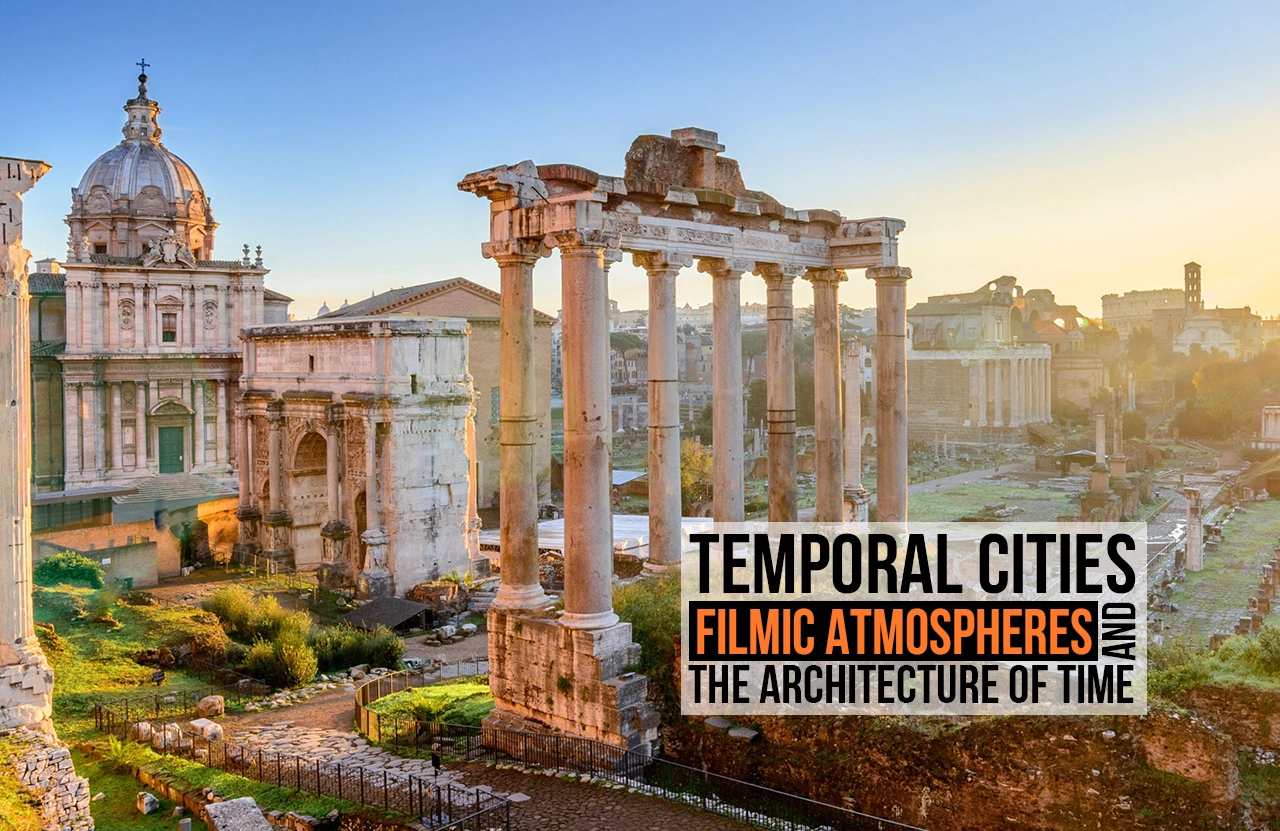
Cities are not just about structures and streets; they are the living environment that evolves with time. The buildings change with time and atmosphere, like changes in a movie scene. The modern structures and the ancient temple both display the architectural styles of the eras in which they were constructed. The idea of temporal cities is that architecture is not only about physical form but also a record of time, memory, and movement. It is about exploring the evolution of cities through different atmospheres, urban spaces, and people’s experiences.
The morning sun provides the impression of temple architecture, whilst the evening vibes give the impression of bustling city streets. Similarly, seasonal transformations like autumnal colors in Paris, or winter sunlight in Rome, alter the city’s appearance, highlighting how architecture interacts with natural rhythms. Even day and night have an impact on the surrounding architecture. Festivals and the movement of people also influence the surrounding architecture. In this way, architecture is never static; it changes over time, resulting in a continually altering urban experience that conveys the city’s story like different scenes in a film.
Temporal Effects on Architecture
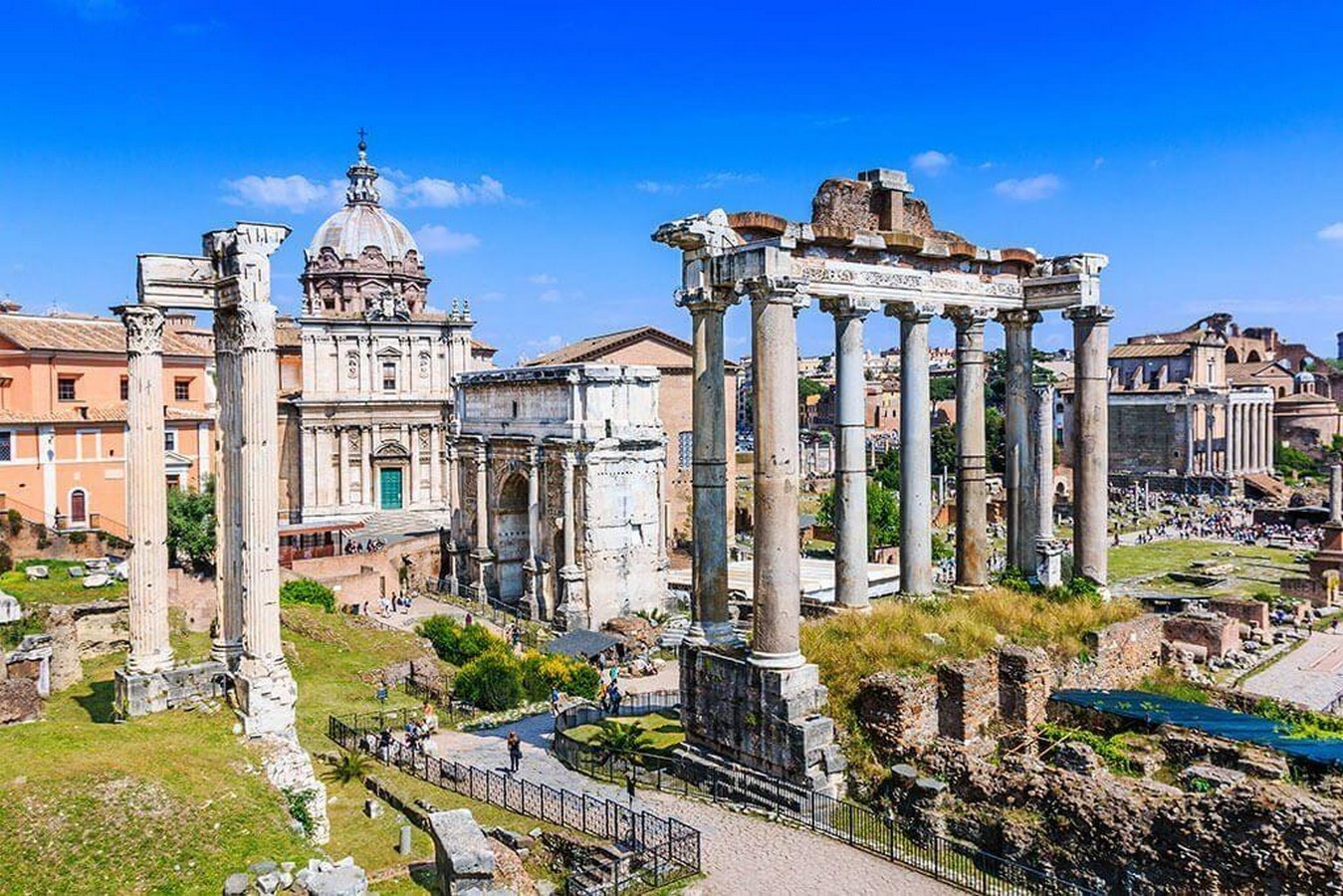
Historical events and circumstances influence the development of the characteristics of architectural styles. Natural disasters, cultural shifts, and technological advancement all leave their imprint on buildings, changing their design and materials. Older buildings frequently coexist with modern ones, resulting in a multi-layered urban fabric that reflects the evolution of time. In addition to preserving historical memory, this contrast between the old and the modern shows how cities change over time, responding to shifting demands while conserving their history and culture.
As cities change throughout time, these temporal effects become clear in their streetscapes, creating an architectural history that may be seen visually like an unfolding film scene. The changes in the shape, materials, and use of the buildings show how cultures change to fit new situations. The architectural styles continue to evolve, reflecting the values and needs of each era with each societal needs. The city becomes both a record of time and a living space that is always changing, like a movie where each instant brings a different scene, emotion, and a point of view.
Adaptation and Human Influence
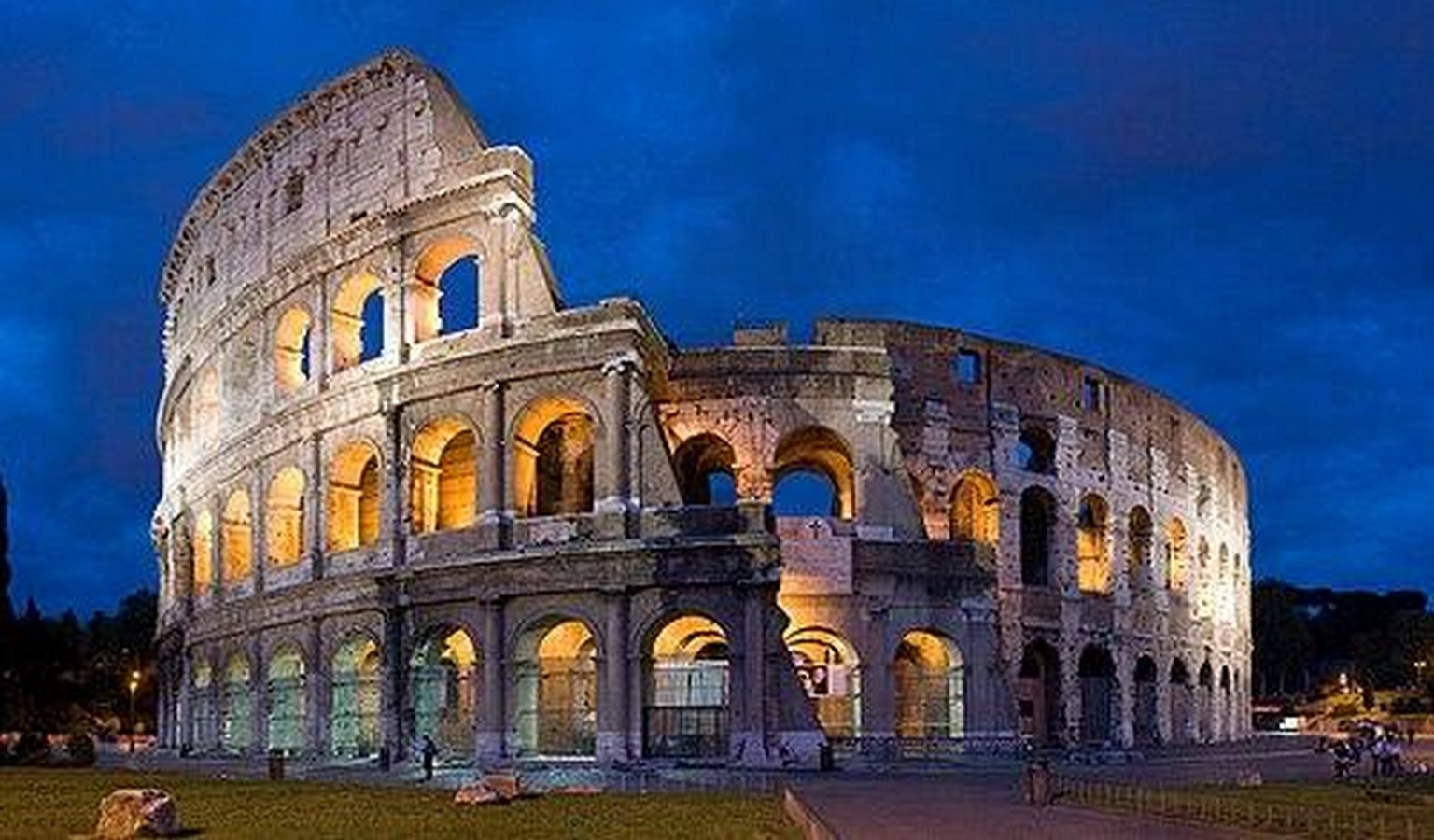
The fact that time and generations keep changing reveals that architecture is more than simply a backdrop. It’s a living record of history that is shaped by culture, history, and societal needs. Human activity further enhances the temporal dimension of architecture. People who utilize buildings with different needs and ideals are always modifying them. One example of temporal change and human influence is The Colosseum, where centuries of changing use show how the building changes to accommodate new social and cultural demands.
The Colosseum served as a grand arena for gladiatorial games, reflecting the social, political, and entertainment priorities. It was constructed using travertine stone, tuff, and concrete held together by iron clamps. The Colosseum’s use changed significantly throughout the ages. Parts of it were converted into a Christian shrine, and instead of serving as an arena, it now serves as a heritage monument and tourist attraction. In order to stabilize the structure and prevent further deterioration, modern materials are incorporated to restore and preserve the structure. This has created a layered narrative in which modern reinforcements coexist with ancient stones, visually narrating centuries of human use, environmental exposure, and cultural transformation.
Architecture Of Time
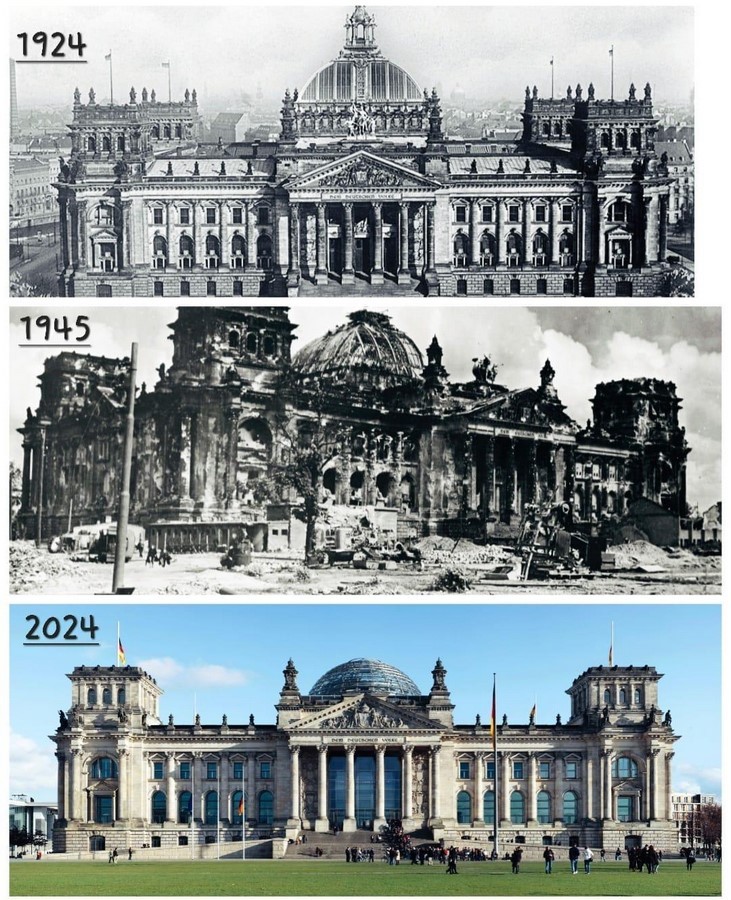
The architecture of time explores how structures serve as living histories, documenting how communities, cultures, and technological advancements have changed over time. Every structure carries the style of the era in which it was built. It can be differentiated through its materials, design, and construction techniques. Cities continue to evolve as the buildings present are repaired, renovated, or adapted to new functions. One example can be taken as the city of Berlin, which has undergone various transformations over the past century. It went from being destroyed in World War II to being split up during the Cold War, and then was reunited and modernized.
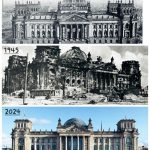
Within this evolving urban fabric, the Reichstag building stands as a clear example of the architecture of time. Originally, it was completed in 1894. The building embodies multiple layers of time, including a 19th-century historic stone façade, the scars of past destruction, and contemporary interventions. After the reunification of Germany, architect Norman Foster made significant changes to the building. He introduced the iconic glass dome and other modern elements, blending historical preservation with contemporary design. This building serves as an example of how architecture can preserve the past, meet current demands, and represent a city’s changing character all at the same time.
References:
The British Academy. (2021). Architecture in the Overshoot: Design and Temporal Dysphoria in Times of Transition. [online] Available at:https://www.thebritishacademy.ac.uk/projects/architecture-in-the-overshoot-design-and-temporal-dysphoria-in-times-of-transition/ [Accessed 22 Nov. 2025].
Atabeyoğlu, Ö. & Bilge Öztürk, G. (2024) ‘Temporal and Spatial Evolution of Architecture’, Journal of Architectural Sciences and Applications
Tickets, C.R. (2018). Colosseum Restoration. [online] Colosseum Rome Tickets. Available at: https://colosseumrometickets.com/colosseum-restoration/.