Urban planning can be defined as a strategic process where land development and related ecosystem and human services are improved. This paradigm shift can help maximise various aspects within the urban environment, like economic development, accommodate a better lifestyle, and improve efficiency in infrastructure management. Thus, it can be endeavoured to successfully amalgamate societal requirements with sustainable developments; real-life data is required in navigating the process of urban planning. Therefore, big data, which means various structured and unstructured data that is collected, can provide relevant information for the relevant stakeholders, like urban planners and engineers, to rectify the urban landscape. Specific urban planning data include population growth models, land use patterns, environmental and microclimate conditions, traffic pattern studies, and sustainable infrastructure development (Lunartech.ai, 2021). These aspects enable policy and regulatory changes to be carried out effectively.
Smart Cities- Virtual Interconnectivity

Urban planning can be endeavoured as a complex practice, hence scrutinising one of the key elements, smart cities. A smart city can essentially be defined as the current transformation in the field of architecture wherein efficiency, sustainable approach, and socio-cultural responsive macro-level designs are conceptualised by urban planners and designers to cater to its residents. Moreover, extensive integration of artificial intelligence, IoT, and data analysis into the urban landscape further reinforces the quicker functionality of a city. Some of the key characteristics of a smart city include (Weareprimegroup.com, 2025):
- Connectivity- can be claimed as an algorithm where various types of data are collected from sensors around the urban environment and transmitted to the IoT
- Sustainable Infrastructure and Optimisation- amalgamation of energy-efficient buildings and reducing ecological footprint through resource reduction; digital twin models are being studied beforehand by urban planners to simulate environmental conditions and proceed with design
- Smart mobility- utilising means of transport such as autonomous vehicles and bike-sharing, and easing public transit in and around the community. For instance, Hangzhou’s AI system ‘City Brain’ has plummeted traffic wait times. Subsequently, increasing pedestrian footfall through passive design strategies to improve accessibility
- Citizen engagement- enabling ease of communication among residents to collaborate and create an interdependency throughout the urban planning process
Preceding the characteristics, a few key applications include (Weareprimegroup.com, 2025):
- Smart parking systems- to guide drivers to the available spots, thus reducing the traffic accumulated by searching
- Environmental monitoring- use sensors to collect air quality and pollution data, possibly regulating control measures, and improve climate change
- Public safety- increase surveillance systems and install emergency response devices as a precaution against danger
Although these characteristics and applications vary based on fluctuating factors like ethical practices considered, socio-cultural norms, and economic stability, it can be argued that virtually connecting these fragments holistically contributes to the success of a smart city.
Testing- A Successful Algorithm?
It can certainly be claimed that urban planning, as a testing development, has been a successful implementation in various locations. Although programs and functionality have been catered to specific diaspora and climatic conditions onsite, emphasis is still channelled towards collaboration of the community, innovative strategies, and importantly, high use of technology.
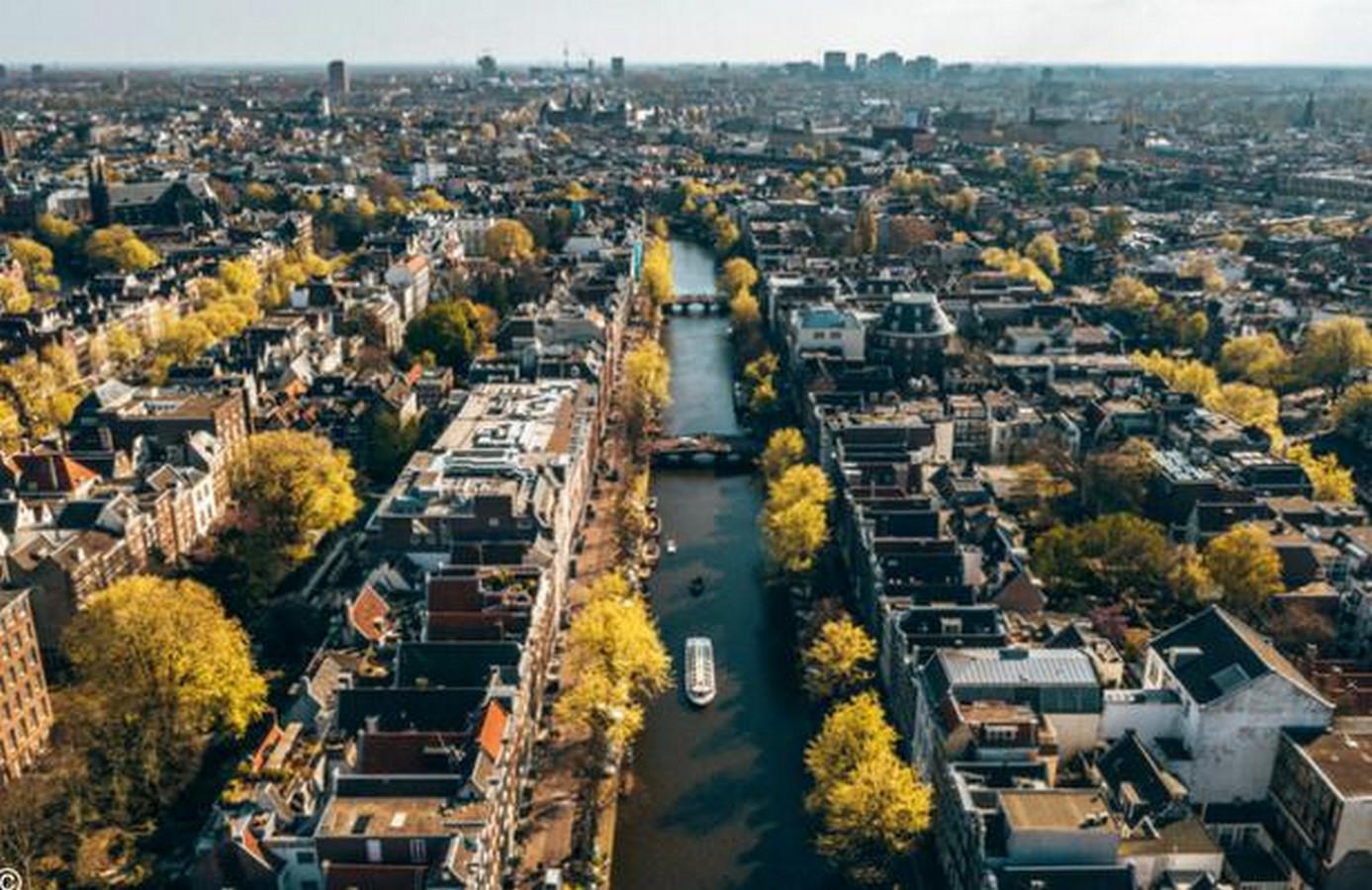
As Image 2 indicates, the Amsterdam Smart City Project was conceptualised in 2009 to have an equilibrium between technological advancements and achieving a sustainable city. It primarily strategized on the following elements (Danielou, 2014):
- Housing- Smart meters are installed to allow residents to measure their day-to-day energy consumption and regulate accordingly
- Mobility- Motorising this has allowed the reduction of traffic jams by occupying new urban spaces to station a ‘Smart Work Center’
- Public Facilities- Using motion sensors to enable night lighting at restaurants or shops only when pedestrians pass by. This helps control the energy expenses of these retail outlets.
- Open data- Urban governance program developed to bridge a gap between the city of Amsterdam and its citizens. This is based on public data management, redistribution, and aggregation.
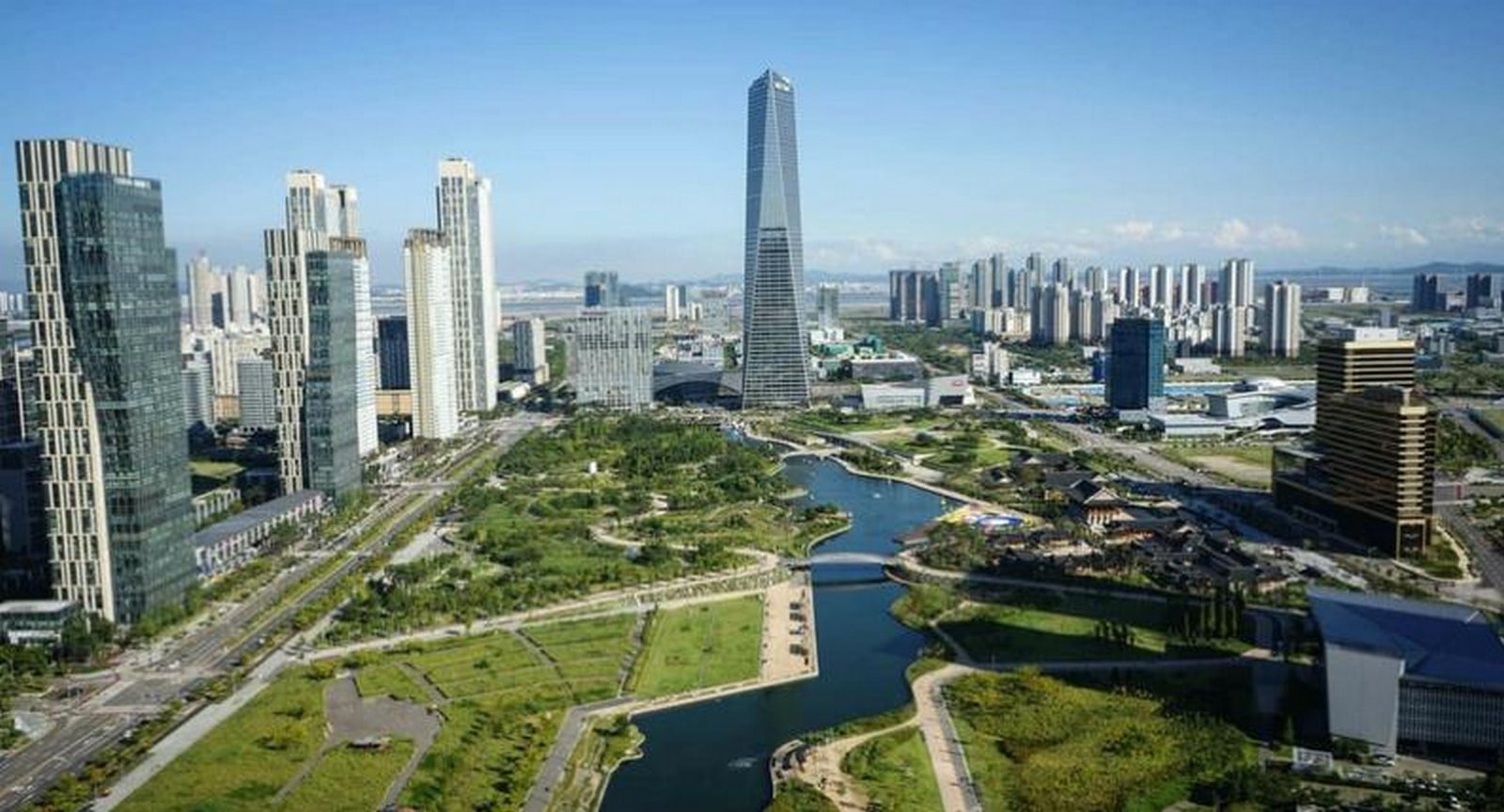
Preceding the analysis of Image 2, Image 3 showcases a futuristic design approach implemented through ICT to improve environmental efficiency, yet a liveable smart city for its residents. For instance, traffic sensors have been installed to alert its residents about bus timings. Electric charging stations are installed in regular intervals. Waste management has been implemented effectively through systems such as household waste collected from kitchens and sucked into underground tunnels and deposited into waste processing centres to be treated. Water recycling systems are also installed where clean drinking water is filtered from water used for sanitary purposes (Williamson, 2013).
In relation to the 2 case studies of urban planning, both draw a common thread between ecological and community well-being. For instance, emphasis on mobility has been given great importance, and incorporating ICT and other technological advancements has eased the process. Subsequently, community engagement throughout the process has also aided in the smart-city transition. Although both case studies respond to traffic control management, based on the distinct site contexts and the ethical practices, the use of IoT has been tailored to its specific purpose. For instance, Amsterdam addresses the issue of traffic flow control through the ‘Smart Work Center’, whereas Songdo Business District adheres to traffic sensors that provide information to its residents about public transport timings. Going forward into the future, it can be concluded that a solitary solution cannot be exported to all cities; various factors come into consideration, like economy, societal beliefs, and cultural norms.
References:
- Bhattacharyya, S. (n.d.). How Does IoT Help In Urban Planning? | Analytics Steps. [online] www.analyticssteps.com. Available at: https://www.analyticssteps.com/blogs/how-does-iot-help-urban-planning.
- Danielou, J. (2014). Smart city and sustainable city : the case of Amsterdam. [online] www.citego.org. Available at: https://www.citego.org/bdf_fiche-document-2429_en.html.
- Gattupalli, A. (2023). Cities as Living Laboratories: The Smart City Projects of Amsterdam, Singapore, and Barcelona. [online] ArchDaily. Available at: https://www.archdaily.com/1001628/cities-as-living-laboratories-the-smart-city-projects-of-amsterdam-singapore-and-barcelona.
- Lunartech.ai. (2021). Big Data Analytics for Urban Planning – LUNARTECH. [online] Available at: https://www.lunartech.ai/blog/big-data-analytics-for-urban-planning.
- Urban Design lab. (2024). Top 10 Smart City Case Studies Pioneering Sustainable Development. [online] Available at: https://urbandesignlab.in/top-10-smart-city-case-studies-pioneering-sustainable-development/?srsltid=AfmBOopyIgyHiD53XmwN9XCl8Q6KWcFtXT4dJNljONq7La2ovkr84a6m.
- Weareprimegroup.com. (2025). Smart Cities: The Future of Urban Planning | Insights | Prime Group. [online] Available at: https://weareprimegroup.com/insights/smart-cities-the-future-of-urban-planning/.
- Williamson, L. (2013). Tomorrow’s cities: Just how smart is Songdo? BBC News. [online] 2 Sep. Available at: https://www.bbc.com/news/technology-23757738.