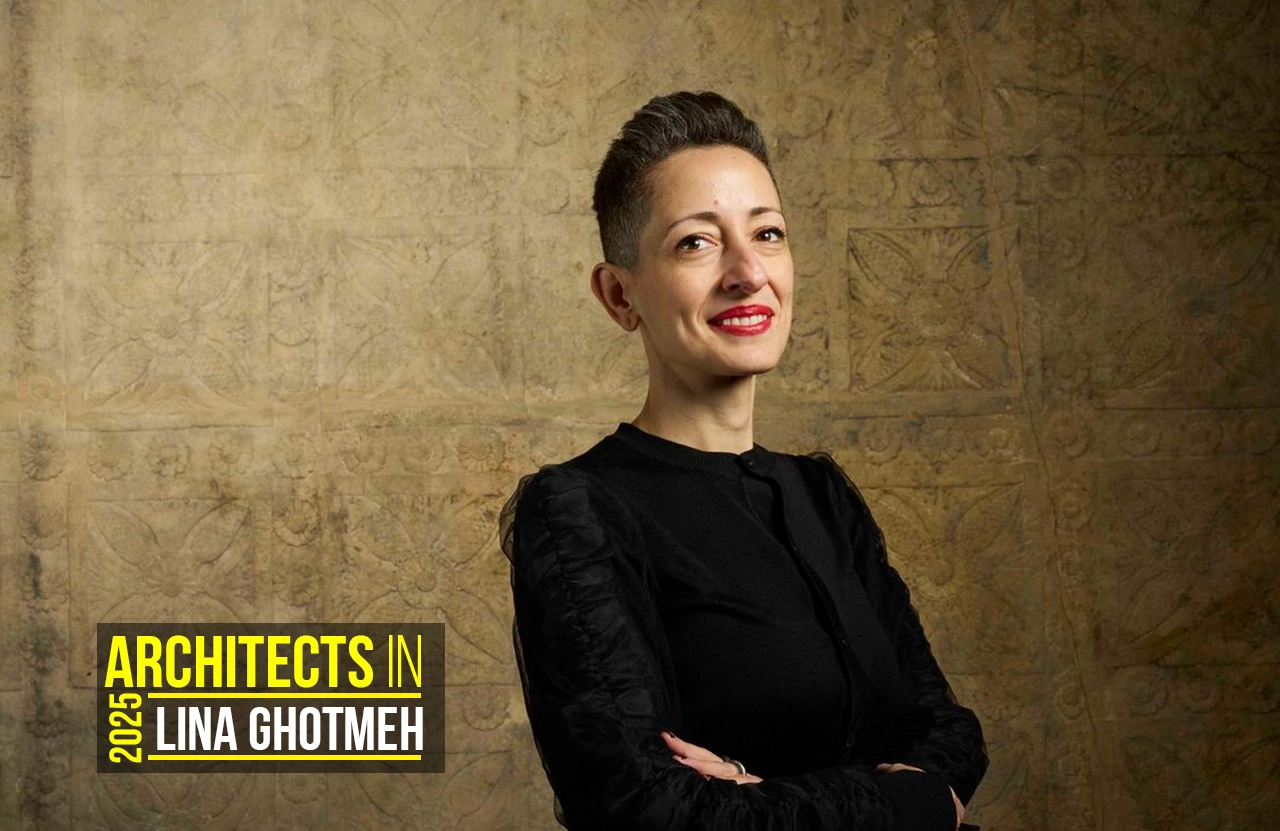
Our cities are increasingly shaped by global architecture trends, often resulting in sleek, glass buildings that feel impersonal and uniform. But in 2025, Lina Ghotmeh stands out as a leader in a movement pushing back against this sameness. Rather than futuristic chrome and sharp lines, her work embraces an older, more meaningful aesthetic rooted in human experience. Ghotmeh embodies a shift towards architecture that rejects generic urban spaces in favor of designs that are grounded and unique.

At the heart of Ghotmeh’s architecture is her concept of the “archaeology of the future”, the belief that new buildings must draw from a site’s layered history. Unlike firms that erase the past, her practice uncovers and builds upon stories, memories, and heritage already present. This method is not only philosophical but tactical, positioning her architecture as a direct response to global sameness. By grounding innovation in context, Ghotmeh illustrates how the future of architecture depends on honoring what has come before, making her a key voice against placeless design.
Building with Scars and Earth
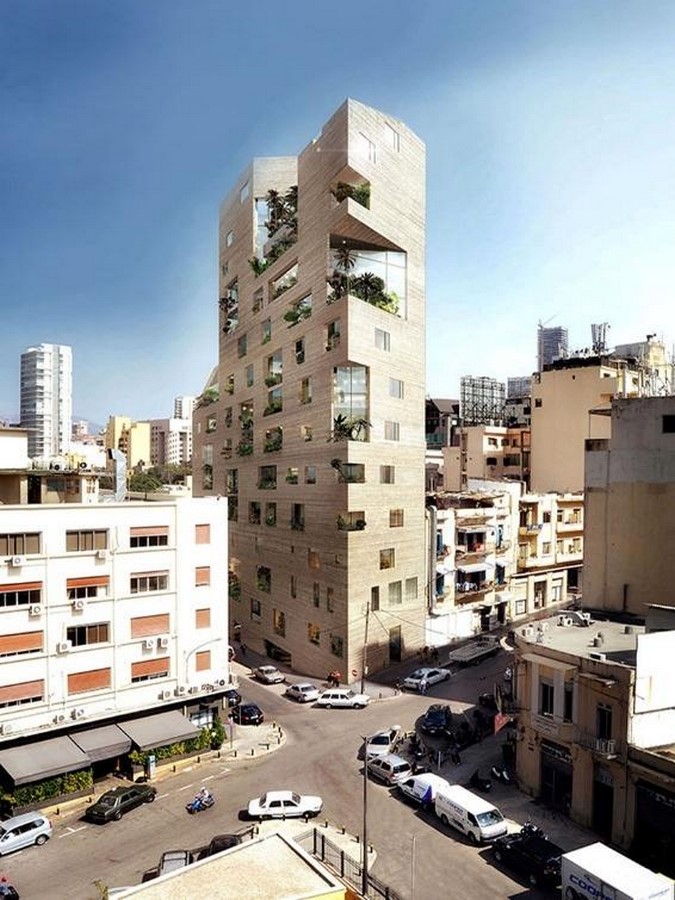
You can see this philosophy brought to life in projects that seem to defy convention. The Stone Garden in Beirut is a perfect example. From a distance, the building looks almost like a sculpture carved directly from the earth, its façade a dusty, hand-combed texture of an earth-based plaster. But look closer, and you see the thousands of irregularities, almost scattered openings that riddle its surface. They look, to some, like the scars left by a civil war, a raw and honest acknowledgement of Beirut’s difficult history. Ghotmeh didn’t want to hide these wounds; she wanted to give them a purpose, turning them into planters where trees and gardens could grow, allowing nature to reclaim and heal a tormented landscape. It’s an act of beautiful, quiet defiance, a building that says, “I remember, but I am still growing.” The selection of earth as the primary material for the facade was not just a sustainable choice; it was a deeply symbolic one, connecting the building to the very soil of a city that has been repeatedly damaged and rebuilt.
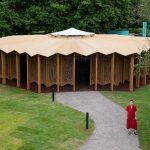
This deep connection to the earth and a site’s story isn’t just poetic; it’s a profound act of sustainable design. Ghotmeh’s approach to materials is a rebellion against the carbon-heavy concrete and steel we’ve become so accustomed to. For the Serpentine Pavilion in London, her firm used bio-sourced and low-carbon timber to create a structure that felt like a quiet, communal shelter. Its pleated roof and nine-sided, almost sacred, form were an invitation to sit together, as she said in an interview with Design Boom, “to share the ideas, concerns, joys…that bring us together.” This building was not just about aesthetics; it was a physical argument for a different way of living, one rooted in connection and the natural world. The pavilion was also a masterclass in minimizing environmental impact; its demountable nature and material choice meant it could be built and unbuilt without leaving a trace, showcasing a truly circular approach to design that every architect in 2025 must heed.
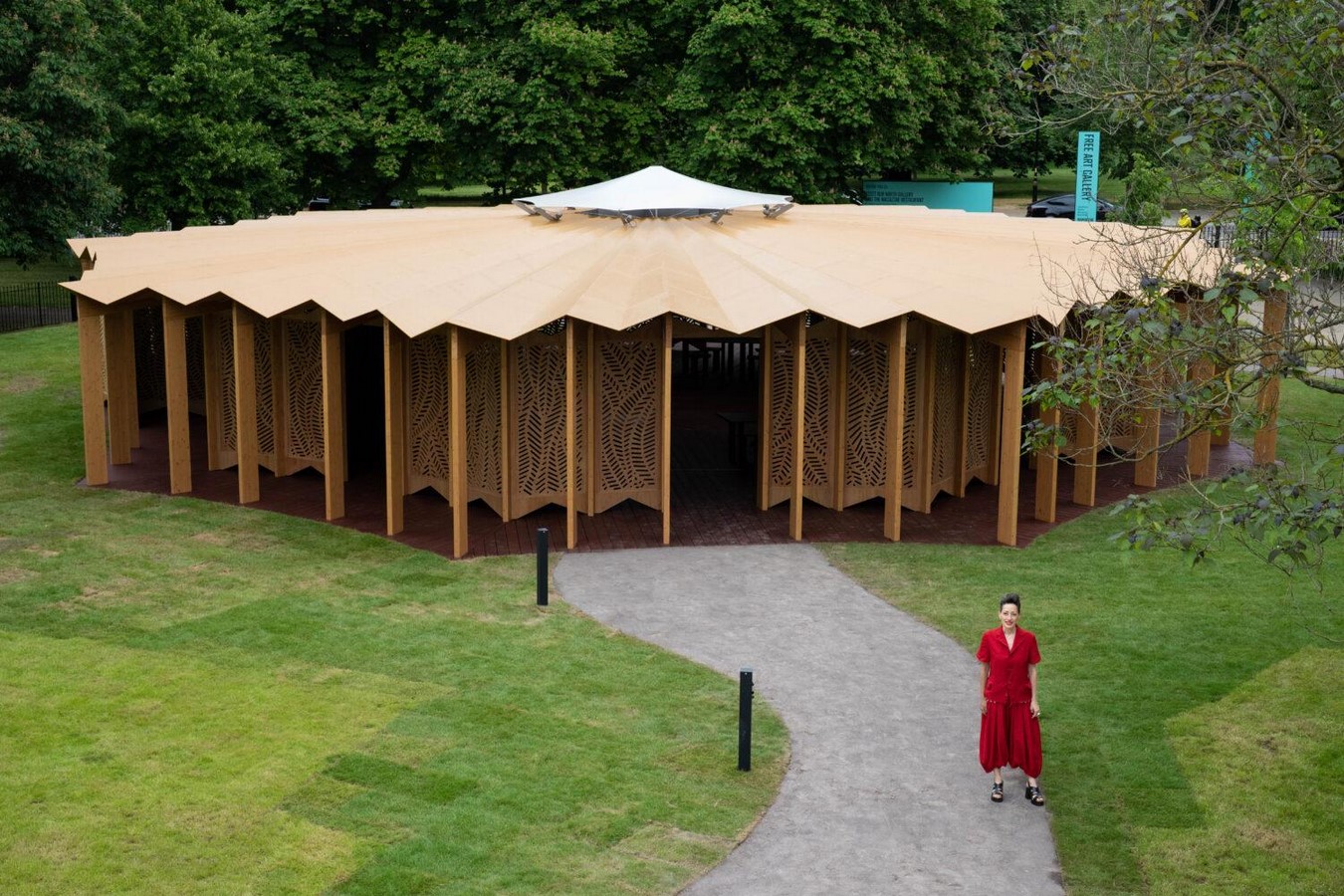
Beyond Conventional Materials and Methods
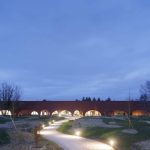
Lina Ghotmeh‘s practice is a showcase for how architects in 2025 are experimenting with materials to create both beauty and resilience. Her firm’s commitment to sustainability is demonstrated in projects like the new Hermès Workshops in Normandy, a low-carbon building constructed primarily from timber and brick. The design echoes the rhythms of the surrounding countryside, seamlessly blending with the landscape and creating a humane, light-filled environment for the artisans who work there. The project is an example of her belief that a building should not only be efficient but also contribute to the well-being of its users and its environment.
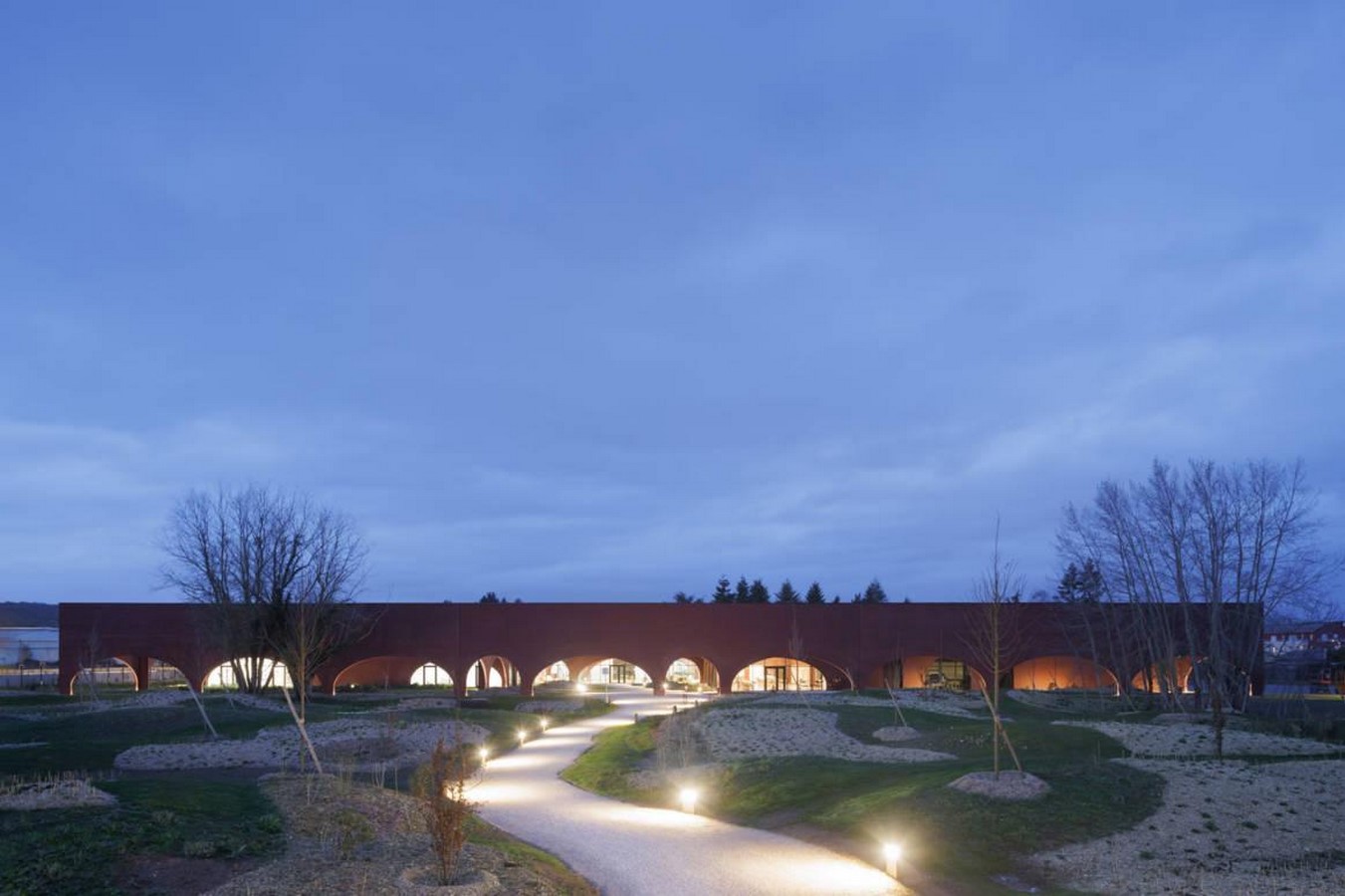
Furthermore, Ghotmeh’s firm is known for its highly collaborative and research-driven process, which places people at its core. While details of her firm’s use of AI in design are not widely public, her overall philosophy is deeply rooted in a kind of human-centric data, the “data” of a site’s history, social context, and community needs. The firm’s projects often begin with extensive research and dialogue with local communities, ensuring that the final design is not just a building, but a space that genuinely serves and empowers the people who will use it. This approach reflects a growing trend in the industry towards more socially engaged and community-resilient architecture, where the architect acts as a facilitator rather than an imposing authority.
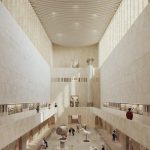
Her appointment to redesign the Western Range of the British Museum is a major milestone that solidifies her position at the forefront of this movement. The project is not just a renovation; it’s a re-examination of the museum’s role in the world. Ghotmeh’s vision for the space involves using sustainable materials like waste from local quarries and creating a design that encourages visitors to build connections with the objects and their cultures. Her appointment in a high-profile institution signals a significant shift in the architectural world’s priorities towards a more thoughtful, sensitive, and sustainable approach. It’s a powerful statement that a major institution is turning to an architect who builds with a conscience.
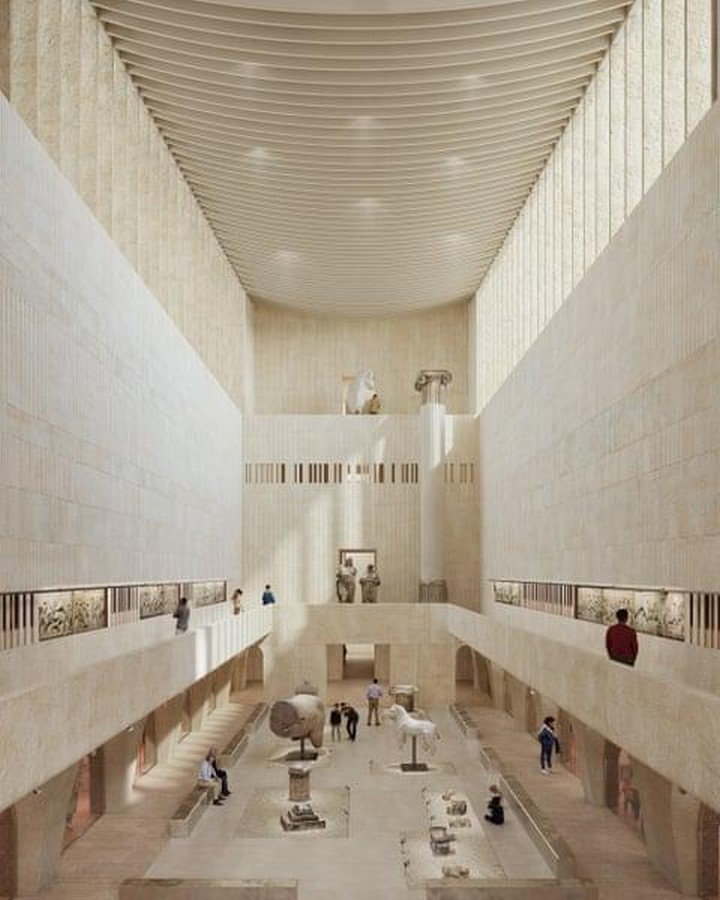
A Human-Centric Vision for the Future
In 2025, Lina Ghotmeh stands as a leading example of how architecture must embrace memory, context, and humanity. Her work asserts that meaningful design arises from connecting the past with the present, and placing people and place above fleeting trends. Rather than seeking futuristic spectacle, she demonstrates that real innovation places value on history, culture, and genuine human needs, anchoring architecture’s main responsibility: to create spaces that foster belonging in a fast-changing world.
Her work is a powerful reminder that architecture has civic and moral responsibility. She believes that every building should tell a story, and that this story can be a source of healing and hope. By using her designs to engage with difficult histories, from the traumas of war to the scars of environmental degradation, Ghotmeh’s practice offers a way for architecture to become a part of the solution, not just a symptom of the problem. A signature style does not define her legacy in 2025, but by a consistent and compassionate methodology that will continue to shape how we build and how we live for decades to come.
References:
Ghotmeh, L. (2025). Lina Ghotmeh — Architecture. [Online]. Available at: https://www.linaghotmeh.com (Accessed: 5 September 2025).
Dezeen (2025). ‘Lina Ghotmeh Unveils British Museum Renovation’. [Online]. Available at: https://www.dezeen.com/2025/02/21/lina-ghotmeh-british-museum-renovation/ (Accessed: 5 September 2025).
The Guardian (2023). ‘Serpentine Pavilion 2023 review: Lina Ghotmeh’s convivial canopy’. [Online]. Available at: https://www.theguardian.com/artanddesign/2023/jun/11/serpentine-pavilion-2023-review-lina-ghotmeh-convivial-canopy (Accessed: 5 September 2025).
UNI.xyz (2025). ‘Hermès Workshops by Lina Ghotmeh Architecture: A Living Tribute to Craftsmanship and Sustainability in Normandy’. [Online]. Available at: https://uni.xyz/journal/hermes-workshops-by-lina-ghotmeh-archite (Accessed: 5 September 2025).
The Talks (2024). ‘Lina Ghotmeh – interview’. [Online]. Available at: https://the-talks.com/interview/lina-ghotmeh/ (Accessed: 5 September 2025).