For centuries, architecture as a profession was described as the creation of new, iconic structures on a vacant piece of land. However, during the 21st century, due to rapidly growing urbanisation, climate crises, and the mass abandonment of rural and industrial centres, the necessary shift or transition in the role of an architect became an absolute necessity. The most critical challenges no longer lie in what we are building, but in what was left behind by the generations of human civilizations or ancestors, which is an important treasure for us as a civilization. From the silence of “ghost towns” to the remains of industrial docks and the complex layers of cultural landscapes, a new branch of professionals has emerged.
In these sensitive heritage contexts, the architect must involve from there the role of a traditional designer, which most of the schools train students for, but what makes them unique is to have an understanding of legislation, which will help them become a Policy Maker and a Change Maker. In their role as policymakers, the architect generates the legal and financial frameworks that allow ruins to be repurposed rather than demolished. As a change or decision maker, they act as social catalysts, using their technical knowledge for physical interventions in order to restore economic and community identity. By examining the radical transformations in Matera (Italy), Glasgow (Scotland), and Ahmedabad (India), we can see how architects are no longer just someone who designs structures; they are evolving into engineers who help in the survival of human civilization’s material memory.
Matera, Italy: Reversing the policy of shame
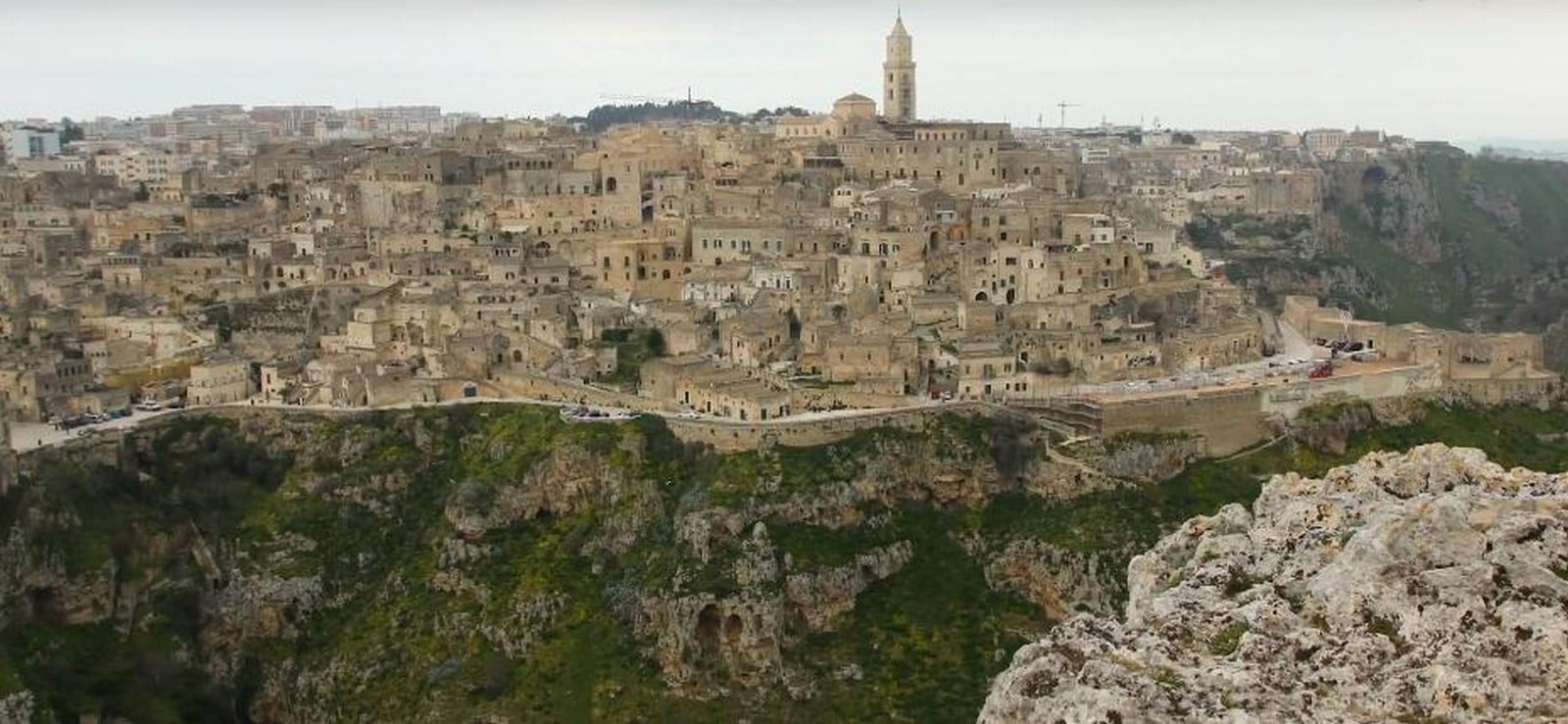
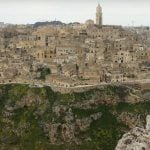
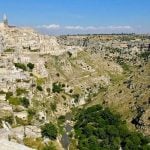
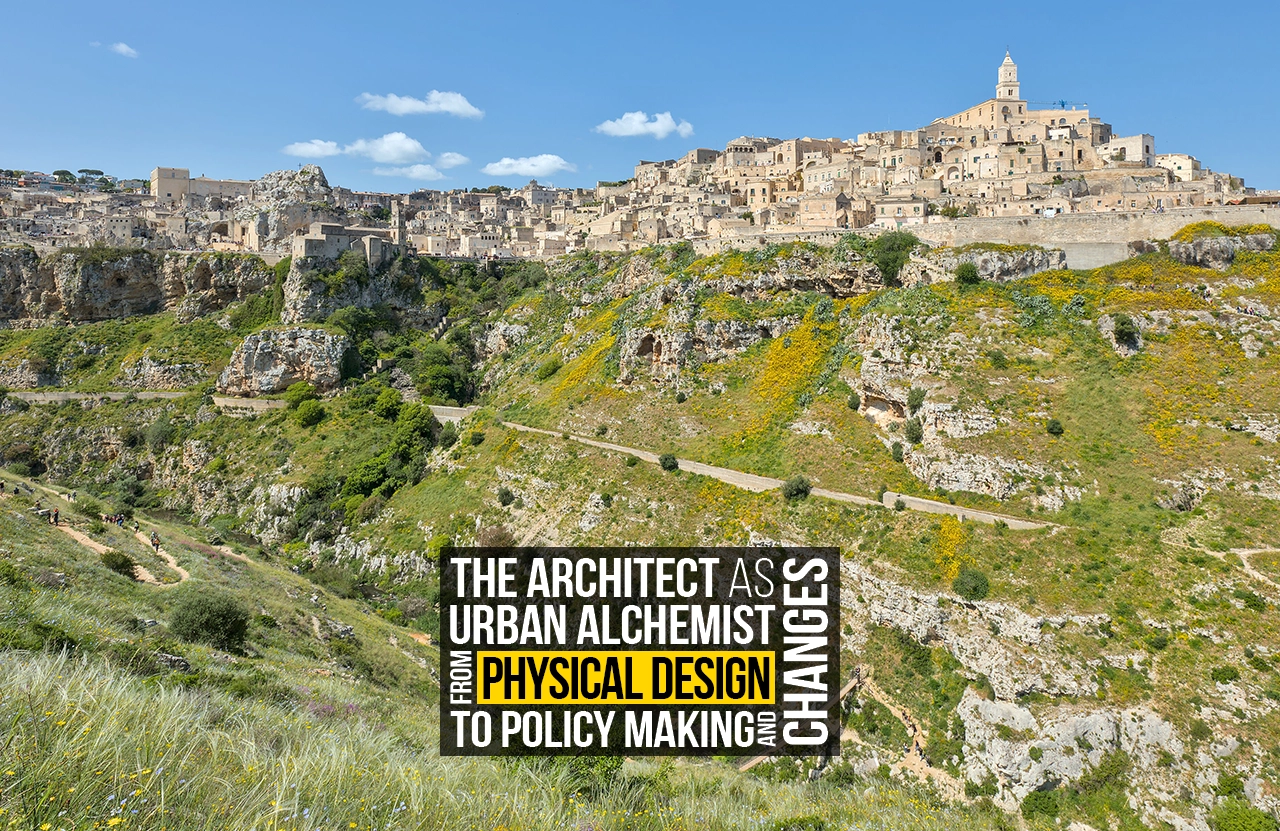
Matera’s journey from the shame of the Italy to UNESCO recognised world heritage site is an important lesson for architects how national legislation holds poor to make changes. This fascinating city is known for its Sassi stone cut neighbourhood created by incorporating rocky landscape. For century the Saasi was regarded by most of the politicians as unhygienic, diseased and inhabitable slums and was declared national disgrace. In 1952 due to humanitarian crisis government released a mandate for mass evacuating was enforce on population of city and 1500 new sterile housing for developed in new city for them. For 30 years when it was kept abandoned this city was kept alive by film makers and artist. Often visited by architects in 1970-1980 challenged the government policies. These Architects didn’t just propose new buildings but restored the existing; they proposed a new legal definition of heritage. These architects argued that the Sassi was an excellent example of “spontaneous urbanism” and passive climate control.
The Policy Breakthrough: Their advocacy led directly to Special Law 771/1986. Architect along with council developed the policy for PPP (Public-Private-Partnership) under this law 99 years concession was given to owners who are committed to develop their individual owned caves as per strict conservation standards. This wasn’t a building permit; it was a federal mandate that de-privatized parts of the Sassi to allow for state-funded, architect-led restoration. They also established the “Albergo Diffuso” (Distributed Hotel) model. This was a policy-level design strategy that allowed scattered, ruined caves to be managed as a single hotel operation or company. By drafting the technical codes that allowed for modern climate control within porous limestone shells, architects turned ruins into the world’s most unique luxury asset.
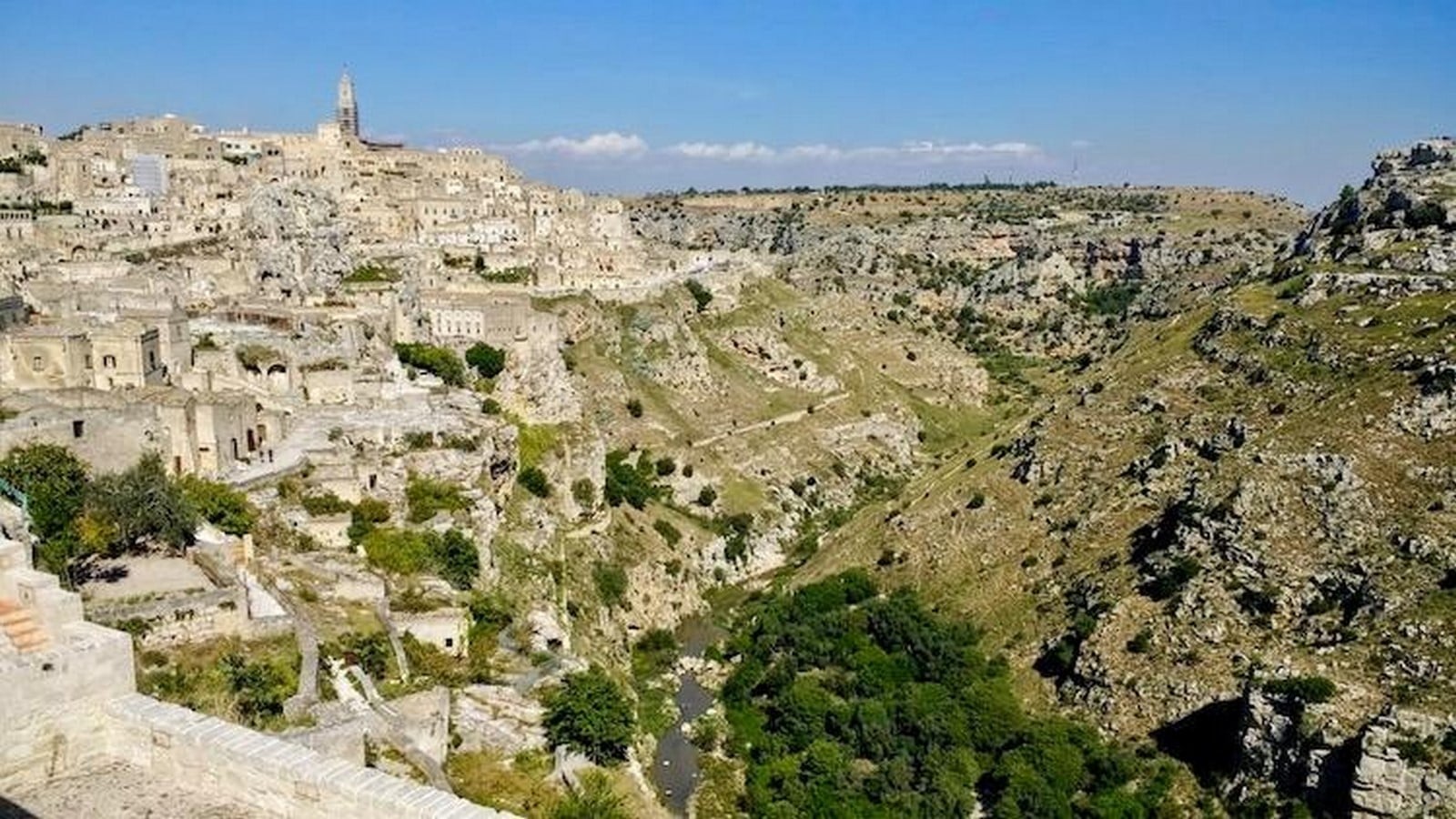
Projects like the Sextantio Civita di Bagnoregio proved that heritage could be a premium product. By using minimal, reversible interventions, architects changed the global narrative of Matera. The impact was profound: the “ghost town” of 1952 became a UNESCO World Heritage site in 1993 and the European Capital of Culture in 2019, attracting over a million visitors annually and proving that policy-driven design can save a civilization from erasure.
Glasgow, Scotland: Healing Industrial ghost
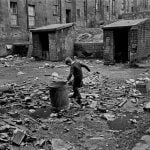
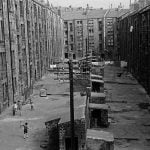
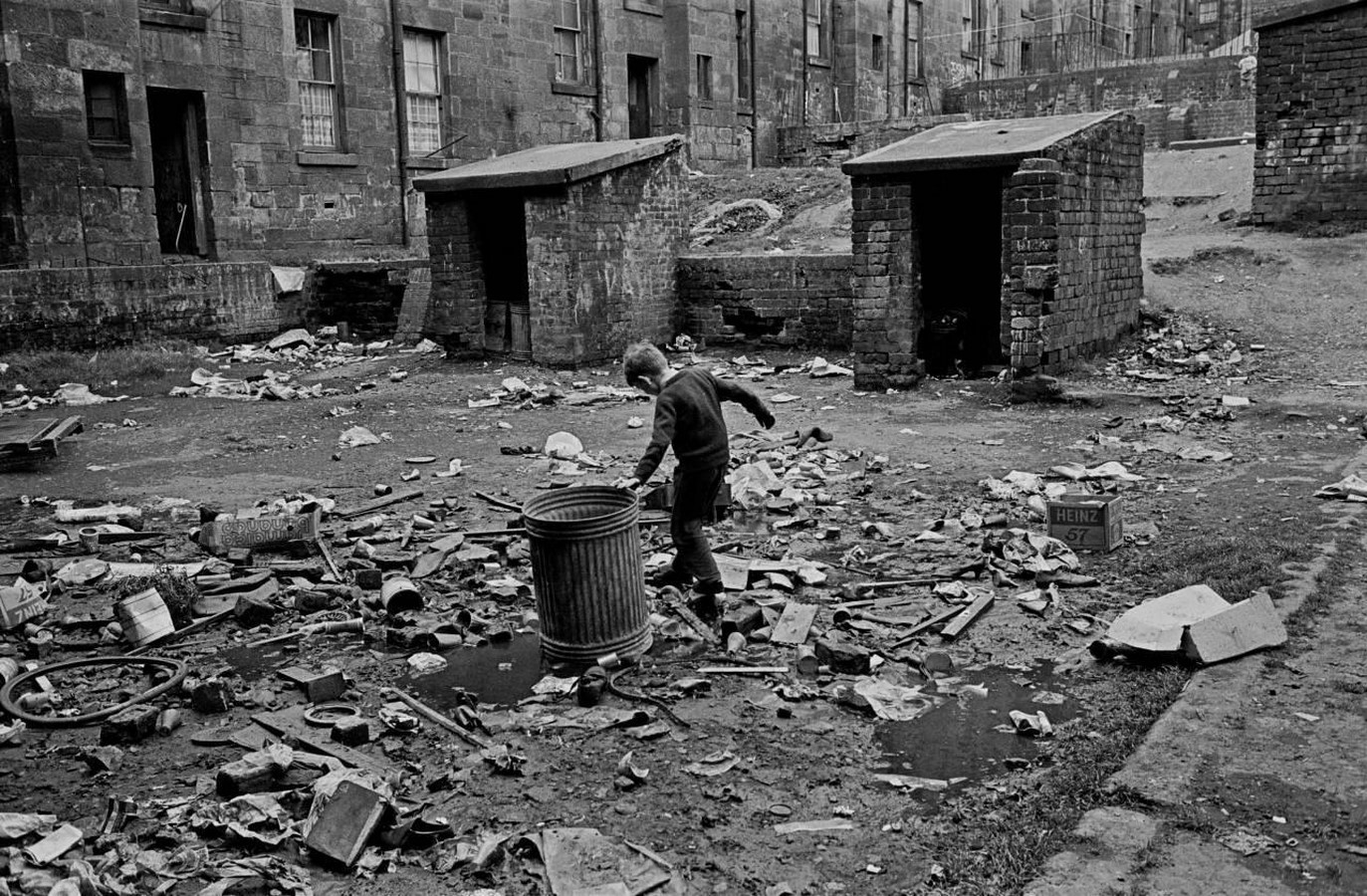
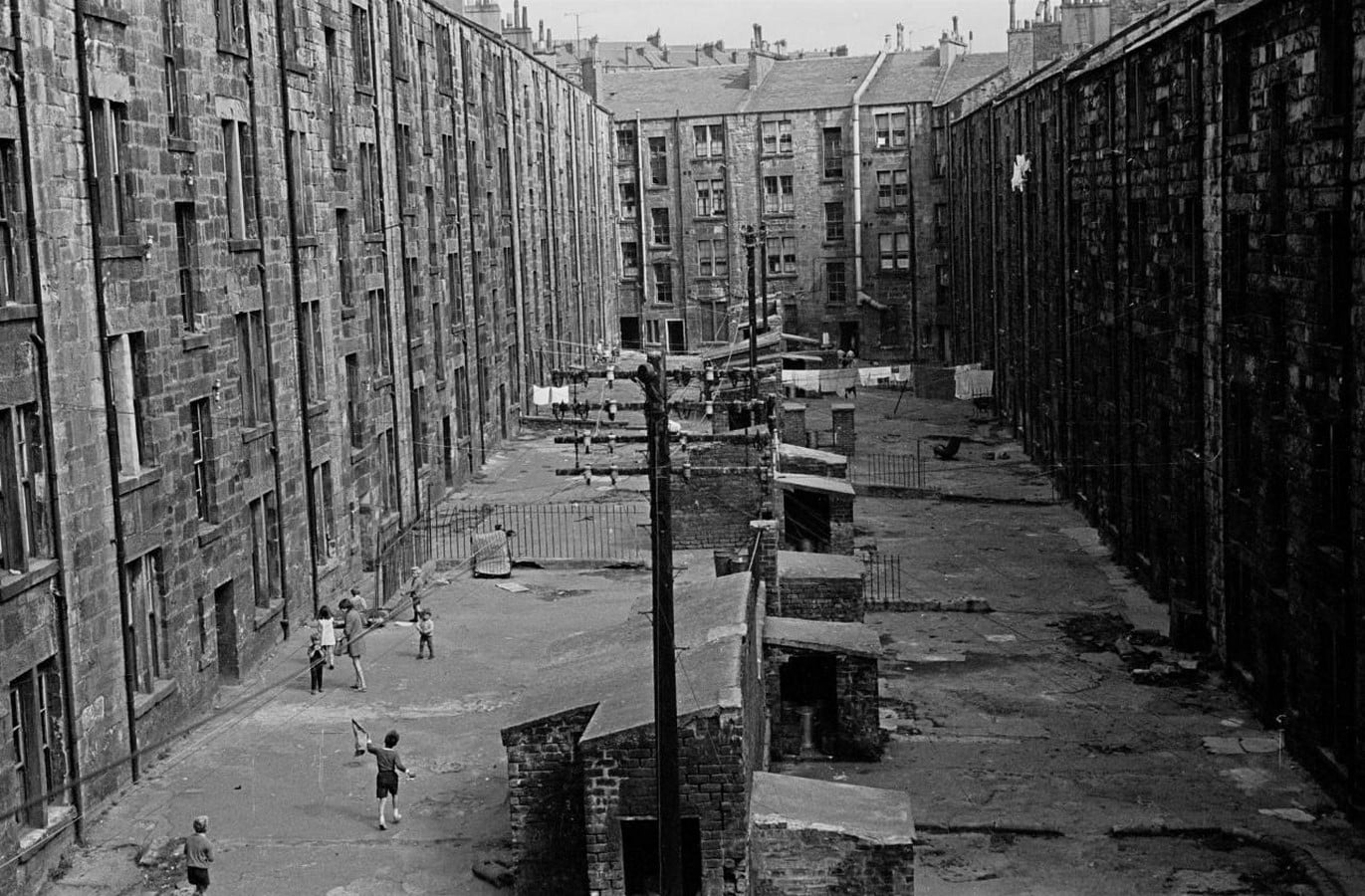
In order to understand the shift in architect’s role from a designer of structure to a strategic policy maker Gorbals district of Glasgow, Scotland is one of the crucial examples. Here, the architect has moved from the destroyer of the 1960s to the social strategist of today, proving that spatial design is a powerful tool for governance, health, and social equity. In 1945 Glasgow had highest density of slum according to Clyde Valley Regional planning Advisory committee address the issue regarding housing and health and need of major economical reformation.
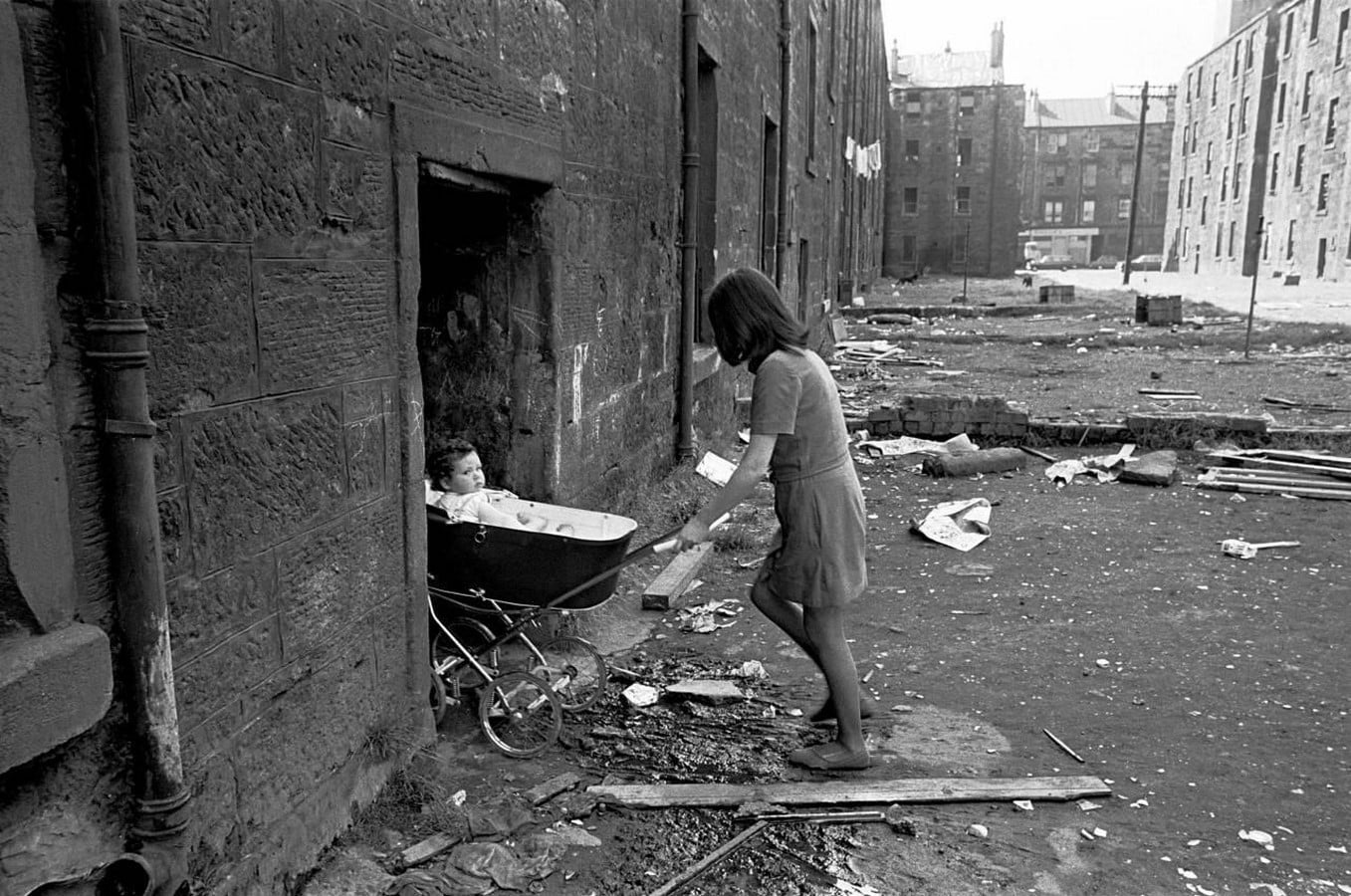
The Era of Technocratic Erasure (1960s–1970s)
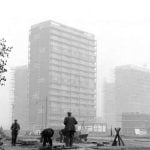
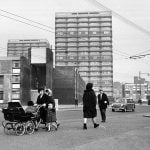
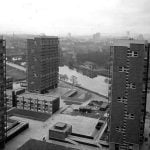
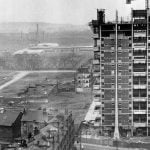
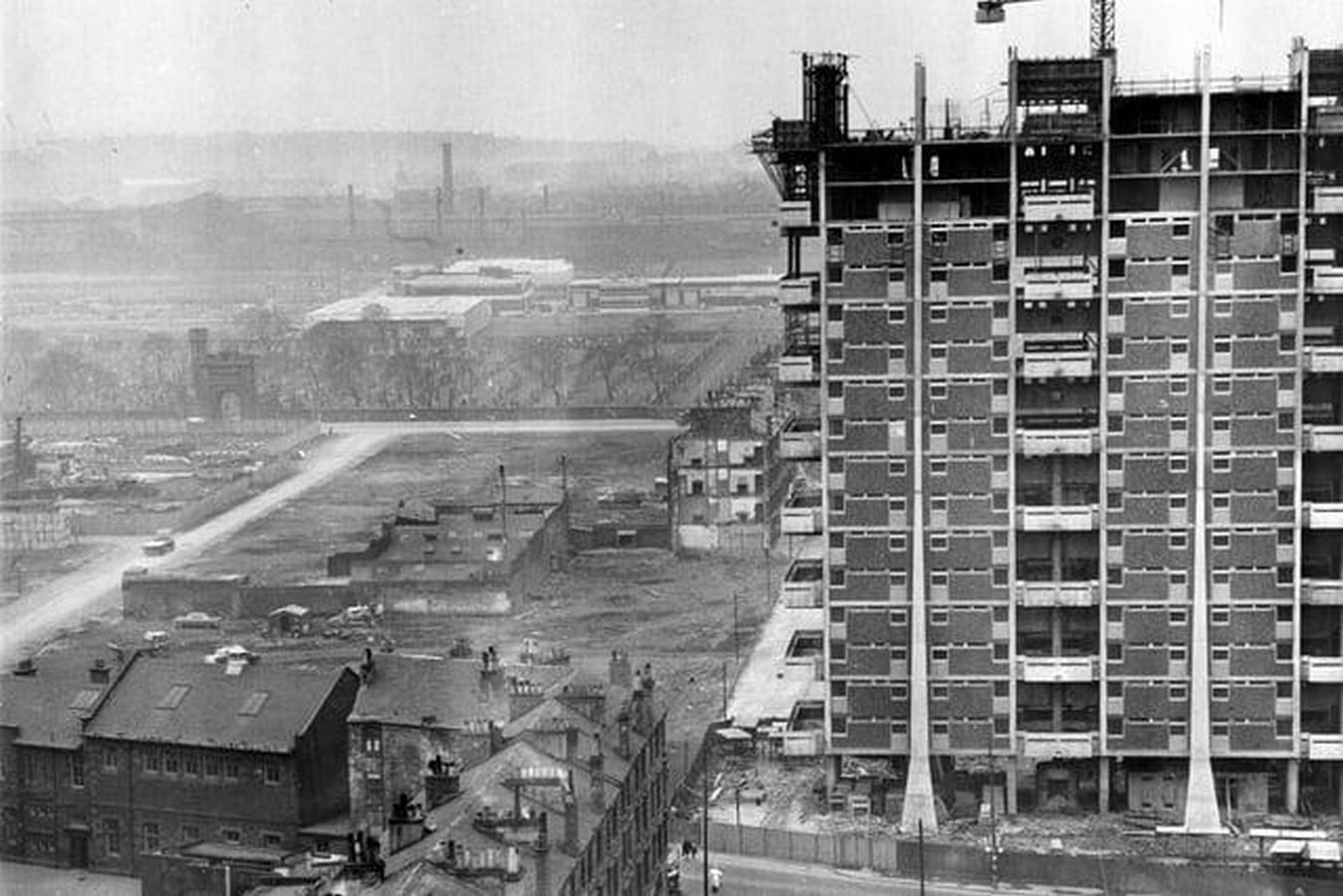
In the mid-20th century, Glasgow faced a crisis of tenement overcrowding. Architects at this time operated as top-down decision-makers, executing a state-mandated policy of “Comprehensive Development.” High-profile architects, such as Sir Basil Spence, were tasked with creating a “Modernist Utopia.”
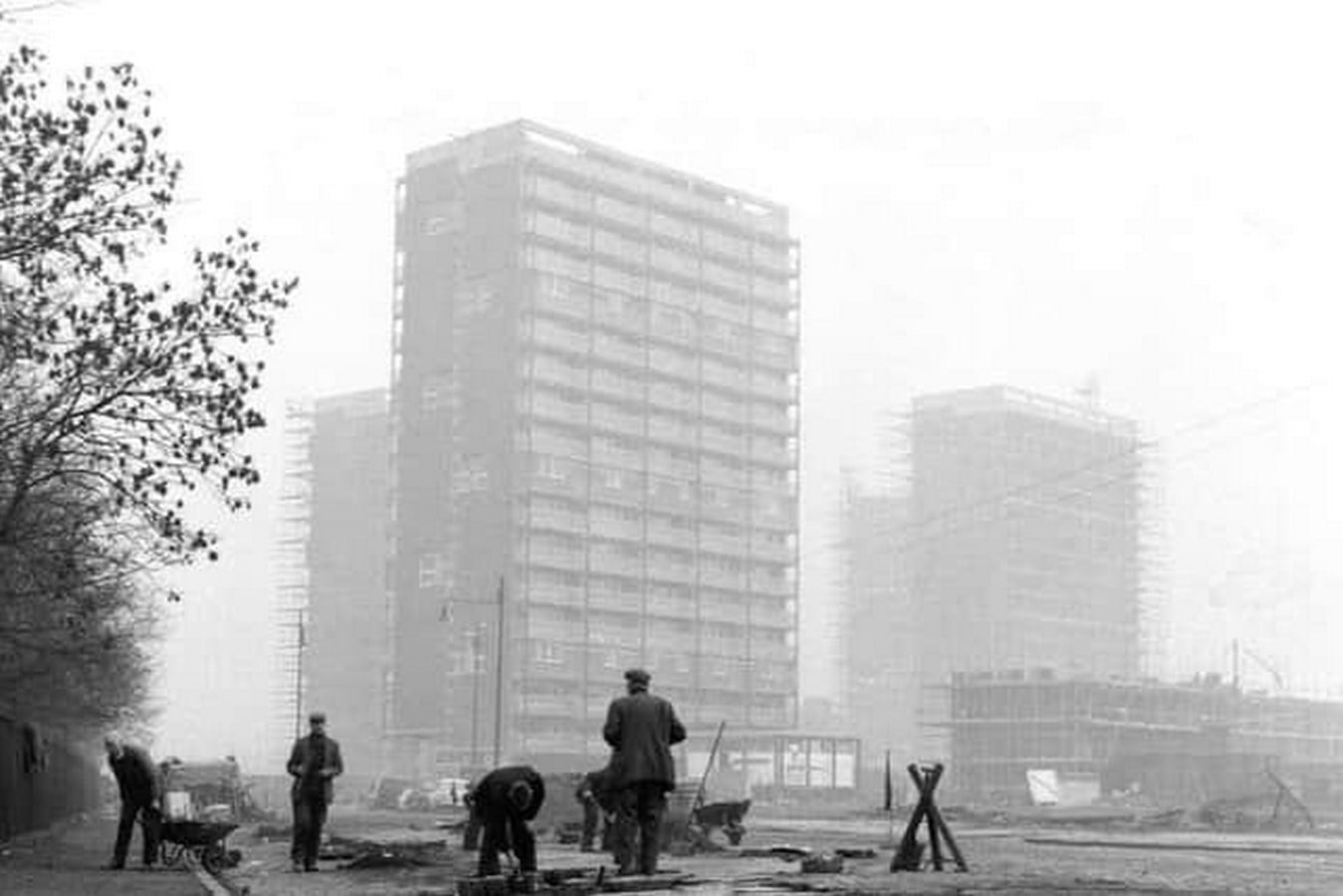
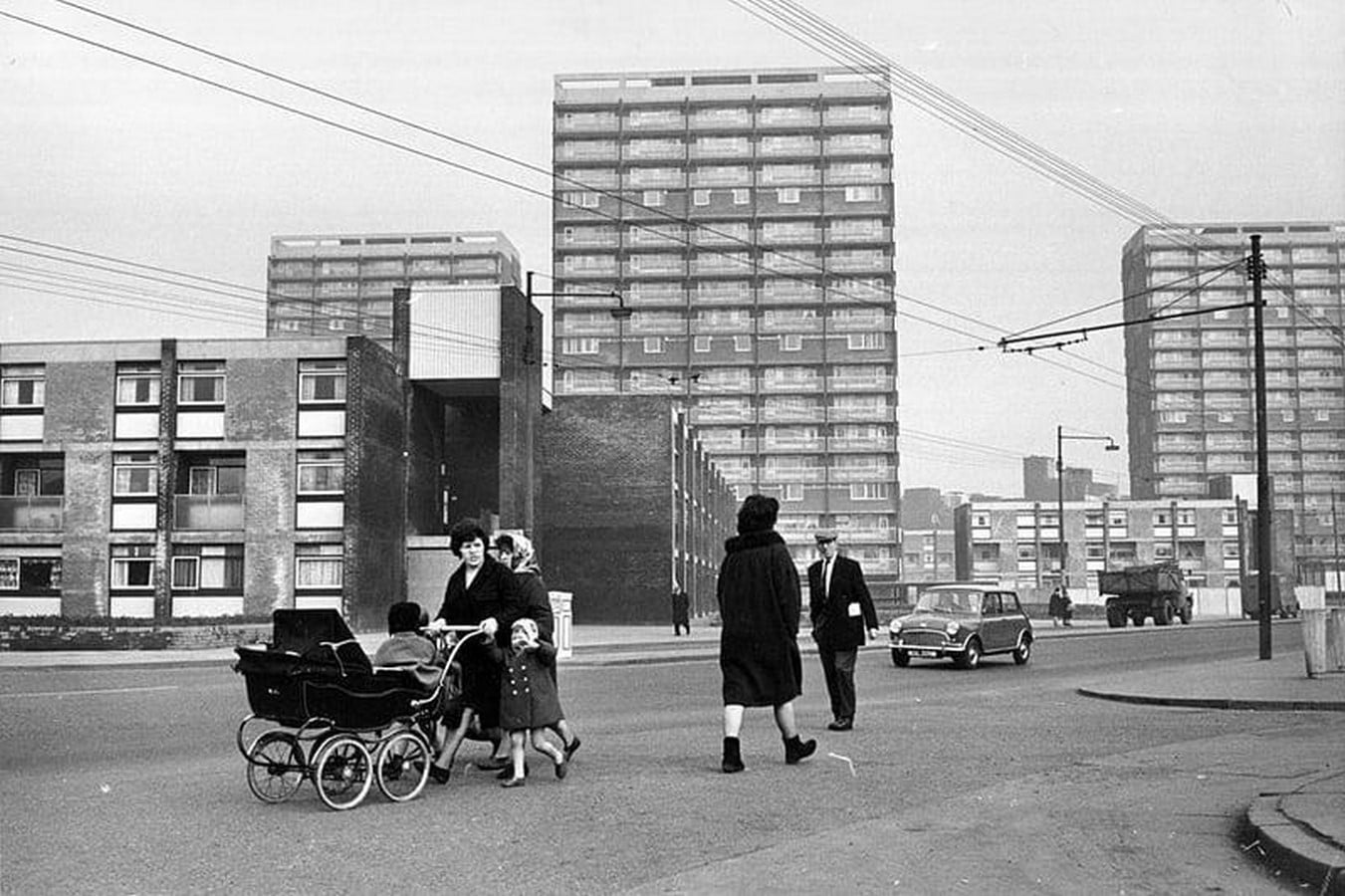
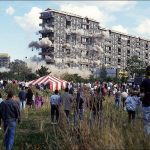
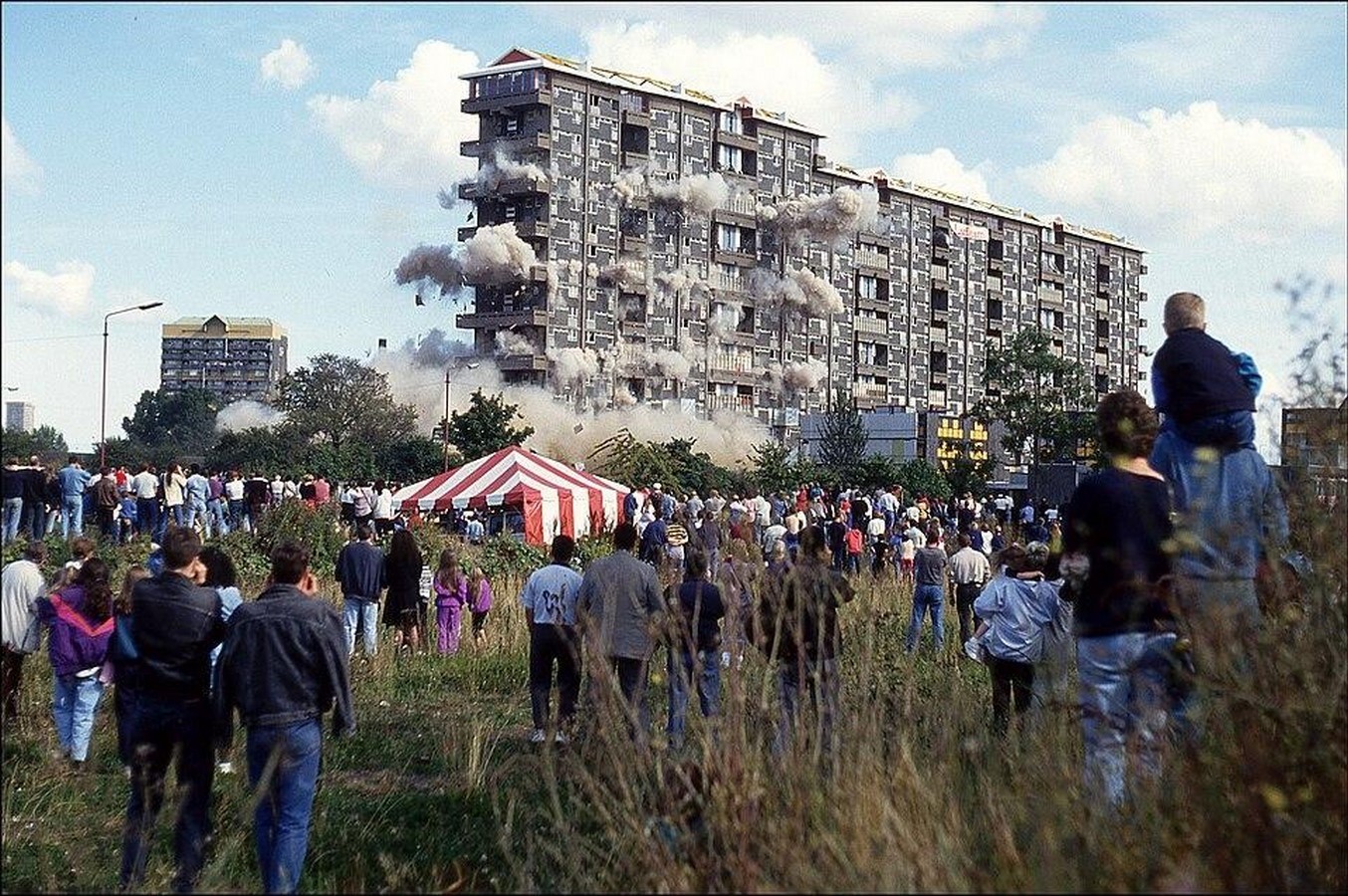
The architectural decision was to flatten the Victorian street grid and replace it with massive concrete high-rises like Hutchesontown C. By prioritizing structural aesthetics over existing social networks, architects inadvertently designed environments that fostered isolation and structural decay. This era proved that when architects act solely as technocrats, their decisions can lead to “urban trauma.” The failure was so profound that these “villages in the sky” were demolished just decades later—most famously in 1993, and as recently as the June 2025 clearing of the Caledonia Road towers.
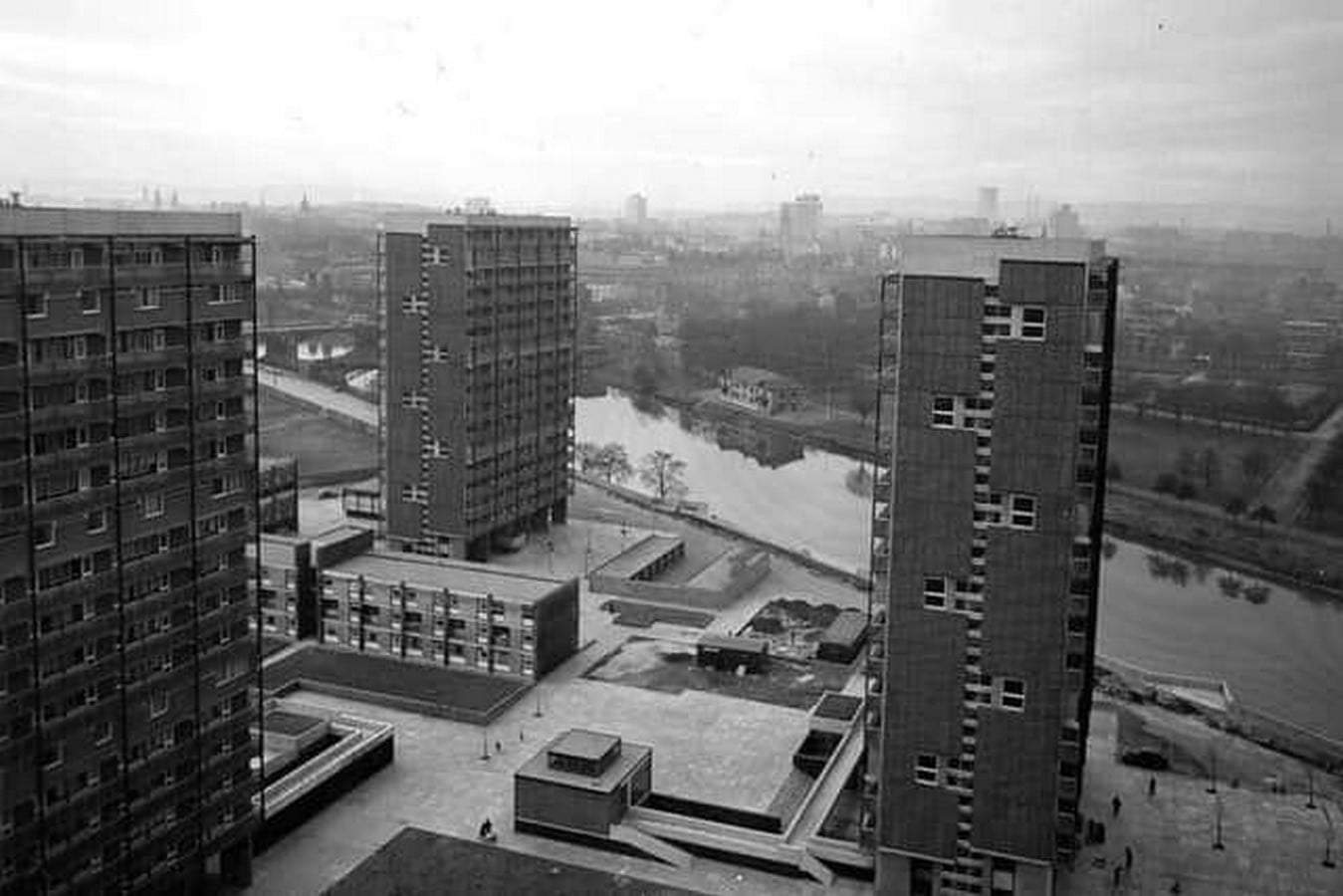
The Shift to Strategic Masterplanning (1990s–Present)
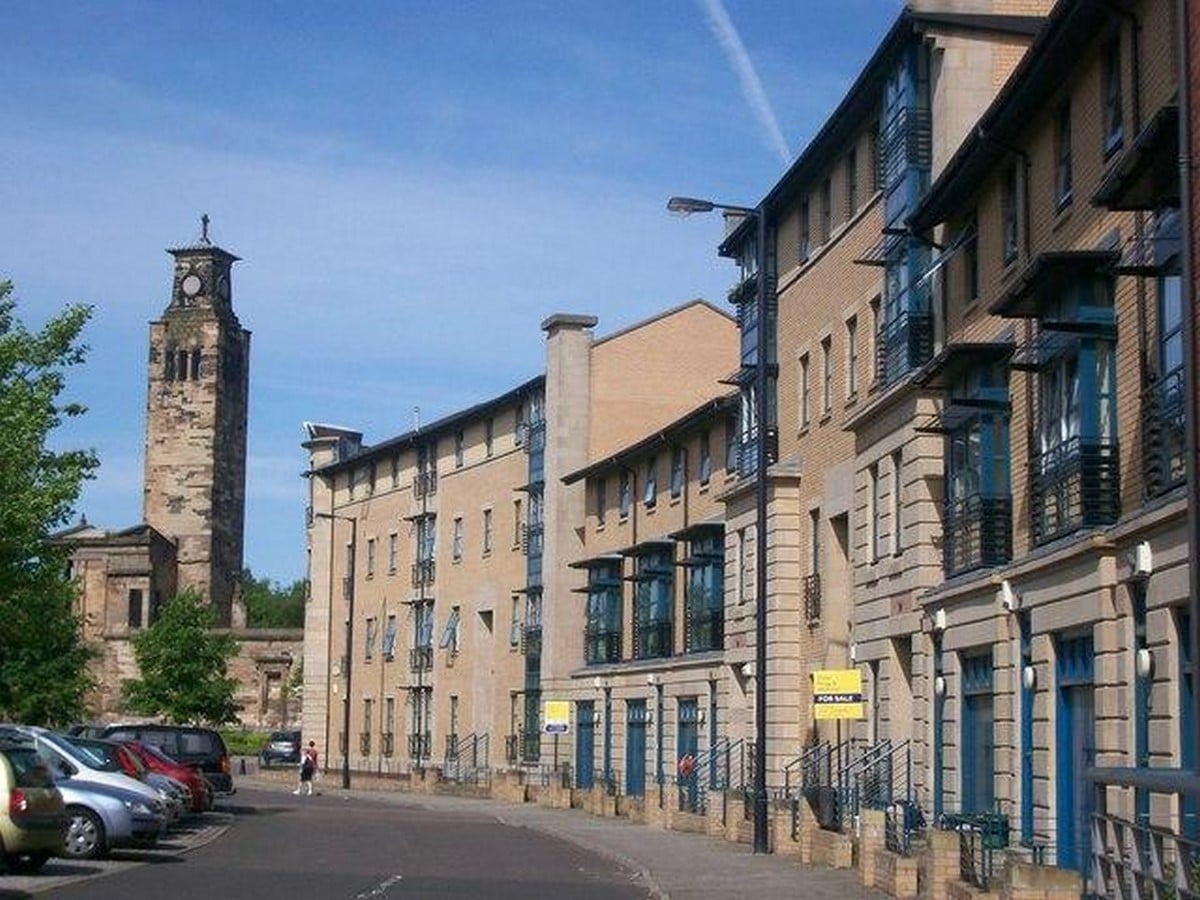
The high-rise era’s failure necessitated a reassessment of the architect’s position within the Glasgow City Council. Today, architects no longer just design objects; they design policy frameworks. The Gorbals’ revitalization, spearheaded by projects like the Crown Street Project, exemplifies the architect’s role as a social strategist.
Implementing “Tenure Blindness” is one of the most important policy-making responsibilities that Glasgow’s architects currently play. In this concept, architects consciously choose to make sure that the quality, material, and design of private luxury apartments and social housing are identical. Architects are employing design to undermine class stigma by eliminating the outward signs of “poverty” from the built environment. This is a potent kind of social engineering through architecture.
Design as Public Health Policy
Additionally, Glasgow’s public health policy now heavily relies on its architects. Architects can veto or require developments using the “Place Standard Tool,” depending on how they will affect “Social Contact,” “Feeling Safe,” and “Walkability.”
The Avenues Project, where architects made the high-level policy choice to progressively remove car lanes in favor of green pedestrian walkways, is the best example of this. This decision to use the streetscape to lower respiratory illness and enhance mental health was not a “beautification” one. The architect’s design for the contemporary Gorbals is essentially a plan for resilience in terms of both health and the economy.
Ahmedabad, India: Curating Living Heritage
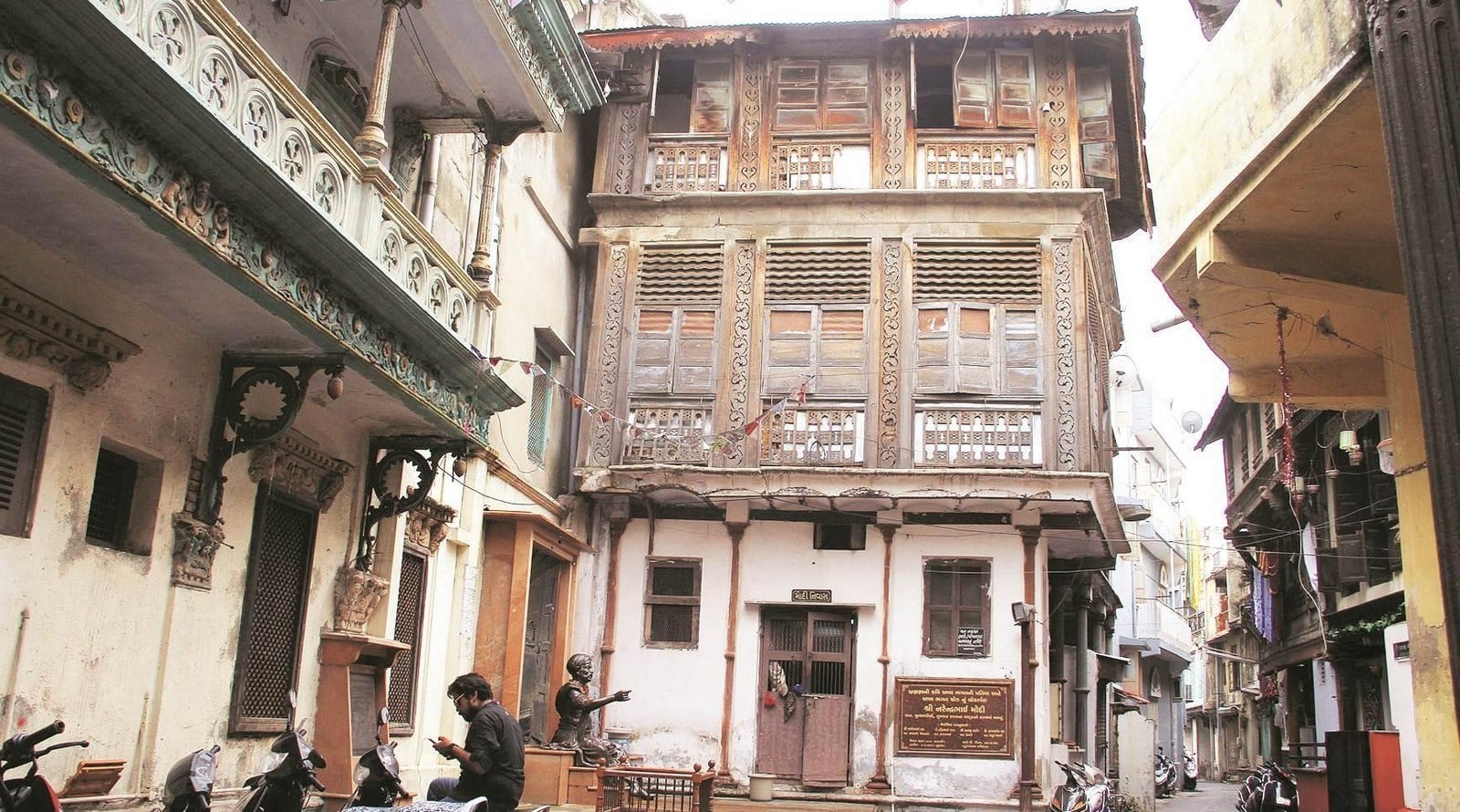
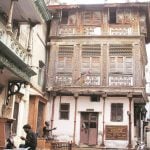
Ahmedabad, India’s first UNESCO World Heritage City inscribed in 2017, served as an example of the architect’s role as a financial and administrative regulator. Saving 600-year-old “Pol” dwellings (traditional courtyards) in a city where modernization demands are always increasing requires more than simply a passion for heritage or conservation; it also requires knowledge of and adherence to market-based legislation.
While developers were paying them substantial sums of money for their land, architects employed by the Ahmedabad Municipal Corporation (AMC) noted that the majority of householders could not afford to renovate heritage houses. These architects helped create the Transferable Development Rights (TDR) policy to address this issue.
The Policy Breakthrough: A heritage homeowner is granted the same development potential under this policy as they would have if they had constructed a tower. This “air right” can subsequently be sold to a developer in a different area of the city. Conservation became profitable thanks to this architectural-financial strategy. Additionally, any destruction in the historic core is now subject to the “veto power” of the Heritage Conservation Committee, which is made up of architects. The architect in Ahmedabad is the custodian of the city’s identity, using the permit to negotiate a balance between modernity and tradition.
The architectural interventions in Matera, Glasgow, and Ahmedabad reveal a fundamental truth: heritage is not a static burden from the past, but a dynamic resource for the future. In each of these cities, the “ghostly” nature of the site—whether the cavernous voids of the Sassi, the slums in Glasgow, or the emptying pols of Gujarat—was once seen as a liability. It took the dual agency of the architect to flip this narrative.
These architects established the systemic permits required for life to resume by serving as Policy Makers. They demonstrated that a historic house can become a contemporary economic asset, a port can become a park, and a ruin can become a home with the correct zoning regulations, tax breaks, and conservation requirements. They made sure that these changes were more than just cosmetic by taking on the role of Change Makers. They employed design to restore traditional craftsmanship, heal societal wounds, and demonstrate that existing buildings are the most sustainable. The history of the Gorbals demonstrates that the architect’s most impactful work is the creation of a system.
Then: The architect used “Modernism” to clear the land.
Now: The architect uses “Restorative Masterplanning” to heal the social fabric.
The rebirth of the Gorbals proves that the 21st-century architect is governance professional. Whether it is through “Tenure Blind” housing or health-led street design, they are the primary decision-makers ensuring that the city is not just “built,” but actually “livable.”
The success of the modern architect in these heritage zones is measured not by the boldness of their new additions, but by the resilience of the systems they leave behind. As we move into an increasingly uncertain urban future, the architect’s greatest contribution will be this ability to act as an “Urban Alchemist”—turning the leaden weight of abandonment into the gold of a revitalized, living landscape. The goal is no longer to build a monument that lasts forever, but to design a process that allows our cities to breathe, adapt, and endure.
Reference list:
admin (2019). Matera, the long journey from ‘national shame’ to European capital of culture – Italian Lawyer Magaraggia Law Firm – Real Estate Legal Advice. [online] Italian Lawyer Magaraggia Law Firm – Real Estate Legal Advice. Available at: https://www.italian-lawyer.eu/matera/ [Accessed 12 Apr. 2026].
AnnaEverywhere (2020). Matera, Italy – Why You Should Visit this UNESCO World Heritage Site. [online] Anna Everywhere. Available at: https://annaeverywhere.com/matera-italy/ [Accessed 12 Apr. 2026].
By The Newsroom (2019). The Scotsman. [online] The Scotsman. Available at: https://www.scotsman.com/lifestyle/these-21-photos-show-the-dramatic-changing-face-of-the-gorbals-in-glasgow-87482 [Accessed 12 Apr. 2026].
Collins, C. and Levitt, I. (2019). Transforming Glasgow. Policy Press. doi:https://doi.org/10.1332/policypress/9781447349778.001.0001.
Glasgow Life. (n.d.). Glasgow City Improvement Trust – Times Past. [online] Available at: https://www.glasgowlife.org.uk/libraries/family-history/stories-and-blogs-from-the-mitchell/times-past-blogs/glasgow-city-improvement-trust-times-past.
Grottola, M. (2024). History of Matera – Matera Sassi e Murgia. [online] Matera Sassi e Murgia. Available at: https://www.materasassiemurgia.com/en/history-of-matera/ [Accessed 12 Apr. 2026].
Growcoot, M. (2024). Victorian Photos Show the Plight of Scotland’s Poor 150 Years Ago. [online] PetaPixel. Available at: https://petapixel.com/2024/02/16/victorian-photos-show-the-plight-of-scotlands-poor-150-years-ago/.
Ivona, Rinella and Rinella (2019). Glocal Tourism and Resilient Cities: The Case of Matera ‘European Capital of Culture 2019’. Sustainability, 11(15), p.4118. doi:https://doi.org/10.3390/su11154118.
Karen (2022). The Transformation of Matera – Basilicata, South Italy. [online] Calabria: The Other Italy. Available at: https://www.calabriatheotheritaly.com/matera-basilicata-italy/ [Accessed 12 Apr. 2026].
McCALL, C. (2015). In pictures: The Gorbals then and now. [online] The Scotsman. Available at: https://www.scotsman.com/arts-and-culture/in-pictures-the-gorbals-then-and-now-1494315.
O’Brien, I. (2021). Glasgow memories: What happened when city tried to lead the way on housing. [online] Glasgow Times. Available at: https://www.glasgowtimes.co.uk/news/19205530.glasgow-memories-happened-city-tried-lead-way-housing/ [Accessed 12 Apr. 2026].
Sextantio. (2026). Preserving Southern Italian hill towns-the Sassi di Matera. [online] Available at: https://www.sextantio.it/en/southern-italian-hill-towns/.
Strike, K. (2016). Powerful Photos Of Life in the Old Glasgow Tenement Blocks – 1969-72. [online] Flashbak. Available at: https://flashbak.com/powerful-photos-of-glasgow-slums-1969-72-54283/.
Thescottishsun.co.uk. (2025). LIFE IN THE SLUMS Remarkable black-and-white pics show barefoot kids living in Glasgow slums in Victorian era. [online] Available at: https://www.thescottishsun.co.uk/news/4353523/glasgow-slum-victorian-history-photos-children-bare-foot-poverty-pictures/.
Service, E.N. (2017). Ahmedabad becomes India’s first World Heritage city. [online] The Indian Express. Available at: https://indianexpress.com/article/india/ahmedabad-becomes-indias-first-world-heritage-city-unesco-site-indians-first-4742234/ [Accessed 12 Apr. 2026].