Buildings today whisper when one walks through a city. They shimmer under hotter suns, basements where shifted rainfalls flood, and suburbs take over the once-crop-rich lands. Architecture is, nowadays, no longer for the sake of building; beauty, or ambition, it has become the first line of defense against climate breakdown. Larger is the story of change in this climate, with bricks, timber, steel, glass, and technology being the main protagonists.
When Buildings Breathe with the Earth
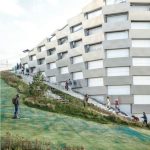
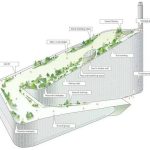
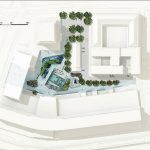
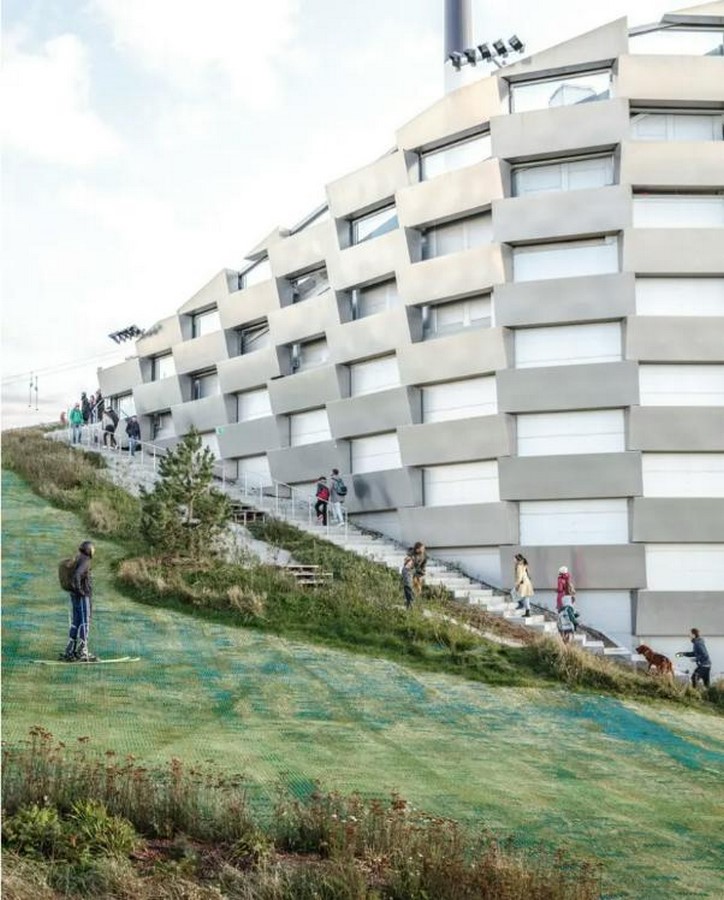
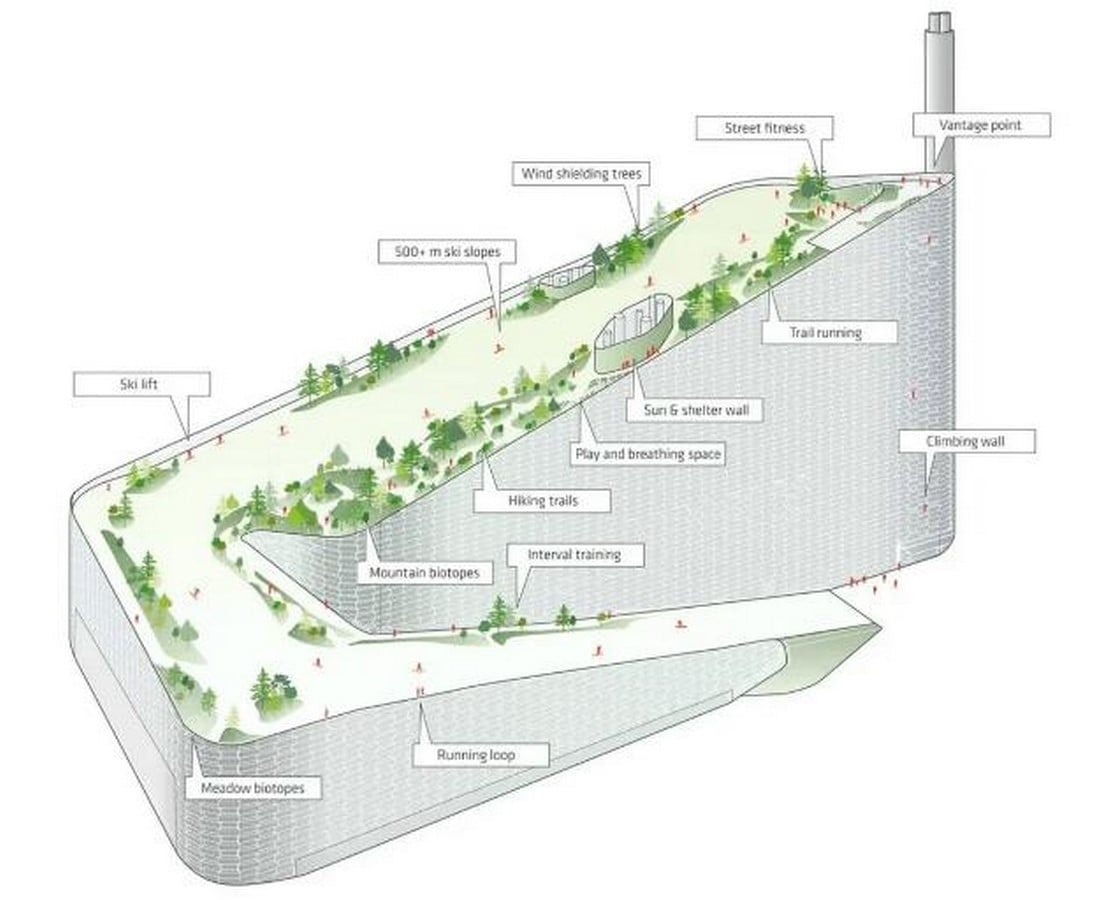
These cities already give examples of how architecture listens to climate. The CopenHill waste-to-energy plant in Copenhagen is, instead of hiding away like an industrial machine, it has a ski slope flowing down its roof: a park over the roof cleans the air while entertaining; hikers and climbers scale its sides. However, beneath all this fun lies serious engineering, the conversion of 440,000 tons of trash into energy each year for 150,000 homes. Net result? This experiment reduces emissions equivalent to those of 60,000 cars on the road today.
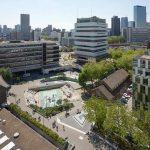
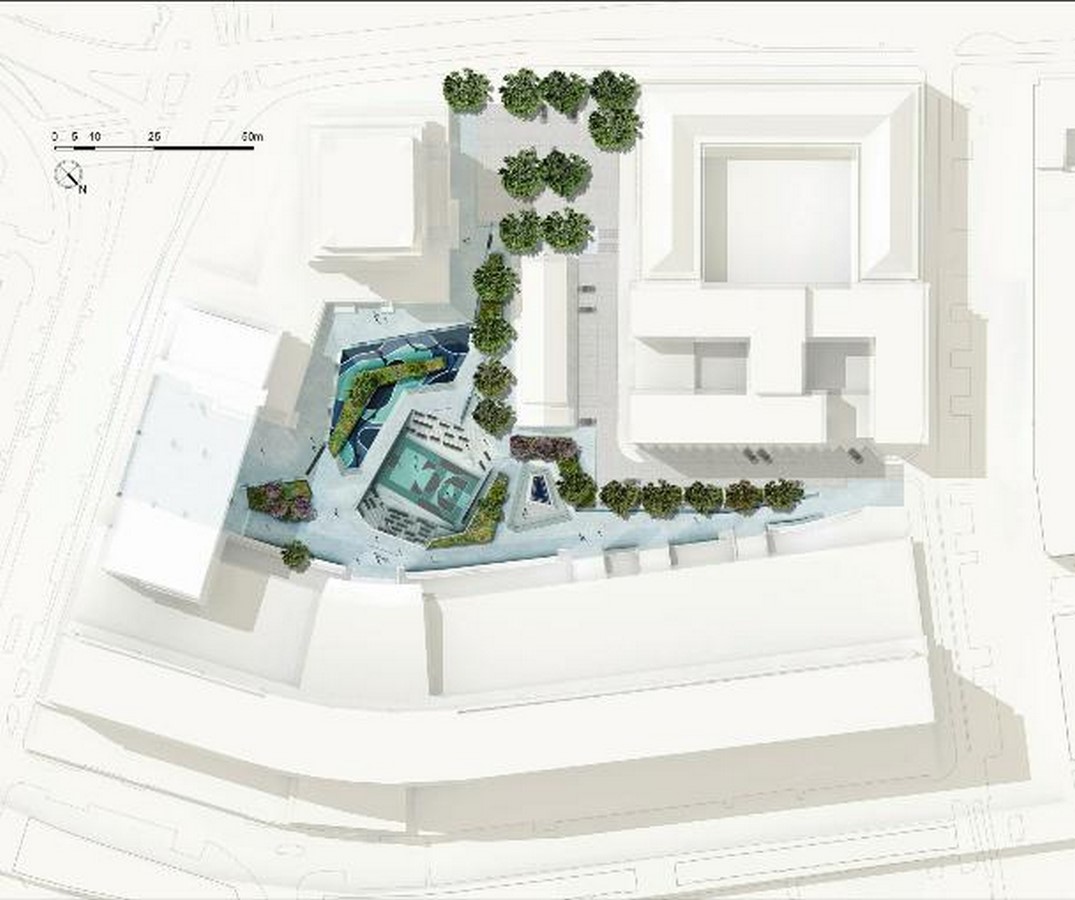
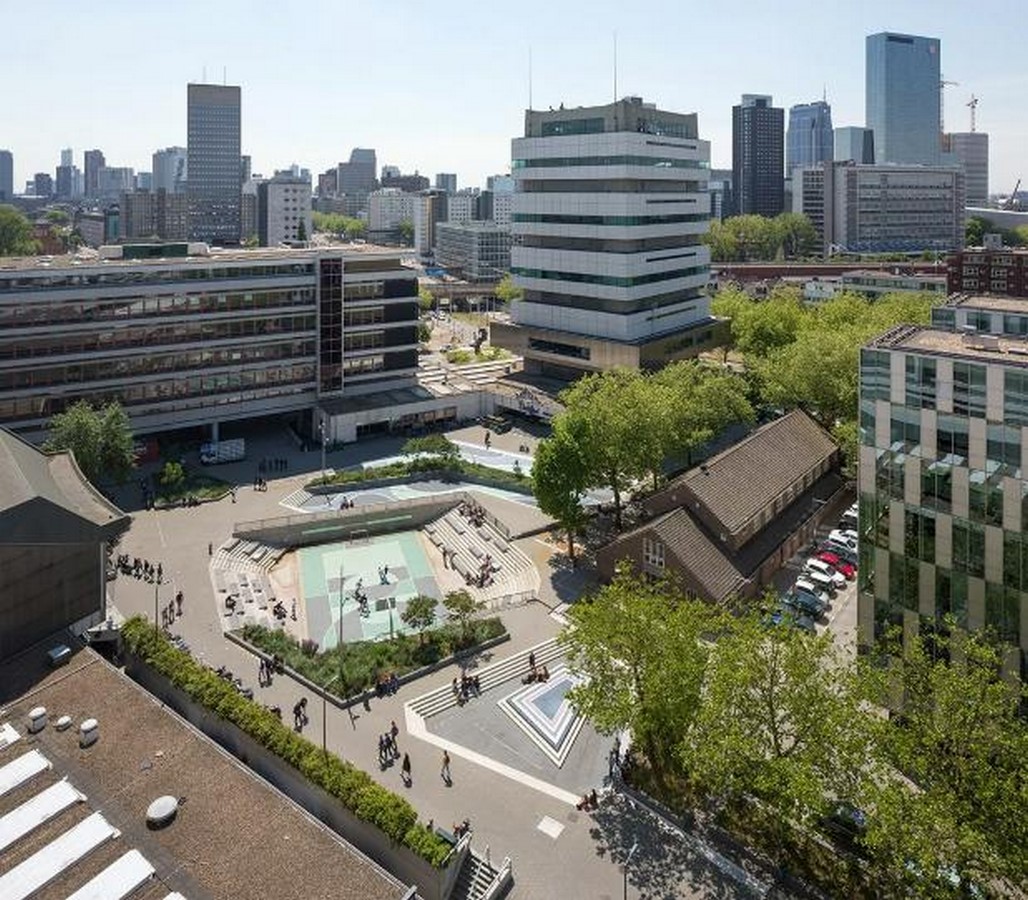
And there’s Rotterdam, which knows you never manage water; you merely dance with it. Water Squares are a playground and the court when it is right; when the storms come, the latter two spaces transform into temporary lakes with up to 1.7 million liters of water tenderly cradled within. Children still have the opportunity to revel, but now upon an infrastructure that quietly protects them.
Both portray a vision of the future: architecture that does not resist nature but choreography with it.
The Secret Life of Materials
Each wall, every beam, has silent, invisible carbon stories joining it. Construction has contributed to nearly 40% of global CO2 emissions; concrete has already accounted for about 8% of that. There’s an urgency to shift this-from-it; rethinking it is also very urgent.
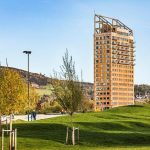
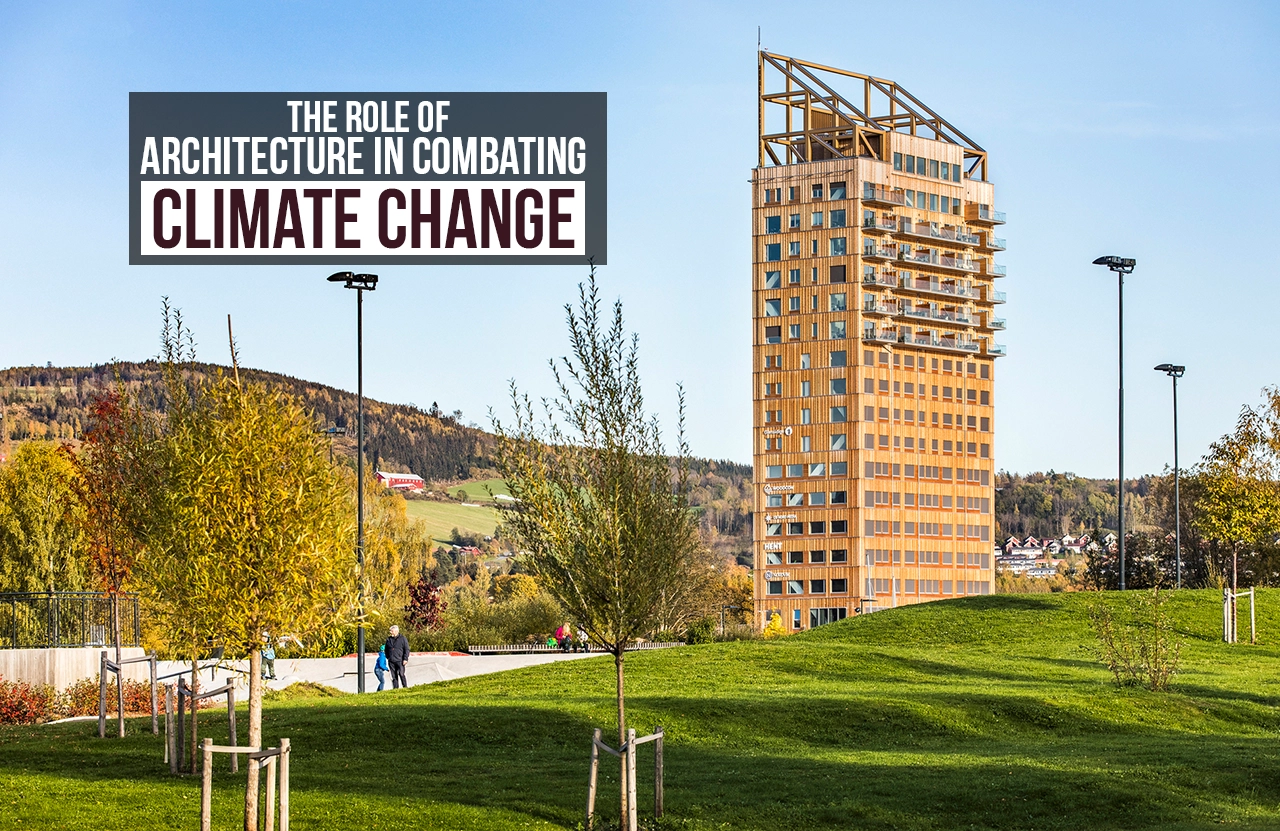
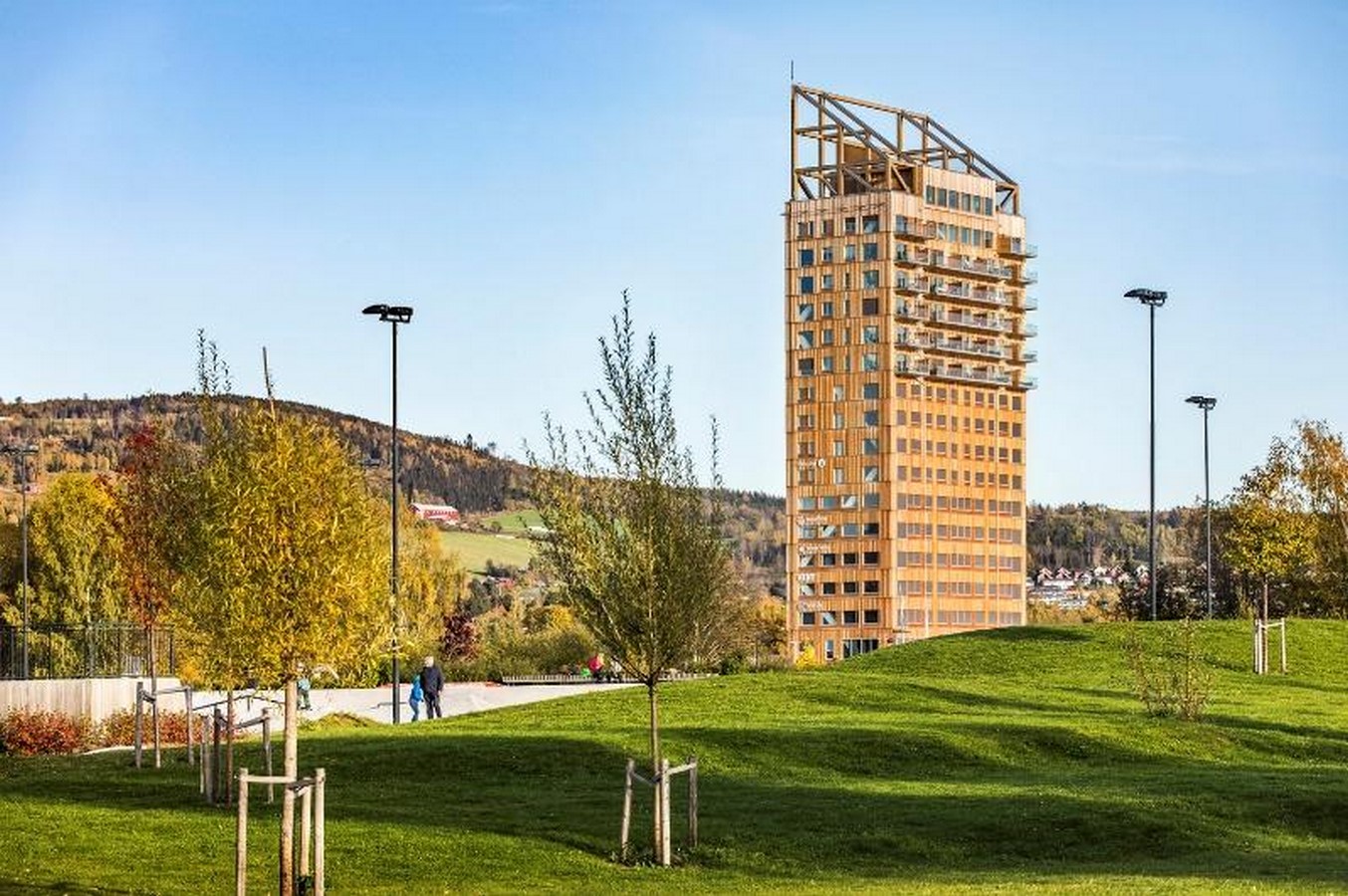
For instance, the Mjøstårnet tower is in Norway. It is an 85-meter-tall wooden high-rise called Mjøstårnet. The timber locks in carbon within the grains and does not emit it. This building alone stores over 2600 metric tons more than usual of CO2: the equivalent of taking 1400 cars off the road at one go for a year.
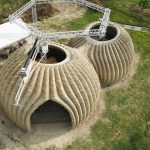
Surprisingly, TECLA House, constructed in Italy, is bolder: The clay and husk rice are used through 3D printing to create this structure. It brings earth architecture into modernization, merging it with industrialized precision. Built in 200 hours and using local soil only, it consists of 70% snapshot lower carbon footprint compared to a conventional concrete house. The materials here are no longer inert and are ideal architectural living systems connecting back to the ground.
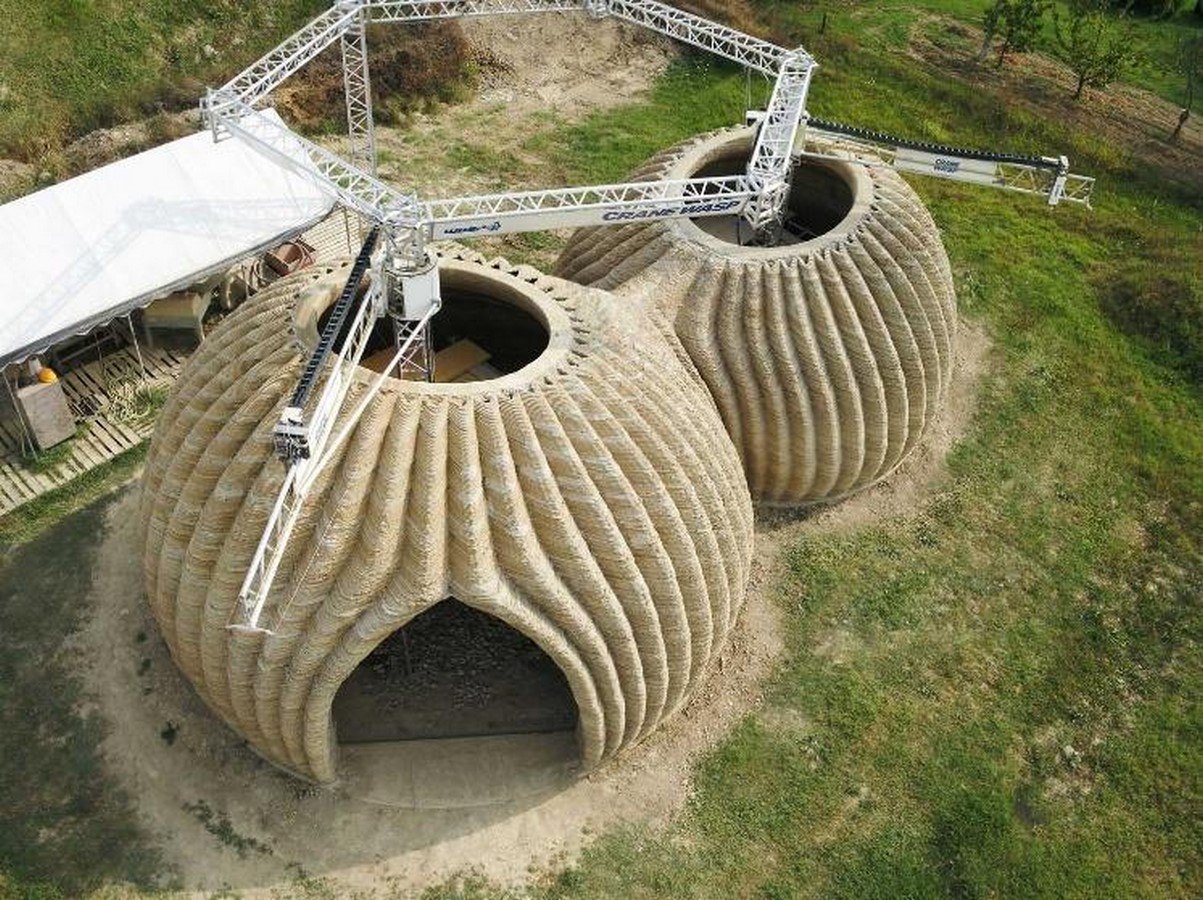
Translation happens along with a change in the material. There is life in a timber atrium. A wall made from hempcrete seems to inhale and exhale. Buildings stop being inert backdrops and become companions in our ecological journey.
AI: The Invisible Architect
There has also been a quieter revolution, but much away from construction sites and far away from our screens. An architect today is actually learning how to work with algorithms that may try thousands of possible designs before the first line is drawn on paper.
Something like Autodesk’s Spacemaker and Sidewalk Labs’ Delve. Input constraints-sunlight, wind, energy, and carbon. It showcases a varied set of design options for resilience. Just like imagining what buildings would be if in dialogue with a digital twin of the climate.
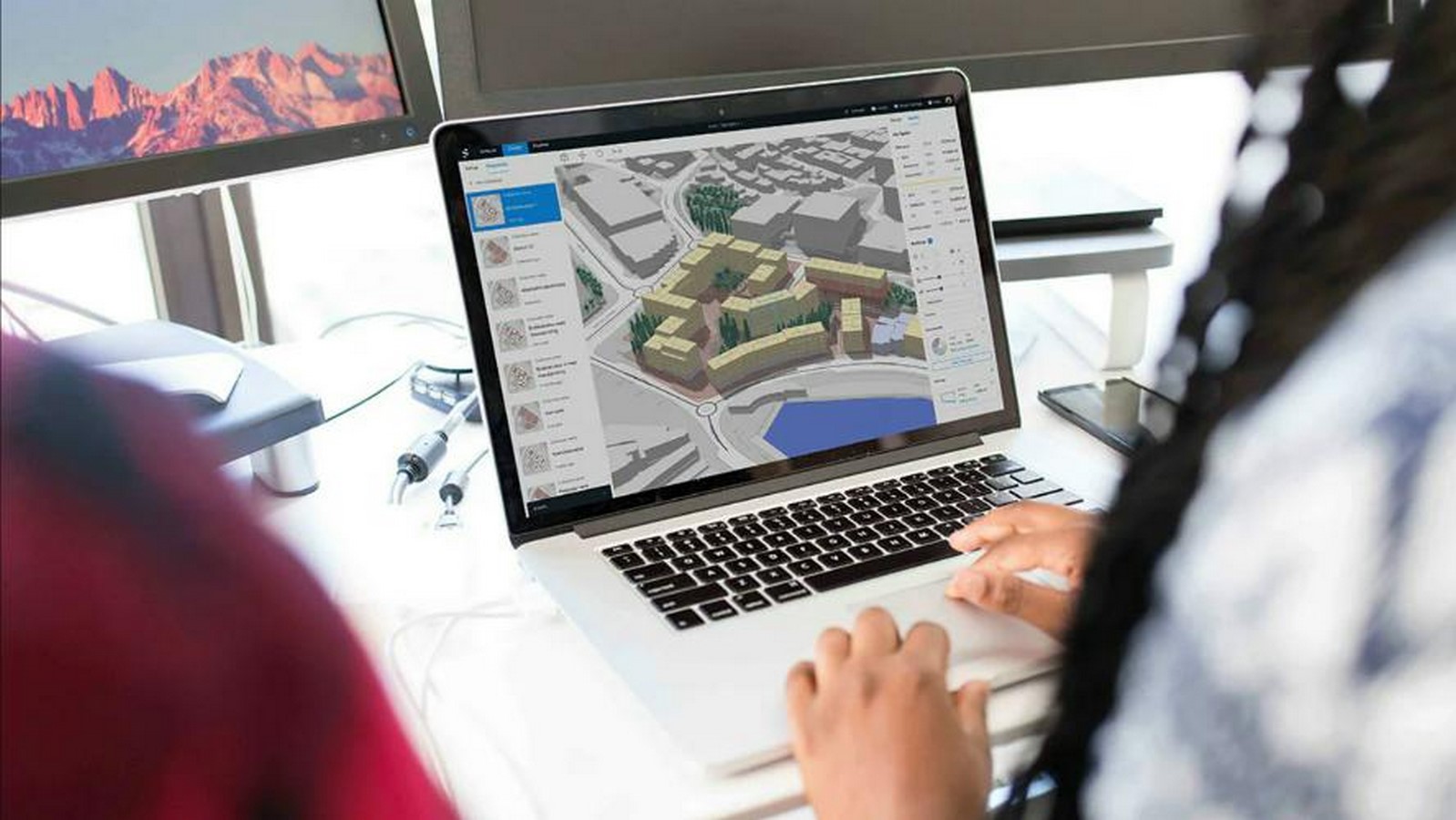
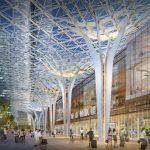
Testing these results against the Chengdu Airport with a roof designed by AI yielded a 20% reduction in energy demand that would rival the future operation cost savings of the very structure itself. Artificial Intelligence techniques applied in modeling have tested and proved their capabilities to reduce embodied carbon in new projects by 15-25% by 2030.
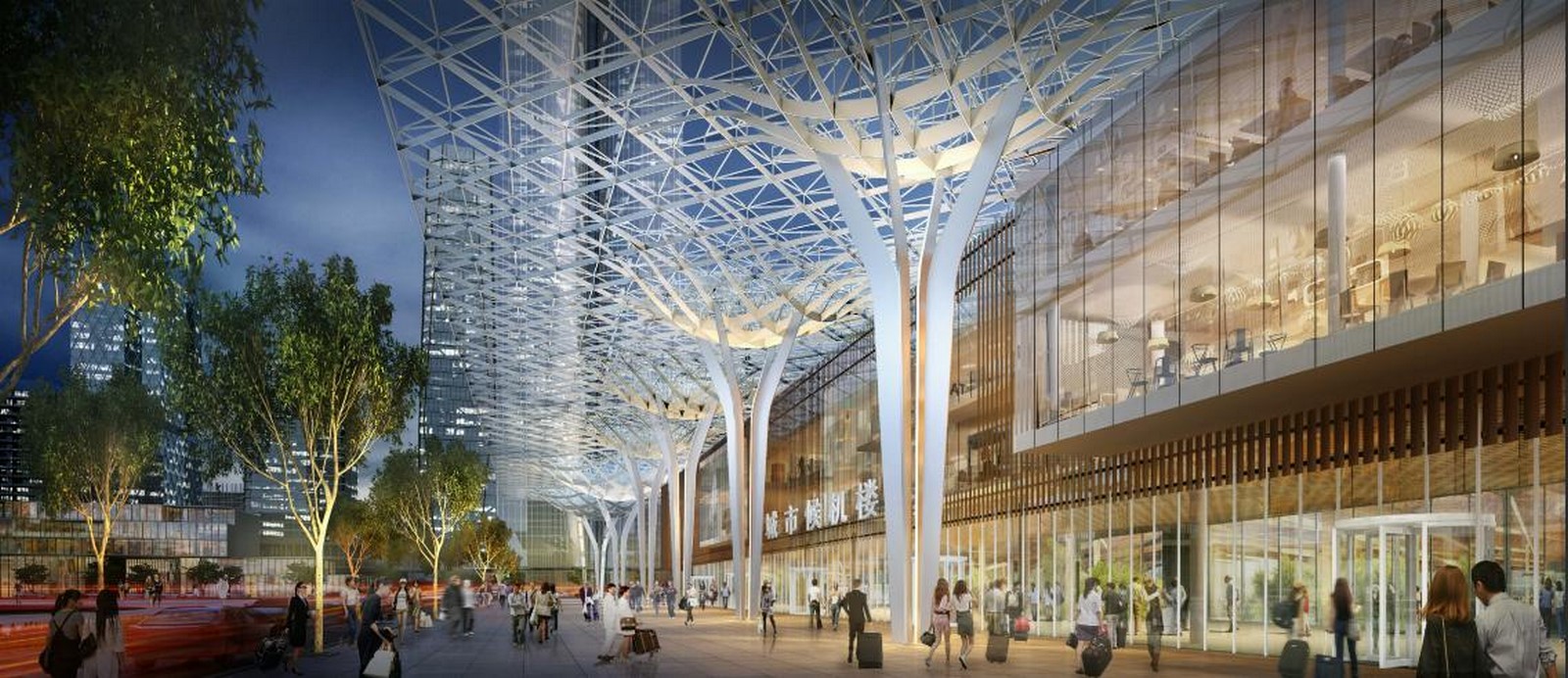
AI is sharpening creativity, not replacing it, so whatever outcome comes out is beautiful and survivable.
Fragile Cities, Resilient Narratives
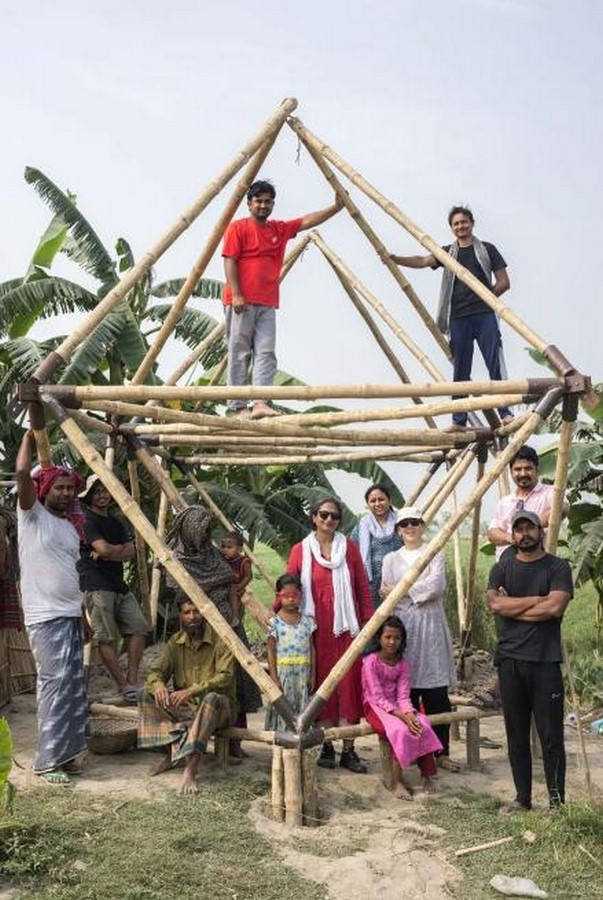
Marina Tabassum is constructing houses for those families in Bangladesh who believe that in no more time, rising seas will be sweeping away villages. Their houses are light, modular, and, above all, movable! Resilience is here, not permanence, but adaptability.
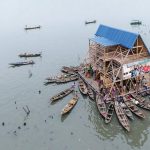
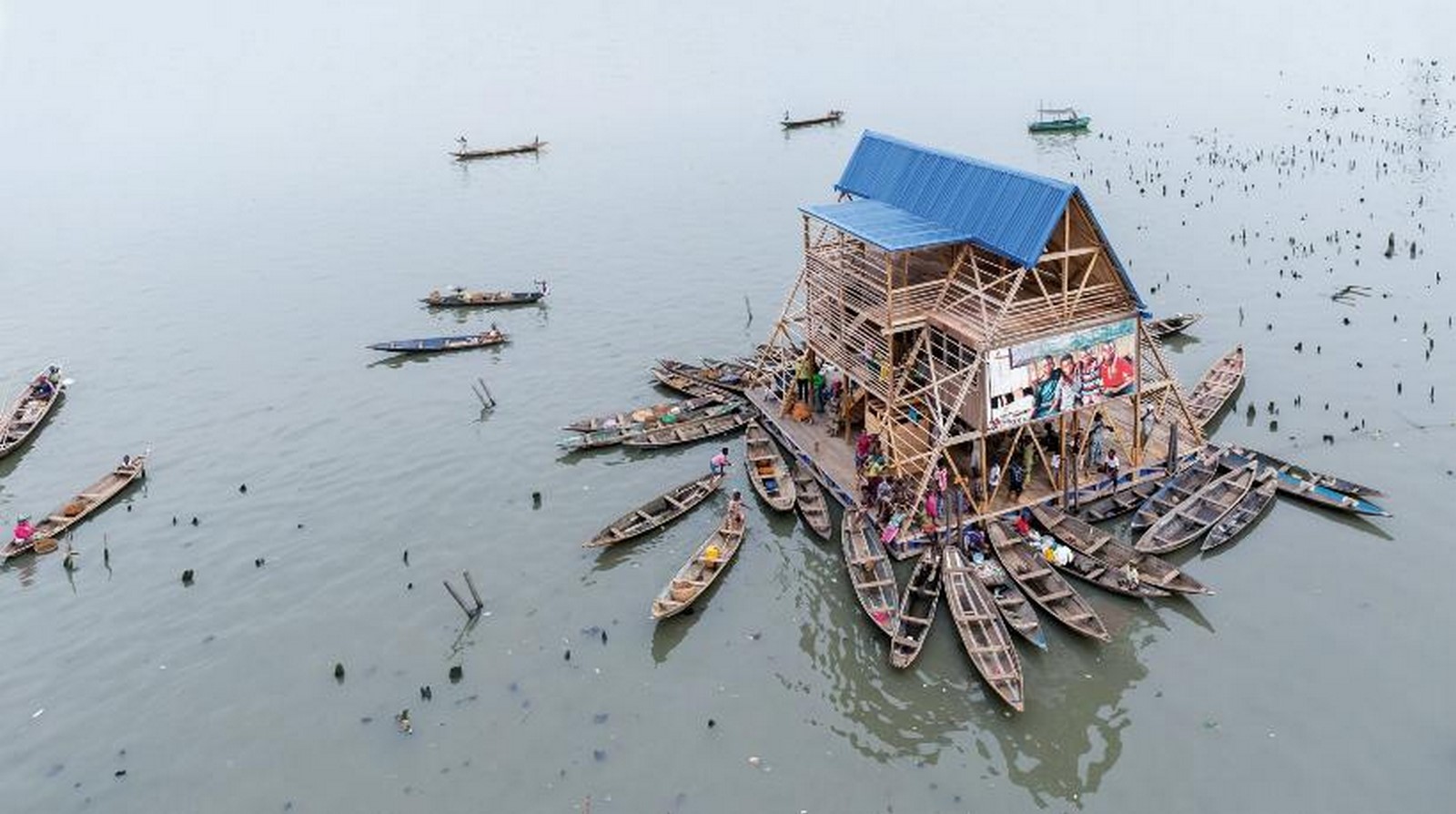
Makoko Floating School was once a wooden pyramid built on plastic barrels, emerging from the water like a manifesto. And, like its prototype, it collapsed in 2016, but it got that idea going: architecture in flood zones has to float, flex, and shift. Renewed development across Africa puts this logic to the test, among other things.
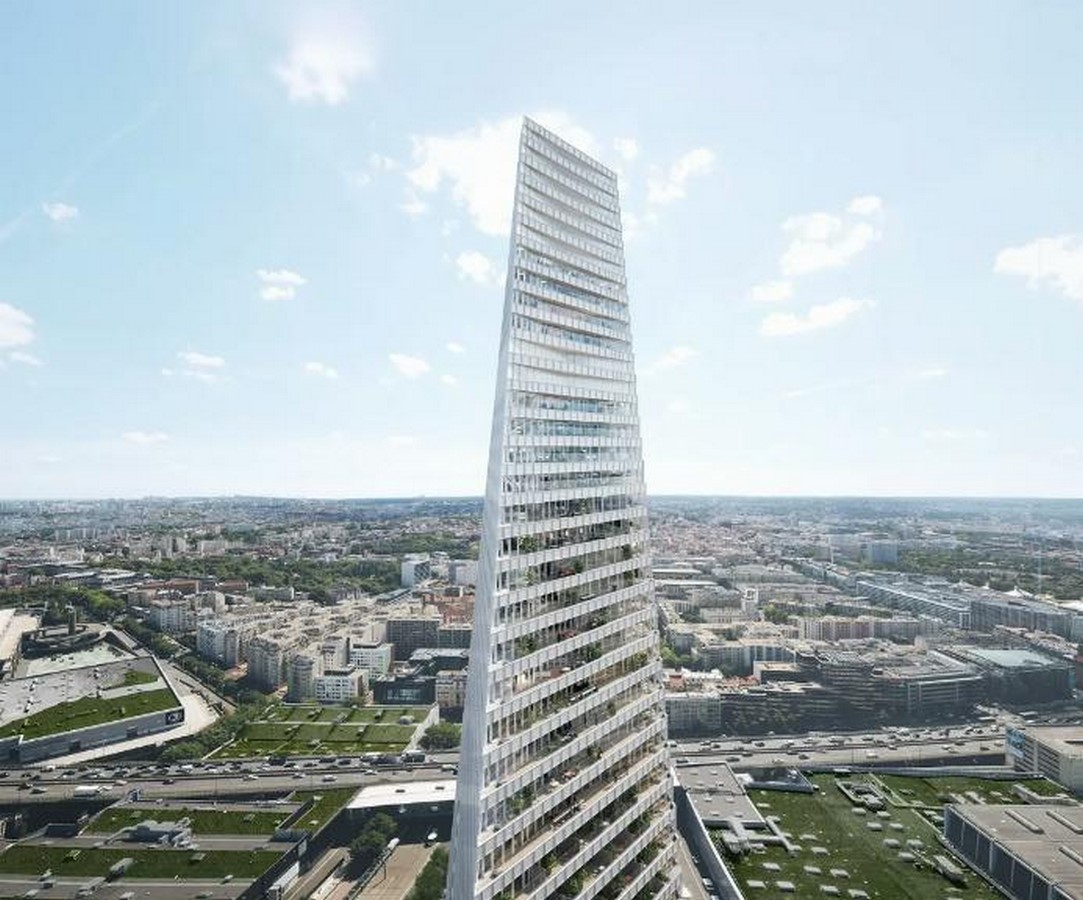
In even richer contexts, it now starts to redefine resilience. Herzog & de Meuron’s Tour Triangle, designed for Paris, is enriched with photovoltaic skins and rainwater harvesting systems. The building is designed to supply about 25% of its energy consumption with renewables provided on-site by the time it becomes fully operational. Tall or even taller? -This question has now shifted to whether we can now build tall and still heal the earth.
The Human Pulse
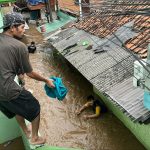
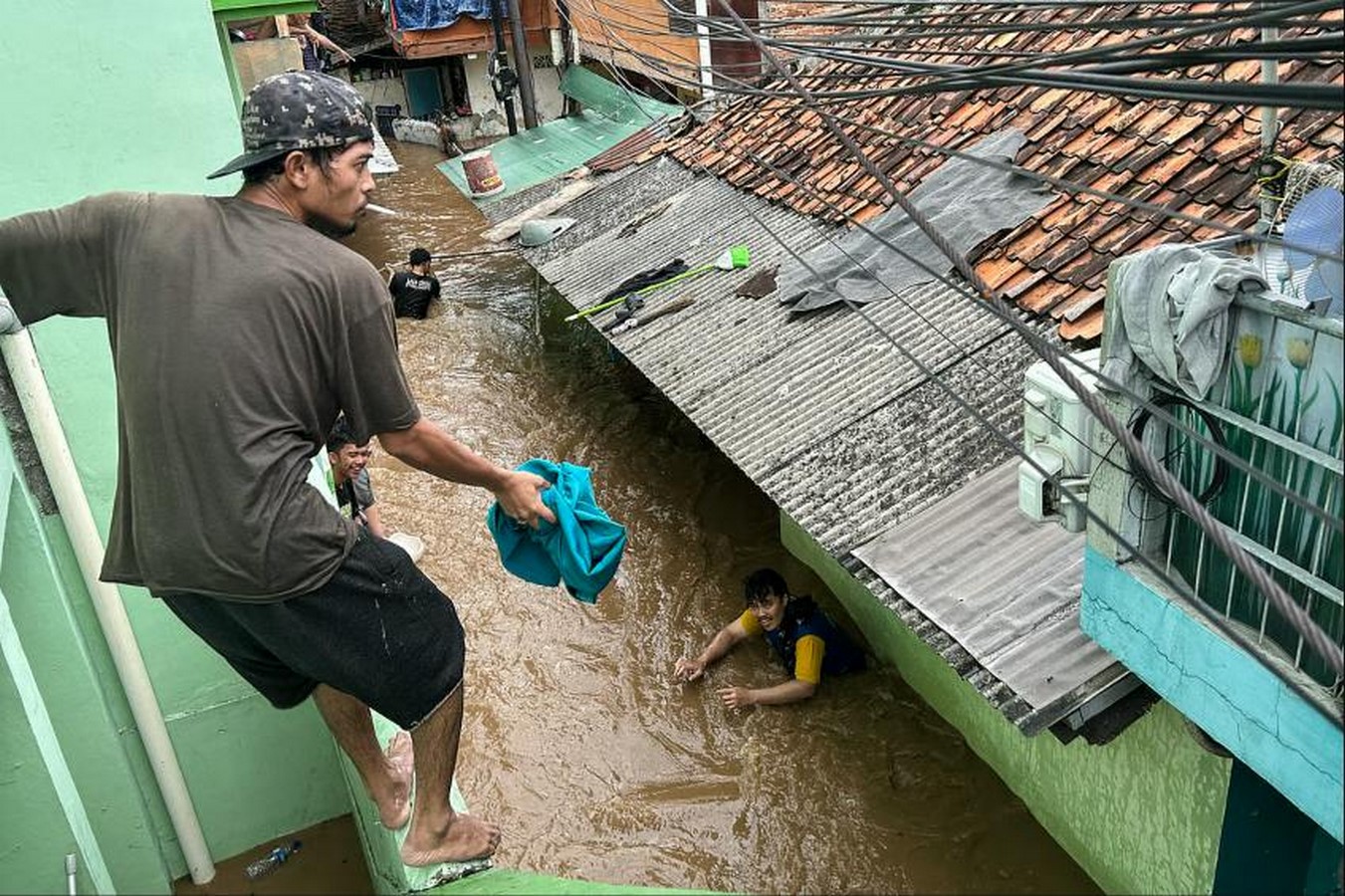
Building construction contributed to nearly 40% of emissions in the world. Behind that statistic are stories like that of farmers in the Marathwada region of India, forced into poverty and migration as drought eliminates their crops, or families in Jakarta, who live in homes that are submerged three times every year.
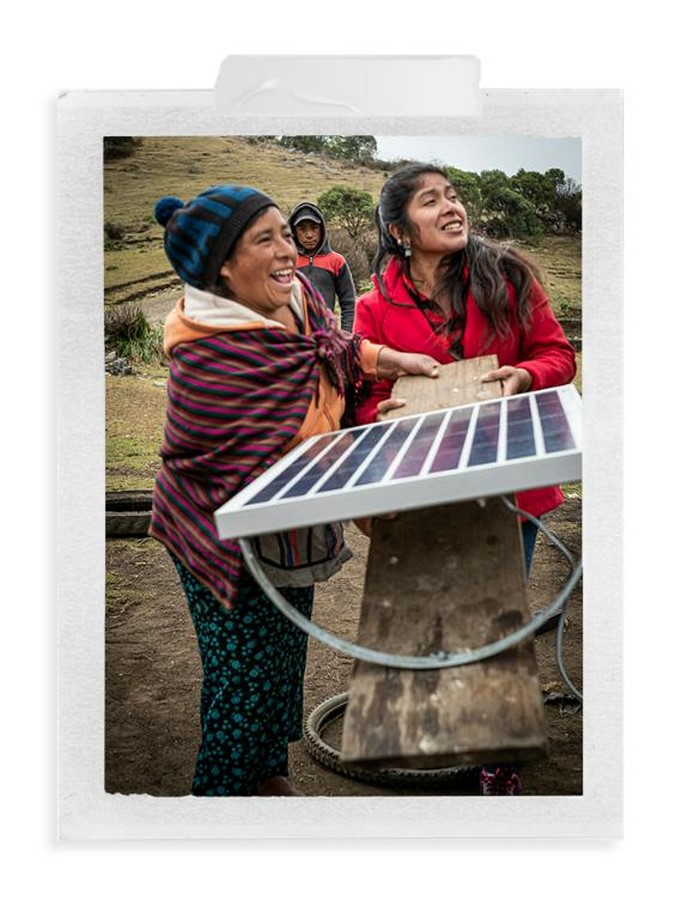
Architecture is prophetic in hope: though it does not just have roofs, there is good hope here. Barefoot College is building solar schools from stone and mud in Rajasthan, where children can study irrespective of when the grid fails-because the buildings are just that simple. Buildings of such simplicity have saved communities almost 80% of annual energy costs, converting all that money into educating and bringing in health.
What architecture offers is not only ingenuity but also empathy.
Towards an Ethical Future
Now, every construction is a device for climate change. A wall either traps heat or allows it to flow. A roof either sheds rain or retains it. Materials either pull us into ecological debt or push us into close balance.
It is to be seen, however, whether the 21st is, for all it has brought forth, the era most likely to be remembered for architecture no longer being the mere, silent, and passive stage for the drama of the planet, but taking on one of the major roles. Some will be striking like a ski slope atop a power plant, with glowing towers that gulp sunlight with their skins. With others, it will be simpler: mud houses, modular shelters, wooden schools. All share one aspect: the way we live is no longer architecture, but whether we will ever live ethically again.
References:
Websites
BIG Architects. Amager Resource Center (CopenHill). Available at: CopenHill | BIG | Bjarke Ingels Group
Rotterdam Climate Initiative. Water Squares. 2018. Available at: Rotterdam water squares – Rainwater makes playing outside on the square in Rotterdam great fun – Climate Adaptation Platform Netherlands
UNEP. 2022 Global Status Report for Buildings and Construction. Available at: 2022 Global Status Report for Buildings and Construction | UNEP – UN Environment Programme
Moelven. Mjøstårnet. 2019. Available at: circularmaterialsystems.com/en/case/mjostarnet/
Mario Cucinella Architects. TECLA Project. 2021. Available at: Mario Cucinella Architects
Autodesk. Spacemaker AI. 2023. Available at: https://www.autodesk.com/eu/industry/aec/spacemaker
SOM. Chengdu Tianfu International Airport. 2021. Available at: Chengdu Tianfu International Airport City – SOM
World Green Building Council. Advancing Net Zero Report. 2023. Available at: WorldGBC report on advancing net zero buildings
Marina Tabassum. The Bengal Gazette. 2024. Available at: Living with Water: How Marina Tabassum’s Architecture Allows for a Climate-Resilient Future – The Bengal Gazette
NLÉ Works. Makoko Floating School. Available at: http://nleworks.com/project/makoko-floating-school/
Herzog & de Meuron. Tour Triangle. 2024. Available at: https://tour-triangle.com/en/
IWMI. Migration and Drought in India. 2019. Available at: https://www.iwmi.org/where-we-work/india/
IPCC. AR6 Climate Change 2021: Impacts, Adaptation, and Vulnerability. Available at: https://www.ipcc.ch/
Barefoot College. Solar Schools. 2018. Available at: https://www.barefootcollege.org/
Images:
BIG Architects. Amager Resource Center (CopenHill). Available at: CopenHill | BIG | Bjarke Ingels Group
Watersquare Benthemplein, Rotterdam (2013) DE URBANISTEN. Available at: https://www.urbanisten.nl/work/benthemplein
Moelven. Mjøstårnet. 2019. Available at: circularmaterialsystems.com/en/case/mjostarnet/
Mjøstårnet – Verdens Høyeste trehus (2019) Voll Arkitekter. Available at: https://vollark.no/portfolio_page/mjostarnet/
Autodesk. Spacemaker AI. 2023. Available at: https://www.autodesk.com/eu/industry/aec/spacemaker
SOM. Chengdu Tianfu International Airport. 2021. Available at: Chengdu Tianfu International Airport City – SOM
Marina Tabassum. The Bengal Gazette. 2024. Available at: Living with Water: How Marina Tabassum’s Architecture Allows for a Climate-Resilient Future – The Bengal Gazette
NLÉ Works. Makoko Floating School. Available at: http://nleworks.com/project/makoko-floating-school/
Herzog & de Meuron. Tour Triangle. 2024. Available at: https://tour-triangle.com/en/
Afp Jakarta floods: Houses submerged, chest-deep waters displace thousands, Gulf News: Latest UAE news, Dubai news, Business, travel news, Dubai Gold rate, prayer time, cinema. Available at: https://gulfnews.com/photos/news/jakarta-floods-houses-submerged-chest-deep-waters-displace-thousands-1.500051727 (Accessed: 13 September 2025).
Barefoot College. Solar Schools. 2018. Available at: https://www.barefootcollege.org/