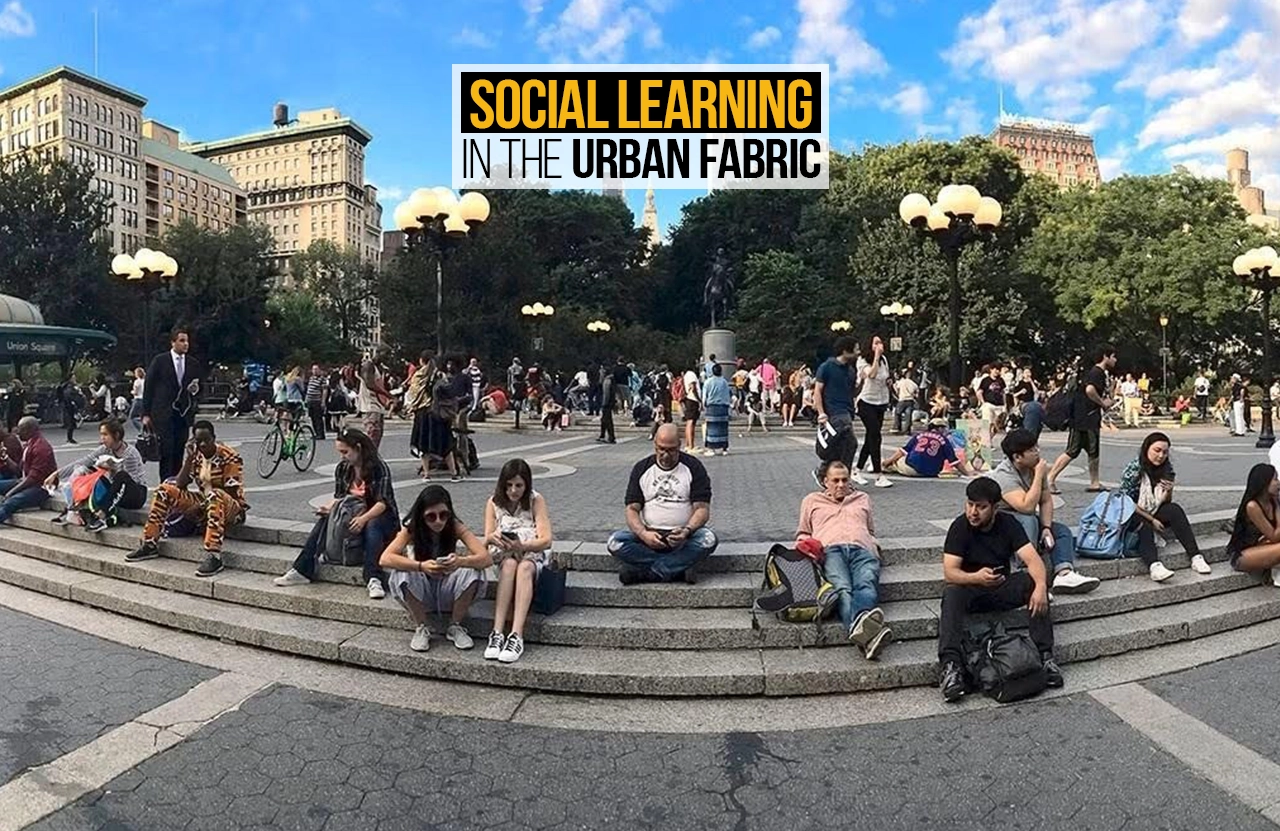
The Invisible Classroom
On any ordinary evening in an Indian neighbourhood, learning unfolds in places we rarely recognise as classrooms. A child stands at the edge of a cricket pitch, quietly observing older players before joining the game. At a nearby tea stall, strangers debate the day’s headlines while a college student listens intently. Across the street, an elderly carpenter repairs a wooden chair as a young apprentice watches every movement of his hands. None of these people arrived to attend a lesson, yet each of them leaves having learned something new.
This simple scene reveals something profound: some of the most important life lessons are learned outside formal institutions. Long before schools, universities, and digital platforms existed, people learned by living with one another. Language was acquired through conversation, skills through observation, values through participation, and wisdom through stories passed from one generation to the next. Learning was never confined to four walls; it was woven into the everyday life of streets, courtyards, markets, workshops, festivals, and neighbourhoods.
This process, known as social learning, is one of humanity’s oldest and most powerful ways of acquiring knowledge. It reminds us that learning is not only an individual activity—it is deeply social, shaped by the environments we inhabit and the people we encounter.
“Learning is the process whereby knowledge is created through the transformation of experience.” — David A. Kolb
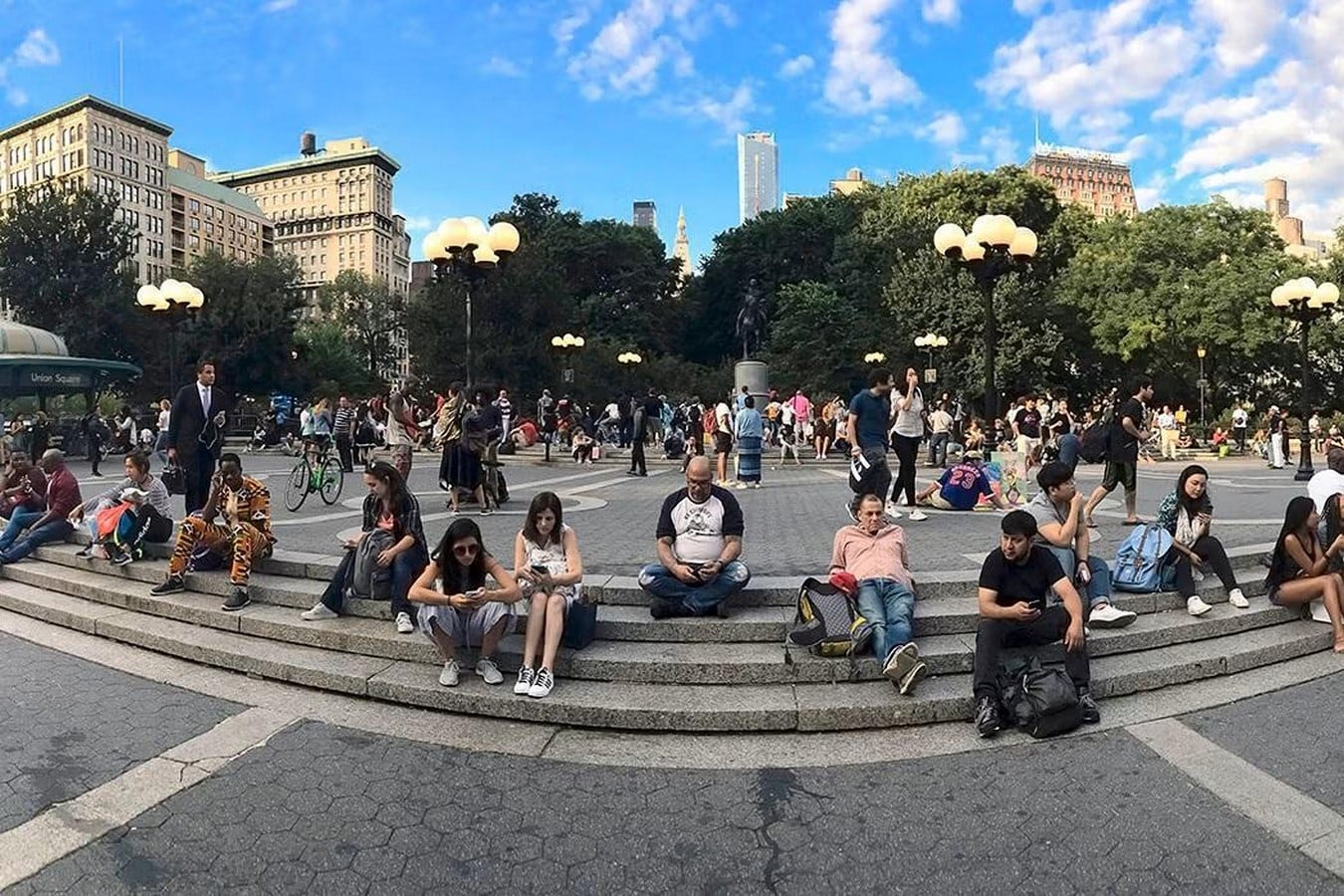
Learning Beyond the Classroom
Social learning is much more than the transfer of information. It is the process through which people develop empathy, cooperation, confidence, responsibility, and cultural understanding. A child learns teamwork while playing cricket in a neighbourhood lane. Teenagers discover identity through friendships and disagreements. Adults learn through collaboration at workplaces and community activities, while elderly individuals preserve traditions, stories, and lived experiences.
Unlike formal education, social learning has no timetable. Every individual is simultaneously a learner and a teacher. These exchanges create what sociologists describe as collective intelligence—the knowledge that belongs not to one person, but to an entire community.
The important question is: where do these encounters happen?
Rarely only inside classrooms.
They happen at the neighbourhood chai stall, on staircases where neighbours pause to talk, in local workshops, at temple courtyards during festivals, in public parks, and on benches where elders gather every evening. These spaces are not officially educational environments, yet they quietly shape how people think, behave, and relate to one another.
This is where architecture becomes deeply relevant.
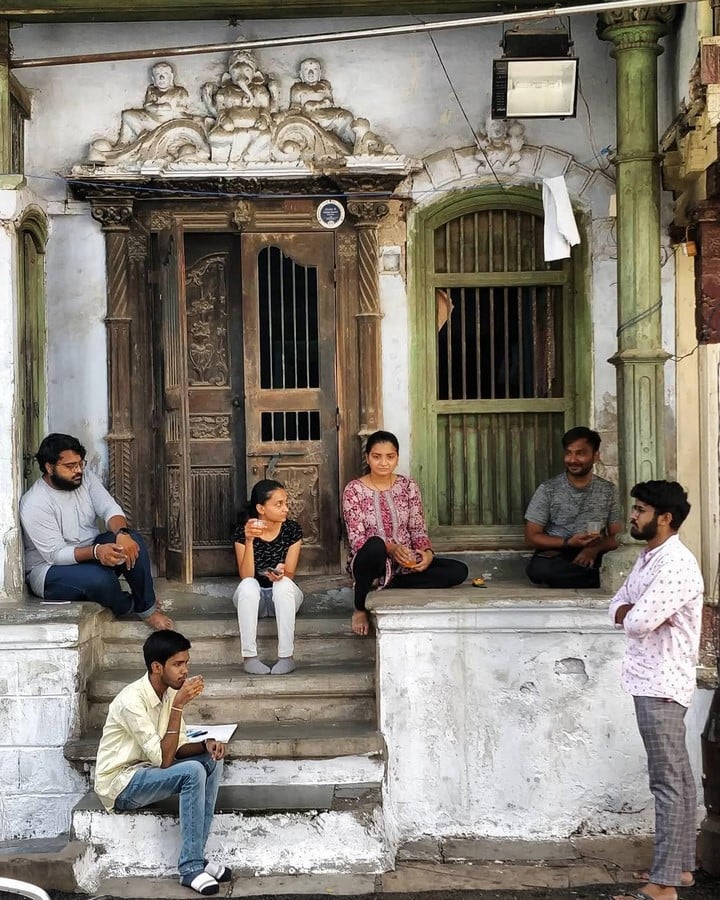
Social Learning in the Digital Age
Social learning has not disappeared in the modern world—it has transformed.
Today, people learn through YouTube tutorials, online courses, podcasts, social media communities, and collaborative digital platforms. A student in Mumbai can learn computational design from an architect in Barcelona. A carpenter can discover new techniques online, while an aspiring chef can master recipes without entering a culinary school. Technology has made knowledge more accessible than ever before.
Yet digital platforms primarily transfer information. They often struggle to recreate the richness of physical human interaction. Watching a craftsperson online is different from standing beside them, noticing the rhythm of their work, asking spontaneous questions, and understanding the subtle decisions that experience teaches. Information travels quickly through technology, but empathy, trust, collaboration, and a sense of belonging are still cultivated through shared physical experiences.
This shift gives architecture a new responsibility. Buildings no longer compete with the internet as sources of information; instead, they provide what digital spaces cannot—genuine human presence. In an increasingly connected yet isolated world, architecture becomes a bridge between digital knowledge and lived experience.
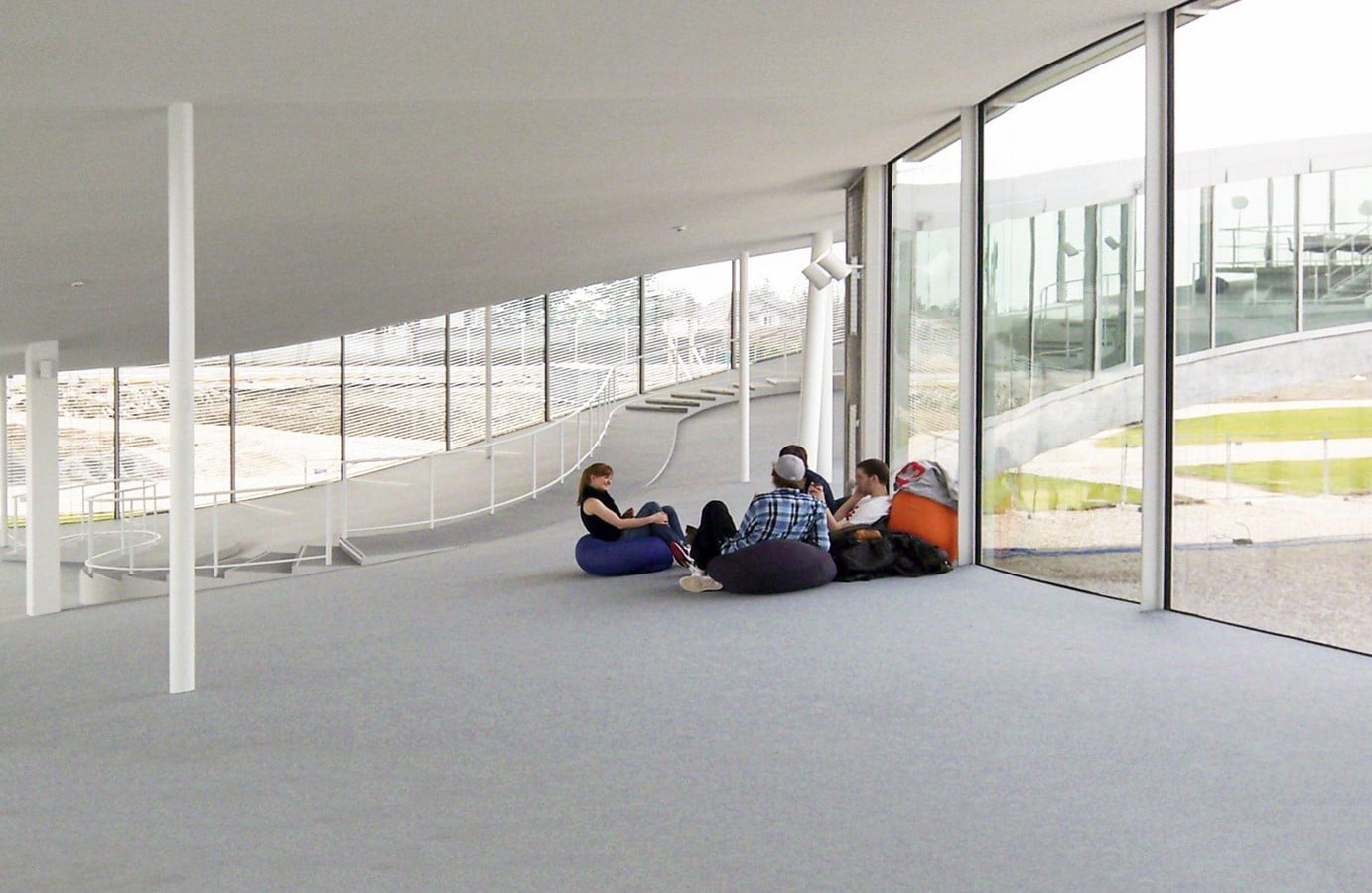
Architecture as a Catalyst for Interaction
Architecture is often discussed in terms of form, materials, technology, and sustainability. Yet one of its most important roles is less visible: it shapes opportunities for social learning.
Every spatial decision carries social consequences. A narrow corridor encourages movement, while a broad staircase invites people to pause and converse. A shaded courtyard becomes a gathering place. A transparent workshop sparks curiosity. A library opening onto a public plaza transforms reading into discussion.
These moments may appear ordinary, but collectively they determine whether knowledge circulates freely through a community or remains isolated within individuals.
“We shape our buildings; thereafter they shape us.” — Winston Churchill
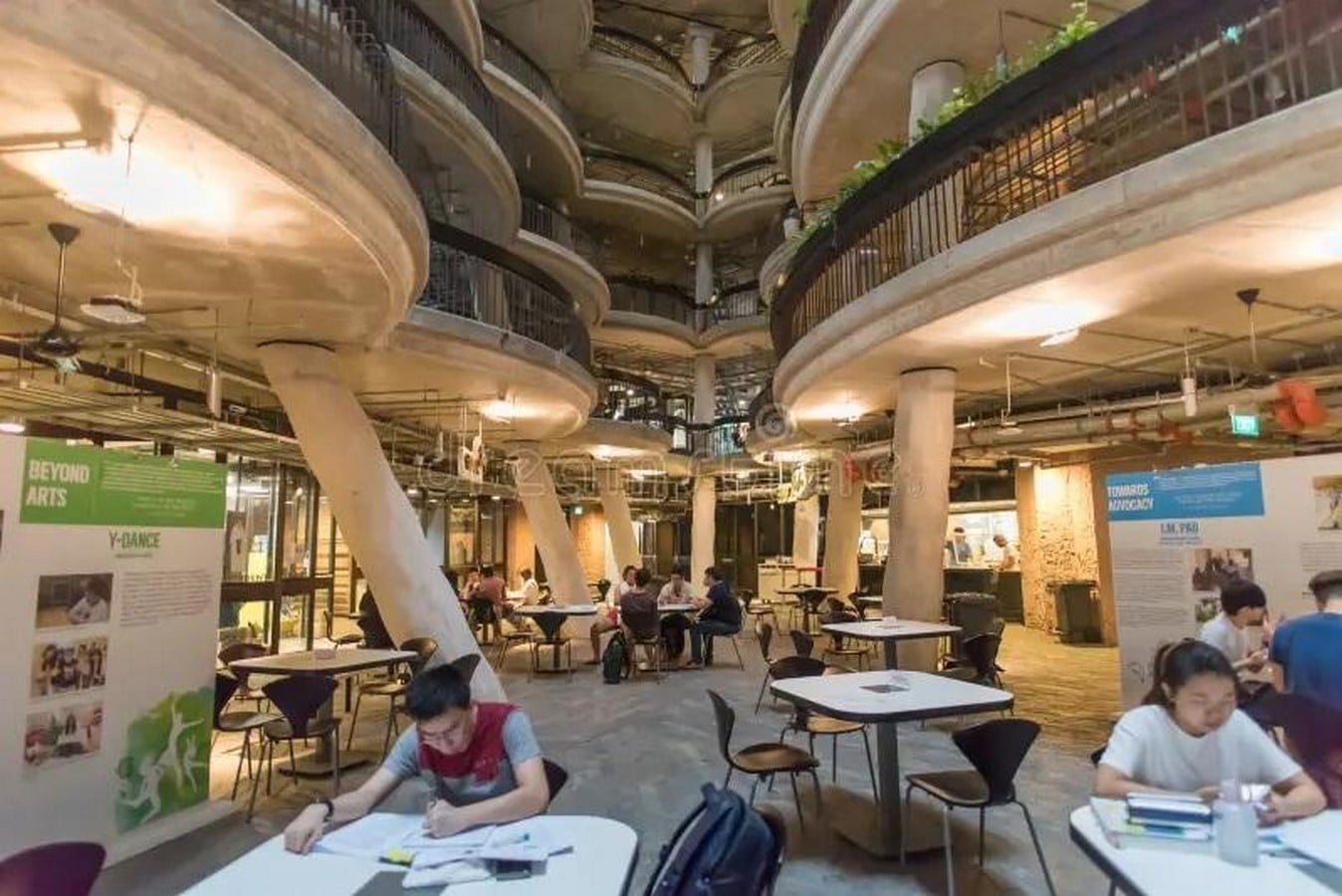
Research on learning environments highlights certain qualities that support social learning:
- Visibility allows people to observe activities around them.
- Flexibility enables workshops, performances, discussions, and informal gatherings.
- Inclusivity welcomes people of different ages and backgrounds.
- Comfort through shade, greenery, daylight, and human scale encourages people to stay longer.
Architecture cannot force relationships, but it can create the conditions in which relationships develope.
Lessons from Traditional Indian Settlements
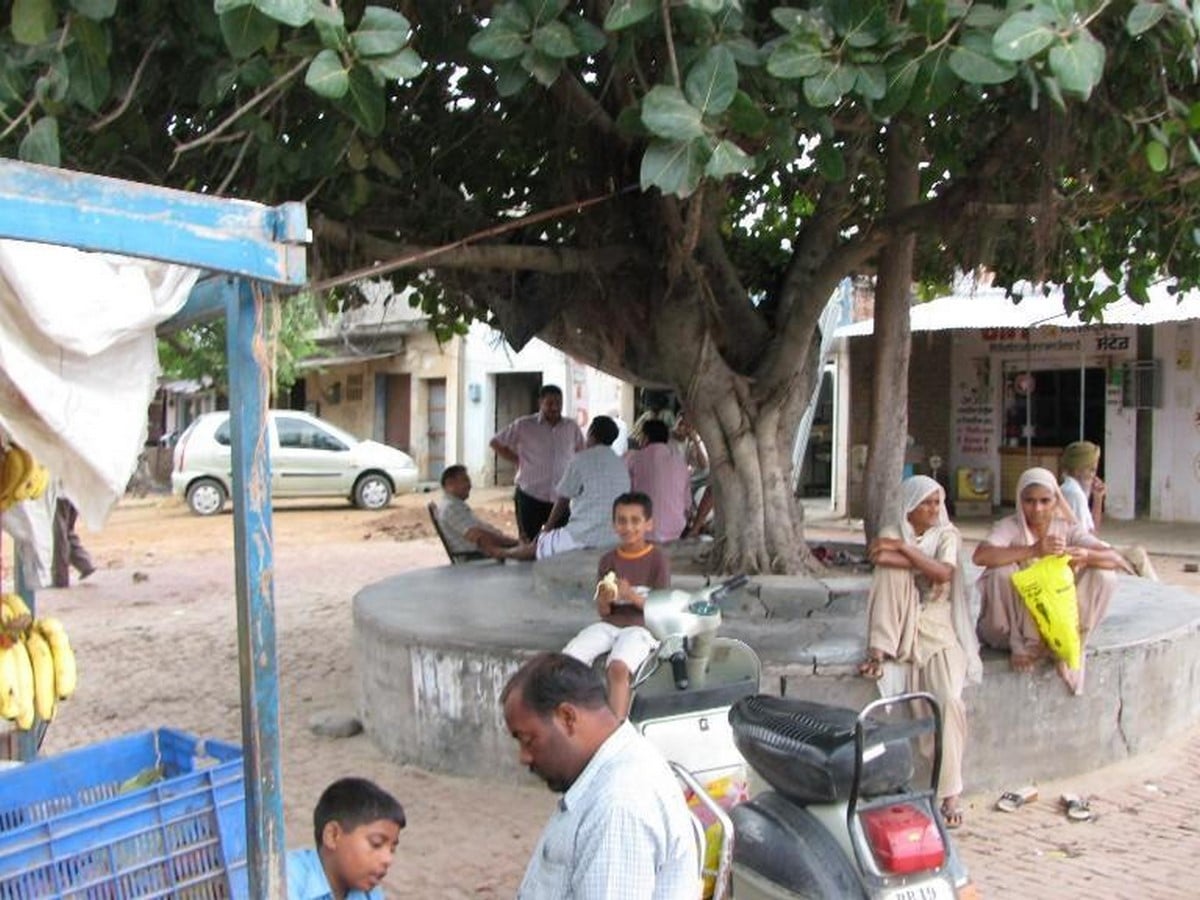
Traditional Indian settlements understood these principles intuitively. The otla outside a house blurred the boundary between private and public life. Verandahs extended domestic activities into the street. Village chowks hosted conversations, celebrations, performances, and debates. Temple courtyards became spaces for storytelling, rituals, and cultural exchange.
These were not isolated buildings performing isolated functions. They formed a social infrastructure where observation happened naturally. Children watched craftspeople at work. Apprentices learned from experienced masters. Elders remained visible within community life rather than becoming socially separated.
Architecture supported learning not through specialised institutions but through everyday human presence.
Its greatest achievement was not efficiency—it was continuity.
The Contemporary City and the Missing Encounter
Modern cities, despite their technological sophistication, often separate people rather than bringing them together. Residential towers connect directly to parking basements. Elevators replace shared staircases. Gated communities reduce interaction with surrounding neighbourhoods. Public spaces are often over-programmed or treated as leftover land between buildings.
People move from apartment to car, office, mall, and back home with minimal unplanned encounters.
“The city is not a problem to be solved, but a living organism to be understood.” — Jane Jacobs
When visibility decreases, opportunities for observation disappear. When common spaces shrink, conversations become rare. Communities continue to occupy the same city while increasingly living separate lives.
The challenge for architects is therefore not simply to design educational buildings, but to design an urban fabric that supports continuous social exchange.

Designing Cities That Continue to Teach
If social learning depends on encounter, architecture should create opportunities for the unexpected.
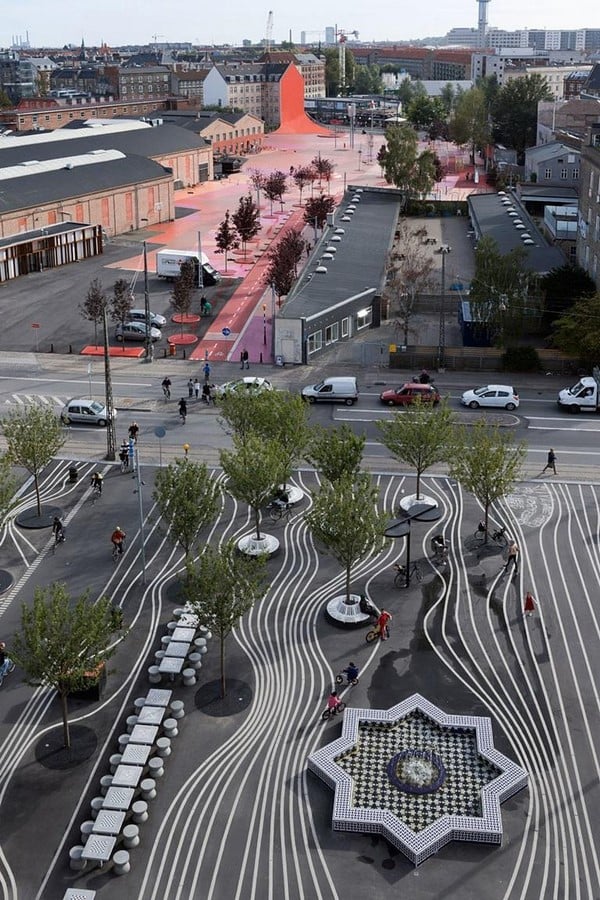
A library connected to a public plaza becomes more than a place for books. A makerspace opening onto a street transforms production into performance. A community kitchen becomes a place where recipes become conversations about culture and identity. Parks with seating, play areas, reading corners, and flexible spaces allow different generations to coexist. These spaces succeed because people arrive with one intention and leave with another. Someone comes to read and joins a discussion. Someone accompanies a child to play and learns gardening from a retiree. Someone attends a workshop and unexpectedly finds a mentor. Architecture does not script these relationships. It simply creates the environment where they can emerge.
Beyond Buildings
Perhaps architecture has never truly been about buildings. It has always been about relationships. Every threshold influences whether strangers acknowledge one another. Every courtyard decides whether conversations continue. Every staircase offers either passage or pause. Every public square becomes a stage where communities negotiate identity, memory, and belonging.
“The quality of a city is measured not by its monuments, but by the quality of life between its buildings.” — Jan Gehl
As our lives become increasingly digital, the value of physical space will only grow. Artificial intelligence and online platforms will continue to transform how knowledge is shared, but they cannot replace the experience of learning through presence, observation, and human connection.In the end, the strength of an urban fabric is not measured only by the buildings it contains, but by the relationships it enables. Architecture cannot teach in the way a teacher does, yet it quietly shapes the encounters through which people observe, question, collaborate, and grow. And perhaps that is architecture’s greatest contribution: not merely creating places for people to inhabit, but designing environments where humanity continues to teach itself, one everyday encounter at a time.