You can understand a building by studying it, but you cannot truly experience it without its materials.
The first moments of experiencing architecture are important. The feel of stone underfoot, wood in your hand, reflections on concrete, or the weight of an earthen wall come before any ideas about the building. Materials do more than build structures; they shape how we experience space.
Even before one knows the programme of a building, sees its drawings, or understands its architectural purpose, materials have begun to speak. One instinctively reacts to rough or soft materials, enclosure or openness, warmth or coolness.
And that is why material experience becomes one of the most direct ways of communication in architecture.
Material not only defines its structure or enclosure; it affects the atmosphere, occupation, perception, and memory of a space. Walls are never just walls; their material affects the movement of light, sound, heat and the position of the body within space.
We talk about architecture in terms of plans, sections, and facades. However, we come across it before we analyze it.
We feel it before we understand it.
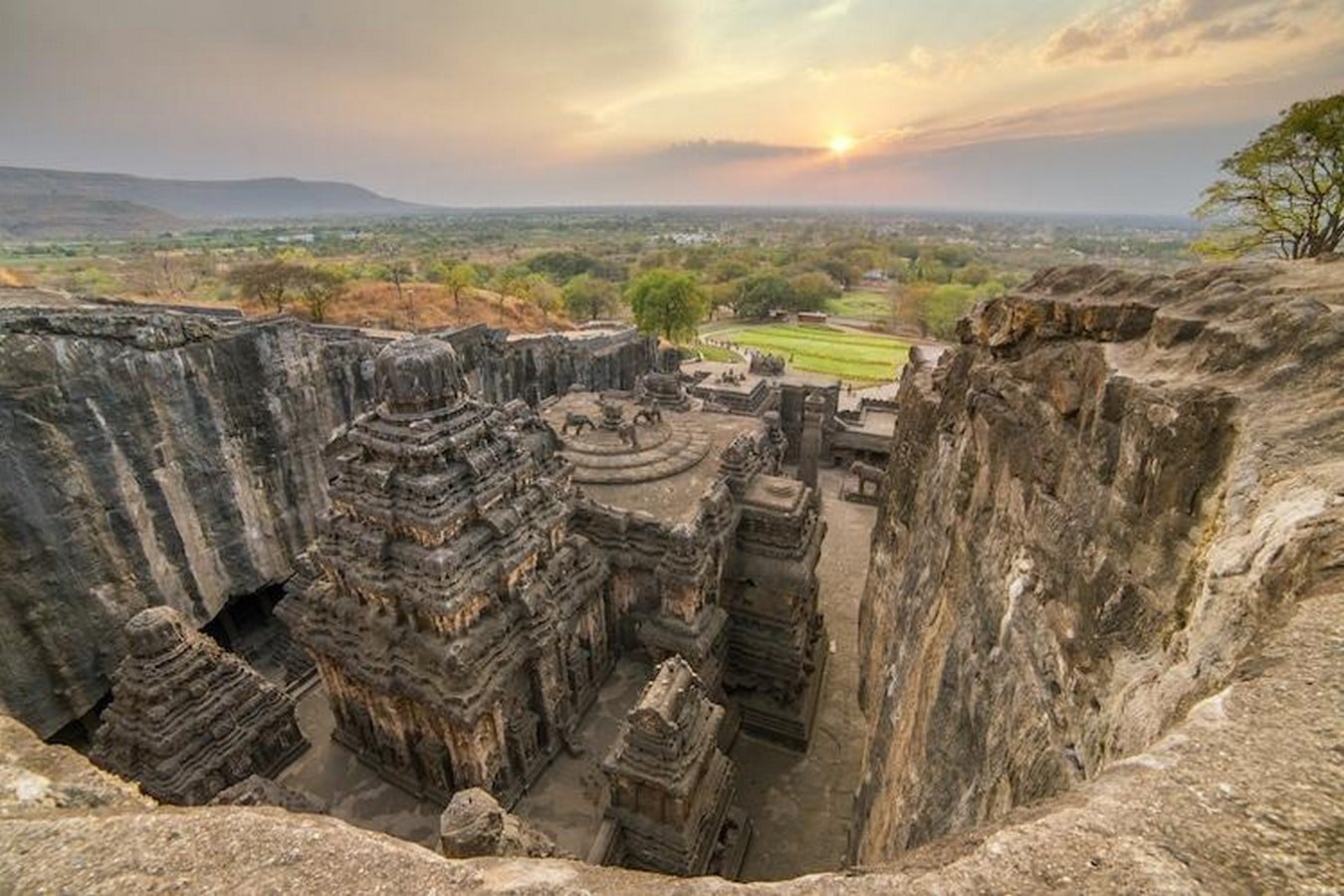
Materials as a Language
Architecture expresses itself through form, proportion, lighting, and spatial configuration, but materials convey even before that.
In contrast to drawings and photographs, materials speak directly to our bodies. They inform us whether the room feels heavy or light, whether it is formal or informal, intimate or monumental. The material of the construction influences our perception before we are able to decode the meaning of a space.
This shifts our perspective on seeing materials as just technical components. They become active participants in communicating the architecture of a space.
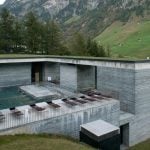
Materials and experience are closely connected, especially when architecture exposes materiality instead of concealing it with finishes. For instance, the architecture of Therme Vals in Switzerland is impossible to understand without taking into account its stone quality. Locally extracted quartzite is used for creating walls, floors, bathing spaces, and circulation ways, so the sense of texture, weight, temperature, and sound is an integral part of the architectural discourse.
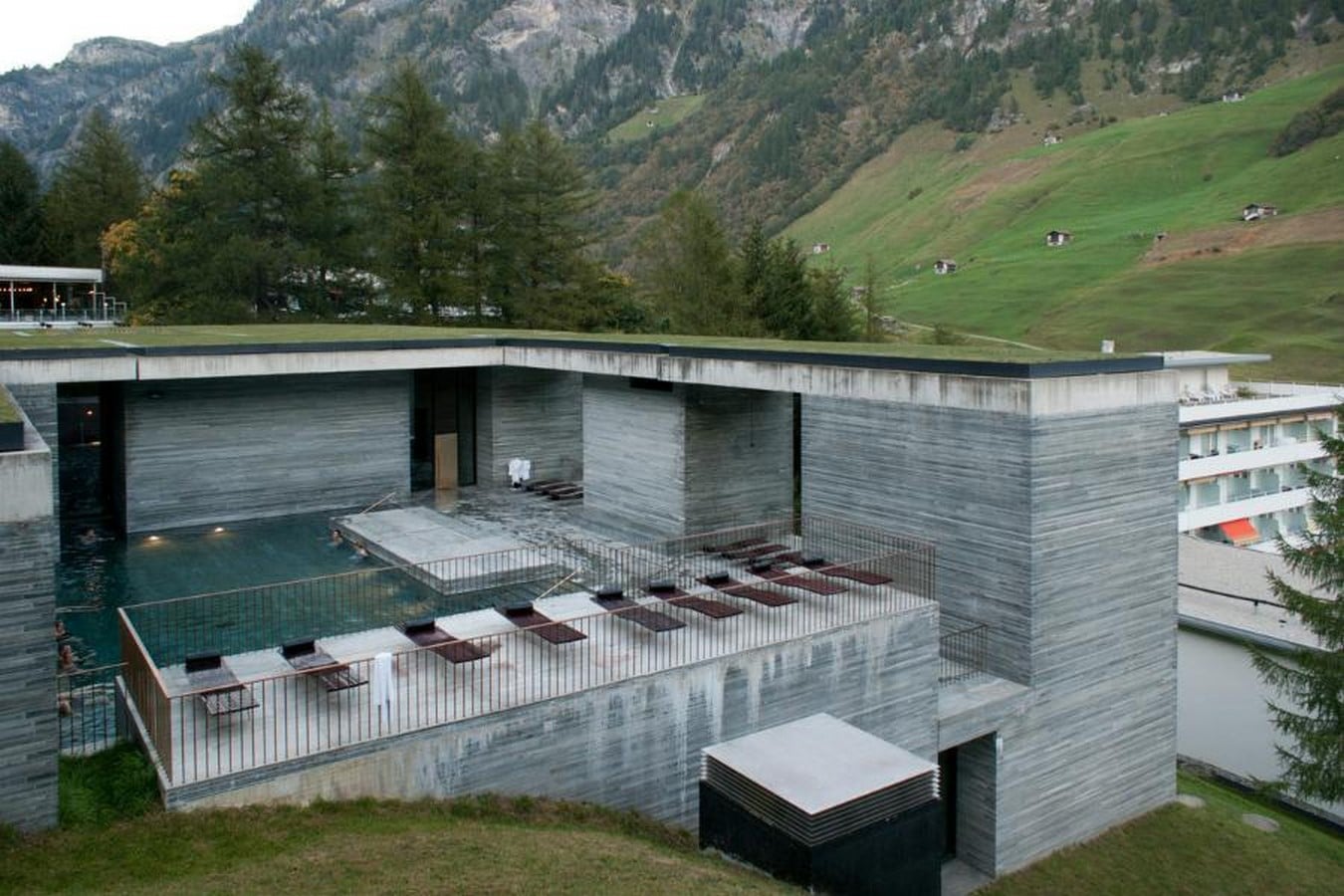
The stone does not function as ornamentation. It is the architecture itself.
As one proceeds through the baths, the stone creates an impression of permanence and geological connection. The architecture does not seem like something added to the landscape, but instead, growing from it. One cannot separate the experience from the material that makes it possible.
This reveals something important. Material experience is not a supplementary element in architecture.
It is the architecture itself.
The Body as a Measure of Space
Architectural drawings use millimeters and meters, but material experience uses the body.
There is a difference in the experience of an unpolished wooden surface and a polished marble floor. There is a difference between thick masonry walls and light partition walls in terms of the acoustics generated. The roughness of the brick stimulates tactile experience, whereas the smoothness of the concrete directs one’s experience of light and shadow.
The most fascinating thing is that materials have effects on the senses, not in isolation.
A stone gives its message using temperature, texture, and weight simultaneously. Wood creates sound absorption as well as creates warmth visually due to the grain and color. The brick receives light in different ways during the day and thus changes itself due to the movement of shadows.
Material experience arises through the synthesis of sensory experiences.
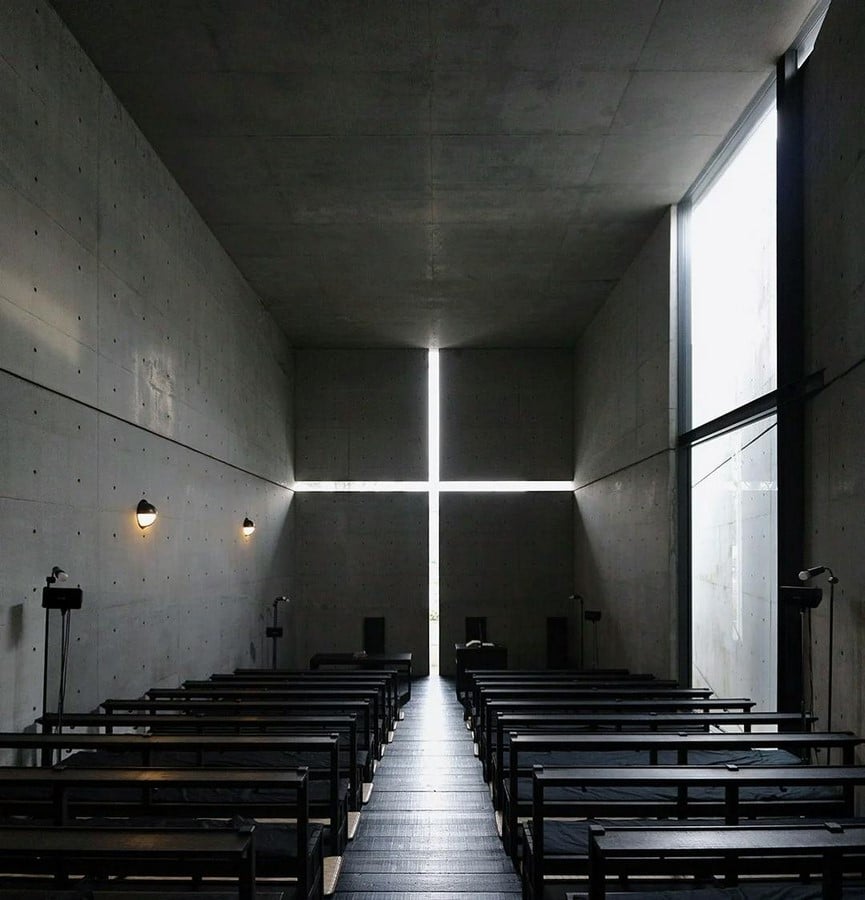
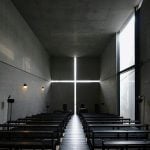
This can be seen clearly in places where material constraint intensifies perceptivity. At the Church of Light, concrete has always been talked about for its simple appearance, but its effect goes far beyond what the eyes perceive. The material distracts and magnifies the light. The mass gives the place stillness, while its uniformity makes changes in lighting the key element in the space.
The structure is memorable not because of the concrete but because of how the material defines our inhabitation of the space.
Experience with material, then, is not about touching alone.
It is about how materials affect our interaction with architecture.
Beyond Visual Architecture
In modern architectural discourse, the culture of images is becoming more prevalent.
The process of photographing, distributing, and experiencing buildings on a screen occurs well before any actual experience takes place. The visual aesthetics of a building serve as a criterion for its architectural value, thus focusing attention on creating an image rather than an experience.
However, material experience eludes representation through photography.
A photograph can capture the appearance of a stone wall but not its temperature. A photograph may show the grain of wood but not its acoustic properties. A picture can reveal the texture of an earth surface, but not its density.
There are many aspects of architectural meaning that cannot be captured in photographs.
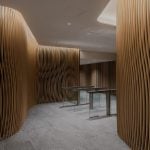
This problem becomes especially noticeable in designs that focus very much on atmospheric materiality. Laminated timber screens, textured surfaces, filtered light, and shadow effects tend to lose a lot of their meaning when represented by photographs. They are all about being occupied and not about being observed.
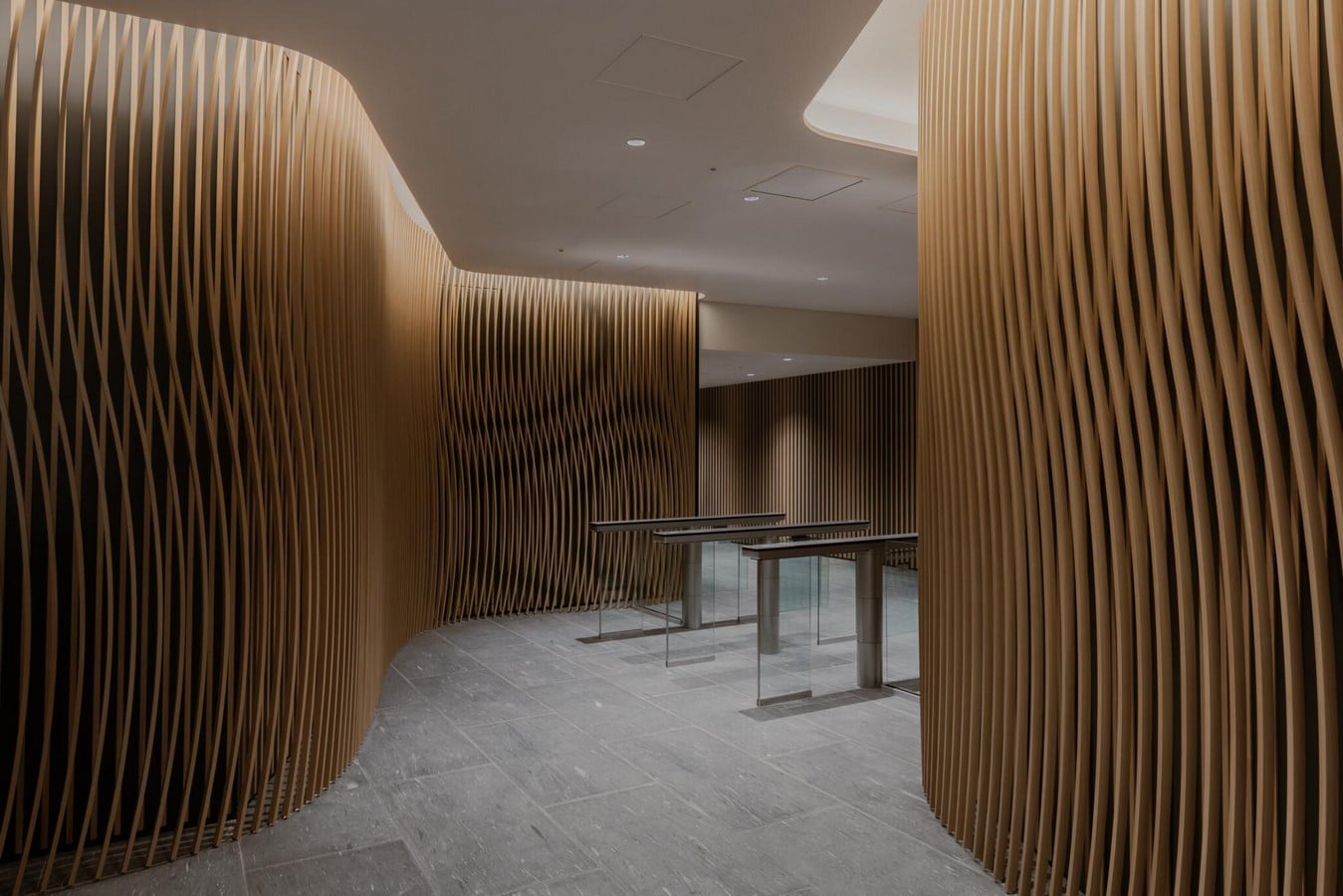
Kengo Kuma’s work often highlights exactly such phenomena. The wood here is not just a decorative layer but a tool for light filtering and for creating a spatial effect. This process involves movement, changing points of view, and shadows.
All of these can hardly be transmitted on a screen.
Presence is ultimately what architecture requires.
It needs to be experienced and not only observed.
Materials and Memory
Experience with materials is not universal.
Depending on context and the person experiencing them, materials may be experienced in entirely different ways.
This is due to the fact that materials have memory.
Memory, not of a nostalgic kind, but memory developed through repeated encounters and cultural familiarity. Materials become part of the daily lives of people, developing their perception of comfort, enclosure, and durability.
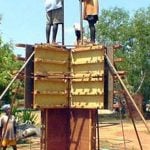
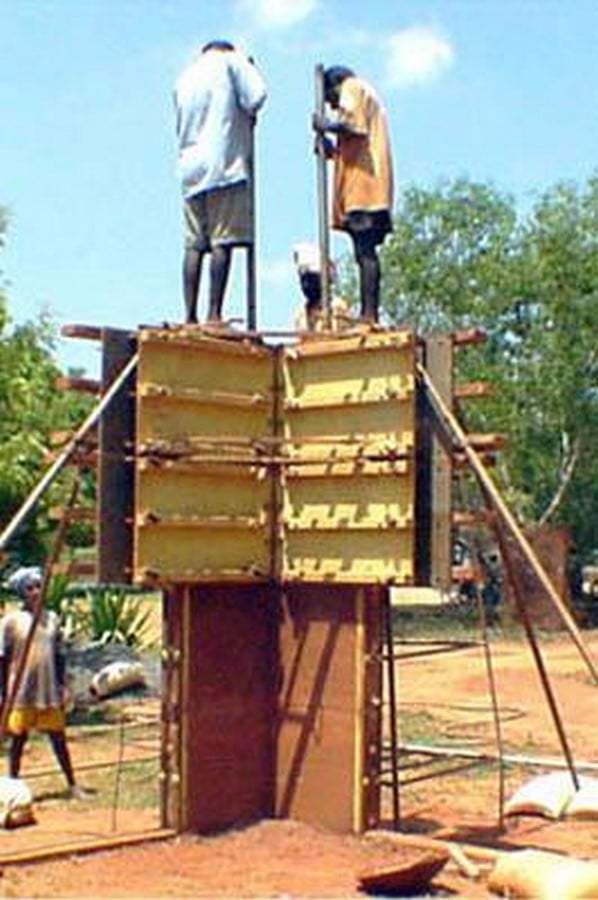
Earth has a special place in the discussion because it is ancient yet present. Unlike polished stone or industrially made materials, rammed earth always bears signs of its production and construction process. Layers stay visible. Imperfections are left untouched. The material preserves the records of labor and landscapes.
In many contemporary buildings in Auroville, rammed earth contributes to the creation of very grounded spaces. Not because of the material evoking memories of the past, but because of the different way it interacts with the human body. Thick earthen walls provide thermal and acoustic comfort and a feeling of enclosure that is hard to reach with other kinds of construction.
Architecture appears to be calm without trying to convey calmness.
It seems familiar before being comprehended.
What makes this especially meaningful is that the use of materials usually connects architecture to cultural memory through symbolism. Materials can convey belonging even before an explanation of the story of the building takes place.
Thus, the use of materials in architecture transcends its function as just a construction system.
Time as a Material
Architects typically talk about materials in their completed state, although buildings are rarely experienced at a single point in time.
Materials age.
They weather, stain, patina, fracture, and change color. Some visibly degrade while others develop an intensity of character with passing years. The temporal dimension of material engagement is one of the least considered aspects of material experience.
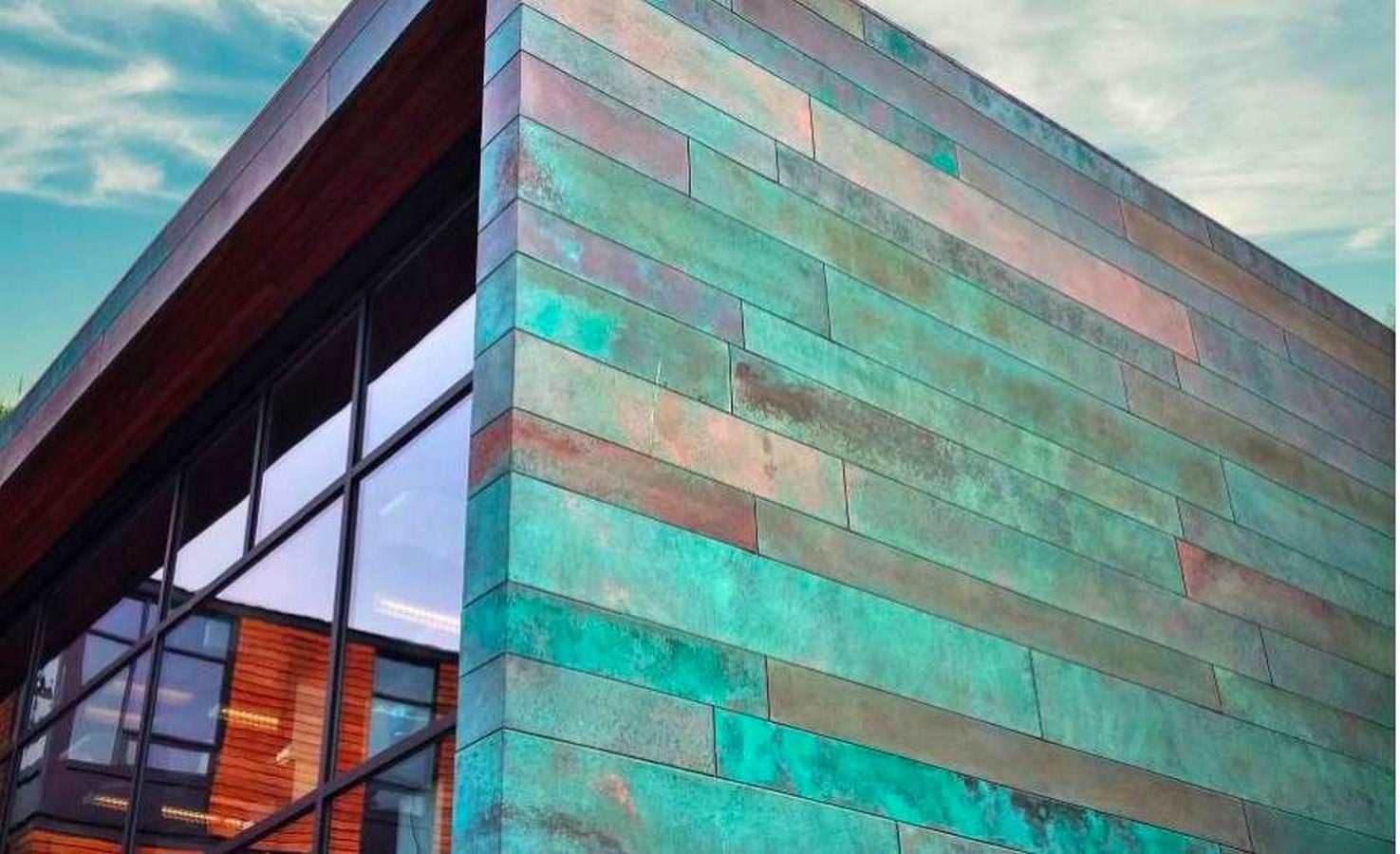
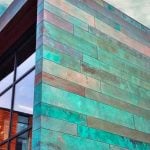
Copper ages and patinates. Wood alters its color due to exposure to sunlight. Stone bears the marks of use. Earth reacts to moisture and climatic conditions. Concrete ages through color alteration and texture development.
In contrast to photographs and videos that never change, materials are always in motion.
Architecture is thus engaged in an ongoing conversation with time.
The perception of a building twenty years after its completion will be vastly different from how it was perceived when it was first opened for use. It is the materials that make sure that architecture is a constantly evolving process and not a static entity.
The handrail polished by generations of use says much more than the untouched one ever could.
Materials keep in mind the fact that architecture evolves along with the inhabitants themselves.
The materiality of architecture is often considered a secondary quality relative to form, function, or aesthetics. But it could well be the primary means by which architecture speaks.
Before any understanding of the programme of a building can occur, the material has started to speak for itself through direct physical experience of temperature, texture, sound, weight, memory, and time.
Buildings like Therme Vals, the Church of Light, and the rammed-earth buildings of Auroville show that materials do more than build structures. Materials create experiences.
Buildings are not only memorable due to the way they look.
Buildings are memorable due to the way they feel.
And long before any understanding of architecture, it is usually felt.
References:
- Ando, T. (2000) Tadao Ando: Complete Works. London: Phaidon Press.
- Frampton, K. (2020) Modern Architecture: A Critical History. 5th edn. London: Thames & Hudson.
- Kuma, K. (2013) Anti-Object: The Dissolution and Disintegration of Architecture. London: Architectural Association.
- Leatherbarrow, D. and Mostafavi, M. (2002) Surface Architecture. Cambridge, MA: MIT Press.
- Mostafavi, M. and Leatherbarrow, D. (1993) On Weathering: The Life of Buildings in Time. Cambridge, MA: MIT Press.
- Norberg-Schulz, C. (1980) Genius Loci: Towards a Phenomenology of Architecture. New York: Rizzoli.
- Pallasmaa, J. (2012) The Eyes of the Skin: Architecture and the Senses. 3rd edn. Chichester: Wiley.
- Rasmussen, S.E. (1964) Experiencing Architecture. 2nd edn. Cambridge, MA: MIT Press.
- Auroville Earth Institute (n.d.) Earth Architecture and Building Technologies. Available at: https://www.earth-auroville.com (Accessed: 28 June 2026).
- Zumthor, P. (2006) Atmospheres: Architectural Environments, Surrounding Objects. Basel: Birkhäuser.
- Zumthor, P. (2010) Thinking Architecture. 3rd edn. Basel: Birkhäuser.
- Michell, G. (1988) The Temple Architecture of India. Chicago: University of Chicago Press.