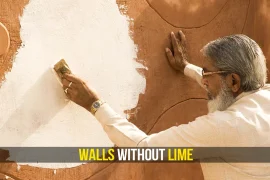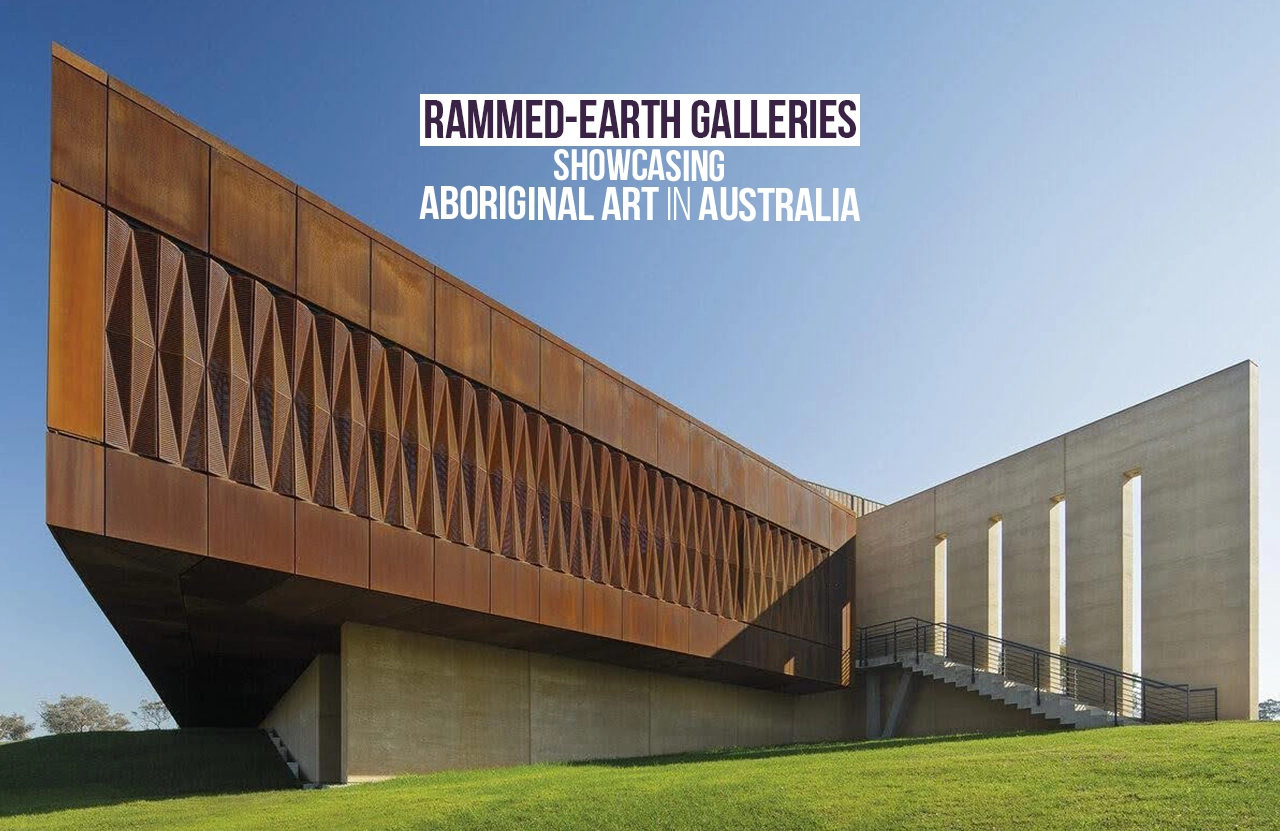
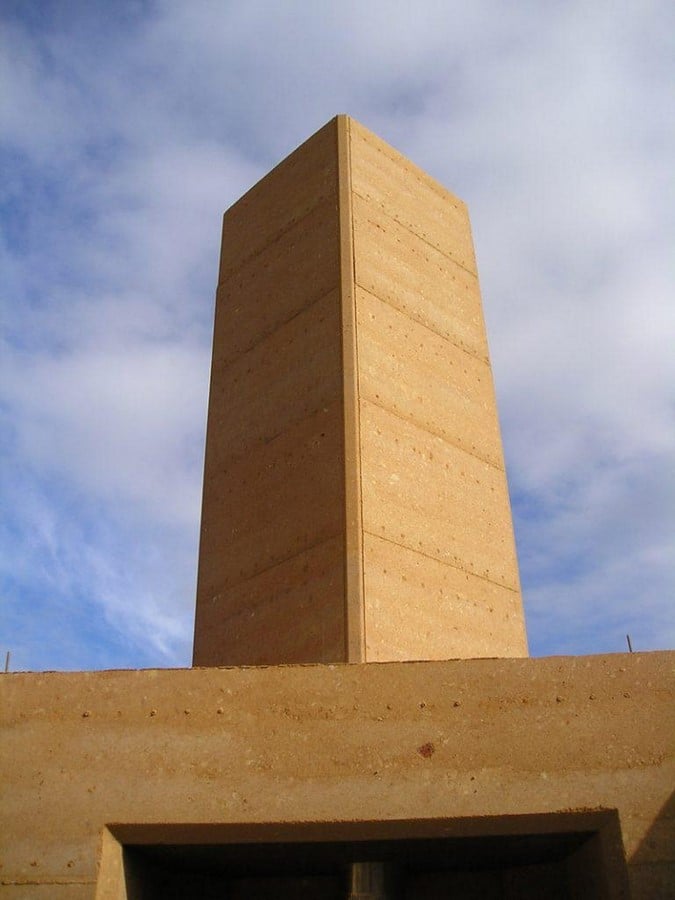
Rammed-earth architecture has emerged as a popular design technique in Australia, particularly for galleries that promote Aboriginal art and culture. Rammed-earth walls are formed by compacting layers of natural soil, sand, clay, and stabilisers into formwork, resulting in a textured and durable surface that adapts well to the Australian environment. These structures frequently feel grounded in their surroundings, making them ideal for settings that interpret Indigenous myths related to Country. In many Aboriginal worldviews, land is a living source of identity, memory, and spirituality. As a result, rammed earth has both symbolic and environmental significance in gallery design. Its thermal bulk enhances internal comfort, and its earthy tones visually reference Australia’s dry plains, bushland, and rocky environment (Earth Architecture, 2025).
Material Connection to Country
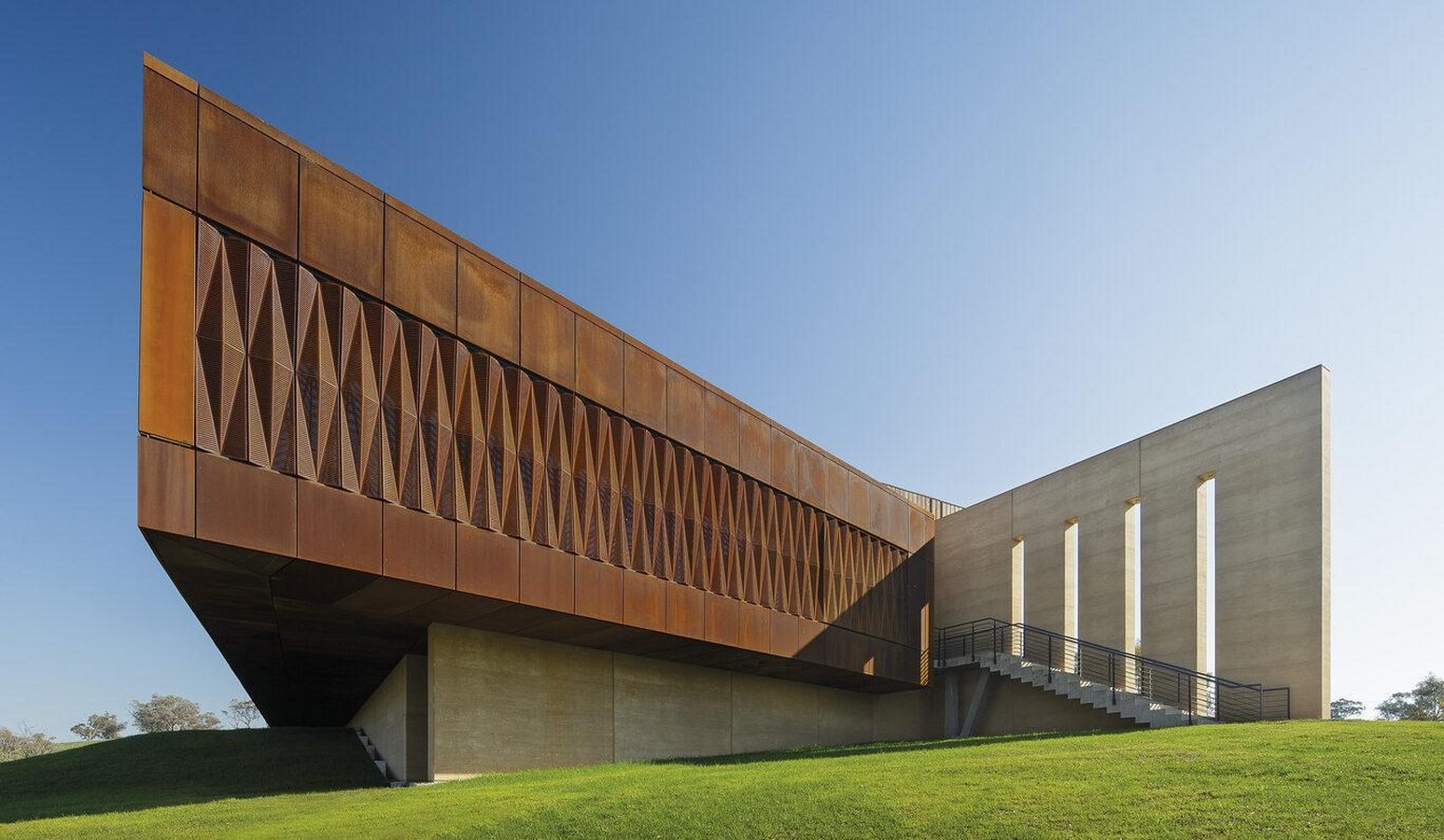
Rammed-earth’s prominence in cultural architecture is closely related to its strong sense of place. Unlike imported steel or glass, the material can be derived from local soil, allowing each building to reflect the colors and geological characteristics of its surroundings. This provides Aboriginal art galleries with an immediate sense of identity and authenticity. Visitors frequently perceive the walls as extensions of the land, rather than as artificial obstacles. This aspect is consistent with Indigenous beliefs, which see country as inextricably linked to culture and narrative. Rammed-earth surfaces, using layered textures and natural pigments, might mimic strata, erosion lines, or desert formations, reinforcing themes prevalent in many Aboriginal artworks. As a result, the building becomes part of the curatorial narrative rather than merely a container for exhibitions (Jones, 2024).
Garangula Gallery Case Study
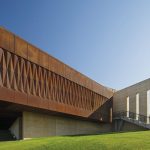
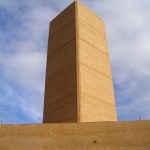
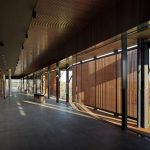
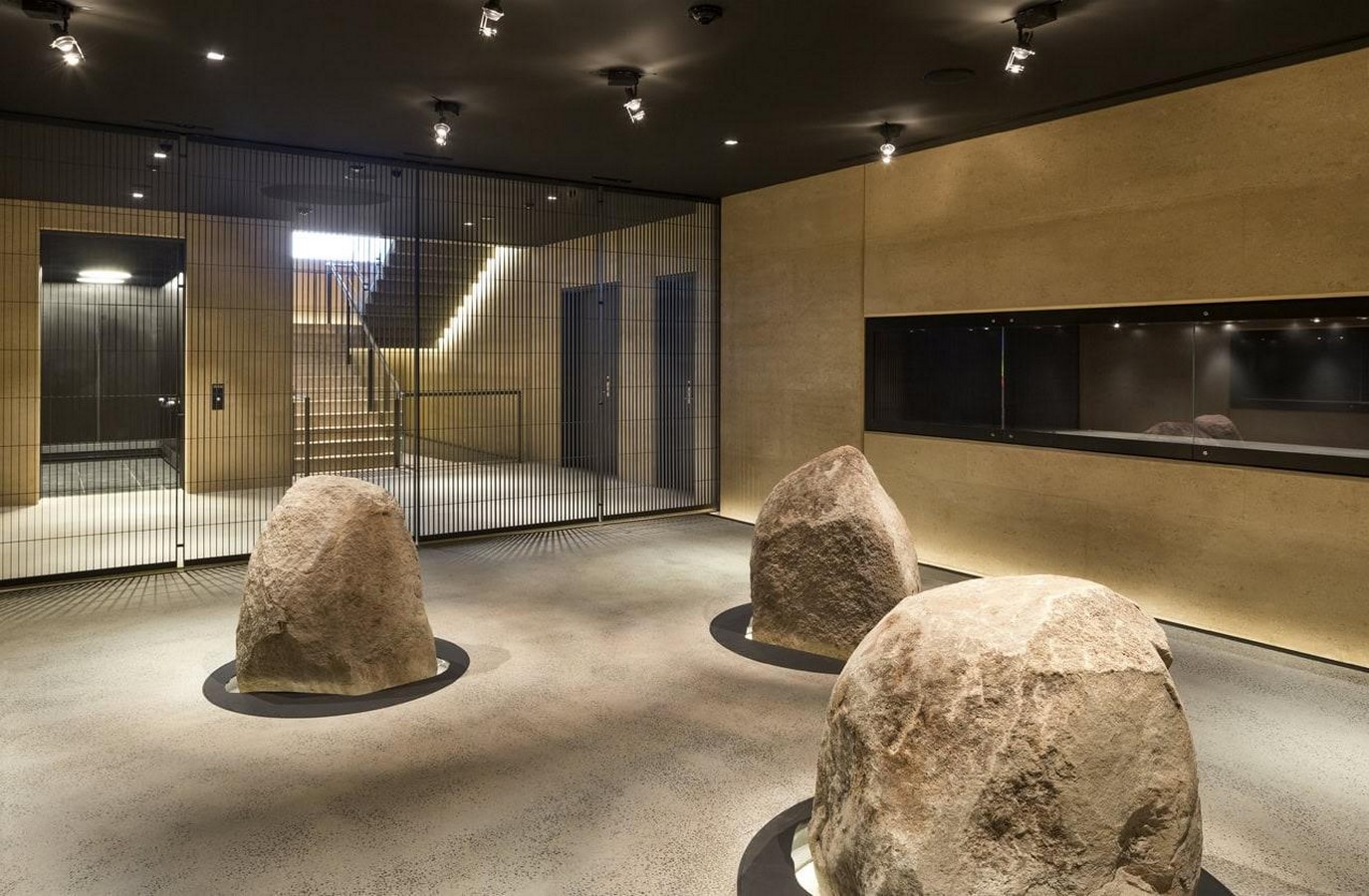
The Garangula Gallery in New South Wales is one of the most notable instances of rammed-earth gallery design. The private gallery, which houses an important collection of Indigenous Australian artworks, was built using massive rammed-earth walls obtained from local soil. This method allowed the structure to blend into the surrounding rural scenery while producing a serene and grand feeling. The project also featured integrated artwork by Aboriginal artist Jonathon Jones, which combined architectural and artistic expression. The thick rammed-earth walls maintain constant temperatures and eliminate dependency on mechanical cooling systems, which is especially useful for conserving sensitive artworks. Garangula Gallery has become a milestone in Australian gallery design due to its combination of sustainability, material honesty, and cultural significance (Rammed Earth Constructions, 2026).

Environmental Performance
Beyond cultural symbolism, rammed-earth construction has substantial environmental benefits for Australian gallery buildings. The material has a large thermal mass, which means it collects heat throughout the day and gradually releases it when temperatures drop. This decreases internal temperature changes and provides a more stable environment for visitors and artworks. Rammed-earth can reduce long-term running expenses in rural or regional places with limited energy infrastructure. It also has a lower embodied carbon content than intensively treated construction materials. Because many Aboriginal art centres are located in climatically challenging areas, these practical advantages are extremely essential. Architects are increasingly recognising that rammed-earth construction achieves sustainability goals without compromising beauty or cultural relevance, making it a great alternative for contemporary gallery projects (Smith, 2025).
Visitor Experience and Atmosphere
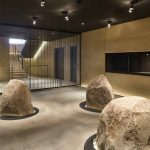
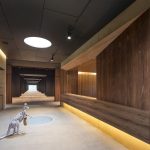
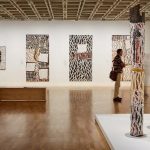
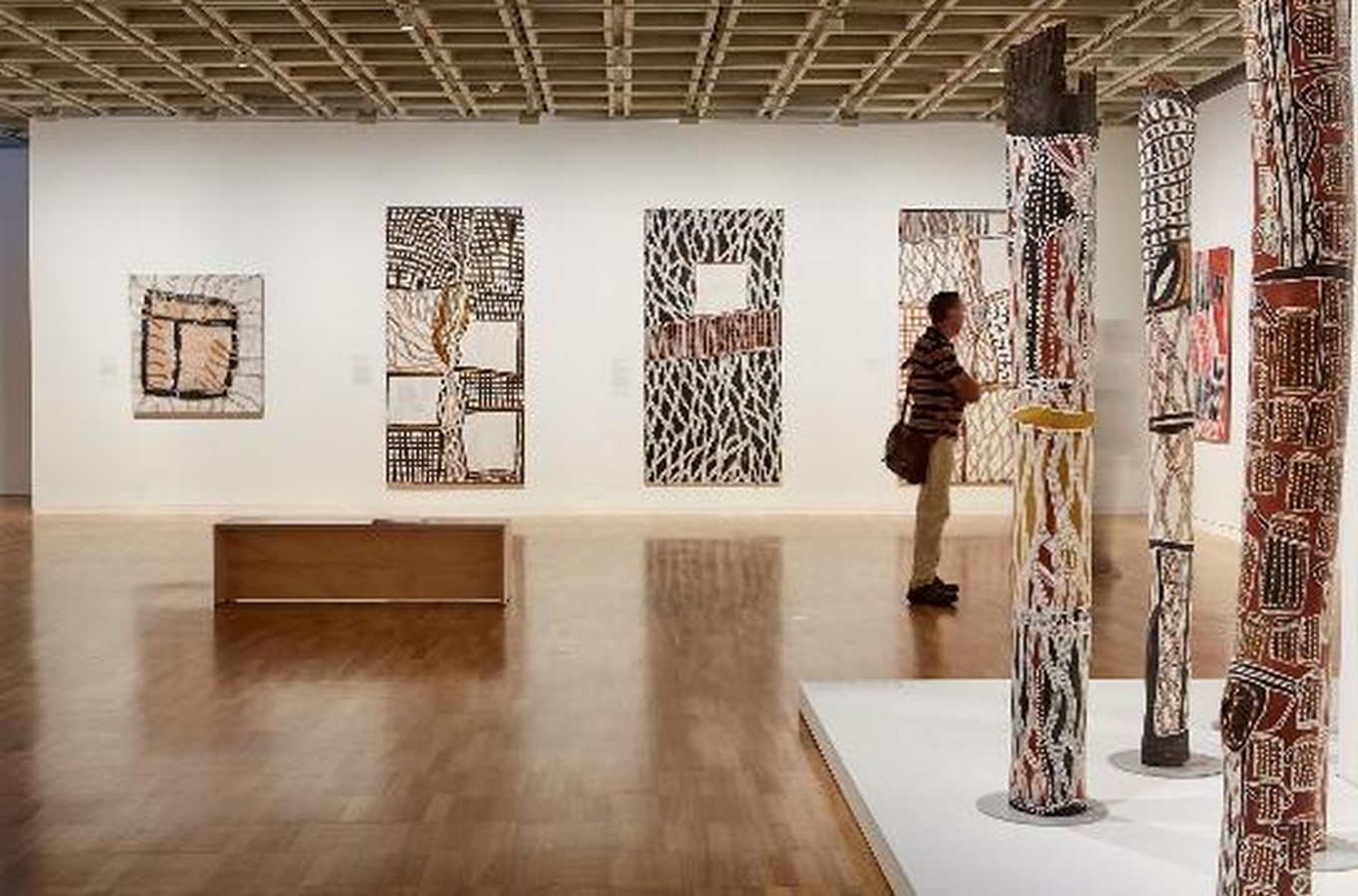
Rammed-earth interiors are also praised for their emotional impact in exhibition design. Thick earthen walls provide a sense of calm, solidity, and enclosure, which encourages introspection. Visitors to rammed-earth galleries frequently become more conscious of texture, light, and shadow, all of which improve the viewing experience of Aboriginal paintings, sculpture, and multimedia works. The tactile nature of the walls contrasts effectively with modern display devices, resulting in a well-balanced environment that feels both timeless and contemporary. Natural colors also reduce visual distractions, allowing artwork to take center stage. Rather than overwhelming exhibitions with dramatic architecture, rammed-earth provides a peaceful backdrop that enhances the entire visitor experience and deepens emotional involvement with Indigenous storytelling (Brown, 2025).
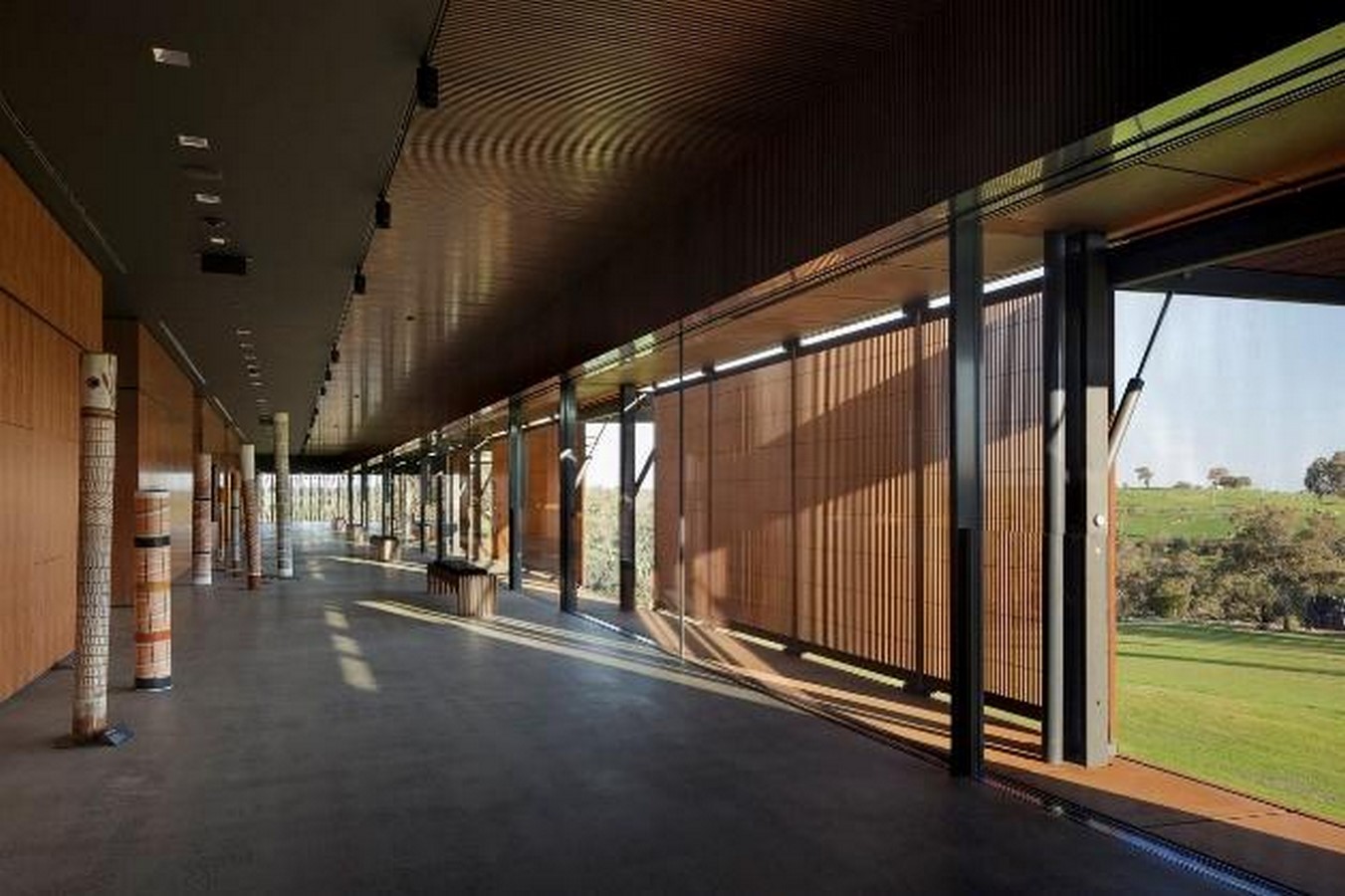
Rammed-earth has emerged as a powerful architectural language for Australian galleries displaying Aboriginal art. It connects buildings to their surroundings, improves environmental performance, and provides opportunities for artistic expression. Garangula Gallery, for example, demonstrates how rammed earth can commemorate Indigenous heritage through materiality and atmosphere. As interest in sustainable and culturally sensitive design grows, rammed-earth is likely to remain a key aspect of future Australian gallery construction.
References:
Brown, T. (2025) Gallery Atmosphere and Material Experience. Sydney: Design Press.
Earth Architecture (2025) Australian Earthen Buildings Review.
Jones, M. (2024) Architecture and Country in Australia. Melbourne: Urban Studies Press.
Rammed Earth Constructions (2026) Garangula Gallery Project.
Smith, R. (2025) Sustainable Building Materials in Regional Australia. Brisbane: Green Build Publications.