Rammed Earth – Innovative construction materials used around the world
In the realm of sustainable architecture and design, the resurgence of traditional building techniques has paved the way for innovative and eco-friendly construction solutions. One such method that has stood the test of time and is gaining renewed attention is the use of “Rammed Earth.” This ancient building technique, dating back centuries, has found its place in contemporary architecture, offering a harmonious blend of strength, aesthetics, and sustainability.
Strength and Durability: Building for the Ages
Rammed Earth’s Robust Foundation
Rammed Earth construction boasts exceptional strength and durability, making it a compelling choice for architects seeking longevity in their designs. This technique involves compressing a mixture of earth, clay, and sometimes small amounts of cement within sturdy formworks. The result is a solid, monolithic wall with impressive load-bearing capabilities.
Example: The Great Wall of China, an enduring testament to the strength of Rammed Earth, stands tall after centuries of exposure to the elements.
Ease of Installation: Streamlining Construction Processes
Efficiency in Building with Rammed Earth
Architects appreciate the simplicity and efficiency of Rammed Earth construction. Unlike more complex building methods, Rammed Earth requires minimal specialized equipment. The process involves layering and compacting the earth mixture, which reduces the need for intricate construction skills and heavy machinery.
Example: The Gobekli Tepe archaeological site showcases the efficiency of Rammed Earth, with its ancient structures standing as a testament to the ease of installation.
Cost-Effectiveness: Balancing Budgets with Sustainable Design
Affordability in Sustainable Architecture
Rammed Earth construction aligns with budget-conscious architects, offering an affordable alternative to conventional building materials. The readily available raw materials and simplified construction process contribute to cost savings without compromising on structural integrity.
Example: The Nk’Mip Desert Cultural Centre in Canada seamlessly combines affordability and sustainability, showcasing Rammed Earth’s cost-effectiveness.
Aesthetic Appeal: Crafting Timeless Designs
Embracing the Beauty of Natural Materials
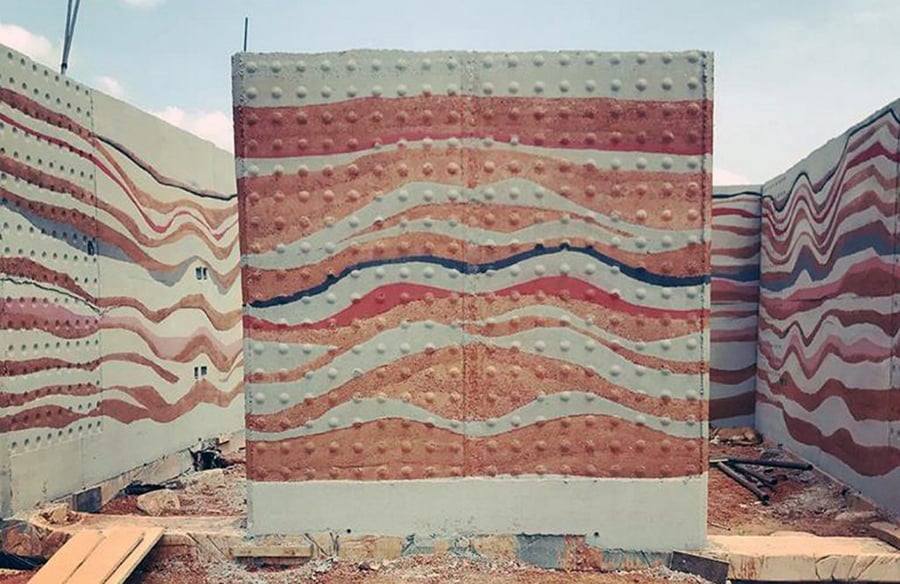
Beyond its structural advantages, Rammed Earth lends itself to breathtaking aesthetic possibilities. The natural colors and textures of the earth create a warm and inviting ambiance, providing architects with a versatile canvas to explore creative design concepts.
Example: The Tiriolo Library in Italy showcases the aesthetic appeal of Rammed Earth, blending seamlessly with the historic surroundings while adding a contemporary touch.
Availability: Harnessing Local Resources
Rammed Earth’s Accessibility Worldwide
One of the notable strengths of Rammed Earth construction lies in its reliance on locally sourced materials. This not only reduces the environmental impact of transportation but also connects the structure to its geographical context, creating a unique sense of place.
Example: The Panyaden International School in Thailand utilizes local earth resources, exemplifying the global availability and adaptability of Rammed Earth construction.
Compatibility with Other Materials: Integrating Sustainable Solutions
Harmonizing Rammed Earth with Modern Elements
Architects often explore combinations of building materials to achieve a balance between tradition and modernity. Rammed Earth seamlessly integrates with various materials, allowing for innovative design choices that enhance both aesthetics and functionality.
Example: The National Museum of Qatar showcases a blend of Rammed Earth and contemporary materials, illustrating the compatibility and versatility of this construction technique.
Environmental Impact: Embracing Sustainable Practices
Rammed Earth’s Eco-Friendly Footprint
In an era where environmental consciousness is paramount, Rammed Earth construction shines as a sustainable choice. The minimal carbon footprint associated with sourcing local materials, coupled with the energy efficiency of earth-based structures, aligns with the principles of green architecture.
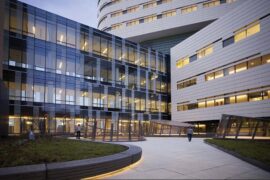
Example: The University of Arizona Environment and Natural Resources 2 Building stands as a testament to the positive environmental impact of Rammed Earth construction.
Fire Resistance: Building with Safety in Mind
Rammed Earth’s Inherent Fire Resistance
Safety is a paramount concern in architectural design, and Rammed Earth’s natural resistance to fire adds an extra layer of protection. The compacted earth mixture creates a fire-resistant barrier, enhancing the overall safety of structures.
Example: The Casa Caldera residence in Arizona highlights Rammed Earth’s fire-resistant qualities, providing residents with peace of mind in a fire-prone region.
Thermal Insulation: Creating Comfortable Living Spaces
Rammed Earth’s Natural Thermal Mass
Rammed Earth structures excel in maintaining a comfortable indoor climate. The material’s inherent thermal mass helps regulate temperature, keeping interiors cool in hot climates and warm in colder regions without excessive reliance on mechanical heating or cooling systems.
Example: The Eco Resort in Costa Rica showcases Rammed Earth’s exceptional thermal insulation, creating a sustainable and comfortable retreat for visitors.
Density and Weight: Structural Integrity in Every Layer
Balancing Mass for Stability
Rammed Earth’s density contributes to the stability and resilience of structures. The compacted layers of earth form a dense, load-bearing mass that withstands external forces, making it an ideal choice for buildings in seismic zones.
Example: The Alhambra in Spain incorporates Rammed Earth in its foundations, emphasizing the material’s density for stability in earthquake-prone regions.
Recyclability: Closing the Loop in Sustainable Design
Rammed Earth’s Endless Lifecycle
Unlike many contemporary building materials, Rammed Earth is entirely recyclable. At the end of a structure’s lifecycle, the earth mixture can be returned to the environment without leaving a lasting ecological footprint, promoting a closed-loop system.
Example: The Earthship Biotecture community in New Mexico embodies the recyclability of Rammed Earth, showcasing sustainable living practices.
Sound Insulation: Creating Tranquil Spaces
Natural Sound Barriers with Rammed Earth
In addition to its other qualities, Rammed Earth provides excellent sound insulation. The dense composition of the material creates a barrier that minimizes sound transmission, fostering peaceful and serene living environments.
Example: The Adobe Hut Retreat in Mexico exemplifies the use of Rammed Earth for sound insulation, offering residents a quiet retreat amid nature.
Conclusion: Building Tomorrow with the Wisdom of Ages
As architects continue to seek sustainable and resilient solutions for the future, Rammed Earth emerges as a timeless construction material that bridges tradition and innovation. From its unparalleled strength and durability to its aesthetic versatility and eco-friendly footprint, Rammed Earth stands as a beacon in the quest for sustainable architecture.
Call to Action
Architects and builders alike are encouraged to explore the potential of Rammed Earth in their projects. Embrace the harmony of tradition and modernity, creating structures that not only endure the test of time but also contribute to a more sustainable and environmentally conscious future. Let Rammed Earth be the foundation for a new era in architecture, where innovation and tradition coalesce for the betterment of our built environment.