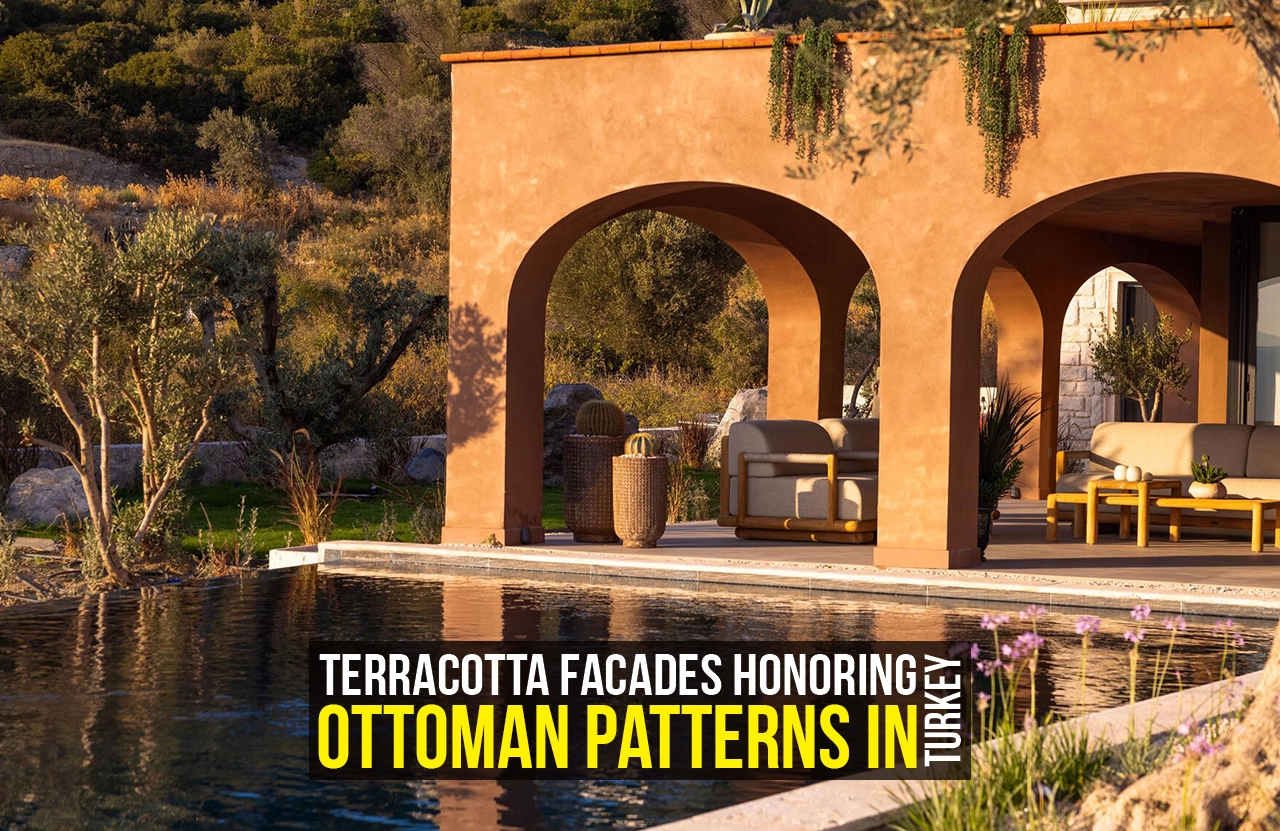
Architecture has a prolonged history, and it has evolved through the ages. It has undergone changes and modifications in the design process at frequent intervals, which were basically adopted practices to address contemporary human residential and other needs. Building materials, specifically, have undergone high turnover with time. Today, we use major industrially manufactured materials like concrete and steel, which are quite different from earlier architectural building materials like wood and earthen clay. However, it is noteworthy that materials of the past were more sustainable and valuable for aesthetics and functionality. Architecture is a field that provides beauty and amazement to the world and offers residents a unique experience and visual wonder, rather than just fulfilling functional needs and requirements, which is often the focus in modern times. This article briefly discusses terracotta, a material of the past which serves with greater advantages and is highly recommended in modern practices specifically in turkey.
Terracotta – A Bulding Material
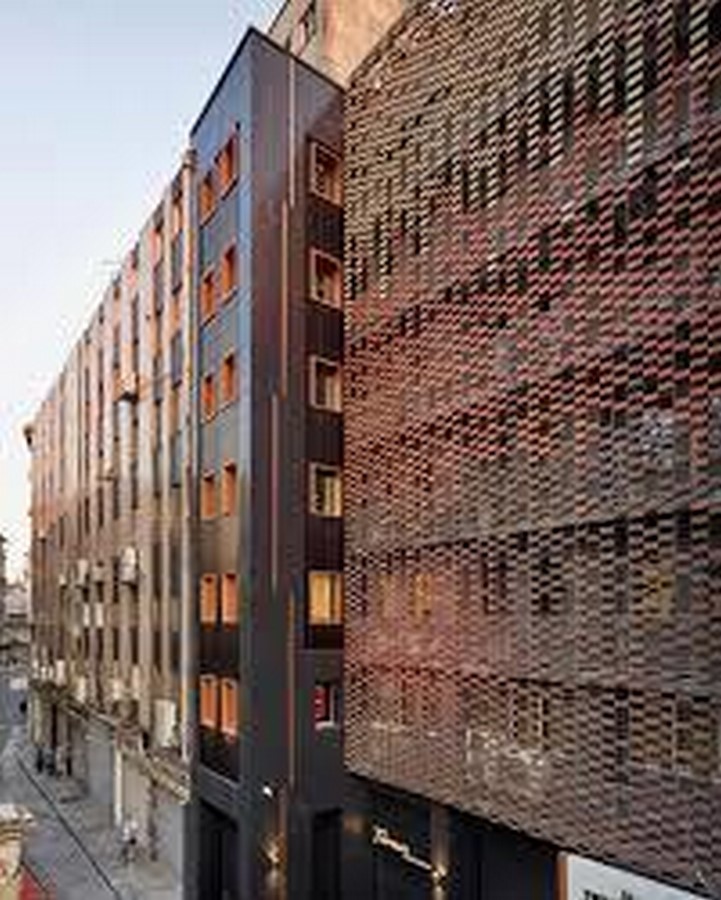
The word terracotta derives its name from Italian, which translates to “baked earth.” It is a kind of earthenware, generally reddish-brown in colour, which varies according to its mineral content. The natural clay is shaped first and then fired at relatively low temperatures for a longer duration in a kiln to form terracotta. In architecture, terracotta has several applications as a building material. It is water-resistant, hence used as roof tiles. Moreover, it is used as facade panels, the practice of which is gaining prominence in Turkey. Other than that, it is also used as bricks, jaali screens, and decorative elements, valued for its earthy aesthetics and environmental compatibility. From a design perspective, terracotta offers various benefits. It provides good thermal insulation, helping regulate indoor temperatures—especially beneficial in warmer climates. It is porous in nature and thus allows breathability, which helps improve moisture balance in buildings. It is also a highly sustainable and recyclable material since it is made from abundant natural clay and requires less energy than many industrial materials. Again, terracotta is versatile, allowing intricate patterns and textures, making it ideal for façades and landscapes. However, there are some limitations too. It is brittle in nature and has relatively low tensile strength, making it prone to cracking under impact or stress. It is also porous, which can lead to water absorption, weathering, and efflorescence, so it requires proper treatment. Maintenance and proper detailing are essential to ensure durability. Additionally, its load-bearing capacity is lower compared to concrete or steel.
Historical & Cultural Significance of Terracotta
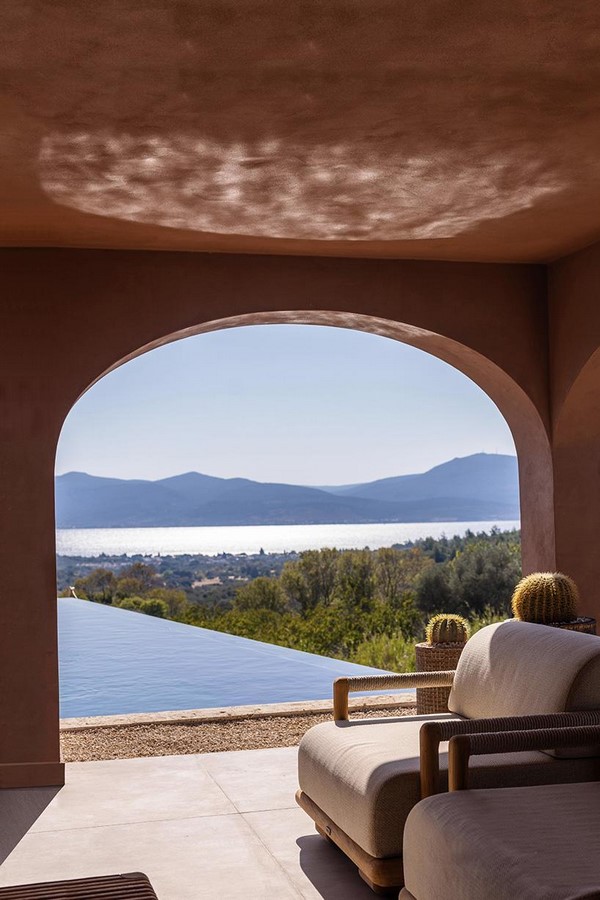
The origin of terracotta can be dated back to 3000 years ago in Mesopotamia and China.It has played a vital role in the architectural history of Europe and the Mediterranean region, especially Turkey. It has served for structural stability and symbolic representation for ages. In ancient Mediterranean civilisations, particularly in Ancient Greece and Ancient Rome, terracotta was widely used for roof tiles, bricks, and sculptural decorations due to its availability and functionality. Further, the Romans advanced their use in façades, cornices, and drainage systems; thus, it became deeply rooted in traditional construction methods.In Turkey, particularly under the Ottoman Empire, terracotta evolved in combination with ceramic traditions. While glazed tiles such as İznik ceramics became prominent in monuments like Hagia Sophia, terracotta bricks and tiles remained essential in structural systems and domes. Its earthy tone symbolised a connection to land and tradition, reinforcing Islamic architectural values of humility and craftsmanship.Culturally, terracotta reflects regional identity, climate adaptation, and artisanal skill. Across Europe and Turkey, it represents continuity between vernacular building practices and monumental architecture.
Revival of Terracotta – In Turkey
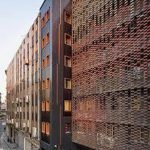
The revival of terracotta is notable in contemporary Turkish architecture. It seems to reflect a broader shift towards sustainability, cultural inclusivity, and material authenticity in architectural construction. In recent years, architects in Turkey have increasingly reinterpreted traditional clay-based materials within modern design frameworks rather than avoiding them as past elements. One major trend is contextual and heritage-driven design. Projects like the Odunpazarı Modern Museum emphasise local materials and craftsmanship, blending terracotta-like tones and textures with modern forms. This aligns with a global movement where natural materials and handcrafted aesthetics are regaining prominence in architecture. Another key trend is sustainability and climate responsiveness. Terracotta is being used in ventilated façades, shading systems, and porous screens, helping to reduce energy consumption through passive cooling—this reflects sustainable strategies now adapted to modern buildings. There is also a craft revival movement, where traditional artisanship is being reintegrated into architectural production.Finally, terracotta is being explored in parametric and modular façade systems, allowing complex geometries while maintaining an earthy aesthetic and human-centred material expression. Overall, the revival is not nostalgic but a strategic fusion of tradition, technology, and ecological design.
The revival of ancient materials remains a very practical approach in architectural design practices, given that it provides greater sustainability, aesthetics, and unique experiences. It is not merely an adoption of the past; rather, the revival is meant to integrate the benefits of the past with modern forms and technology to produce wonders in architecture.
References:
Akın, N. (2010) Ottoman Architecture. Istanbul: Istanbul Bilgi University Press.
Bozdoğan, S. and Akcan, E. (2012) Turkey: Modern Architectures in History. London: Reaktion Books.
Çelik, Z. (1993) The Remaking of Istanbul: Portrait of an Ottoman City in the Nineteenth Century. Berkeley: University of California Press.
Frampton, K. (2020) Modern Architecture: A Critical History. 5th edn. London: Thames & Hudson.
Kuban, D. (2010) Ottoman Architecture. Woodbridge: Antique Collectors’ Club.
Leatherbarrow, D. and Mostafavi, M. (2002) Surface Architecture. Cambridge, MA: MIT Press.
Weston, R. (2011) Materials, Form and Architecture. London: Laurence King Publishing.
Yürekli, Z. and Yürekli, F. (2005) Architecture and Modernity in Turkey. London: Routledge.