Architecture is often viewed as an art of visual geometry; however, we encounter the essence of space through the heaviness and tactility of matter. According to phenomenological thinking, we do not just perceive architecture visually but rather live in it through our whole sensory system. In touching the coldness of a marble handrail or hearing the echo of heavy boots on the wooden floor, we enter a conversation with reality. In this way, we unite the mental world and the physical space, making the building a real dwelling place for us.
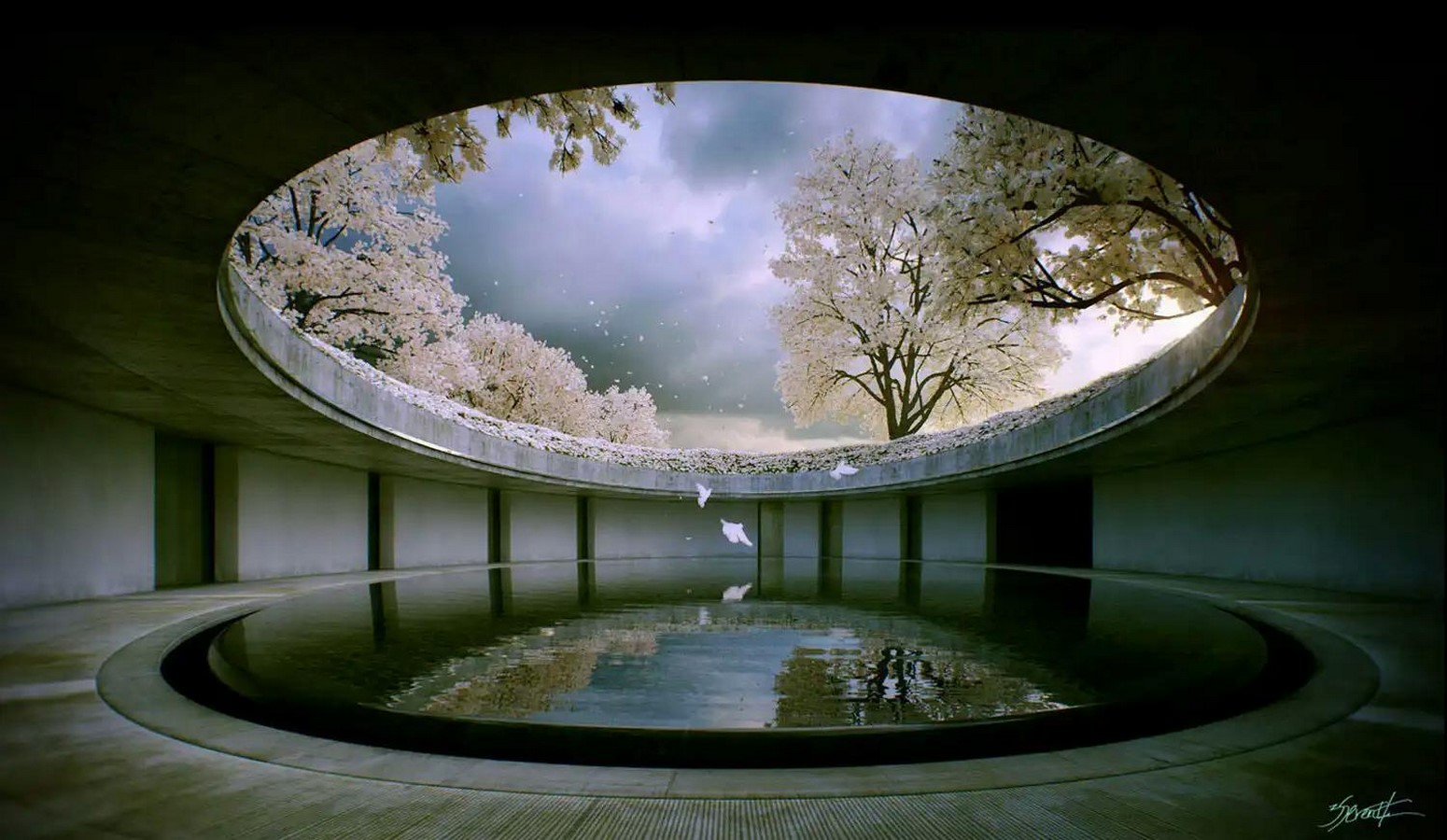
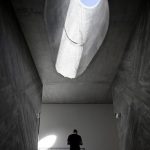
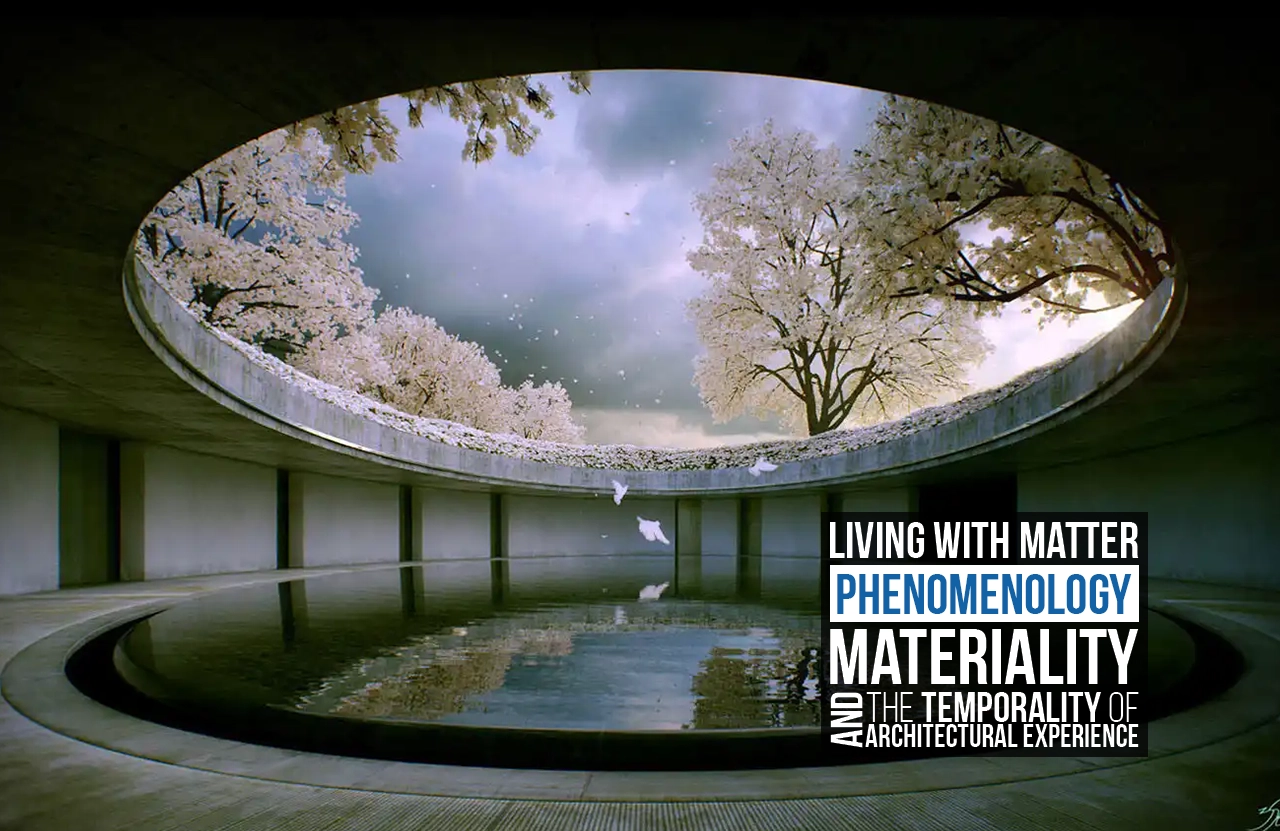
Building on this sensory foundation, the “atmosphere” of a space refers to the initial emotional effect it has on the visitor, something intrinsically related to the tangible world. In an important statement made by architect Peter Zumthor, it was emphasized that the mixture of different types of materials produces a specific temperature. Rooms made of raw concrete are dark, quiet, and serious; rooms made of glass seem airy and vulnerable. This atmosphere is achieved consciously and depends entirely on the way the material works in tandem with light and shadow, establishing a particular mood without the need for analysis.
Materiality as Lived Experience
Expanding the discussion of atmosphere, the material aspect of architectural construction is not limited to the tangible aspect of the structure itself but rather to its perception, sensation, and experience. The approach of phenomenology redirects the focus of discussion away from the formal abstraction towards the actual lived experience of spatial reality, wherein the use of materials acts as a medium between the body and the surroundings. Materials such as stone, wood, glass, and concrete are not static; they have qualities of texture, temperature, and meaning that affect the way people interact with the built environment.
Construction as an Act of Materiality
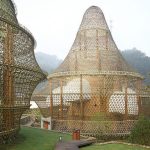
Construction is an engagement with the hardness of the material, and the truth of such materiality gives integrity to architecture. The phenomenological approach to architecture emphasizes the “truth” of materials—letting wood be wood and stone be stone. Construction that allows the user to know the process of construction, such as through showing the joinery or masonry, makes the observer aware of the reason behind the existence of that construction. The observer develops an appreciation for nature because he or she is able to see that the walls around him/her come from the earth.
Materiality and the Sensory Body
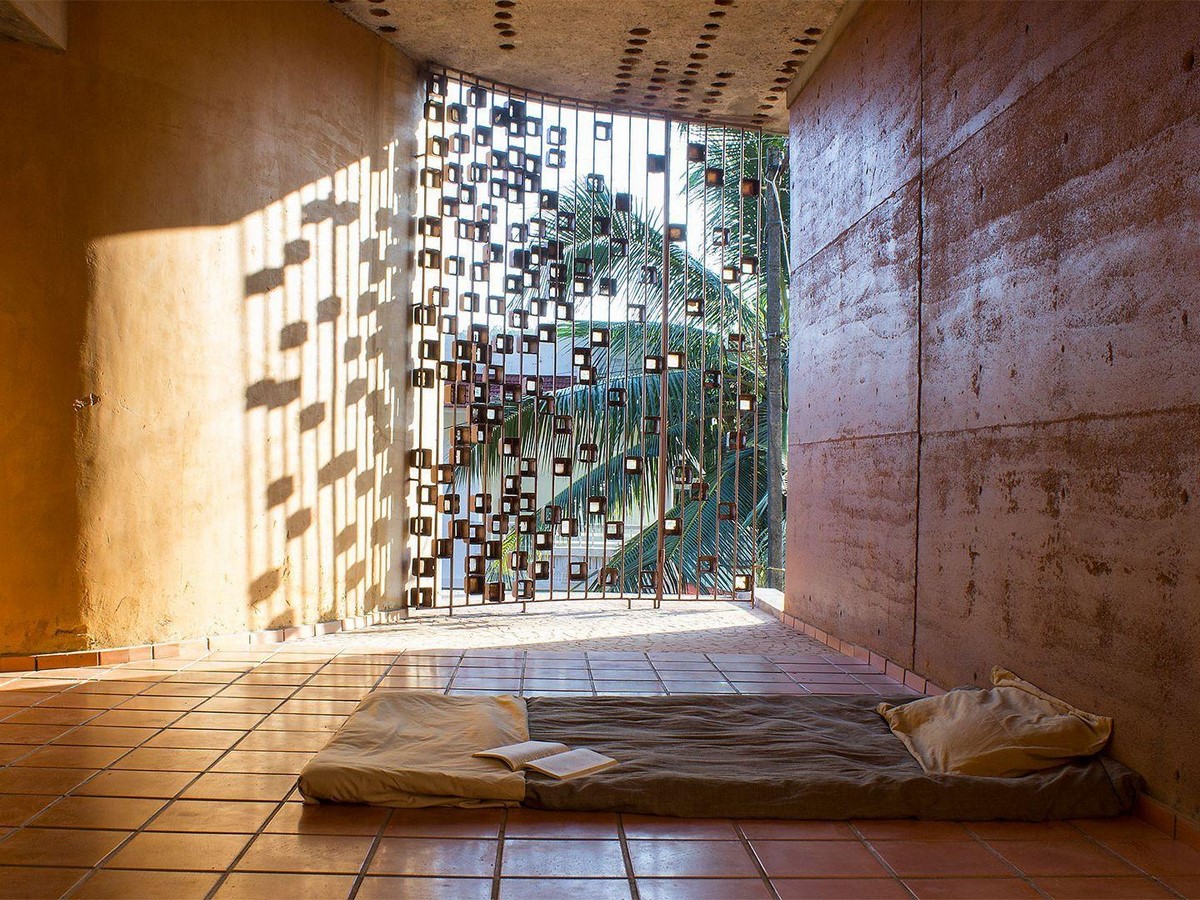
Phenomenology focuses on the body as the point of origin for architecture, emphasizing the role of the material world in perception. The skin is stimulated by surfaces, eyes detect textures through lighting, and sounds react to density and forms. The tactile sensation of touching a wall made of bricks feels solid and down-to-earth, while a smooth marble wall symbolizes elegance and coldness. In essence, all these stimuli form spatial stories that dictate physical movements and emotional expressions.
Environmental Resonance and Materiality
Phenomenology in the modern world will have to confront the ecological impact of materiality in the face of global warming. The selection of material can no longer be seen only from an aesthetic or sensory perspective but has to be an ethical one as well. Sustainability materialism looks into the “embodied energy” in materials and how they can go back to nature. By opting for biomaterials such as hempcrete or recycled timber, the architect establishes a metabolism of the building with the biosphere.
Light as a Catalyst for Materiality
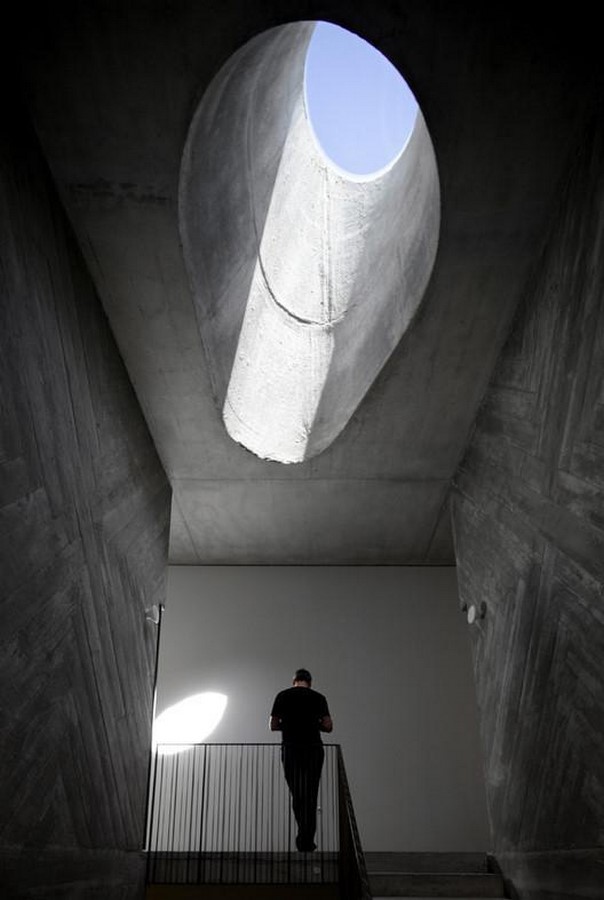
Light is the element through which the subtle details of materiality come alive, varying depending on the time of day. While a wall of roughly cut stones may appear dull in the bright midday sunlight, at “golden hour,” when light slants at a lower angle, the wall becomes a terrain with hills and valleys. This temporal change brings us to the understanding that the experience of architecture is not fixed; rather, it is always in motion. Architects control light to turn bulky materials light and airy, and vice versa.
The Temporality of Materiality
Buildings are not fixed; rather, they are part of time itself and are shown to be so by the deterioration of their materials. The deterioration of plastic or manmade materials is not the same as the graceful deterioration of natural materials such as copper, brick, and wood, which have a patina. This concept of deterioration can take us from our own life span to geologic time and beyond. When we look at the impression left by years of footsteps on a stone doorway, we are looking at a history made physical in the architecture.
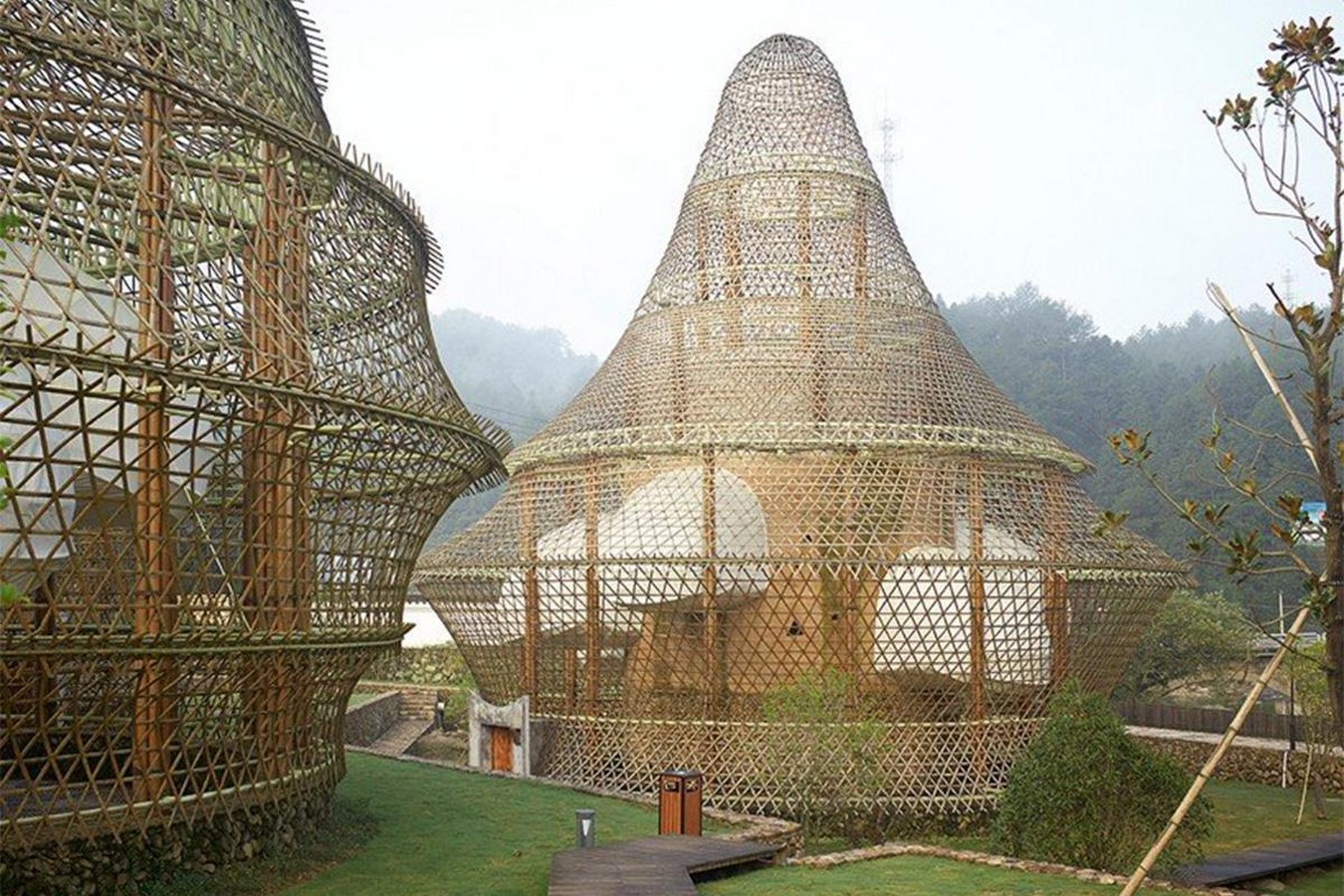
In summary, the act of dwelling in the world involves presence through the prism of matter. The architecture sets the scene on which the human drama unfolds, and matter acts as the unseen players in this drama. Through a phenomenological perspective, we transcend the notion that architecture is simply a shelter or a means of monetary gain. Rather, we see it as an extension of our body—a temporal, tactile, and integral part of the material universe.
Materiality constitutes the continuum of architectural experience where perception, memory, and time intersect. Through materiality, architecture speaks, develops, and persists. The phenomenological approach allows us to consider buildings not as static entities but as living environments whose interaction with their occupants can be examined. Co-habitation with materials presupposes recognition of the dynamic nature of these environments and the realization that architecture takes place at the level of each individual moment and according to circumstances.