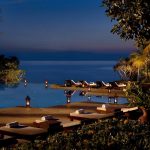
When we think of luxury resorts, the first images that come to mind are often visual, endless pools merging with the horizon, soft linen drapes, and perfectly framed views. But if you really think about it, what stays with us long after we leave is not just what we saw, but what we felt. The quiet calm of a space, the way a place slowed you down, or even how a certain corner made you pause for no reason at all.
This is where the true beauty of luxury resorts lies, not in grand gestures, but in the smallest, most thoughtful details. Especially in how music, mood, and spatial design come together almost invisibly to shape our experience.
Designing Beyond What We See
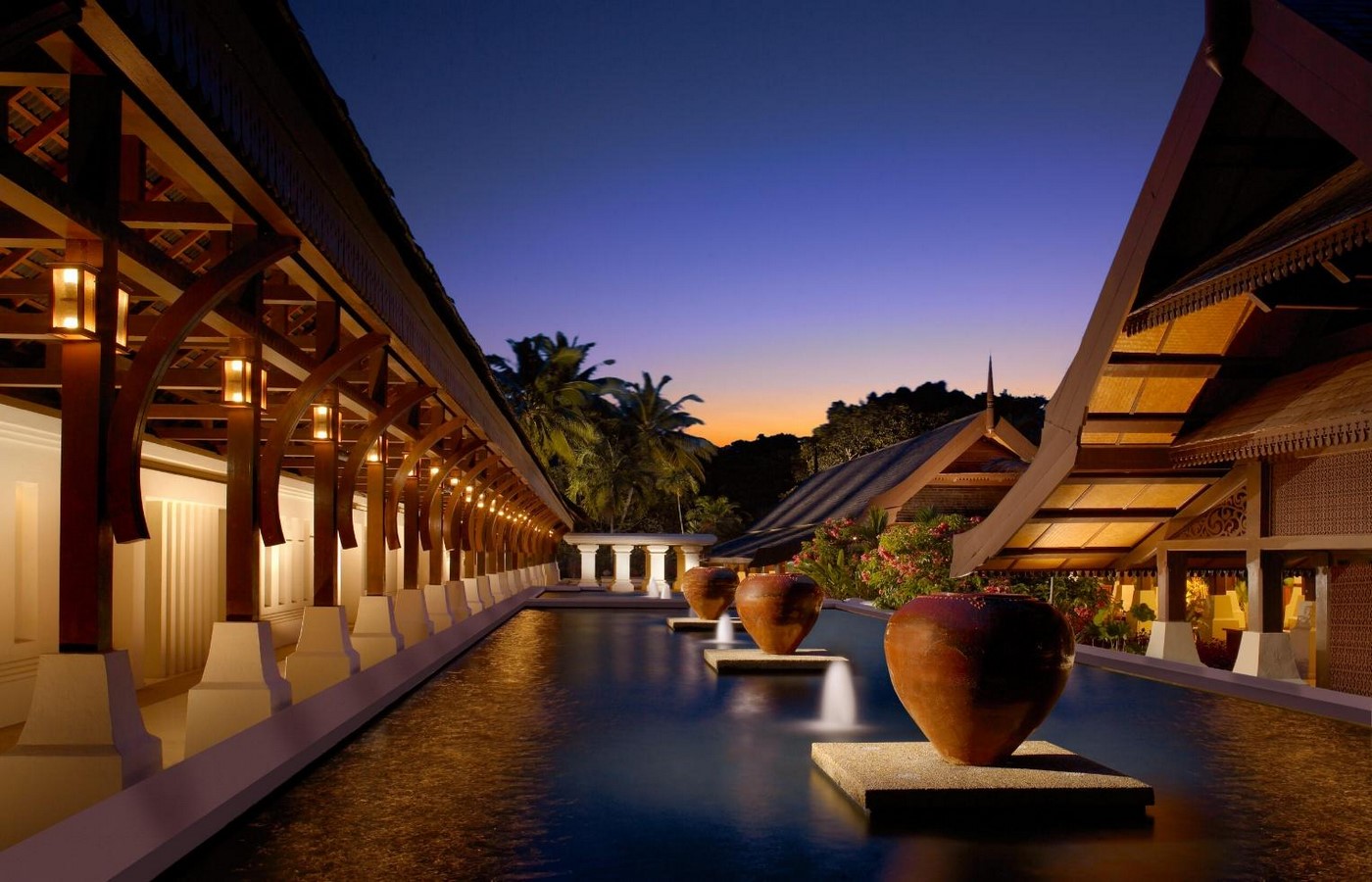
Luxury resorts today are not just about creating beautiful spaces; they are about creating experiences. We are not just entering a building, we are stepping into a carefully designed journey. Every movement through a resort is intentional. The transition from a bright, open entrance to a shaded, intimate corridor; the way a pathway slowly reveals a view; the pause before entering a private villa. These are not accidents. They are designed moments.
This concept of spatial choreography is akin to storytelling through architecture. Just like in music, where rhythm and pauses matter as much as the notes themselves, spaces are arranged to create a flow, sometimes open and expansive, sometimes quiet and introspective.
From an architectural perspective, this experience is achieved through careful planning strategies. Spatial hierarchy plays a key role, where public areas such as lobbies and lounges are positioned along primary circulation axes, while private zones like villas are placed deeper within the site. Transitions are softened using buffer spaces such as courtyards, corridors, or landscape pockets. Material detailing also contributes to this experience, harder materials in public zones gradually shift to softer, warmer textures in private spaces. These design decisions are not just aesthetic but functional, guiding both movement and emotional response.
Music: The Invisible Layer of Design
One of the most powerful elements in this experience is something we often don’t consciously notice- music. It doesn’t demand attention, but it quietly shapes how we feel in a space.
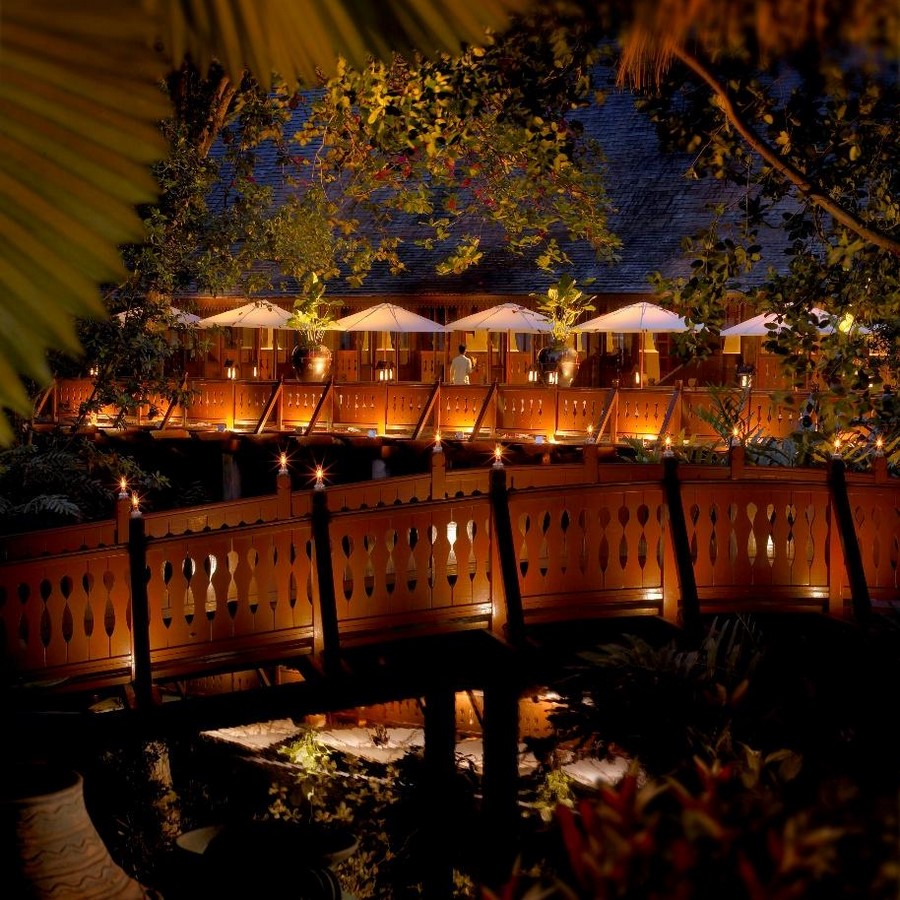
Think about walking into a resort lobby. Soft instrumental music in the background immediately creates a sense of calm and arrival. It slows us down. It tells us, without saying anything that we can relax now. Move towards a café or lounge, and the energy shifts slightly. The music becomes a little livelier, encouraging conversation and interaction. Then, in spaces like spas or private decks, it almost disappears into ambient sounds: wind, water, or soft tonal music that blends into the environment.
What’s interesting is that music is never random in these spaces. It is carefully chosen to match the resort’s identity and its surroundings. A beach resort might subtly echo the rhythm of waves, while a mountain retreat may feel quieter, more grounded, and almost minimal.
Mood as Something You Can Design
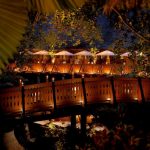
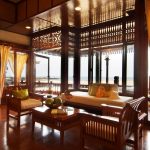
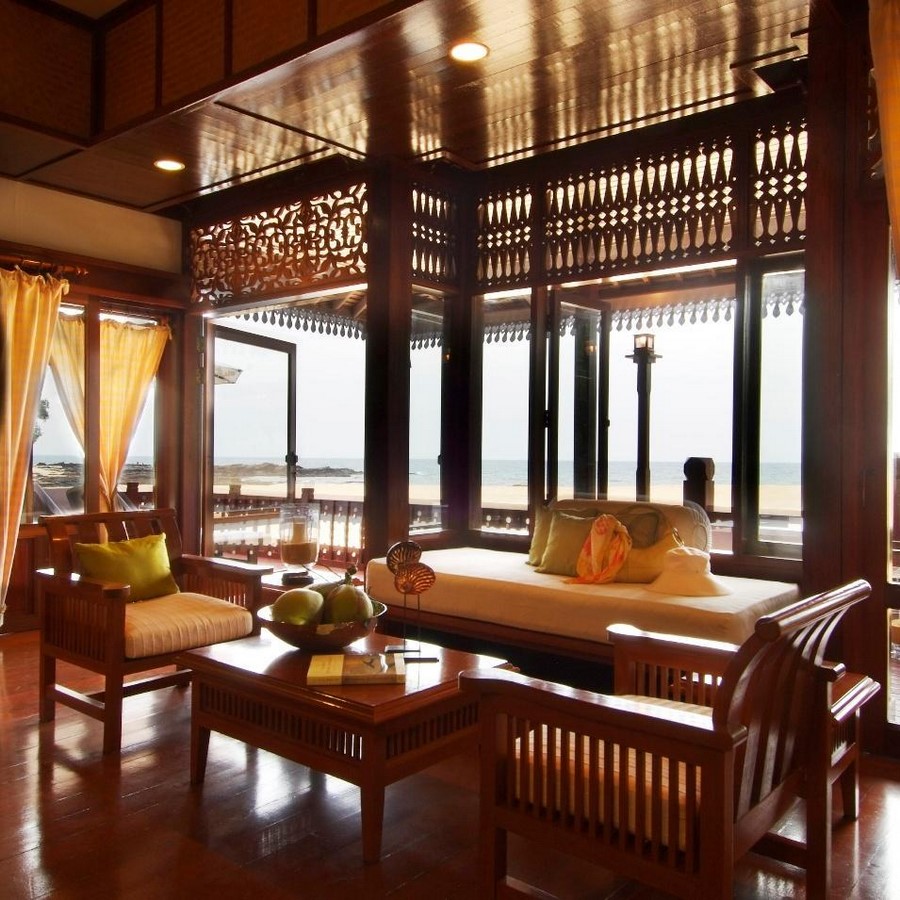
Mood might feel abstract, but in architecture, especially in luxury resorts, it is very much designed. It comes from layering multiple sensory elements together. Light, material, sound, temperature, and even smell. For example, warm lighting in the evening creates a completely different feeling from bright daylight. It makes spaces feel more intimate, more personal. Natural materials like wood and stone add a certain softness and comfort that polished surfaces often don’t.
Now, when music is layered into this, the effect becomes stronger. A softly lit walkway with gentle background music doesn’t just guide you physically, it sets an emotional tone. We slow down without realising it.This consistency between elements is what makes a space feel effortless. Nothing feels out of place, even though everything is actually very intentional.
Moving Through Space: A Designed Journey
A well-designed luxury resort is experienced like a sequence, not a single moment.
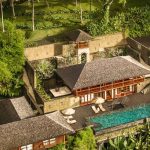
This idea becomes clearer in projects like COMO Shambhala Estate, where circulation is designed as a gradual journey through dense natural landscape. Pathways are rarely direct; instead, they curve and descend, revealing spaces in layers. This controlled sequencing creates a rhythm of movement, where guests experience moments of pause, anticipation, and release as they move from one space to another.
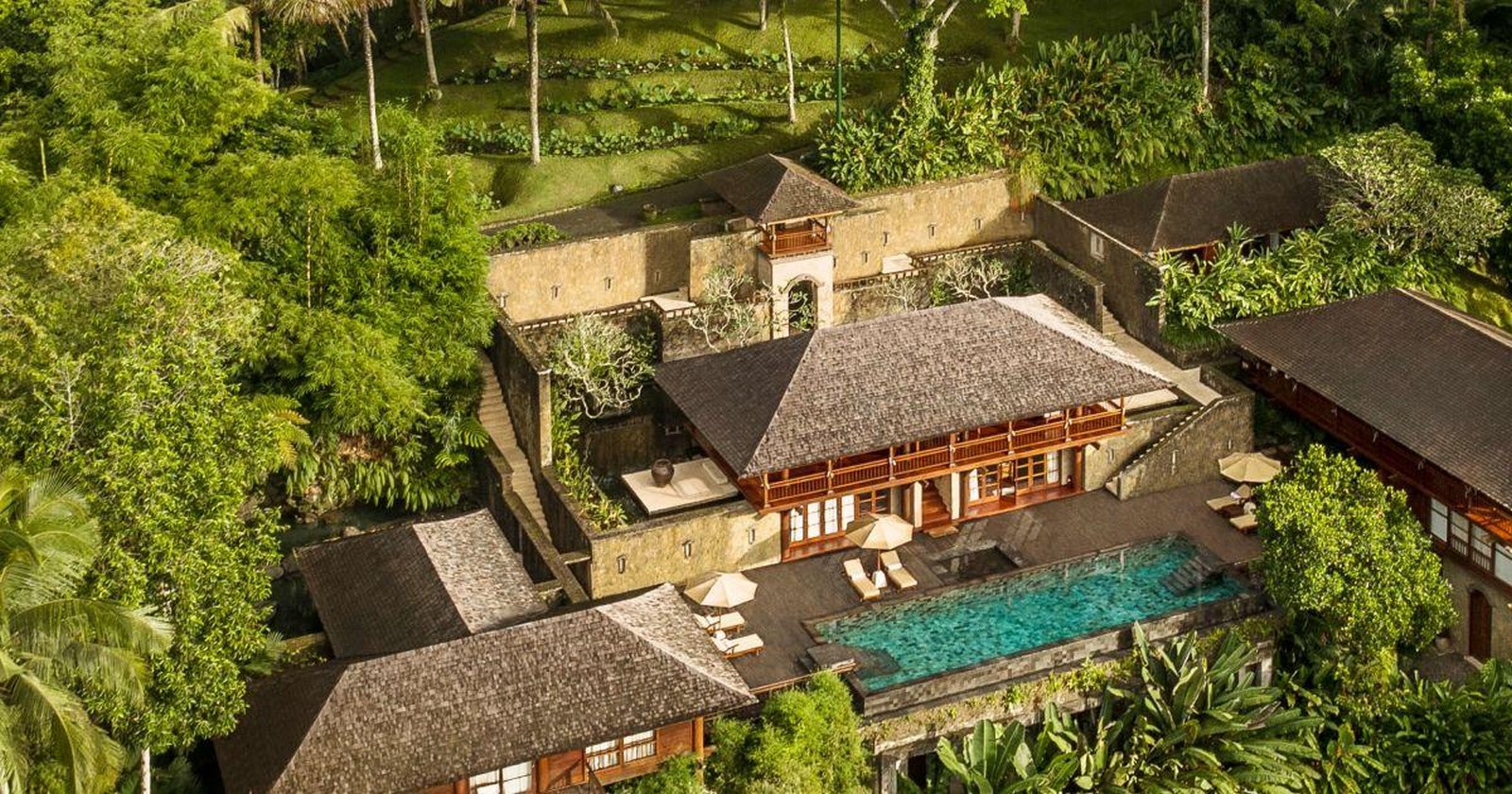
The arrival is often dramatic, but not overwhelming. It builds anticipation. We don’t see everything at once, and that’s the point.
As we move further in, the spaces begin to unfold. Pathways, courtyards, and corridors are not just connectors; they are experiences in themselves. The crunch of gravel under our feet, filtered light through trees, distant sounds of water or music, all of it adds to the journey.
And then comes the shift. From public to private. From shared spaces to personal ones.
The Room or villa feels quieter, slower. Even here, the experience continues. The ability to control music, lighting, or even the openness of the space gives a sense of comfort that feels personal, not generic.
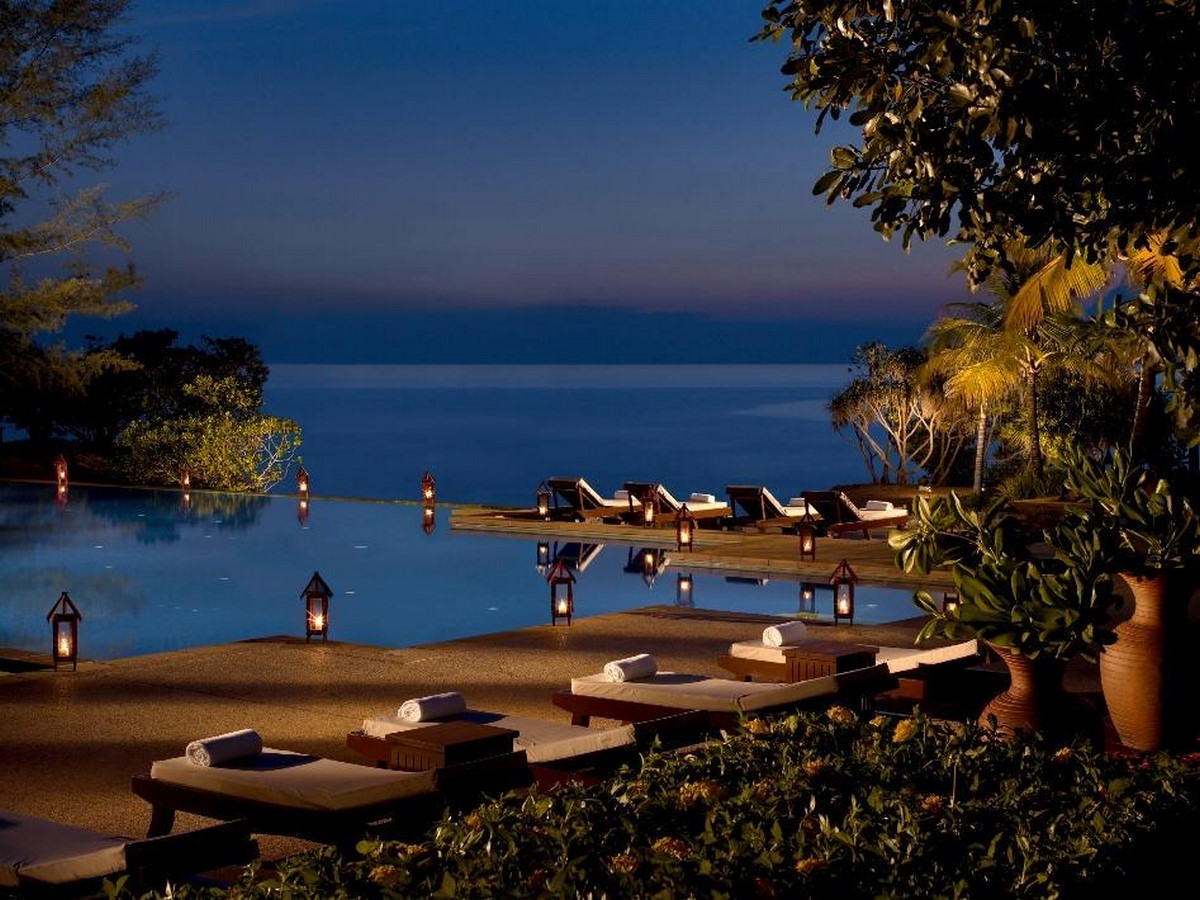
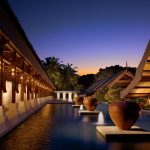
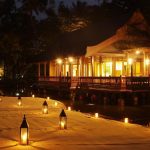
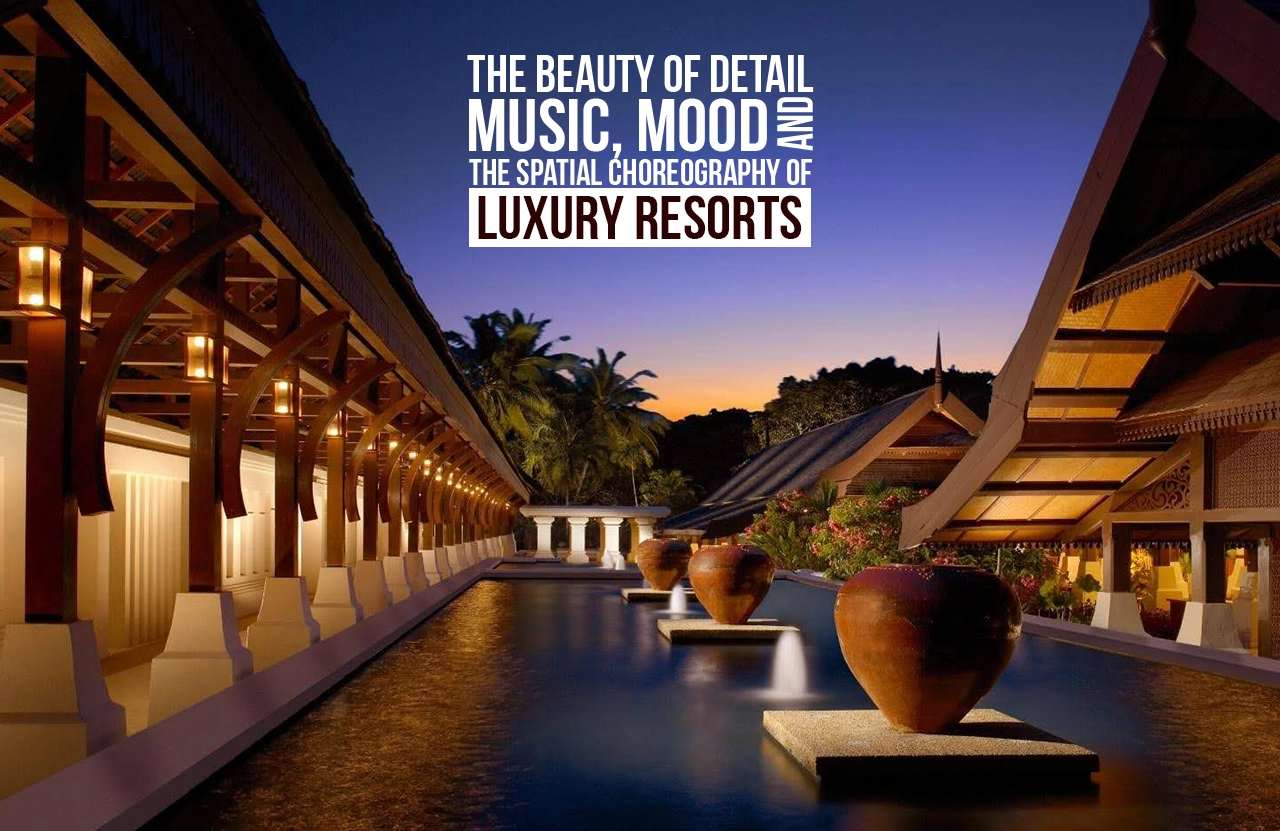
One clear example of this spatial choreography can be seen in resorts like Tanjong Jara Resort in Malaysia. The planning follows a linear yet layered movement system, where arrival spaces are open and welcoming, gradually transitioning into semi-private courtyards and finally into highly private villa zones. Pathways are not direct; instead, they are slightly offset to reveal views progressively, creating a sense of anticipation. Sound also plays a role here—public areas have subtle ambient music, while private zones rely more on natural sounds like wind and water. This shift in sensory experience reinforces the transition from social to personal space.
Context, Culture, and a Sense of Place
What makes a luxury resort truly memorable is not just how it feels, but how deeply it connects to where it is. Music plays a subtle but important role in this. Incorporating local sounds, traditional instruments, or even regional rhythms adds a layer of authenticity. It prevents the space from feeling like it could exist anywhere.
When architecture, landscape, and sound all respond to the local context, the experience becomes richer. We are not just staying in a resort, we are experiencing a place.
The Beauty of Silence
Interestingly, not everything is about adding more. Some of the most powerful moments in luxury resorts come from silence. Spaces where there is no background music, no distractions, just natural sounds. Wind moving through trees, water flowing, birds in the distance.
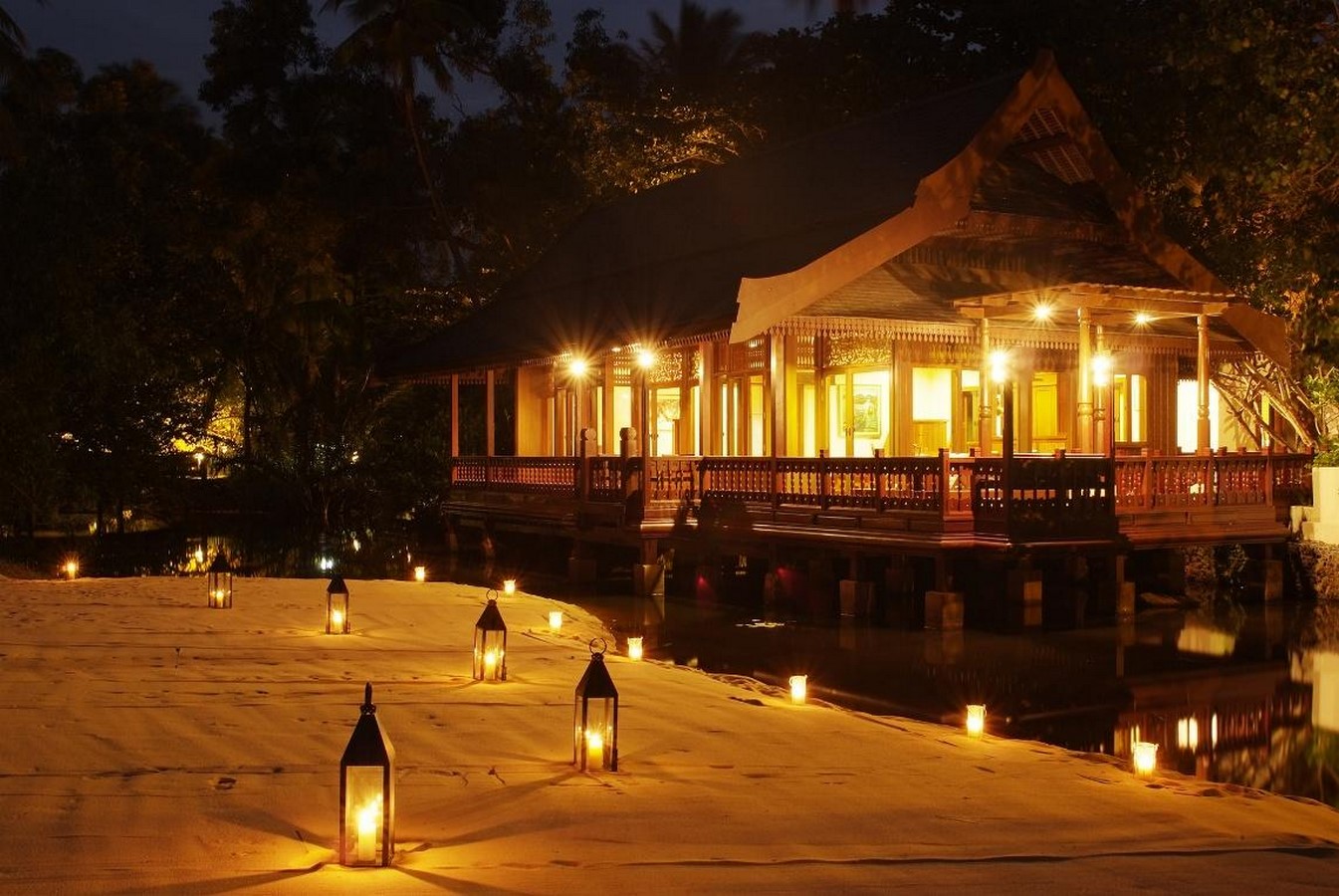
These pauses are important. They give balance to the overall experience. Just like in music, silence makes everything else more meaningful. In a way, silence itself becomes a form of luxury: something rare and deeply calming.
Personalization and the Modern Guest
Today, luxury is becoming more personal than ever. Guests don’t just want beautiful spaces; they want spaces that respond to them. Technology has made this possible in subtle ways. Being able to adjust lighting, play your own music, or set the mood of a room changes the experience completely. It shifts the space from being designed for everyone to feeling designed just for you.
And often, it’s these small details that leave the strongest impression. This is further reinforced through clearly defined circulation patterns that separate guest movement from service access, ensuring both privacy and efficiency.
Why These Details Matter
At the end of the day, people rarely remember the exact dimensions of a room or the materials used in a wall. What they remember is how a place made them feel.
The calm of a quiet morning.
The warmth of a softly lit evening.
The feeling of being completely present, even if just for a moment.
These are not accidental experiences. They are designed through music, mood, and spatial choreography working together.
The Luxury We Don’t See
The beauty of luxury resorts lies in what is not immediately visible. It is in the way spaces flow into each other, the way sound shapes emotion, and the way every detail, no matter how small, contributes to a larger experience.
Good design is seen. But great design is felt.
And in luxury resorts, it is this invisible layer of design: the quiet coordination of music, mood, and space that transforms a stay into something truly memorable.
References:
https://www.watg.com/project/tanjong-jara-resort-kuala-terengganu-malaysia/