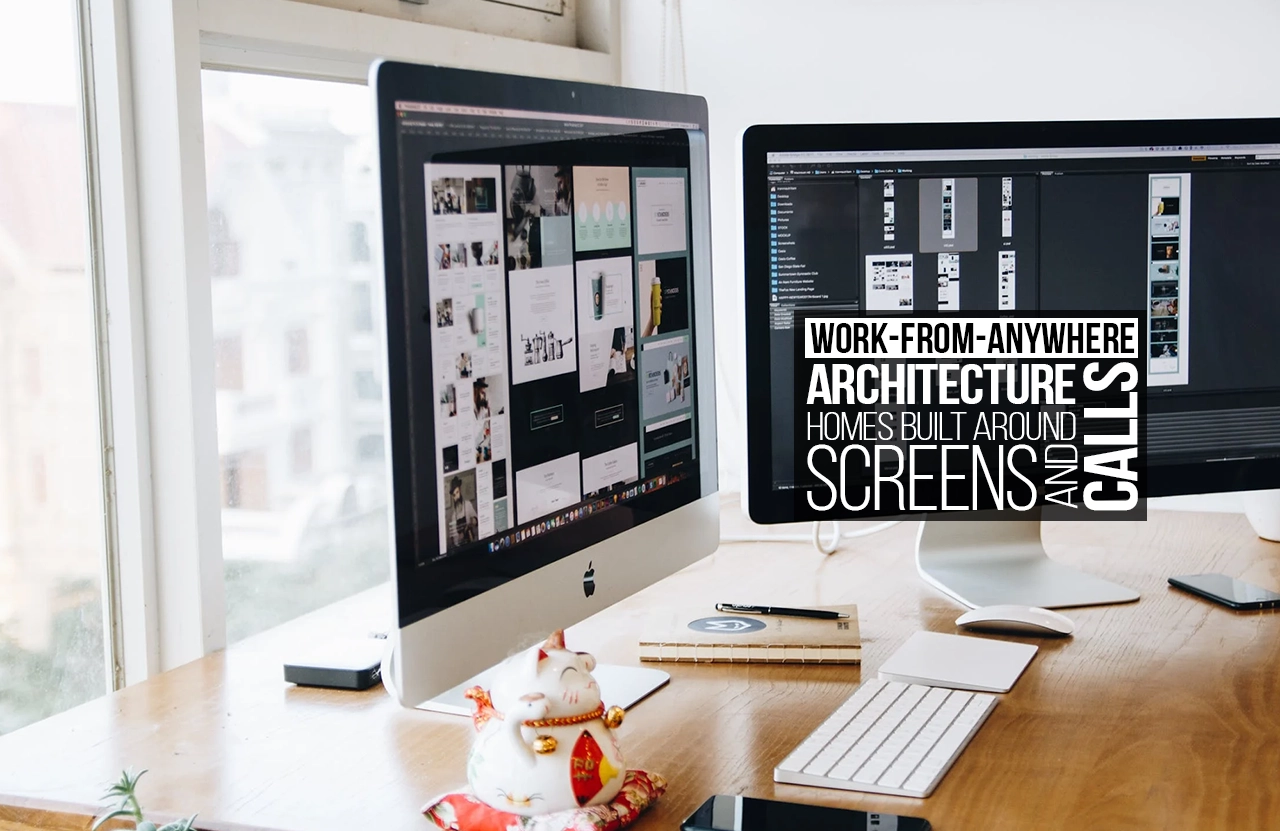
Most of us have spent the last few years, especially since COVID, creating an environment to ensure that we look professional on camera while working from home. For most of us, working from home was a completely absurd and bizarre experience. We started from sitting on a kitchen stool, strategically angling the laptop to hide a pile of laundry or a sink full of dishes. We’ve all lived through that frantic moment of diving for the mute button as the doorbell rings or a pressure cooker whistles in the background. In recent times, as the world moves from temporary remote work to a permanent “Work-From-Anywhere” era, architects are also buckling up and moving past these makeshift hacks.

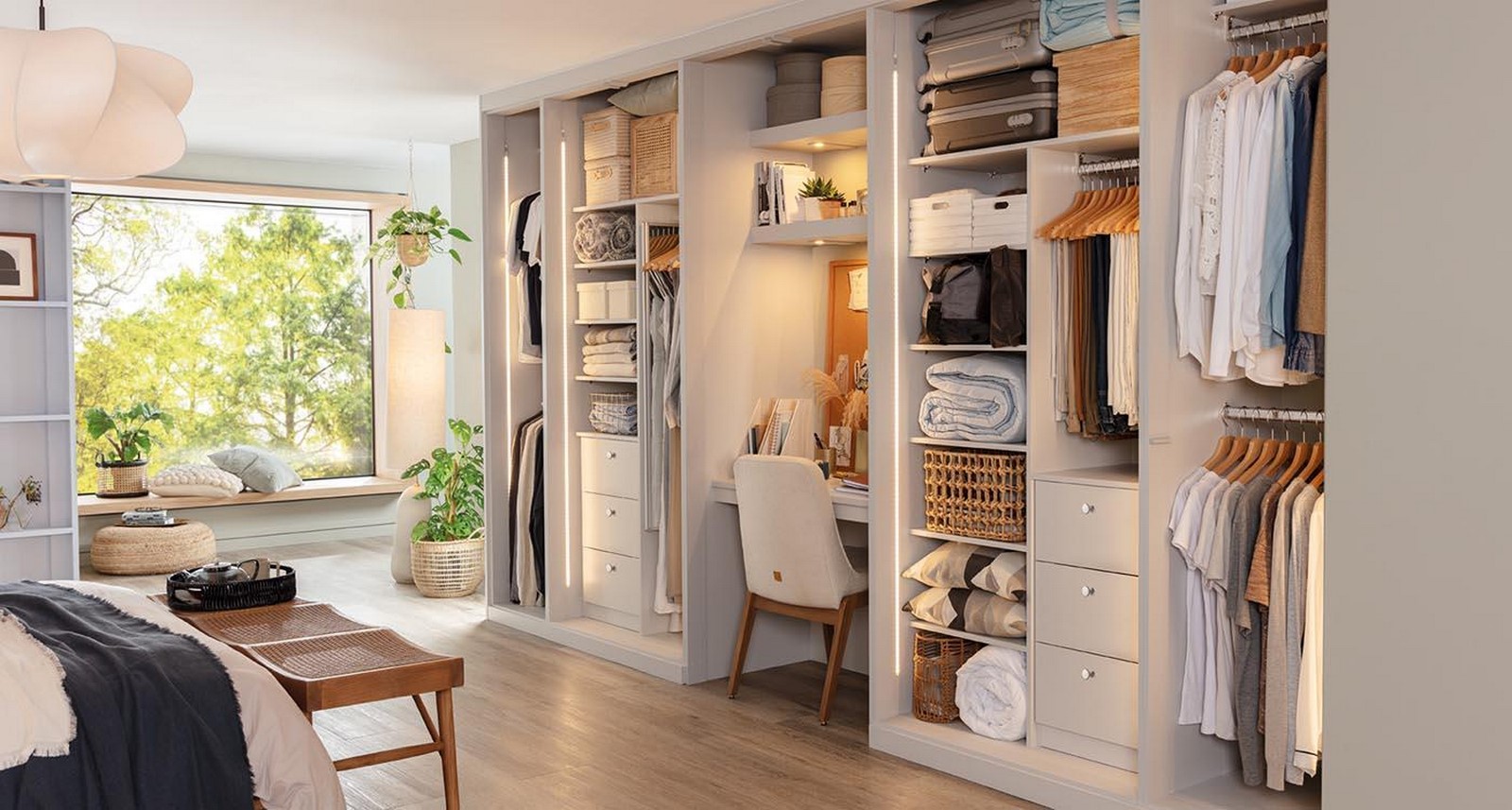
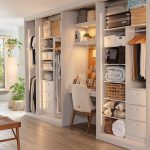
The Initial days of “cloffice” (a compact office created by transforming a closet or unused space into a fully functional home office) are officially over. In its place, designers and architects are trying to develop new residential spaces that will help us transform our homes into smart homes. We are witnessing a historic pivot where the homes are no longer a private space to relax or socialize, but a high-fidelity office or broadcast studio and data centre. As high-speed connectivity replaces the traditional fireplace as the centre of the home, the value of modern architecture is being redefined. It is no longer measured solely by square footage, but by its tectonic ability to silence a household, harvest cinematic light, and maintain a mission-critical connection to the global economy. In order to achieve this balance the design should assure to incorporate and support four major modes: Focus, Social, Recovery and Family.
Volumetric Strategy: The Architecture of Acoustics Separation
In 2026, remote working has evolved, replacing dusty corner bedroom space, along with an awkwardly positioned desk used as a workspace, with a highly functional workspace. As the boundary between professional and private life is dissolving, one can notice a growing requirement in the way a particular space, or for that matter, a house is designed. Lead to the birth of a new philosophy of Architecture of unified life.
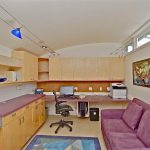
In the Work from Anywhere culture, the open plan layout, which was once a hallmark of modernism, is re-evaluated due to its acoustic failure. Volumetric separation of spaces has become a priority. Architects or Designers are largely designing dedicated spaces, rooms, or pods that are disassociated from the main living space. This is achieved by incorporating buffer zones such as walk in closets, bathrooms, or corridors, which not only provides privacy but, when positioned strategically, work as an airlock between social spaces and professional studios. In case of limitation of space, a designer or architect could easily create a design solution which allows seamless transition from work space to relaxation zones either by using a section of isolated space in a structure and incorporating built in future which can double as storage space when not in use. If one is using corner space of living room once can also incorporate sliding doors or partition to segregate professional and social without affecting the flow of space.
Natural Light: The Soft Box Envelope
The window in a screen-centric home is now a fundamental source of light rather than merely a view entrance. The architectural difficulty is regulating the sun light to provide a stable, high-quality atmosphere that avoids glare and harsh shadows.
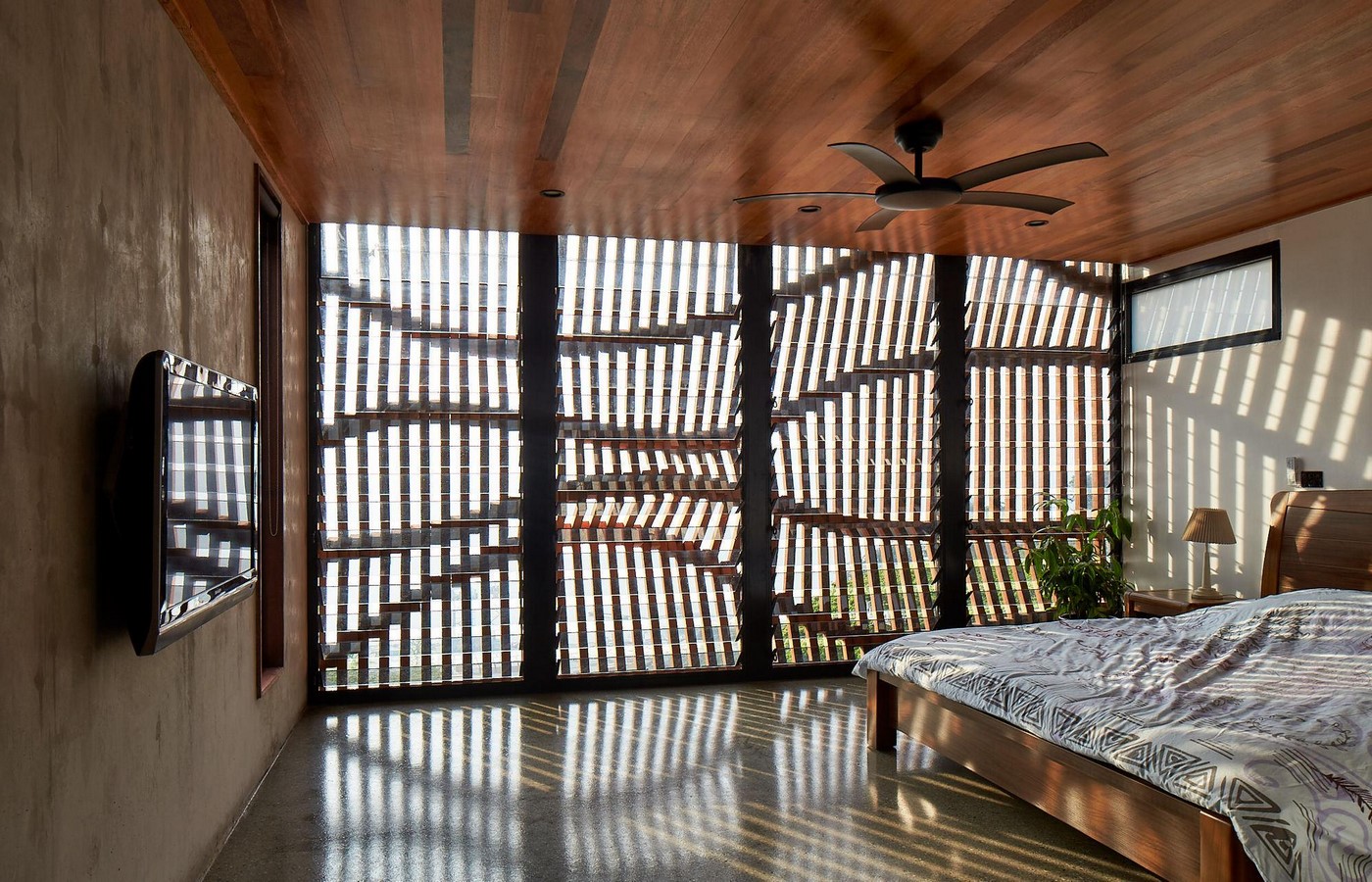
The desk should be positioned perpendicular to the main windows in order to produce soft side light that gives the face dimension, according to the basic tectonic law of perpendicular orientation. Architects are including light shelves, clerestory windows, and deep brise-soleil to accomplish this. As a structural “soft-box,” these components pre-filter direct sunlight and reflect it off the ceiling to produce a uniform, ambient illumination. Even to Natural light is always the most recommended option it is also necessary to incorporate artificial light system during darker hours of day. Task lighting, such as adjustable desk lamps, can help illuminate your workspace while reducing eye strain. Ambient lighting, such as ceiling lights or wall sconces, can also help to create a relaxing mood. Architects can offer lighting solutions that blend function and aesthetics, keeping your home office bright, pleasant, and productive at all times.
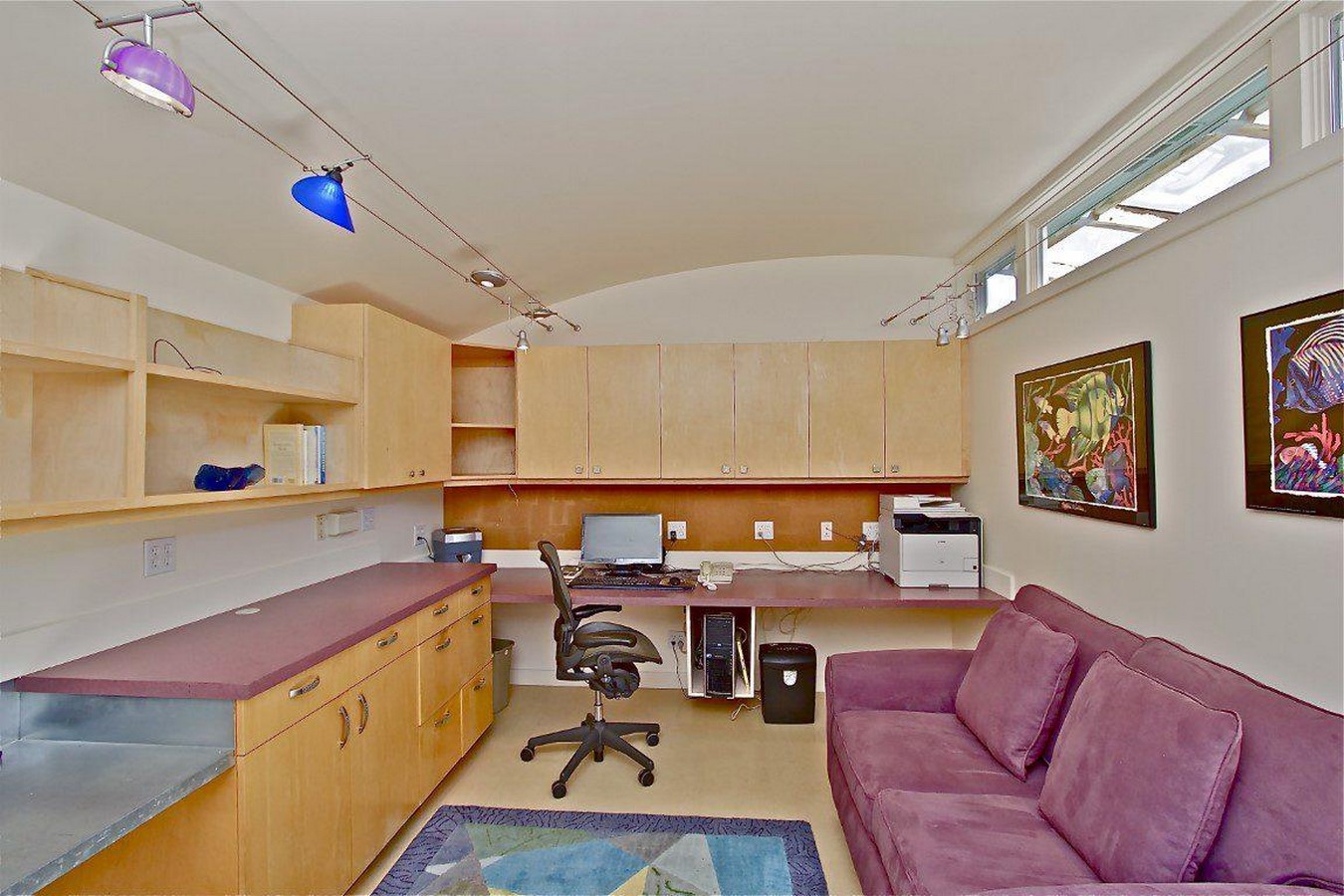
To enable deep-plan homes where the workplace may be located far from the perimeter, architects are incorporating internal glass atriums and light tubes. These features introduce balanced, vertical light into the heart of the home. For the professional, this provides a key “long-view” of the horizon or sky—a biophilic reset that allows the eyes to adjust their focal length from the 27-inch monitor to infinity, significantly lowering digital eye strain.
The current WFA envelope makes use of high-performance glass that favors “visible light transmittance” while inhibiting infrared heat. This enables the architect to design large glass surfaces for a bright, professional video feed without transforming the studio into a “greenhouse” that would necessitate noisy, disruptive cooling systems during calls.
Materiality: The Tectonics of the Digital Backdrop
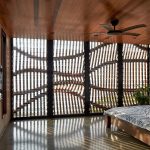
Material selection in the Studio Home is a careful blend of sound absorption and digital aesthetics. Architects are shifting from flat, white walls (which produce camera glare) to matte-finish clay plasters, repurposed timber slats, or acoustic felt panels. These materials have a Low Light Reflectance Value (LRV), so the camera’s focus remains on the speaker. They can use real depth (recessed niches or shadow-gap joinery) to produce visual layers that the camera lens can detect, preventing the “floating head” illusion.
Unlike hardwood desks, which act as heat insulators, modern WFA joinery features natural stone (such as granite or slate) or brushed aluminum insets. These materials function as natural heat sinks, transferring heat away from the laptop and allowing it to operate more silently.
The Invisible Skeleton: Infrastructure and Flow
Recessed channels placed into floors and walls enable a 10Gbps hardwired backbone to be transmitted silently to the desk. This results in a “zero-wire” appearance, with the electronics as discreet as the plumbing. Instead of a single static desk, the floor arrangement promotes micro-migration. The residence is constructed with a series of work “stations”: a standing perch for fast briefings, a deep focus pod for creative work, and an outdoor veranda station for phone conversations. This movement matches the natural rhythm of an office, which helps to reduce physical tiredness and cognitive stagnation.
Passive Thermal Displacement: To deal with heat radiated by workspace devices
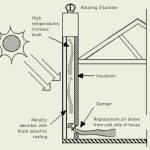
The laptop acts as a focused thermal engine in a high-performance setting, leading to high internal temperatures exceeding 90°C while rendering 4K video and making multi-screen chats. Modern architects must use Passive Thermal Displacement to avoid hardware throttling and user fatigue without the annoying “hum” of mechanical fans. This entails including “Tech Chimneys”—vertical exhaust pipes integrated into the wall joinery—that use the natural stack effect too continuously and silently suck hot air upward and out of the space.
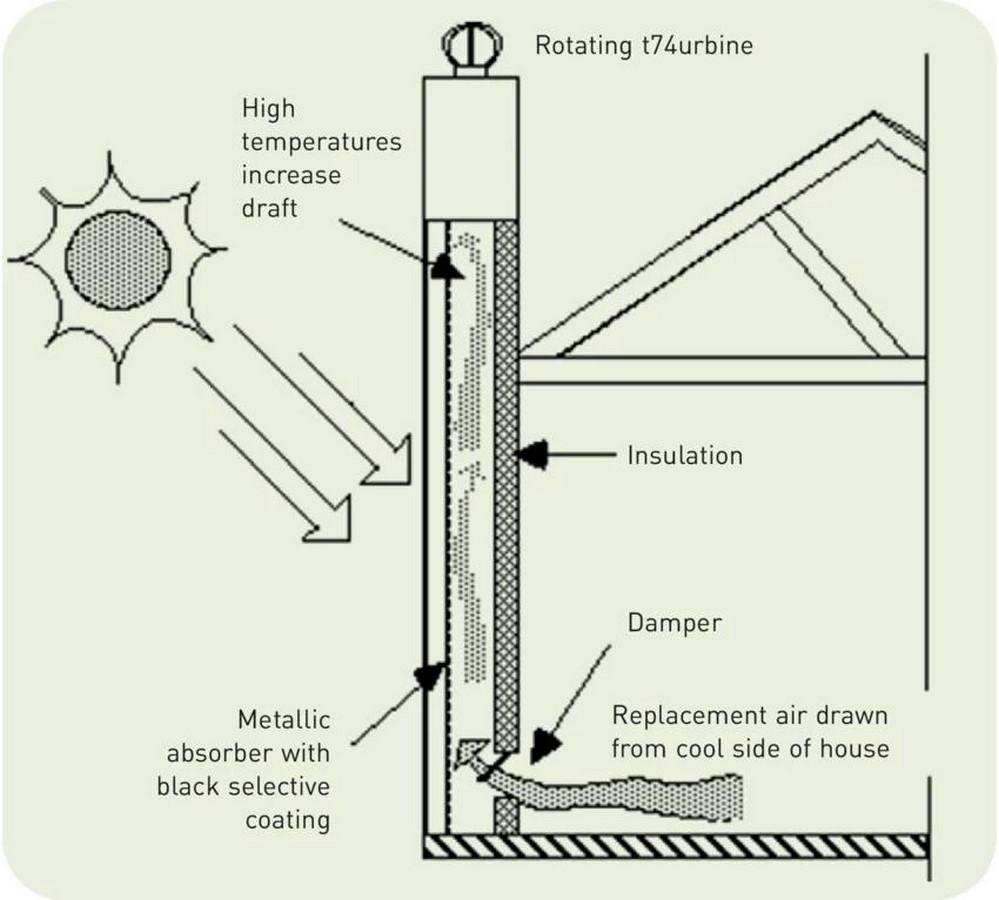
All this above factors and architectural addition helps us to improve quality of living and eventually help in achieving work and life balance irrespective of the fact were an individual is working from.
The future of residential architecture is no longer defined by the quantity of square feet but by the quality of its digital and acoustic integrity. The homes have now evolved into high-performance broadcast hubs. The traditional domestic design is now rewritten or reworked in order to incorporate dual identity. By giving priority to secluded independent space which acts as a focus sanctuary for working professionals, incorporating high-tech infrastructure and noise-free space, we are moving toward a reality where the home is not just a place where work is tolerated or a temporary arrangement, but a specialized zone which enhances professional growth and productivity, creating distraction free space just by making a few changes in design aspects.
In the end, “Work from anywhere Architecture” aims to preserve work-life balance by regaining the sacredness of the living area, which goes beyond simply improving video chats. These homes enable professionals to be totally present and engaged in their work during the day and feel completely “at home” once the screen is turned off by architecturally separating them from the demands of the digital world. Investing in this architecture is essential for both professional longevity and personal tranquility, guaranteeing that our personal havens are safeguarded as the world grows more interconnected.
Reference List:
admin (2025). Architecture for Remote Working: The Perfect Home Office – GRK Architecture. [online] GRK Architecture -. Available at: https://grka.co.uk/architecture-for-remote-working-the-perfect-home-office/ [Accessed 19 Apr. 2026].
Siddiqui, S. (2025). The Rise of Remote Work – Impact on residential architecture and home offices – DesignAsia Magazine. [online] Designasiamagazine.com. Available at: https://designasiamagazine.com/the-rise-of-remote-work-impact-on-residential-architecture-and-home-offices/ [Accessed 19 Apr. 2026].
archiverse27. (2025). Mastering Remote Work Architecture: How to Design a Soulful Sanctuary for Productive Hybrid Living – Archiverse27. [online] Available at: https://archiverse27.com/mastering-remote-work-architecture-how-to/ [Accessed 19 Apr. 2026].
Architectural Overflow, LLC. (2025). The Impact of Remote Work on Residential Architecture. [online] Available at: https://www.aollc.net/blog/architecture-unleashed-1/the-impact-of-remote-work-on-residential-architecture-59 [Accessed 19 Apr. 2026].
Stacey, S. (2023). Zoom rooms, Dutch doors show remote work changed how homes are built. [online] Business Insider. Available at: https://www.businessinsider.com/remote-work-from-home-jobs-house-interior-design-architects-2023-3 [Accessed 19 Apr. 2026].
Admin (2022). Is it Time to Create Your Own Work from Home Studio? [online] Granny Flat Solutions. Available at: https://grannyflatsolutions.com.au/is-it-time-to-create-your-own-work-from-home-studio/ [Accessed 19 Apr. 2026].
Abdurrofiq Nasrullah (2020). Creative Ways to Place a Comfortable Workspace in Your Living Room – HomesFornh. [online] HomesFornh | Create Your Beautiful Hommy. Available at: https://homesfornh.com/creative-ways-to-place-a-comfortable-workspace-in-your-living-room/ [Accessed 19 Apr. 2026].
Sharps (2026). Sharps Bedrooms. [online] Sharps. Available at: https://www.sharps.co.uk/maximise-your-space/clever-storage-solutions/cloffice-designs [Accessed 19 Apr. 2026].