Prologue: Narrative Spaces in Cinema
“Film is a dream, but in the dream you are wide awake” – Ingmar Bergman
Narrative space in cinema is the meticulously constructed, three-dimensional story world that grants a film its spatial intelligibility and internal logic. It is the vessel in which characters reside and move, functioning as an anchor that makes the fictional reality feel tangible and cohesive. By orchestrating the visual field through deliberate composition, rhythmic editing, and the physical arrangement of the environment, filmmakers bridge the gap between the immediate on-screen frame and the vast, implied off-screen world. This synthesis transforms a mere location into a psychic landscape, where the architecture and atmosphere are layered with emotional weight and symbolic meaning to deepen the narrative’s thematic resonance.
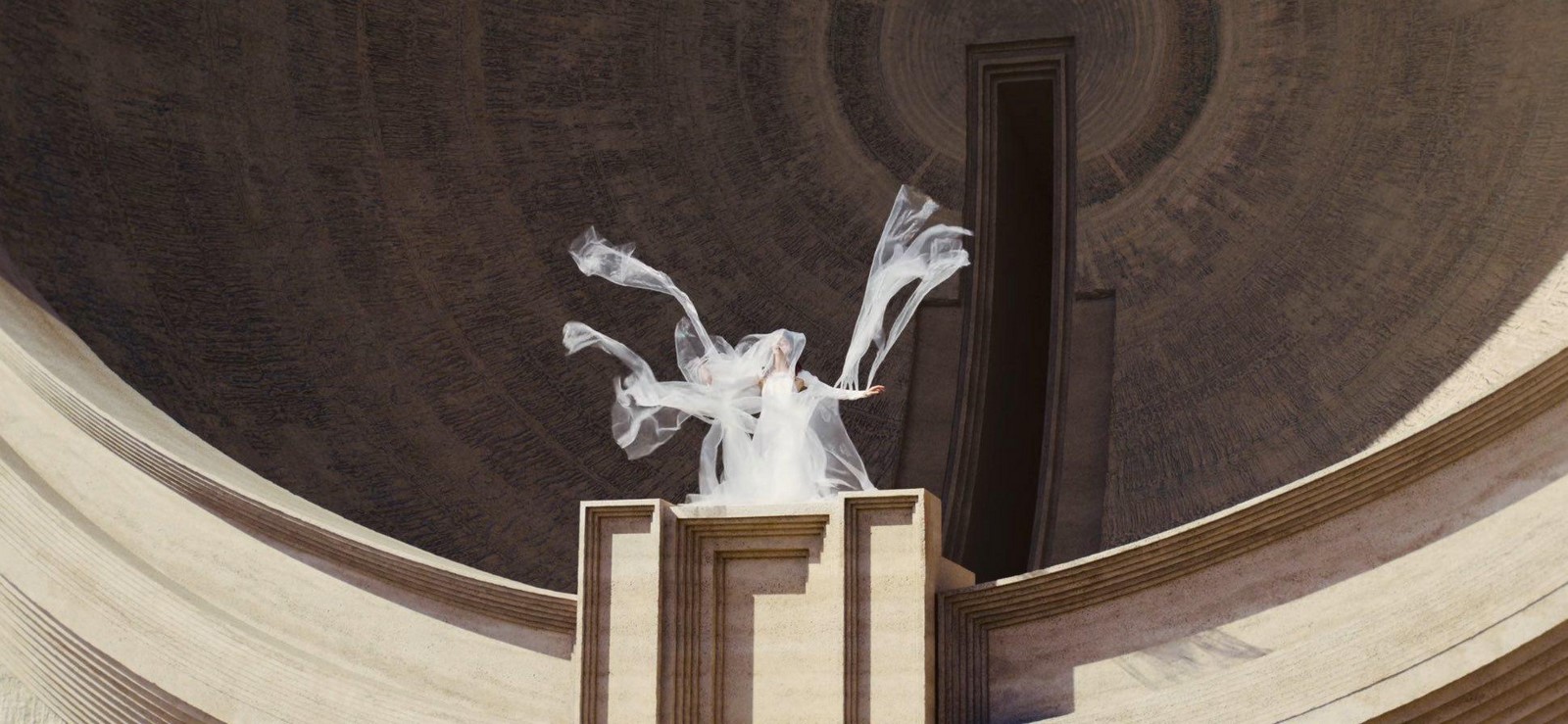
This process highlights the inextricable link between architecture and cinema. Both disciplines master the visual and physical worlds, magnifying light, depth, and surface to transform static environments into profound psychic images that resonate with the audience.
As Schöning notes from Cinematic architecture 1993-2008, the production of cinematic images is the “epitome of the physical construction of space,” where the past, present, and future entangle to blur the boundaries between the real and the imagined. This two-way relationship, where architects utilize cinematic movement and filmmakers employ architecture to convey atmospheric mythopoetic depths, reveals that there is no separation between place and event, or space and mind.
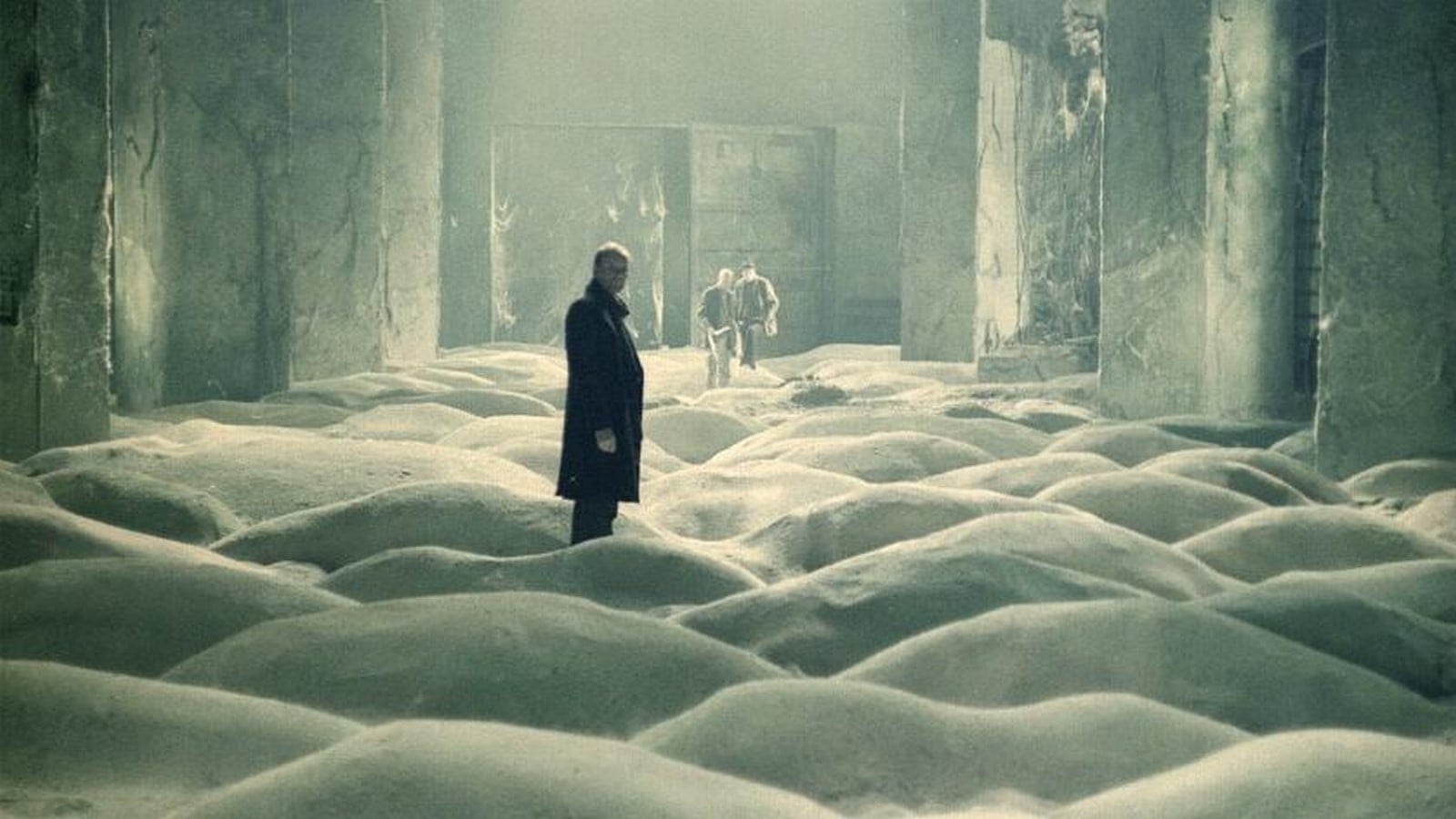
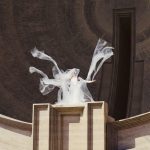
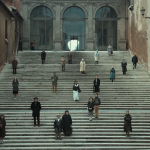
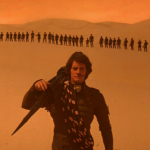
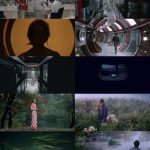
By adopting Pallasmaa’s view of the lived image, we can see how the camera captures the architectural spectacle through a variety of viewpoints and narratives. This exploration examines four distinct cinematic grammars, Tarkovsky’s decay, Ray’s domesticity, Lynch’s liminality, and Villeneuve’s brutalism, to demonstrate how these directors use the physical tools and assemblage of architecture to reveal previously undiscovered aspects of the human experience.
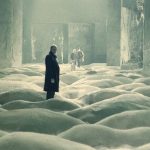
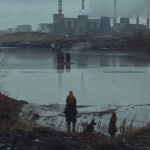
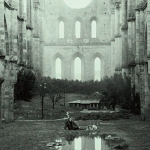
I. Andrei Tarkovsky: The Poetics of Decay
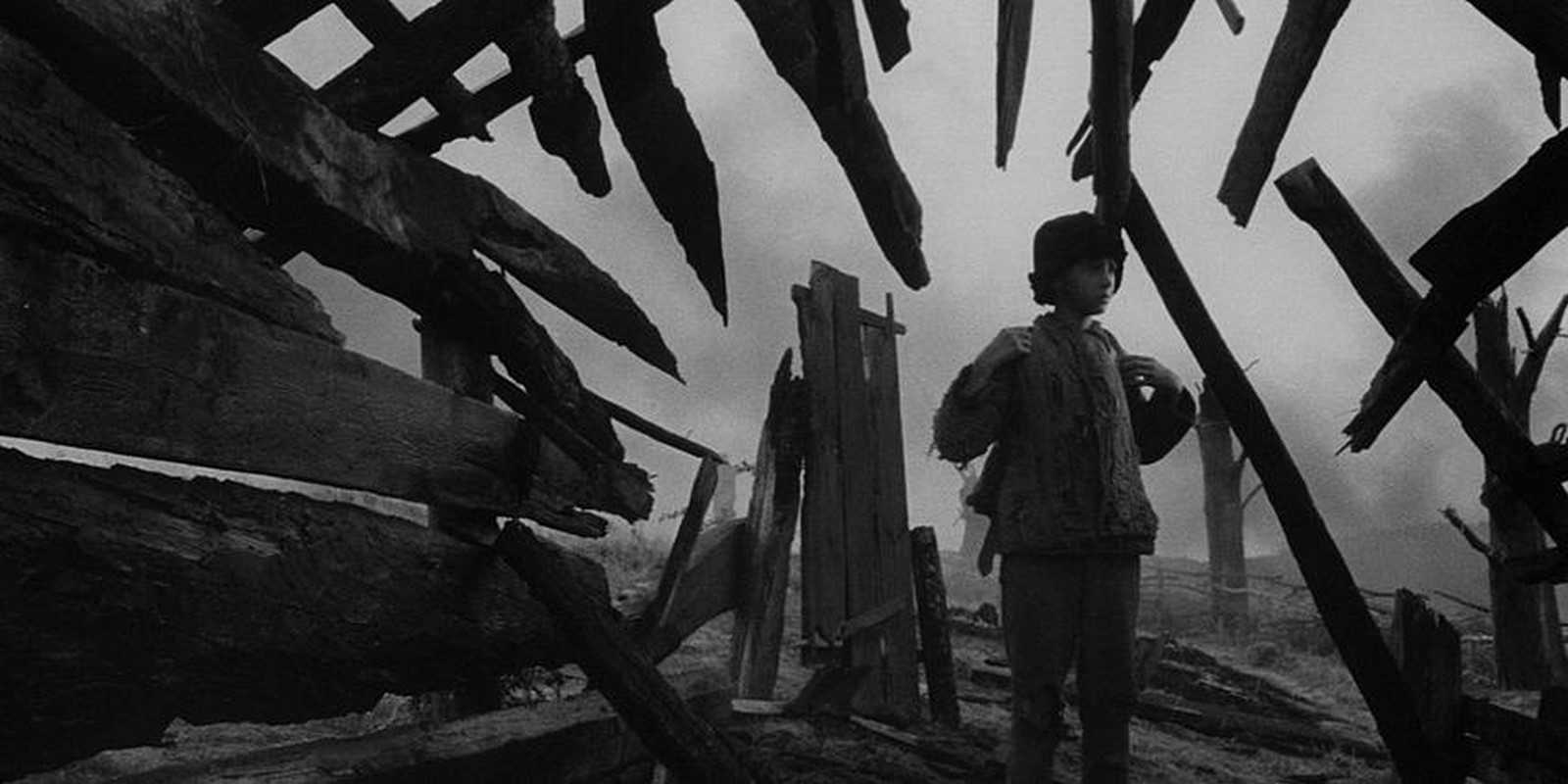
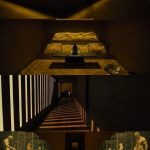
Andrei Tarkovsky’s poetics of decay serves as a visual bridge between the crumbling physical world and the enduring human spirit, transforming scenes of ruin into profound spiritual landscapes. Rather than viewing disintegration as a sign of terminal end, Tarkovsky utilized textures of damp walls, rusted metal, and moss-covered ruins to “sculpt in time,” making the invisible weight of history and memory tangible for the viewer.
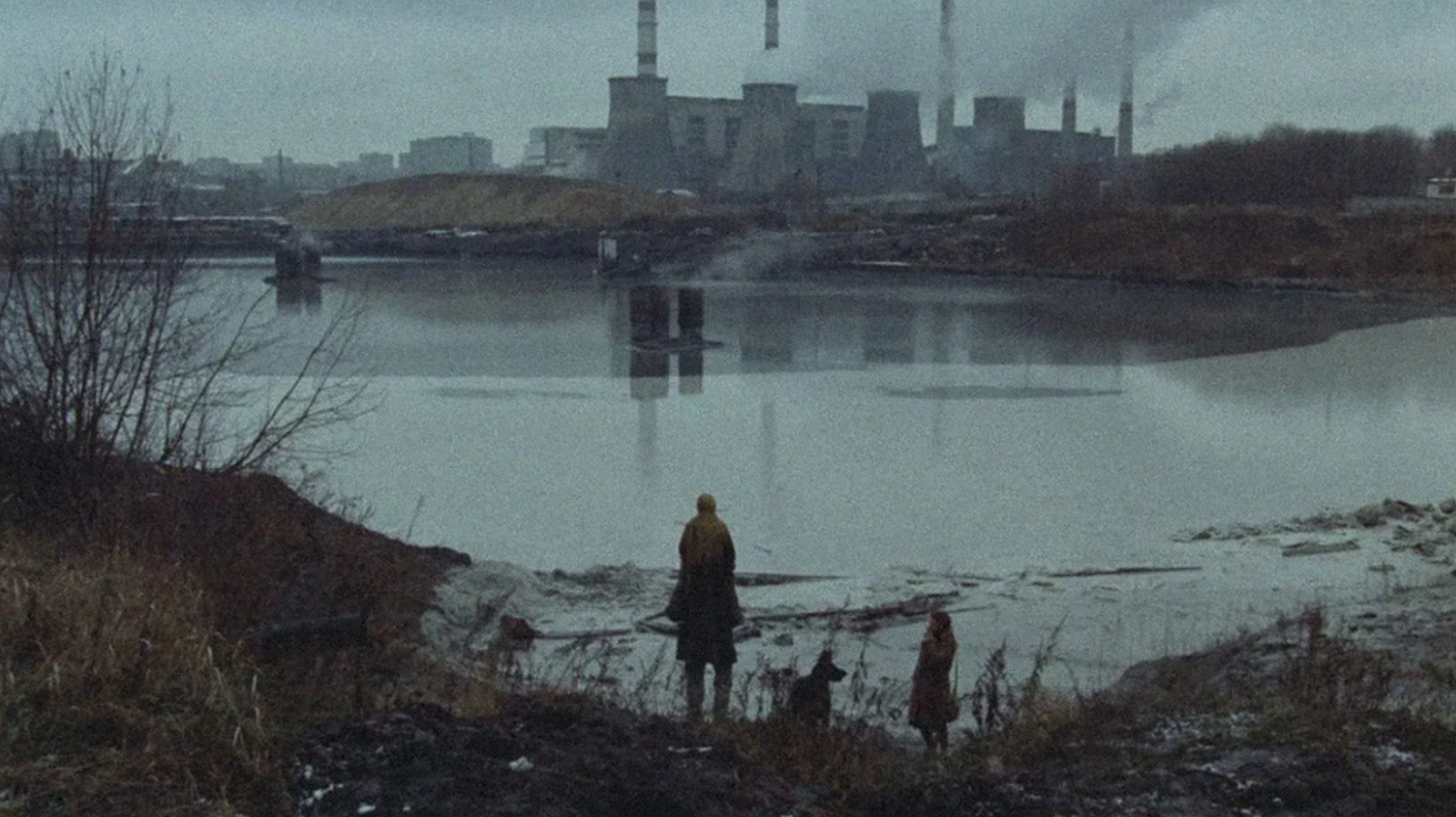
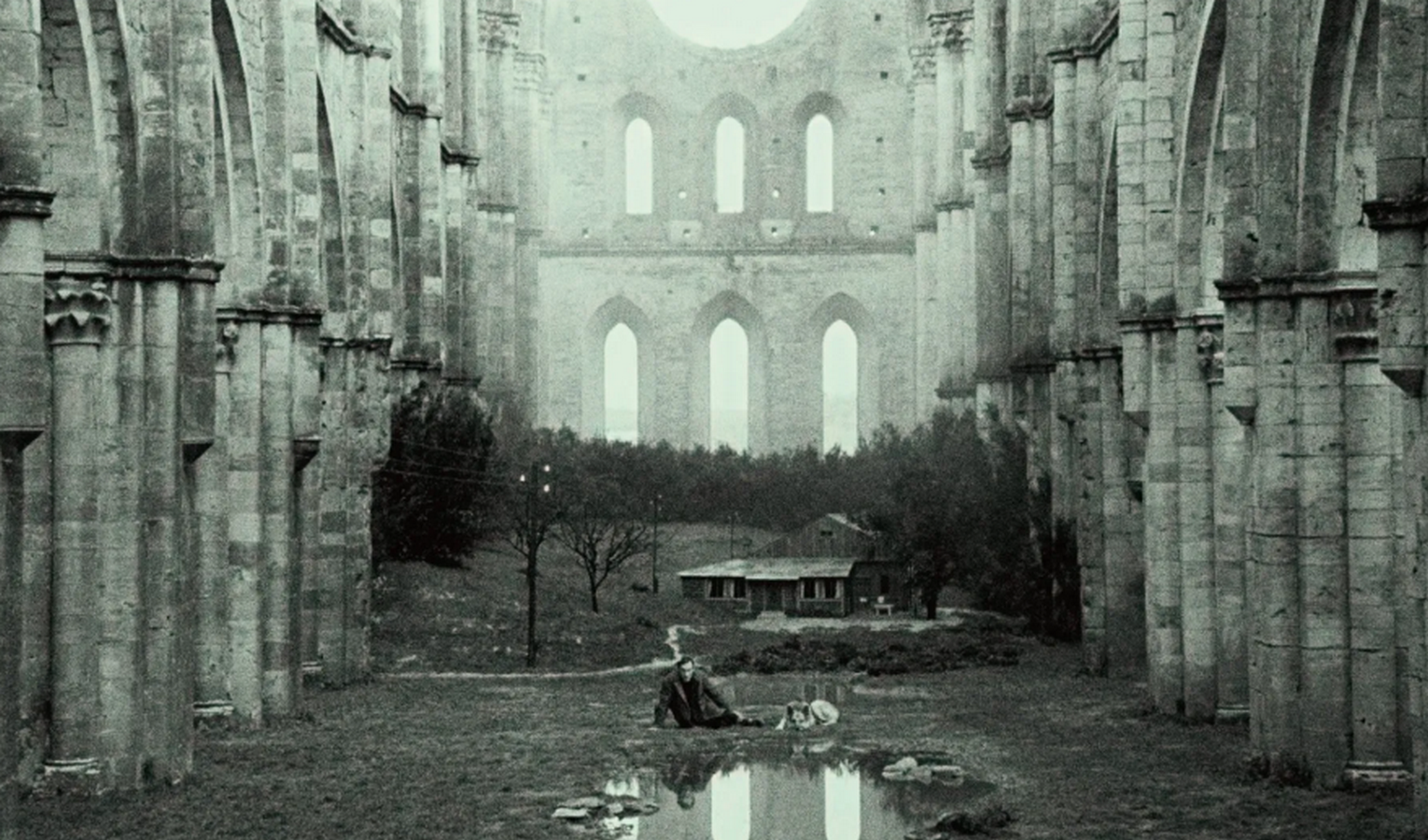
In films like Stalker and Nostalghia, nature’s slow reclamation of man-made structures symbolizes a world where material progress has failed, leaving behind a “spiritual rot” that can only be healed through a return to faith and inner reflection.
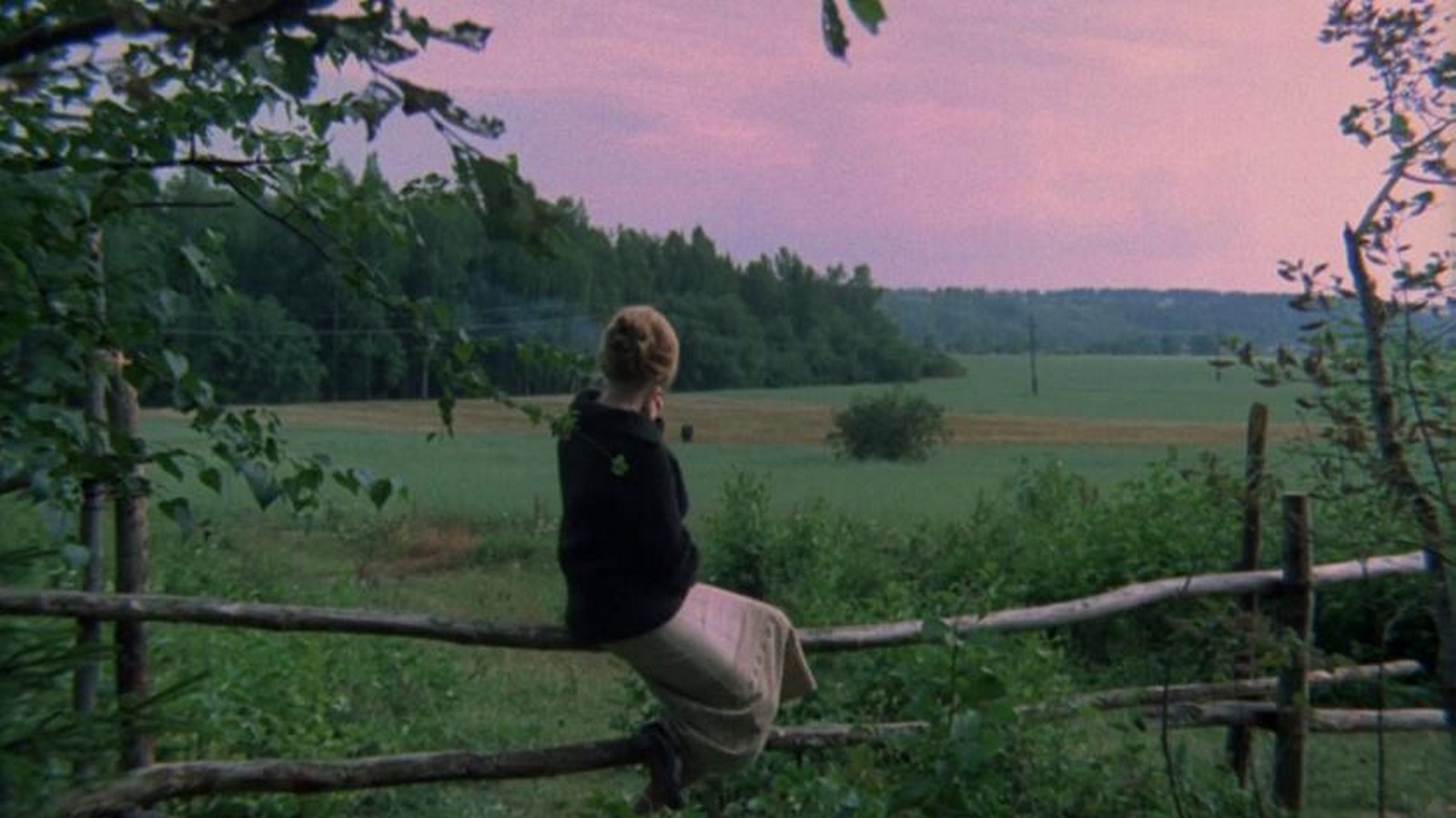
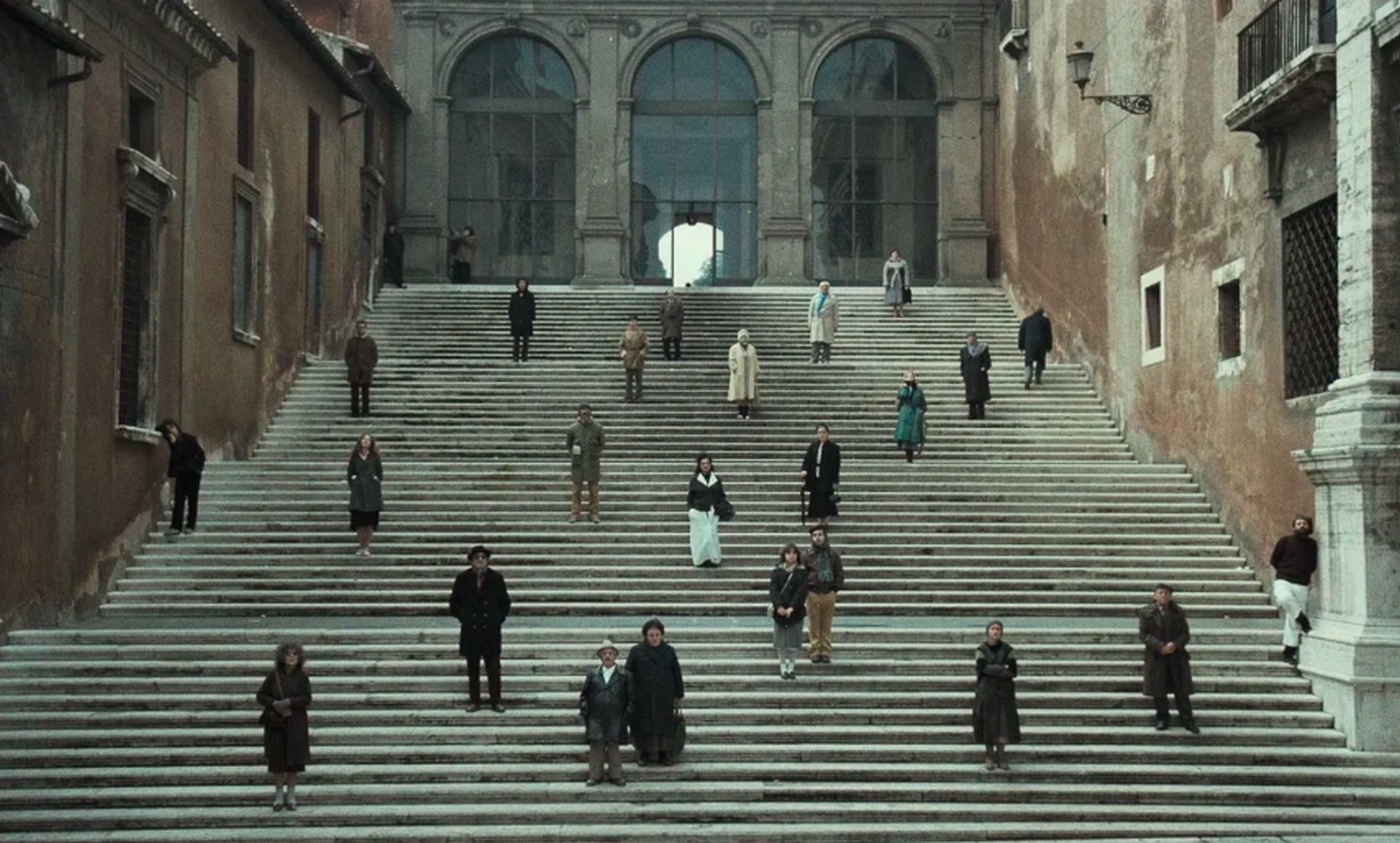
By lingering on these decaying environments, he invites the audience to find beauty in transience, suggesting that while the physical shell of our existence is perpetually falling away, the soul’s quest for meaning remains constant and vital.
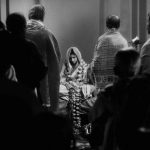
II. Satyajit Ray: The Politics of Domesticity

Satyajit Ray’s socio-political landscape frames the Indian household as a primary site of ideological struggle. By meticulously capturing the cadence of local life, Ray elevates the native landscape into a profound psychic space where tradition and modernity constantly collide, proving that the most universal stories are found in the specific, deeply felt “plainness” of one’s own soil.
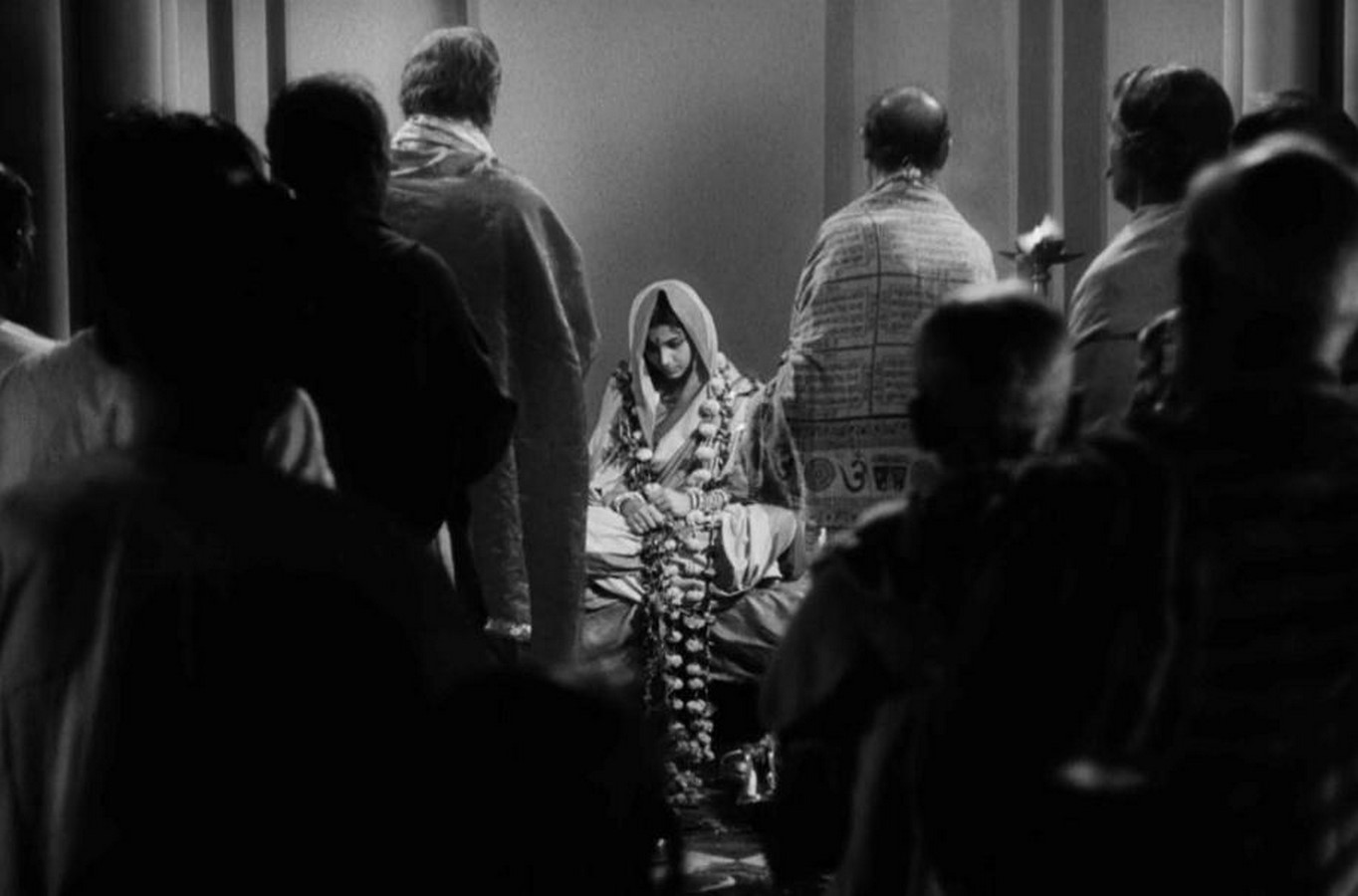
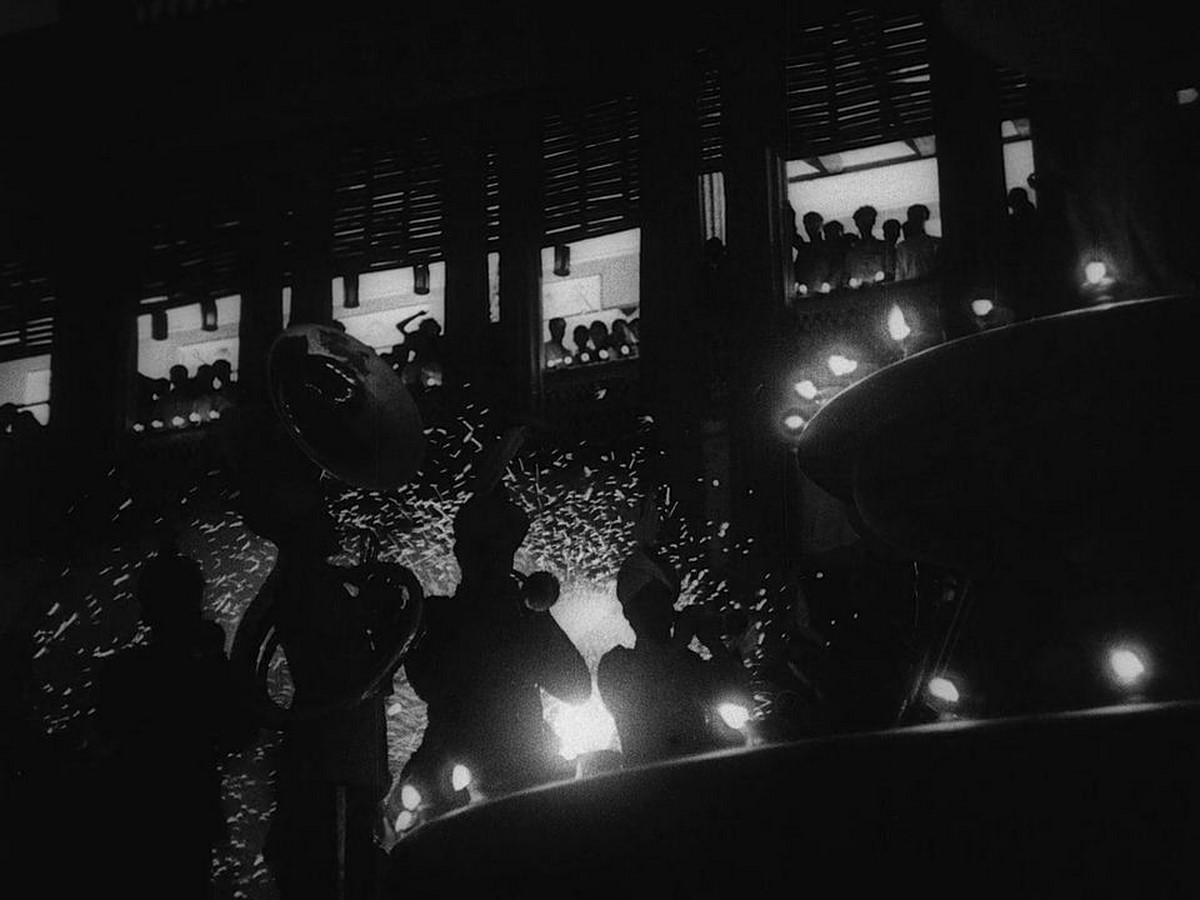
In masterpieces like Charulata and Devi, The Home and the World (Ghare Baire), Ray uses the domestic interior—often depicted as a “gilded cage” of opulent isolation, to mirror the confinement of the 19th-century Bengali woman and her tentative steps toward autonomy. This domestic space becomes political through its “inner-outer” binary, where the outer world represents male-driven material progress and the inner quarters act as a reservoir for tradition or a battleground for individual desire.


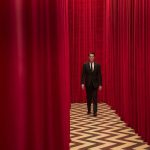
III. David Lynch: The Uncanny Liminality
“A film is – or should be – more like music than like fiction. It should be a progression of moods and feelings. The theme, what ‘s behind the emotion, the meaning, all that comes later.” ― Stanley Kubrick
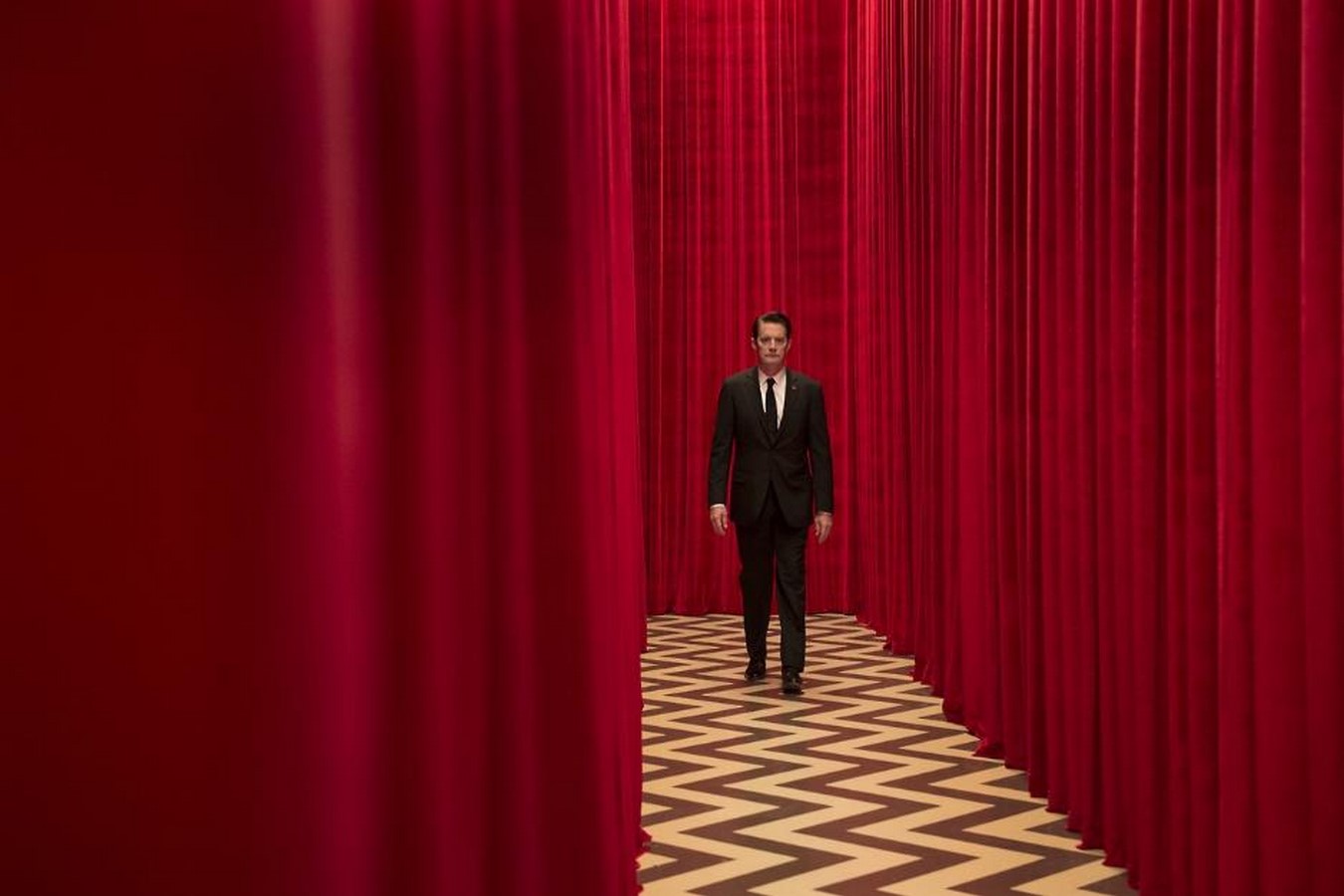
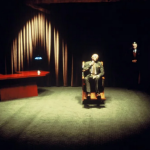
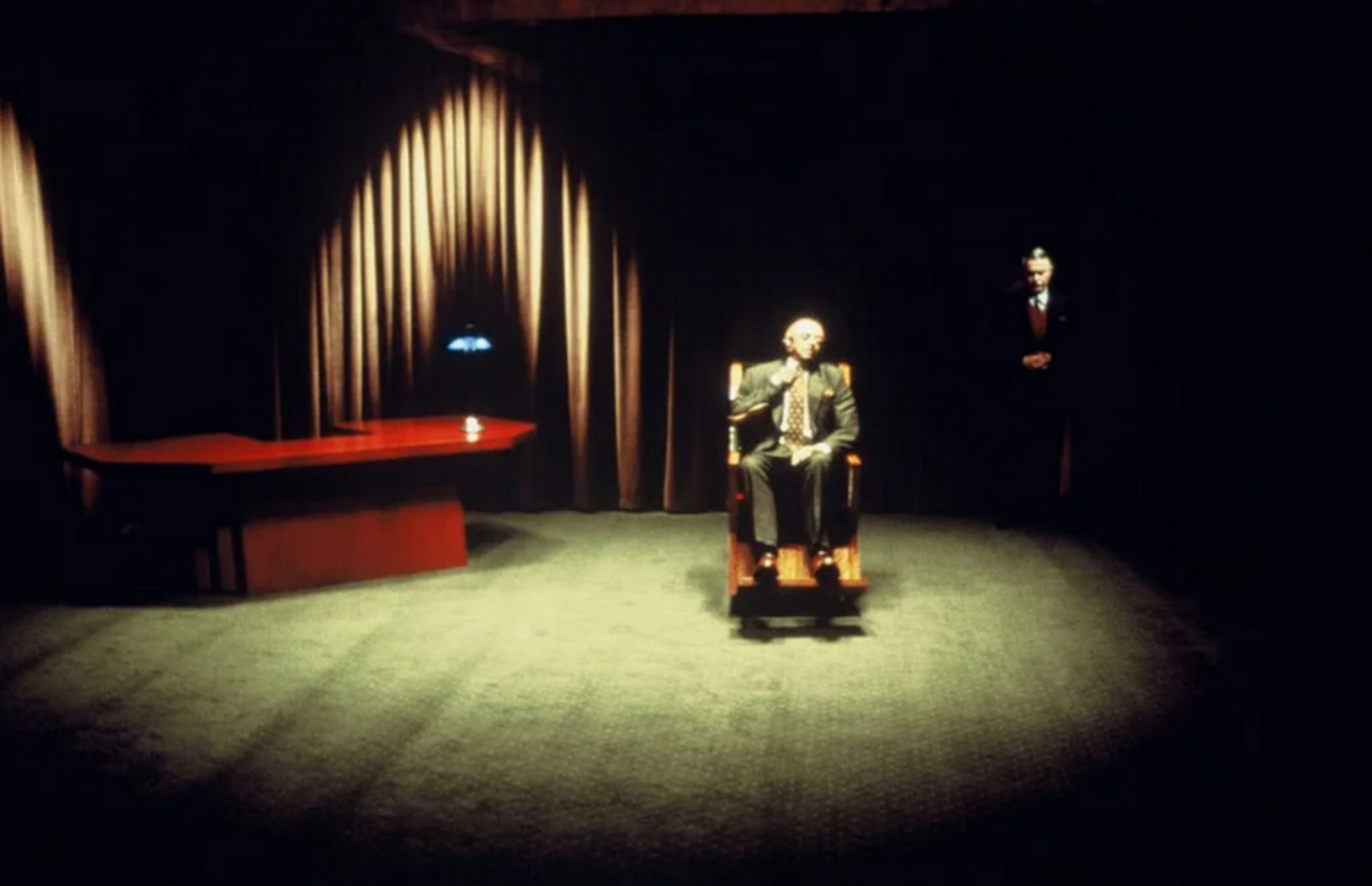
David Lynch’s uncanny liminality defines his cinema as a journey into the “in-between” spaces where the mundane surface of American life cracks open to reveal a surreal, often nightmarish underbelly. Lynch masterfully utilizes liminal zones, hallways, red-curtained waiting rooms, roadside diners, and flickering television screens, to represent psychological thresholds where the conscious and subconscious collide. This sense of the uncanny, or unheimlich, arises from making the familiar feel hauntingly strange; a white picket fence becomes a barrier to a world of rot and insects, while a simple pop ballad transforms into a dirge of existential dread.
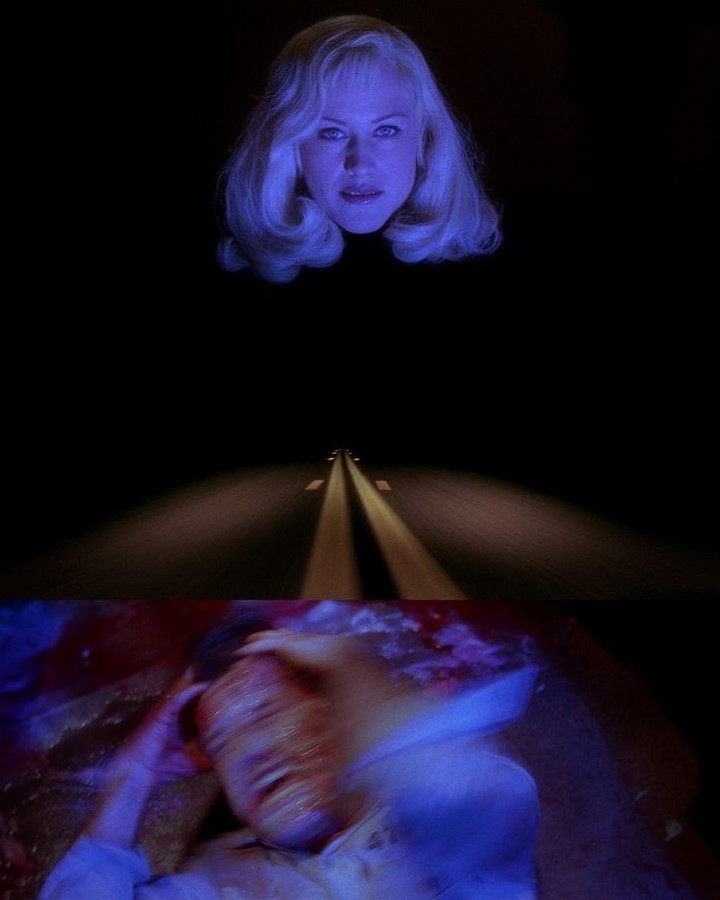
By lingering in these transitional states, Lynch suggests that reality is never stable, but rather a thin veil draped over a chaotic, dream-like void. Characters in films like Mulholland Drive and Lost Highway often find themselves trapped in these “non-places,” where identity dissolves and time loops, forcing the audience to confront the unsettling truth that the “real world” and the dream world are inextricably linked.
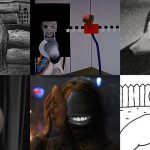
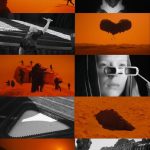
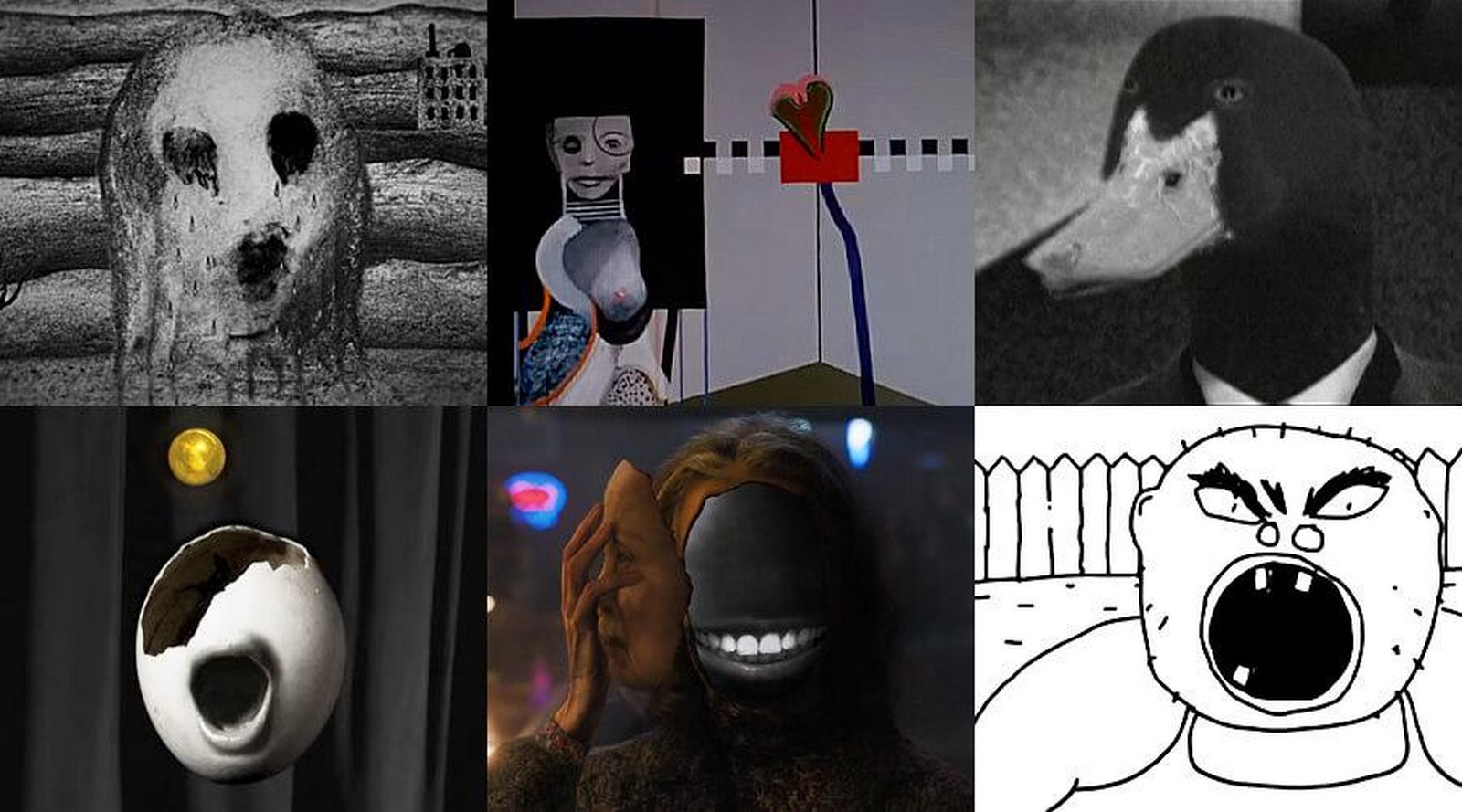
David Lynch’s animations are defined by a “crude,” unsettling surrealism, where stark, hand-drawn figures collide with the horrific depths of the subconscious. His visual language operates through a “faux-naive” or DIY aesthetic, utilizing industrial dread and high-contrast textures to transform mundane scenarios into sites of profound absurdity. By embracing distorted figures and a low-fi, Flash-animated style, Lynch captures a raw, nightmarish intimacy that mirrors the dark, mechanical undercurrents found in his live-action masterpieces.
IV. Denis Villeneuve: The Brutalist Sublime
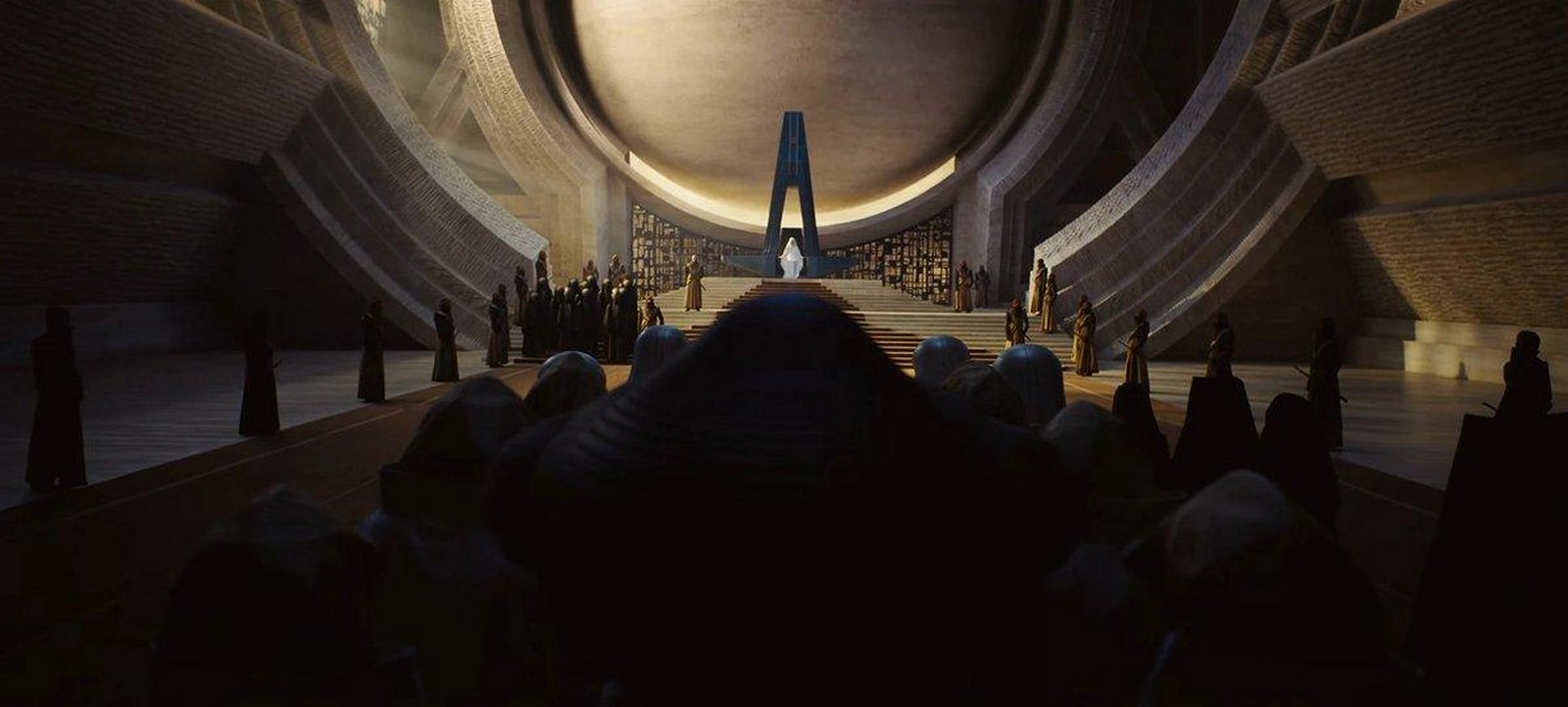
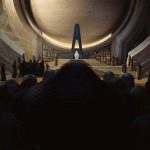
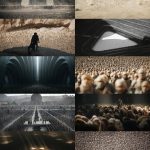
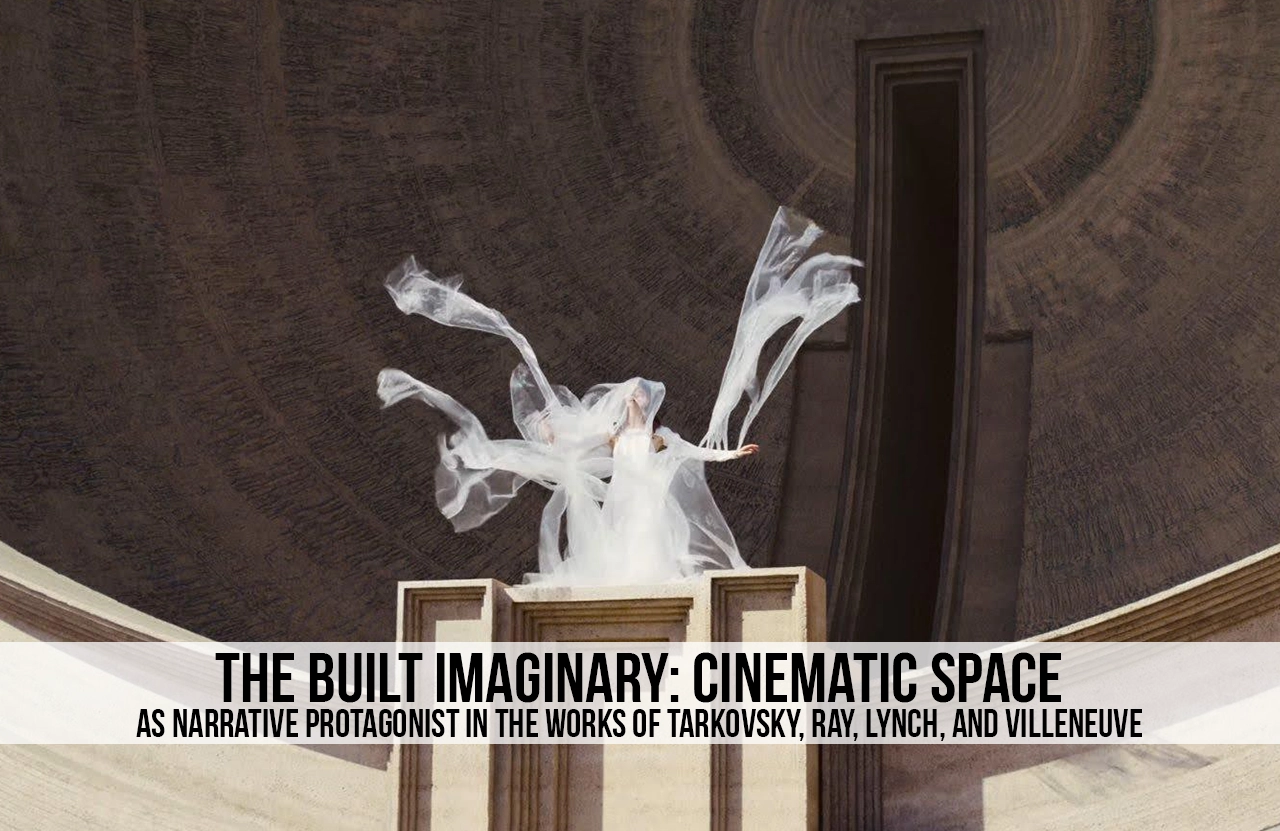
Denis Villeneuve’s brutalist sublime defines his cinematic world through a deliberate interplay between massive, unyielding architecture and the profound vulnerability of the human soul. By utilizing the stark, block-like geometries of Brutalism, characterized by raw concrete and utilitarian monolithic scales, Villeneuve creates an atmosphere of overwhelming awe that mirrors the existential dread of his protagonists.
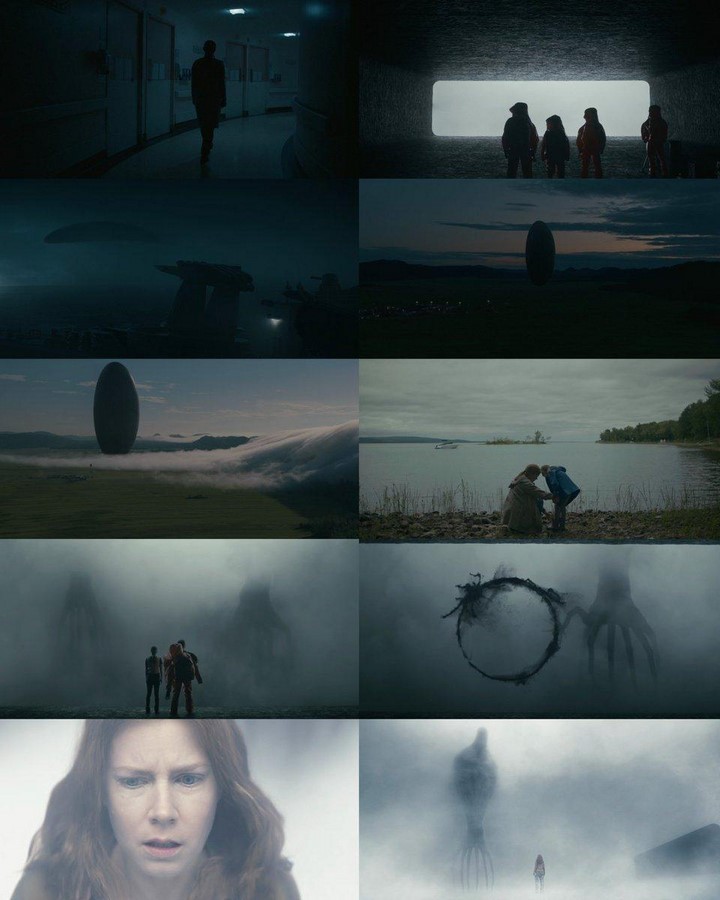
In Arrival, brutalism is used to create a contemplative mystery. The alien “Shells” gravity-defying monoliths that act as a silent interruption of the natural world. Here, the brutalist influence represents the alien and the incomprehensible; the lack of texture or visible technology forces a shift in human perception, making the architecture a gateway to a non-linear understanding of time and language.
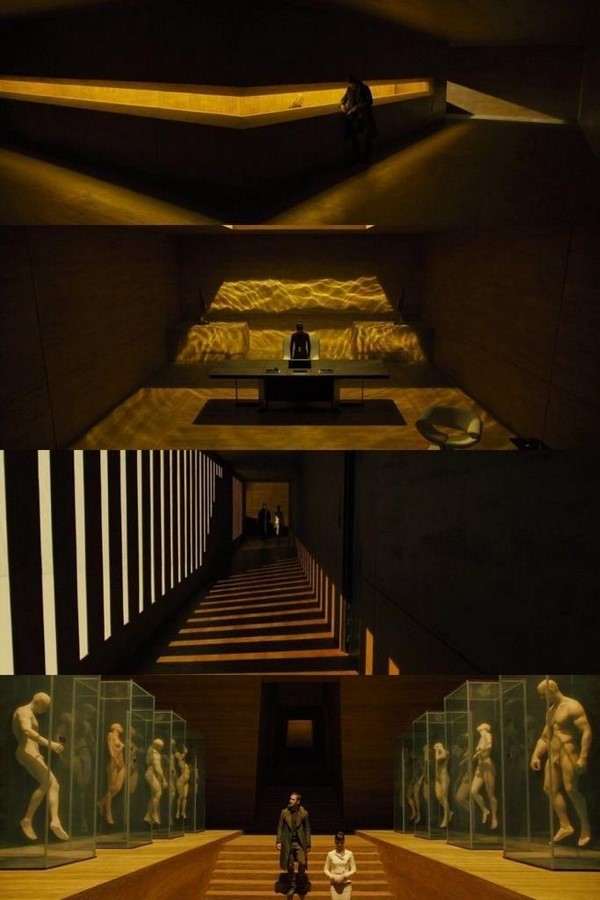
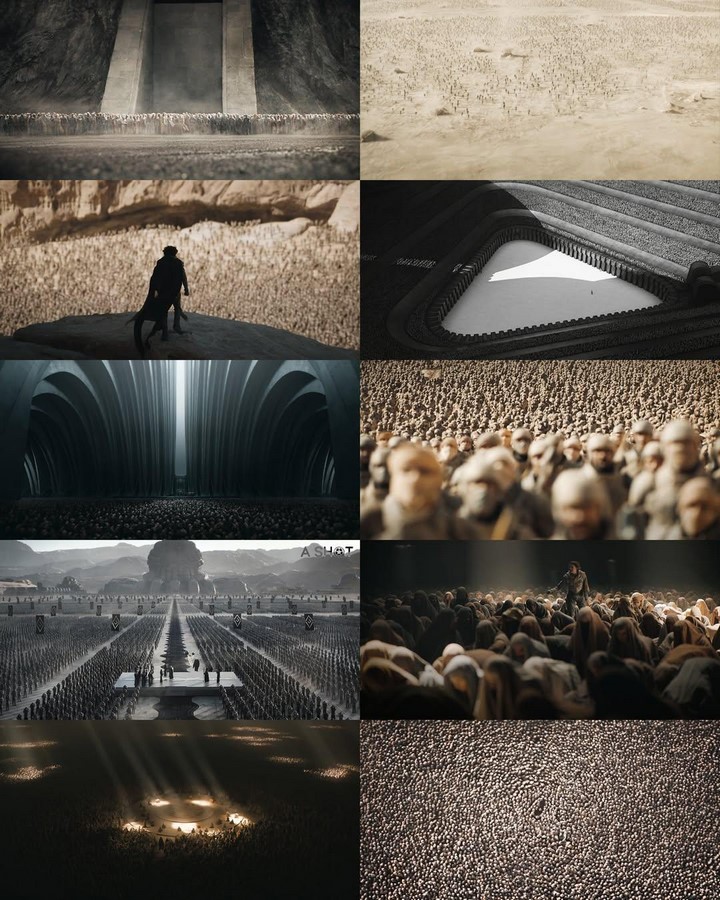
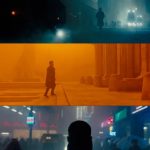
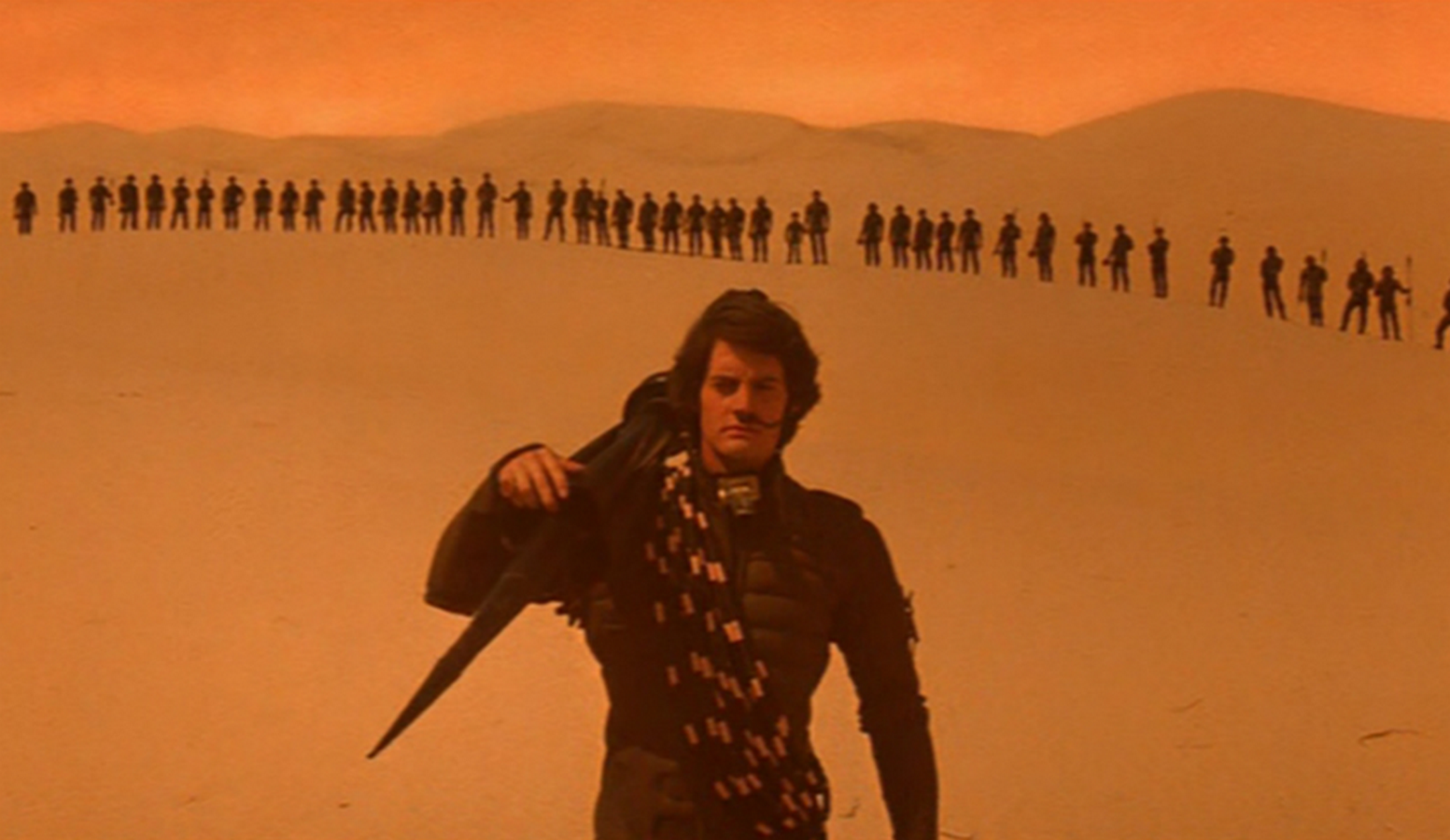
In films like Blade Runner 2049 and Dune, imposing structures are far more than backdrops; they are physical manifestations of power, authority, and colonial dominance. By dwarfing the individual, this architecture forces the characters to grapple with their own insignificance against the weight of their world. This aesthetics bridges the gap between the ancient and the futuristic, blending WWII-era bunker motifs with advanced technology to suggest a future that is both highly functional and spiritually desolate.
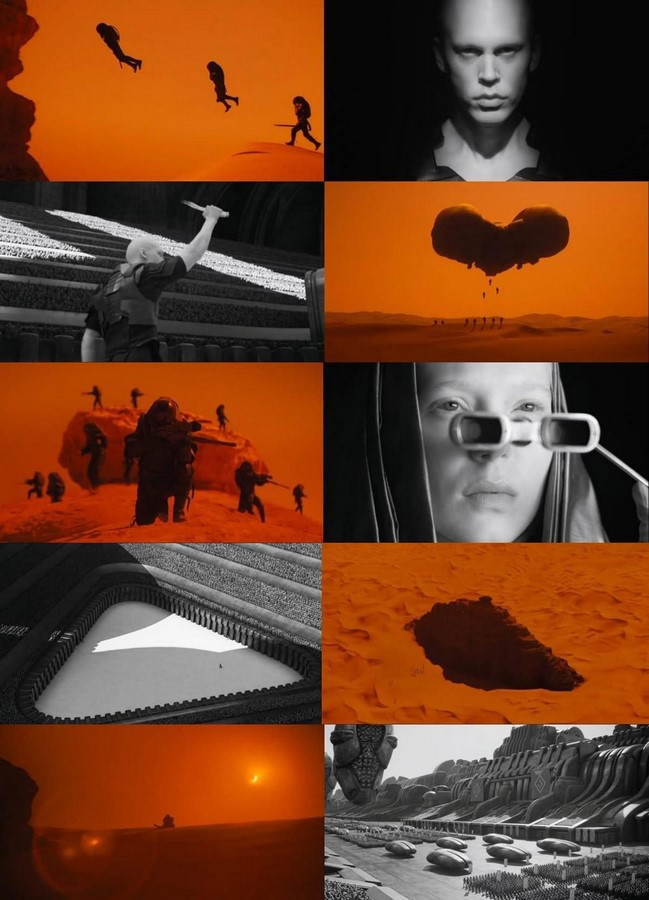
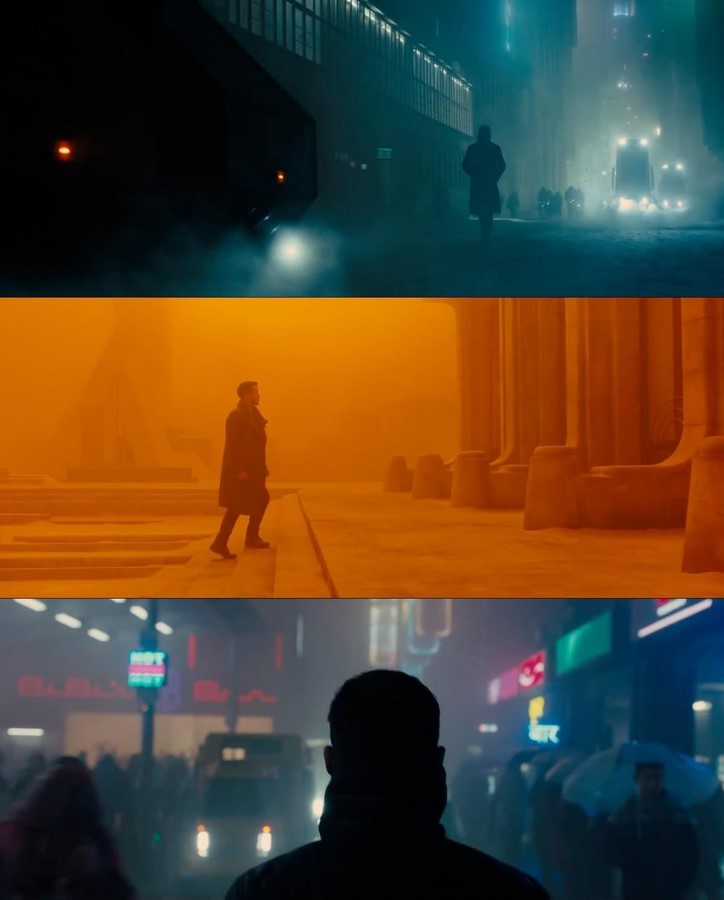
Ultimately, Villeneuve’s world-building serves as the pivotal anchor of these films, standing on equal footing with both character and plot. Every visual spectacle is meticulously curated to create an impeccable, lived-in experience. In Dune specifically, the ecology, culture, and ancient ways of life are the story itself. Every entity within the narrative domain is reimagined with such granular detail that these speculative interventions transcend traditional set design, elevating the film into a fully realized and profoundly immersive reality.
Epilogue: To Dream of the Imaginaries Beyond the Lens
The common thread weaving through these four masters is the use of the physical environment as a direct mirror of the human condition. From Tarkovsky’s rotting textures to Ray’s claustrophobic parlors, and from Lynch’s unsettling hallways to Villeneuve’s concrete monoliths, cinema serves as a tool to map the internal psyche onto external space. These “poetics” prove that a director’s true signature lies in the spatial atmosphere they cultivate. The physical walls of the environment, the weather, and the architecture are granted the same narrative weight as the protagonists themselves, elevating the setting from a mere backdrop to a primary character.
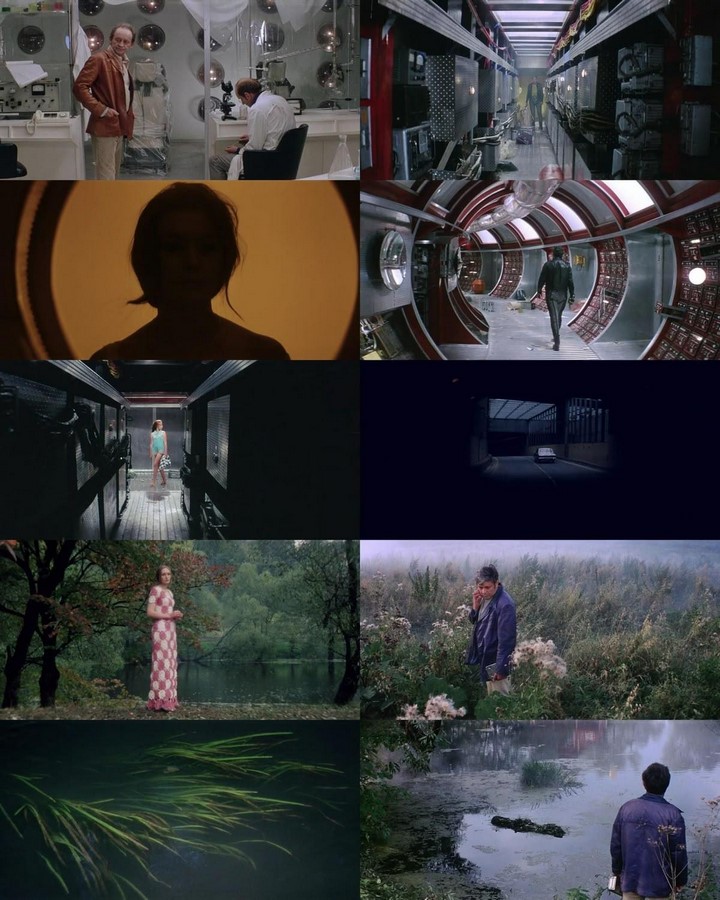
Together, they demonstrate that cinema is most powerful when it transcends mere storytelling to sculpt a lived experience. By granting the environment agency, these filmmakers force us to confront the beauty in decay, the politics of silence, the horror within the mundane, and the awe of the immense. Hence, these spaces invite us to dream of the imaginaries beyond the lens, proving that the true boundaries of cinema are not defined by the frame, but by the psychological worlds they allow us to inhabit.
References:
- Tarkovsky, A. (1987). Sculpting in Time: Reflections on the Cinema. [online]. University of Texas Press. Available at: https://utpress.utexas.edu/9780292776241/sculpting-in-time/ [Accessed 18 April 2026].
- Ray, S. (1976). Our Films, Their Films. [online]. Orient Longman. Available at: https://archive.org/details/ourfilmstheirfil00rays [Accessed 18 April 2026].
- Villeneuve, D. (2021). Dune: The Art and Soul. [online]. Insight Editions. Available at: https://insighteditions.com/products/the-art-and-soul-of-dune [Accessed 18 April 2026].
- Pallasmaa, J. (2005). The Eyes of the Skin: Architecture and the Senses. [online]. Wiley. Available at: https://www.wiley.com/en-us/The+Eyes+of+the+Skin-p-9780470015781 [Accessed 18 April 2026].
- Vidler, A. (1992). The Architectural Uncanny: Essays in the Modern Unhomely. [online]. MIT Press. Available at: https://mitpress.mit.edu/9780262720205/the-architectural-uncanny/ [Accessed 18 April 2026].