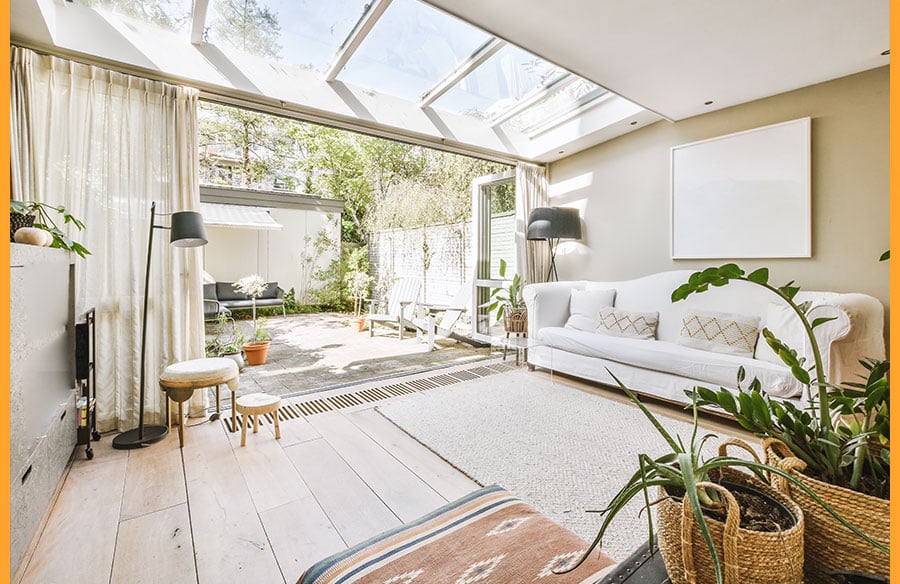
Natural light has a powerful effect on how your home feels. Rooms filled with daylight feel larger, warmer, and more inviting. They’re easier to spend time in, easier to decorate, and often easier on your mood and energy levels.
On the flip side, when light is limited, even a well-designed home can feel closed off or heavy. But you don’t need to knock down walls or completely redesign your house to bring more light inside. It’s all about the right approach to maximizing natural light.
How Light Moves Through the Home
Before making changes, it helps to observe how natural light already enters your home. Pay attention to which rooms get the most sun, what time of day they’re brightest, and where shadows tend to linger. South- and west-facing windows usually bring in the most light, while north-facing rooms may feel dimmer throughout the day.
Notice what blocks light from traveling deeper into your home. Heavy furniture, dark finishes, bulky window treatments, or closed-off layouts often prevent light from reaching interior spaces. Understanding these patterns gives you a roadmap for where changes will have the biggest impact.
Making the Most of Your Windows
Windows are the primary source of natural light, so how you use them matters. If your windows are covered by thick curtains or outdated blinds, you may be limiting light without realizing it. Swapping heavy treatments for lighter fabrics or adjustable shades allows you to control privacy without sacrificing brightness.
In some cases, the issue isn’t what’s covering the windows – it’s the windows themselves. Older windows can be smaller, poorly positioned, or less efficient at letting light through. Installing new windows can be a great way to increase natural light while also improving energy efficiency and comfort.
Modern window designs often feature larger glass areas, slimmer frames, and coatings that maximize light without increasing heat gain. This kind of upgrade brightens up your home and also reduces long-term energy costs.
Using Color and Finish to Reflect Light
Light doesn’t just come from outside – it also bounces around inside your home. Dark walls, ceilings, and floors absorb light, while lighter surfaces reflect it. You don’t have to commit to an all-white interior, but strategic use of lighter tones can significantly brighten a room.
Walls in soft neutrals, warm whites, or light grays help distribute daylight more evenly. Ceilings painted a shade lighter than the walls make rooms feel taller and brighter. Even flooring choices matter. Lighter wood tones or rugs help reflect light as opposed to absorbing it.
By the way, without getting too technical, gloss and sheen also play a role. Semi-gloss or satin finishes on trim and doors subtly reflect light and add dimension without looking shiny.
Opening Up Sightlines
Light travels best through open space. If your home has long hallways, closed-off rooms, or bulky partitions, sunlight may be stopping short of where it’s needed most. Opening up sightlines allows light to move freely from room to room.
You don’t always need to remove walls to achieve this. Replacing solid doors with glass-paneled doors, widening doorways, or adding interior windows can help spread light without compromising structure. In some homes, even rearranging furniture to avoid blocking windows or walkways can make a noticeable difference.
Ceilings and Vertical Space
Don’t overlook your ceilings when thinking about natural light. They play a critical role. Low or dark ceilings can make even the brightest rooms feel compressed. To address this, you may try painting ceilings a lighter color to assist with bouncing light downward. This will make the entire space feel more expansive.
If your home has vaulted ceilings, exposed beams, or skylights, emphasizing those features can enhance light flow. Even adding subtle uplighting can complement daylight and prevent shadows from forming as the sun shifts throughout the day.
Balancing Light With Comfort and Function
Maximizing natural light doesn’t mean flooding your home with harsh sun or sacrificing comfort. This is about balance. Glare, heat, and lack of privacy can all become issues if light isn’t managed thoughtfully.
That’s where modern window technology becomes especially valuable. New windows often include coatings that reduce UV exposure while allowing visible light to pass through. This helps protect furnishings and maintain comfort without dimming your space.
Adding it All Up
Light is one of those things that can make or break a house. It doesn’t matter if you have a big house or a small house. And it certainly doesn’t matter if the house is brand new or was built in a previous century. The key is to maximize the light you have and make small tweaks that allow you to keep things bright and comfortable. Hopefully, this article has given you a few ideas to work with.