Unveiling the Timeless Charm of Terracotta – Building Materials for Interiors- 2021
Terracotta, derived from the Italian words “terra” (earth) and “cotta” (cooked), stands as a testament to enduring craftsmanship and architectural heritage. This versatile material, revered for its rustic allure and practicality, continues to leave an indelible mark on contemporary interior design, infusing spaces with warmth, character, and a touch of timeless elegance.
Unearthing the Origins and Composition of Terracotta
Terracotta finds its roots in ancient civilizations, where artisans crafted it from natural clay, shaping and firing it in kilns to create a durable, reddish-brown material. Composed primarily of clay and minerals, terracotta’s inherent earthy hues and unique textures evoke a sense of authenticity and connection to the natural world.
Versatility and Applications in Interior Spaces
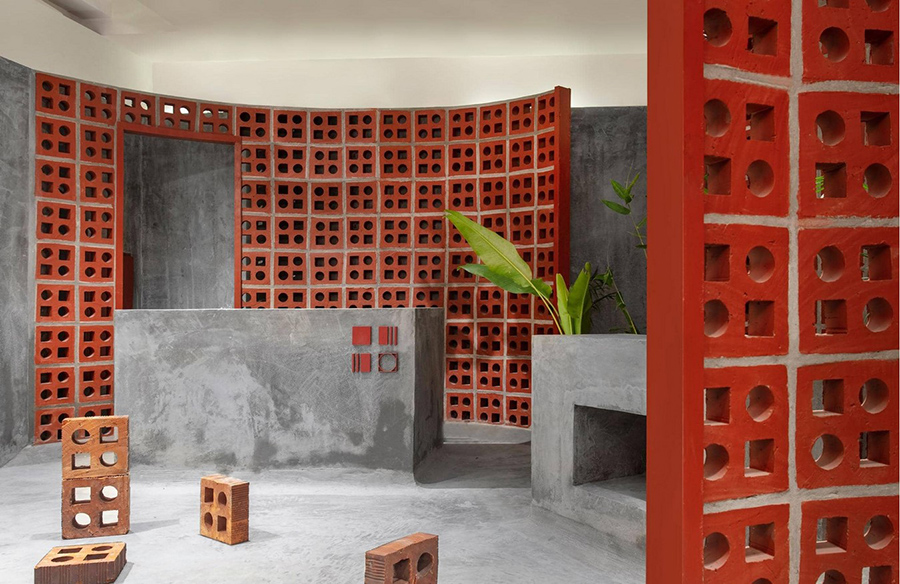
One of the defining attributes of terracotta lies in its versatility. This material lends itself to diverse interior applications, from flooring and wall cladding to decorative elements and architectural detailing. Its adaptability allows for various finishes, shapes, and sizes, catering to an array of design preferences.
Durability and Timeless Appeal
Beyond its aesthetic charm, terracotta boasts remarkable durability. Its robust nature ensures resilience against wear, moisture, and temperature fluctuations, making it suitable for both indoor and outdoor use. Furthermore, its inherent longevity and timeless appeal contribute to its sustained popularity across design eras.
The Artistry of Terracotta Craftsmanship
Terracotta’s allure is further heightened by the craftsmanship involved in its production. Skilled artisans employ age-old techniques to mold, shape, and fire the clay, resulting in exquisite textures and variations that celebrate the material’s organic nature. Each piece reflects the artisan’s dedication and expertise.
Sustainable and Eco-Friendly Attributes
In an era emphasizing sustainable design, terracotta emerges as a frontrunner. Its production involves natural materials and traditional manufacturing processes, minimizing environmental impact. Additionally, its ability to maintain a comfortable indoor climate by regulating temperature and humidity aligns with eco-conscious design practices.
Contemporary Interpretations and Trends
In contemporary design, terracotta continues to evolve. Designers experiment with innovative glazing techniques, colors, and patterns, offering modern interpretations that blend traditional craftsmanship with contemporary aesthetics. This fusion of heritage and innovation resonates with design enthusiasts seeking a balance between nostalgia and modernity.
Conclusion: Terracotta’s Enduring Legacy
Terracotta stands as a symbol of timeless elegance and earthy sophistication in contemporary interior design. Its rich heritage, versatility, durability, and sustainable attributes position it as an esteemed material, imparting a sense of authenticity and warmth to spaces.