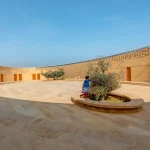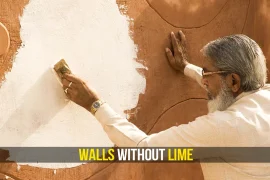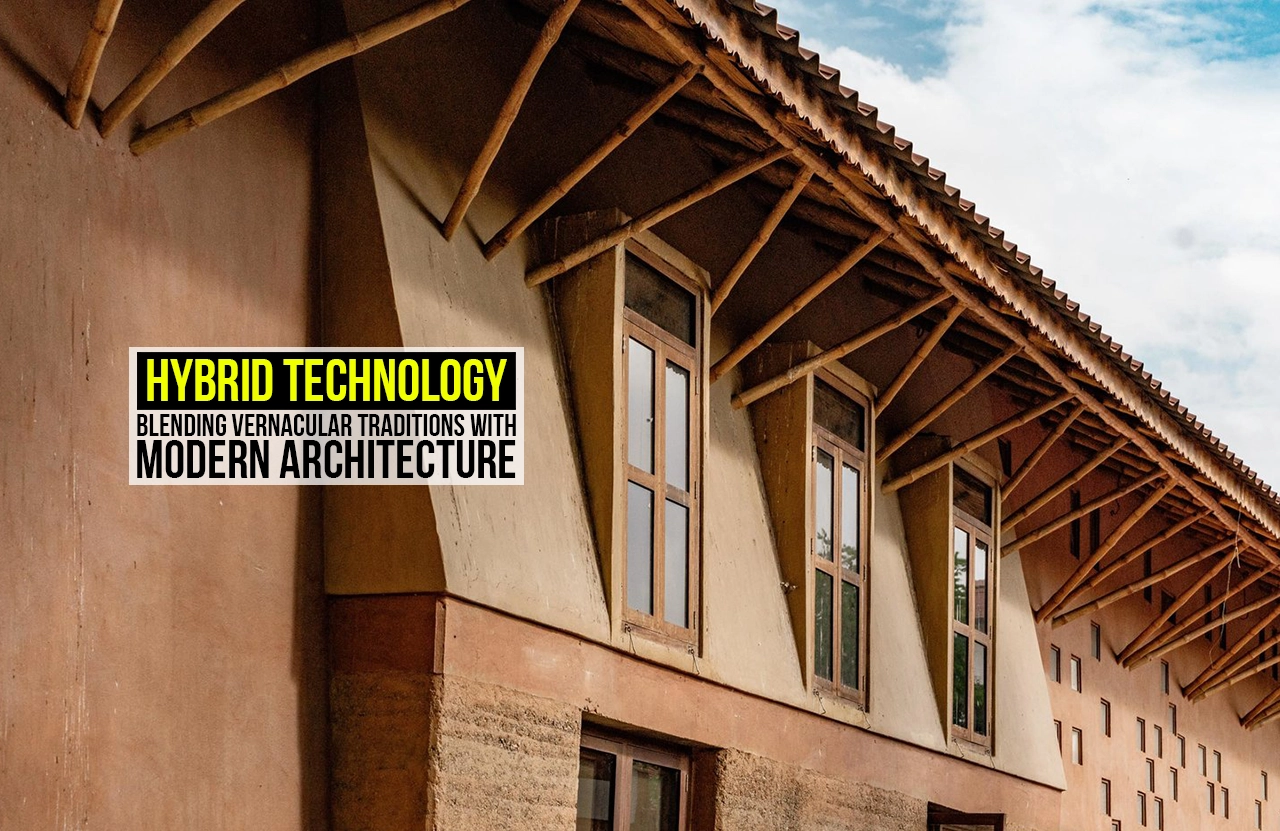
Traditional architecture has evolved through generations of adaptation and reinvention. It has been shaped by various factors such as climate and geography, often relying on passive cooling, local materials, and community-based construction techniques.
Across Asia, Africa, and Latin America, stone masonry, timber framing, mud plaster, and sloped roofs are examples of climate-responsive architecture that developed from environmental necessity.
The urgency of the climate crisis, resource scarcity, and cultural homogenisation has led to renewed interest in the term “Hybrid Technology,” an approach that blends vernacular traditions with modern technology and its advancements. This practice positions tradition alongside innovation and integrates the intelligence of local practices with the accuracy and efficiency of modern systems.
Understanding Hybrid Technology in Architecture
Hybrid technology in architecture involves smart ways of integrating traditional knowledge with modern engineering, digital tools, and contemporary materials. Instead of replacing traditional methods, hybrid architecture upgrades and adapts them for present-day needs.
Examples include:
- Rammed earth stabilised with a certain percentage of cement
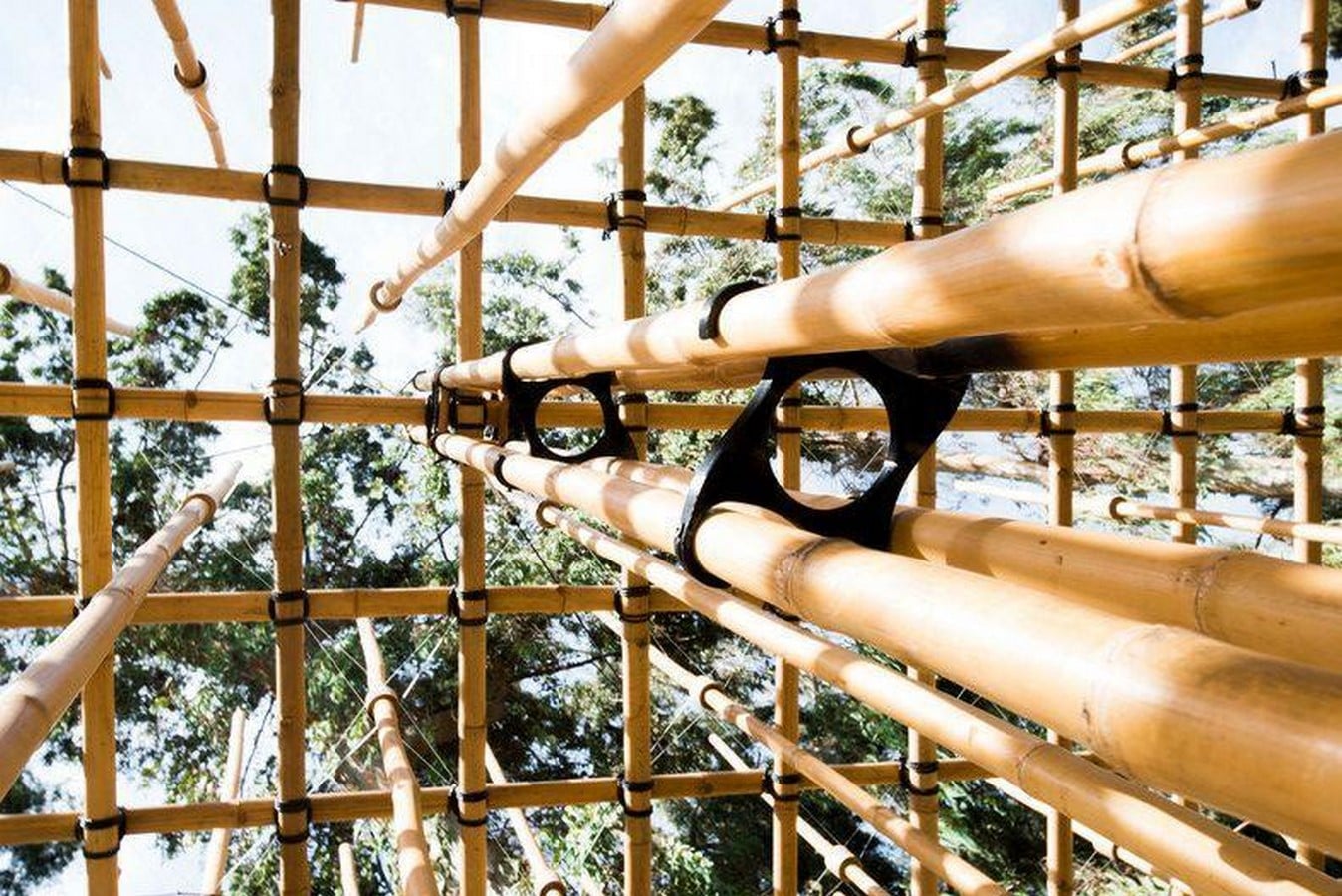
- Bamboo reinforced with engineered joints
- Parametric modelling applied to traditional forms and materials
- Prefabricated systems combined with local craftsmanship
In many ways, vernacular methods alone may not always meet contemporary demands such as urban density, modern standards, and disaster resilience. These limitations create the need for hybrid approaches. Through these approaches, hybrid technology creates models that are technically efficient, culturally flourishing, and sustainably grounded.
Case Study
METI school – Anna Heringer :
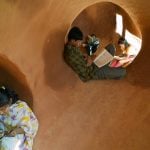
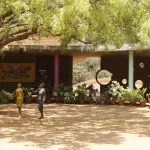
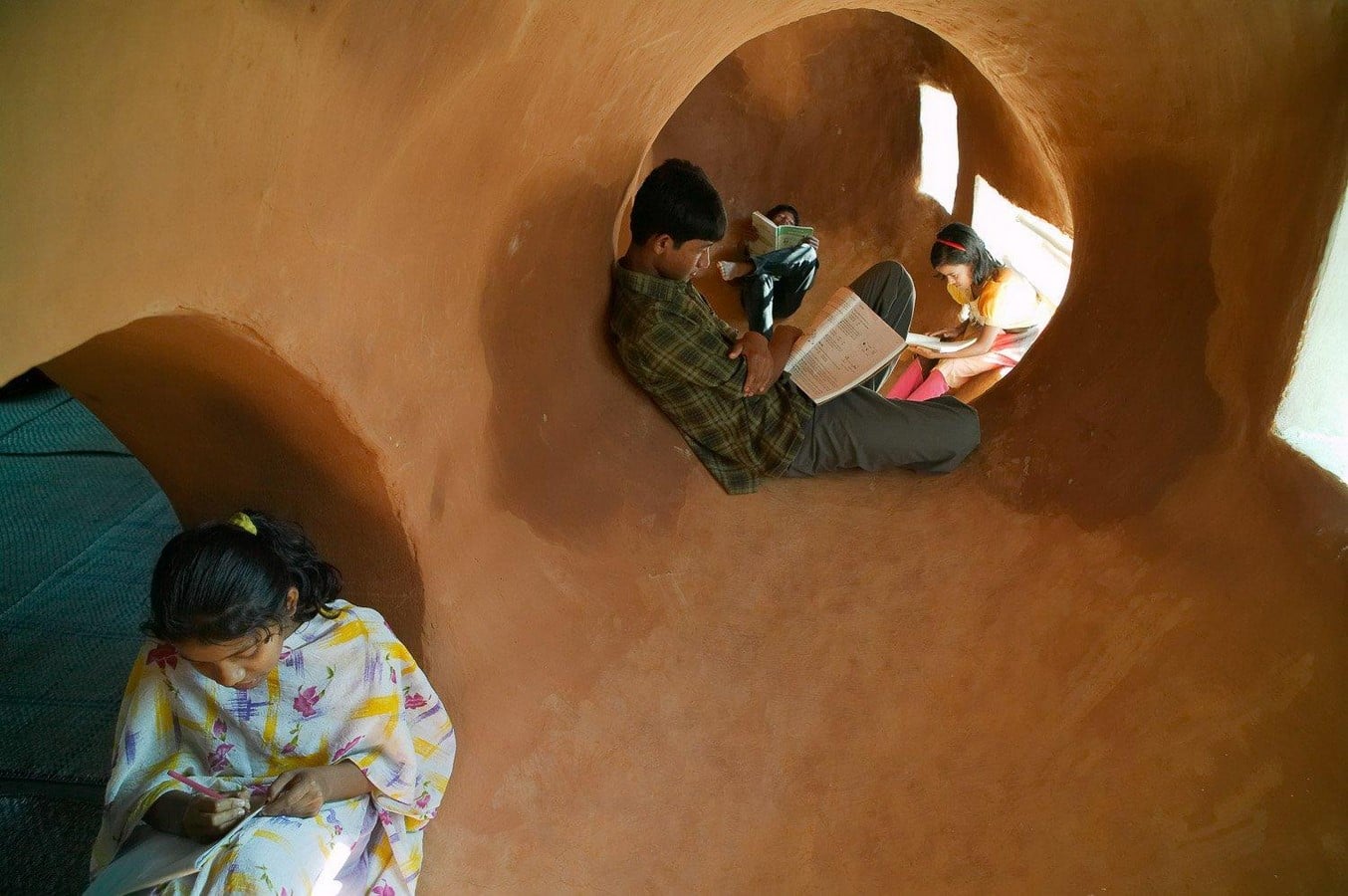
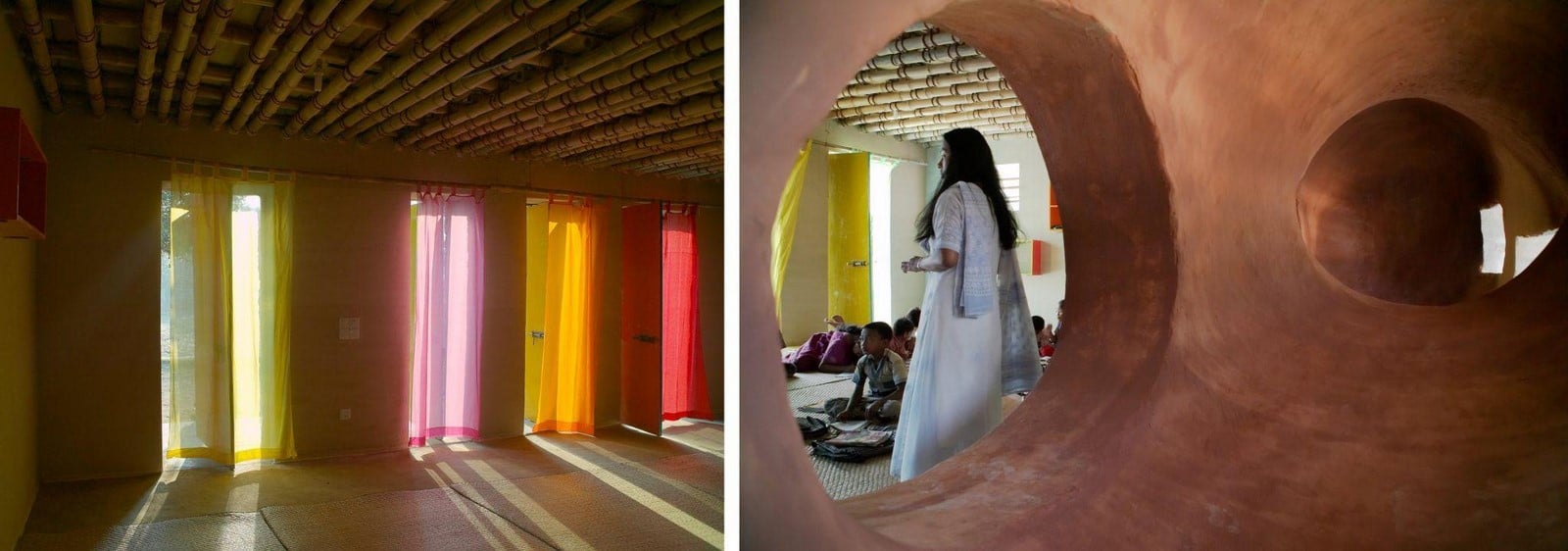
The METI School in Bangladesh is one of the most celebrated examples of hybrid models. The project combines traditional mud construction with treated bamboo reinforcement and modern structural understanding. Built with local labour and locally available materials, the school demonstrates how architecture can act as an environmentally responsible agent while achieving contemporary educational infrastructure.
It addresses a significant gap in community empowerment through the active involvement of local people. Villagers, including teachers, parents, and students, participated directly in construction, learning improved sustainable techniques that could be replicated for local housing as well. Its success lies not only in technical achievement but also in the thoughtful integration of vernacular knowledge specific to the site.
ABARI’s practices
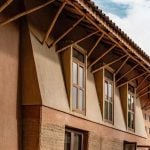
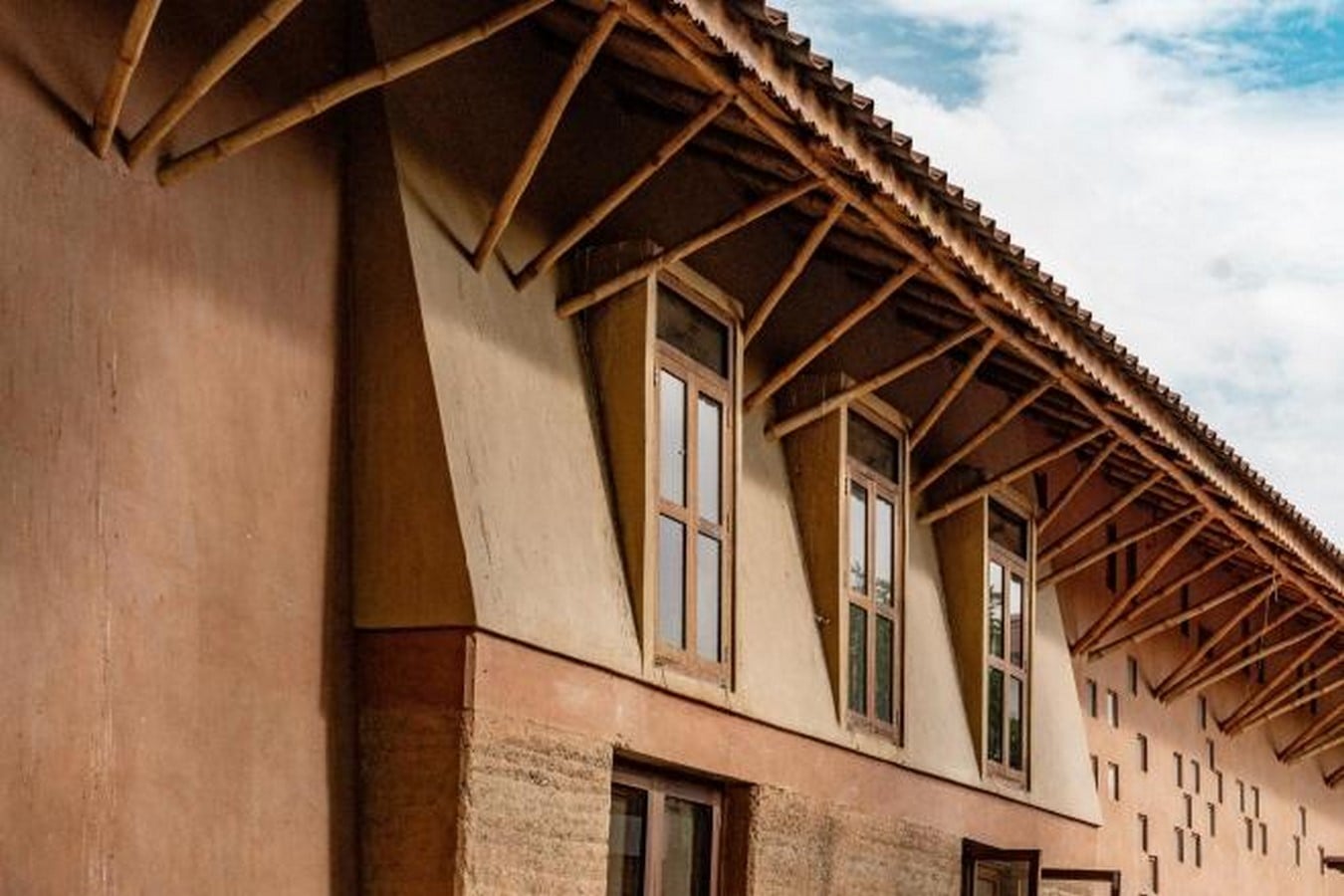
ABARI is a research, design, and build firm that represents a broader architectural practice integrating vernacular knowledge and its deep connection to traditional crafts and local communities with contemporary innovation. Based in Nepal, it has become one of the most significant organisations exploring hybrid architecture through the combination of traditional materials, local craftsmanship, and modern engineering principles.
The organisation works with materials deeply connected to vernacular construction, such as bamboo, rammed earth, stone, lime, and timber. Rather than reproducing traditional architecture in its original form, ABARI experiments with the structural, environmental, and social needs of contemporary contexts.
It stands as a compelling example of how hybrid models can operate beyond individual projects and become an entire architectural methodology. Through the integration of vernacular materials, engineering innovation, environmental sensitivity, and community participation, the organisation demonstrates a future-oriented approach to sustainable architecture in Nepal.
Digital Technology and its benefits
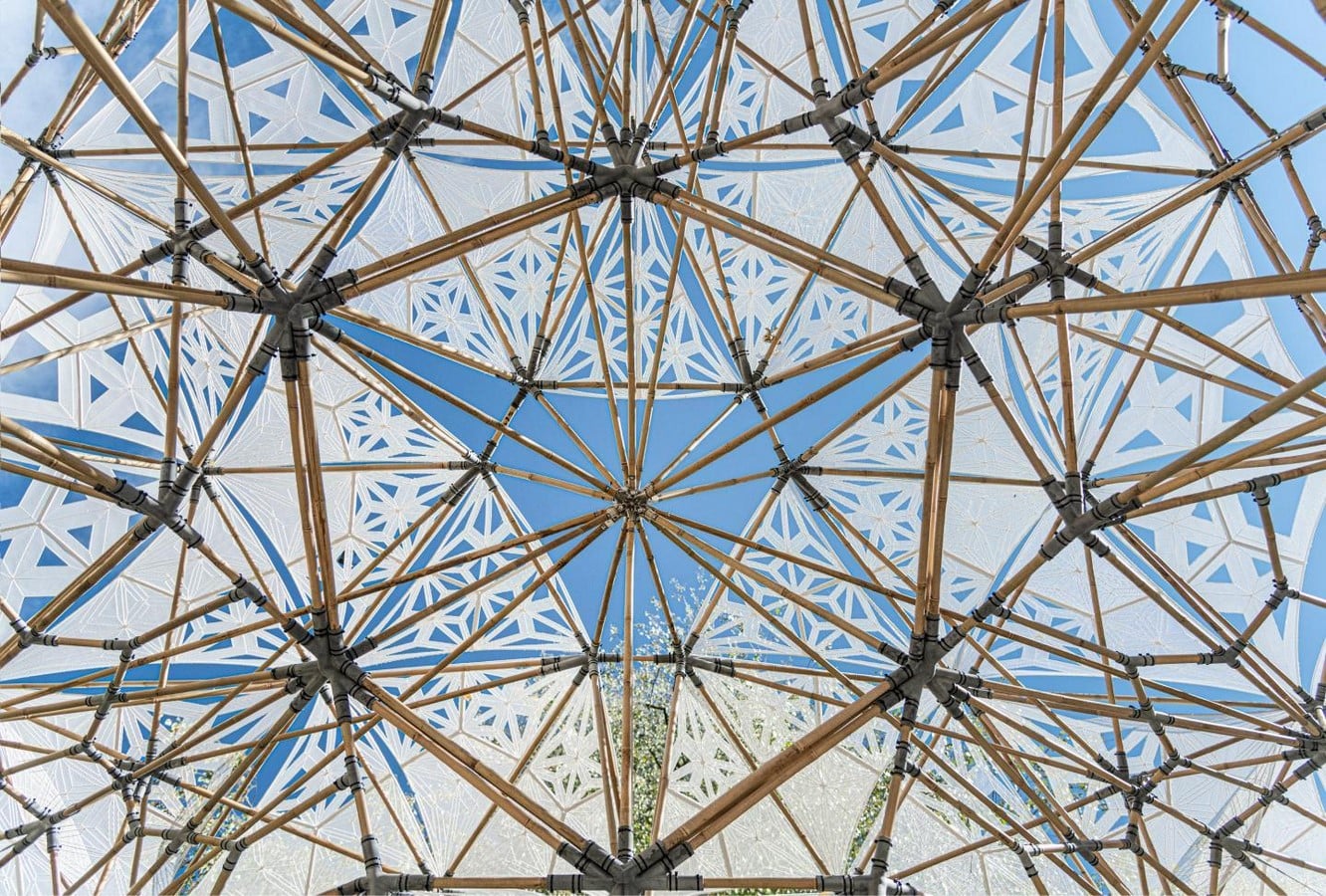
Contemporary architects increasingly use digital tools such as parametric modelling, environmental simulation, and computational design to reinterpret traditional forms.
For instance:
- Wind analysis improves natural ventilation systems
- Solar mapping enhances passive cooling
- Digital fabrication enables precision in local materials
This demonstrates that tradition and technology are not opposites, but complementary systems.
Hybrid technology offers multiple advantages in contemporary architecture. The intelligent use of materials and hybrid systems promotes environmental sustainability while reducing dependence on energy-intensive industrial construction. These approaches also support cultural preservation by maintaining local identity and regional craftsmanship within modern architectural practice.
In addition, the use of local labour and resources improves economic accessibility by lowering construction costs and strengthening community relationships.
Despite its benefits, hybrid architecture also faces several challenges and criticisms. Some of these limitations include:
- Building regulations often favour industrial construction
- Skilled labour for hybrid systems is limited
- Some projects use vernacular aesthetics superficially without understanding their environmental context.
Hybrid technology represents one of the most important directions in contemporary architecture. By combining vernacular intelligence with modern technological systems, architects can create buildings that are sustainable, resilient, and culturally meaningful.
Rather than viewing tradition as outdated, hybrid models demonstrate that innovation can emerge from traditional knowledge. In an era shaped by the climate crisis and rapid urbanisation, this synthesis may become essential for the future of architecture as well.
References:
- Heringer, A. (2013). The METI School in Bangladesh. Basel: Birkhäuser.
- Kéré, F. (2012) ‘Architecture and community: The Gando School’, Architectural Review, 231(1384), pp. 78–85.
- Oliver, P. (2006). Built to Meet Needs: Cultural Issues in Vernacular Architecture. Oxford: Architectural Press.
- Raut, N. and Matsagar, V. (2018) ‘Seismic strengthening of traditional masonry structures in Nepal’, Journal of Building Engineering, 15, pp. 43–54.
- Shrestha, S. (2015) ‘Post-earthquake housing reconstruction in Nepal’, Habitat International, 49, pp. 306–313.
- UN-Habitat (2018). Building Back Better: Sustainable Reconstruction in Nepal. Nairobi: United Nations Human Settlements Programme.
- ABARI (2023) Sustainable Architecture Practices in Nepal. Available at: ABARI Official Website (Accessed: 15 May 2026).