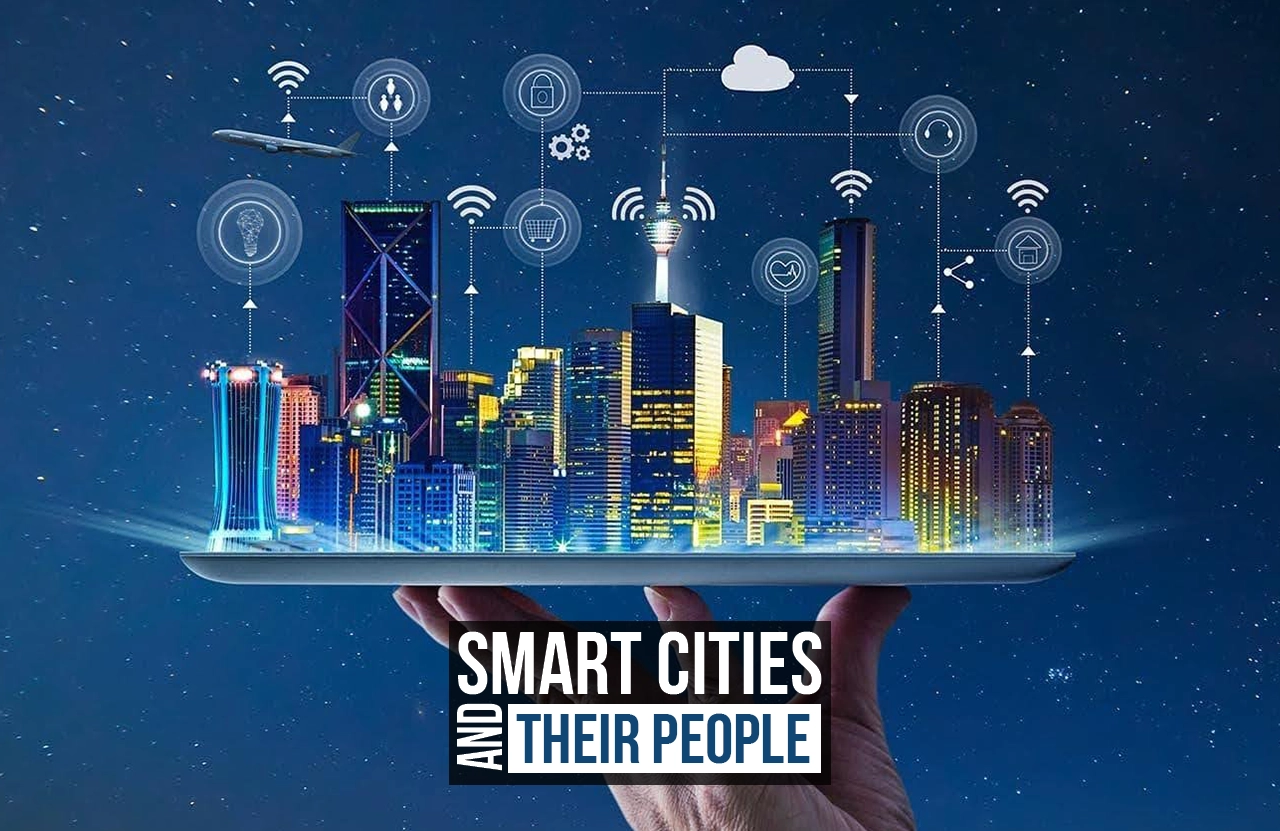
The idea of designing cities has intrigued many architects for centuries. Take Le Corbusier and Villa Radieuse, or Frank Lloyd Wright and his Broadacre City. Bordering on utopias, these designs are inspiring but also impossible. But how does this compare to Smart Cities? Those that use data to track the needs of their people, as well as update and inform their infrastructure. It sounds like a great idea, but what happens when they forget the people who live in them?
Cities are Complex

One of the greatest critiques or analyses of urban planning comes from Jane Jacobs. In her book The Death and Life of Great American Cities, she explains that cities are complex ecosystems. She illustrates the idea of ‘eyes on the street’. People are interacting with each other or observing from afar. What makes cities safe is their people. The fewer people activating a space, the fewer eyes that are on each other. That’s why urban design is so influential. Good design has the power to bring people to a space and make them want to stay. With Smart Cities, if the technology is doing all the surveillance, where will the people go? Will they lose that connection to care for and look out for one another?
Integration of Cars into Cities
A great precedent to compare with Smart Cities is looking at vehicles in urban spaces. The integration of cars into cities has greatly deteriorated them. This worsening is even more evident in cities that were built from scratch with cars in mind. There is a possibility that, down the road, the integration of AI and smart technologies may not be as beneficial as once believed. In New York City, the popular tourist destination Times Square used to be full of heavy traffic prior to 2009. The mayor at the time decided to trial the area as pedestrian-only, which proved successful and thus became permanent.
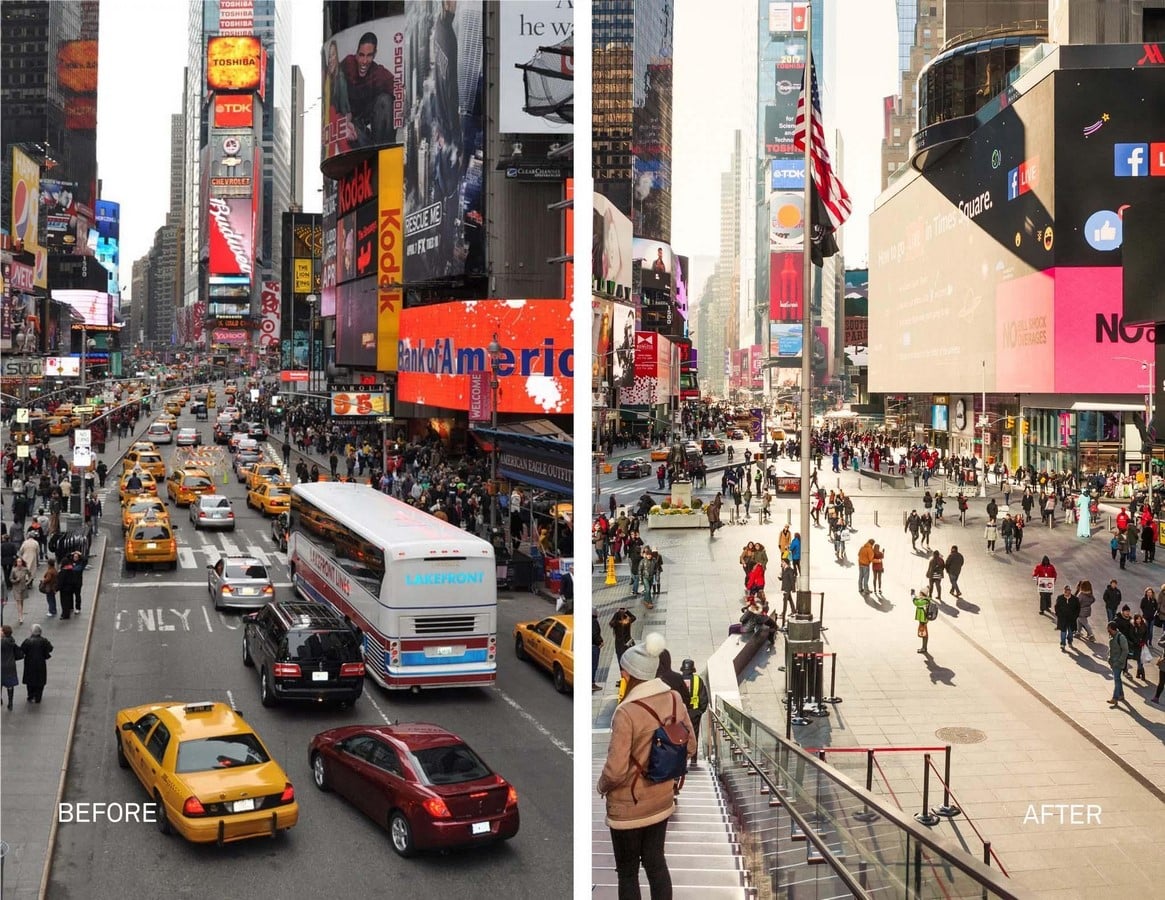
In countries like the United States, cars are often necessary because of the lack of public transportation and the sprawling nature of suburban communities outside these larger cities. These commuters need a way into the city, and cars are often the only way. That being said, there is a huge difference in quality of life for cities that prioritise people over vehicles. If Smart Cities started to prioritise their new technologies instead of people, who knows what could happen? Maybe cities designed this new way will also be detrimental to people living and working there in the near future.
Data Collection Errors
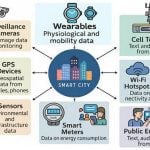
Another issue can be with the unpredictable quality of data collection. The “smart” in Smart Cities comes from its usage of data collection to improve efficiency in various elements of cities. The collection can be done in multiple ways, such as through camera surveillance, building and city technologies, and even the city’s inhabitants. However, there is no surefire way to collect all the evidence needed to fully accommodate everyone’s needs and wants, especially when people must provide their own data. User-generated data is unreliable because people often don’t take the time to provide it.
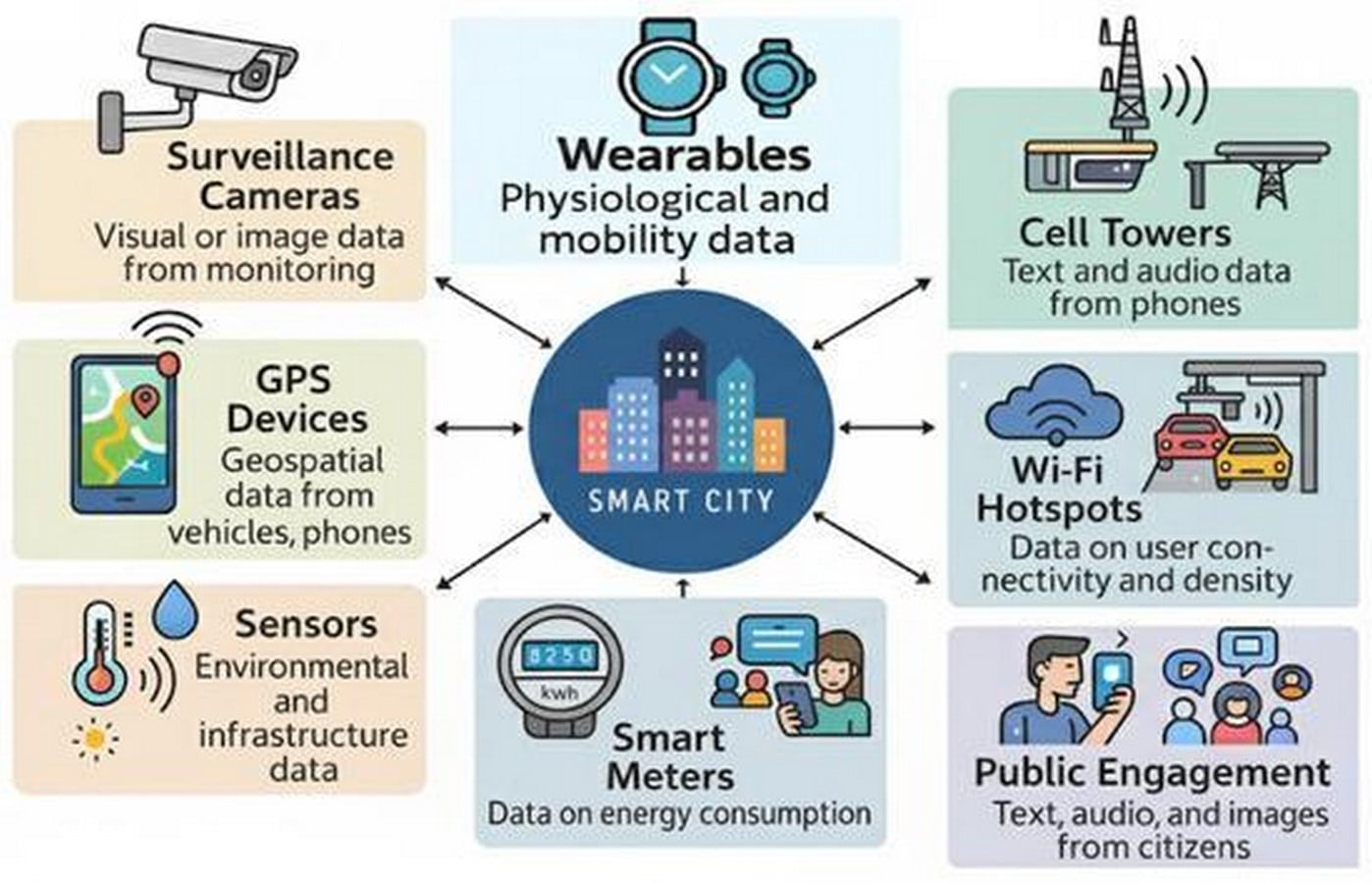
Furthermore, the right questions need to be asked and directed to the right people in Smart Cities. Let’s say there was a park in a city that urban planners were trying to determine the success rate of. So they go to the park and interview people who were there, taking advantage of the space in some way. Everyone the planners connected with loved it! So it must be a great design. Well, what about the people who aren’t using the space? Will they ever be contacted to explain why they dislike the park? This is just one example of the potential issues that can arise from the data collection.
Innovation is Everchanging
Lastly, Smart Cities are to be constantly evolving and ever-changing to create new methods and products of innovation. But what happens when there’s too much emphasis on innovation, not on the people? Since the Industrial Revolution, technology has been constantly upgrading, slowly at first, until the rapid pace of recent years. Take the 20th century, for example. The early years began with the invention of the first aeroplane by the Wright brothers, and ended with the age of the Internet. In recent times, the rapid growth has come from Artificial Intelligence finding its place and use in the world.
Innovation can be wonderful. It can create and benefit so many members of society. However, it may be occurring too quickly. When technology advances solely because it can, it leaves its users behind. In Smart Cities, people should be aware of the growth and use of the systems they participate in. It’s also important to remember that not every technological advancement may benefit everyone equally. On the other hand, when trying to solve everyone’s issues, it sometimes actually solves nothing. They try to include everyone, but sometimes the more specific the design, the more successful it is.
There is no harm in exploring and incorporating smart city technology into new and existing cities. Like everything in life, it comes down to a balance. As a society, the growth of technology cannot be ignored. Smart Cities will continue to expand and become more commonplace. But don’t forget what cities are for, the people. If the technology takes over, where will it leave the people who created it? Utopias are statistically impossible, but it doesn’t hurt to dream of a more equitable and futuristic city for everyone.
References List:
Jacobs, J. (1961). The Death and Life of Great American Cities. New York: Random House.