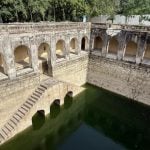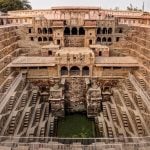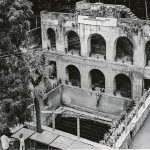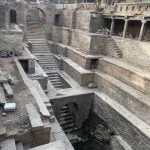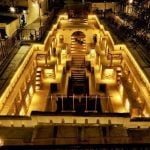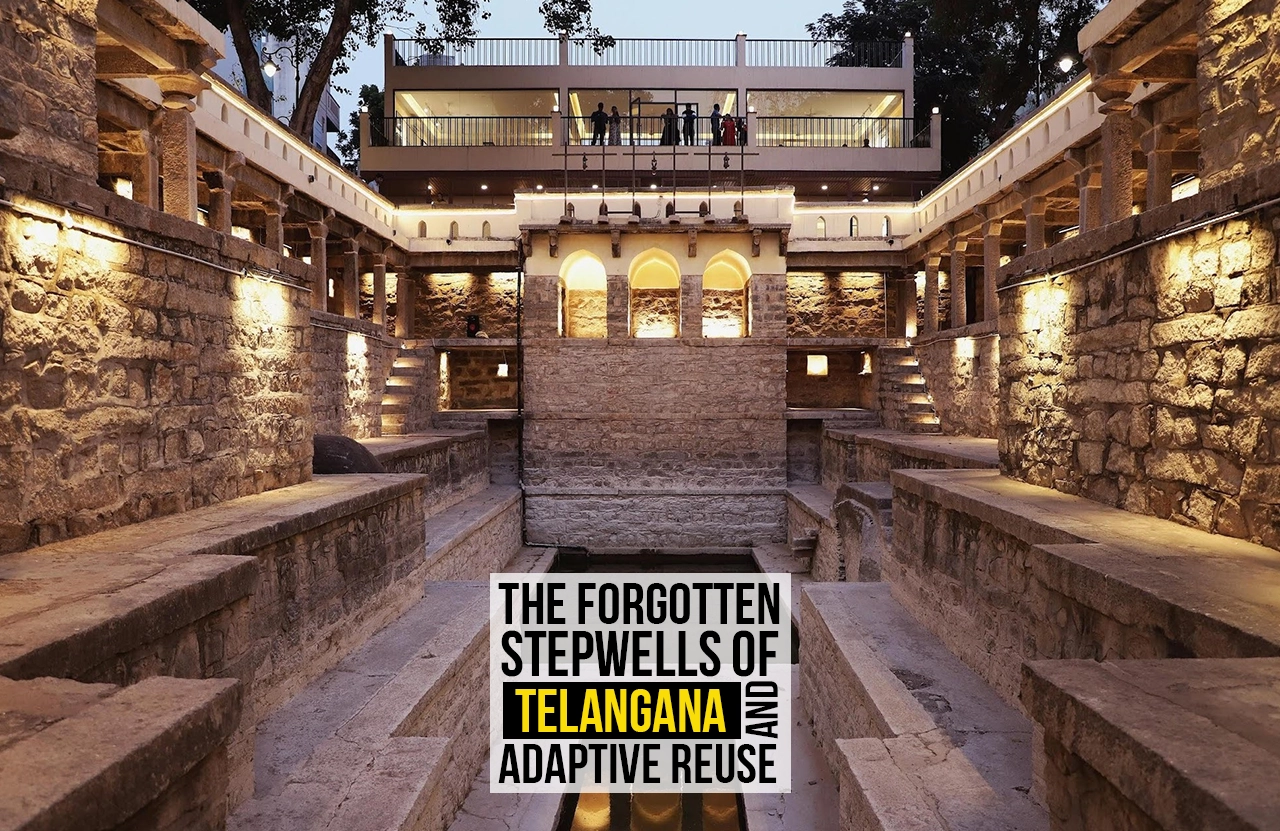
The stepwells of Telangana are located within the Deccan Plateau. In a region where surface water evaporates rapidly under the scorching heat. They were constructed during the Kakatiya, Qutb Shahi, and Nizam eras. The stepwells were designed so that water remained accessible at any level through a series of stairs. The Kakatiya and Qutb Shahi architects knew this very well and understood that the centralised water distribution system was fragile and wouldn’t hold against Deccan’s unforgiving sun and thus came up with the idea of a self-sustaining stepwell system to preserve water levels in ancient India.
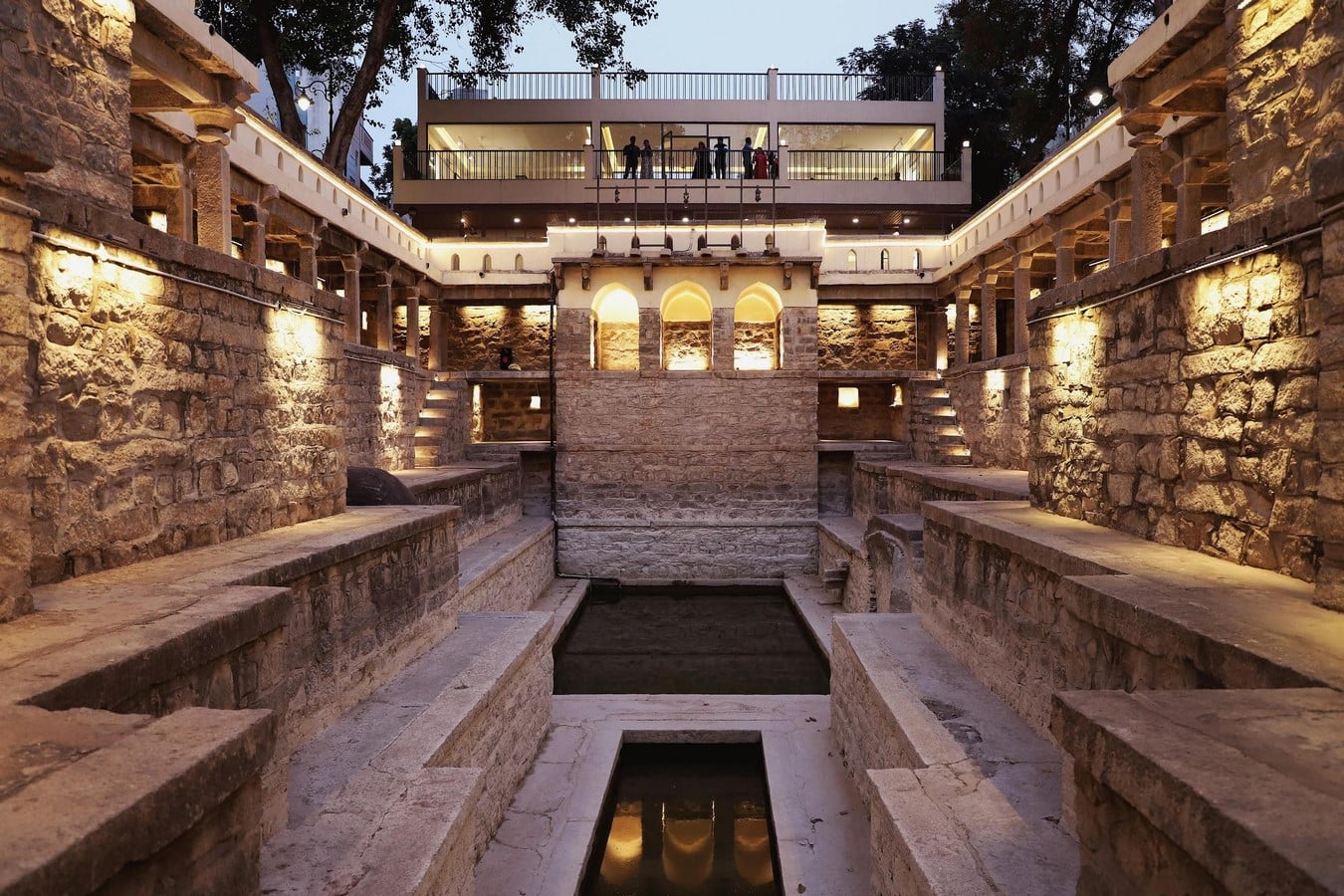
The scarcity of water made the people acutely aware of their vulnerability, they understood that survival depended on capturing and conserving groundwater. The ingenious architects and engineers of the time came to the conclusion that by carving multi-tiered stepwells directly into the regional granite they can create a community-oriented water management excellence that ensured water security.
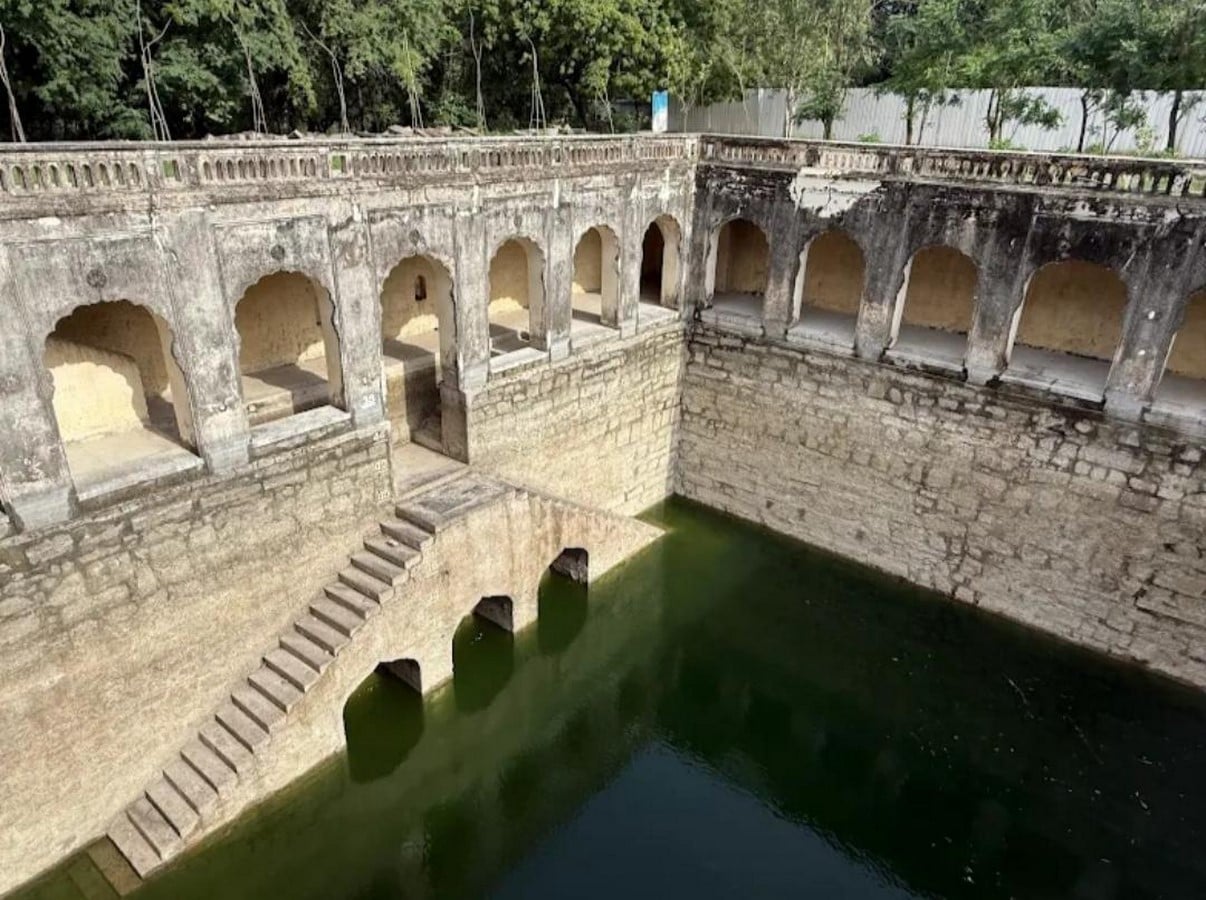
These stepwells are recognized as a remarkable synthesis of civil engineering, architecture, and art all in one structure. For centuries now, the landscape of Telangana has been vulnerable to inconsistent rainfall. Historically, survival dictated the path of innovation in the region and problems gave birth to corresponding inventions. Long before the use of modern deep-bore wells began disrupting natural water tables, rulers and local communities had extensive, multi-tiered subterranean stepwells, regionally known as ‘baolis’ or ‘kalyanis’.
Characteristics of Deccan’s Ancient Baolis
The stepwells of Telangana represent unique designs with exceptional engineering, which slightly distinguishes them from their more ornate counterpart sandstone stepwells found in Gujarat and Rajasthan, though stepwells found in other parts of India are just as magnificent, if not more.
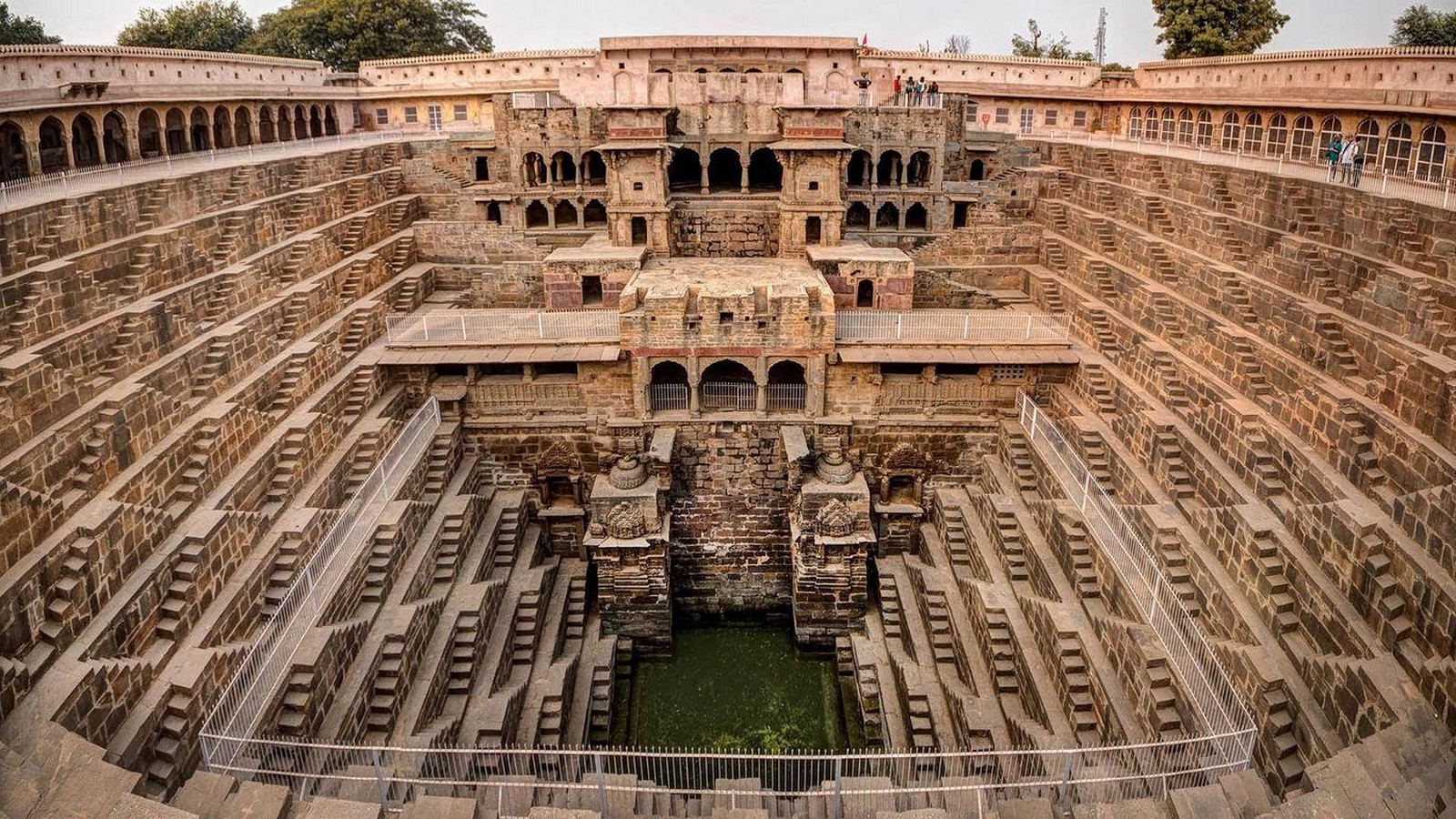
Architectural features varied based on systemic complexity
Such as:
- Structural focus: The outlines ranged from basic single-entrance to more complex sketches and multi-tiered networking systems within the stepwells.
- Load Distribution: Symmetrical steps were built from the ground up with intricate corbelled arches, designed to withstand immense lateral earth pressure from below while minimising heat-induced evaporation from the sun.
- Temperature Regulation: The subterranean model retained water in its depth whilst keeping it cool despite the increasing surface temperatures on the Deccan Plateaus.
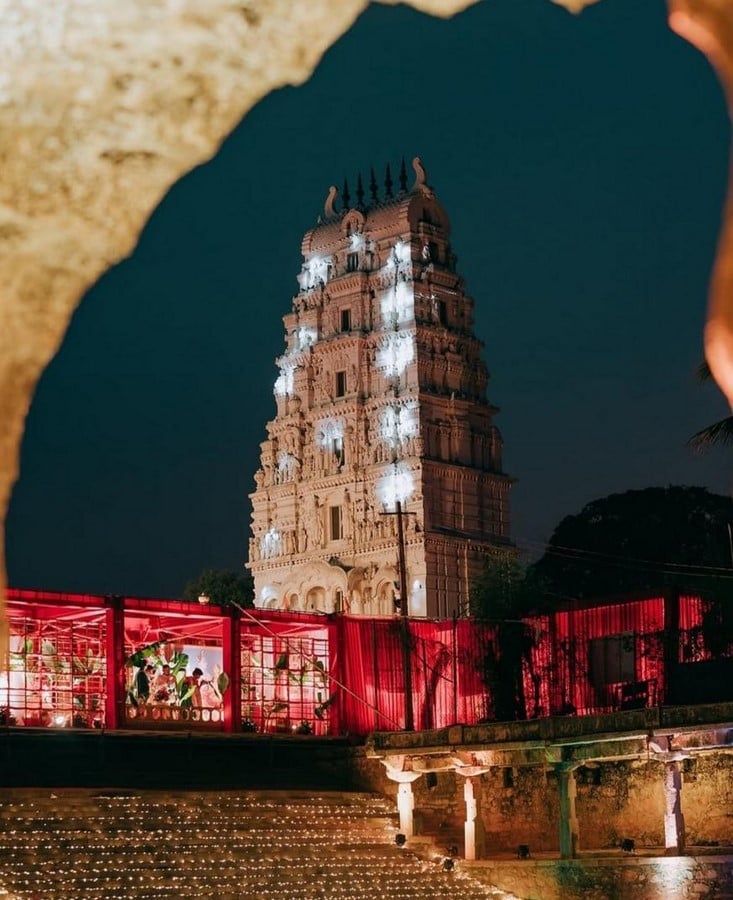
Beyond their hydrological utility, these wells served as essential civic spaces as well. Ancient galleries and shaded platforms offered relief and entertainment for travellers and locals. It also facilitated social interaction, and provided venues for communal gatherings. Furthermore, many wells were constructed adjacent to temples or mosques, effectively serving sacred spaces around them where water was integrated into daily spiritual rituals.
Stepwells of Ancient India
Their roles in military, urban, and religious communities across Telangana were influenced by their geographic aspects:
Badi Baoli (c. 17th century), which is located inside the Qutb Shahi Tombs Complex in Hyderabad, is a majestic (approximately.) 400-year-old structure that was engineered specifically to conserve water and harvest rainwater for irrigation purposes.
Bansilalpet Stepwell (c. 17th century) is a six-level subterranean structure. As the name suggests, it is located at Bansilalpet, Secunderabad. This beauty has the capacity to hold up to 22 lakh litres of water and is an ample heritage spot for Telangana.
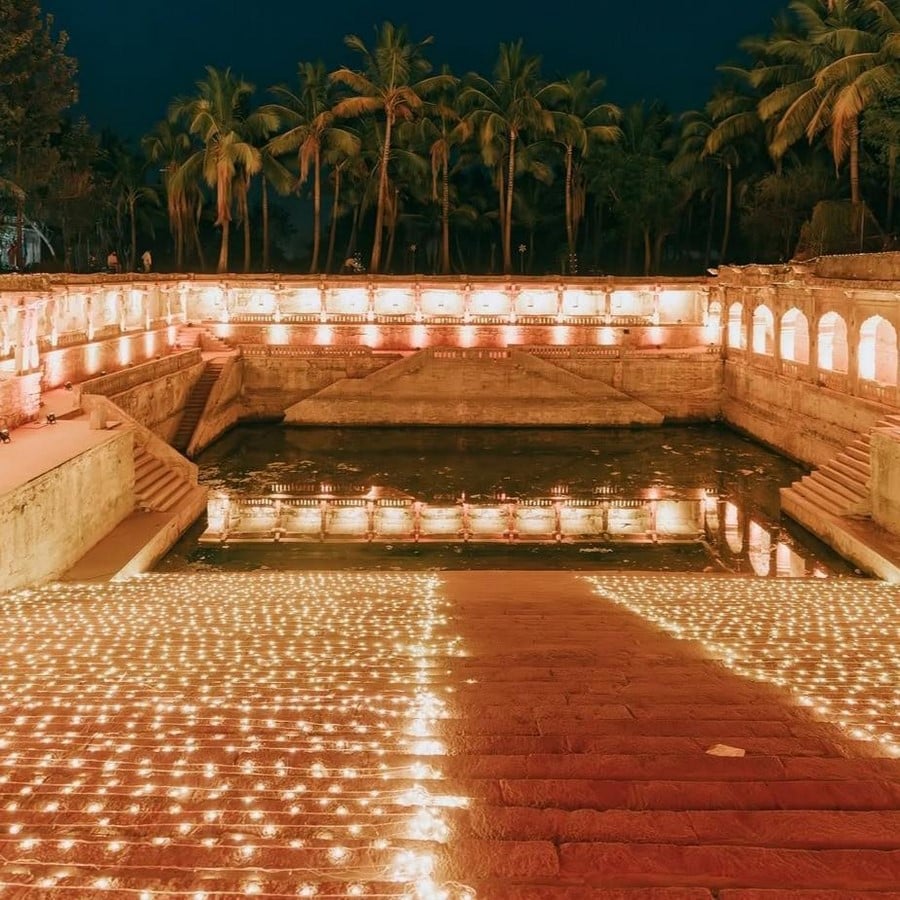
Ammapalle Stepwell (c. 13th century) is located inside the premises of Sri Seetha Rama Chandra Swamy Temple. Anmapalle features a fusion between Kakatiyan and Qutb Shahi architecture with the stepwells incorporated as a large water body providing water for pilgrims and irrigation across paddy fields in the region.
Chandrakantha Stepwell (Kakatiya Era) is located inside the Elgandal Fort in Karimnagar, Telangana. A tourist destination in current times but It was initially designed with a dual military purpose: to secure a reliable water supply for the garrison and to stand as a physical defence barrier.
Naganna Baavi Stepwell (18th century) is located in Lingampet, Telangana. Known for its intricate stone carvings and layout designs that reflect advanced historical executions of craftsmanship and cultural significance.
Ecological Consequences
The decline of Telangana’s Stepwells reached a new peak during the 20th century with the adaptation of centralised water infrastructure. The transition of going from manual extraction to mechanical electric pumps severed the direct civic connection it had with the locals alongside the prominent alterations and effects on the natural soil.
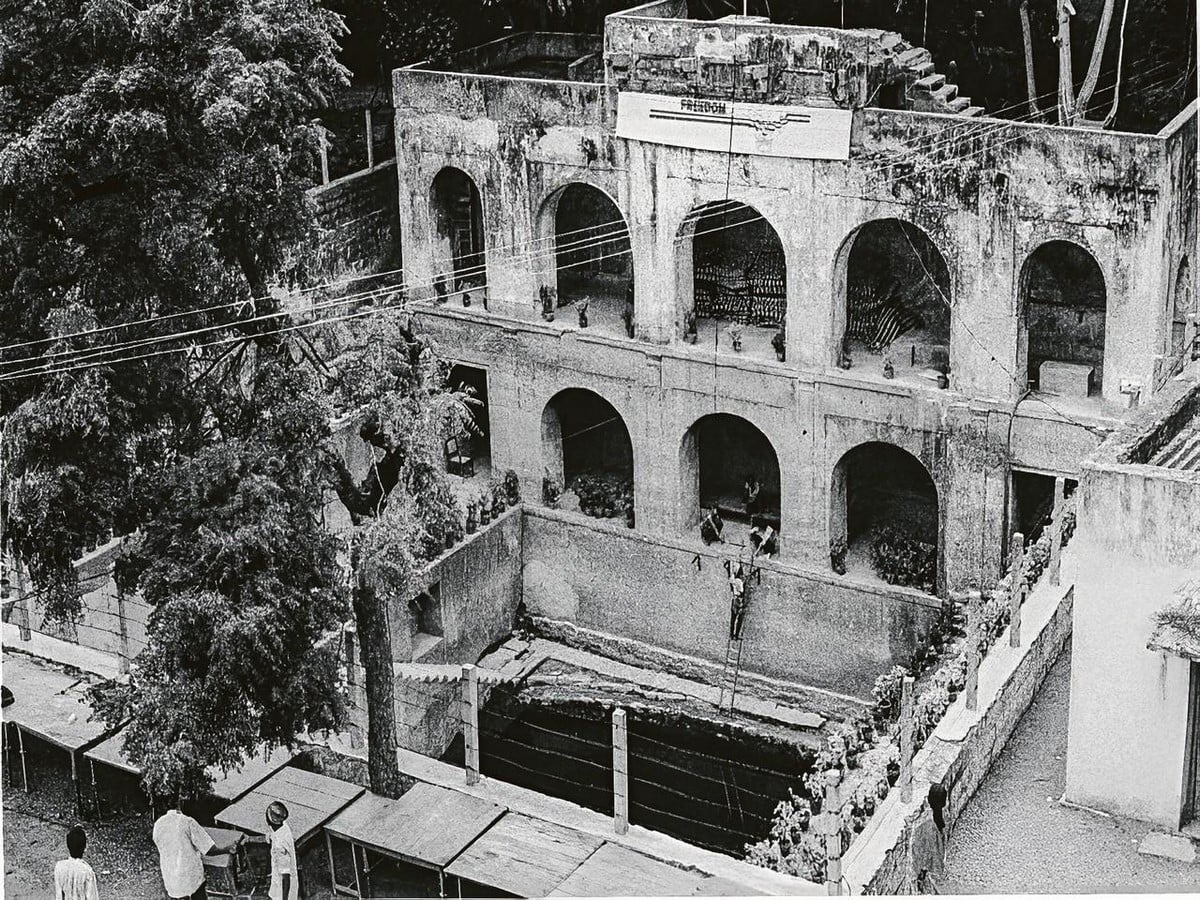
After being disowned and disregarded by the public, hundreds of stepwells across Telangana became dumping grounds for municipal waste and the stagnant water began harboring multiple diseases. Some even turned to ruins or got replaced by the hands of urban architecture. These Stepwells didn’t just pull water from the ground up but also recharged natural underground aquifers (rocks & sediment).
This change in mindset brought along a major ecological setback, as by filling and blocking this ancient system and the rise of urban practices, they severely compromised natural groundwater recharging systems. This contributed to the rapid growth of modern crisis depleting borewells and spike in destructive floods during monsoon.
The revival of ancient stepwells for a sustainable future
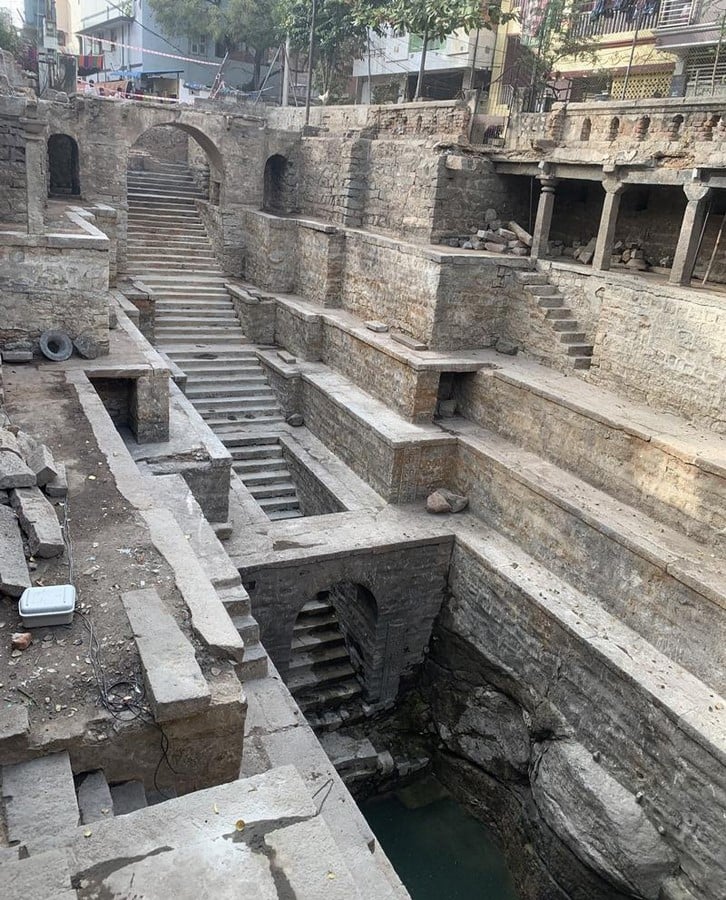
The forgotten stepwells experienced decades of neglect, urban encroachment, and exploitation. Driven by the practice of modern plumbing which later introduced a contemporary revival movement afterwards due to its severe consequences. Experts suggested that these historical assets remain critical to the region’s ecological health and cultural identity. Recent conversations have brought these forgotten stepwells back to life.
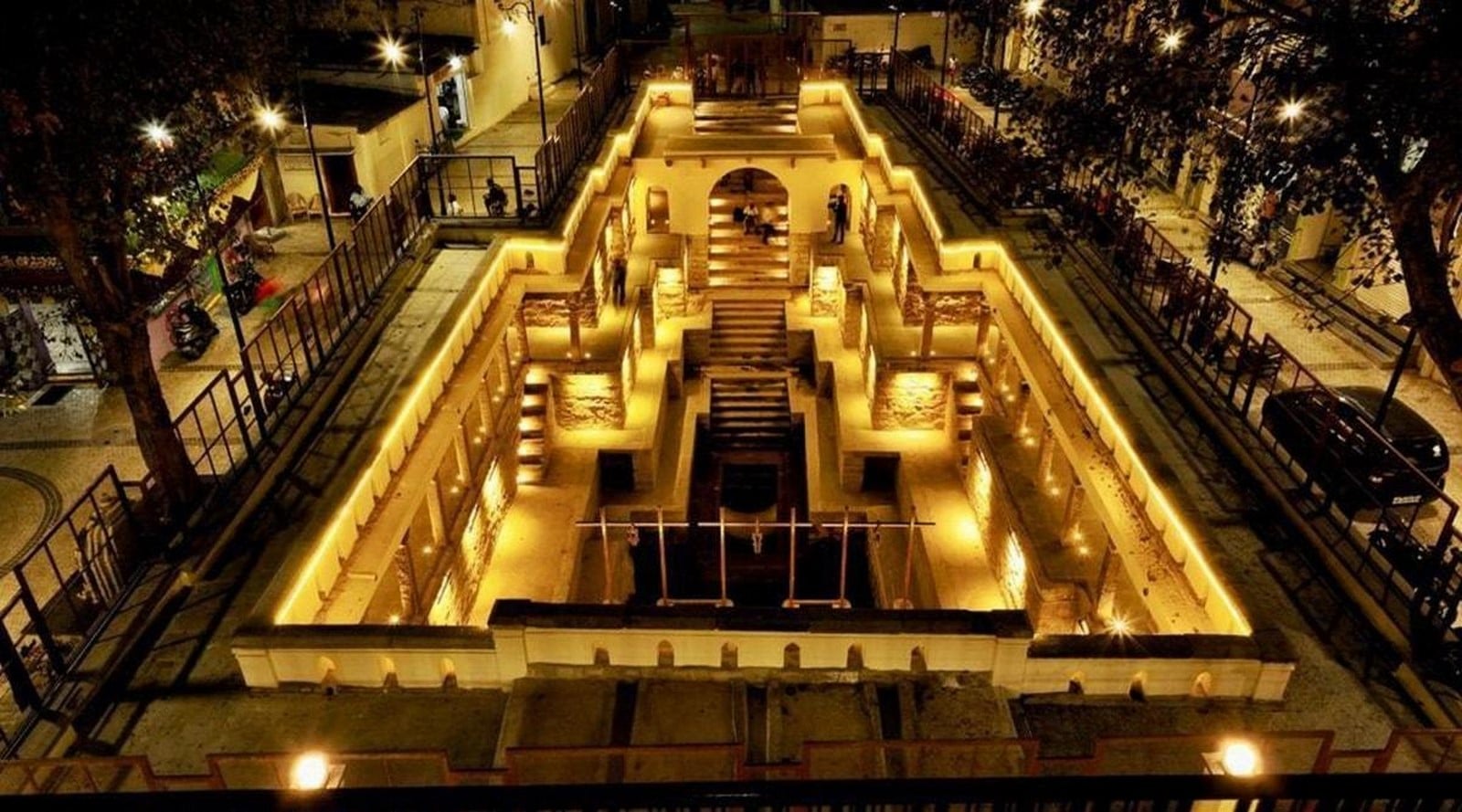
In the 21st century, the stepwell system is experiencing an essential awakening. Modern structures primarily rely on models that pump water from distant rivers through energy-intensive pipelines, in complete contrast to the natural perseverance of water by the stepwells. Telangana’s revived stepwells are proving to be buffers amongst the urban facilities. The restoration of these stepwells is not just for historical attraction but also for transforming them back into a functioning rainwater-harvesting system that stabilises local water levels and relieves pressure on overused borewells.
This move challenges the very ideology that suggests sustainability requires the invention of something entirely new with modern technologies as its sole saviour. The restoration proves that the pathway to a water-sustainable future is already written in the stones left by India’s ancestors. Projects such as the Rainwater Project have cleared multiple stepwells off of debris across the region and restored them to store rainwater as they were originally meant to do, restoring an ancient form to its previous glory of self-reliance that is as much about ecological survival as it is about cultural pride.