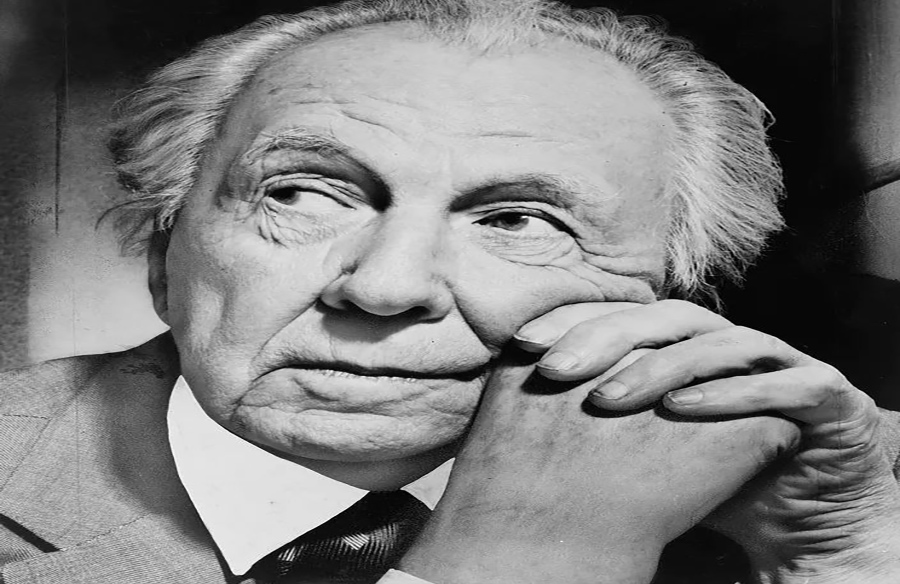
Frank Lloyd Wright – Most influential Product Designers of all time
Frank Lloyd Wright, a towering figure in modern architecture, left an indelible mark on the world with his innovative design philosophy and groundbreaking projects. His influence continues to resonate across generations, shaping the very fabric of modern architectural principles.
Early Life and Career Beginnings
The Architectural Prodigy
Born in 1867 in Wisconsin, Frank Lloyd Wright’s journey began with an apprenticeship under Louis Sullivan, a prominent architect of the time. This experience laid the foundation for Wright’s unique design principles, centered around organic architecture and the integration of nature with built spaces.
Wright’s Design Philosophy: Organic Architecture
Harmony with Nature
Wright’s design ethos was deeply rooted in the belief that architecture should harmonize with its natural surroundings. Organic architecture, as he envisioned it, sought to create structures that seamlessly blended with the environment, emphasizing functionality, simplicity, and natural beauty.
Iconic Projects: Masterpieces of Innovation
Fallingwater: The Epitome of Organic Design
Fallingwater, perhaps Wright’s most celebrated work, embodies his organic architecture principles. The house, seamlessly integrated with its natural setting in Pennsylvania, features cantilevered balconies hovering above a waterfall, epitomizing the fusion of nature and architecture.
Taliesin West: A Desert Utopia
Taliesin West, Wright’s winter home and studio in Arizona, showcases his mastery in adapting architecture to the landscape. With its low, angular structures and use of local materials, Taliesin West evokes a sense of harmony with the Sonoran Desert.
Solomon R. Guggenheim Museum: The Spiraling Marvel
The Guggenheim Museum in New York City stands as a testament to Wright’s ingenuity. Its iconic spiral form challenges traditional museum design, offering visitors a unique, continuous viewing experience along a central ramp.
Robie House: Prairie Style Elegance
Wright’s Robie House in Chicago exemplifies the Prairie Style—a hallmark of his early work. Its horizontal lines, overhanging eaves, and integration with the landscape define the Prairie School of architecture.
Legacy and Influence
Shaping Modern Architecture
Frank Lloyd Wright’s influence reverberates throughout modern architecture, inspiring architects and designers to rethink spatial relationships, emphasize natural elements, and challenge conventional design norms.
Continuing the Legacy
His architectural legacy lives on through the Frank Lloyd Wright Foundation, dedicated to preserving his designs, principles, and promoting architectural education worldwide.
Conclusion: A Visionary’s Enduring Impact
Frank Lloyd Wright’s revolutionary approach to architecture continues to captivate and inspire. His commitment to organic architecture, innovation, and harmony with nature has left an indelible legacy, shaping the architectural landscape for generations to come.
Embracing Organic Design
Frank Lloyd Wright’s enduring influence underscores the significance of embracing organic principles in design, fostering a profound connection between built environments and the natural world.