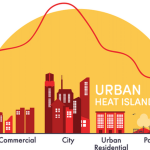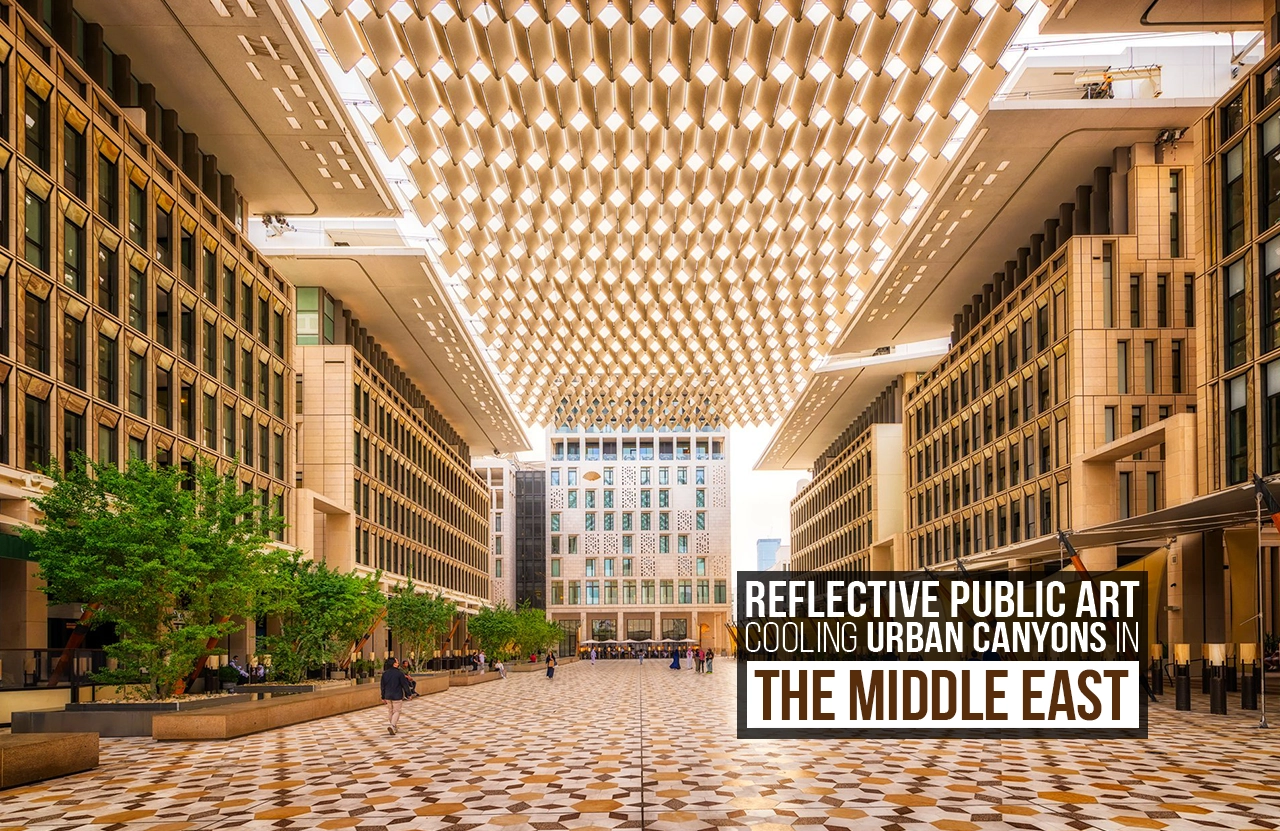
Urban areas in the Middle East experience some of the highest heat conditions in the world. Strong solar radiation, dry climates, and dense urban growth increase the urban heat island effect, particularly in narrow streets and tall building corridors known as urban canyons. As cities like Dubai, Doha, Riyadh, and Abu Dhabi grow quickly, managing heat in public spaces has become a major challenge in city design. One new strategy uses reflective public art walls. These are architectural features that combine artistic expression with designs that consider the climate.
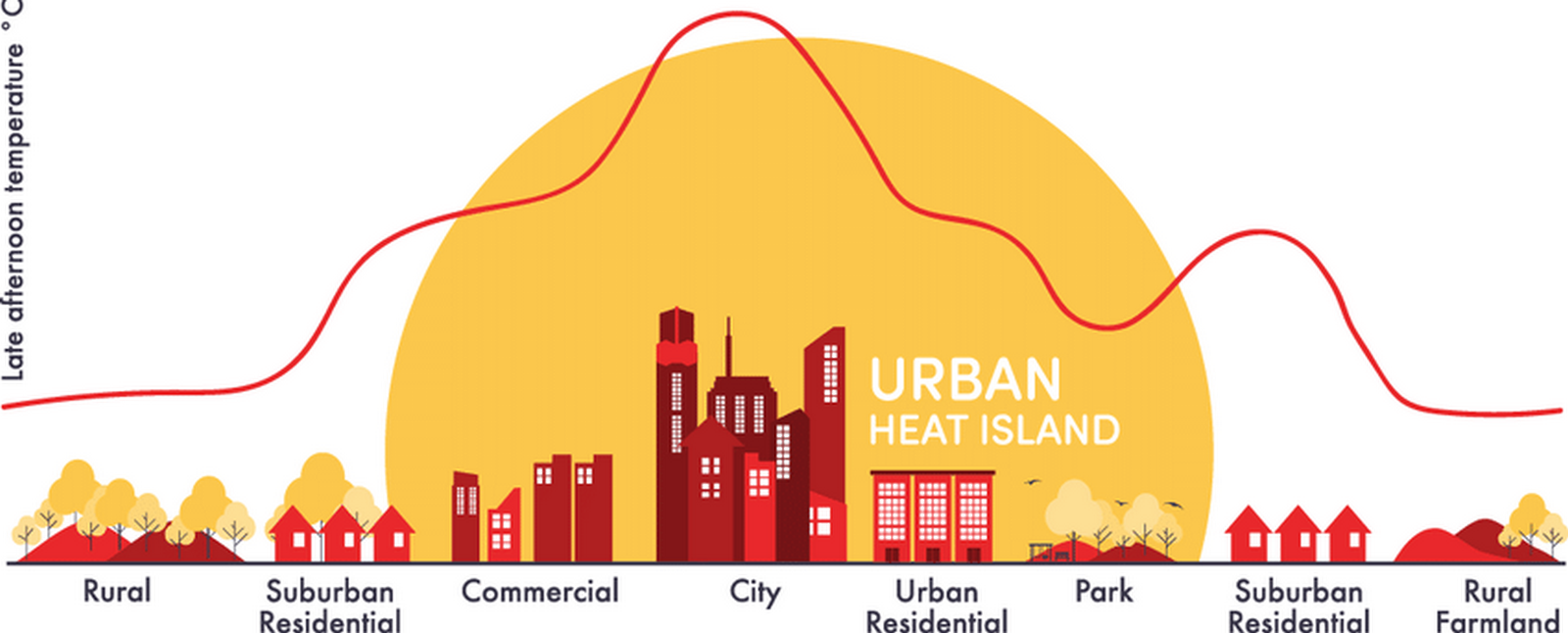
Urban Canyons and Heat Retention
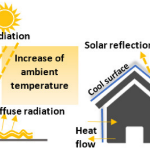
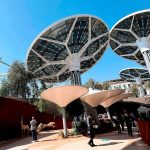
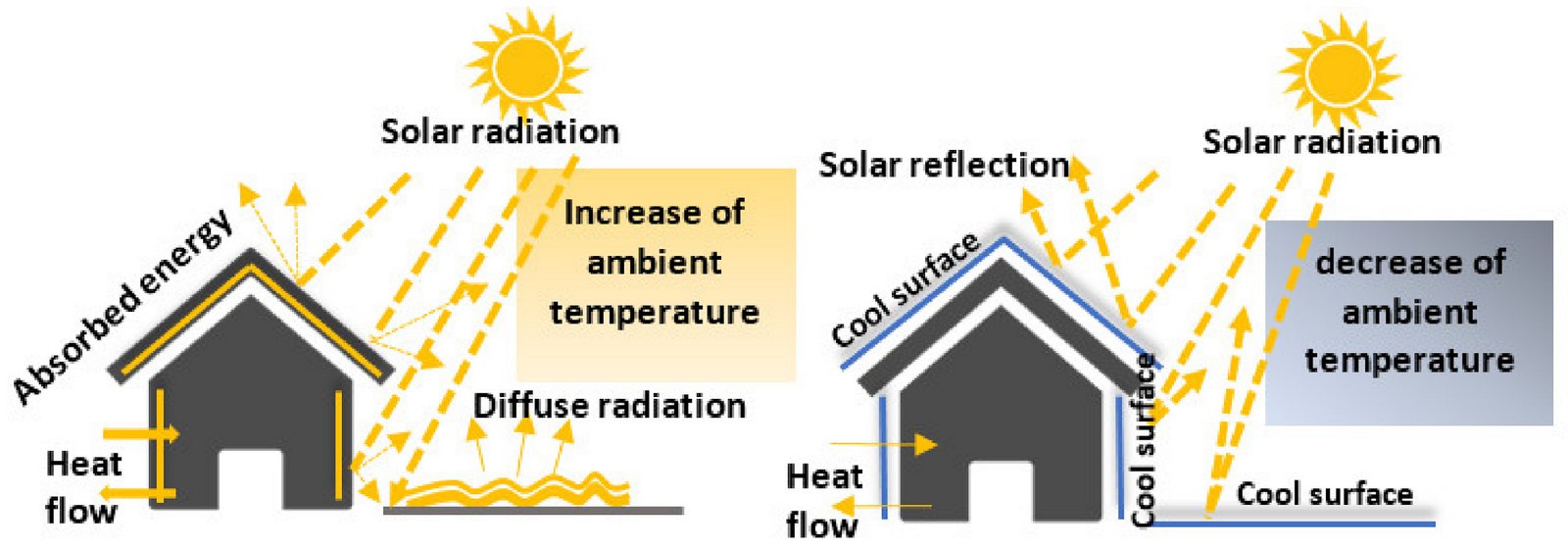
Urban canyons occur when skyscrapers line narrow streets, limiting airflow and trapping solar energy between building facades. In dry climates, these surfaces absorb and release heat during the day. This causes street-level temperatures to be significantly higher than in nearby areas. Research in urban climatology shows that reflective materials and shading structures can significantly lower surface temperatures and improve comfort for pedestrians. Designers are exploring passive methods that use sunlight, reflection, and airflow instead of relying solely on mechanical cooling. Reflective public art walls support this approach by redirecting solar radiation away from walking areas. This reduces heat absorption on building surfaces and roadways.
Reflective Surfaces as Climate Infrastructure
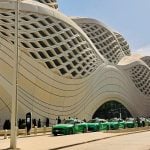
Reflective surfaces, such as polished aluminum, ceramic tiles, stainless steel, or treated glass, can bounce back a significant amount of incoming solar radiation. When used in large vertical areas, they reduce heat buildup and improve light scattering in shaded spots. Reflective public art walls serve as both environmental infrastructure and cultural installations. Their surfaces reflect sunlight throughout city pathways, creating visually appealing spaces while lowering heat retention. Often, these reflective surfaces have angles or patterns that lessen glare and distribute light evenly. These changes turn passive climate control into a visible architectural feature rather than a concealed system.
Case Study: Abu Dhabi’s Al Bahr Towers
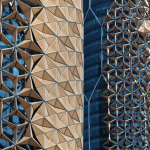
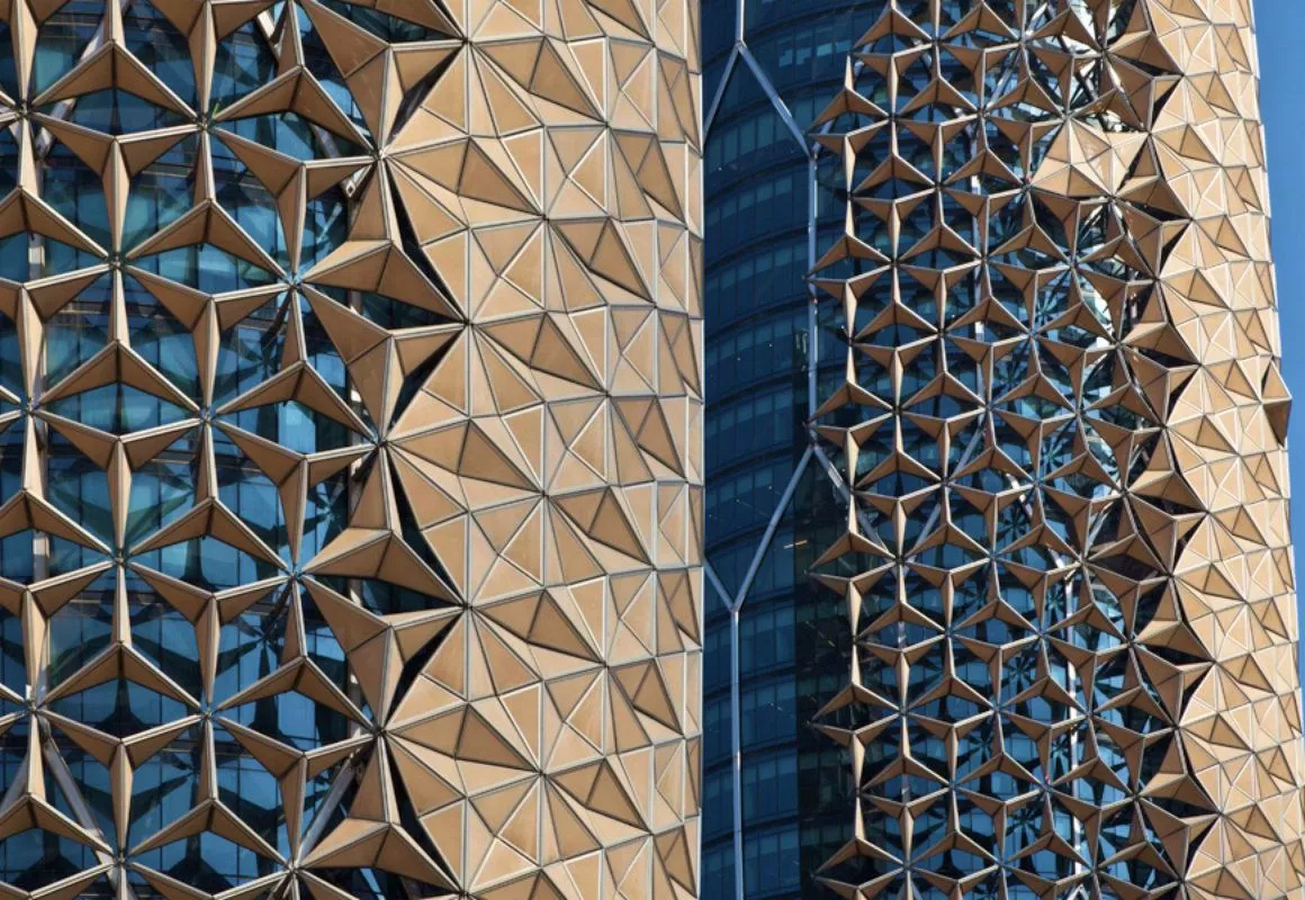
The Al Bahr Towers in Abu Dhabi is one of the most significant examples of climate-responsive reflective facades in the Middle East. Designed by Aedas Architects, the towers feature a vibrant mashrabiya-inspired exterior that expands and contracts based on sunlight. The adaptive shading system reduces solar gain by up to 50%, lowering cooling needs and improving indoor comfort. While the towers primarily serve as office spaces, the design illustrates how traditional Islamic architectural elements like the mashrabiya can be updated with modern technology. Reflective public art walls often use this approach by incorporating geometric screens, perforated metal sheets, and mirrored surfaces. This blend merges cultural identity with ecological functionality.
Case Study: Downtown Doha Msheireb
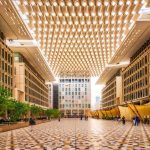
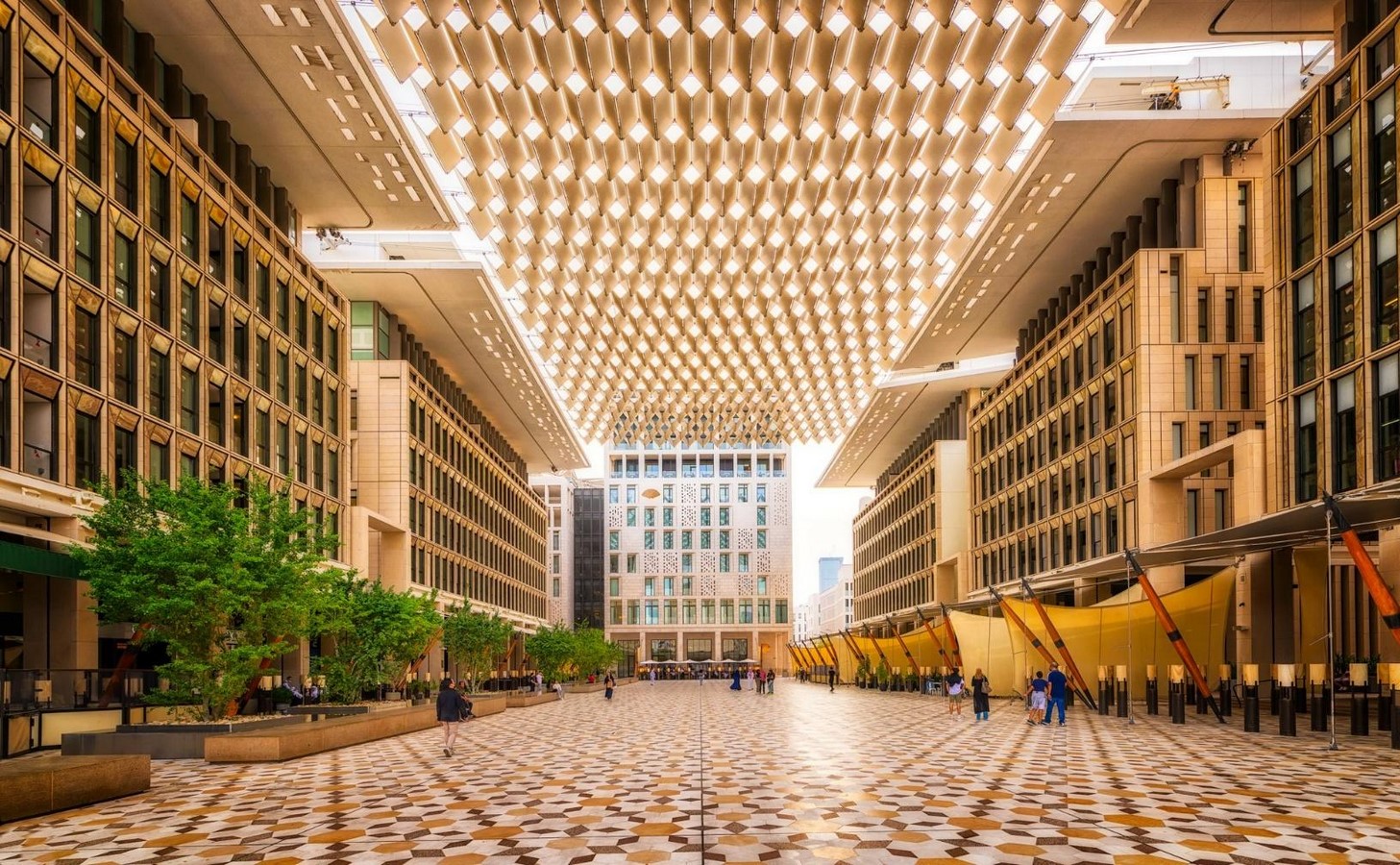
Msheireb Downtown Doha is one of the largest eco-friendly urban projects in the area. The initiative features shaded walkways, reflective surfaces, and narrow city paths to reduce heat exposure. Buildings use light-colored surfaces and reflective materials that lower solar absorption. Public areas have shading elements, barriers, and reflective surfaces that disperse sunlight while maintaining
Artistic Reflection of Cultural Expression
visibility. These methods demonstrate that reflective features can work not just at the architectural level, but also as part of public urban infrastructure. This improves walkability in extremely high temperatures.
Urban art installations in cities like Dubai and Riyadh now show reflective surfaces inspired by Islamic geometric designs. Laser-cut metal sheets, mirrored tiles, and angular reflective sculptures create lively interactions between sunlight and buildings. These structures echo the traditional function of the mashrabiya, which let sunlight in while providing privacy and airflow. By updating this cultural heritage with modern materials, designers create installations that are both representative and suited to the climate. These works transform environmental infrastructure into artistic experiences, reinforcing cultural identity in rapidly modernizing urban areas.
Improving Pedestrian Microenvironments
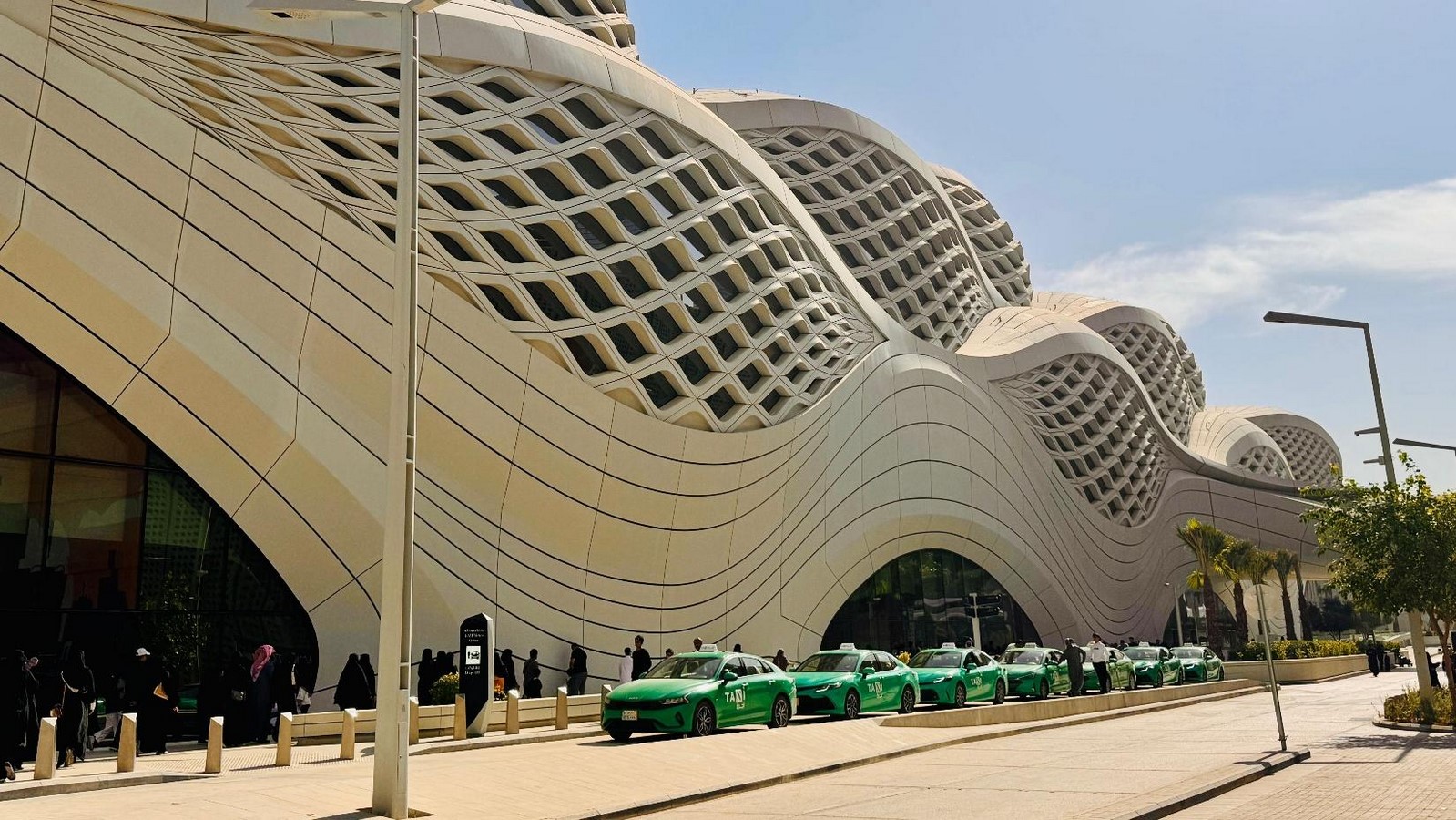
Reflective art walls play an important role in designing microclimates. Together with plants, water features, and porous surfaces, they help create cooler walking spaces. The main advantages include: – Reduced heat from building surfaces. – Better light reflection in shaded areas. – Easier walking in narrow streets. – Enhanced urban identity through public art. Cities like Dubai and Riyadh are increasingly incorporating these features into public squares, waterfront paths, and pedestrian walkways.
Future Possibilities and Creativity
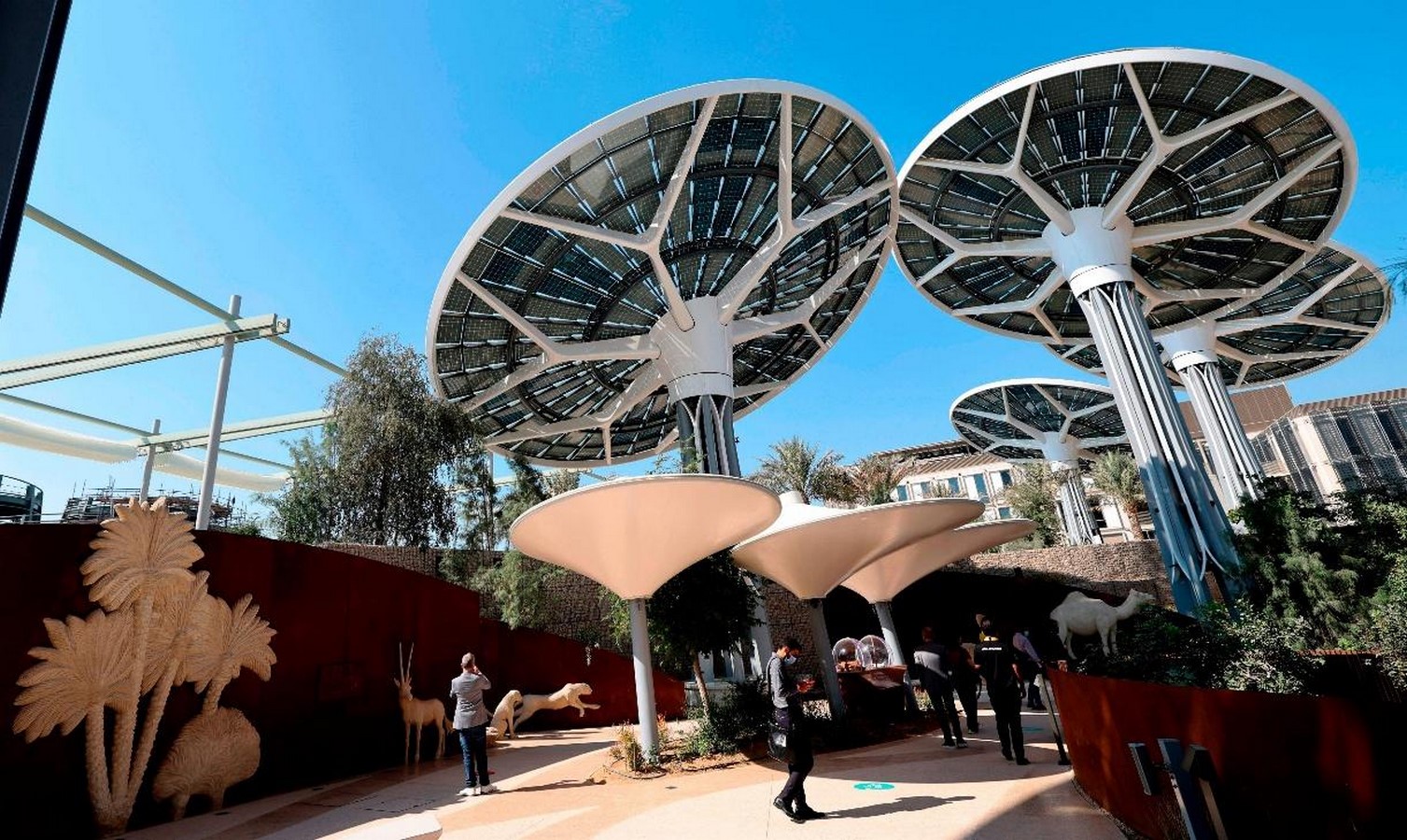
New technologies could further improve the efficiency of reflective installations. Materials that can change their reflectivity based on solar intensity are currently being tested. Combining reflective panels with solar surfaces, smart shading systems, or cooling coatings may improve energy efficiency and climate adaptability. As global temperatures rise, urban planners worldwide might adopt similar strategies. Reflective public art walls show the connection between creativity and environmental design. They help create urban areas that are both culturally rich and environmentally friendly.